
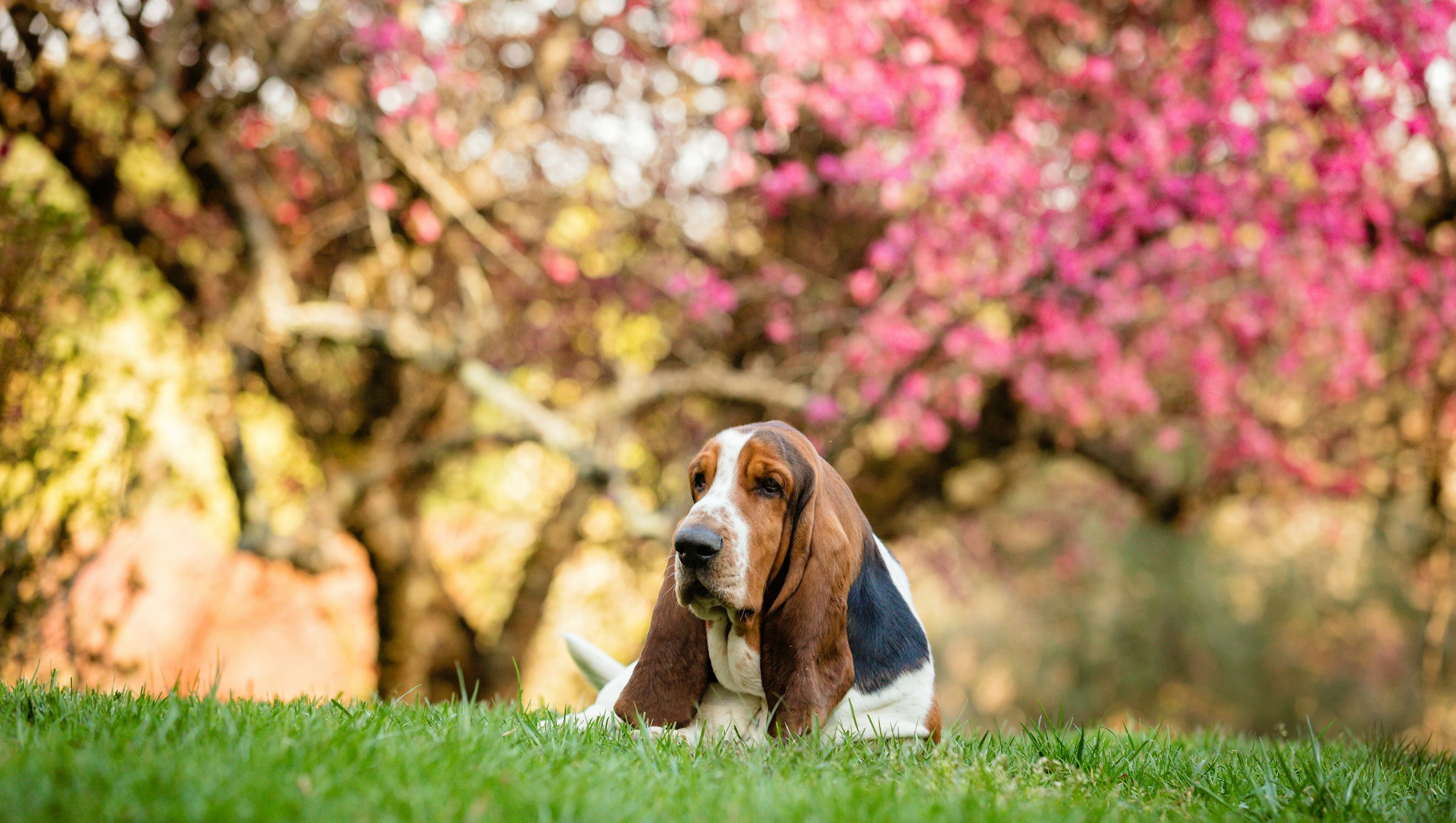
Picture this: the house is finally calm, your schedule is your own, and you’re dreaming of a dog who matches your new, slower rhythm. Most people immediately think of tiny lapdogs or the latest “designer” breeds for retirement, but that narrow picture quietly leaves out some of the very best canine companions for this stage of life. A lot of dogs that shine in retirement are not the ones trending on social media or topping puppy popularity charts.
This is where it gets surprising. Some of the most peaceful, gentle, and low‑maintenance dogs are breeds people overlook or misunderstand completely. They may be big but lazy, sturdy but soft, or once bred for intense work yet now perfectly happy with slow neighborhood strolls and long naps by your chair. Let’s go through ten breeds that often fly under the radar, yet fit a quiet retirement far better than their popularity suggests.
1. Greyhound: The Couch Potato in a Racer’s Body
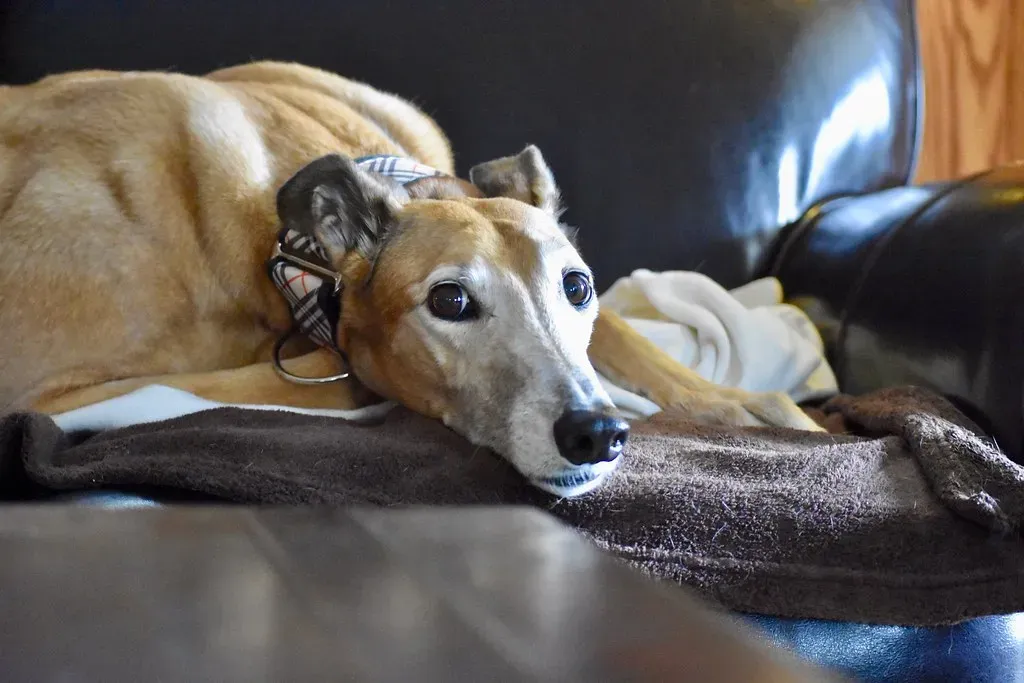
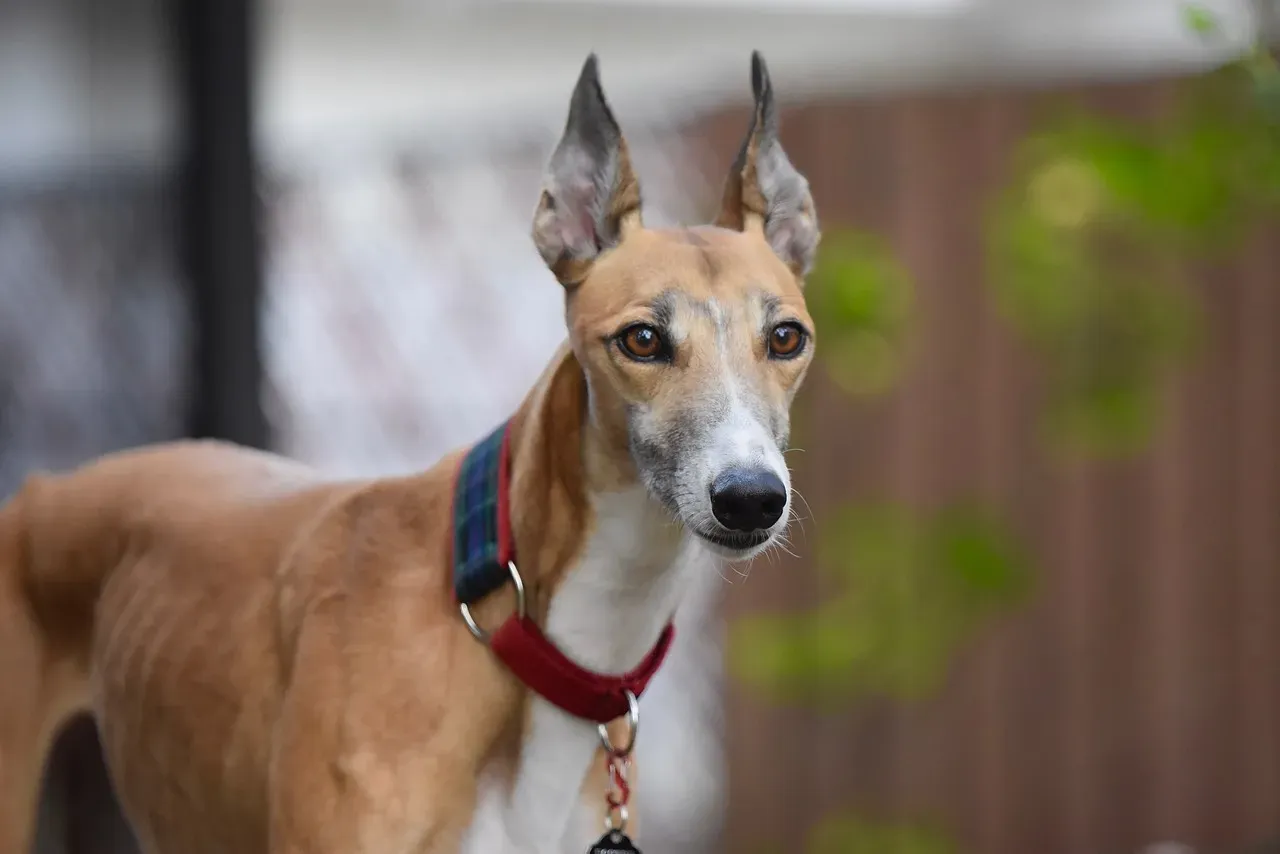
At first glance, a retired racing dog doesn’t sound like an obvious fit for a quiet life, but greyhounds are one of the biggest “plot twists” in the dog world. They’re built like athletes, yet inside the home they behave more like professional nappers, often content with short daily walks and the rest of the day spent sprawled on something soft. Many retirees are shocked by how calm and almost cat‑like these dogs are once they’re off the track.
Despite their size, greyhounds tend to be very gentle, clean, and relatively low odor, which can make life easier if bending and heavy grooming are starting to feel like a chore. They’re usually good with polite visitors, not big barkers, and have a soft, sensitive nature that pairs well with a quieter household. If you want a dog that enjoys a burst of speed at the park, followed by hours of snuggling while you read or watch TV, a greyhound often fits that lifestyle perfectly.
2. Cavalier King Charles Spaniel: The Gentle Shadow Dog
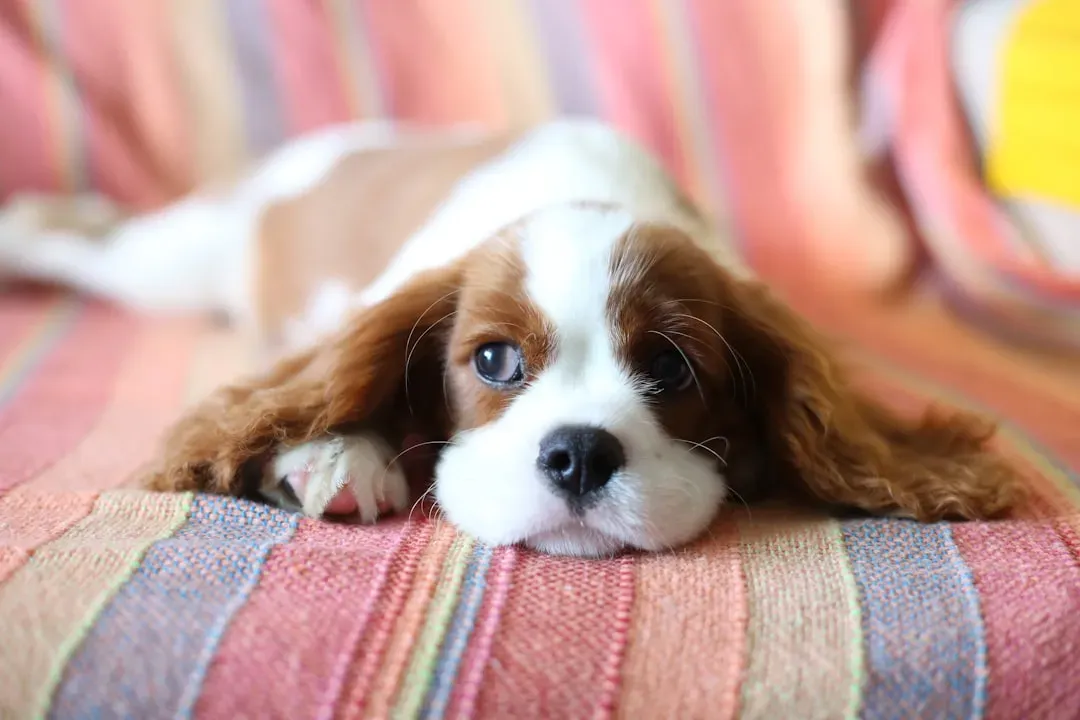
Cavalier King Charles Spaniels are small and undeniably cute, but oddly they still get overshadowed by trendier “doodle” mixes, even though their temperament is tailor‑made for companionship. They’re typically affectionate without being hyperactive, and many are happiest when they can simply follow you from room to room like a soft, warm shadow. That close, steady presence can be incredibly comforting in retirement, especially if you’re living alone.
They also tend to be adaptable: short, easy walks, a bit of play indoors, then plenty of lap time. Their size makes them easier to lift, bathe, and take to the vet, which really matters if you’re dealing with arthritis or limited strength. The main trade‑off is that they can be prone to certain health issues, so picking a reputable breeder or a rescue that screens carefully is crucial. For the retiree who wants a truly people‑oriented little dog, though, a well‑bred Cavalier can feel like a four‑legged soulmate.
3. Basset Hound: Low to the Ground, Low on Energy
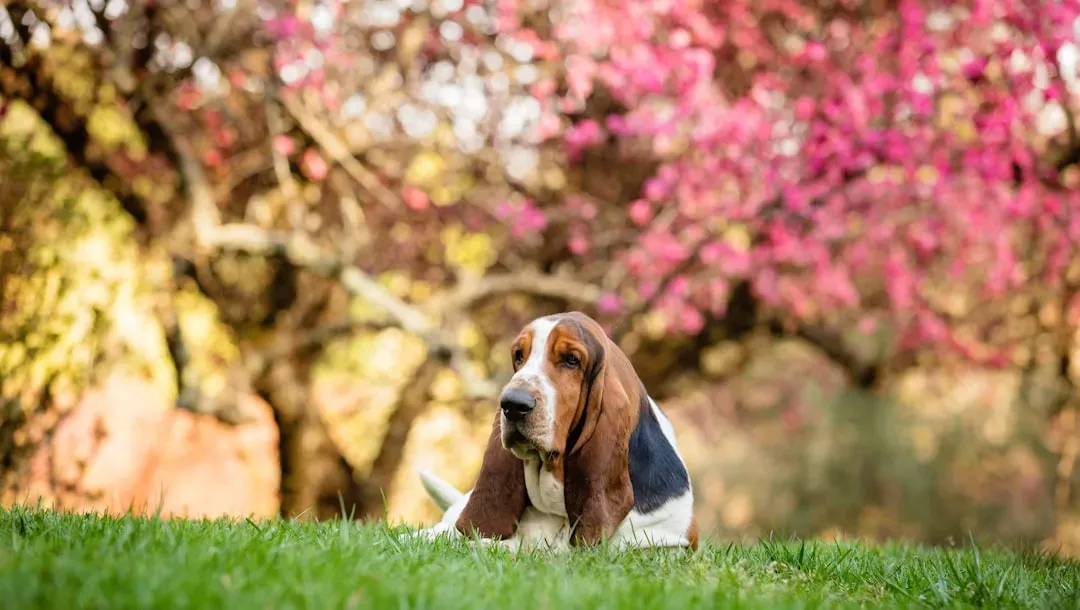
Basset Hounds look like cartoon characters come to life, with their long ears, droopy eyes, and slow, rolling walk. Beneath that comical exterior is a dog that often fits a relaxed, home‑centered lifestyle surprisingly well. They were bred to follow scent trails, but in modern homes they tend to be mellow, steady companions who are in no rush to do anything quickly.
Because they’re heavy‑boned and low‑slung, they’re usually not built for high‑intensity exercise, which lines up nicely with shorter walks and unhurried days. They do need some regular movement to keep joints and weight in check, yet they’re rarely demanding if you skip the occasional outing due to bad weather or an off day. A Basset’s biggest “cost” is often drool and stubbornness, not energy – so if you appreciate a bit of humor and can live with some slobber, they can be a lovable, quiet presence in your retirement routine.
4. Shih Tzu: The Apartment-Friendly Companion With Surprising Resilience
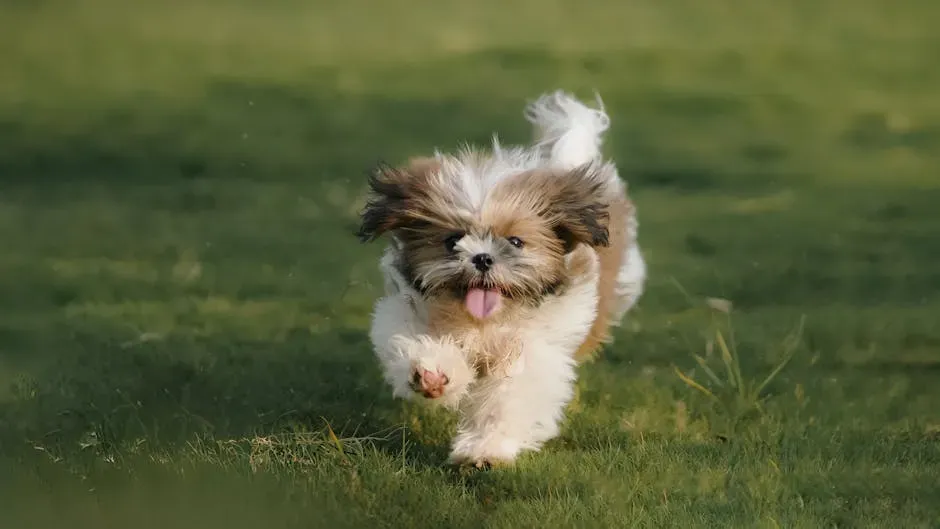
Shih Tzus often get dismissed as frou‑frou lapdogs, but that reputation doesn’t give them enough credit. They were historically bred as indoor companions, which makes them naturally suited to apartments, condos, and homes without big yards. Many retirees appreciate that these dogs can get a lot of their exercise simply padding around the house, with a few gentle walks sprinkled in.
What’s often overlooked is how sturdy and adaptable they can be under all that hair. They’re small enough to lift but solid enough to enjoy slow strolls, short car trips, and visits with family. Grooming can be a project if you keep the coat long, but many owners opt for a shorter “puppy cut,” which is easier to maintain. For someone who wants a friendly little dog that is content with a calm, predictable routine, a Shih Tzu can quietly be one of the best fits around.
5. Clumber Spaniel: The Underrated Gentle Giant of the Spaniel World
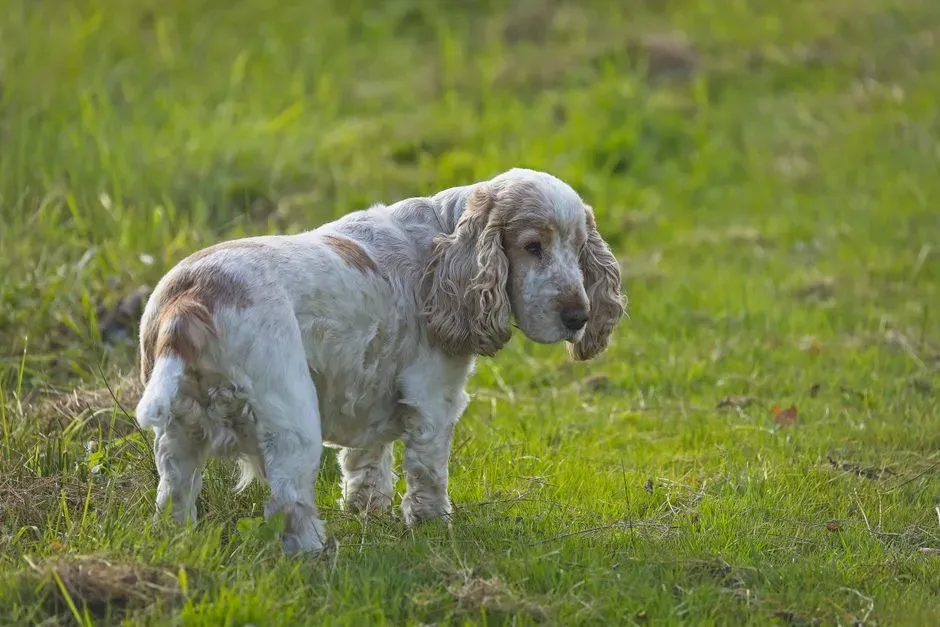
Clumber Spaniels are one of those breeds many people have never met in person, even though they’re incredibly well suited to a slower pace of life. They’re larger than most spaniels, but they move through the world with a heavy, thoughtful calm – more lumbering stroll than frantic zoom. A typical Clumber is content with moderate exercise and then long stretches of lounging near their people.
They do shed and can be a bit slobbery, so they aren’t for the neat freak who wants a spotless house. But if you care more about temperament than hair on the couch, Clumbers bring a sweet, almost old‑soul presence. Many are affectionate without being clingy, playful without being wild, and perfectly happy to repeat the same simple routine every day. For a retiree who wants a larger dog without a high‑octane engine, this under‑appreciated breed deserves much more attention.
6. Japanese Chin: A Tiny Dog With a Cat-Like Calm
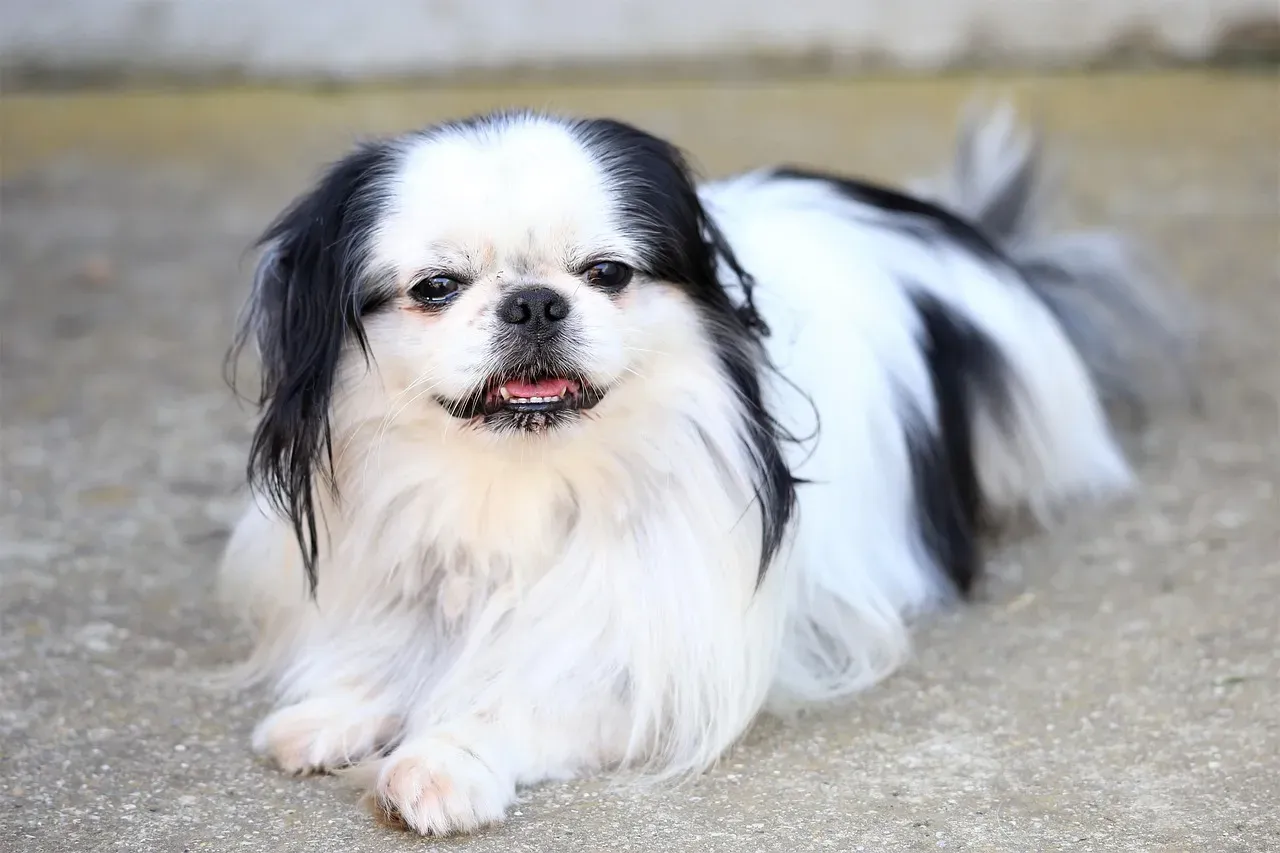
The Japanese Chin is rarely on the top‑ten popularity lists, yet it might be one of the most retirement‑friendly toy breeds out there. These dogs are often described as delicate and elegant, but what really stands out is their quiet, almost feline demeanor. Many prefer to perch on the back of a sofa, observe quietly, and then glide down for affection on their own terms.
That mix of independence and cuddliness can be wonderful for someone who wants company without constant demands. They usually need very modest exercise, making them ideal for people with limited mobility or those who live in smaller spaces. As with any toy breed, care is needed to avoid accidental injuries from falls or rough handling, but in a calm, adult home they can settle into retirement life like they were born for it.
7. Great Pyrenees: The Serene Guardian for Country Quiet
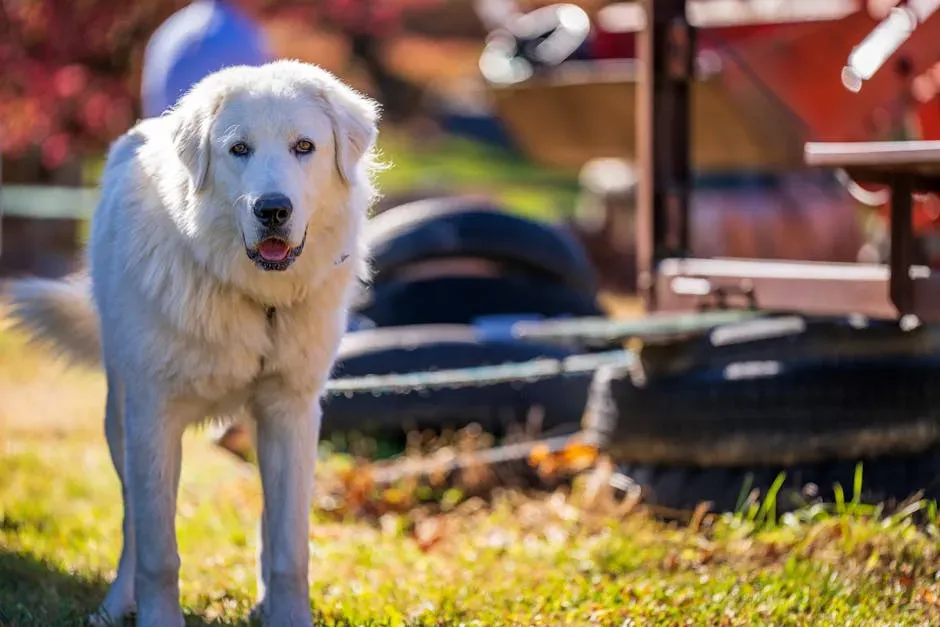
Huge white livestock guardians might not be the first dogs you think of for retirement, but the Great Pyrenees is often far calmer indoors than its size suggests. These dogs were bred to watch over flocks quietly and independently, which translates into a thoughtful, unhurried presence in the home. Many adults are content to move from cool floor to shady porch, simply keeping an eye on their surroundings.
They’re not ideal for apartments, and they do tend to bark to announce anything unusual, so they pair best with retirees who have a yard or live in quieter, more rural spaces. But if you’ve always dreamed of a big dog and now have the time to manage one, a well‑socialized Great Pyrenees can be a steady, reassuring companion. They’re often more about peaceful watchfulness than roughhouse play, which blends beautifully with a slower, more reflective stage of life.
8. Whippet: The Manageable Middle Ground Between Big and Tiny
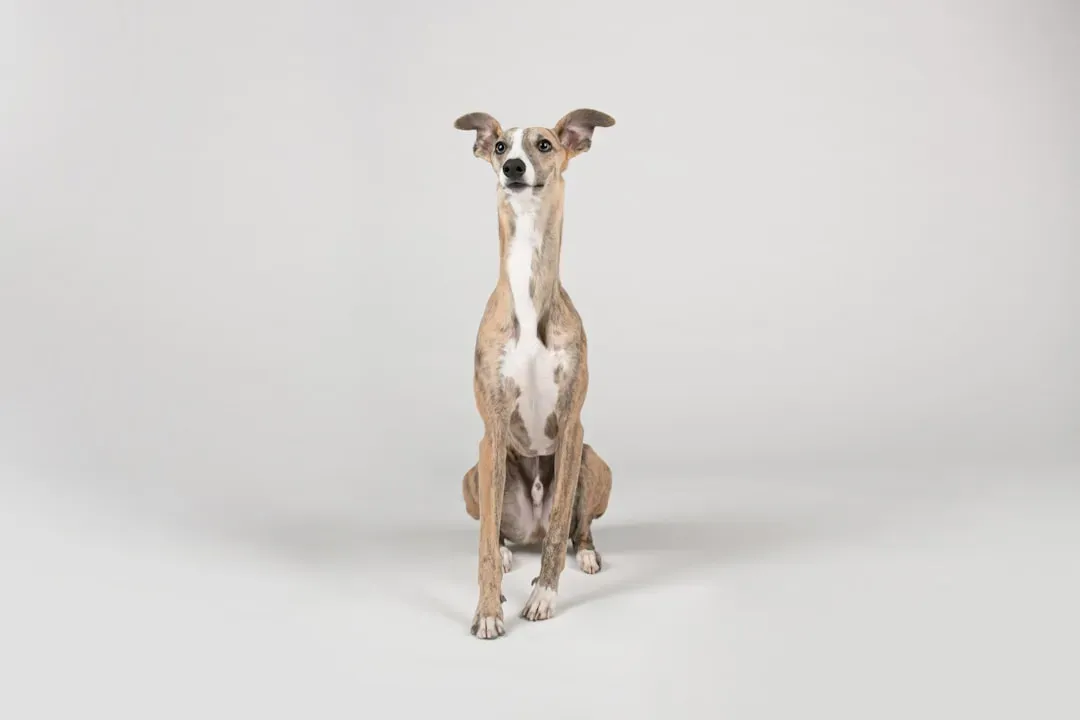
Whippets are often overshadowed by their larger cousins, the greyhounds, yet they might be even better suited to many retirees. They share the same sprinter‑then‑sofa‑sloth lifestyle but in a more compact, easier‑to‑handle body. Inside the home, they tend to be quiet, sensitive, and deeply attached to their people, without the constant energy of some smaller breeds.
They usually enjoy a brisk walk or a brief off‑leash run in a safe area, then they’re content to curl up under a blanket for hours. Their short coat means minimal grooming and very little doggy odor, which is great if heavy maintenance is not your idea of fun. The main watch‑out is their sensitivity to cold and hard pressure; they appreciate soft bedding and cozy indoor living. For retirees who want an athletic dog that’s calm most of the day, a Whippet often hits a sweet spot.
9. Tibetan Spaniel: The Watchful Window Sitter
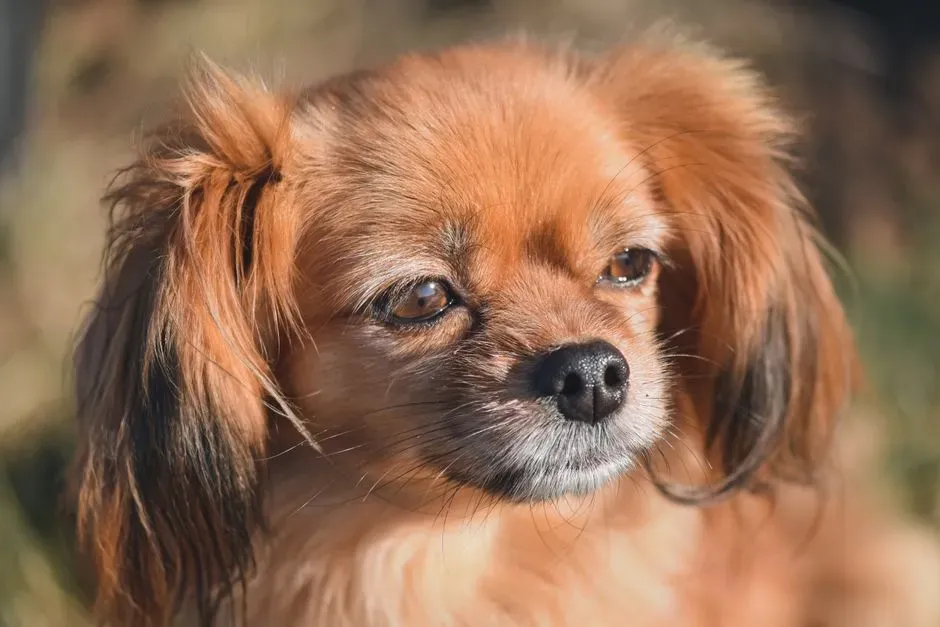
The Tibetan Spaniel is another small breed that flies under most people’s radar, yet its temperament lines up beautifully with a quieter life. Historically kept in monasteries as companions and little watchdogs, they developed a habit of sitting up high, observing the world, and sounding the alarm only when needed. Many modern Tibbie owners notice this same calm vigilance at home, with dogs that enjoy perching on windowsills or sofa backs.
They’re usually affectionate with their families but not excessively clingy, which can feel refreshing if you value your personal space. Exercise needs are modest, and they often adapt quickly to apartment living or homes without a yard. As long as you provide mental stimulation – puzzle toys, gentle training, interaction – they are content with a simple, steady routine. For retirees who enjoy a dog with a bit of quirky personality and quiet intelligence, the Tibetan Spaniel is a hidden gem.
10. Newfoundland: The Tender Giant for Those With Space and Strength
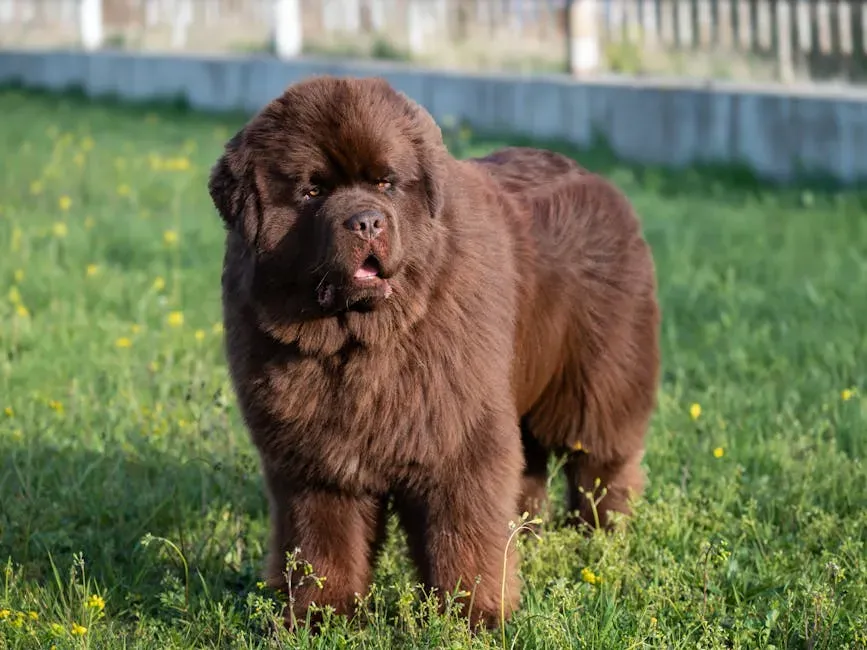
Newfoundlands are enormous, and that alone keeps many people from even considering them. Yet for retirees who are still reasonably strong, have space, and maybe live near water, this breed can be an astonishingly calm and comforting presence. They are known for their gentle nature and unhurried demeanor; many Newfies seem to move through life in slow motion, content to lie at your feet and simply be near you.
They do require serious grooming, a strong vacuum, and a willingness to manage their size and weight at the vet or in the car. But in exchange, you often get a dog that is patient with grandchildren, tolerant of slow walks, and deeply tuned in to the emotional temperature of the home. If your idea of a perfect retirement dog is a living, breathing weighted blanket with soulful eyes and a steady heart, a Newfoundland – chosen from responsible lines and with realistic expectations – can be life‑changing.
Conclusion: Quiet Dogs, Loud Myths
There’s a stubborn myth that retirement automatically calls for the tiniest, trendiest dog on the block, and I think that sells both dogs and retirees short. When you look beyond popularity rankings and stereotypes, you find breeds that might not dominate Instagram feeds but are perfectly built for quiet mornings, slow afternoons, and predictable routines. Many of the dogs above are calmer, less demanding, and more emotionally steady than their looks – or their histories – would ever lead you to expect.
If I’m honest, my own bias used to tilt toward flashy, energetic breeds, until I spent time with an elderly neighbor’s retired greyhound who did little more than lean on my leg and sigh contentedly. That moment changed how I think about the “right” dog for a slower season of life. The best retirement companion is rarely the most popular one; it is the dog whose natural rhythm matches yours without a daily struggle. As you picture your own future, which of these underrated breeds could you actually imagine snoring softly beside you on a quiet Sunday afternoon?


