
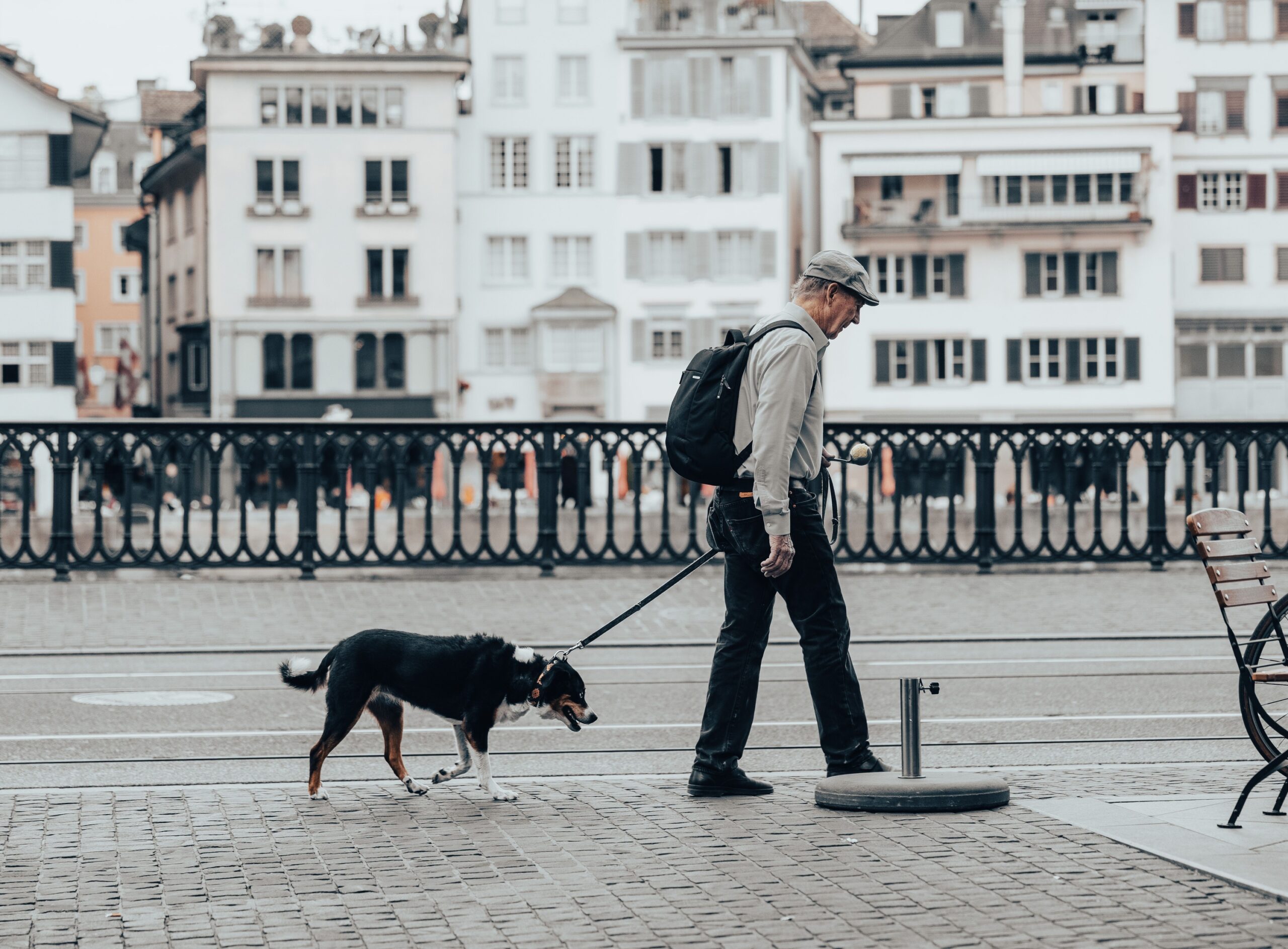
If you’ve ever watched a gray-muzzled dog curl up a little slower, breathe a little deeper, and lean into you a little longer, you know aging dogs speak a different emotional language than puppies. They are softer but more complex, calmer but more fragile, and their needs from us quietly shift in ways many people miss until it’s too late.
Most advice online screams about socializing puppies and stopping them from chewing your shoes, but the truth is that the deeper, more demanding work often comes later. Older dogs need different care, different boundaries, and a different kind of presence from their humans. Once you understand what is really going on inside that aging body and brain, it changes how you see every slow walk and sleepy afternoon together.
1. Patience With A Slower, Stiffer Body
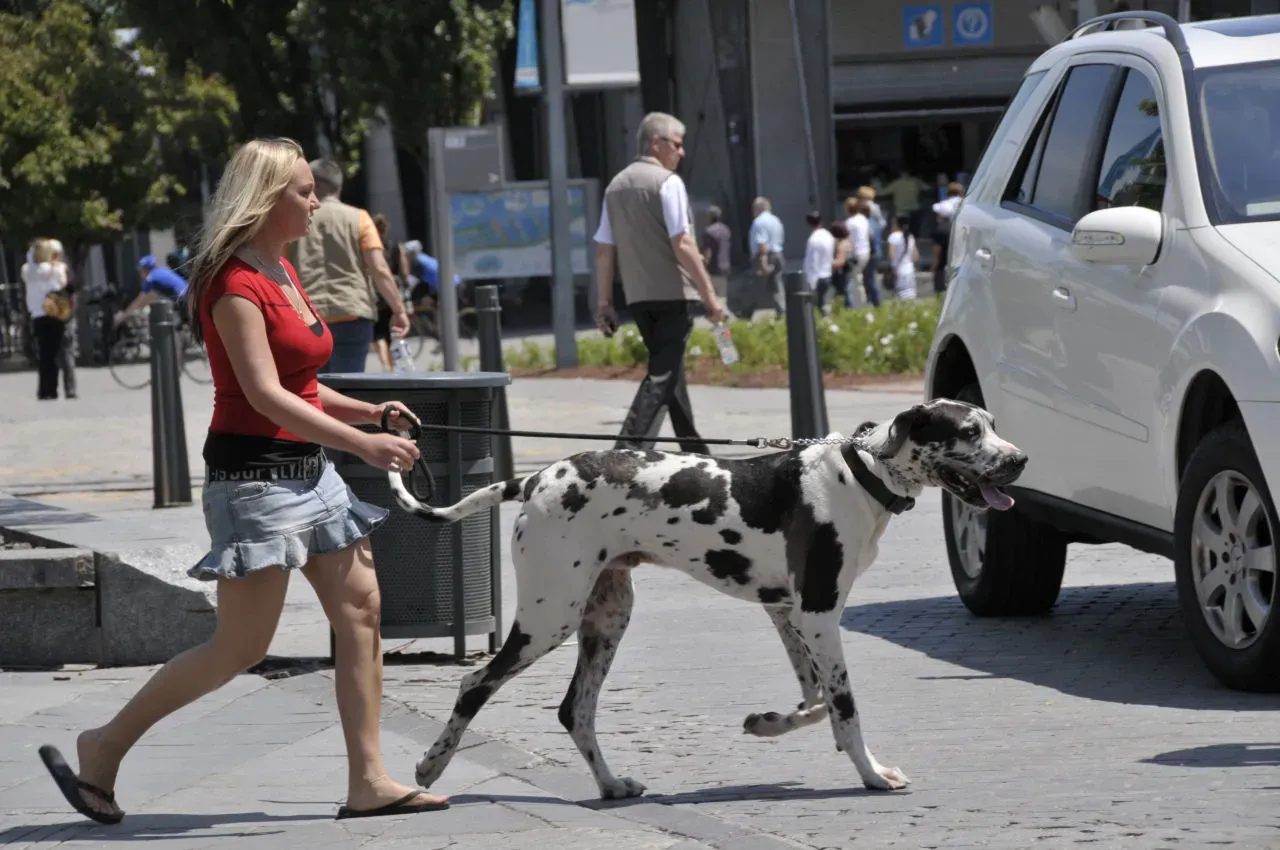
One of the most shocking shifts is how quickly a once-bouncy dog can start hesitating at stairs or lagging behind on walks. This is not your dog being stubborn or lazy; it is often the normal result of joint wear, muscle loss, and changes in pain perception as dogs move into their senior years. Just like older humans, many senior dogs develop joint conditions such as osteoarthritis, making fast movements, jumping into cars, or playing fetch for long stretches genuinely uncomfortable.
What older dogs need from us here is radical patience and a willingness to adjust expectations. That might mean shorter walks on softer ground, letting them sniff more and sprint less, or adding ramps to the car and furniture. I remember the first time I realized my own dog was not refusing the stairs out of attitude but out of pain; the guilt hit hard, and I changed our routine overnight. When we slow down to their new pace instead of forcing them to keep up with our old one, we’re not spoiling them – we’re respecting a body that has worked hard for us for many years.
2. Extra Comfort And Warmth, Not Just A Bed On The Floor
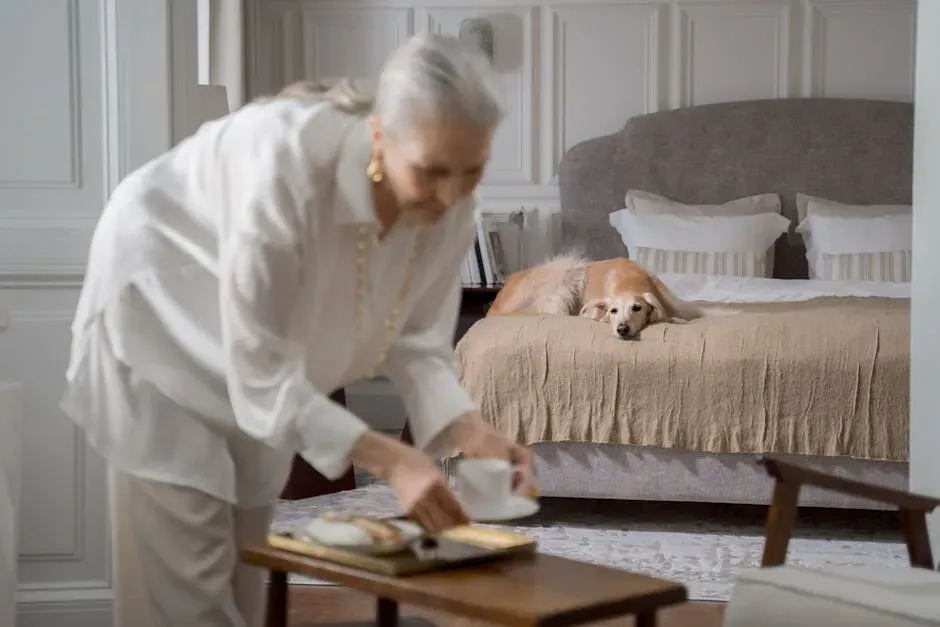
Puppies will sleep practically anywhere: on tile, in doorways, halfway off the couch, upside down like a dropped stuffed toy. Senior dogs, though, often need real support and warmth to sleep deeply and wake up without feeling achy. As their bodies age, they tend to lose some muscle mass and cushioning, so hard surfaces can put a lot more pressure on joints, hips, and elbows, especially in larger breeds.
Older dogs benefit from thicker, supportive, ideally orthopedic-style beds, plus extra blankets to help them stay warm as their ability to regulate body temperature becomes less efficient. Elevating their bed away from cold drafts, placing it in a quieter corner, or even offering a low couch space can make a surprising difference in how easily they get up. It might feel over the top to rearrange your living room around your dog’s sleeping spot, but when you see your senior curl up more easily and get up without a wince, it stops feeling like a luxury and starts feeling like the bare minimum of kindness.
3. Gentler, More Predictable Exercise Instead Of Endless Play
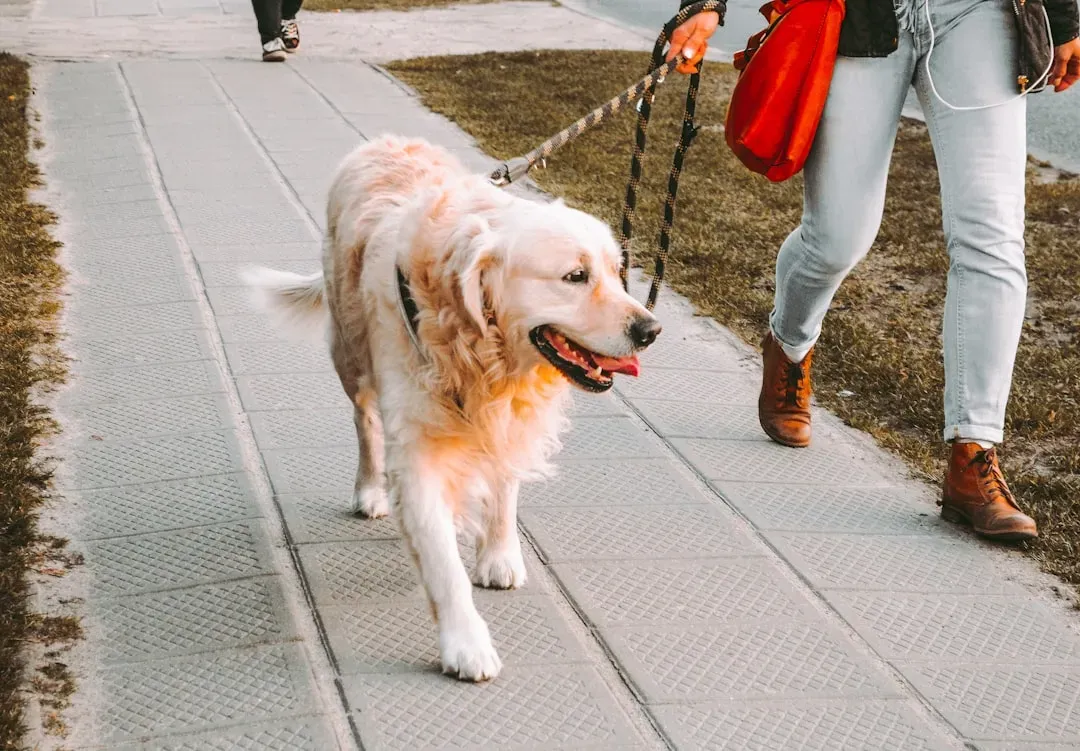
Puppies can zoom for hours and seem ready to go again five minutes later, but an older dog’s body pays a price for that kind of intensity. Senior dogs still need movement – often more than people realize – but they usually benefit from consistency and moderation rather than bursts of chaotic play. Too much sudden exercise, jumping, or twisting can worsen existing joint issues and lead to injuries that take much longer to heal in older bodies.
A better approach is frequent, gentle activity: more frequent short walks instead of one long marathon, slower games of fetch on grass rather than hard pavement, or even simple indoor movement like walking laps in the hallway on rainy days. Think of it like helping an older relative stay active: the goal is to keep muscles working, weight under control, and joints mobile without leaving them wiped out or sore the next day. When humans learn to read the early signs of fatigue – slower steps, more panting, lingering behind – they can protect their senior dog’s health rather than pushing for “one more throw” just because the dog used to love it at two years old.
4. More Frequent Vet Visits And Proactive Health Checks
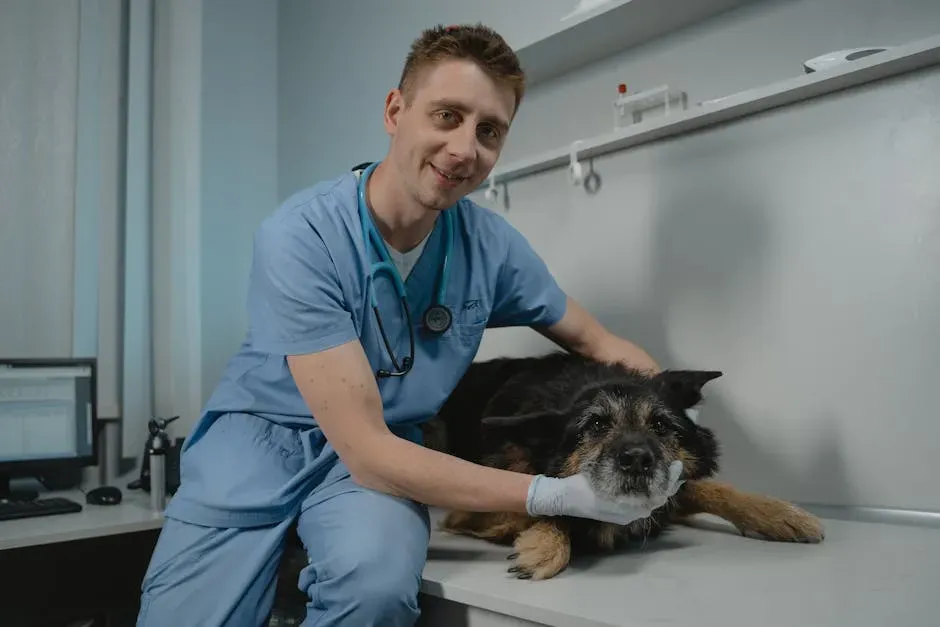
With puppies, many people assume vet visits are mostly about vaccines and the occasional parasite check. As dogs age, that casual mindset stops working. Senior dogs are significantly more likely to develop conditions like arthritis, dental disease, kidney issues, heart problems, and hormonal imbalances, and many of these start quietly, long before there are dramatic symptoms. Waiting until something looks obviously wrong is often waiting too long.
Older dogs generally benefit from more frequent wellness exams, bloodwork, and dental checks so potential issues can be caught early and managed instead of scrambled over in a crisis. That might mean moving from an annual checkup to twice a year, or saying yes to tests you might have declined when your dog was younger. It can be emotionally hard and financially stressful to face aging-dog medicine, but pretending nothing is changing does not protect them. Choosing to monitor their health closely is an act of love, even when the answers are not always what we want to hear.
5. Adjusted Nutrition And Weight Management, Not Just “The Same Food As Always”
Many people feed their dogs the exact same food for years simply because the dog seems to like it and has not obviously reacted badly. But as dogs move into their senior years, their metabolism, digestion, and nutritional needs often shift. They may need fewer calories to avoid weight gain, but more careful attention to protein quality, joint-supporting nutrients, and digestibility so they maintain muscle and energy without stressing organs that may be slowing down.
Carrying even a modest amount of extra weight can put surprisingly heavy stress on aging joints and make daily movement much harder. On the flip side, some senior dogs start losing weight or become picky eaters due to pain, nausea, or dental issues, and simply offering more of the same food does not solve the problem. Older dogs need humans who are willing to notice changes in body shape, appetite, and stool quality, and then adjust feeding strategies, portions, or even food types in partnership with a veterinarian. It is not about chasing miracle diets; it is about staying curious and responsive instead of letting habit drive every meal.
6. Emotional Reassurance, Routine, And Gentle Mental Stimulation
Puppies crave novelty; they want to meet everyone, chew everything, and crash into any new environment with wild enthusiasm. Many older dogs are the exact opposite. They may become more sensitive to loud noises, unfamiliar places, or chaotic social situations. Some seniors can develop cognitive changes that look a bit like human dementia, including confusion, anxiety, or disrupted sleep, and these dogs often lean heavily on predictable routines for a sense of safety.
Older dogs need humans who act less like event planners and more like anchors. Keeping a steady daily rhythm of walks, meals, and sleep can provide enormous comfort. At the same time, they still benefit from mental stimulation – gentle scent games, easy puzzle toys, slow training refreshers, or even calm exploration at their own pace. The aim is not to overwhelm them with new tricks but to keep their brain engaged while reassuring them that the world is still safe and understandable. When you become their consistent point of calm in a world that feels increasingly loud and confusing, you are doing a lot more than “spoiling” a senior dog – you are helping them stay emotionally steady.
7. Help With Sensory Loss And Access To Their Favorite Things

One of the most underappreciated changes in older dogs is the gradual loss of hearing, vision, or both. A dog who used to come running the second you called may now seem to “ignore” you simply because they cannot hear you clearly. A dog who hesitates at dark hallways or shiny floors might be doing so because their depth perception or low-light vision is not what it used to be. To the untrained eye, this can look like stubbornness or weird new quirks, but it is often just an aging nervous system asking for help.
What older dogs need from their humans is adaptation: learning hand signals along with verbal cues, adding night lights in dim hallways, using non-slip rugs where floors are slick, or blocking off stairs that have become unsafe. If their favorite spot used to be at the top of the bed or in the back seat of the car, they may now need ramps, steps, or a lift to get there without hurting themselves. When you redesign your home’s layout to match their changing abilities, you are quietly telling them that their comfort still matters as much now as it did the day you brought them home, maybe even more.
Conclusion: Older Dogs Need Us To Grow Up With Them
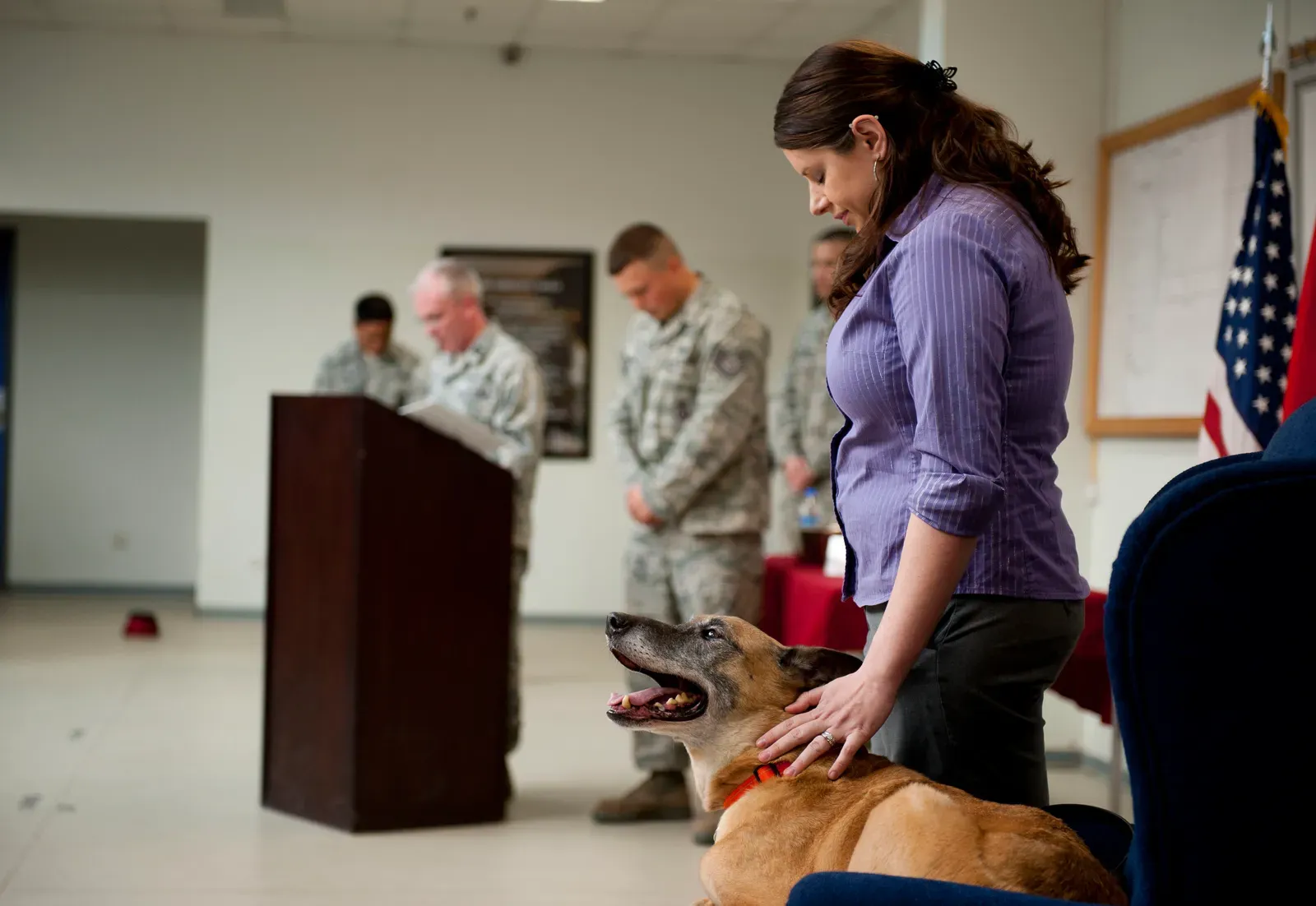
The hardest truth about sharing life with a dog is that they age faster than we do, and their needs will change whether we are ready or not. Puppies demand energy, training, and constant supervision, but older dogs ask for something deeper: flexibility, attention to subtle changes, and a willingness to mourn the loss of what they used to be while fiercely protecting who they are right now. In my view, the measure of a good dog owner is not how many tricks their puppy knows, but how gently and intentionally they care for that same dog when the muzzle turns silver and the legs start to wobble.
When we meet older dogs where they are – with slower walks, softer beds, smarter vet care, and more emotional reassurance – we are not just extending their lives; we are enriching the part of their life that matters most. That last stretch, when they look at you with tired eyes that still light up at your voice, is where the relationship becomes something almost sacred. The real question is not whether older dogs demand more from their humans, but whether we are willing to grow, soften, and step up in the ways they quietly ask us to. Are you ready to be the human your senior dog truly deserves?


