
You know that look your dog gives you right before chaos happens? The sudden zoomies, the shredded shoe, the mysterious hole in the yard that definitely wasn’t there an hour ago. A lot of the time, that’s not your dog being “bad” – that’s boredom turning into mischief, especially in certain breeds that are wired to stay busy.
Some dogs are perfectly happy with a couple of short walks and a cuddle on the couch. Others? Give them too little to do and they’ll redesign your home, your garden, and possibly your sanity. This article dives into dog breeds that are famously quick to turn idle time into trouble, not to scare you off them, but to show what they really need to thrive – and what can happen when they don’t get it.
1. Border Collie: Genius With a Built-In To-Do List
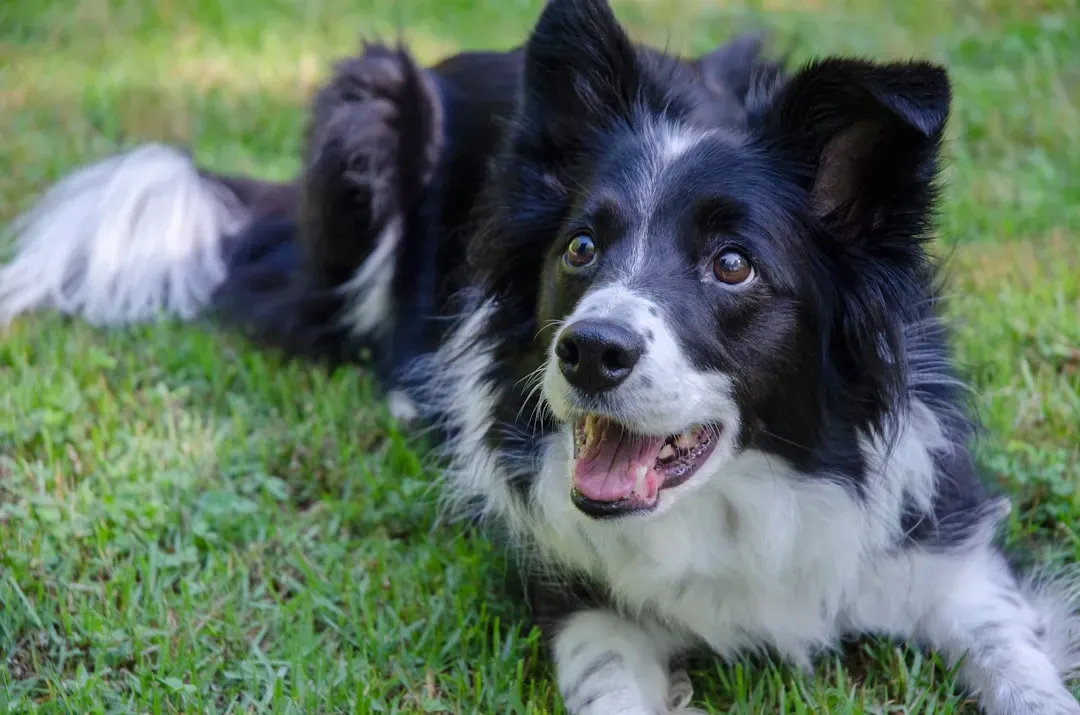
Imagine living with a dog whose brain runs like a high-performance laptop that never, ever shuts down. That’s the Border Collie. Originally bred to herd sheep all day in tough conditions, they didn’t just learn to follow commands – they learned to read subtle cues, anticipate movement, and solve problems on the fly. That same incredible intelligence means that when nothing is happening, they will often create their own “job.”
When a Border Collie gets bored, that “job” can look like herding children, chasing cars, nipping ankles, pacing, obsessive ball chasing, or even dismantling items around the house just to see what happens. They are amazing companions for active people who love training, agility, hiking, and mental games. But in an under-stimulating home, a Border Collie very easily becomes the dog that chews the drywall because it is literally the most interesting thing available.
2. Jack Russell Terrier: Small Body, Nuclear Energy

If you ever underestimate a Jack Russell because of their size, they will prove you wrong in the loudest, bounciest way possible. These little terriers were bred for fox hunting, which means they were designed to explode into action, think fast underground and aboveground, and never quit until the job was done. That instinct does not just switch off because they now live in an apartment or a suburban house.
Bored Jack Russells are like tiny agents of chaos: barking at every sound, digging under fences, scaling furniture, shredding toys, and turning couch cushions into confetti. They need daily outlets for their hunt and chase drive – things like scent games, fetch, agility, and proper training that engages their brain. Without that, they can feel like a furry tornado that only stops when it finally collapses into sleep.
3. Husky: Escape Artist With Opinions

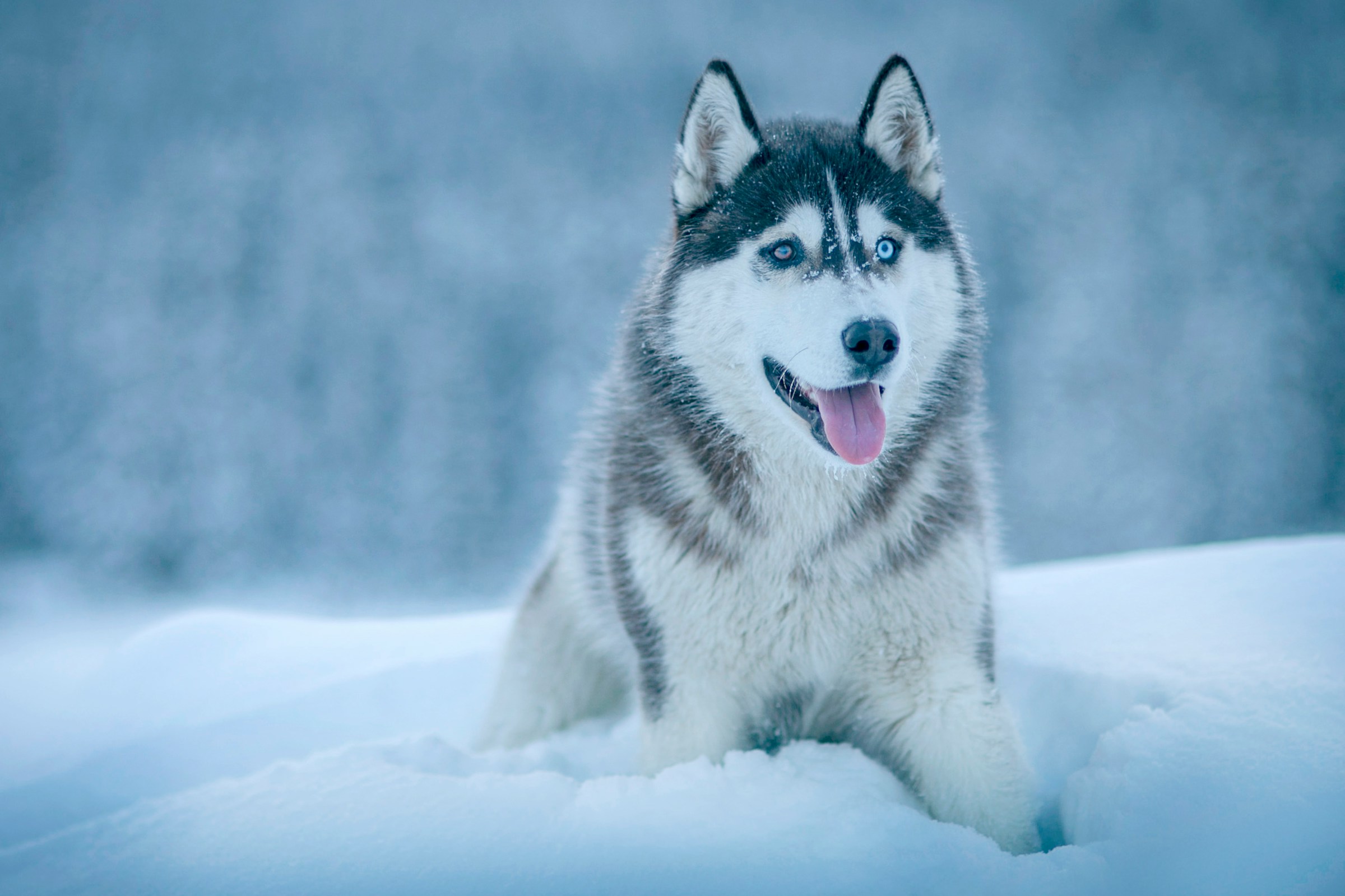
Huskies are gorgeous, dramatic, and stubborn in the most entertaining and infuriating ways. Bred to pull sleds for long distances in freezing conditions, they have endurance most people are not ready for. When they do not get enough physical activity or mental challenge, boredom quickly turns into screaming, digging, chewing, and usually some kind of escape attempt.
A bored Husky will test your fence, your door latches, and your patience. Many owners are stunned at how quickly their “sweet, calm” Husky puppy grows into an athletic adult who can jump, climb, or dig out of almost anything if left under-stimulated. They thrive with long walks or runs, structured pulling work (like canicross or skijoring), puzzle toys, and consistent training. Without that, you may come home to a redecorated yard and a missing dog.
4. Belgian Malinois: The Overachiever That Needs a Mission
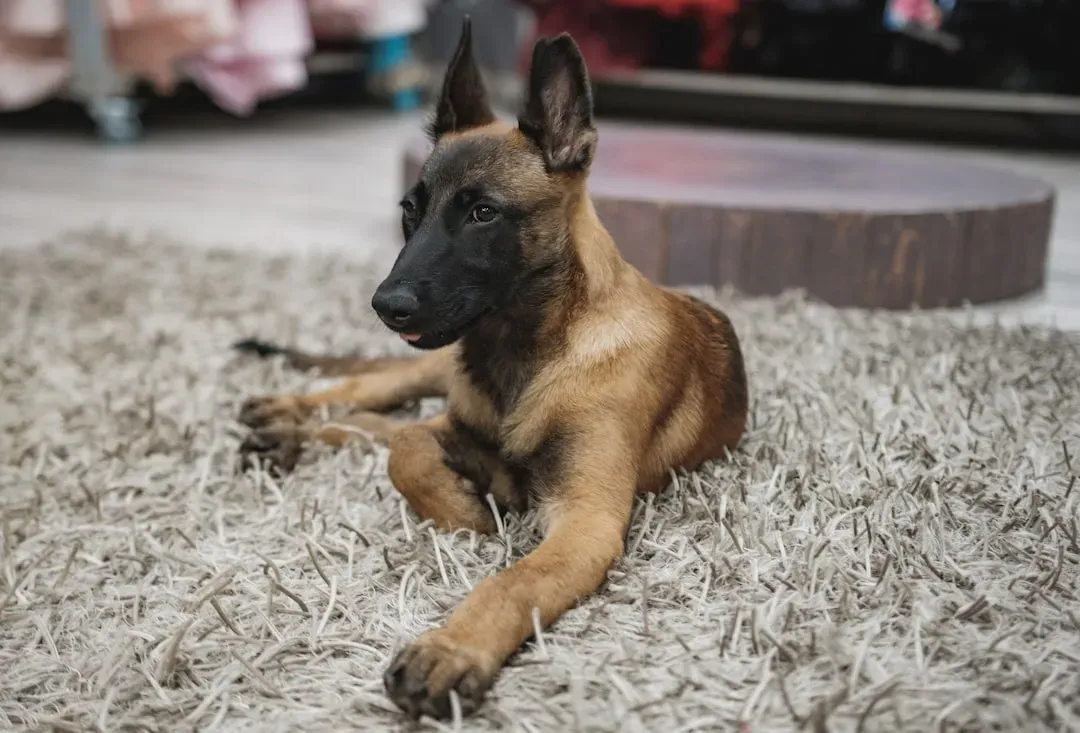
Think of the Belgian Malinois as the workaholic of the dog world. This is the breed you often see in police and military work because they are fast, intense, focused, and absolutely driven to have a task. They are not casual family dogs; they are high-performance working dogs who just happen to be living in regular homes more often now.
When a Malinois gets bored, the fallout can be serious: destructive chewing, frantic pacing, obsessive behaviors, territorial reactivity, and a general sense that the dog is constantly on edge. They are incredible partners for experienced owners who want to invest in training, sports, and daily, serious engagement. But if someone brings one home thinking it’s just a “cool German Shepherd type,” the mismatch can turn boredom into very fast, very intense trouble.
5. Australian Shepherd: The Colorful Control Freak

Australian Shepherds look like friendly, fluffy family dogs, and they absolutely can be. But underneath that beautiful coat is a mind that was bred to manage livestock, anticipate movement, and stay busy all day. They often have a strong need to organize their world, which is adorable when they are following you from room to room – and less adorable when they start herding kids or chasing joggers.
Without enough structured outlets, boredom in an Aussie can show up as destructive chewing, barking at anything that moves, digging craters in the yard, or becoming neurotic about guarding certain spots, toys, or people. They respond incredibly well to training, dog sports, hiking, and puzzle games, and they often shine when given jobs like obedience, agility, or even trick training. Take away that stimulation, and they may invent weird routines that drive everyone a little crazy.
6. Beagle: Cute Nose, Big Trouble When Unoccupied

Beagles are often seen as the classic, friendly family dog – and they are. But they were built to follow scent, work in packs, and run for long stretches, which means they have more stamina and focus than their soft expression suggests. Their world is ruled by their nose, and when that nose is bored, it starts hunting for excitement everywhere.
A bored Beagle is a master at following smells into the trash, onto counters, through open doors, and under fences. They may howl when left alone, dig to chase scent trails, and chew anything that carries an interesting smell, from shoes to remote controls. When they get proper exercise and mental work – especially scent games and structured sniffing walks – they are delightful companions. Without that, their “cute curiosity” slides quickly into chaos.
7. Labrador Retriever: Friendly, Energetic, and Easily Underestimated

Labradors are one of the most popular breeds in the world, and that popularity can actually work against them. Many people picture a calm, sleepy Lab snoozing by the fire, but forget that these dogs were bred to retrieve game in tough conditions, swim in cold water, and work closely with hunters all day. Young and middle-aged Labs especially are full of energy and enthusiasm that needs somewhere to go.
When a Lab gets bored, it usually finds the most fun – not the most appropriate – outlet. That might mean counter-surfing for food, chewing furniture, clearing coffee tables with a happy tail, or turning the garden into a digging project. The combination of high food drive, physical strength, and social needs means a bored Lab can cause a lot of unintentional havoc. Long walks, fetch, training, and food-based puzzle toys can keep them busy and save your belongings.
8. German Shepherd: The Thinker Who Hates Having Nothing To Do
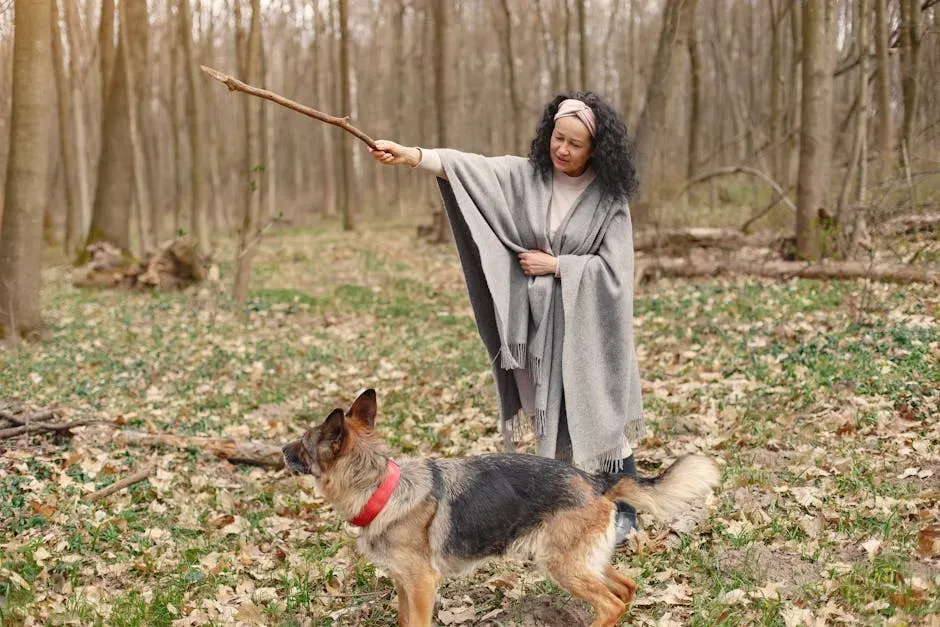
German Shepherds are famous for their loyalty and versatility. They excel in jobs like protection work, search and rescue, and guide dog roles because they are highly trainable and mentally sharp. That intelligence is a double-edged sword in a low-stimulation home, where they may end up with too much brain power and nowhere to aim it.
Bored German Shepherds can become anxious, destructive, vocal, and overprotective. They may bark excessively at noises outside, obsessively patrol the house, or focus all their energy on one person in an unhealthy way. What they really crave is purposeful engagement: training sessions, tasks, scent work, and real physical exercise, not just a quick loop around the block. When those needs are met, they are stable, devoted companions; when they are not, the trouble can escalate fast.
9. Dalmatian: High-Octane Spot Machine

Dalmatians are eye-catching, and for a while, movies made them wildly popular family pets. Historically, though, they were carriage dogs, running alongside horses for long distances and acting as guardians on the road. That heritage means many Dalmatians come with serious stamina and a nervous system that runs hot if they do not get enough outlet.
A bored Dalmatian might pace, bark, chew, jump on guests, and turn even small irritations into big reactions. Some develop destructive habits or hyperactive behaviors that people mistake for simple “bad manners,” when it is really unspent energy and mental restlessness. They usually do best in active homes that embrace running, hiking, play, and ongoing training, rather than expecting them to just lounge and look pretty in the living room.
10. Weimaraner: Velcro Athlete With a Restless Mind

Weimaraners are sleek, intense hunting dogs that bond deeply with their people. They were bred to track and hunt large game, which required endurance, courage, and strong focus. Modern Weims often end up in regular homes where their need for activity, company, and mental challenge is underestimated, and that is where boredom and frustration creep in.
When a Weimaraner is bored or left alone too much, they can become destructive chewers, escape artists, and chronic barkers. Many owners are surprised at how quickly their sofa, door frames, or crates can suffer when this breed feels trapped and under-stimulated. They thrive when treated like true partners: lots of exercise, training, games, and real inclusion in daily life. When those needs are ignored, their restless energy turns into very visible trouble.
11. Poodle (Standard and Miniature): The Brainiac You Can’t Ignore
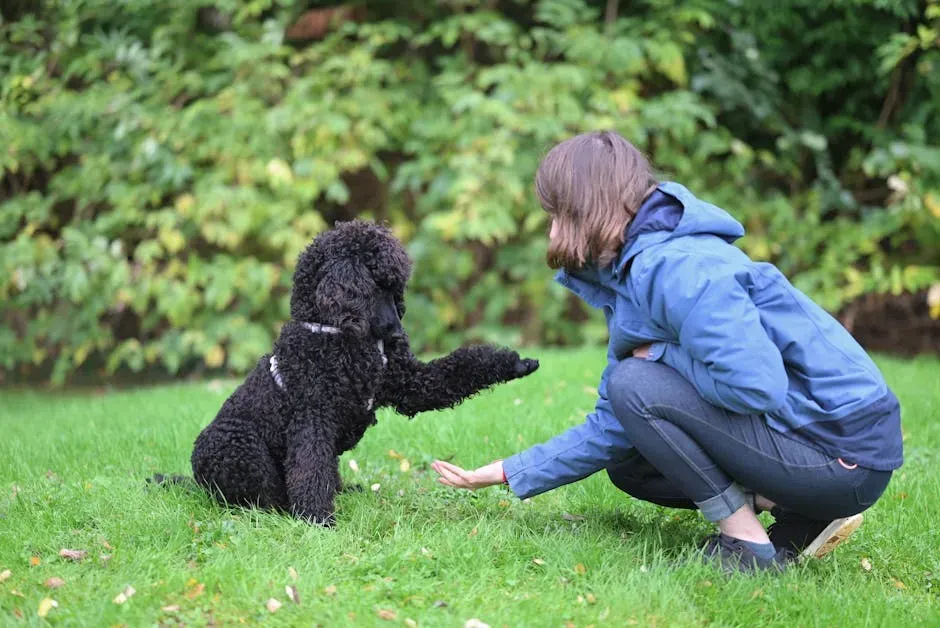
Poodles are often stereotyped as fancy, prissy dogs, but underneath the haircut is a serious working breed with a sharp mind. Standard Poodles were bred as water retrievers, while the smaller sizes were talented companion dogs that still needed mental engagement. Across all sizes, they are usually quick learners, sensitive, and very aware of their environment.
When a Poodle gets bored, the mischief can be incredibly creative: learning how to open doors, stealing objects for attention, barking at every little disturbance, or developing anxious habits like obsessive licking. They respond brilliantly to training, tricks, agility, and problem-solving games, and they often enjoy having their brain stretched just as much as their legs. Treat them like living room decorations, though, and they will find their own way to stand out – usually in a way you did not plan.
Conclusion: Trouble or Talent – It Depends on You
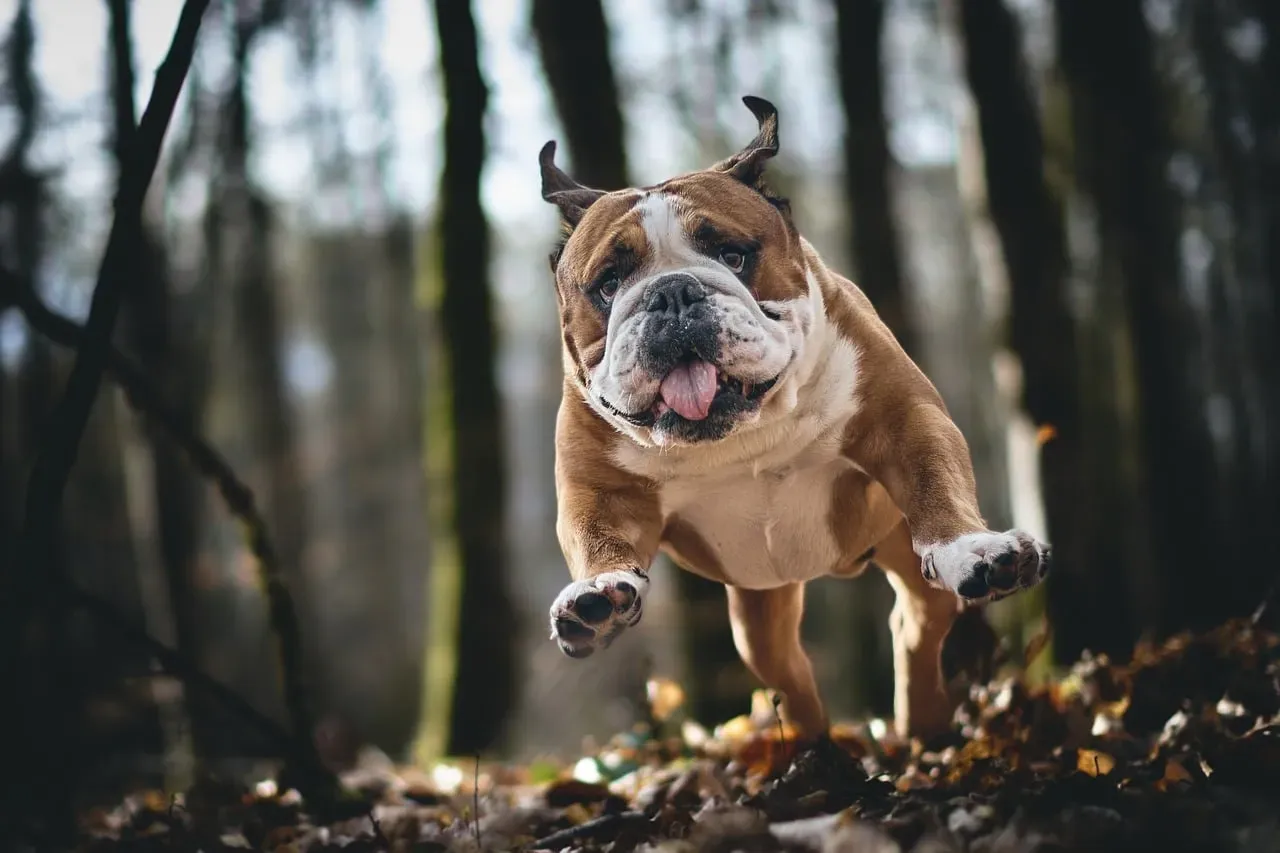
Here’s the uncomfortable truth: in most of these breeds, what we call “trouble” is really talent with nowhere to go. These dogs were shaped over generations to work, think, run, hunt, guard, or solve problems, and that wiring does not vanish just because we live in apartments and scroll on our phones. When we ignore who they are, boredom fills the gap, and it usually shows up in shredded pillows, dug-up lawns, and behaviors that get unfairly labeled as bad.
In my own experience, the difference between a “nightmare” dog and a “dream” dog often comes down to whether their energy and intelligence are channeled or ignored. If you love the idea of one of these breeds, that can be amazing – as long as you also love the idea of training, playing, walking, thinking, and actually doing life with them. At the end of the day, the question is not just which dog you want, but which lifestyle you’re willing to build together. Knowing what you know now, would your next dog call you their partner – or their biggest source of boredom?


