
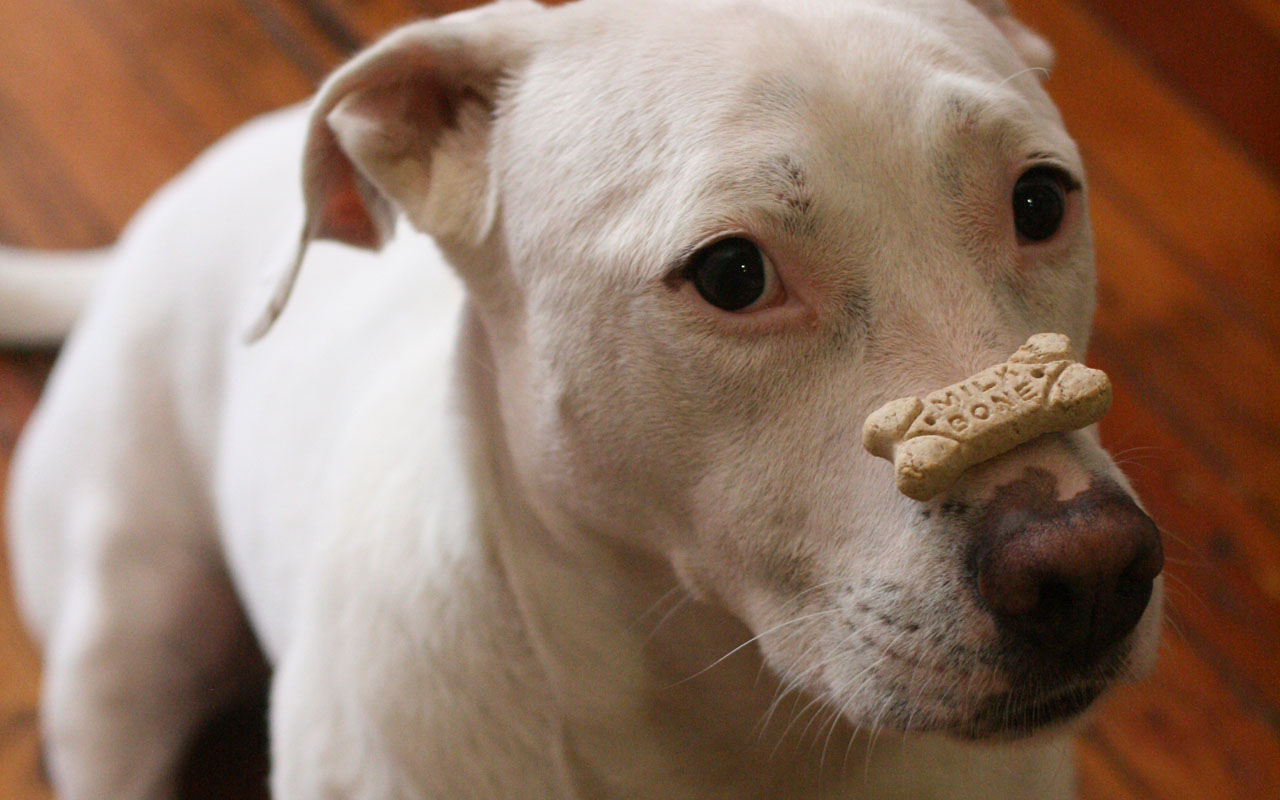
If you’ve ever held out a treat and watched a dog freeze, sniff, glance at you, then slowly, carefully take it, it can feel a bit personal. Are they unsure? Do they not like the snack? Or worse, do they not like you? That tiny pause can be awkward, almost like waiting for someone to decide if they really want to hug you back. But in dog psychology, that hesitation is often less about pickiness and more about something much smarter and far more interesting.
In many cases, dogs are not rejecting the treat at all – they’re running a quick internal safety check on the entire moment. Who is offering it? How are you standing? What else is going on around them? In those two or three seconds of delay, their brain is doing a lot more than most people realize. Once you understand what that hesitation really means, you start to see your dog (and other people’s dogs) in a completely new light.
The Split Second Before the Snack: What’s Really Going On?
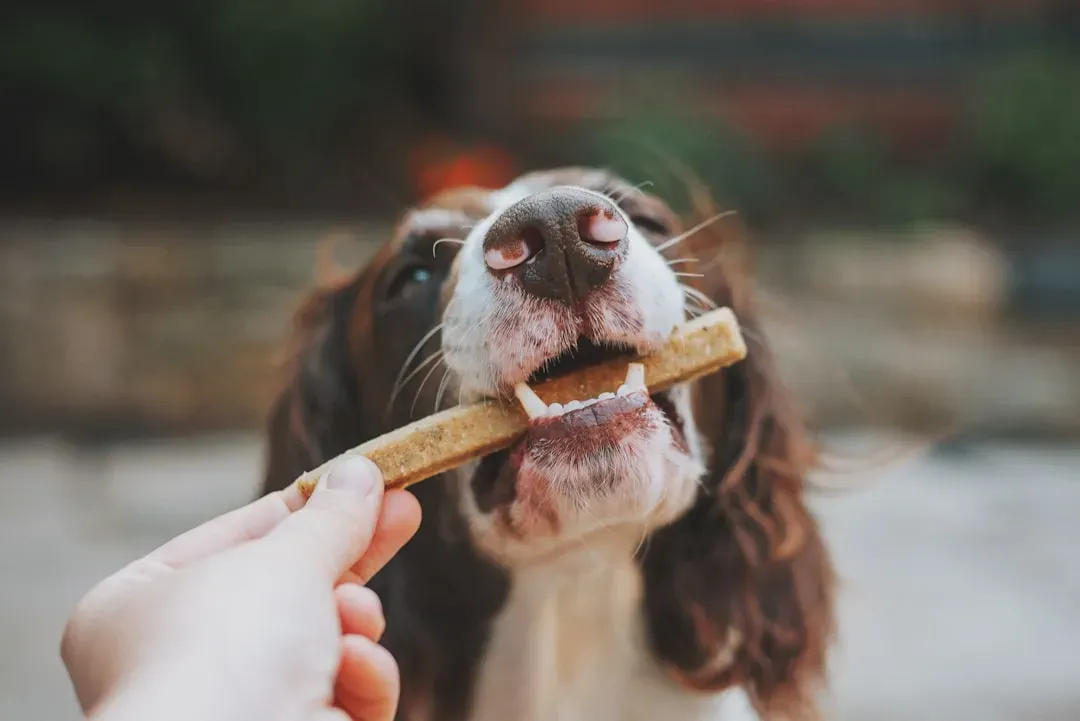
That tiny pause before a dog takes a treat is often the mental equivalent of a human saying, “Hang on, let me think.” Dogs are constantly reading their world through smell, sight, and subtle body signals, and a new treat from a not‑totally‑familiar hand is something worth examining. Just like you might look twice at food a stranger offers you on the street, a dog is checking: Is this safe? Is this person safe? Is this moment safe?
Many dogs will glance from the treat to the person’s face, then to the surroundings, then back to the treat again. That little back‑and‑forth is not indecision for the sake of it; it’s information gathering. They’re assessing posture, tone of voice, background noises, and even whether another dog might swoop in and grab the snack. Hesitation is often a sign of caution and thoughtfulness, not a sign that they’re spoiled, rude, or ungrateful.
Reading the Room: Dogs Are Masters of Context
Dogs rarely evaluate something in isolation; they’re experts at reading the whole scene. A treat in a quiet living room with a relaxed owner feels different from a treat in a crowded park with loud kids, skateboards, and another dog staring them down. When a dog hesitates, it may be because the environment feels busy, tense, or unpredictable, so they press pause and take stock.
This is where a lot of misunderstandings happen. We see a delicious treat and assume the dog should instantly pounce on it, no questions asked. But dogs are wired to consider context: Is there tension in your voice? Are you leaning over them in a way that feels intimidating? Is someone behind them, making them feel trapped? That moment of delay is often their way of staying safe in a world that can change very fast.
Trust, History, and Personality: Not All Dogs Decide the Same Way
Two dogs can react very differently to the exact same treat and person, and a big part of that comes down to their history and temperament. A confident, well‑socialized dog who has mostly positive experiences with people may snatch a treat right away because the situation already feels safe. A more sensitive dog, or one with a history of rough handling, may pause, sniff more carefully, and watch your face a little longer before daring to lean forward.
Personality plays a role too. Some dogs are naturally more cautious and analytical, a bit like the friend who reads every review before buying a gadget. Others are impulsive optimists who assume everything is amazing until proven otherwise. If a dog has ever been startled, scolded, or grabbed while taking food, that memory can sit in the background, shaping how seriously they take the decision next time. Their hesitation may be quietly saying, “I’ve learned to double‑check first.”
Body Language Check: What Their Eyes, Ears, and Tail Are Telling You
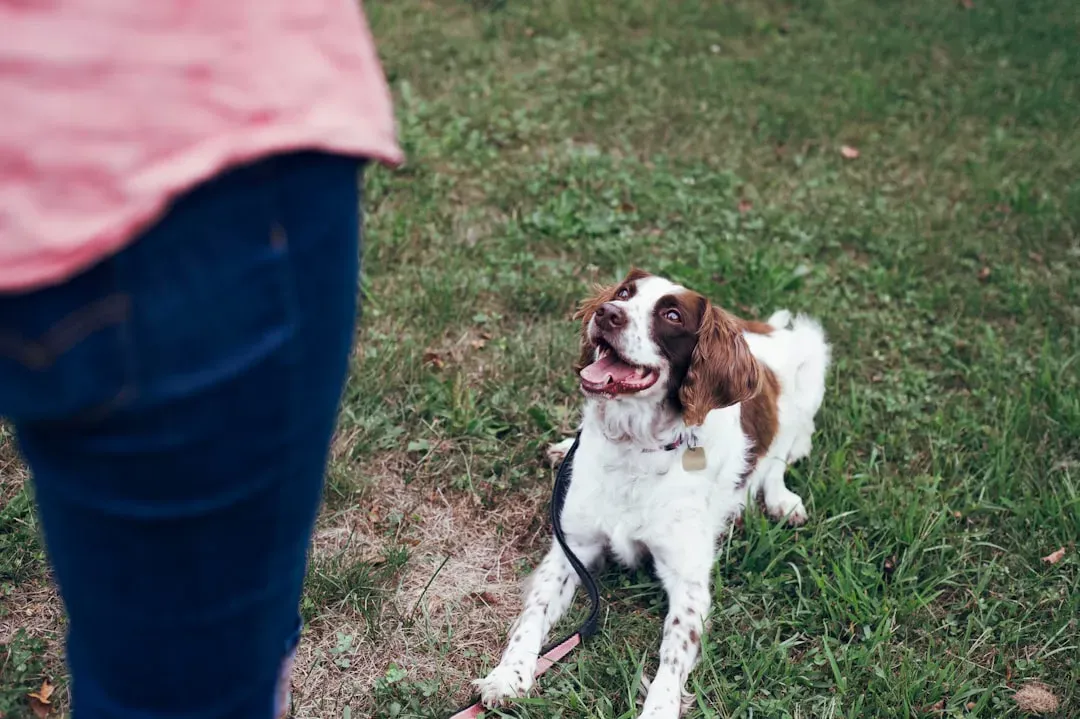
When a dog hesitates before taking a treat, their body language is often the clearest clue to what they’re feeling. Soft eyes, relaxed ears, a gently wagging tail, and loose posture usually mean they’re simply taking their time, not feeling threatened. They might step forward, step back, then lean in again as if they’re weighing the pros and cons of this mysterious little snack.
On the other hand, if the dog’s body is stiff, their tail is tucked, ears are pinned back, or they’re licking their lips and looking away, that hesitation is more about stress than choice. They could be worried about the person, the surroundings, or even the pressure of being watched. In that case, the treat becomes part of a bigger emotional picture: not “Do I like this flavor?” but “Do I feel safe enough to move closer right now?”
Humans Accidentally Make It Weird: How We Offer Treats Matters
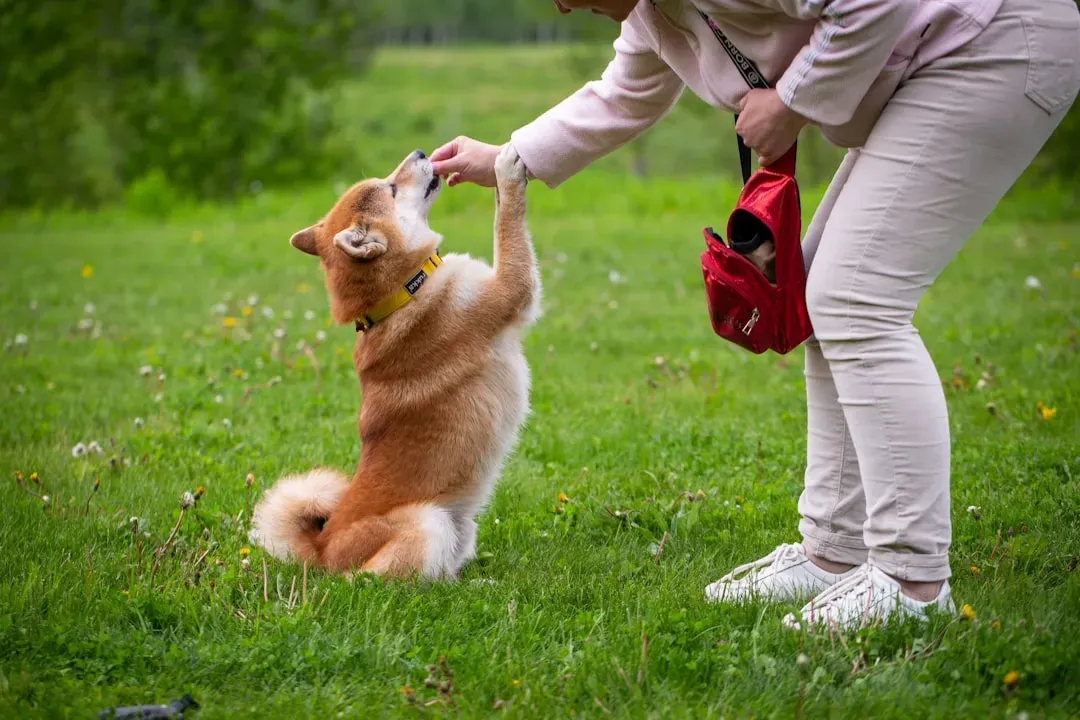
We often make treat‑time more intense than it needs to be without meaning to. Leaning over a dog, staring right into their eyes, and thrusting a hand into their personal space can feel overwhelming, especially for shy or smaller dogs. Imagine someone twice your size looming over you with a forkful of food, insisting you take it while everyone watches – hesitation would feel pretty reasonable.
When treats are offered in a calmer, more respectful way, many hesitant dogs relax. Turning slightly sideways instead of facing them head‑on, softening your voice, and letting them come to your hand instead of reaching out to them can change everything. Suddenly, that pause becomes shorter, and the dog’s decision feels like their own, not something forced or pressured. They’re not being “picky”; they’re just trying to navigate the social rules we’ve accidentally made confusing.
When Hesitation Is Smart Self‑Protection, Not Rudeness
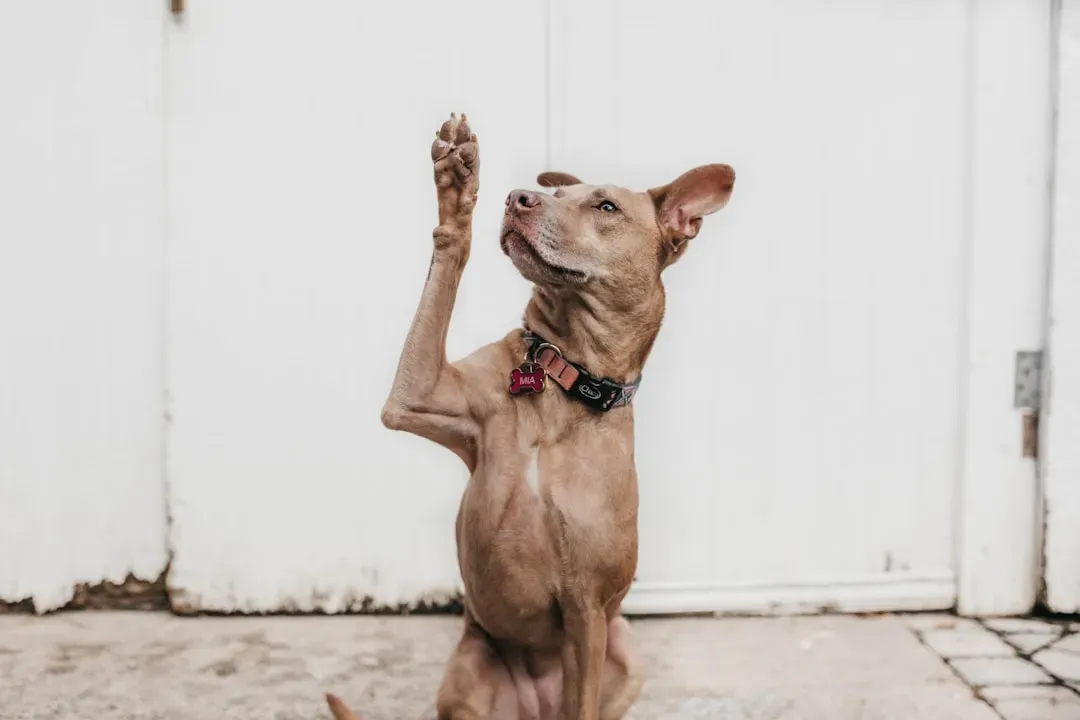
From an evolutionary point of view, caution around new food or unfamiliar people is actually a survival advantage. A dog who pauses and evaluates is less likely to eat something harmful or walk into a tense situation with the wrong person. That slight delay is their built‑in risk management system, not a character flaw. Calling them fussy or stubborn misses the quiet wisdom behind the behavior.
In real life, this might show up when a dog takes a treat quickly at home but hesitates with a stranger on the street, or accepts food in one room but not another where they once got scared. Instead of pushing them to hurry up, honoring that pause can build their confidence. You’re essentially saying, “You’re allowed to think and decide,” which can be incredibly stabilizing for a dog who is still learning to trust the world.
How to Support a Hesitant Dog and Build Their Confidence
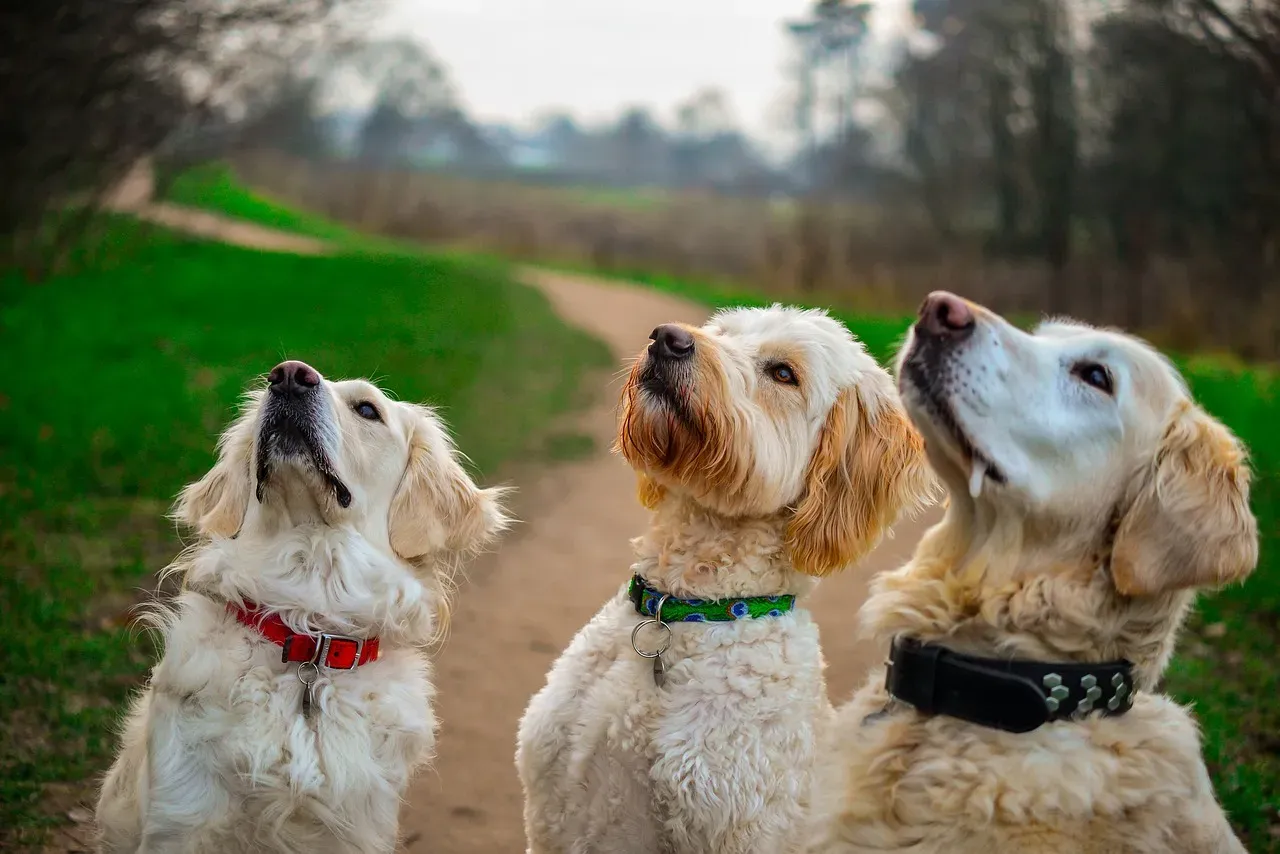
If you live with or meet a dog who hesitates before taking treats, the most helpful response is patience, not pressure. Give them space, keep your body relaxed, and allow them to approach you at their own pace. If they seem especially unsure, you can even toss the treat gently on the ground near them rather than insisting they take it from your hand, turning it into a softer, more low‑stakes offer.
Over time, pairing your presence with calm, positive experiences helps that hesitation shrink or disappear entirely. I’ve seen nervous dogs who once took ten seconds to approach a treat eventually trot over with bright eyes and a loose wag because they finally learned, “This person and this situation are safe.” That change doesn’t come from forcing them to take snacks faster; it comes from respecting their pause as part of who they are, then slowly rewriting their expectations of the world.
Conclusion: The Pause Before the Treat Says More Than You Think
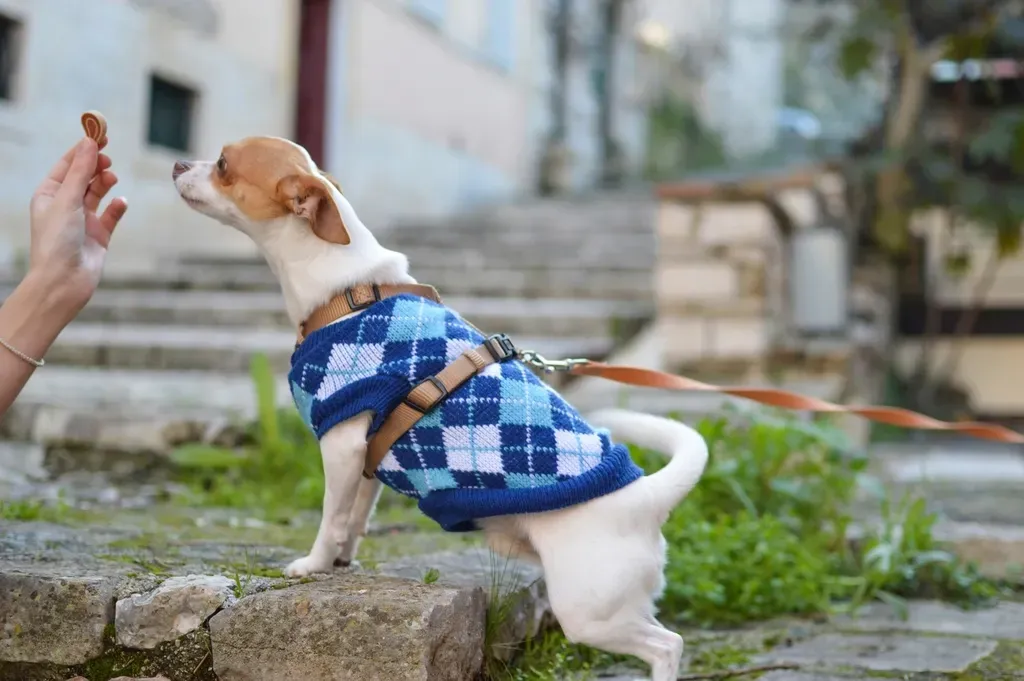
When a dog hesitates before taking a treat, it’s tempting to read it as rejection – of the food, of you, or of the whole moment. But in reality, that pause is often a sign of a thinking animal quietly assessing risk, context, and trust. In my opinion, we underestimate dogs when we label them as picky instead of seeing how carefully they’re navigating a world they can’t fully control and didn’t choose.
If anything, that small delay is a reminder that dogs are not snack‑seeking robots; they’re sensitive, thinking beings running their own little safety audits in real time. The next time a dog pauses before taking what you offer, try not to feel snubbed. Take a breath, soften your posture, and let them decide on their own timeline. You might find that once they feel truly safe, that same dog becomes the one who takes your treat with total joy – and maybe, just maybe, a little more trust than before. How differently do you see that hesitation now?


