
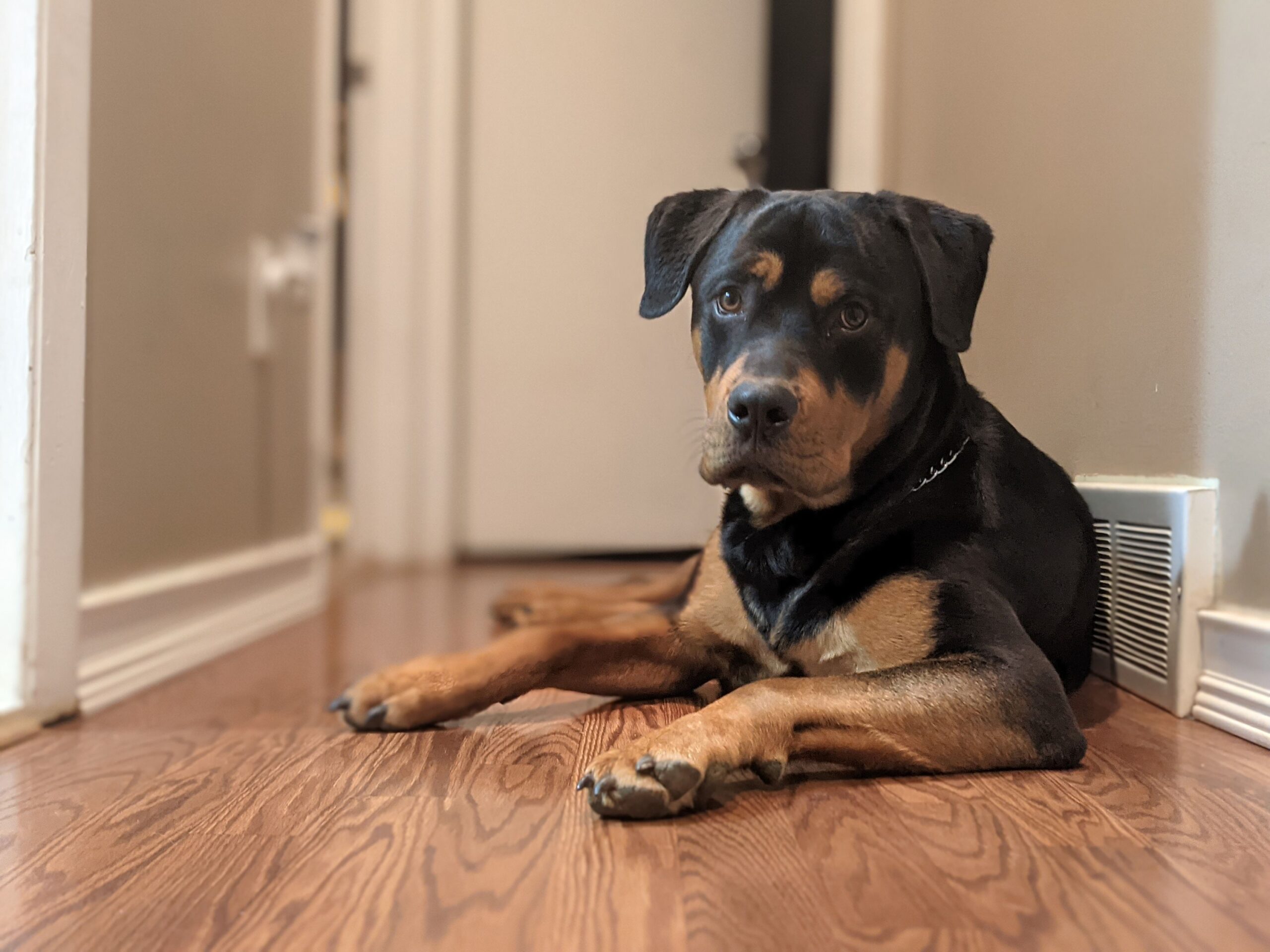
Some dogs stride through the world like armored tanks with fur: massive bodies, deep barks, intense eyes. You look at them and instantly think “security system.” But live with them for a week and you realize something almost disarming: behind that tough exterior is a heart that bruises easily. These are the dogs that look like they could take on a bear, yet crumble when you raise your voice, leave for work, or shift the furniture in the living room.
This mix of intimidating looks and emotional softness can be magical, but it can also be misunderstood. People assume “scary dog equals low-maintenance guard,” when in reality, many of these breeds are more like anxious poets in gladiator armor. Let’s dig into the big, bold, and surprisingly sensitive souls who need as much emotional care as they give protection.
1. German Shepherd: The Tactical Genius With a Soft Core
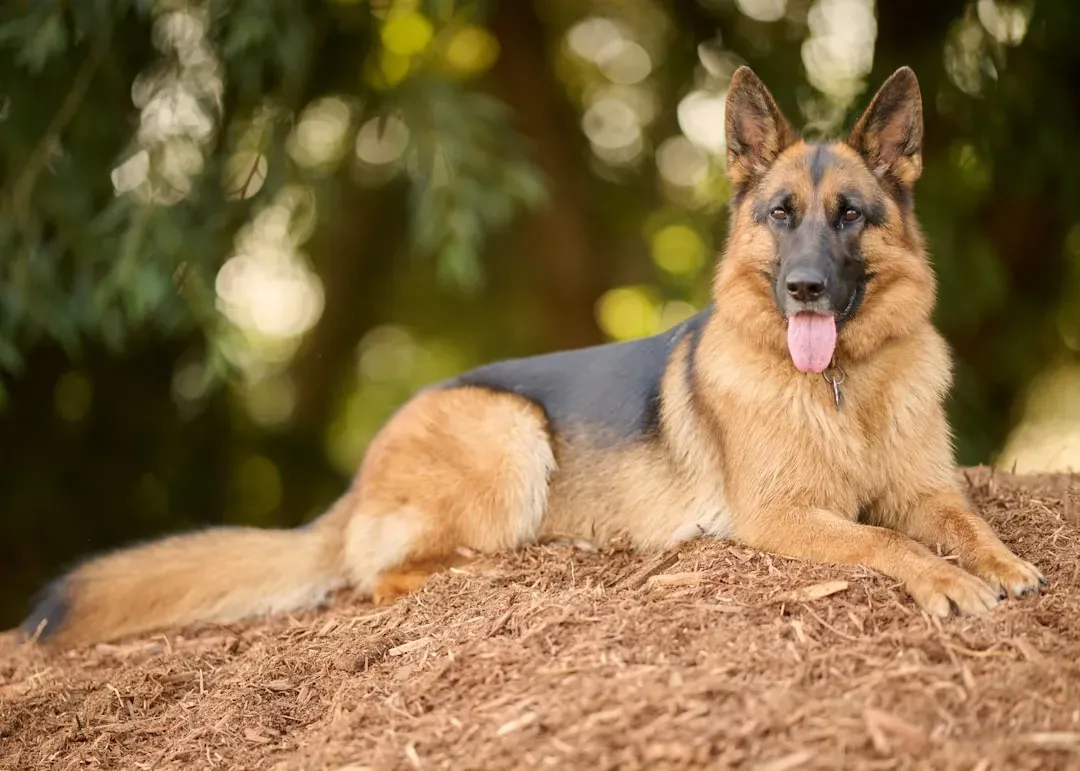
German Shepherds are probably the poster dogs for courage: police work, military roles, search and rescue – they do it all and look fierce while doing it. Their upright ears, intense stare, and confident stance scream authority, and a lot of people assume they’re basically furry robots who can handle anything without blinking. But under that commanding presence lives an extremely bonded, hyper-aware dog who can be emotionally fragile if mishandled.
Because they’re so intelligent and tuned in to their people, German Shepherds are often deeply affected by tension at home, harsh corrections, or being left alone too long. Many are prone to separation anxiety and stress-related behaviors if they don’t have structure, purpose, and kind guidance. With them, you can’t just “be the boss”; you have to be a calm, steady partner. Treat them like a tool and they will shut down, but treat them like a teammate and they’ll give you every ounce of their sensitive, devoted heart.
2. Rottweiler: The Muscular Shadow With Feelings to Spare
On first impression, the Rottweiler looks like a tank that grew a brain. Broad chest, huge head, steady gaze – people cross the street when they see one coming, and you can’t really blame them. Historically used for droving cattle and later as guard and working dogs, they carry themselves with this quiet, serious power. But walk into a home with a well-loved Rottie and you’ll often find a dog that wants to lean into you like a 100-pound weighted blanket.
Rottweilers are famously people-oriented and form incredibly strong attachments to their families. That emotional connection is a gift, but it can also turn into clinginess, sensitivity to tone, and big feelings when routines change. Many Rotties take it personally if their people are upset or distant, and they can become anxious or reactive when they feel insecure. Consistent boundaries combined with warmth and affection are key – they don’t respond well to chaos, yelling, or being left outside to “guard” alone. Deep down, this powerhouse just wants to know you’re okay and that you’re coming back.
3. Doberman Pinscher: The “Velcro” Guardian in a Superhero Suit
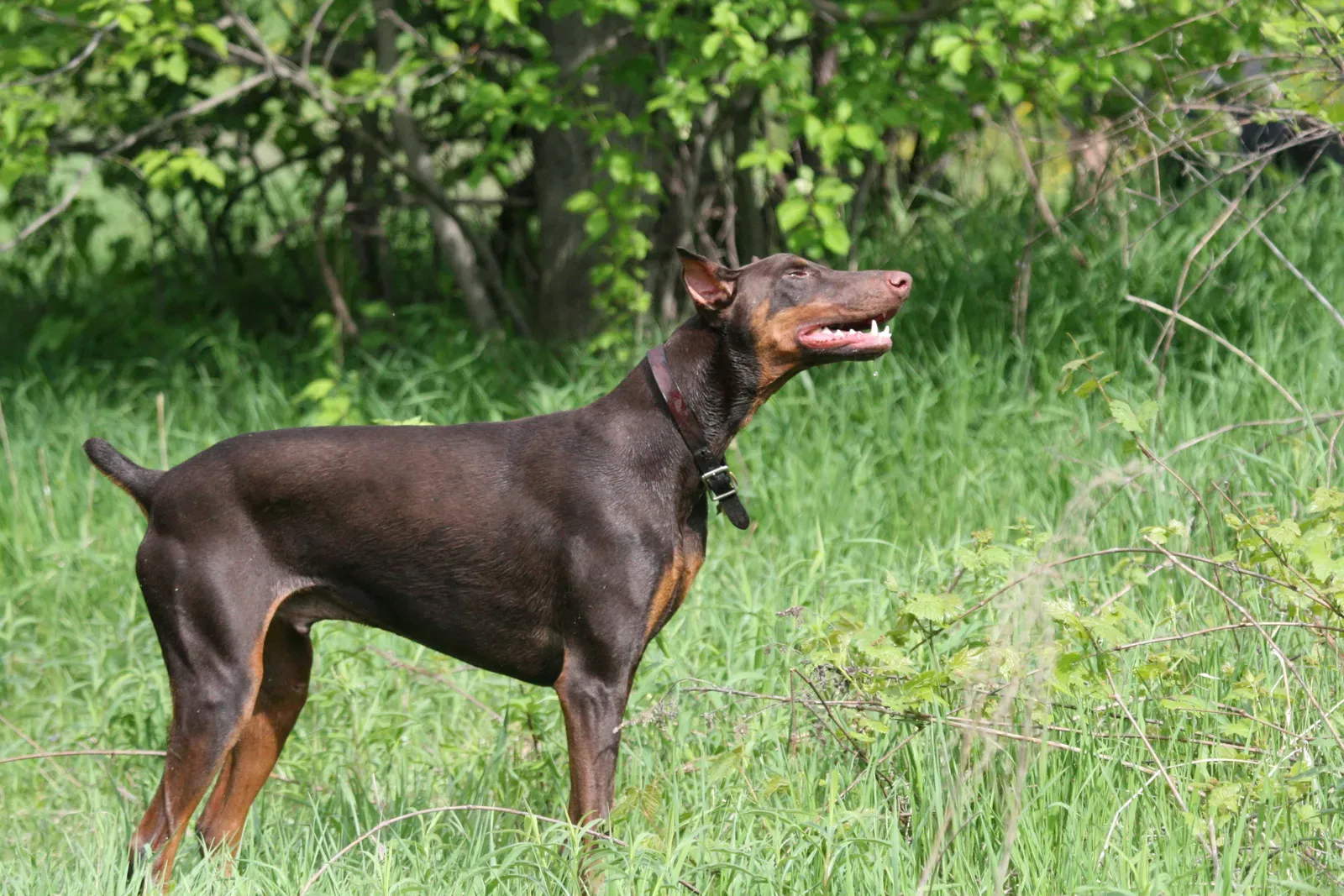
The Doberman looks like a superhero sketched by a minimalist: sleek lines, powerful muscles, cropped ears that make the face look even more intense. They’re the dogs everyone imagines in dramatic movie scenes guarding mansions or standing beside secret agents. They absolutely have the athleticism and courage to match that image, but many Dobermans are emotionally closer to sensitive best friends than detached bodyguards.
Often nicknamed “Velcro dogs,” Dobermans tend to glue themselves to their favorite humans and can become stressed if they feel pushed away or ignored. They’re highly tuned in to your mood – if you’re anxious, many of them become anxious; if you’re sad, they hover and try to help, even if they seem a little overbearing. Harsh training or rough handling can break their confidence, and isolation is especially hard on them. They thrive when they are part of the daily flow of life, sleeping near you, training with you, and basically living like your emotionally aware shadow in a superhero suit.
4. Cane Corso: The Stoic Guardian Who Notices Everything
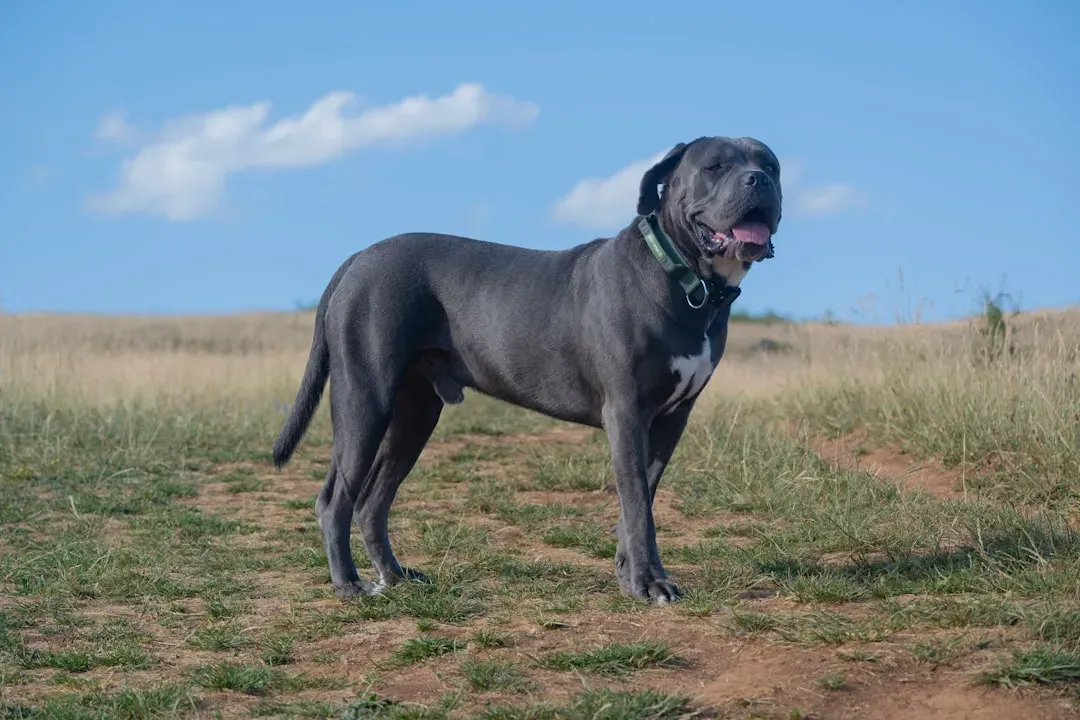
The Cane Corso has the kind of face that makes delivery drivers reconsider their job choices. Massive head, heavy bone, and a calm, unreadable stare give off a “do not test me” vibe that is effective before the dog even makes a sound. Historically bred as an Italian mastiff-type guardian, the Corso is built to protect property and people. But under that stoic exterior, many are surprisingly soft with their families and very sensitive to how they’re handled.
Cane Corsos usually bond intensely with their household and can be emotionally thrown off by conflict, inconsistency, or a lack of clear direction. They’re the type of dog that can seem unbothered on the outside while quietly becoming stressed inside. Too much pressure, rough corrections, or chaotic environments can push them into anxiety or defensive behavior. They need calm, confident leadership, yes – but they also need gentleness, routine, and time close to you on the couch, not just a job patrolling the yard.
5. American Pit Bull Terrier and Close Pit-Type Breeds: Muscle Wrapped Around a Marshmallow
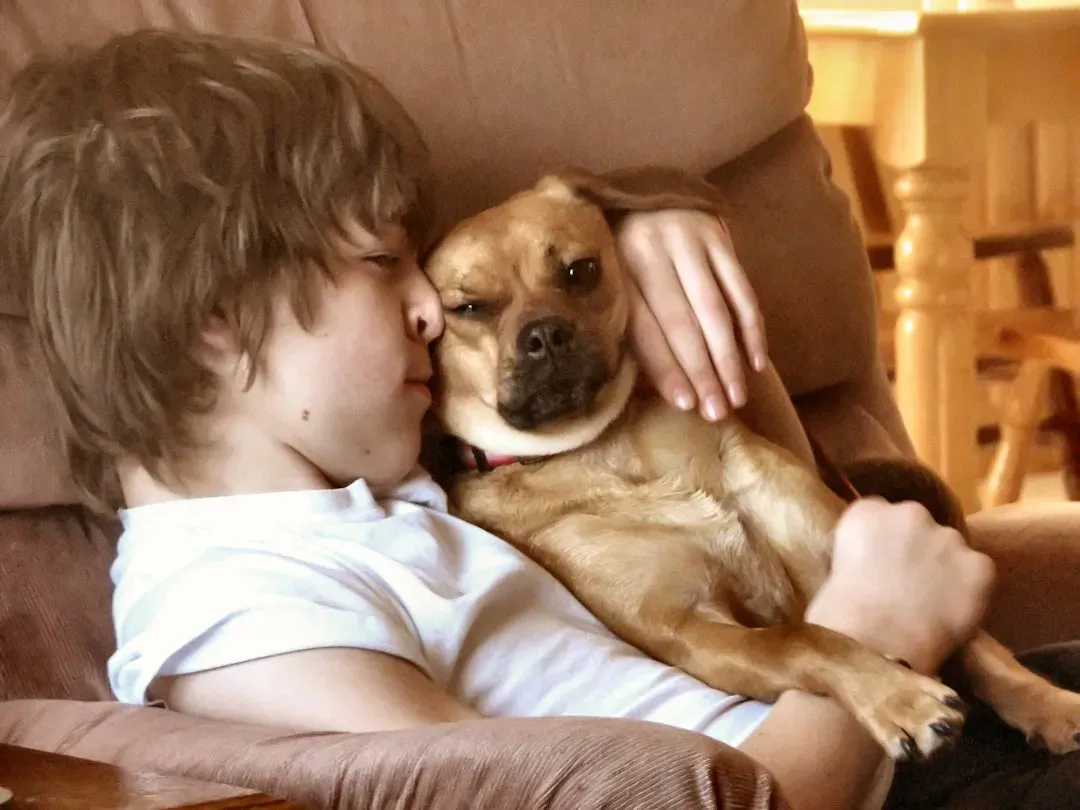
Pit-type dogs have some of the most intimidating PR on the planet: blocky heads, wide jaws, thick muscles, and a media image obsessed with aggression. In person, many of these dogs actually come off as wiggly, overly friendly clowns who live for human contact. When you live with one, you quickly realize that under all that muscle is a dog that wears its emotions right on its face and often feels things deeply.
Many Pit Bull–type dogs are incredibly sensitive to tone of voice and body language. They may shut down if you yell, become anxious if you leave suddenly, or act out if they feel rejected. They usually crave affection more than power – they want to be on the couch, under the blanket, preferably halfway in your lap. The tragedy is that their looks get them labeled as “tough” when they actually need patient training, secure attachment, and a stable environment just as much as any delicate-looking lapdog, if not more.
6. Bullmastiff: The Silent Bouncer With a Porcelain Heart
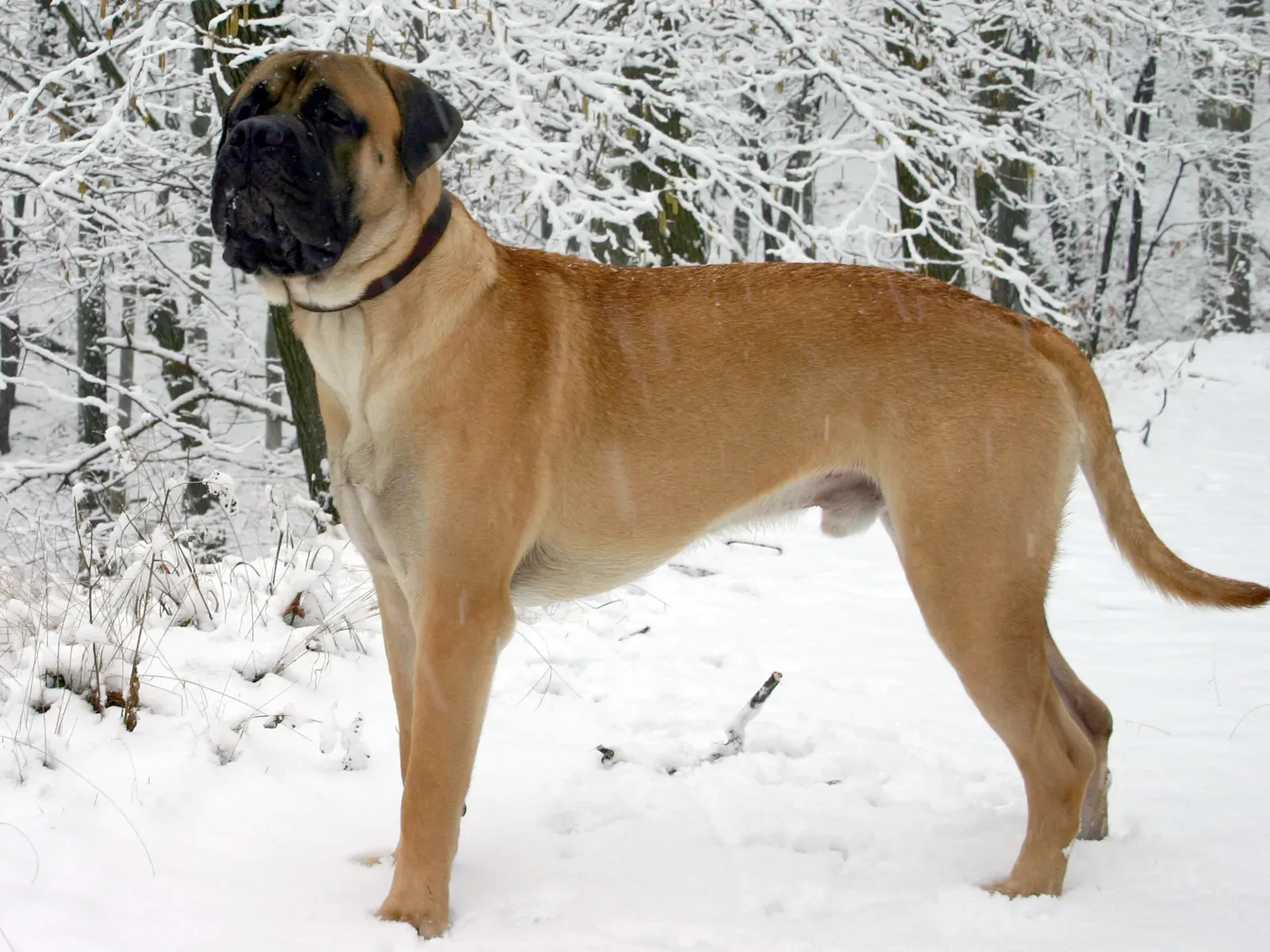
The Bullmastiff is the kind of dog that could be stationed in front of a velvet rope at a nightclub and nobody would argue. Massive but agile, bred to silently tackle intruders, they project this unshakeable confidence. People assume they’re bulletproof emotionally as well – how could something that big be fragile in any way? Spend time with one, though, and you discover a dog that often takes things to heart much more than expected.
Many Bullmastiffs are very sensitive to both physical and emotional pressure. They don’t usually respond well to harsh corrections; instead, they need calm guidance and clear boundaries delivered with patience. They bond heavily with “their” people and can feel stressed or confused if routines change or family emotions run high. For all their bulk, they’re often happiest pressed gently against your legs or lying quietly at your feet, just needing to know that the world – and their humans – are steady and safe.
7. Boxer: The Goofy Fighter Who Feels Everything
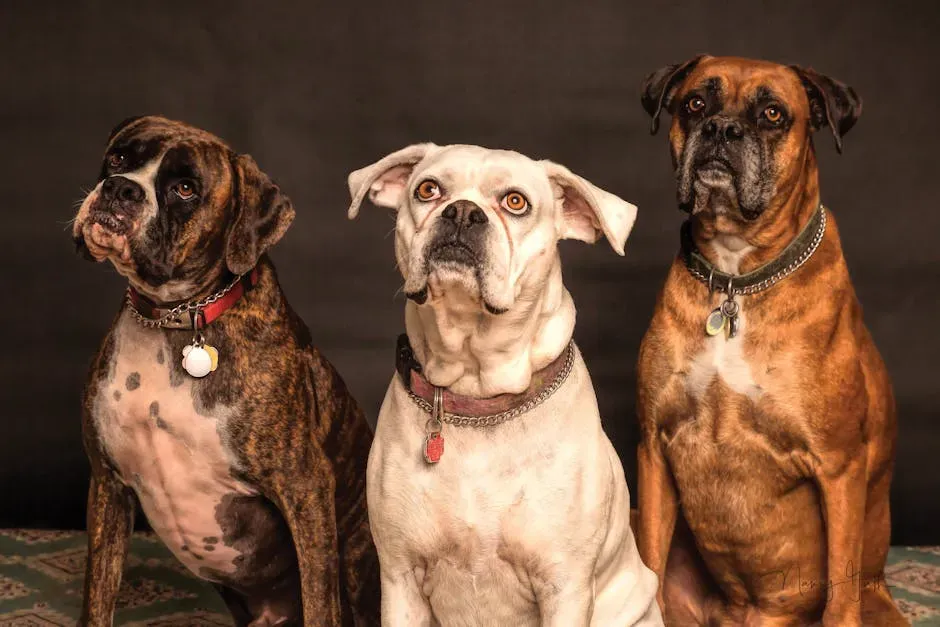
Boxers look like they were designed for comic books and boxing posters at the same time: square jaw, muscular build, springy athleticism. When they play, it can look almost like sparring, complete with paw jabs and wild zoomies, which makes them seem tough and practically indestructible. Underneath, though, Boxers are notoriously sensitive, emotionally needy, and deeply people-focused.
They often act like eternal teenagers: bold and goofy on the surface, but easily wounded by rejection, boredom, or harsh discipline. Many Boxers become anxious or mischievous when they feel lonely or ignored, and they can be especially tuned in to their favorite person’s mood. They do best in homes where humor, patience, and affection are plentiful, and where training uses play and positivity rather than intimidation. Treat them as a “rugged guard dog only,” and you miss the whole point – they are family clowns with big feelings hidden behind their muscles.
8. Great Dane: The Gentle Giant Who Breaks Inside Quietly
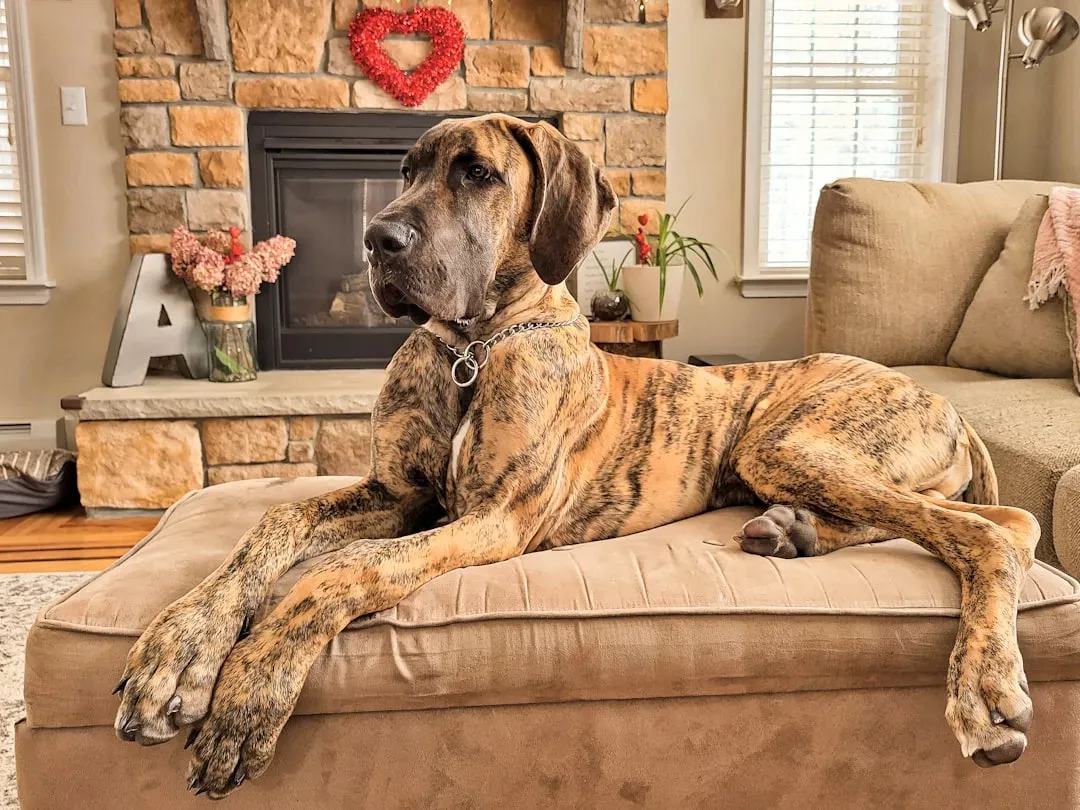
Great Danes dominate a room the second they walk in. Their height alone makes people assume they’re fearless and unstoppable, like living mythical creatures. Many are used as natural deterrents simply because anyone with sense hesitates before messing with a dog whose head is at countertop level. Yet despite their size and presence, Great Danes are often some of the most sensitive dogs you’ll ever meet.
These giants commonly form very strong emotional bonds and can be surprisingly fragile when it comes to stress, loneliness, or conflict. They often do poorly with being left alone for long hours and may become anxious, destructive, or depressed. Because of their size, people sometimes forget they’re emotionally soft and treat them as outdoor guardians or status symbols, which usually backfires. What they really want is to be giant lapdogs pressed against you on the couch, not stoic statues in the yard.
9. Akita: The Silent Sentinel With a Complex Inner World
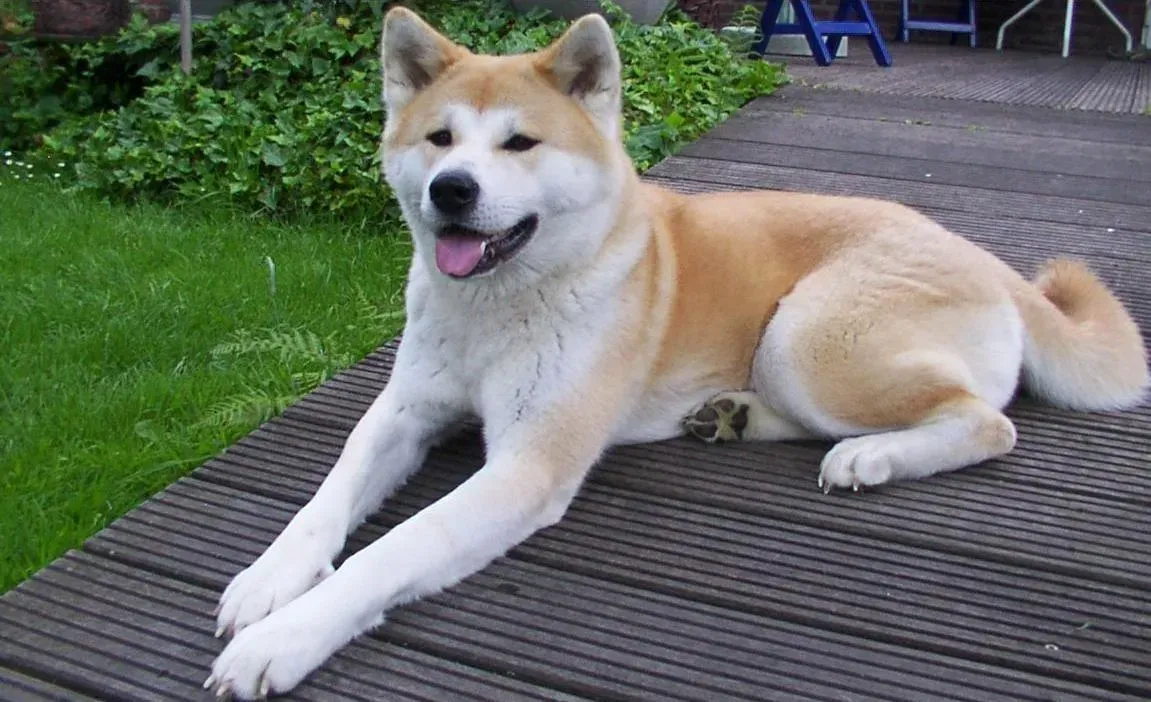
Akitas have the kind of presence that makes you straighten your posture without knowing why. Thick double coats, curled tails, and a noble, serious expression give them an almost statue-like quality. They’re known as natural guardians, protective and often reserved with strangers, which leads some people to think they’re cold or emotionally distant. In reality, many Akitas are quietly sensitive, deeply loyal, and easily affected by tension and change in their close circle.
Unlike some demonstrative breeds, Akitas may not show their emotional vulnerabilities loudly, but that does not mean those feelings are not there. They often bond intensely to one or two people and can struggle if that bond is disrupted or if the relationship is handled inconsistently. Harsh training, chaotic homes, or constant turnover of people can make them defensive or withdrawn. They thrive when given calm, respectful handling, clear boundaries, and the chance to stay close to the humans they trust most, even if they pretend to be aloof about it.
10. Belgian Malinois: The Elite Athlete Who Burns Out Easily
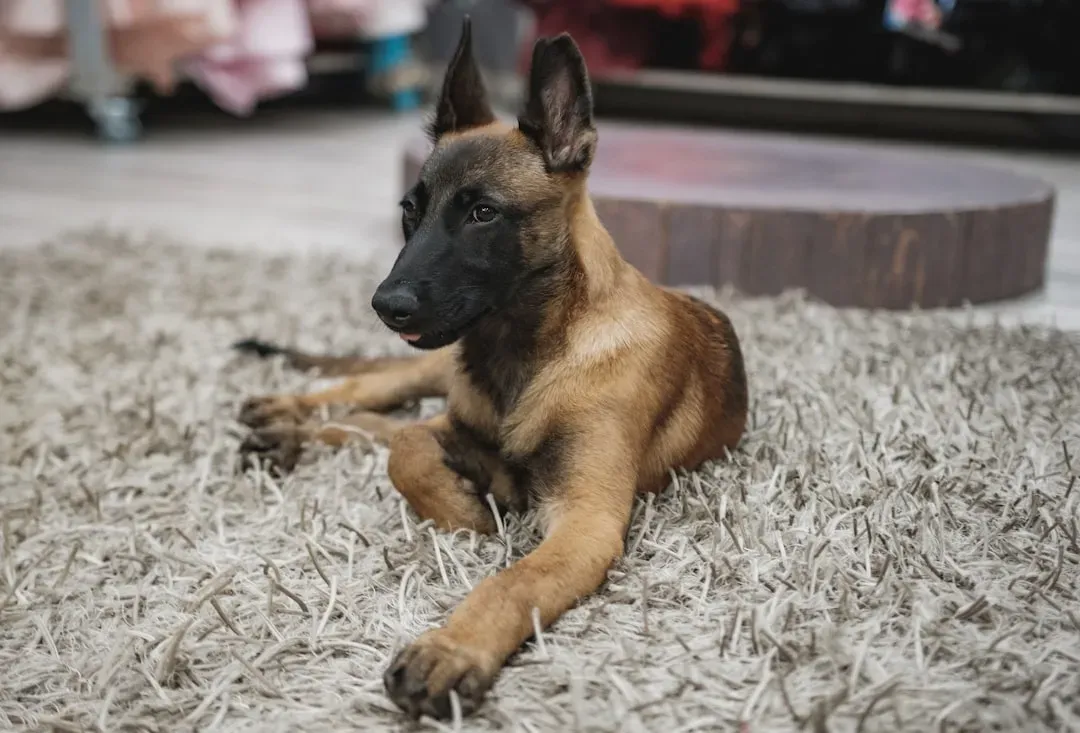
To many people, the Belgian Malinois looks and behaves like a German Shepherd on overdrive – lean, intense, explosive energy, and famous for high-level military and police work. Just watching videos of them scaling walls or leaping from helicopters is enough to convince most folks that these dogs are made of steel. What often gets overlooked is how emotionally intense and easily overwhelmed they can be when their needs and boundaries are not handled with real care.
Malinois do not just need “a walk and some fetch”; they need purposeful work, mental challenges, and a stable, predictable bond. Because they’re so sensitive to stimuli and so motivated, they can tip into anxiety, obsession, or stress much faster than more mellow breeds. Heavy-handed training or leaving them to “entertain themselves” can create big behavioral problems that are rooted as much in emotional overload as in physical energy. With grounded, thoughtful handlers who treat them as complex partners rather than machines, they can be both fearless workers and surprisingly affectionate, vulnerable companions.
11. Giant Schnauzer: The Serious Suit With a Worrier’s Heart
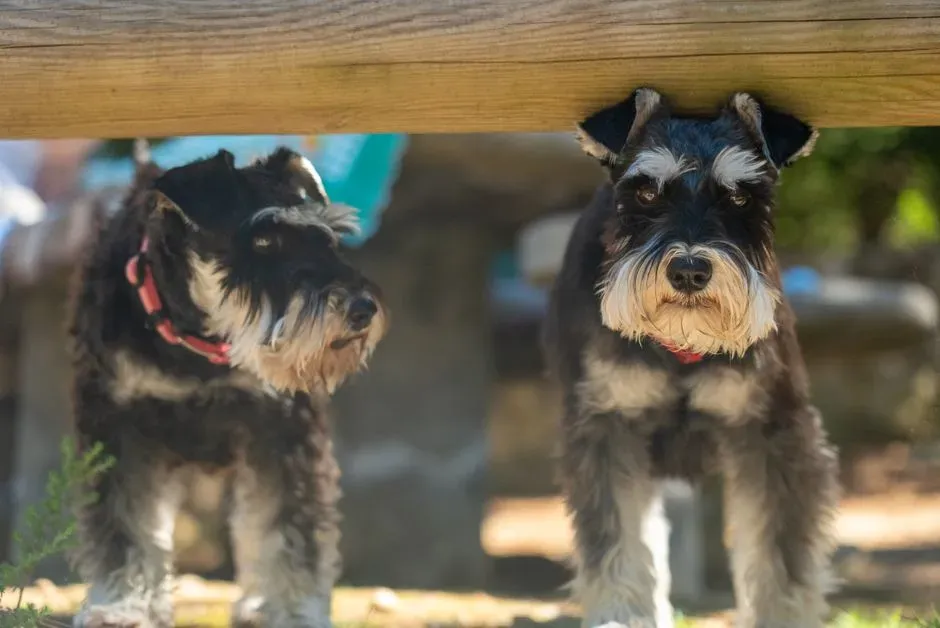
Giant Schnauzers look like they’re wearing tailored suits and carrying briefcases full of security plans. Their wiry beards, dark eyes, and sturdy build give them a no-nonsense appearance that can be very intimidating. Historically used for guarding and driving livestock, they’re confident, driven, and incredibly observant. But living with one day to day, you often notice a different side: a dog that worries, overthinks, and cares deeply about their people and their environment.
They’re highly intelligent and can become stressed if they lack structure, connection, or constructive outlets for their minds. Many are quite sensitive to their owner’s moods and can become anxious if they sense anger, sadness, or instability. They do terrible with boredom and harsh training but blossom with consistent routines, thoughtful mental work, and firm yet kind leadership. They may look like corporate security chiefs, but emotionally, they are much closer to earnest, slightly anxious overachievers who just want to get it right.
12. Anatolian Shepherd and Other Livestock Guardians: The Lone Wolves Who Still Need You
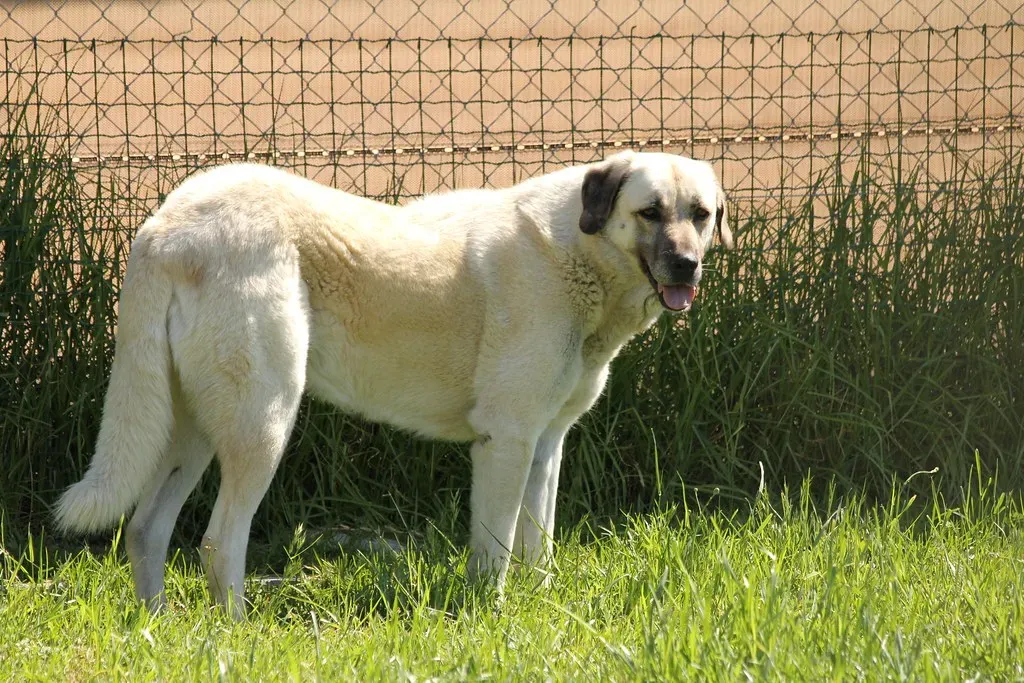
Livestock guardian breeds like the Anatolian Shepherd, Great Pyrenees, and similar types are built to look imposing: big frames, thick coats, confident postures, and alert expressions. They were developed to make predators think twice and to stand their ground in real danger. Because they often work independently and can seem aloof, people sometimes assume they’re emotionally tough and self-sufficient to the point of not needing human connection. The reality is more nuanced and, in many cases, more tender.
These breeds bond deeply with their flock or family and feel it strongly when their world is unstable or when they’re treated as mere tools. They can become anxious, destructive, or overprotective if they feel chronically insecure, isolated without purpose, or misunderstood. They need respect for their instincts, yes, but they also need consistent, calm relationships with their humans and a sense that they are part of a stable unit. Under the big, serious exterior, many of them are quietly sensitive souls who do their best work when they feel emotionally anchored to someone they trust.
Conclusion: Tough Looks, Tender Hearts
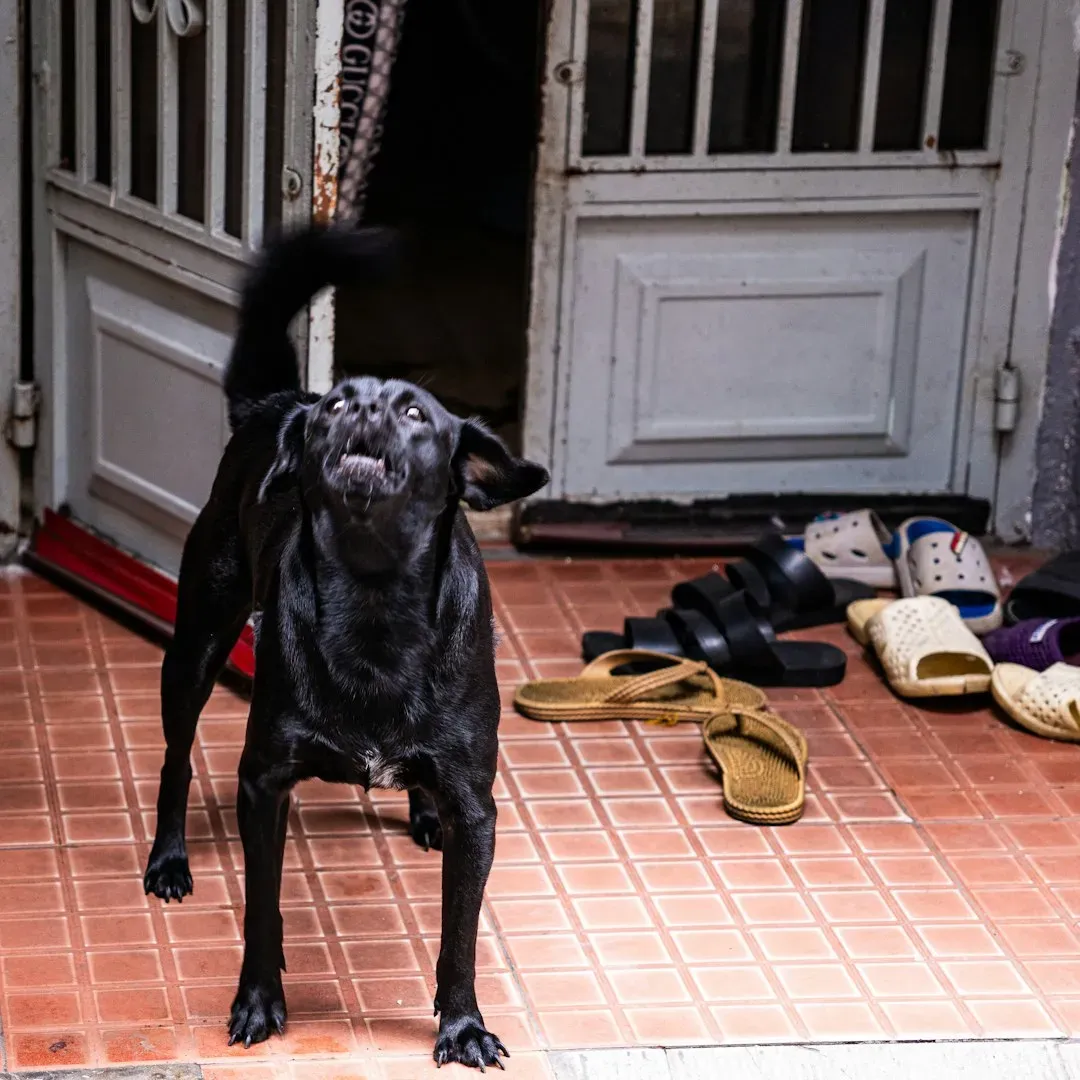
When you really look at these breeds, a pattern jumps out: the dogs people most often choose for “protection” are also the ones that can be most shaken by careless handling, loneliness, or emotional chaos. They are powerful enough to intimidate, but sensitive enough to be hurt by things as small as a harsh word or too many hours alone. In my own life, the toughest-looking dogs I’ve known were the ones who pressed their heads into my chest when fireworks went off or paced nervously when someone in the house was upset.
Maybe that’s the real secret about guardian-type dogs: their strength does not cancel out their softness; the two exist side by side. If anything, their sensitivity is part of what makes them such devoted protectors, because they feel your moods, your routine, and your safety in their bones. If you bring one of these breeds into your life expecting a cold security system, you’ll probably be surprised to find a vulnerable best friend instead. The bigger question is, are we willing to protect their hearts as fiercely as they try to protect us?


