
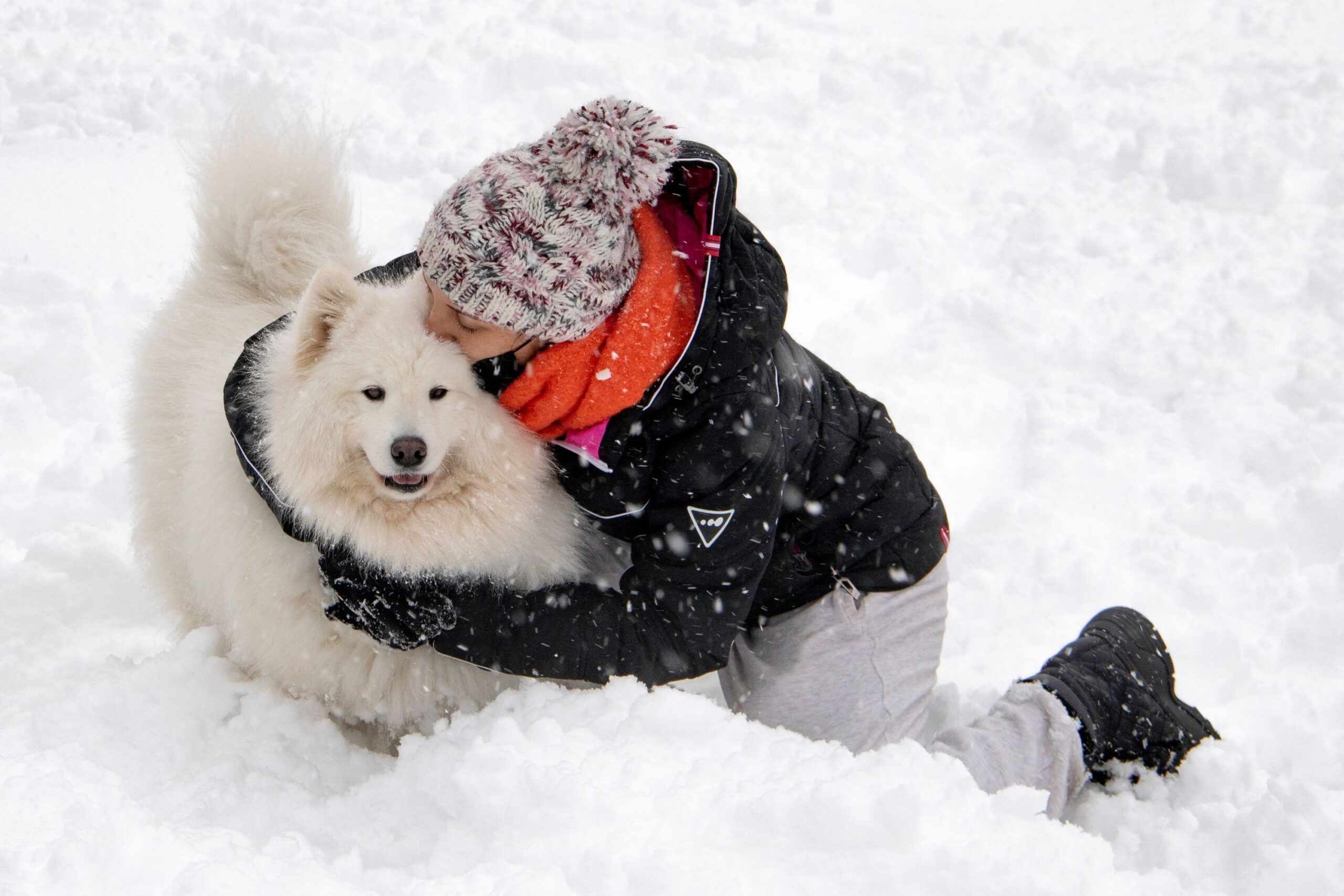
Have you ever leaned in to hug your partner or your kid, only to have your dog rush in, barking, whining, or trying to wedge themselves between you? It feels like a furry protest, and it is incredibly easy to label it as jealousy. I used to assume my own dog was offended whenever I hugged my husband, like we’d broken some unspoken pact that all affection belonged exclusively to her.
But when you look closer at what is actually happening for the dog, a very different picture starts to emerge. Instead of simple envy, you might be seeing confusion, over-arousal, herding behavior, or a nervous attempt to manage a situation they don’t fully understand. Once you stop taking it personally and start reading it as communication, the whole thing shifts from “my dog is being dramatic” to “my dog is telling me something important about how they feel.”
Why We’re So Quick To Call It “Jealousy”
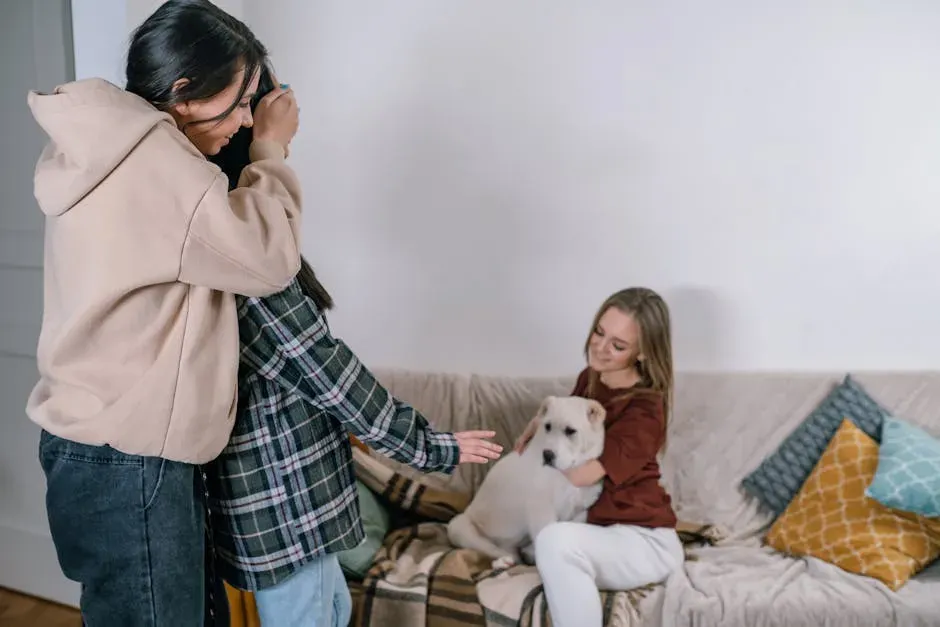
It is completely natural for humans to interpret animal behavior through a human lens. We see our dog race toward us when we hug someone, hear that sharp bark, and our brain instantly goes: jealous. After all, the scene looks familiar – if a friend did that, we’d absolutely call it jealousy or possessiveness. Our storytelling brain loves neat, emotional labels, and jealousy is a simple, satisfying one.
The problem is that dogs do not live inside our social rules. They do not understand “romantic partner,” “best friend,” or “private moment.” What they do understand is energy, body language, tension, and history. So while it might feel emotionally true that your dog is jealous, what is more likely is that they are reacting to a cluster of signals – movement, tone of voice, touch between people – that, to them, adds up to something worth interrupting.
The Social Scene From Your Dog’s Point of View
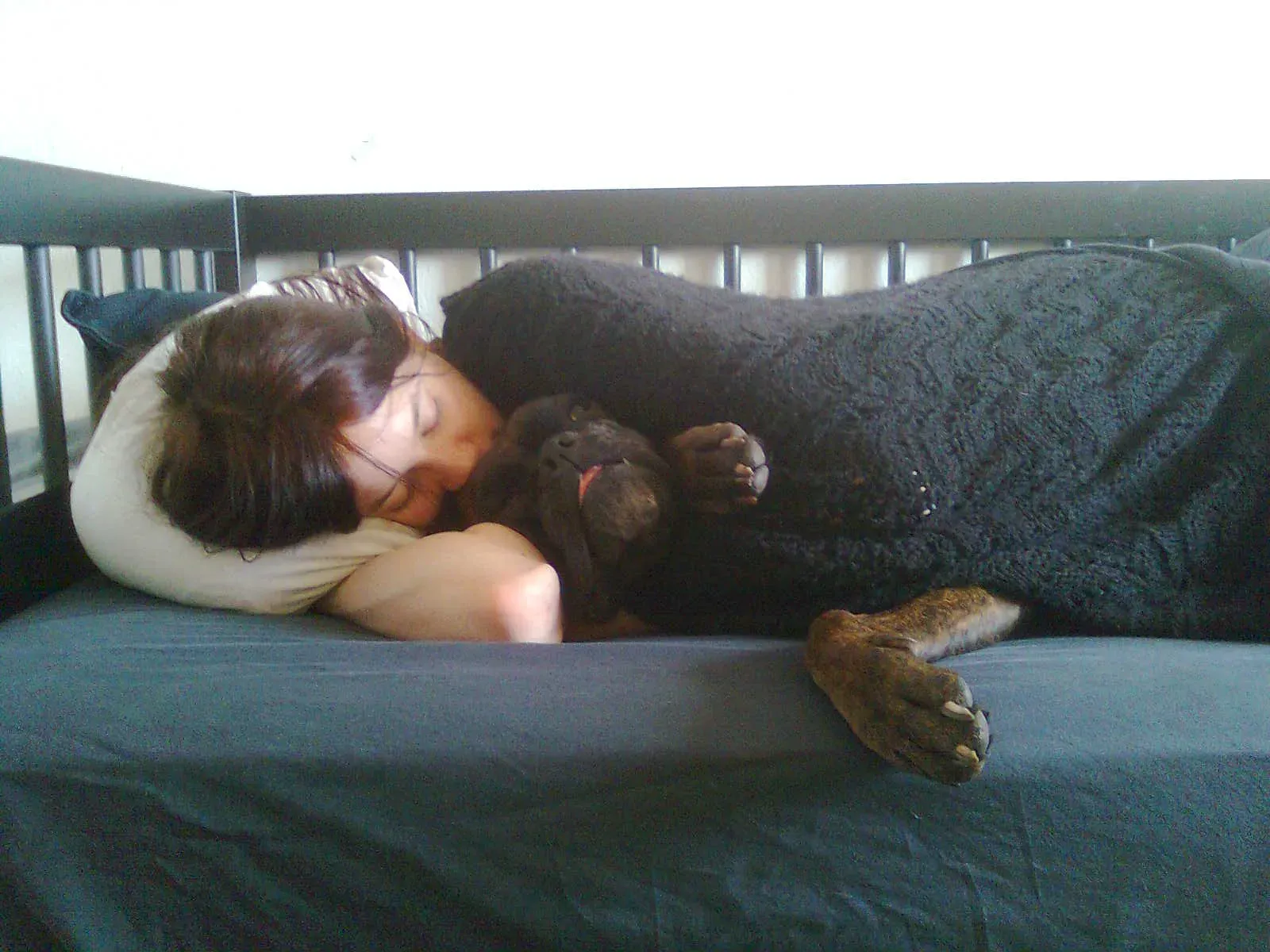
Imagine you walk into a room where two people suddenly close the distance between them, wrap their arms tightly around each other, and make strange noises – laughing, squealing, or even crying. From a dog’s perspective, that can look intense, maybe even risky. Dogs are experts at reading tension in bodies, not context in relationships, so a hug can easily be filed in the “high-energy event” folder rather than the “sweet human affection” folder.
On top of that, your attention has just been dramatically re-directed. If you are usually responsive to your dog and then you suddenly lock onto another human and go half-silent, your dog may feel like the rules of the room just changed. Barking, pacing, or inserting their body between you is often their way of trying to restore predictability. They are not necessarily thinking “that hug is mine,” so much as “this feels weird, and I want it to stop or make more sense.”
Over-Arousal, Not Envy: When Emotion Boils Over
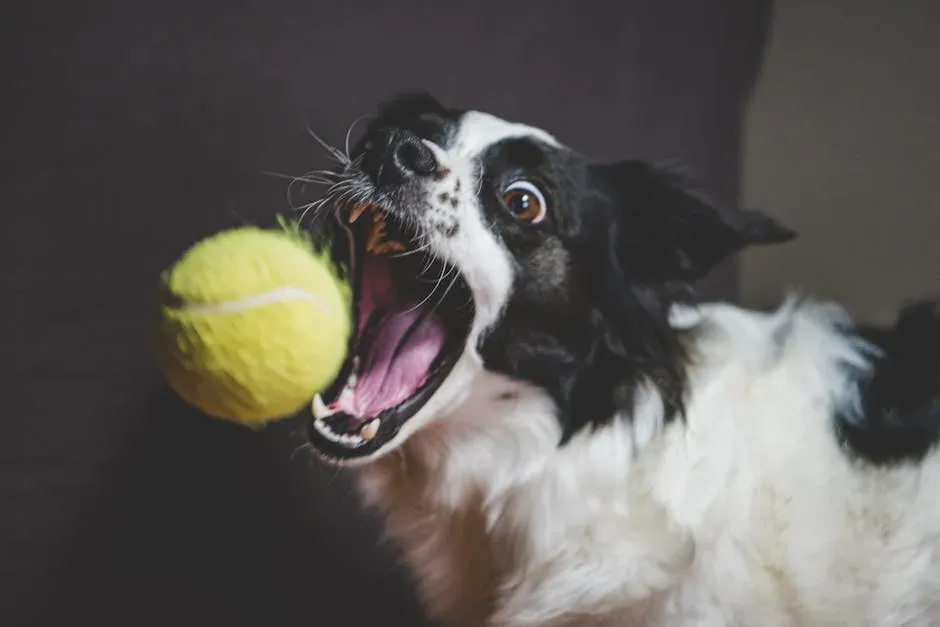
For many dogs, any surge of emotion in the household – excitement, squeals, play fights, emotional reunions – is like turning the volume knob straight to maximum. A hug often comes with exactly those cues: raised voices, sudden movement, maybe some spinning around or mock protests. Sensitive or energetic dogs can tip into over-arousal very quickly, and barking is one of the fastest ways they know to discharge that inner pressure.
Think of it like a friend who gets jumpy during loud arguments, even if nobody is angry at them personally. The hug is just the spark; the real issue is your dog’s difficulty handling big emotional spikes in the environment. Once you view it through that lens, your goal stops being “fix my jealous dog” and becomes “help my dog feel safer and calmer when things suddenly get intense,” which is much kinder and far more effective.
Herding and “Refereeing”: Some Dogs Are Just Little Hall Monitors
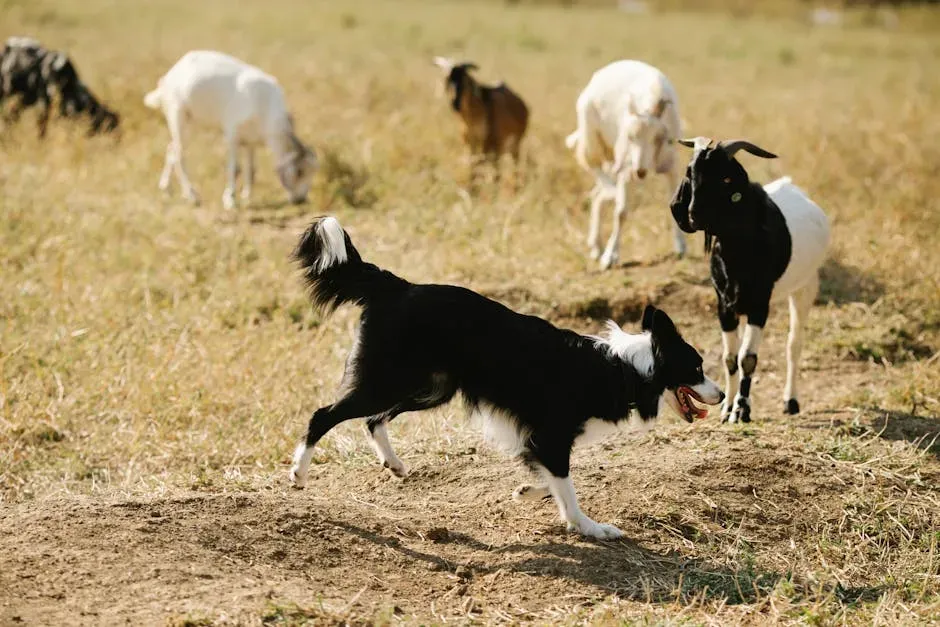
Certain breeds and mixes – herding dogs, some working dogs, and plenty of bossy mutts – are hardwired to notice movement and try to manage it. When you hug someone, you are closing distance, shifting weight, and sometimes stumbling around a bit. To a dog with strong herding or controlling instincts, that can trigger a built-in urge to organize the scene: darting between legs, barking, or nudging people apart like they are wayward sheep.
In other dogs, this shows up as classic “referee” behavior. The same dog that shoves itself between wrestling kids at the park or breaks up rowdy playdates may also wedge into your hugs. It is less about “I want that attention” and more about “everyone calm down, I am in charge of crowd control.” This does not mean your dog thinks they are the boss; it just means their genetic and learned instincts are being lit up by the chaos of human affection rituals.
Anxiety and Uncertainty: When Affection Looks Like Conflict
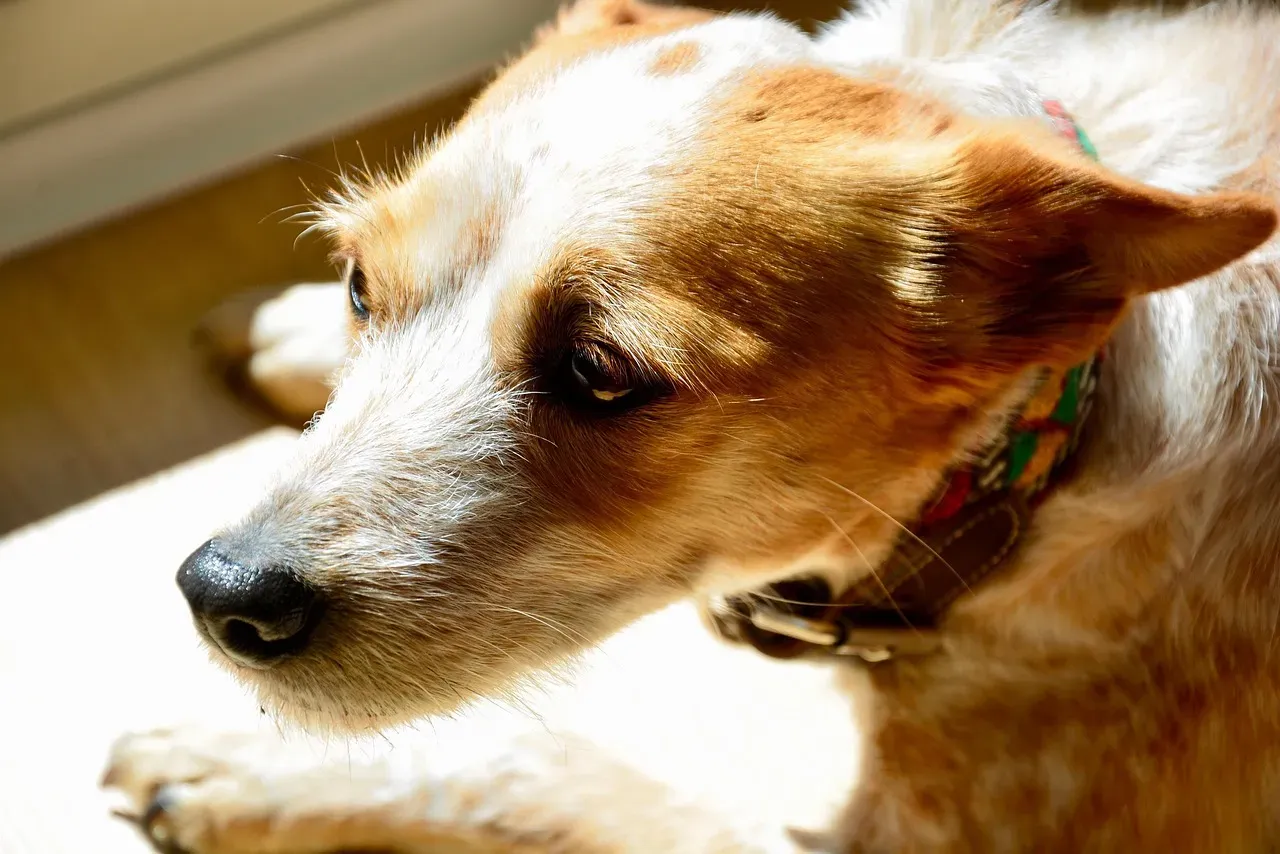
Some dogs genuinely cannot tell whether an intense hug is friendly or threatening. Especially if there is roughhousing, squealing, or someone saying “stop!” in a joking voice, it can easily read as conflict. Dogs that have gone through stressful past experiences, or dogs that are naturally cautious, may feel compelled to intervene, not out of possessiveness, but out of fear that someone is getting hurt.
These dogs often show other signs besides barking: lip licking, pacing, ears pinned back, or frantic attempts to climb into the middle of everyone. If you look closely, the emotion behind it does not feel smug or demanding; it feels worried. For these dogs, labeling the behavior as jealousy misses the opportunity to address underlying anxiety, teach them a calmer alternative, and reassure them that human hugs are safe and predictable events.
What The Research Actually Suggests (And What It Doesn’t)
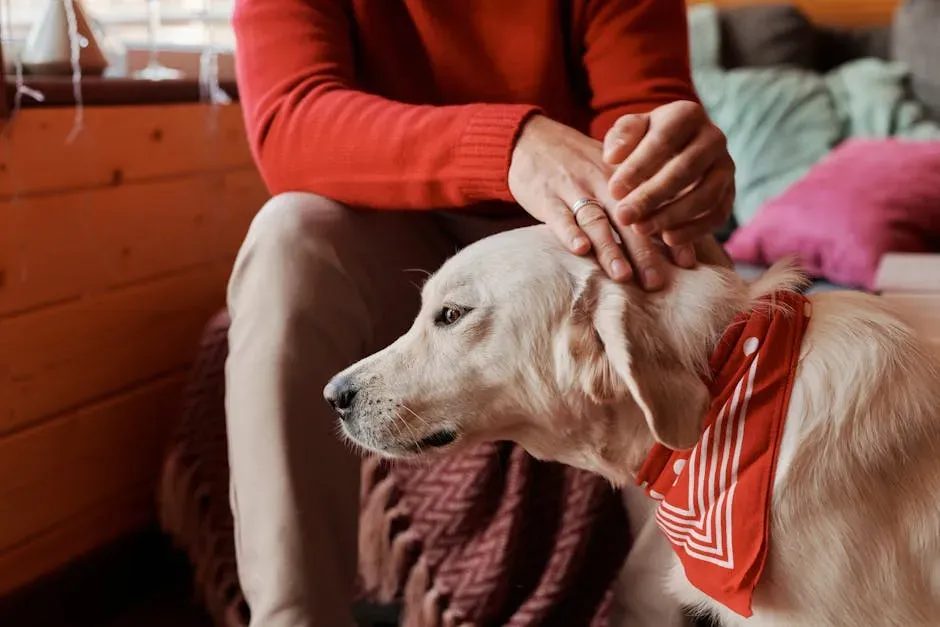
There has been some research suggesting that dogs can show jealousy-like behaviors when their person directs attention to a social rival, even if that rival is just a fake dog. But these studies usually happen in very controlled environments and say more about dogs reacting to social competition cues than about everyday living-room hugs. It is a stretch to take that science and declare that every bark during a cuddle is rooted in the same mechanism.
What we can say with a reasonable level of confidence is that dogs are highly tuned into our attention and interactions, and they sometimes react strongly when they feel excluded or confused. Beyond that, the story gets messy, and real life is usually a mix of factors: a bit of social competition here, a bit of over-arousal there, plus the specific dog’s history and personality. Staying honest about what we know and what we are guessing keeps us from blaming the dog with big human words that do not quite fit.
Helping Your Dog Handle Hugs Better
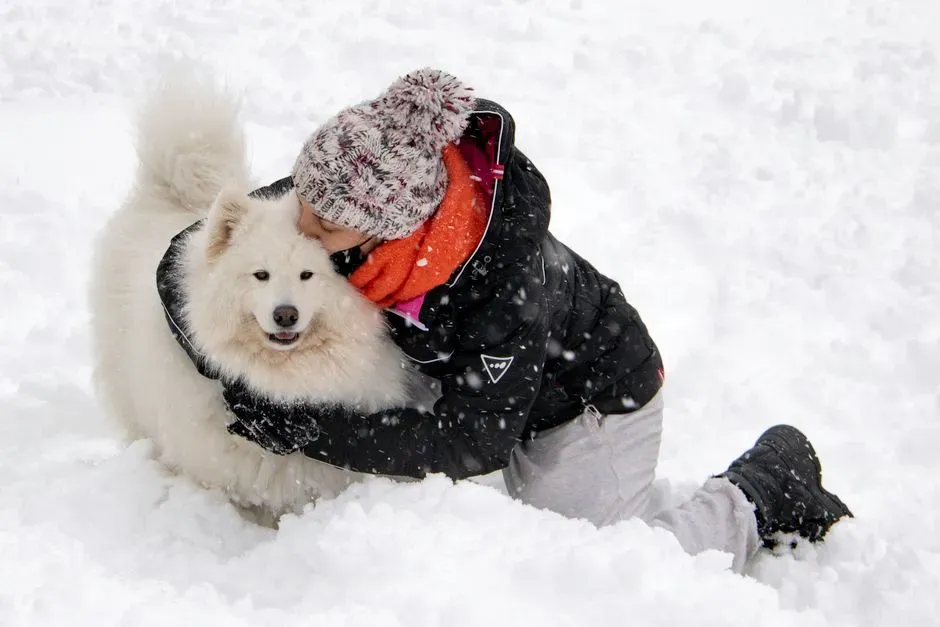
Instead of trying to “correct jealousy,” it is far more helpful to teach your dog what to do during a hug. You can slowly train a routine where hugs predict something nice for them: a favorite mat to lie on, a chew, or calm praise from a little distance. Start with very short, low-intensity hugs and reward any relaxed behavior, then gradually build up to more enthusiastic squeezes and longer contact as your dog stays calm.
You can also soften the whole scene by being more mindful of your own energy. If you know your dog reacts to sudden, squealy affection, keep movements a bit slower and voices a bit softer while you are training. Over time, your dog learns that human hugs are just another boring, safe, predictable part of home life. The goal is not to convince them to “like” hugs in a human sense, but to help them understand that nothing scary or chaotic is happening that they need to fix.
Conclusion: Stop Blaming, Start Listening
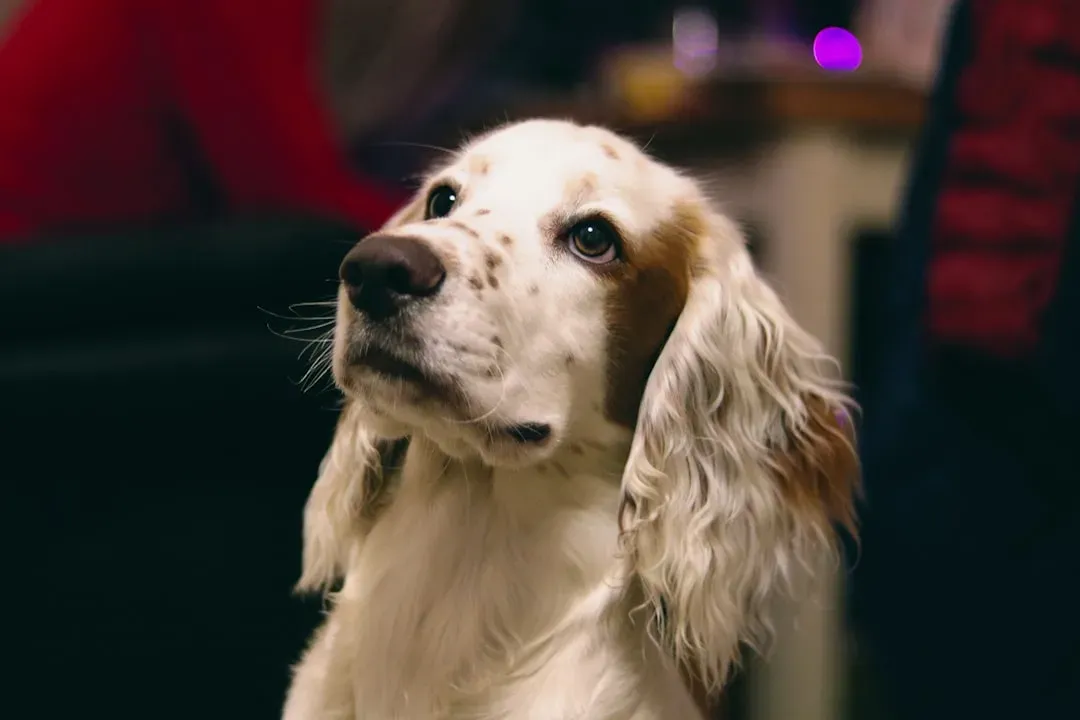
Personally, once I stopped accusing my own dog of being jealous every time she barked at a hug, I started noticing the nuance in her behavior. Some days she sounded worried, other times wired and playful, and occasionally she just wanted to be included because we were having a good time without her. Slapping the jealousy label on all of that had been a lazy shortcut that did not give her feelings the respect they deserved.
Dogs who bark when you hug someone are not automatically little green-eyed monsters; they are social animals trying to make sense of a strange, high-energy human ritual. When we trade cheap stories about “possessive dogs” for a more thoughtful look at what the social situation is triggering, we show up as better companions. Maybe the real question is not “How do I stop my jealous dog?” but “What is my dog telling me about how they feel when my world shifts in front of them?”


