
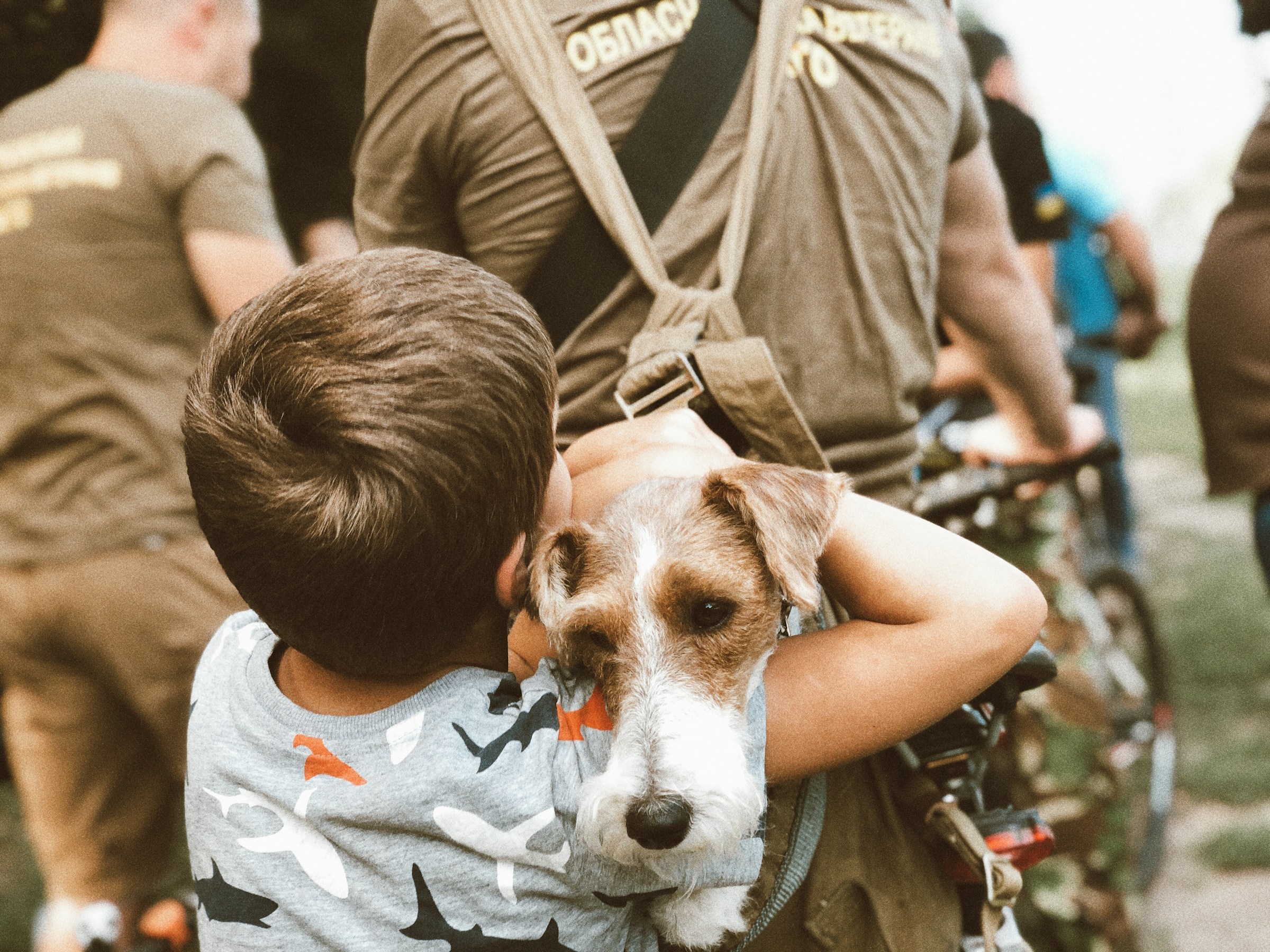
Everyone tells you the same thing when your dog is nervous: love them harder. More cuddles, more soft words, more “it’s okay, baby” whispered into their fur until they finally relax. So you do it, again and again, and somehow the shaking doesn’t stop.
Here’s the uncomfortable part: several behaviorists and trainers say the opposite is often true. Some of the sweetest, most instinctive things we do for anxious dogs are quietly teaching their nervous systems that the world really is as scary as it feels. Below are 14 everyday habits that look like comfort but often work against it – and what actually helps instead.
#1 – Constant Petting Every Time They Look Worried
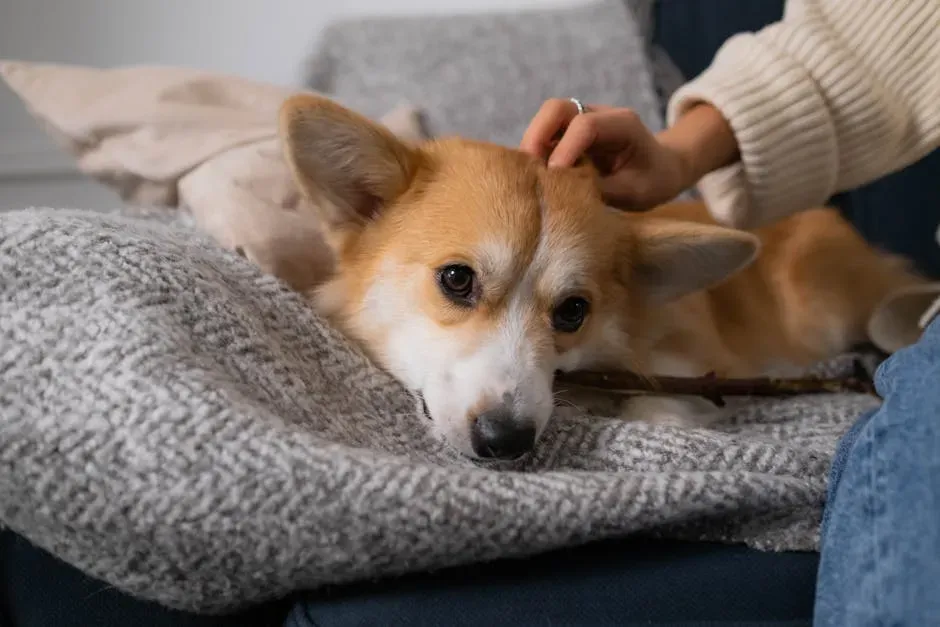
You see the tucked tail, the lip lick, the little backward step, and your hand goes to them automatically. It feels like the kindest thing in the world. But when every flicker of worry gets an instant pet, you’re quietly telling your dog, “Yes, this is a big deal.”
Instead of learning to shake it off, they learn to lean on you the way a kid never learns to balance a bike because there’s always a hand on the seat. Many anxious dogs start performing the cycle on purpose – look scared, get touched – checking your face and hands instead of scanning the room and realizing nothing bad is actually happening. Trainers often watch anxiety fade only after owners cut back on “comfort petting” and start rewarding calm, curious moments instead.
Worth Knowing
- Lip licking, yawning, and a tucked tail are classic calming signals, not requests for a hug.
- A slow head turn or “whale eye” (showing the whites of the eyes) usually means a dog wants space.
- Backing away or freezing in place is often mistaken for stubbornness instead of fear.
- Rewarding calm body language – not fearful body language – teaches a dog which state actually earns attention.
#2 – Saying “It’s Okay” Over And Over
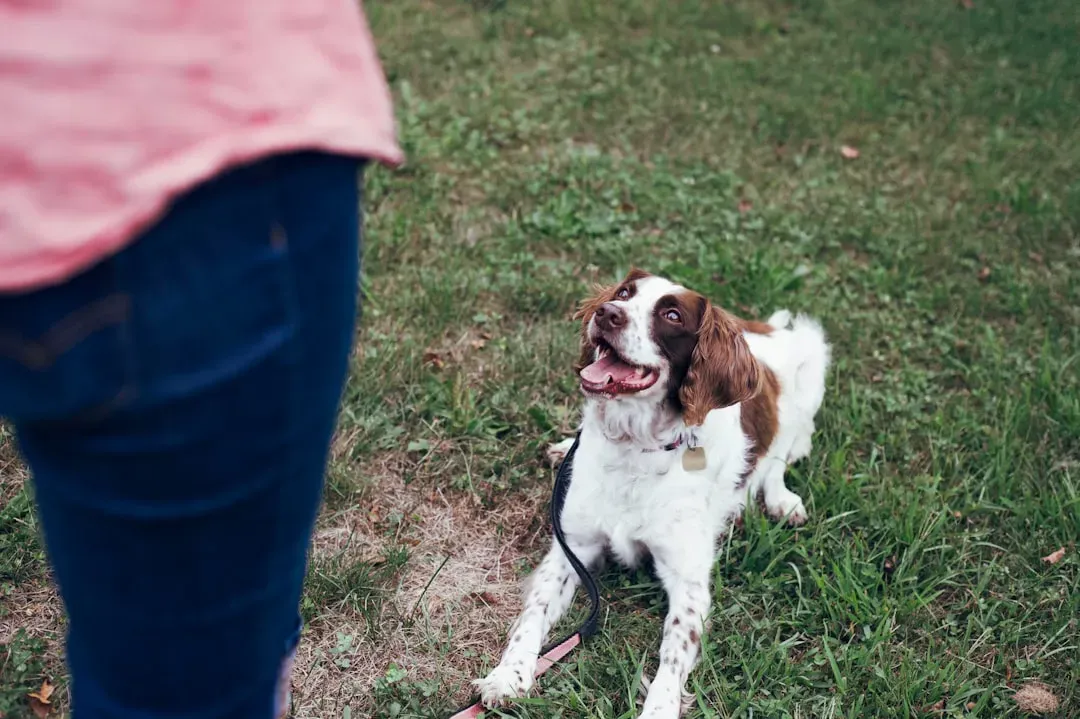
Your dog doesn’t understand English. They understand energy. When something startling happens and you repeat “it’s okay, it’s okay, it’s okay” in a tight, rising voice, what lands isn’t reassurance – it’s tension, confirmed.
Say it enough times during enough scary moments, and the phrase itself becomes a trigger. Your dog hears it and starts scanning for danger, because that’s what “it’s okay” has always predicted before: thunder, strangers, fireworks. The calmest trainers often go quiet instead – softening their posture, slowing their breathing, and saving the praise for after the fear has already passed. It looks cold to us. To a dog, it’s finally clear.
#3 – Picking Them Up Every Time They’re Scared
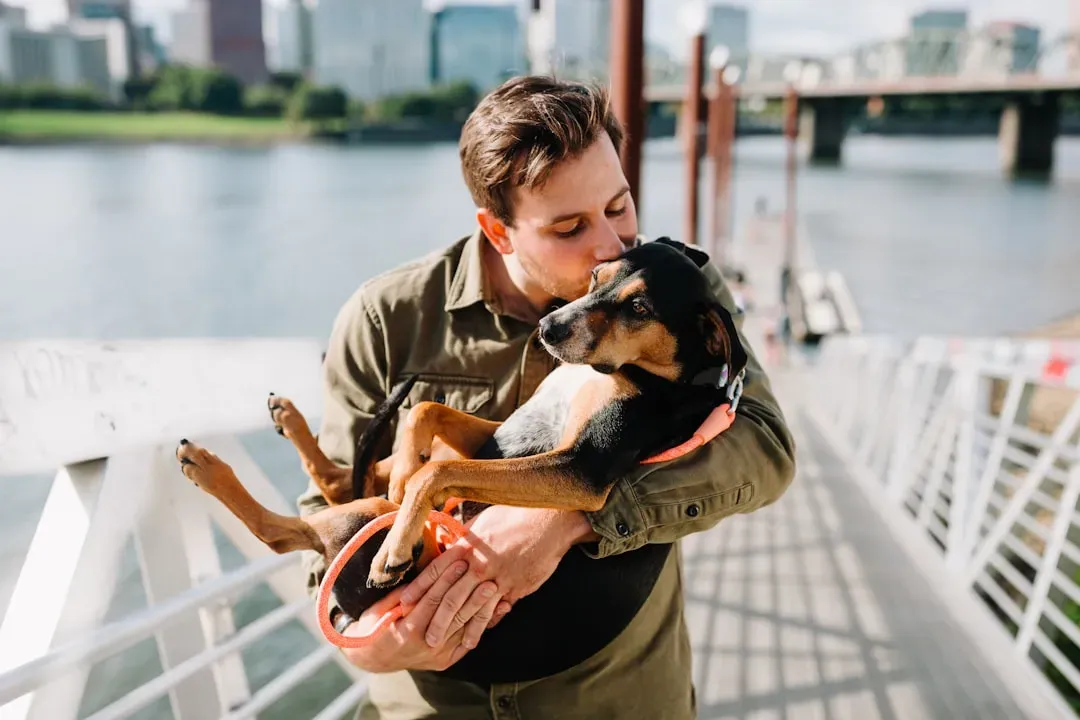
This one shows up constantly with small dogs. A skateboard rolls by, another dog barks, and up they go into your arms like a baby. It feels protective. But being lifted off the ground mid-fear can make a dog feel trapped, not safe – they can’t sniff, retreat, or size up the situation on their own terms.
Trainers have a name for what happens next: velcro anxiety. The dog’s feet barely touch pavement in anything remotely challenging because they’ve never been allowed to practice self-regulation – the simple skill of stepping back, shaking off a fright, and re-engaging. The more you carry them through fear, the more fragile they become when you’re not there to scoop them up.
#4 – Never Letting Them Say “No” To Affection
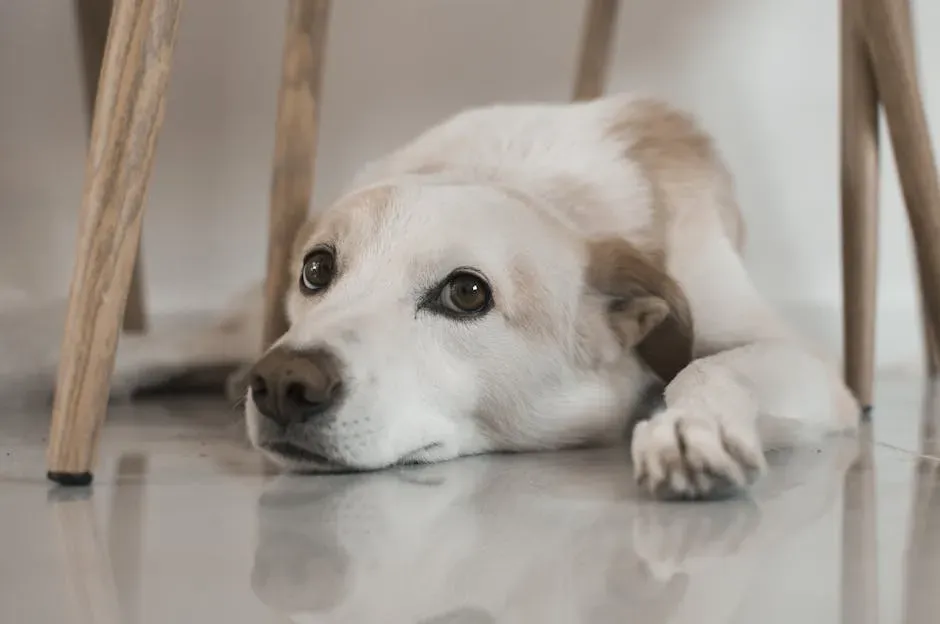
You love your dog, so of course you want to hug them, kiss their head, bury your face in their fur. But plenty of anxious dogs hate being cornered by love. They turn their head, lick their lips, yawn, go stiff – and the hug happens anyway, because “he’ll get used to it.”
When a nervous dog learns that “no” gets ignored, escalation becomes their only remaining option – a growl, a snap, a bite that looks sudden but never was. Respecting the small stuff changes everything. Pat your leg, let them choose to come in, and stop the second they lean away. For a lot of anxious dogs, that tiny bit of choice is the first time they’ve ever truly relaxed around a human.
#5 – Talking Softly While Your Body Screams “Tense”
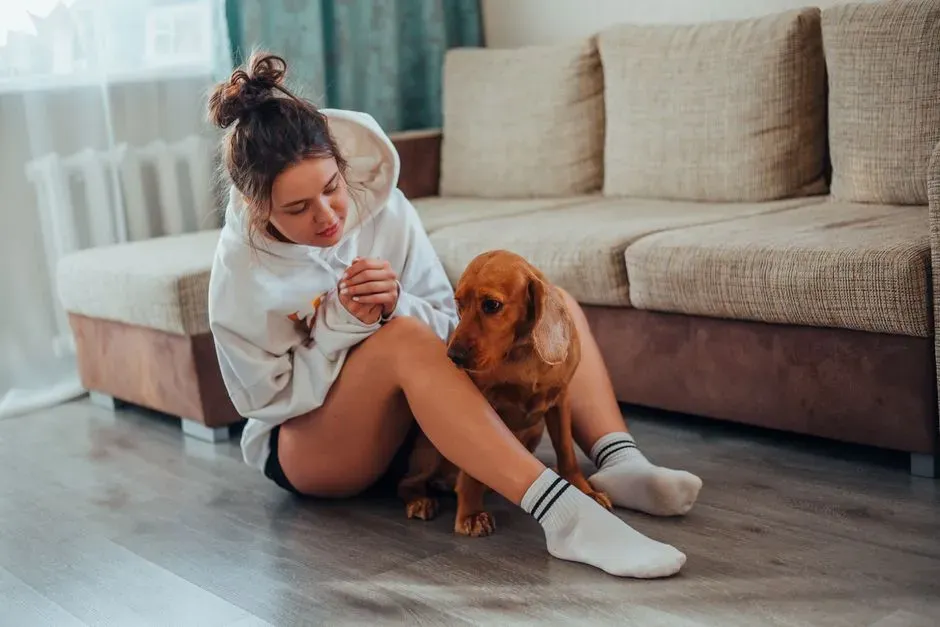
You can’t whisper your way out of anxious body language. Owners bend over their dog, lock eyes, hover a hand near their head, all while using the gentlest voice they own – not realizing that direct staring and looming read as pressure, not tenderness, to most dogs.
Nervous dogs become fluent in your micro-signals: the stiff shoulder, the frozen hand, the forced smile. If your body says “something’s wrong” while your mouth says “good boy,” the body wins every time. The fix feels backwards – turn slightly sideways, soften your knees, look away, just exist near them. It seems detached to us. To a dog, it’s the first sentence that actually makes sense.
#6 – Letting Them Cling 24/7 “Because It Makes Them Feel Safe”
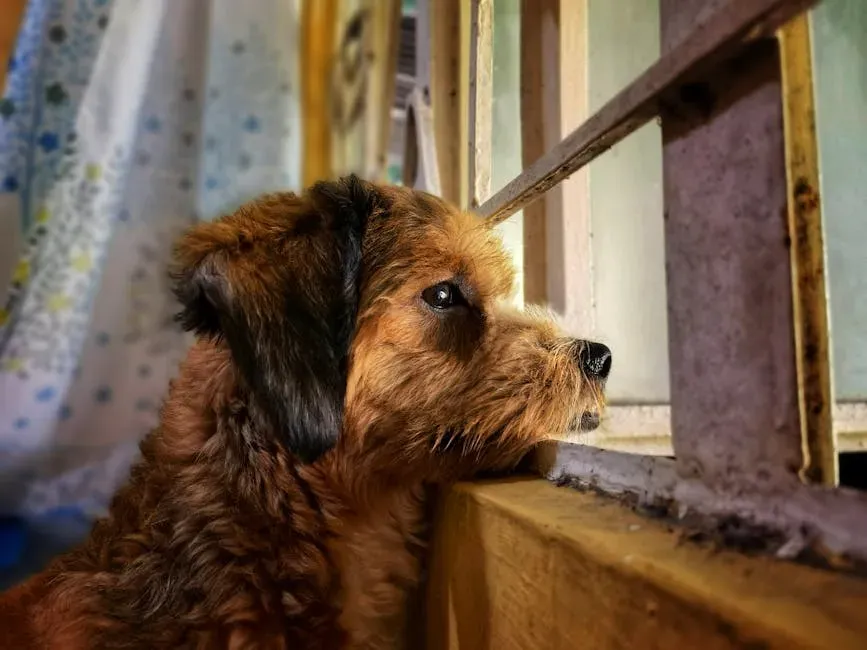
This is where separation anxiety usually starts. Your dog follows you everywhere – bathroom, bedroom, kitchen – and you let it slide because closing a door sets off a meltdown. Creating distance feels cruel, so you stop trying.
But constant access to you means the brain never gets to practice small, tolerable stretches of being alone. No reps, no resilience. It starts out feeling like a devoted little shadow and quietly turns into panic the moment you step outside for the mail. Behaviorists point to something as small as a baby gate for two minutes while you make coffee as the actual builder of confidence – not endless proximity, which often just locks a dog deeper into dependency.
Fast Facts
- Separation anxiety commonly shows up as pacing, drooling, or destructive chewing near doors and windows.
- Some dogs start vocalizing within minutes of being left alone, not hours.
- House-trained dogs can still have accidents once real panic sets in.
- Short, gradual alone-time practice – even just a few minutes at a stretch – is the usual starting point trainers recommend.
#7 – Rushing To “Rescue” Them During Every Loud Noise
Thunder cracks, a truck backfires, a plate shatters, and you’re sprinting over to scoop your dog up like a startled toddler. It feels like instinct doing its job. But when every loud sound is followed by frantic human energy, your dog never gets the chance to learn that noises happen and then nothing bad follows.
The pattern becomes bang, then human panic, then dog panic – and over time, the startle response actually sharpens instead of fading. Plenty of noise-phobic dogs were built this way by people who meant nothing but love. Trainers often flip the script entirely: loud noise followed by a calm human tossing a treat or starting a familiar game, so the message shifts from “the sky is falling” to “oh, that sound means snacks.”
#8 – Forcing Socialization With “Friendly” People And Dogs
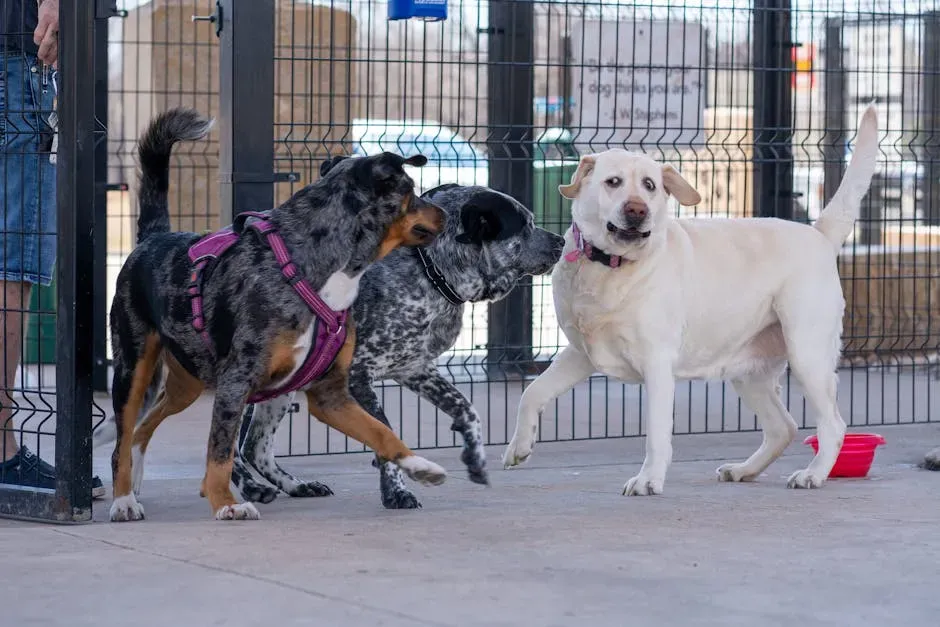
“Exposure therapy” gets badly misunderstood with dogs. Your nervous dog hides behind your legs when guests arrive, so you pull the guest closer and say, “Don’t worry, he’s friendly!” Or you drag a shy dog straight into a crowded dog park so she’ll “get used to it.”
This is called flooding, and for many anxious dogs it backfires hard. Instead of building trust gradually, you’re teaching them that their fear signals are pointless – they say “I’m overwhelmed” and the world closes in anyway. Long-term, that dog is more likely to snap at strangers, not because they’re mean, but because polite warnings never worked before. Real socialization looks smaller than people expect: watching from a distance, sniffing a shoe and walking away, getting rewarded for the brave choice – not being held still to “tolerate” it.
#9 – Turning Meal Time Into Constant Hand-Feeding Therapy
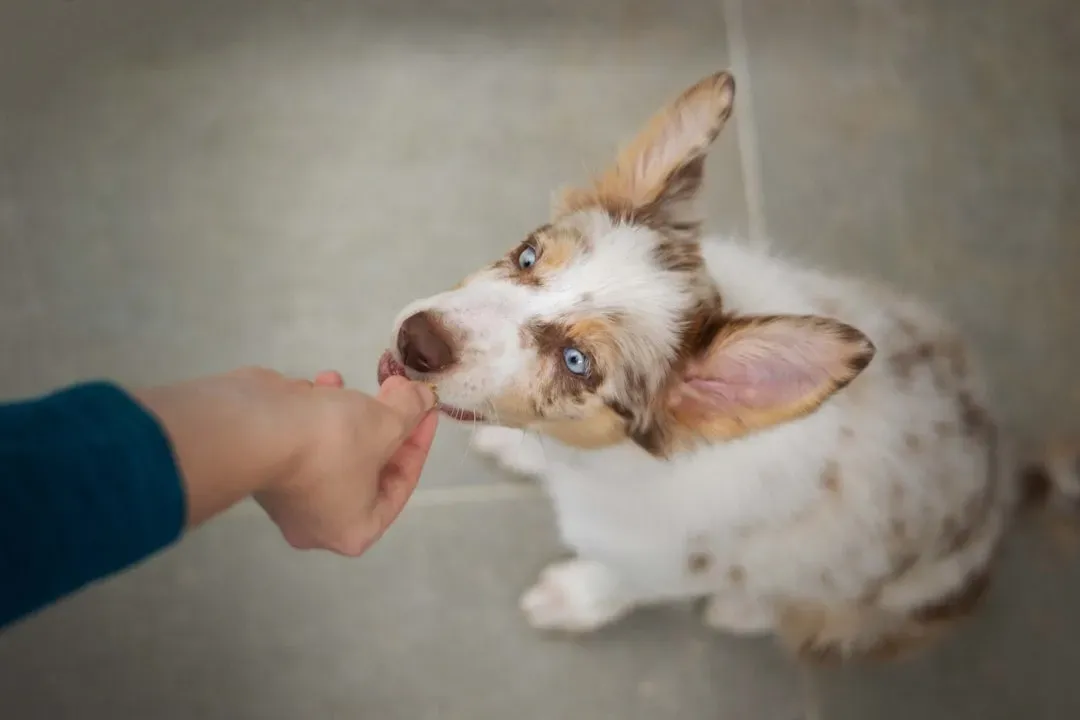
Hand-feeding is a genuinely great tool for building trust – in moderation. But some owners never let their anxious dog eat from a bowl again. Every single bite comes from a palm, every meal becomes a session, every day adds up to quiet emotional labor for both of you.
The dog learns that food only exists alongside a human, which sounds sweet until you notice they can’t settle when you’re gone. They pace, refuse the bowl, whine at food that shows up without a hand attached. A better balance: use hand-feeding strategically, then wean toward puzzle feeders or snuffle mats in quiet corners where the dog gets to enjoy a meal completely on their own. Confidence doesn’t build if you’re the only source of both calories and comfort, every time.
Quick Compare
- Hand-feeding: Builds trust fast, but can create dependence on a person being present.
- Bowl feeding: Simple and independent, though it offers little enrichment for an anxious mind.
- Puzzle feeders/snuffle mats: Encourage calm, solo focus and work anywhere, anytime.
#10 – Over-Apologizing After You Set Any Kind Of Boundary
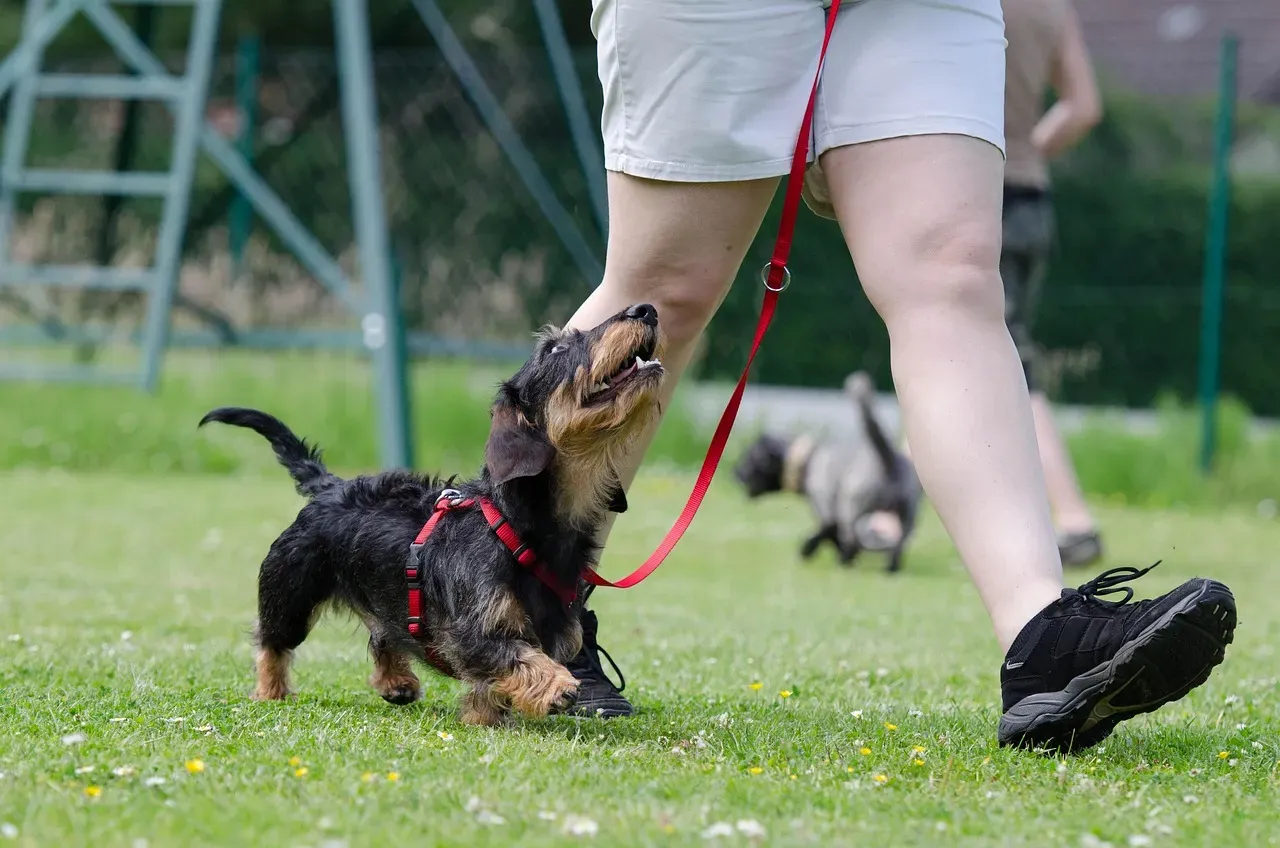
You finally ask your dog off the couch, or close the crate door, or say a firm “no” to jumping – and then immediately drown them in “I’m sorry, buddy, don’t be mad,” plus a fistful of treats. You feel guilty. They look wounded. So the boundary quietly dissolves.
Dogs don’t need apologies for fair, consistent rules – they need the rules to actually hold. When a crate sometimes means calm sleep and sometimes means an hour of guilty coaxing, it becomes emotionally loaded instead of simple. Nervous dogs thrive on predictability, not negotiation. Setting the boundary once, then moving on with neutral energy, tells them the world is steady – which, ironically, is far more comforting than the guilt-fest ever was.
#11 – Using Baby Talk As A Default, Especially In New Situations
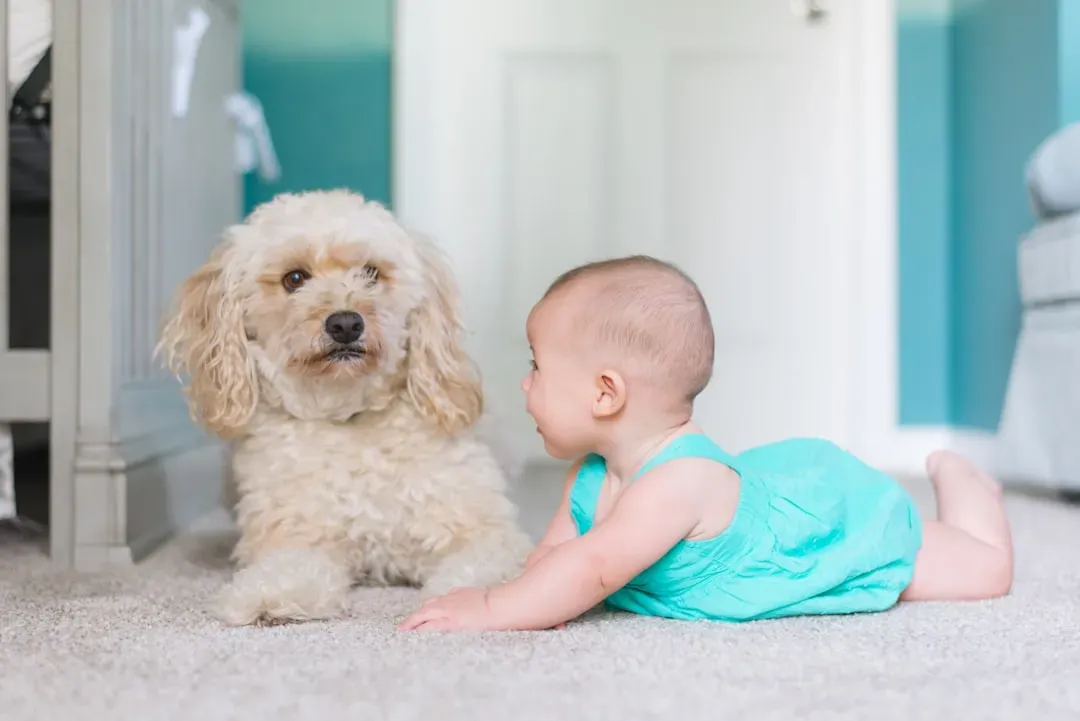
We all do it: “Who’s my widdle nervous baby, huh?” For a confident dog, that high sing-song voice is just fun noise. For an anxious dog in an unfamiliar place, it can crank up arousal instead of settling it.
Baby talk tends to spike movement and heart rate – it reads closer to “let’s party” than “you’re safe.” Picture bringing a shy dog into a new vet clinic and layering that pitch on top of the beeping machines and stranger smells; you’re adding unpredictability, not removing it. Save the baby talk for genuinely relaxed, familiar moments – the couch, gentle play. In new or tense situations, a low, slow, almost boring voice tells your dog, “Nothing epic is happening here,” which is exactly the message they need.
#12 – Letting Kids “Love On” Them Because “He Has To Get Used To It”
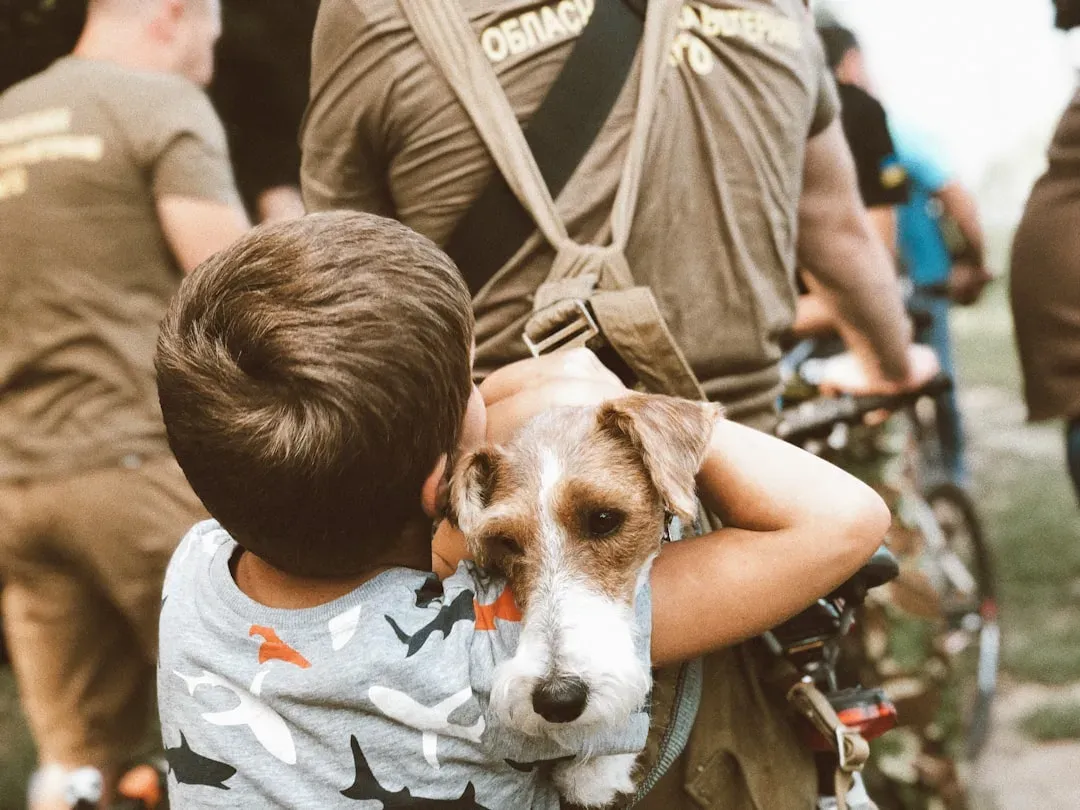
This is where kindness to kids can quietly collide with kindness to a dog. You want your dog to be “good with kids,” so you allow the hugging, the leaning, the climbing, the nonstop petting from little hands – while your dog freezes, goes whale-eyed, or goes completely still. Most adults miss those signals entirely.
When a nervous dog learns that small, unpredictable humans ignore every polite “no thank you,” anxiety doesn’t level off – it climbs. So many so-called “random” bites around kids actually come from dogs who spent months being pushed past their limit in the name of tolerance. Real respect means rules for the humans too: no hugging, no chasing, no bothering them in a bed or crate, and always an escape route. Letting the dog choose whether to interact at all is the single kindest thing you can offer.
#13 – Flooding Them With Eye Contact Because “Connection Heals”
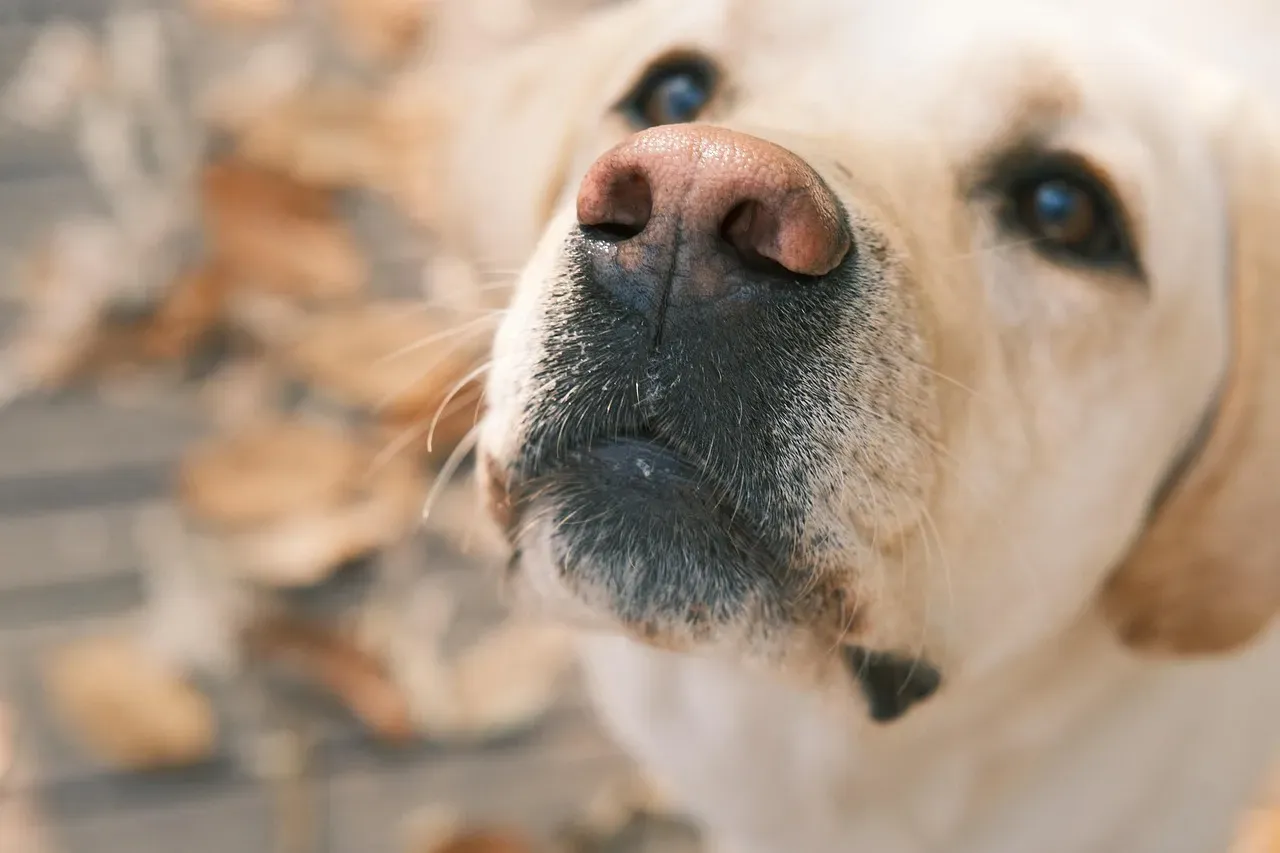
Eye contact feels loving to us. To a lot of nervous dogs, sustained, intense eye contact is pressure, plain and simple. Some trainers compare staring at an anxious dog to shining a flashlight directly into a scared person’s eyes.
Your dog might hold your gaze while every other inch of their body is screaming discomfort – tight mouth, stiff neck, slow blinking. We romanticize that as “soul gazing.” A behaviorist sees a charged interaction the dog can’t escape, especially if you’re also petting them or blocking their exit. Softer, briefer glances – look, blink, look away – are far kinder. Let the dog decide when eye contact starts and when it ends; it costs you a little ego and buys them a lot of relief.
Worth Knowing
- A tight mouth, stiff neck, or slow blinking often signals discomfort, even while a dog holds your gaze.
- Brief “look, blink, look away” glances tend to feel far less threatening than a steady stare.
- Pairing eye contact with petting or blocking an exit can intensify the pressure a nervous dog feels.
- Letting the dog initiate and end eye contact preserves their sense of control in the interaction.
#14 – Treating Every Quirk As Trauma Instead Of Teaching Skills
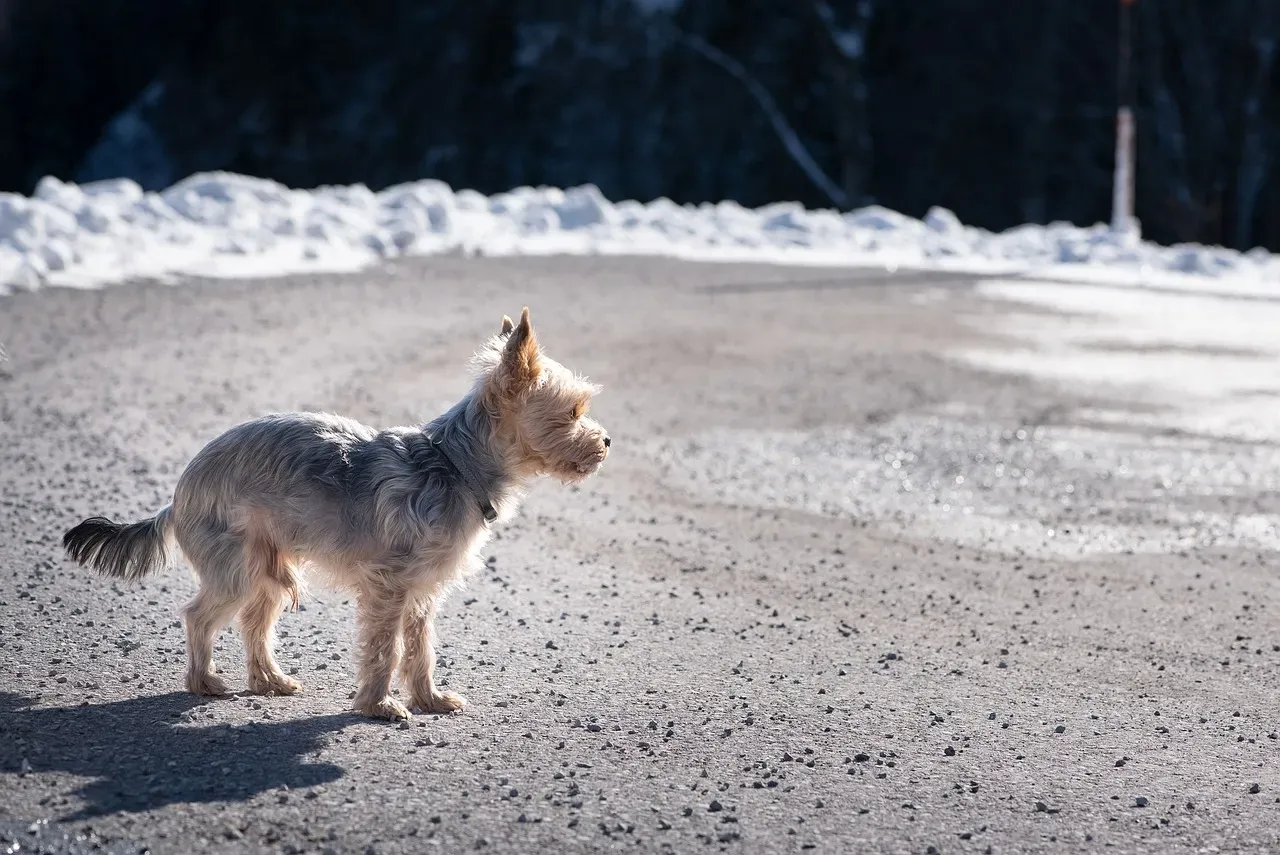
This is the quietest kindness that does the most damage. A dog startles at a garbage can, and suddenly the whole narrative shifts: “He’s a rescue, he’s been through so much, he just can’t handle it.” So you remove every challenge – no more walks, no visitors, no training, nothing new.
In trying to protect them from stress, you accidentally protect them from ever growing past it. Not every flinch is a tragic backstory; sometimes it’s just inexperience. Anxious dogs actually need small, planned doses of manageable stress followed by safety and reward to rewire how they respond to the world. Labeling them “broken” and quietly giving up on trying traps them in that story permanently. The real kindness is patient, boring, repetitive skill-building – proof, one small win at a time, that the world is something they can navigate rather than something to hide from forever.
The Bottom Line
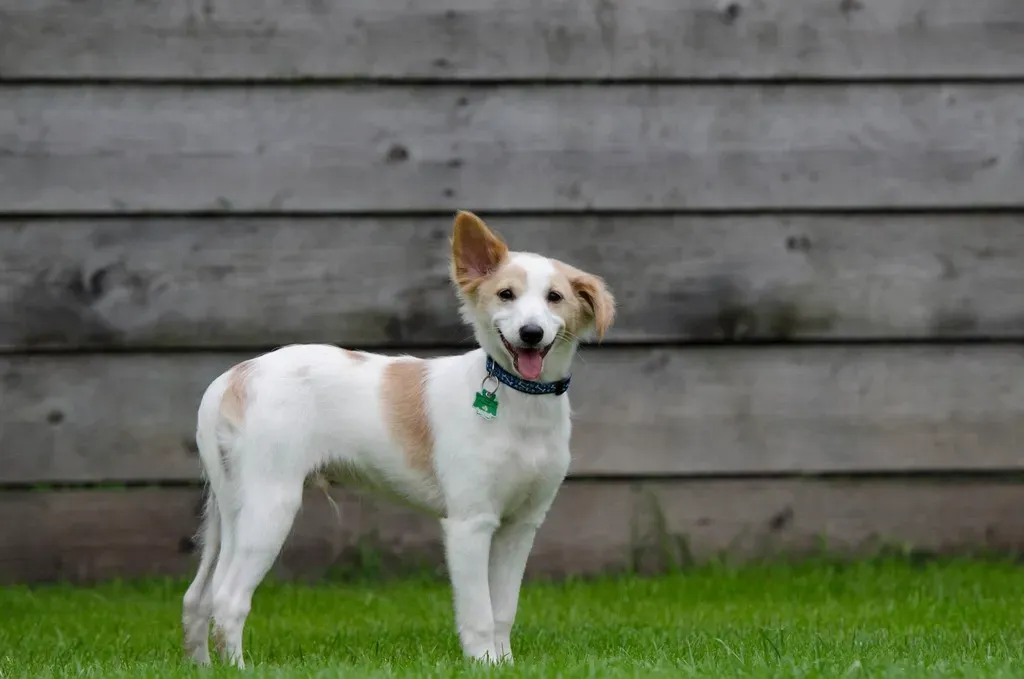
Here’s the harsh part nobody wants to hear: a lot of the “kind” things we do for nervous dogs are actually soothing us, not them. We pet constantly because we feel bad. We baby-talk because we feel guilty. We skip boundaries because we can’t stand the sad eyes for one more second.
But anxious dogs don’t need emotional bubble wrap. They need calm structure, real choices, and tiny, repeated wins they get to earn themselves. The most devoted owners are sometimes, without meaning to, the ones quietly keeping their dogs fragile – and that’s not a character flaw, it’s just what happens when love runs ahead of understanding.
If you spotted yourself in two or three of these, don’t spiral over it. Pick one habit, loosen your grip on it this week, and watch what your dog does with the space. Which one are you rethinking tonight – and honestly, do you think trainers are being too harsh on worried dogs, or not harsh enough? Say it in the comments.


