
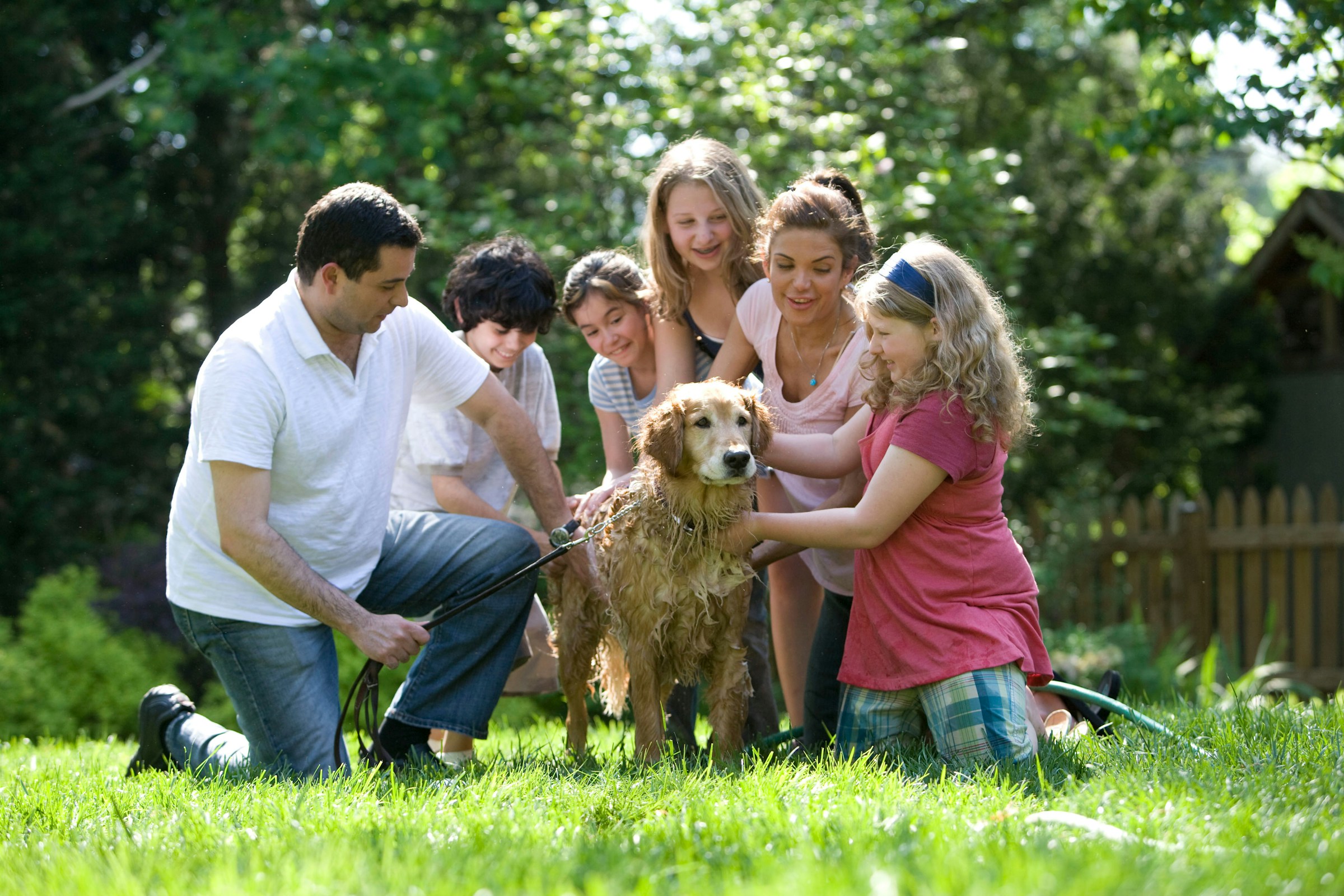
There’s something almost magical about how a dog can walk into a quiet, empty room and suddenly it feels warm and alive. As we move into our later years, that kind of emotional warmth and everyday steadiness stops feeling like a nice extra and starts feeling essential. A lot of people assume getting older is about slowing down and shrinking your life, but a dog often does the exact opposite: it quietly expands your world again.
If you’ve ever felt the house get a little too quiet after the kids left, or noticed the days start to blend together, this is where a dog can change the script. From nudging you out of bed to go on a walk, to curling up beside you when you’re not feeling your best, dogs have a unique way of weaving comfort and routine into everyday life. Let’s dig into the many, very real ways they help steady the heart and structure the day in your golden years.
1. A Daily Routine That Grounds Your Day
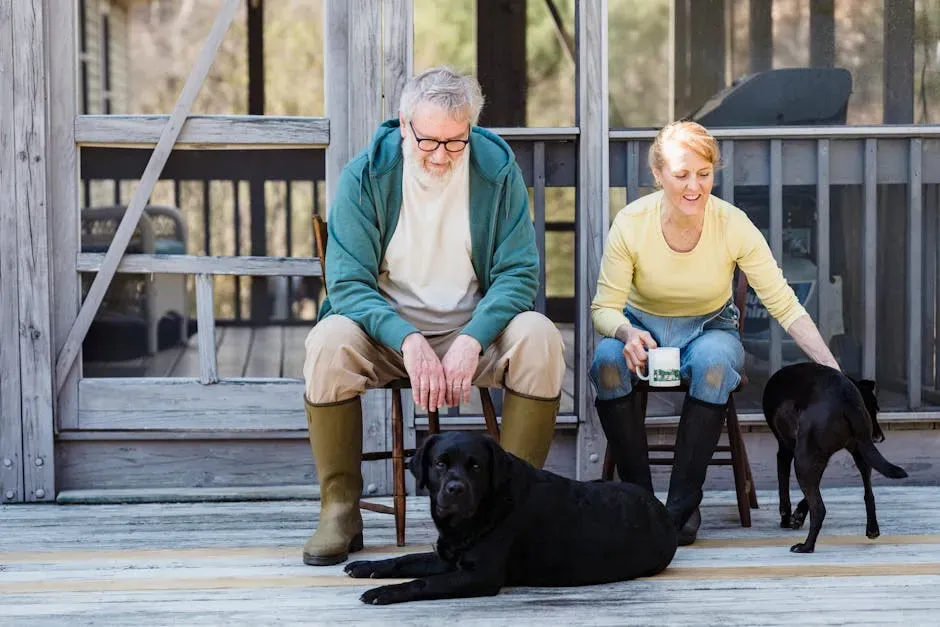
One of the hardest parts of retirement or later life can be the sudden lack of structure. A dog quietly fixes that without ever reading a self-help book. Breakfast time, walks, bathroom breaks, play, and bedtime form a gentle schedule that repeats every day, giving you natural anchors to wake up to and wind down with.
That simple, predictable rhythm is surprisingly stabilizing. It becomes easier to tell one day from the next, and you’re less likely to drift into long stretches of aimless time that can feed loneliness or low mood. Instead of wondering what the day is for, you start with at least one clear purpose: caring for this furry little creature who completely depends on you.
2. Emotional Support You Can Actually Feel

There’s a reason therapy and emotional‑support dogs exist: being around a dog really can calm the nervous system. Many people notice that just stroking a dog’s fur slows down their breathing and quiets racing thoughts. Scientists have linked this kind of interaction with changes in hormones tied to stress and bonding, which helps explain why it feels so soothing.
In your later years, when worries about health, money, or family can feel like a constant background hum, a dog is like a grounding cable. They pull you out of your head and back into the present moment. You’re not ruminating about next year’s medical tests when you’re laughing at a dog zooming around the living room with a squeaky toy.
3. A Powerful Antidote to Loneliness
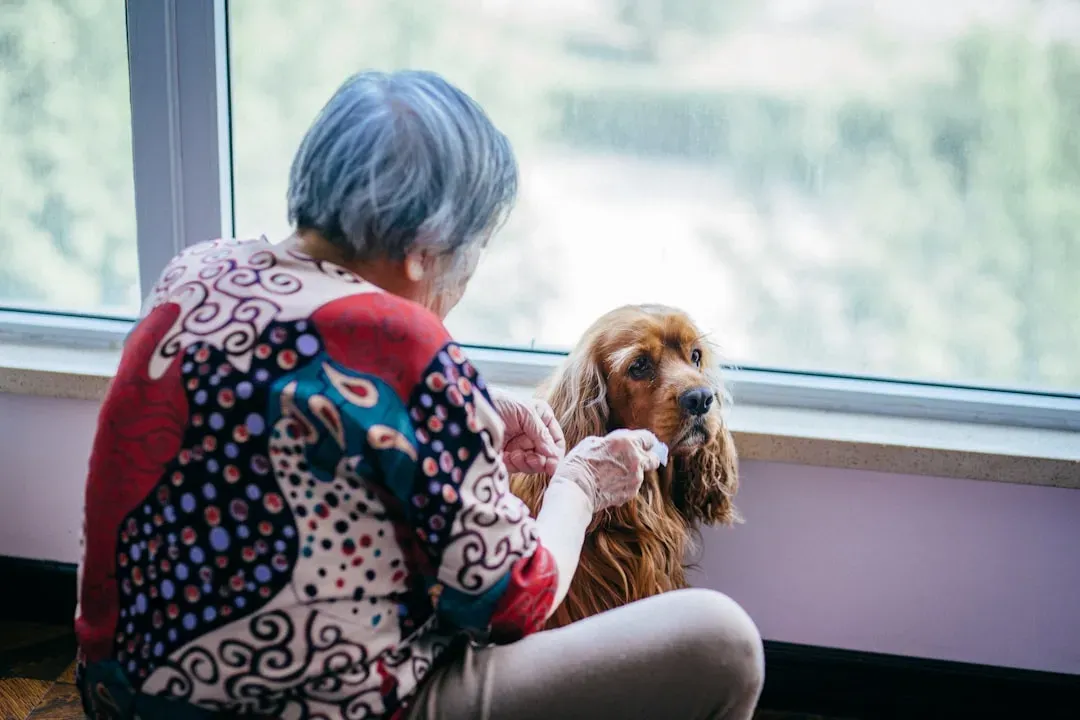
Even if you’re fiercely independent, long stretches of time alone can wear on anyone. A dog doesn’t replace human relationships, but they absolutely change the emotional temperature of your home. The quiet feels less like absence and more like peaceful companionship when there’s a living, breathing soul dozing on the couch beside you.
Many older adults say the hardest part of living alone is coming back to an empty house. A dog changes that moment completely: you’re greeted with excitement, tail wags, and the clear message that someone is genuinely thrilled you’re back. That kind of welcome might sound small, but emotionally, it’s huge.
4. Gentle Motivation to Stay Physically Active
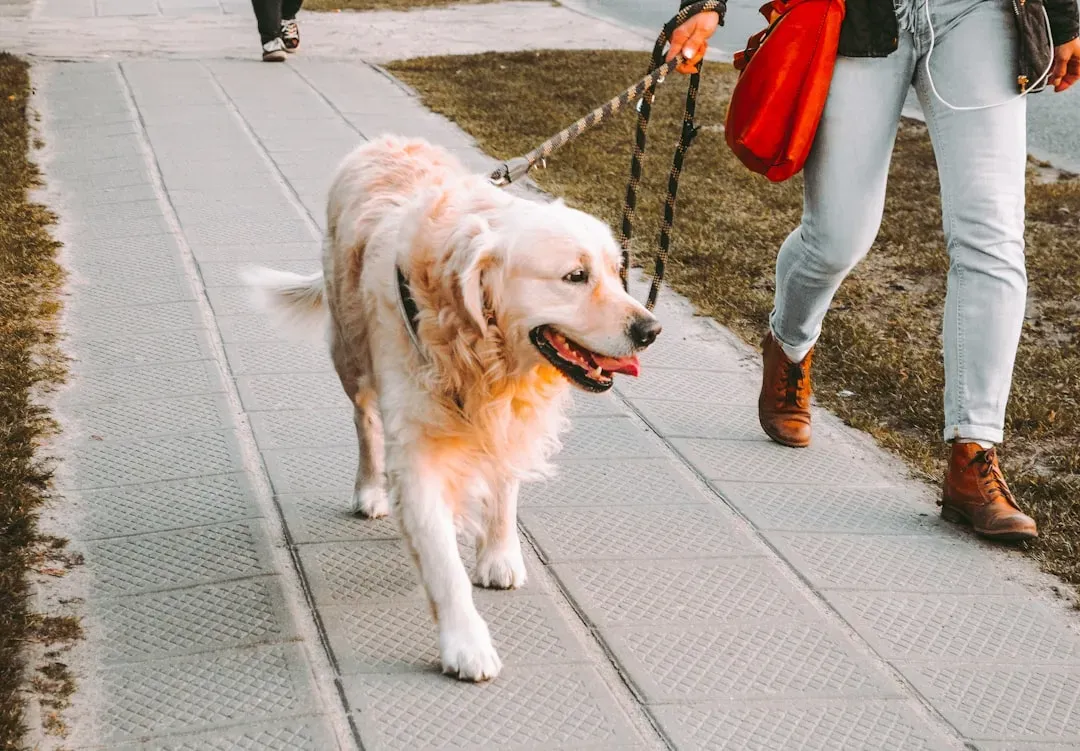
It’s easy to promise yourself you’ll walk more and move more, but it’s also very easy to keep putting it off. A dog doesn’t really let you do that. They need walks, bathroom breaks, a bit of play, and sometimes a good sniff‑fest around the block. That built‑in movement naturally adds steps to your day without feeling like “exercise” in the traditional sense.
Even slow, short walks add up over weeks and months. You’re moving joints, strengthening muscles, and getting fresh air instead of spending all day in the same chair. For many people in their senior years, this kind of low‑impact, consistent activity is far more realistic and sustainable than gym memberships or structured workout plans.
5. Consistent Mental Stimulation and Purpose
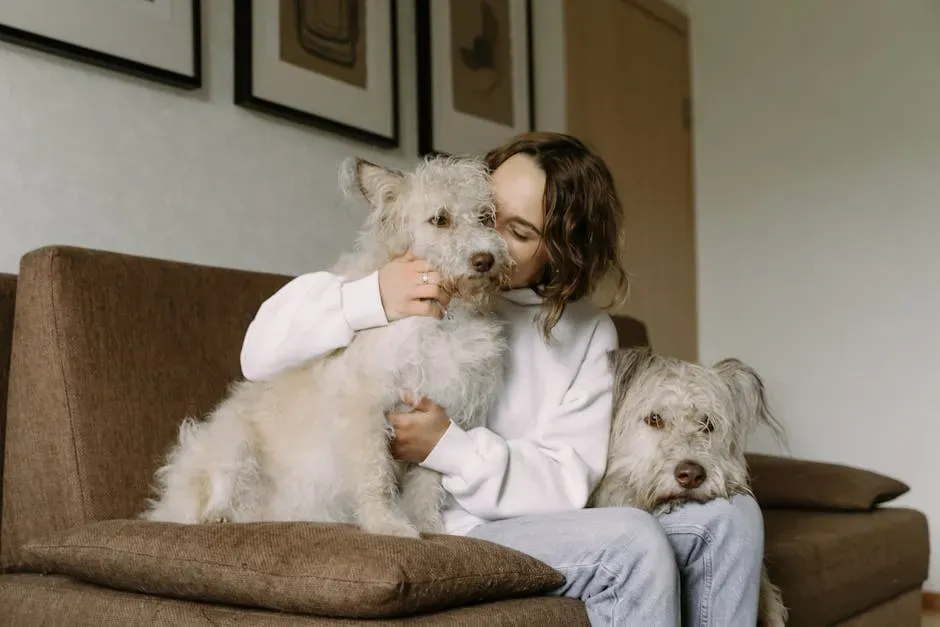
Caring for a dog gives your brain something to organize, plan, and respond to every single day. You’re noticing patterns in their behavior, remembering feeding and medication times, and adjusting routines as needed. It may not feel like “brain work,” but keeping track of another being’s needs is quietly stimulating and engaging.
There’s also that deeper sense of purpose that comes from being needed. When you know a dog relies on you for food, safety, and love, it pushes back against the feeling that your most useful years are behind you. You’re not just passing time; you’re actively shaping another creature’s quality of life, and that feels meaningful.
6. A Natural Icebreaker for Social Connection

One of the underrated gifts of having a dog in your older years is how easily they connect you to other people. A walk with a dog often turns into a short conversation with a neighbor, a chat with another dog owner, or a friendly wave from someone who recognizes your pup. These small interactions might not become deep friendships, but they add important social sparks to your day.
Dog parks, training classes, and even vet visits can all expand your social circle. Instead of feeling like you have nothing in common with strangers, you suddenly have an easy shared topic: your dogs. That shared focus makes it much less awkward to start a conversation, which can be a real game‑changer if you’re shy or out of practice socially.
7. Emotional Stability Through Predictable Companionship
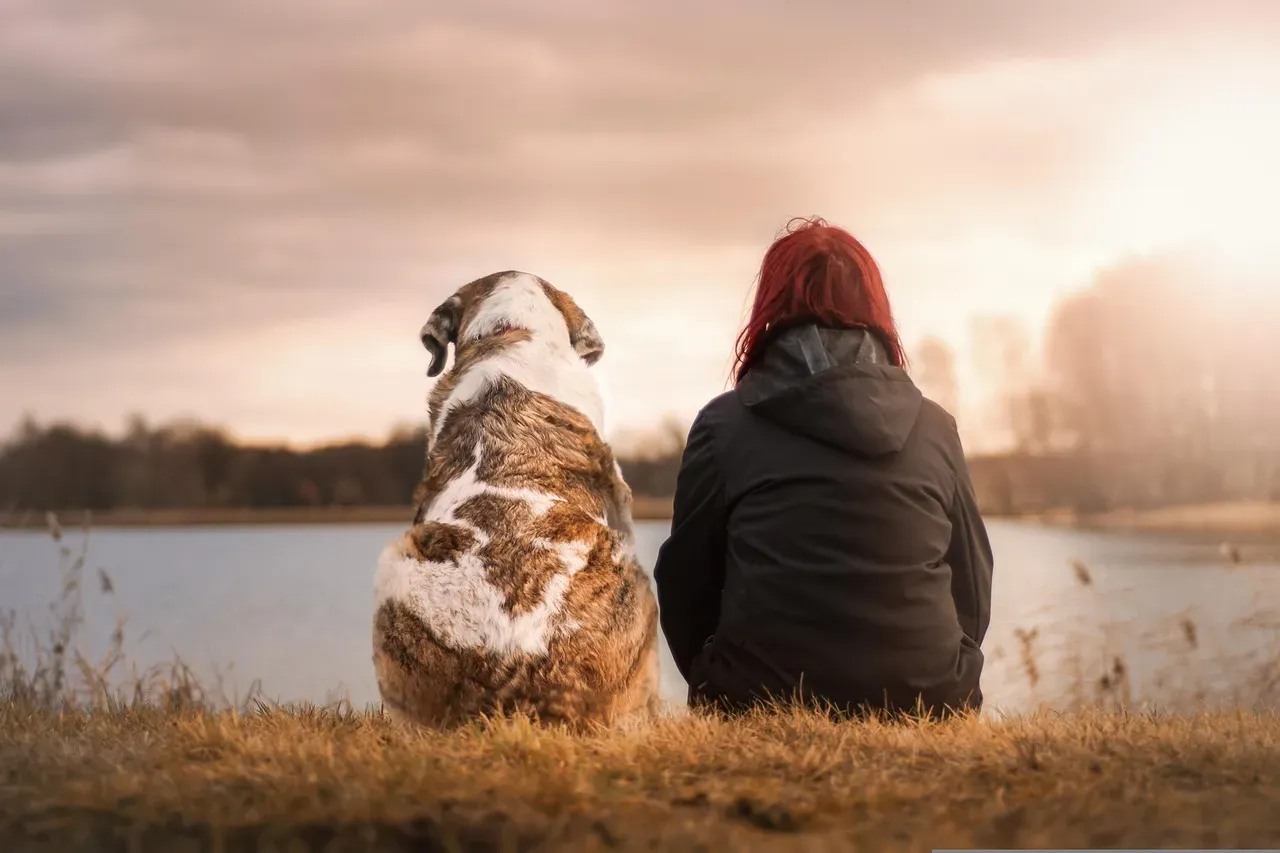
The older we get, the more life can feel full of change: friends move away, family is busy, health can be unpredictable. A dog offers one of the few constants you can count on every day. They react to you, not your job title, bank account, or medical chart, and that steady, unconditional presence brings real emotional stability.
Knowing that your dog will be there in the morning, eager for breakfast and a cuddle, can be especially comforting on difficult days. Their routine responses – ears perking up when you say their name, curling beside you when you sit down – create a sense of ongoing normalcy, even when other parts of life feel turbulent.
8. Comfort During Grief, Change, and Hard Times
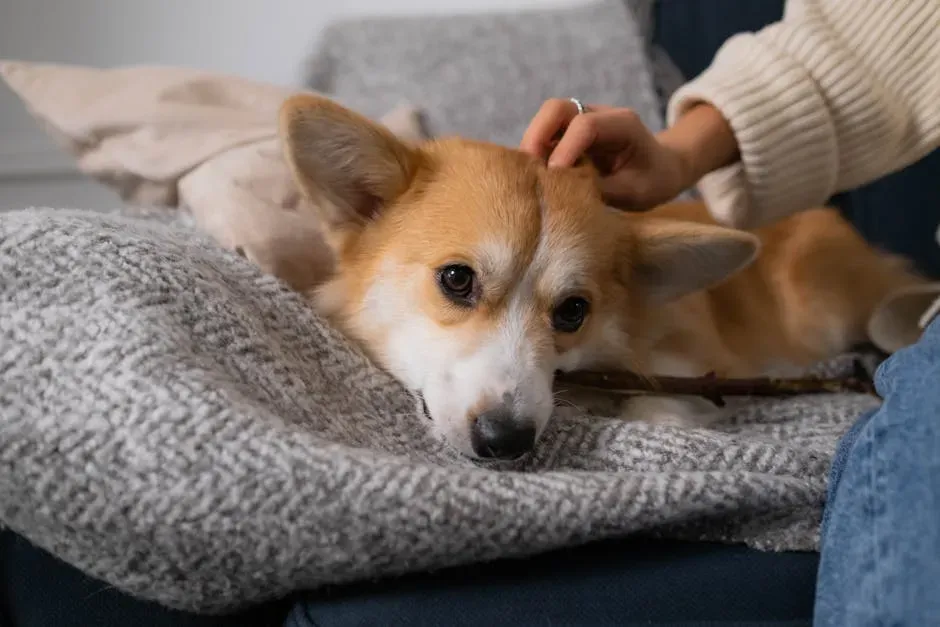
Later life often includes real losses: a partner, siblings, lifelong friends, or even your own former abilities. During those raw periods, words from other people can sometimes feel hollow or overwhelming. A dog, on the other hand, offers silent, steady comfort that asks for nothing in return. They just stay close, and that alone can make pain feel slightly more bearable.
I’ve heard countless older folks describe how their dog seemed to “know” when they were grieving or unwell, choosing to lie touching their leg or follow them from room to room. Whether or not we understand exactly what’s going on in the dog’s mind, the effect on the human is very real: you don’t feel quite as alone in your sadness.
9. A Sense of Safety and Reassurance at Home

Living alone can sometimes make you feel vulnerable, especially at night. Even a small dog can offer a surprising sense of security. They hear sounds long before you do, and their alert bark or sudden attention can reassure you that you’re not the only one aware of what’s going on around you.
Knowing there’s an early warning system curled up at the foot of your bed is calming for many older adults. You may sleep more soundly just knowing someone else is sharing the watch, so to speak. That psychological sense of being protected, even if the dog is more likely to lick an intruder than confront them, can be deeply comforting.
10. Encouragement to Get Outside and Enjoy Nature
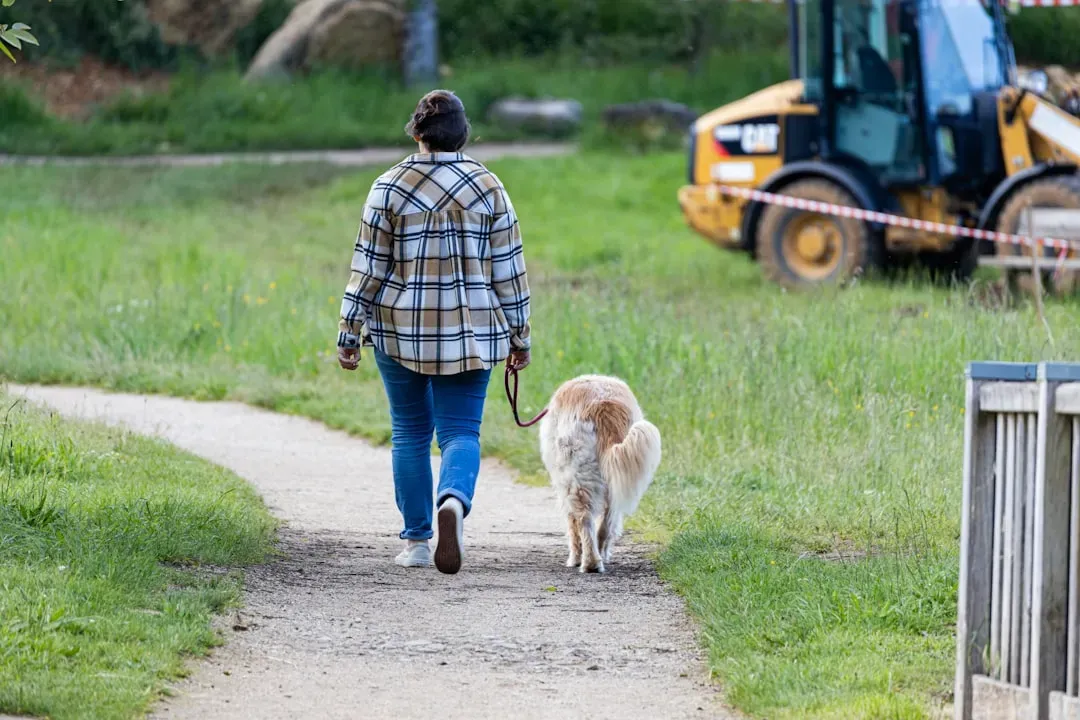
Dogs are masters at getting us off the couch and out the door. Even on days when you’re not in the mood, that hopeful look when they hear the word “walk” can nudge you into your shoes. Once you’re outside, sunlight, fresh air, and a change of scenery often shift your mood, even if the walk is short.
Spending time outdoors has been linked with better sleep, calmer moods, and a stronger sense of connection to the world. In your golden years, it is easy to unintentionally spend the majority of your day indoors. A dog quietly fights that tendency by making “stepping outside” a regular, non‑negotiable part of your life.
11. Opportunities to Keep Learning and Adapting
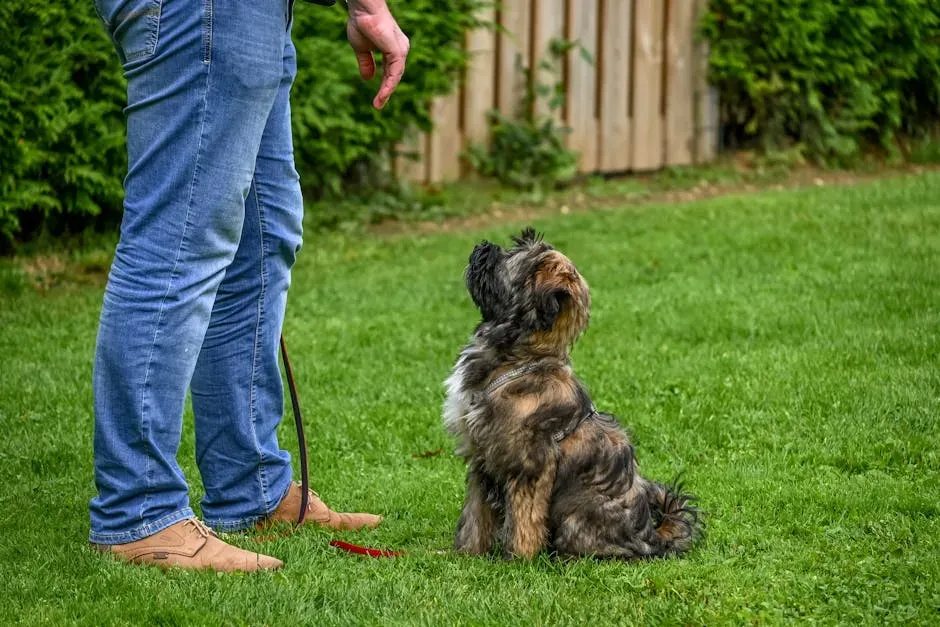
Dogs are not set‑and‑forget companions; they grow, change, and learn over time, which means you do too. Maybe you learn a new training technique, discover a different kind of harness that protects your joints, or pick up tips about dog nutrition from your vet. Each small adaptation keeps your mind flexible and curious.
This ongoing learning is important in later life, when it can be tempting to settle into rigid habits. A dog adds just enough unpredictability to keep you mentally nimble. You figure out how to manage a new health condition they develop, or how to adjust walks in hotter weather, and in doing that, you stay engaged and problem‑solving instead of drifting into autopilot.
12. Shared Joy and Playfulness (Yes, Even in Your 70s and 80s)
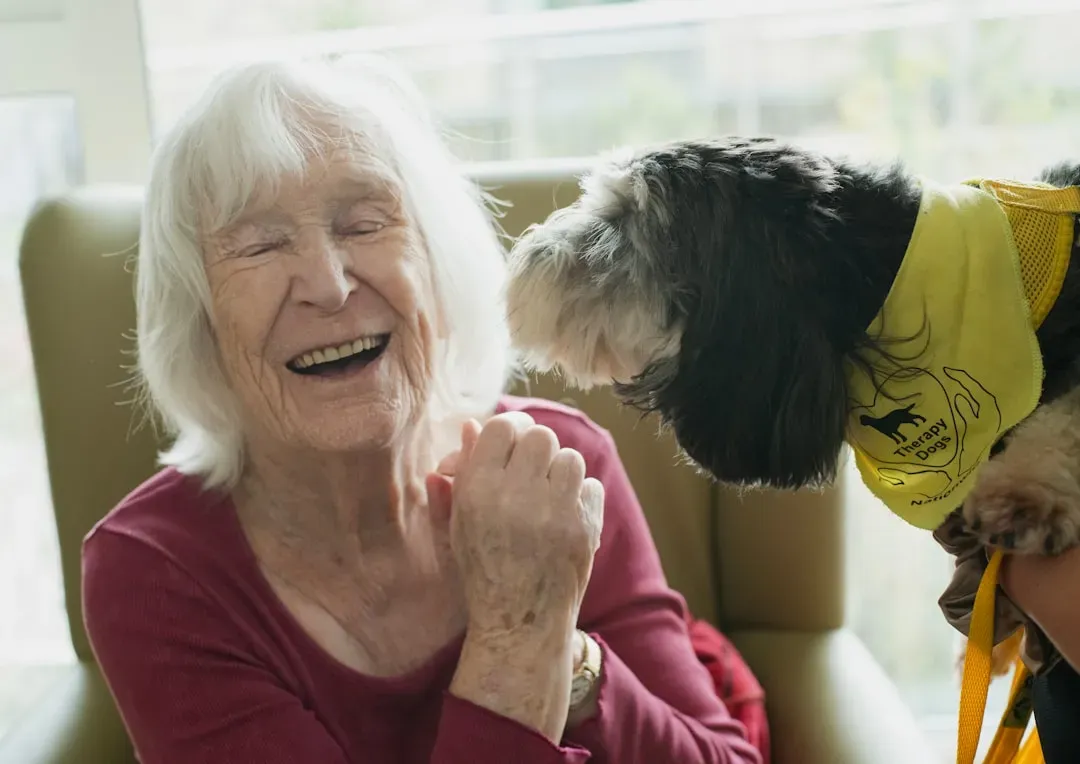
There is something wonderfully undignified about playing tug‑of‑war with a dog in your living room, and that is exactly the point. Dogs pull us out of the seriousness that can sometimes take over later life. Their goofy antics, clumsy zoomies, and stubborn insistence on chasing the same ball for the tenth time invite you to laugh out loud, not just politely smile.
That kind of playfulness is not just cute; it is healthy. When you are willing to get on the floor, toss a toy, or talk in a silly voice to your dog, you’re reconnecting with parts of yourself that might have gone quiet – curiosity, humor, delight. In a season of life when a lot of conversations revolve around medications and appointments, that lightness is priceless.
13. A Bridge Between Generations in Your Family
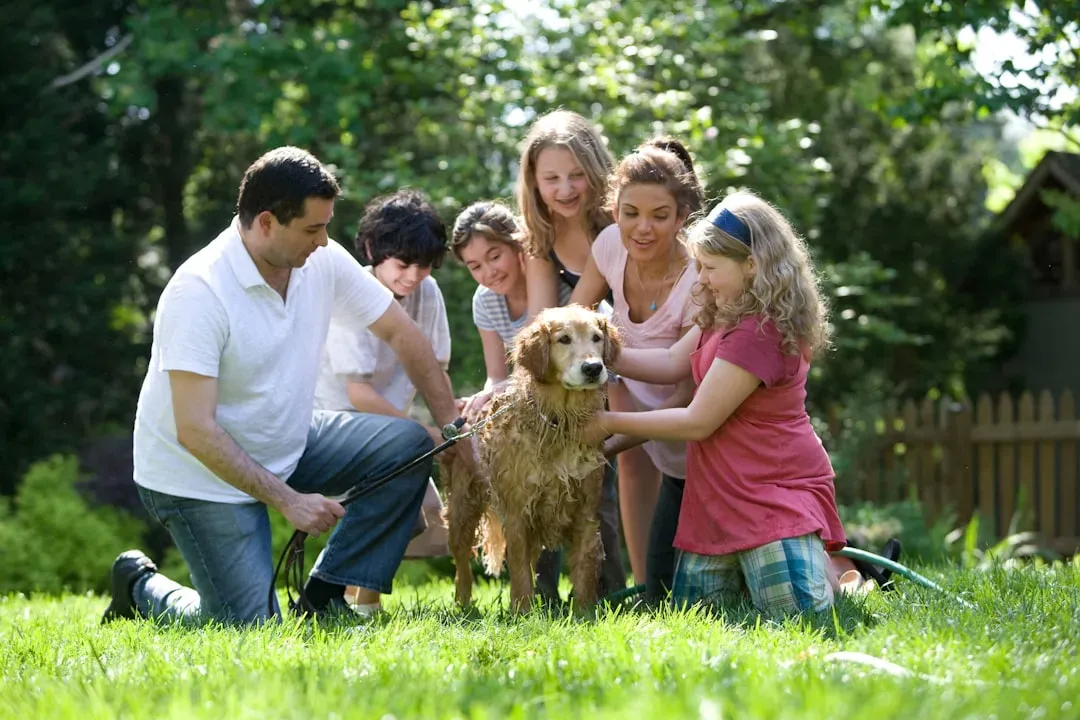
Dogs have a special way of bringing family members together, especially across generations. Grandkids who might be awkward about what to say to Grandpa suddenly have an easy mission: throw the ball, give the treat, show off a trick. The dog becomes a living, furry icebreaker that takes the pressure off everyone.
For you, this means more relaxed, enjoyable visits. Instead of feeling like you have to entertain or fill every silence, you can all simply interact with the dog. The shared affection for the animal becomes common ground, which often leads to warmer, more natural conversations between you and the younger members of your family.
14. A Steady Presence When Health Becomes Uncertain
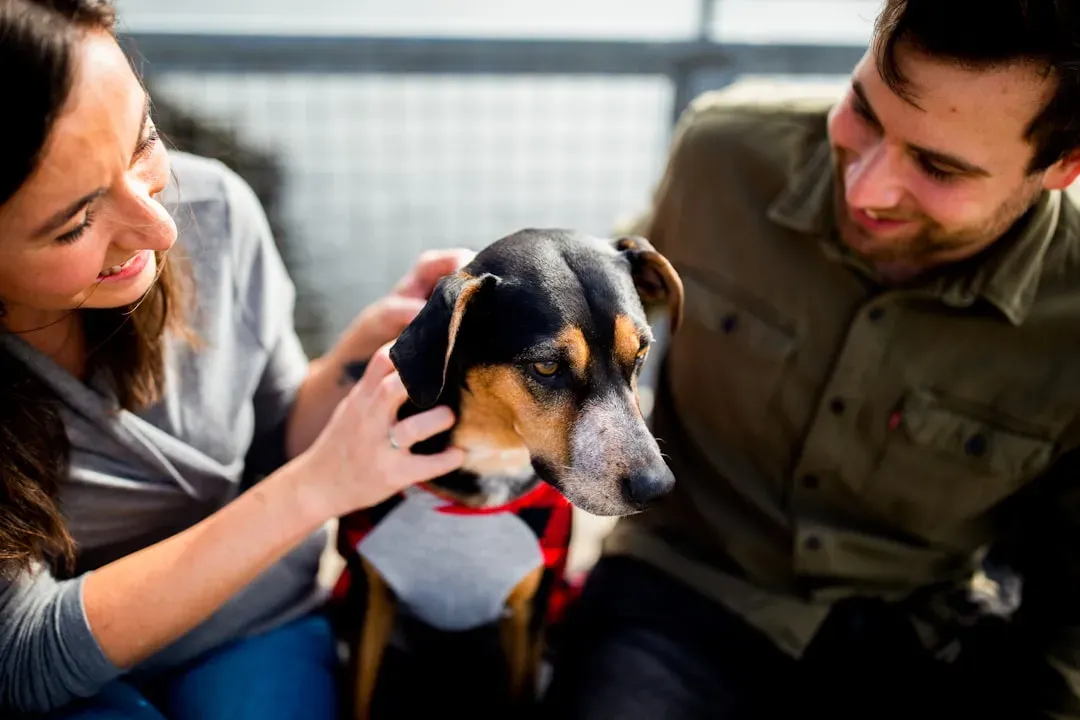
As health issues crop up, there can be more appointments, more worry, and more unpredictable days. A dog does not understand the medical language, but they absolutely notice your routines. They wait for you to come back from the doctor, greet you with the same enthusiasm as always, and curl up beside you on the couch after a long day.
That continuity can be a powerful antidote to fear. When your body or your medical situation feels out of your control, your relationship with your dog remains simple and steady: they need you, you care for them, you share space and time. That ongoing bond can help keep you emotionally anchored, even when the future feels murky.
15. A Gentle Reminder That Life Still Holds New Love
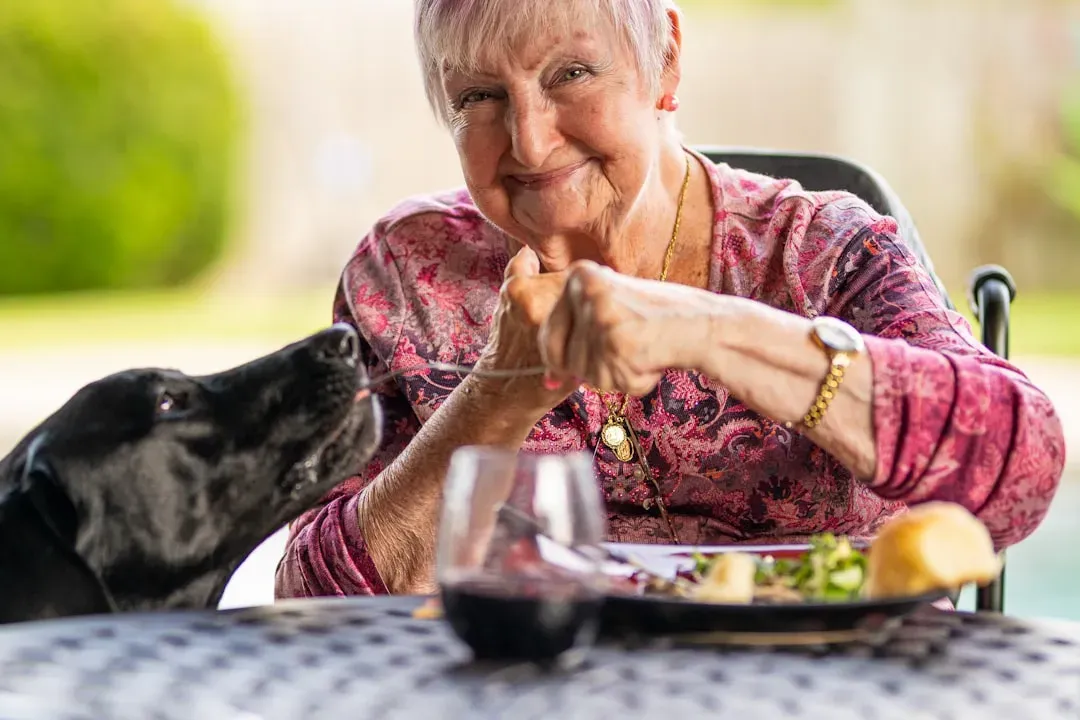
One of the quiet heartbreaks of aging is the feeling that the big love stories of your life are in the past. A dog does not replace partners, friends, or family, but they do offer a surprisingly deep and fresh kind of love. You get to experience bonding, attachment, and devotion again – not as a memory, but as a daily reality.
Bringing a dog into your life in your golden years is a bold, hopeful act. You are choosing to open your heart again, knowing full well that love always carries the risk of loss. In return, you get years of small, everyday moments of connection: soft ears under your hand, eyes watching for you at the window, a warm body pressed against your ankles. That ongoing, living proof that love is still possible might be the most comforting consistency of all.
Conclusion: Why Dogs Might Be the Best “Retirement Plan” You Never Considered
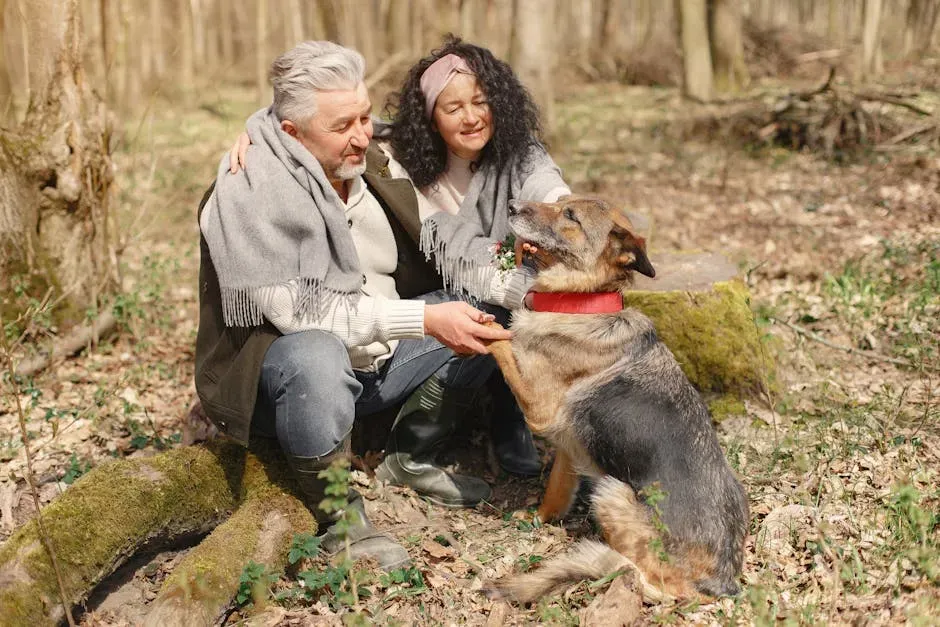
I’m convinced that for many older adults, a well‑chosen dog can be just as valuable as any fancy wellness program. You get daily structure, emotional comfort, social connection, and a reason to keep moving, all wrapped up in one slightly drooly package. Of course, a dog is not right for every health situation or living arrangement, and it is important to be brutally honest about energy, mobility, and finances before taking that step.
But if it is realistic for you, a dog can turn the so‑called quiet years into something much richer and more alive. Instead of measuring time by appointments and TV shows, you start measuring it in walks, naps, games, and shared routines with a creature who loves you with simple, unwavering loyalty. In a world that often overlooks older people, that constant, uncomplicated devotion is no small thing. If you picture your ideal golden years, does it maybe include four paws padding down the hallway to find you?


