
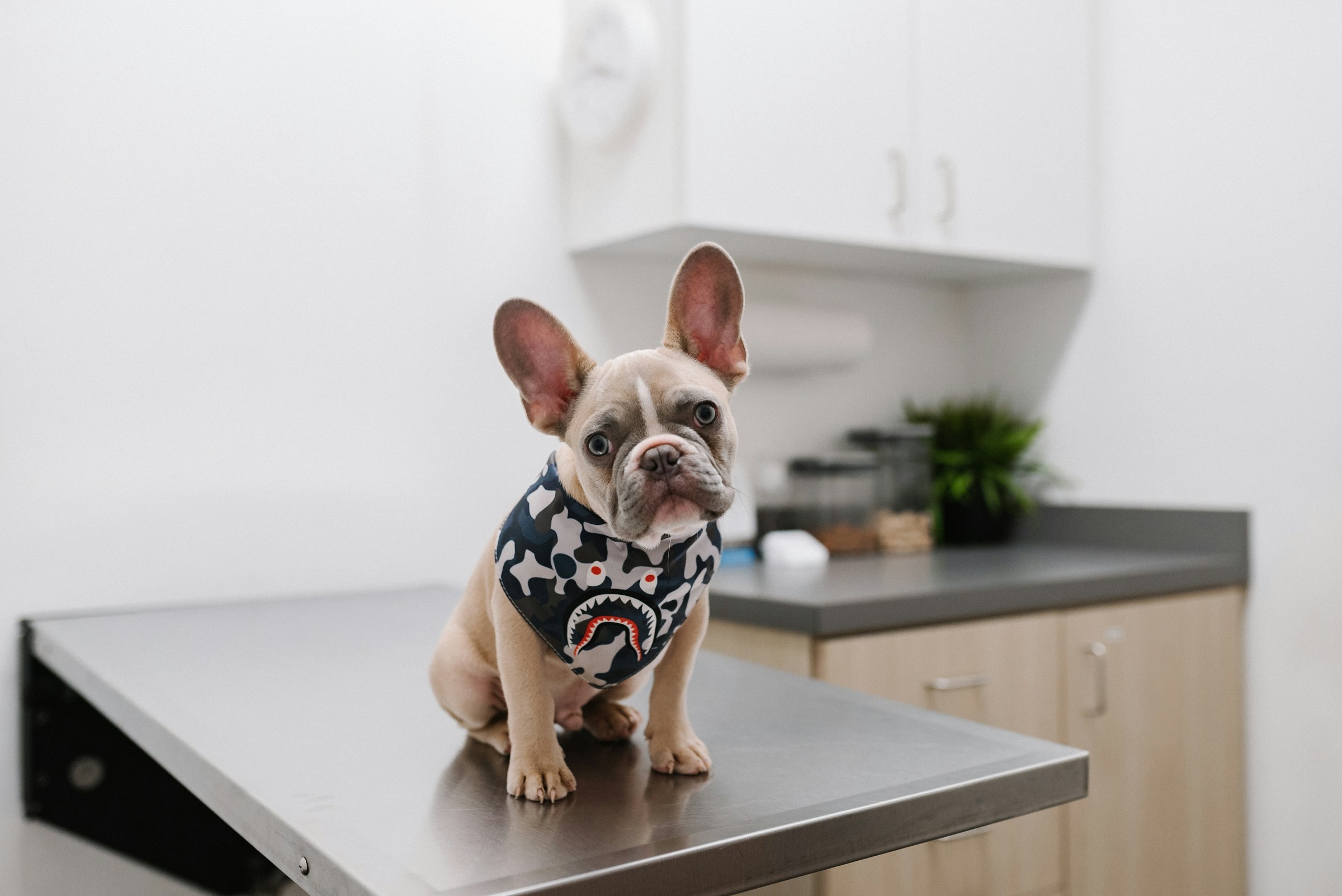
Most owners assume the real exam starts the second the vet walks in, smiles, and says hello. It doesn’t. It actually starts the moment your dog drags you through the clinic door – and by then, a good vet tech has already clocked a dozen invisible clues about your dog’s health before anyone has even opened a chart.
They’re not just cooing over your dog and calling them a good boy while you fill out paperwork. They’re quietly running through a mental checklist most pet owners have never even heard of, and by the time the vet finally walks in, the tech usually already has a strong guess at what’s actually going on. Here’s what they’re really watching for, starting with something almost every owner completely overlooks.
#12 – The Way Your Dog Walks Through the Door
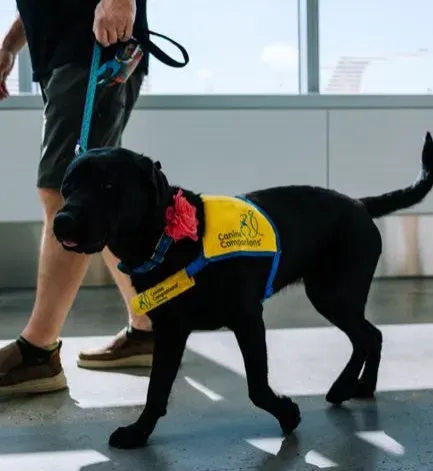
The first thing a tech notices isn’t how cute your dog is. It’s the gait. A trained eye can spot a limp, stiff joints, toe-touching, or a subtle “bunny hop” in the back legs before the door has even fully closed behind you.
Plenty of owners swear their dog is “totally fine,” while the tech is quietly clocking early arthritis or hip trouble. They’re watching whether your dog struggles to stand up from sitting, slips on the tile, or hesitates at a small step. They also notice if your dog pulls hard on the leash, lags behind, or freezes completely – which can hint at pain, anxiety, or even heart and lung issues if your dog gets winded easily. Two dogs of the same breed and age can move completely differently, and techs often know within seconds whether this visit is going to be simple or complicated.
But that’s nothing compared to what they pick up from your dog’s eyes in #11…
#11 – Eye Contact, Blink Rate, and “Whale Eye”

Most people think a wagging tail tells the whole story. Vet techs trust the eyes first. They notice whether your dog makes direct eye contact, avoids it, or shows “whale eye,” that telltale flash of white when a dog is bracing for something bad.
A dog can be wagging its tail while its eyes are screaming, “I’m terrified, don’t touch me.” Fast blinking, hard staring, or a glassy, distant look can all mean something different – stress, fear, pain, or even a neurological issue. At the same time, they’re covertly scanning for physical red flags: redness, squinting, cloudiness, discharge, or pupils that aren’t matching in size. Owners often chalk up chronic eye gunk to “allergies” when it’s actually infection, dry eye, or a pressure problem building quietly in the background.
Fast Facts
- Whale eye shows the whites of a dog’s eyes and usually signals fear or discomfort, not aggression.
- Dogs often blink less when anxious – the opposite of what most owners expect.
- Mismatched pupil size can point to eye disease or a neurological issue.
- Mild cloudiness in senior dogs is often just normal lens aging, not automatically cataracts.
But what your dog smells like tells them even more – and it’s not just bad breath. Wait until you see #10…
#10 – The Smell: Breath, Skin, and That Unmistakable Ear Odor
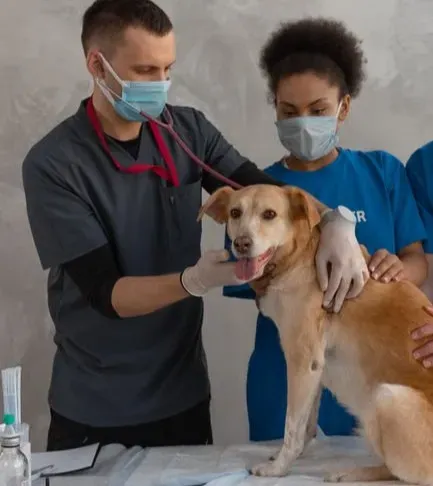
Vet techs will never say it out loud, but honestly, the exam starts with their nose. They clock immediately whether your dog smells like a “normal dog,” or whether there’s something sour, yeasty, metallic, or rotten underneath it.
Chronic ear infections, skin yeast, dental disease, and even some systemic illnesses all carry their own distinct smell. A strong, fishy odor near the tail can point to anal gland trouble. Sweet, almost fruity breath can be a metabolic red flag. A musty, corn-chip smell paired with scratching often screams skin yeast infection, and a thick, cheese-like ear smell usually means long-term, painful ear disease.
- Sewer-level breath is more than “just dog breath” – it’s often a dental emergency in disguise.
- Owners often apologize (“sorry, he rolled in something”), but techs are quietly separating “dirty dog” smell from “disease” smell in seconds.
But before that even registers, they’re already watching how your dog breathes in #9…
#9 – The Breathing Pattern Nobody Thinks to Watch

Most owners only notice panting when it’s dramatic. Vet techs notice the quiet stuff: how fast your dog is breathing at rest, whether the chest or belly is doing most of the work, and whether there’s a faint wheeze, grunt, or whistle hiding underneath it all.
A dog that looks “just anxious” to you might, to a tech, look like early heart failure or hidden lung disease. They deliberately watch before any restraining happens, because handling always changes breathing. They’re checking for flared nostrils, open-mouth breathing while standing still, and shallow rapid breaths versus slow relaxed ones. Short-nosed breeds like French Bulldogs make this trickier, because owners normalize constant snorting and snoring as “just part of the breed.”
Quick Compare
- Normal at rest: roughly 15 to 30 breaths per minute, quiet and even.
- Worth watching: panting at rest with no heat or exertion involved.
- Red flag: flared nostrils, visible belly effort, or a faint whistle or wheeze.
But you know what they clock even sooner? How your dog handles the scale in #8…
#8 – The Scale Struggle (or Suspicious Lack of One)
You think the weigh-in is just a quick number. Techs treat it as a full behavioral and medical test. Does your dog hop right on? Slam on the brakes? Need to be physically lifted?
Refusing the scale isn’t just “stubborn” – it’s often fear, a bad past experience, or pain when standing still. A dog that can’t balance well on the scale may have joint issues or a coordination problem developing underneath. Then there’s the number itself, which techs instantly compare to the dog’s last recorded weight and their visible body condition standing right in front of them. Sudden weight gain can mean overfeeding, less activity from pain, or an endocrine issue. Sudden weight loss is even more alarming, since cancer, kidney disease, diabetes, or chronic GI trouble often show up on the scale before an owner ever notices anything at home.
But the way your dog’s body actually looks and feels matters even more, and that’s where #7 comes in…
#7 – Body Condition: Not Just “Chubby or Not”

Vet techs are trained to see past fur. They don’t just see “cute and chunky” – they see risk factors stacking up in real time. Most dogs that owners describe as “just a little fluffy” are, by medical standards, clinically overweight.
Techs run their hands gently over ribs, spine, and hips whenever they can. If they have to dig to find bones, that’s a red flag. If the bones are too sharp, that’s a different red flag entirely. They’re also quietly noting muscle tone, because a dog can be “big” but actually carry low muscle mass and high fat, which is a completely different health picture. Older dogs with visible muscle loss in the back legs often have long-term pain or nerve issues that owners have simply labeled “getting old.”
At a Glance
- Ideal: ribs easily felt with a slight fat covering, visible waist when viewed from above.
- Overweight: ribs hard to feel, no visible waist, fat padding over the spine and tail base.
- Underweight: ribs, spine, and hip bones visibly prominent with little fat cover.
- Most clinics score body condition on a 1-to-9 scale during every visit.
And if you think they’re not judging anything else, wait until you see what your dog’s coat reveals in #6…
#6 – Coat, Skin, and the Quiet Truth About Home Care

Most people see fur. Techs see a health report written in shine, texture, and smell. A clean, glossy coat with minimal dandruff suggests decent nutrition and grooming. A dull coat, thick flaking, or greasy patches tell a very different story.
Constant licking, hair loss, or red patches are often the very first visible signs of allergies, parasites, or chronic stress. Techs also check heavily matted spots around the ears, armpits, tail, and paws – places owners often miss entirely. They’re quietly thinking about whether a mat is pulling painfully with every step, whether the skin underneath might react badly if clipped for surgery someday, and whether this points to diet, environment, or something more systemic. While you’re saying “he’s been scratching a bit,” the tech is already mentally grading how severe and how long-standing it really is.
But what really gets their attention is your dog’s nails, and that’s a whole story in #5…
#5 – Nails, Paws, and How Long It’s Really Been Since the Last Trim
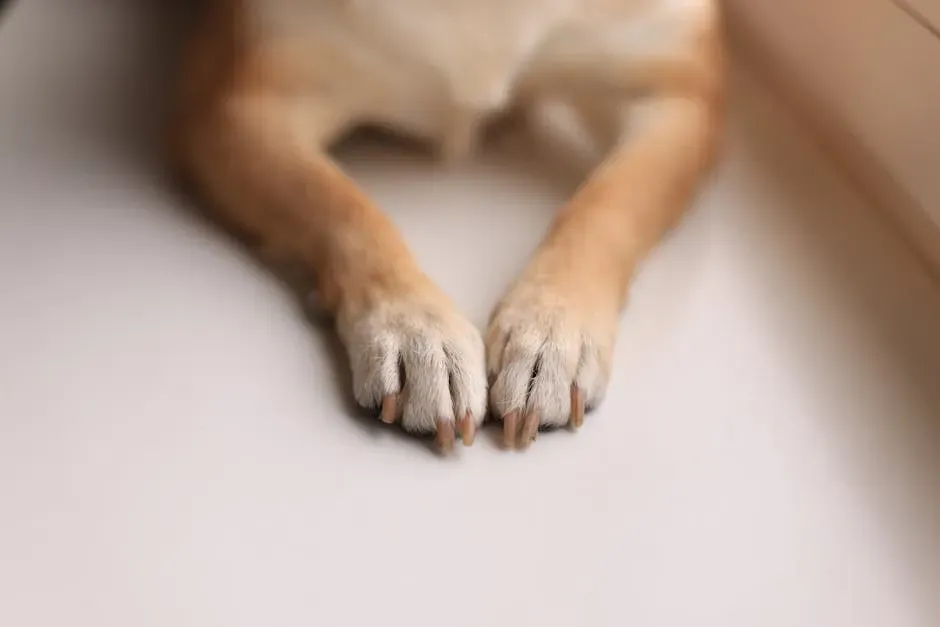
If there’s one detail that silently screams “this dog is hurting,” it’s nails that have gone way too long. Many owners think overgrown nails are purely cosmetic. Vet techs know they can change how a dog walks, strain joints, and quietly cause chronic pain with every single step.
When nails tap loudly on the floor or start curving sideways, techs know that walking probably hurts, even if your dog isn’t limping. They also peek between the toes for redness, swelling, or crusting that might point to allergies or infection, and they check paw pads for cracks, calluses, or old burns. Techs are surprisingly blunt about nail neglect in their own heads, because they’ve seen the long-term fallout in older dogs who can barely stand anymore.
Of course, they’re also silently noting your dog’s attitude about all this in #4…
#4 – Your Dog’s Default Setting: Fearful, Confident, or Completely Shut Down

Before anyone takes a temperature or lifts a lip, vet techs are already reading your dog’s baseline emotional state. Are they curious and sniffing around? Glued to your leg? Frozen and staring at nothing?
A terrified dog doesn’t just make the visit harder – chronic fear at the vet can actually mask symptoms and make exams less accurate. Techs are watching for trembling that doesn’t stop after a few minutes, hiding behind chairs or furniture, or over-the-top friendliness that’s actually a stress response in disguise. Some dogs go completely still, and owners proudly announce, “He’s so good at the vet!” Many techs quietly disagree, because a total freeze can be a shut-down response rather than calm, and that dog may be one nudge away from snapping.
Worth Knowing
- Lip licking, yawning, and a tucked tail are classic low-level stress signals, not just quirks.
- A stiff, still body can actually signal more fear than a dog that’s actively pulling away.
- Over-the-top friendliness can sometimes mask anxiety instead of showing real confidence.
But they’re not just watching the dog. They’re absolutely assessing you in #3…
#3 – Your Body Language, Tone, and How You Talk About Your Dog
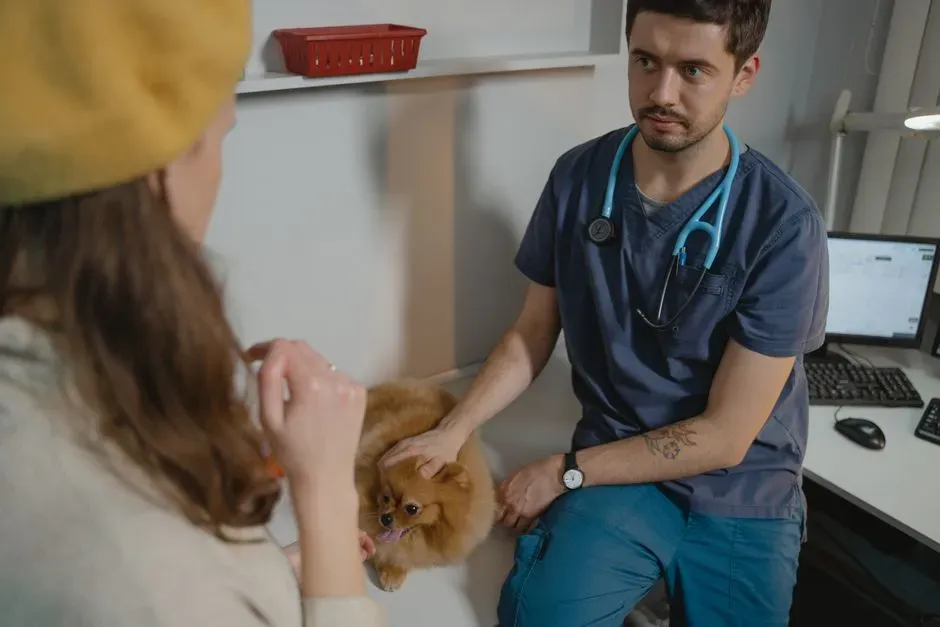
This is the part no one likes to admit: vet techs are reading the owner just as closely as the dog. How you touch your dog, how you talk about them, and how you describe their symptoms all quietly shape the entire visit.
When someone says, “he’s being dramatic, he’s fine,” while the dog is clearly panicking, techs immediately clock the gap between what the dog feels and what the human sees. That gap often explains delayed care, missed medications, or ignored warning signs. They’re quietly noting whether you’re gentle, rushed, frustrated, or detached, and whether you minimize (“it’s probably nothing”) or catastrophize (“I’m sure it’s cancer”). Owners who can’t answer basic questions about diet or medication raise very different flags than owners who keep a running list on their phone – and techs adjust how they communicate accordingly.
Meanwhile, your dog’s mouth is giving away even more secrets in #2…
#2 – Teeth, Gums, and the “Normal” Pain Owners Almost Always Miss
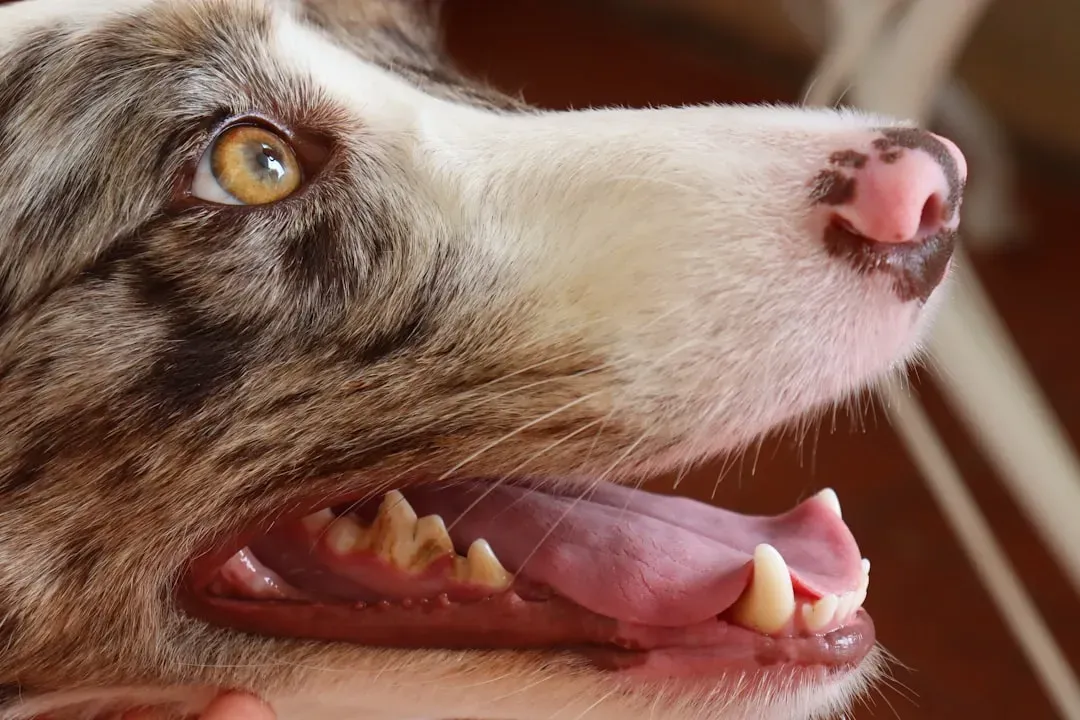
Ask any vet tech and they’ll tell you: dental disease is one of the most wildly underestimated problems in dogs. Owners see brown teeth and shrug it off. Techs see infection, chronic pain, and the early groundwork for future organ damage.
They can often smell moderate to severe dental disease from several feet away, and spot tartar, red gums, or a loose tooth in a two-second glance. They know that plenty of dogs eat “just fine” while living with constant mouth pain, because dogs are absolute masters at hiding discomfort. While casually lifting a lip “to say hi,” a tech is actually checking gum color, recession, broken teeth, and whether they’re looking at mild staining or years of buildup. A small senior dog with thick tartar and foul breath is, to most techs, a walking dental emergency hiding in plain sight.
Fast Facts
- Dental disease is one of the most common health conditions diagnosed in adult dogs.
- Bacteria from infected gums can enter the bloodstream and stress the heart, liver, and kidneys over time.
- Visible brown tartar usually means inflammation has been building for months, not days.
But the single biggest thing they notice, the one that changes everything about how the visit goes, is in #1…
#1 – The Subtle Pain Signals You’ve Completely Normalized
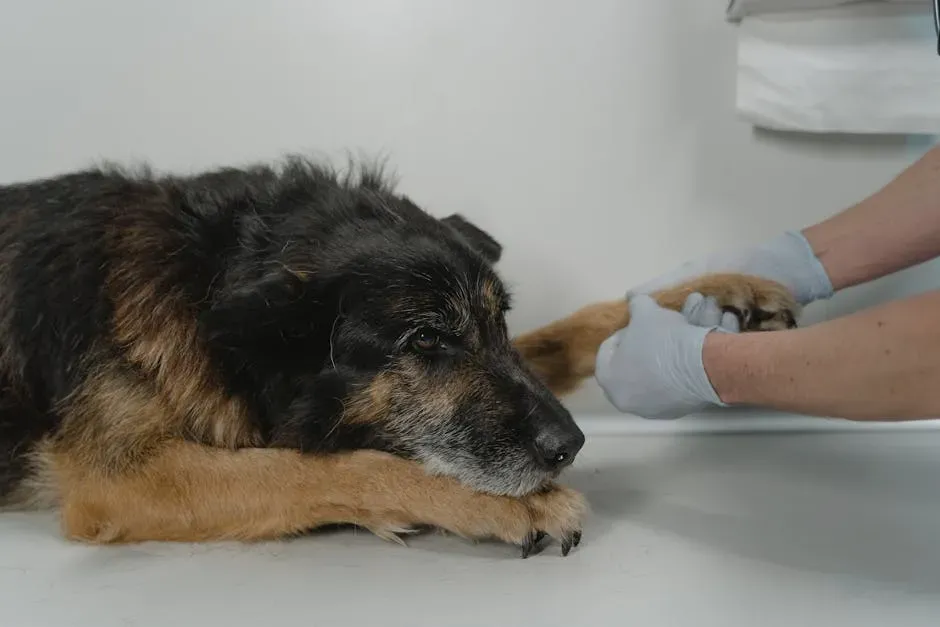
Before the vet even steps into the room, many techs already suspect your dog is in pain, whether you mentioned it or not. Dogs almost never yelp with chronic pain. They just slow down, get crankier, or stop liking stairs, and owners quietly call it aging.
Techs are trained to catch the tiny flinches, weight shifts, hesitation to sit, stiff rising, or guarding of a specific body part when it’s touched or moved. They watch how your dog stands, how they sit, and how they react when hips, knees, spine, or neck are gently examined. A dog that suddenly licks your hand, yawns, or turns away when one area is touched usually isn’t “being weird” – that’s a low-level pain response most owners never learn to read.
Dogs and cats hide pain as a survival mechanism. It’s up to us to be their advocate and recognize the subtle signs.
Dr. Robin Downing, veterinary pain management specialist
Techs see these patterns all day, every day, and they know when a so-called “behavior problem” is actually a pain problem in disguise. They quietly prep the vet before the exam even starts: “I’m seeing some back sensitivity,” or “he’s really guarding that right hind.” That one quiet whisper in the hallway can completely change the direction of the appointment, and honestly, your dog’s whole quality of life.
The Bottom Line
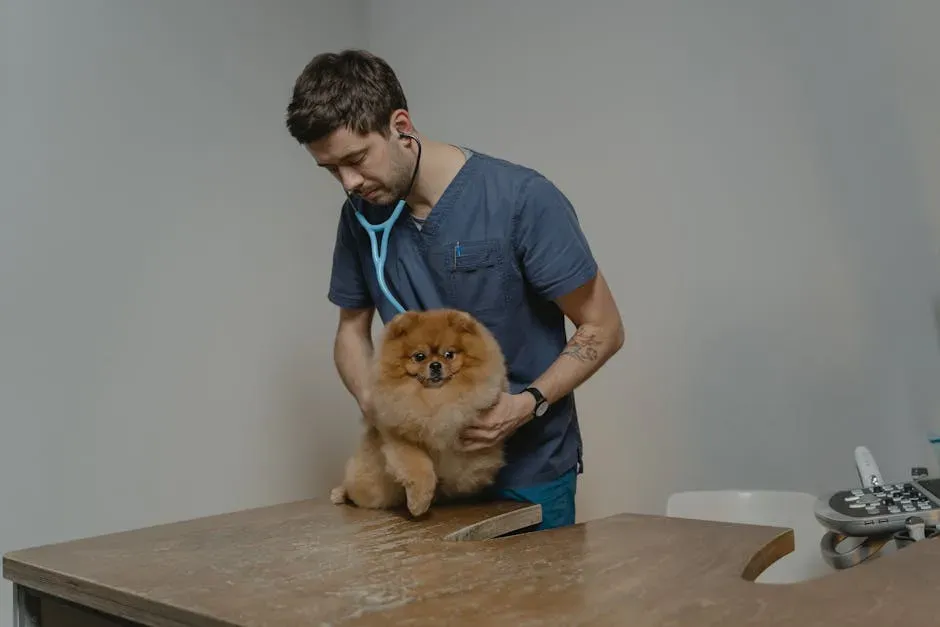
By the time the vet knocks on the door, the real work has already been done. A vet tech has taken in your dog’s gait, breathing, smell, body condition, nails, coat, teeth, behavior, and even your own attitude, and quietly turned all of it into a mental briefing the vet will lean on more than most people ever realize.
The uncomfortable truth is that most of what techs notice isn’t new. It’s old, slow, chronic stuff that owners simply stopped seeing because it crept in one week at a time. That’s not a character flaw – it’s just how good dogs are at hiding pain, and how easily humans get used to “the new normal.”
If you take one thing from this, let it be this: stop treating the vet tech as the person who just holds your dog still for the shot. They’re often the first set of eyes to catch what your dog can’t say out loud – and the ones quietly fighting for your dog before anyone else in the room even knows there’s something to fight for.


