
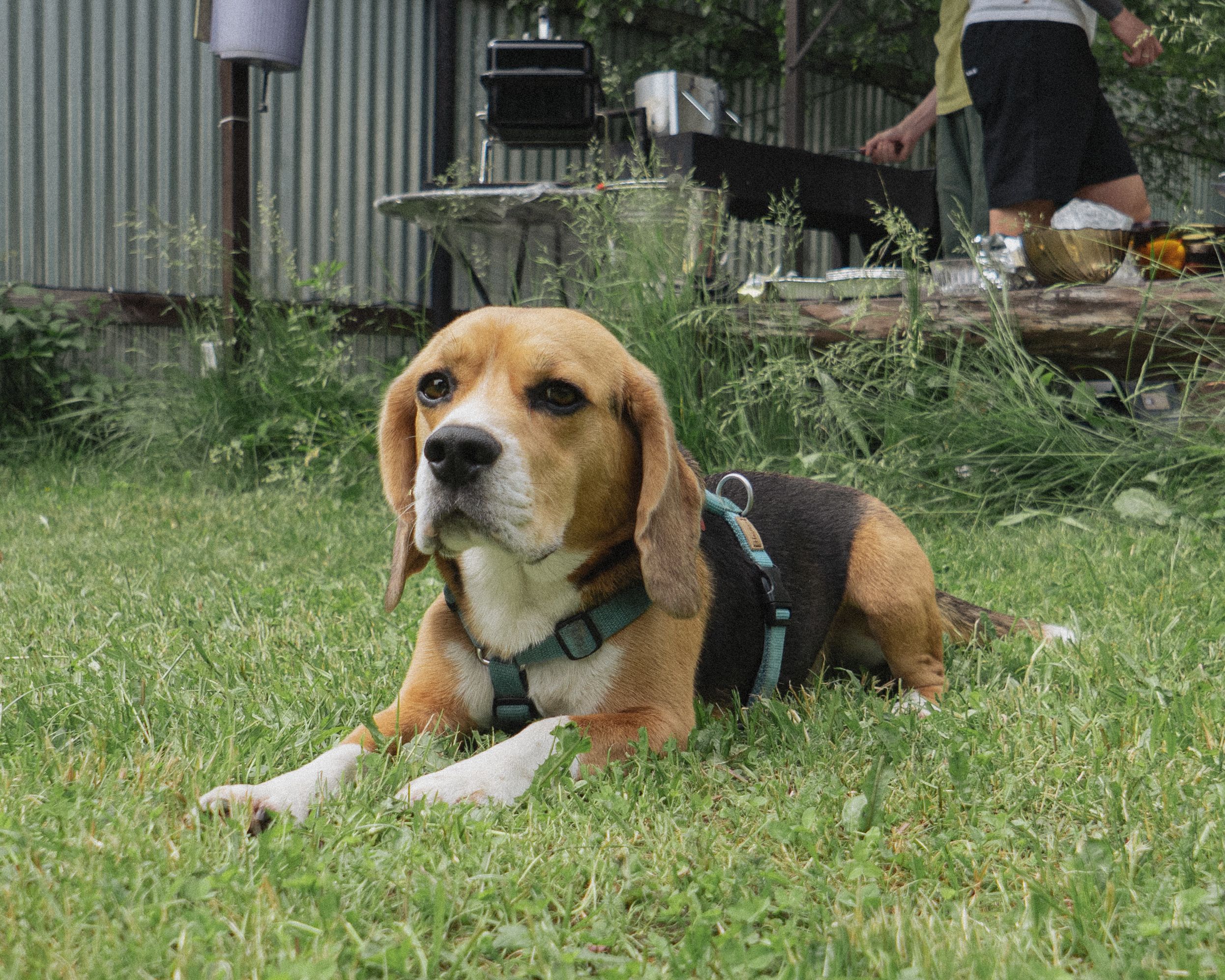
Someone always laughs when a beagle owner mentions that their 25-pound couch potato once tunneled under a fence, scaled a patio chair, and vanished into a stranger’s yard chasing a smell only it could detect. It sounds like a stretch. It isn’t. Beagle people have a hundred stories just like it, and they’ve all learned the same lesson: nobody believes you until they’ve lived with one.
So most owners quietly stop explaining. They nod, smile, and let people assume their dog is just a stubborn little troublemaker instead of a walking scent-detection machine with a mind of its own. Here are the 13 realities they’ve given up defending, starting with the one that overrides every command they’ve ever taught.
#1 – Their Nose Overrides Every Command

Ask a beagle owner how recall training is going and watch their face fall. The second an interesting scent drifts across the yard, their dog’s ears shut off completely, no matter how many treats or how many years of practice went into that command. It isn’t defiance. It’s biology doing exactly what it was engineered to do.
A beagle’s nose carries roughly 220 million scent receptors, compared to about 5 million in a human nose. That gap explains why a supposedly well-trained beagle can bolt toward a busy street mid-walk, chasing a trail that was laid hours earlier. Friends assume the owner just didn’t put in the work. In reality, they’re competing with a tracking system built over centuries of selective breeding.
Fast Facts
- Beagles are widely recognized as one of the top scent-tracking breeds in the hound group.
- The USDA’s real-life “Beagle Brigade” uses beagles to sniff out agricultural products at U.S. airports.
- Their scenting ability can pick up trails that are hours, sometimes days, old.
- Roughly 220 million scent receptors give them one of the sharpest noses in the dog world.
#2 – Counters, Cabinets, and Fridges Are Never Truly Off Limits

Counter surfing isn’t the occasional bad day for a beagle. It’s a full-time job with promotion potential. Owners have come home to find an entire loaf of bread gone and the empty bag left behind, folded almost neatly, like evidence at a crime scene nobody witnessed.
Beagles have been known to nudge open refrigerators and cabinet doors when left unsupervised, using their paws almost like hands. Their short legs don’t stop them from climbing chairs or counters to reach what they want. What looks like gluttony to outsiders is actually an ancient hunting drive with nowhere else to go, so it goes straight for the pantry.
Worth Knowing
- Childproof latches on lower cabinets stop most beagle break-ins before they start.
- Countertops should stay clear, since a bored beagle treats any object left out as fair game.
- Sealed containers work far better than bags or boxes, which a determined nose can chew through.
- Even a minute of unattended food on the counter is enough time for a raid.
#3 – Howling Replaces Normal Barking, and It Carries for Blocks

Beagles don’t bark so much as they bay, a long, mournful sound built to travel across open fields during a hunt. New owners are genuinely startled the first time their quiet puppy unloads this noise at 2 a.m. because a neighbor’s cat dared to walk past the window.
Baying is a natural communication method developed for hunting in packs, not a sign of pain or bad training. Owners eventually learn to tell the difference between the “something’s outside” bay and the “I’m bored out of my mind” bay, but explaining that distinction to a visitor usually just earns an eye roll. Some neighborhoods have noise complaints filed specifically about beagles, which tells you everything about how far that sound carries.
#4 – They Treat Fences Like Suggestions, Not Boundaries
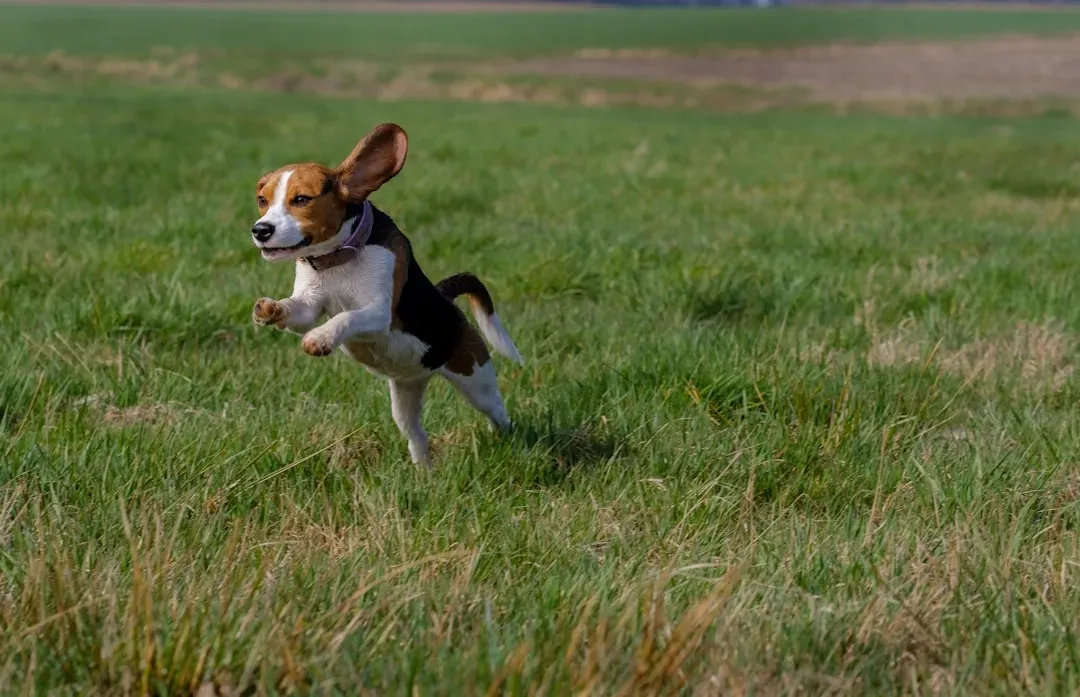
Beagles view a fenced yard as a fun little puzzle rather than a hard stop. Owners routinely discover their dog has dug under a gate, squeezed through a gap barely big enough for a cat, or climbed a barrier that has kept every other breed on the block contained for years.
Many owners install multiple locks and buried wire barriers, only to watch their beagle find a brand-new escape route within days. It isn’t random mischief. It’s a calculated response to whatever fascinating smell is drifting in from the other side, and no amount of fencing outsmarts a nose that determined.
#5 – Being Left Alone Hits Them Harder Than Anyone Expects

Beagles form intense, almost obsessive bonds with their people, and being left alone can trigger genuine distress rather than simple boredom. Crate training helps, but the vocal protests can echo through a house for hours, leaving neighbors wondering what’s wrong.
Beagles have been documented chewing through doors and even drywall after being left alone for surprisingly short stretches. Outsiders suggest more exercise or a second dog as a quick fix, missing how deeply the pack instinct runs in this breed. It isn’t about being spoiled. It’s about being cut off from their social unit, and that hits harder than most people assume.
#6 – Those Floppy Ears Are a Constant Medical Project

Those long, velvety ears that make beagles look so sweet in photos also trap moisture and debris, creating the perfect breeding ground for recurring infections. Owners learn to clean ears after every walk and every bath, and the problem still finds a way to come back.
Untreated infections can lead to chronic pain and even hearing loss over time, which is why vets see beagles for ear issues far more often than many other breeds. What looks like obsessive grooming to an outsider is actually a necessary medical routine, and most owners know the telltale smell of trouble before they even flip an ear over to check.
Quick Compare: Ear-Prone Breeds
- Beagles: floppy ears trap moisture, leading to frequent, recurring infections.
- Basset Hounds: long, low-hanging ears drag on the ground and pick up debris on every walk.
- Cocker Spaniels: heavy hair growth inside the ear canal adds to the same moisture problem.
#7 – They Bond With the Pets They’re “Supposed” to Chase

Despite being bred to hunt small game, beagles often form surprisingly gentle friendships with cats, rabbits, and even birds. Owners have watched their hound curl up in the same bed as an animal that should, by every instinct on paper, be prey.
Some beagles have even been observed positioning themselves protectively around smaller pets when a bigger threat shows up. This cross-species tolerance genuinely confuses people who expect a hunting breed to treat every small animal like a target. It’s one of the softer, more heart-melting contradictions of owning one.
#8 – Those Short Legs Hide Serious, Punishing Endurance

People take one look at a beagle’s stubby legs and assume it belongs on a couch, not a hiking trail. Owners who’ve taken theirs out for a long scent trail or an all-day hike know better; more often than not, they’re the ones who tap out first.
Beagles were originally bred to hunt for hours without tiring, a trait that hasn’t faded despite generations of being household pets. What looks like relentless puppy energy in an adult dog is actually the exact same stamina that once kept entire hunting packs moving from sunrise to sundown.
#9 – They “Talk” in a Language Only Owners Learn to Read

Beyond the howling, beagles produce an entire vocabulary of grumbles, moans, and long-suffering sighs that owners come to interpret like a second language. These sounds cover everything from delayed dinner to an unwelcome guest at the door, and visitors usually assume something is wrong.
Owners eventually learn to tell the “I’m bored” moan apart from the “something is actually happening outside” bark, purely by tone. It effectively turns the dog into a running commentator on daily life, narrating events with a range of noises no outsider can decode on the spot.
There is no faster way to know all of a man’s faults than to travel with him.
Ernest Hemingway
Beagle owners might argue there’s an even faster way: leaving one alone in a house with an open bag of chips.
#10 – Food Motivation Overrides Their Own Safety Instincts

Beagles will ignore obvious danger the moment food is involved, whether that means darting into traffic for a dropped fry or gulping down something they absolutely should not eat. Owners live in a state of constant vigilance around anything edible, and even a well-fed beagle scavenges like it’s starving.
Some beagles have required emergency vet visits after eating items no other breed would ever bother touching. What looks like pure greed to the outside world is actually an amplified survival instinct, inherited from a hunting heritage where finding food meant everything.
#11 – Old Scent Trails Can Resurface Days Later

A beagle can pick up a scent trail days after it was originally laid down, sending them on a sudden detour that looks completely random to everyone watching. Owners learn to keep the leash short in unfamiliar areas, because you never know which patch of sidewalk holds a three-day-old memory.
This kind of scent memory isn’t trained into them; it emerges naturally and can trigger a sudden change of direction mid-walk. Every outing becomes a potential investigation, and outsiders never see it coming until their beagle drags them sideways for no visible reason.
#12 – Boredom Turns Into Genuinely Creative Destruction

An under-stimulated beagle doesn’t just sit quietly and wait for something to happen. It invents its own entertainment, which often means shredding furniture, unrolling every roll of toilet paper in the house, or rearranging the contents of an entire closet.
Some beagles have dismantled whole rooms searching for a hidden treat or a toy they remembered from weeks earlier. It isn’t spite. It’s a smart, driven breed solving a problem nobody gave them, and the problem they choose is usually whatever causes the most chaos.
#13 – Their Whole Personality Shifts With the Seasons

This is the one that makes even experienced owners do a double take. Beagles often grow noticeably more vocal and restless in fall and winter, as old hunting instincts quietly ramp back up, shifting sleep patterns, appetite, and energy levels in ways that feel almost seasonal-clockwork.
Owners who track this year after year confirm it isn’t a coincidence or a health scare; it’s a genuine seasonal pattern baked into the breed. Friends assume something’s randomly wrong with the dog. Longtime owners just shrug, because they’ve seen this exact shift show up every autumn like clockwork, and by now it barely surprises them at all.
At a Glance: Seasonal Shifts
- Fall and winter often bring more vocal, restless behavior tied to ancestral hunting season.
- Appetite can fluctuate noticeably alongside temperature changes.
- Energy bursts and alertness tend to spike in cooler months.
- The pattern repeats predictably year after year for most owners who pay attention.
The Bottom Line

Here’s the truth nobody wants to hear before they bring one home: a beagle is not a low-maintenance dog wearing a cute face. It’s a scent-obsessed, food-driven, escape-plotting hound with a voice built to travel for miles, and pretending otherwise does the breed a disservice.
But that’s exactly why the people who stick with beagles tend to stick for life. Once you stop fighting their nature and start working with it, you get one of the most loyal, funny, and unexpectedly enduring companions in the dog world. The 13 realities above aren’t complaints. They’re the price of admission, and most owners would pay it again without hesitation.


