
10 Tips on Taking Care of a Maltipoo
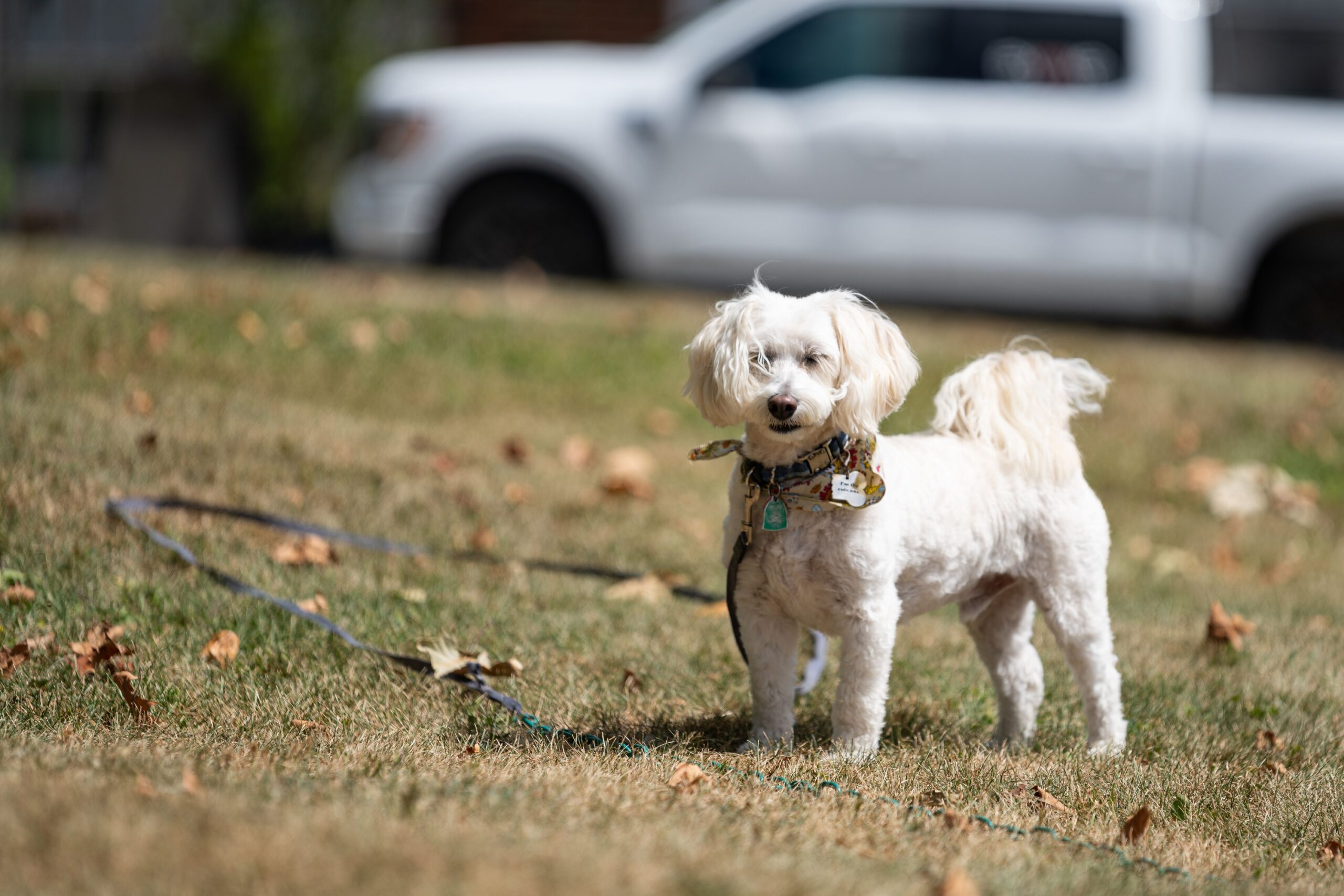
Maltipoos look like living teddy bears, but they’re not accessories – they’re sensitive, clever little souls who can fill your home with ridiculous joy and, sometimes, surprising chaos. If you’ve ever watched your Maltipoo bounce off the couch like a tiny acrobat and then cling to you like Velcro five minutes later, you already know they’re a lot more complex than their fluffy appearance suggests.
I still remember the first time I dog-sat a Maltipoo: within one afternoon he’d learned where the treats were, figured out how to guilt-trip me with those big eyes, and tried to sleep on my keyboard while I worked. That mix of intelligence, clinginess, and clown energy is exactly why isn’t just about food and walks; it’s about understanding who they are. Let’s get into the practical stuff that actually makes their life – and yours – happier and easier.
1. Match Their Food to Their Tiny Body (and Big Energy)

Maltipoos are small, but they often act like they have the energy of a much bigger dog, so what you feed them matters more than people think. A high-quality small-breed formula with appropriate protein and healthy fats is usually a better choice than generic kibble, because their fast little bodies burn through calories differently. Look for food that lists real meat as one of the first ingredients and avoid things that read like a chemistry experiment.
Because they’re prone to sensitive stomachs, dramatic food changes can backfire quickly, leading to loose stool or vomiting that scares everyone involved. If you need to switch foods, do it gradually over a week or more, mixing the old with the new and watching how they respond. And yes, those pleading eyes at the dinner table are powerful, but human leftovers can be too salty, too fatty, or even dangerous, so it’s kinder to say no and offer a safe dog treat instead.
2. Keep That Curly Coat Clean, Combed, and Comfortable

That fluffy Maltipoo coat people fall in love with doesn’t take care of itself; it tangles and mats faster than you’d expect. Because they usually inherit some of the Poodle’s curl and the Maltese’s silkiness, their hair can knot close to the skin, especially around the collar, behind the ears, and under the legs. A quick brush almost every day is far better than wrestling with painful mats once a month.
Regular professional grooming every four to eight weeks helps keep their coat at a manageable length and makes home care easier. You can choose styles from a fluffy teddy-bear look to a shorter, more practical trim if you live somewhere hot or have a very active dog. Whatever you choose, think less about what looks cute on social media and more about what keeps them comfortable, cool, and mat-free in real life.
3. Protect Their Teeth Like It Actually Matters (Because It Does)
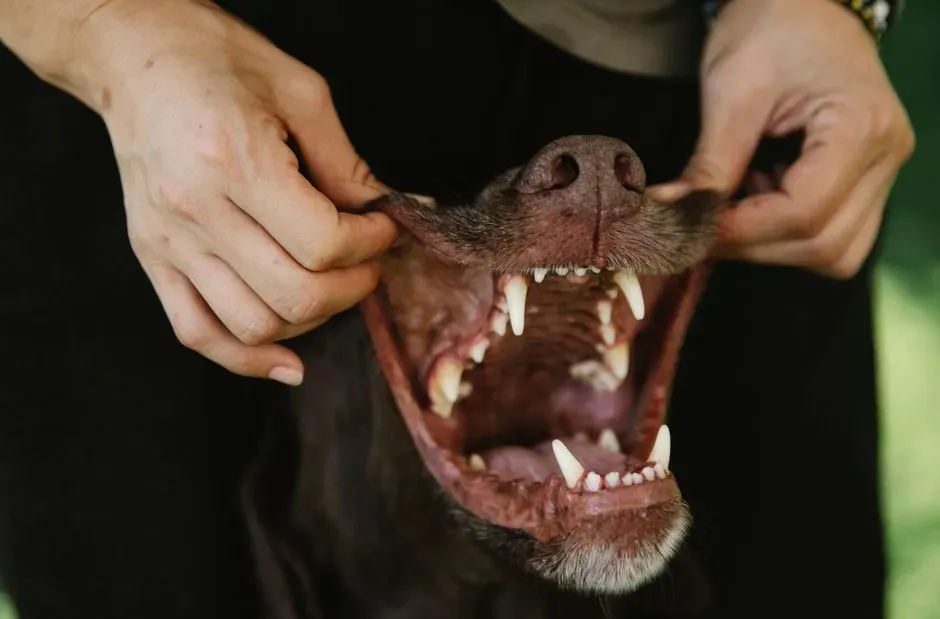
Small dogs, including Maltipoos, are notorious for dental issues, and it’s one of those problems people tend to ignore until the bad breath is overwhelming. Plaque and tartar build up quickly on those tiny teeth, and that can lead to painful gums, infections, and even trouble eating as they age. Brushing their teeth a few times a week with dog-safe toothpaste sounds over-the-top, but it can make a huge difference.
If brushing feels like a battle at first, start small: just touch the toothbrush to their lips, reward them, and build up to a few gentle strokes over time. Dental chews and toys that encourage chewing can help, but they’re not a full replacement for brushing or professional cleanings when your vet recommends them. Think of dental care as part of daily love, just like walks and cuddles, not as an optional extra for “perfect” dog owners.
4. Give Them Enough Exercise – but Not Like a Marathon Runner
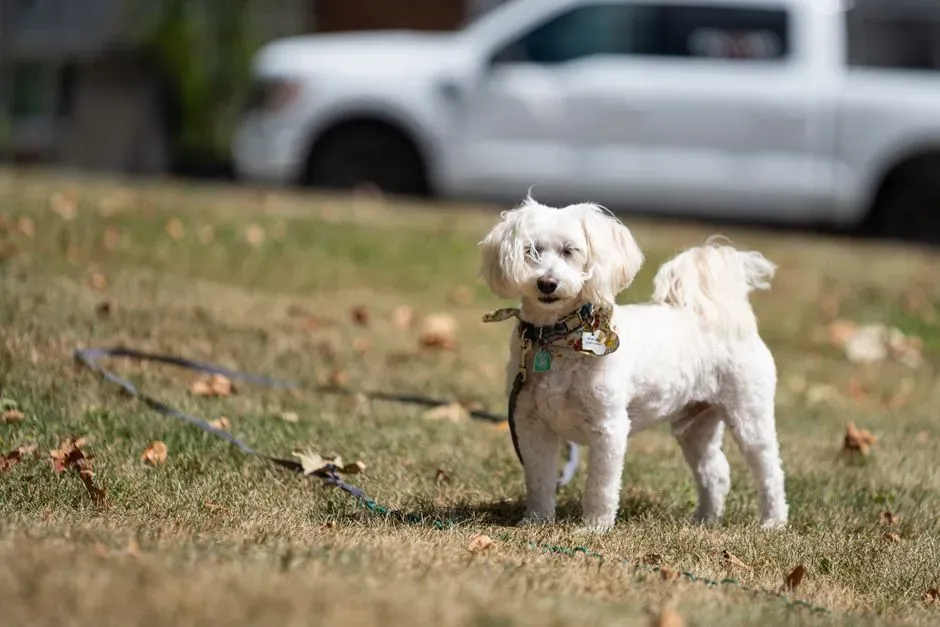
Maltipoos are often labeled as “lap dogs,” but that’s only half the story; many of them are little athletes in fluffy disguise. They usually need a couple of short-to-moderate walks per day plus some playtime at home to burn off mental and physical energy. If you skip exercise, that energy tends to leak out as barking, zoomies, or random destruction of whatever soft item is closest.
Because they’re small, it’s easy to overdo things, especially in hot or very cold weather. Watch for signs of fatigue like heavy panting, slowing down, or suddenly refusing to walk further, and remember that tiny legs cover distance differently than yours. The sweet spot is enough movement to keep them loose, fit, and content, not so much that they’re limping or wiped out for the rest of the day.
5. Train Their Brain – They’re Smarter Than They Look
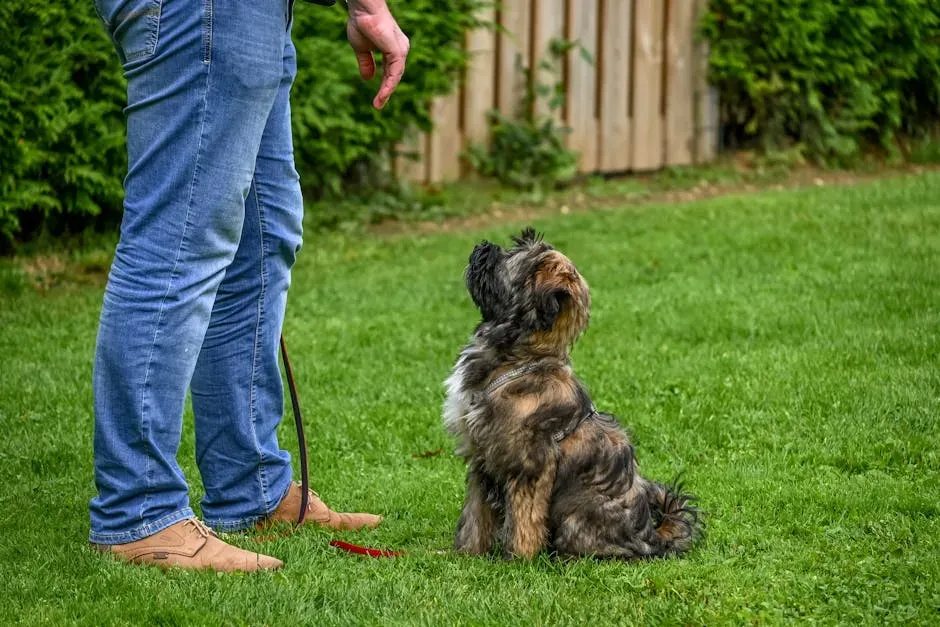
Maltipoos tend to be quick learners, which is fun until you realize they can also pick up your bad habits and loopholes just as fast. Basic training like sit, stay, come, and polite leash walking makes daily life smoother and keeps them safer in situations like crossing the street or meeting other dogs. Positive reinforcement with treats, praise, and play works far better than scolding, especially for a sensitive, people-pleasing mix like this.
Because they get bored easily, short training sessions of a few minutes scattered throughout the day usually work better than one long lesson. Brain games like puzzle feeders, snuffle mats, or simple “find it” games around the house can tire them out just as effectively as a walk. When you invest in their brain, not just their body, you’re less likely to come home to a shredded pillow or a dog that screams every time you leave.
6. Groom Beyond the Fur: Eyes, Ears, Nails, and Paws
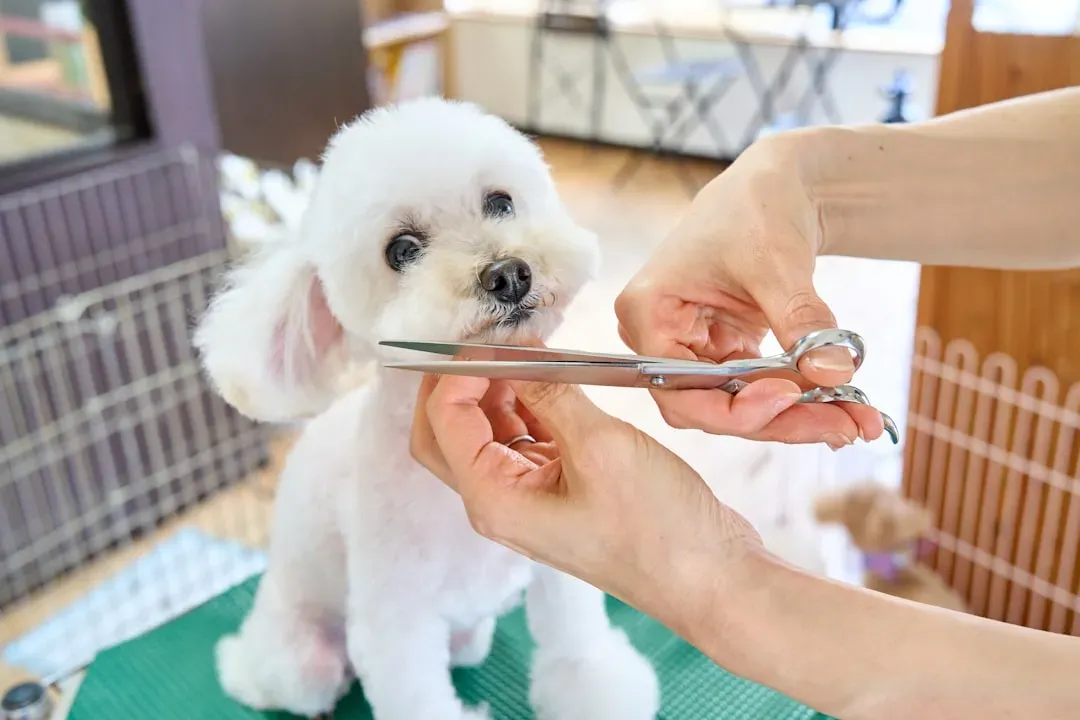
Coat care gets most of the attention, but those big expressive eyes and floppy ears need regular checks too. Tear staining is common in small, light-colored dogs, including many Maltipoos, and gently wiping around the eyes with a damp, soft cloth can help keep the area clean. If you notice redness, squinting, or constant discharge, though, that’s a vet conversation, not just a cosmetic issue.
Ears should be checked weekly for redness, odor, or excessive wax, as their floppy ears can trap moisture and lead to infections. Nails also grow quickly on small indoor dogs who may not naturally wear them down, so regular trimming or filing is important to prevent discomfort and joint strain. It can feel intimidating to learn all this at once, but once you fold it into your weekly routine, it becomes just another way of quietly taking care of them.
7. Take Socialization Seriously – Don’t Bubble-Wrap Them
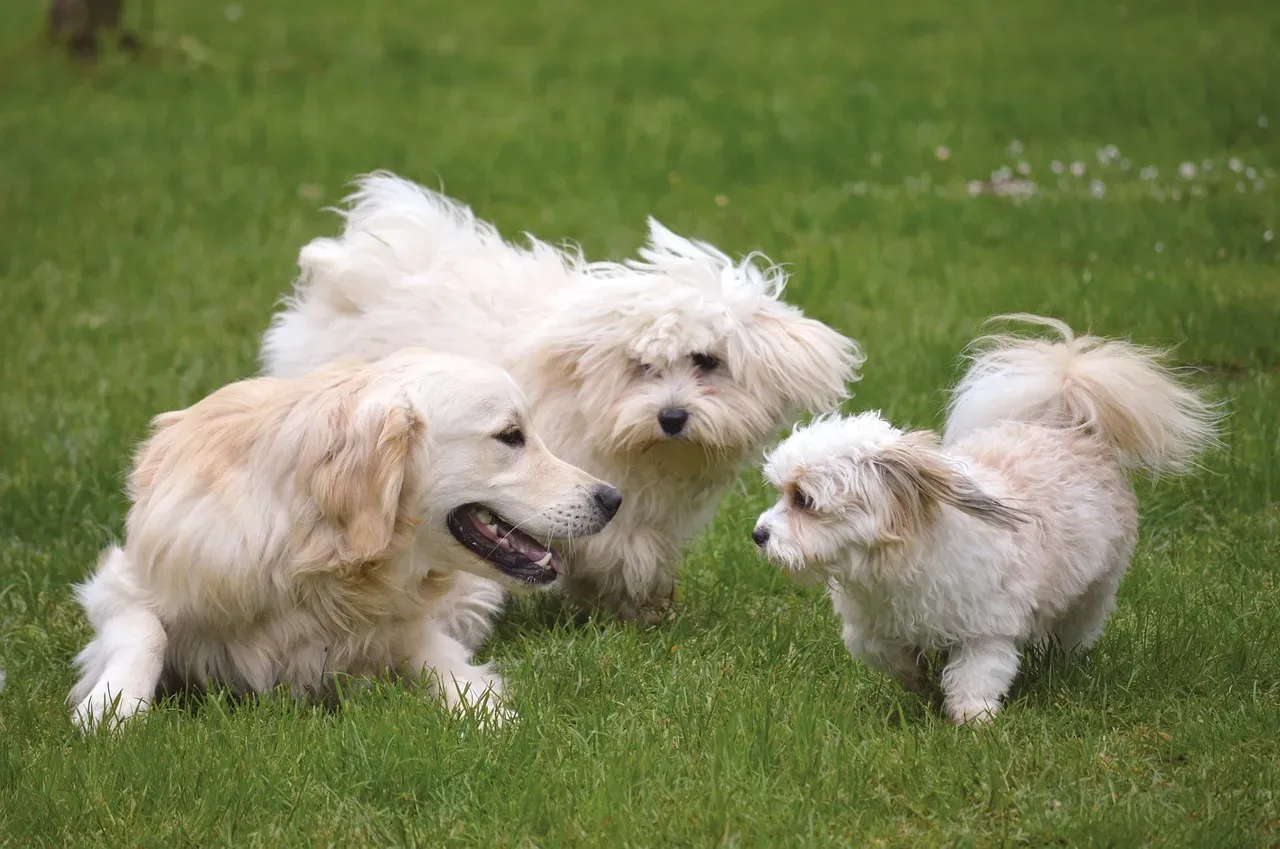
It’s tempting to treat Maltipoos like fragile porcelain dolls, especially when strangers comment on how tiny and cute they are. But over-protecting them can actually backfire, making them nervous, snappy, or fearful around new people, dogs, or environments. Healthy socialization means calmly exposing them to different sounds, places, surfaces, and experiences in a controlled, safe way.
Start with low-pressure environments: a quiet park during off-hours, a calm dog friend, or short car rides just for fun, not only for vet visits. Reward curiosity and calm behavior instead of scooping them up the second they seem unsure, because your reaction teaches them what is and isn’t scary. A well-socialized Maltipoo is usually more confident, less yappy, and far easier to bring along on trips or outings.
8. Manage Separation Anxiety Before It Manages You
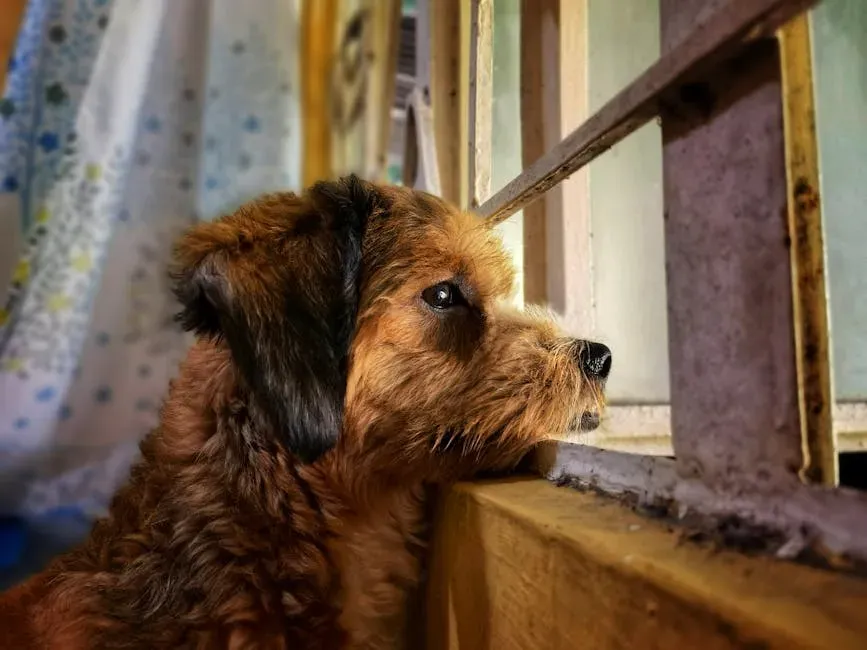
Maltipoos are often extremely people-oriented, which is adorable when you are home and exhausting when you need to leave. If they panic every time you grab your keys, bark nonstop when you’re gone, or cling to you like a shadow, separation anxiety might be brewing. Waiting until it is severe makes it much harder to address, so it’s smarter to work on independence from the beginning.
Practice short absences, even just a few minutes, where you leave the room or the house and return calmly, without making a big scene. Give them safe chew toys, treat-dispensing puzzles, or a cozy crate or pen that feels like their own den, not a punishment. Sometimes you need a trainer or vet behaviorist to help if the anxiety is intense, and there’s no shame in that; for some Maltipoos, emotional health needs as much attention as physical health.
9. Stay on Top of Vet Visits and Health Screening
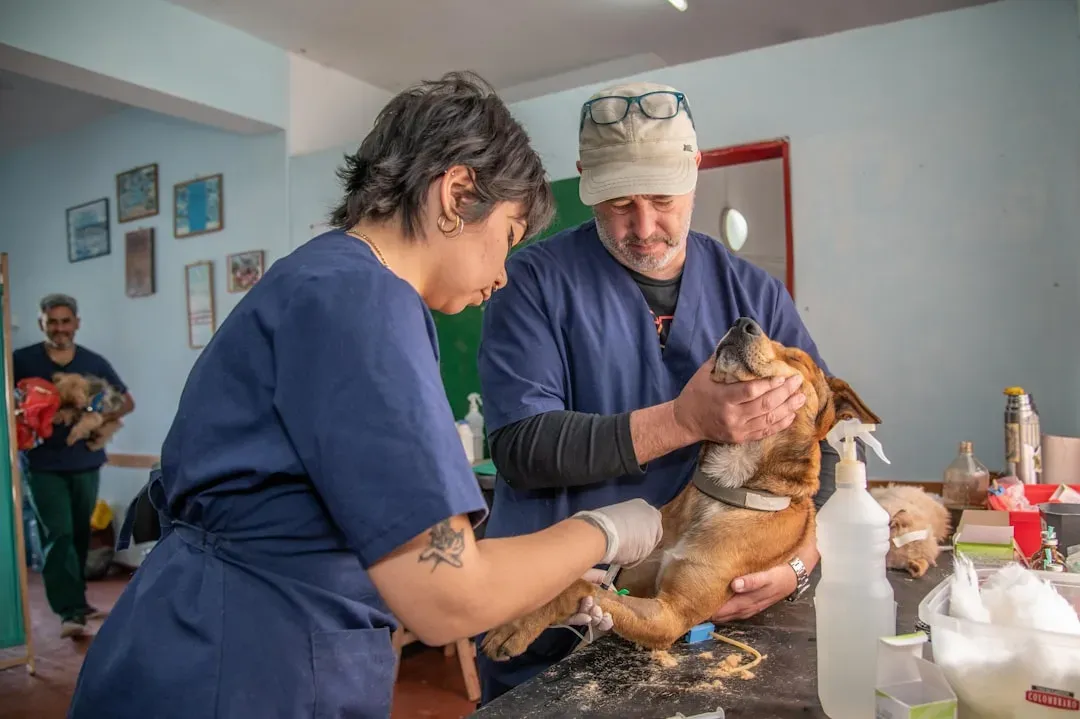
Because Maltipoos are a mixed breed, their health risks can come from either side of their family tree, including things like dental disease, knee problems, or certain heart and eye conditions. Regular checkups give your vet a chance to spot small issues before they turn into big, scary ones. Preventive care like vaccinations, parasite control, and dental evaluations can quietly add years of comfort to their life.
It helps to keep a simple notebook or digital file with records of their vaccines, medications, and any unusual symptoms you notice over time. That way, you are not trying to remember months later when that odd cough started or how long they had an upset stomach. Taking a proactive, organized approach to health care may not feel as fun as buying them new toys, but it is one of the clearest ways to show you are really in their corner.
10. Give Them Structure, Not Just Spoiling
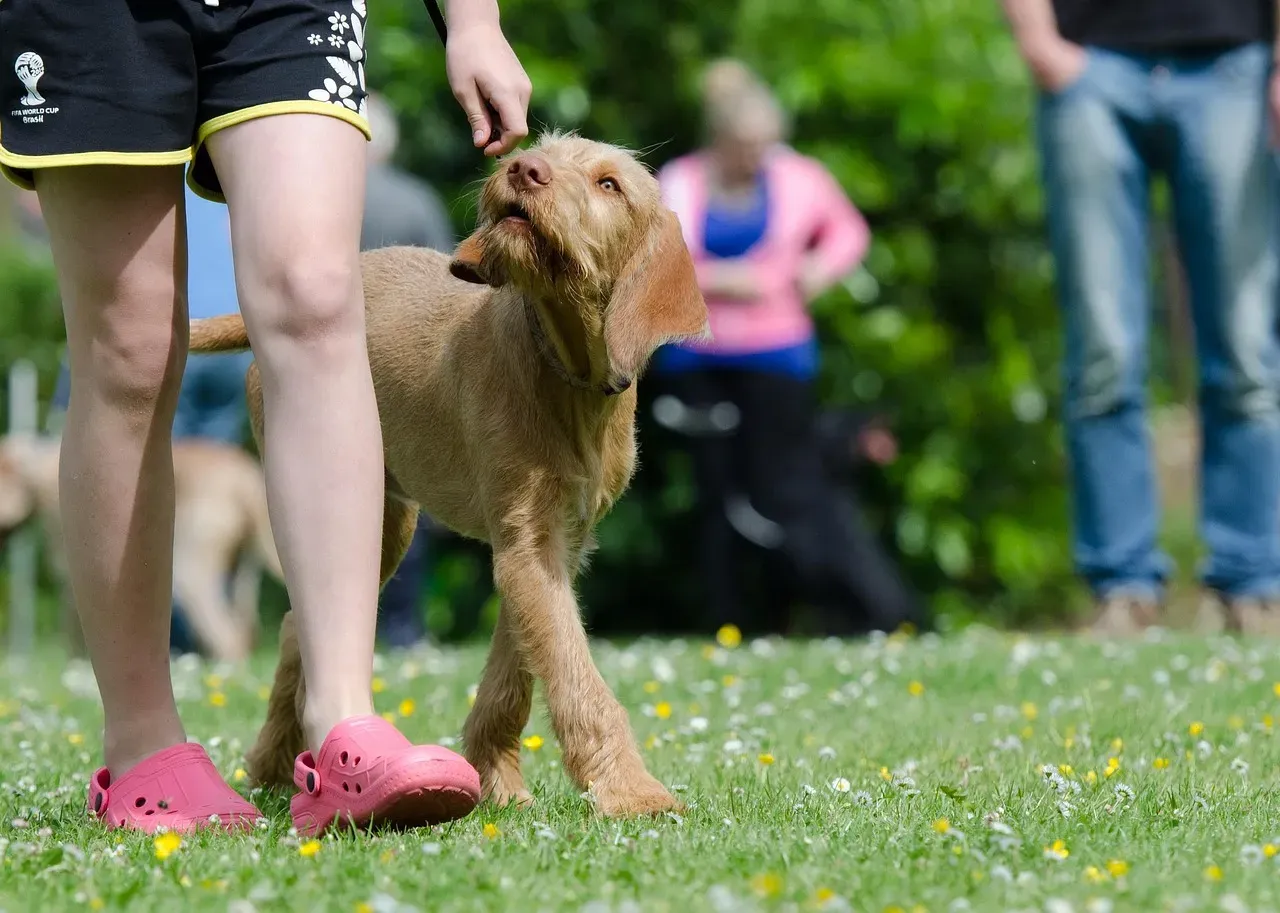
Maltipoos are so charming that it is dangerously easy to let them run the household because “they are just so small.” The problem is, dogs do not understand size; they only know what rules exist or do not. Clear boundaries around things like barking, jumping, begging, and sleeping spaces create a sense of safety and predictability that many dogs actually appreciate.
That does not mean you cannot let them on the couch or the bed if you want to – it just means whatever rule you choose should be consistent. If one day begging gets them chicken from your plate and the next day it gets them scolded, they will be confused and push harder. Love for a Maltipoo is not measured in how often you give in; it is measured in how reliably you meet their needs, even when that means saying a gentle but firm no.
Conclusion: Maltipoos Need More Than Cuteness – and So Do You

Living with a Maltipoo is a bit like living with a tiny stand-up comedian who also insists on being your emotional support animal. When you strip away the Instagram filters, what you are left with is a sensitive, bright, high-maintenance companion who will mirror the effort you put in. If you treat them like a toy, they will act out; if you treat them like a real dog with real needs, they will give you a ridiculous amount of love and laughter back.
My own opinion, after spending time with more than a few of these little fluff rockets, is that they are best for people who want to be truly involved, not just casually entertained. Daily brushing, training, vet care, boundaries, and emotional support are not extras; they are the job description. If you are willing to show up for that, your Maltipoo will probably show up for you in ways you did not even know you needed – which, honestly, is kind of the magic of sharing your life with a dog. Are you ready to care for the dog you have, not just the cute photo you imagined?