
7 Reasons Your Dog May Suddenly Refuse a Walk They Usually Love
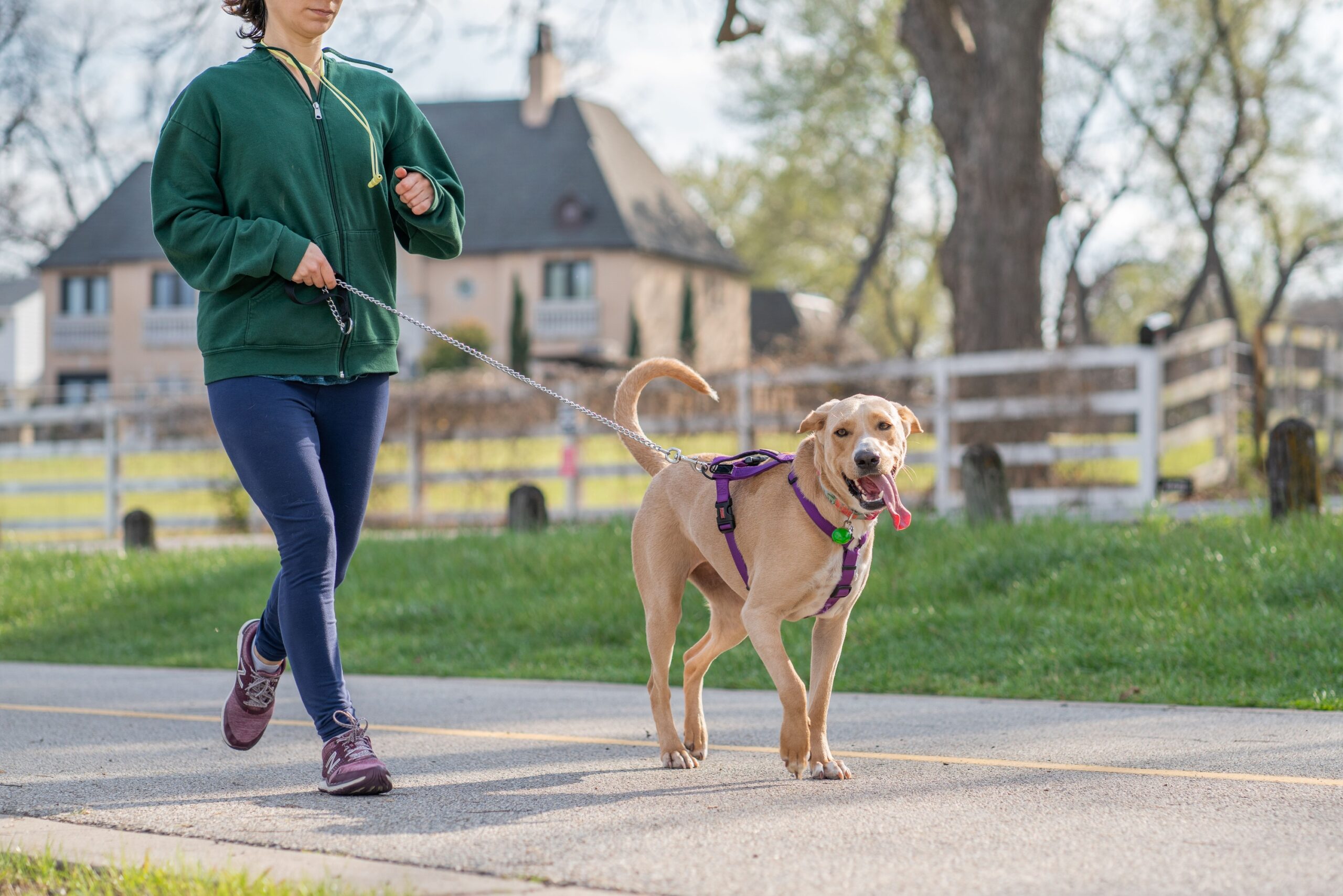
One day your dog is spinning in excited circles at the sound of the leash, and the next they plant their paws, refuse to move, and look at you like you just suggested something outrageous. It can feel confusing, a little hurtful, and honestly… kind of scary. When a dog suddenly says no to the thing they usually love most, it almost always means something important is going on.
The good news: your dog is not being dramatic, stubborn, or trying to “win.” Dogs live very much in the moment, and a sudden refusal is usually their only way of saying something’s wrong. Once you start looking at it like a message instead of misbehavior, the whole situation changes. Let’s dig into what that message might be.
1. Pain, Injury, Or Subtle Discomfort You Can’t See
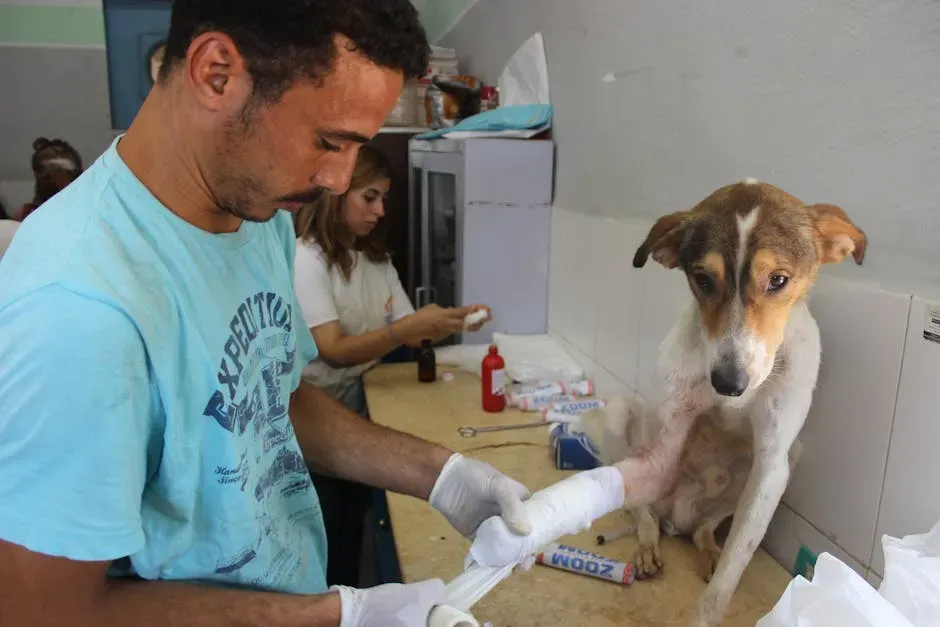
This is the first thing you should consider, even if your dog still runs around the house or seems mostly fine. Dogs are incredibly good at hiding pain, especially low-level, nagging pain from things like arthritis, sore hips, or a pulled muscle. Going for a walk means more movement, more jostling, and possibly more pain, so your dog might decide staying home is safer.
Sometimes the signs are tiny: a slight flinch when you touch a leg, a slower trot than usual, hesitation on stairs, or licking at a joint after resting. Even something small, like a cracked nail, a thorn in a paw pad, or a sore back from jumping off the couch, can turn a favorite walk into something they want to avoid. If your gut says something’s off, it’s worth listening and getting a vet involved sooner rather than later.
2. Negative Association With Something That Happened Recently
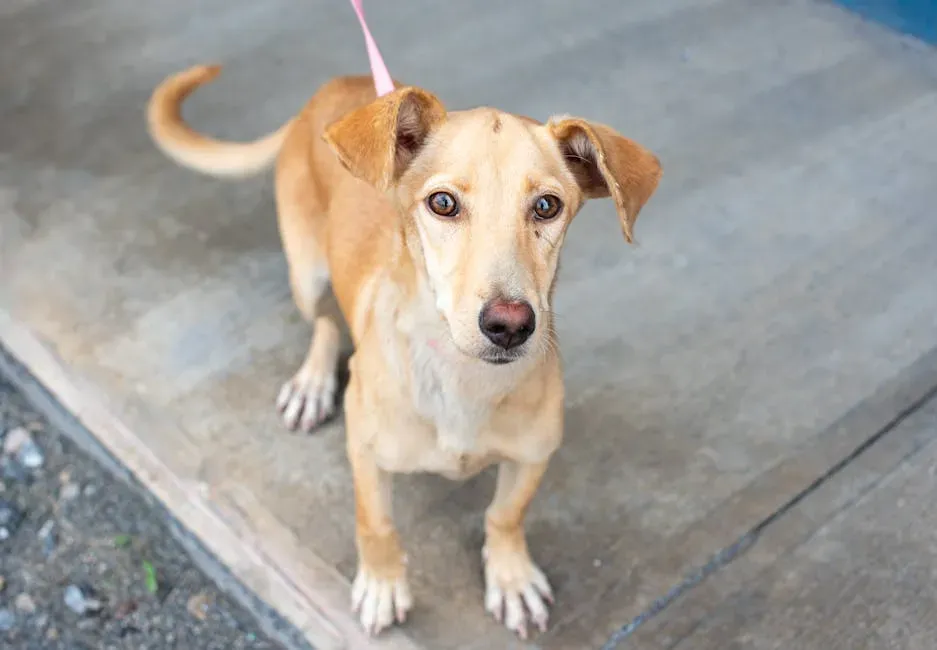
Think about the last few walks before the refusal started. Did a firework go off? Did a scooter zoom too close? Did another dog lunge or bark aggressively? Dogs can form strong, fast associations, and a single scary event can attach itself to “walk time” in their mind. From your perspective nothing changed, but from theirs, the outside world suddenly became unpredictable or dangerous.
Once that link is formed, stepping out the door stops feeling fun and starts feeling risky. You might see your dog freeze at certain corners, refuse to go down a specific street, or stop the moment you reach the gate. This isn’t them being difficult; it’s them trying to protect themselves. Gentle, slow desensitization and a lot of reassurance can help rewrite those associations, but pushing them through fear usually makes it worse.
3. Environmental Stress: Too Hot, Too Cold, Too Loud, Or Too Much
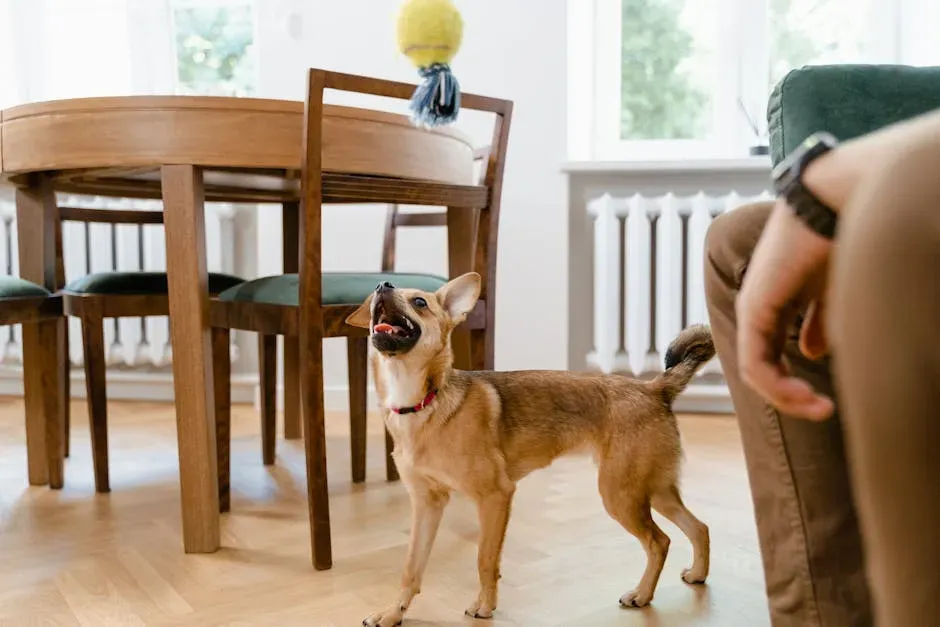
Sometimes the problem isn’t a single event, it’s the overall vibe outside. Heat, for example, is a big one. Hot pavement can burn paws, thick coats can make dogs overheat quickly, and humidity can make breathing feel heavy. On the flip side, cold wind, icy sidewalks, or stinging rain can be just as miserable, especially for small dogs or breeds with thin coats. If walking suddenly coincides with a change in weather, your dog might just be saying, “Absolutely not, this sucks.”
Noise and chaos matter too. Construction down the street, more traffic than usual, kids screaming at the park, or garbage trucks clanking at the exact time you leave can overload a sensitive dog. For some dogs, the world simply feels louder and more crowded than it used to be, and they opt out. If your dog walks happily at quieter times, like early morning or late evening, that’s a strong clue that overstimulation is part of the story.
4. Age-Related Changes: Senior Dogs And Cognitive Shifts
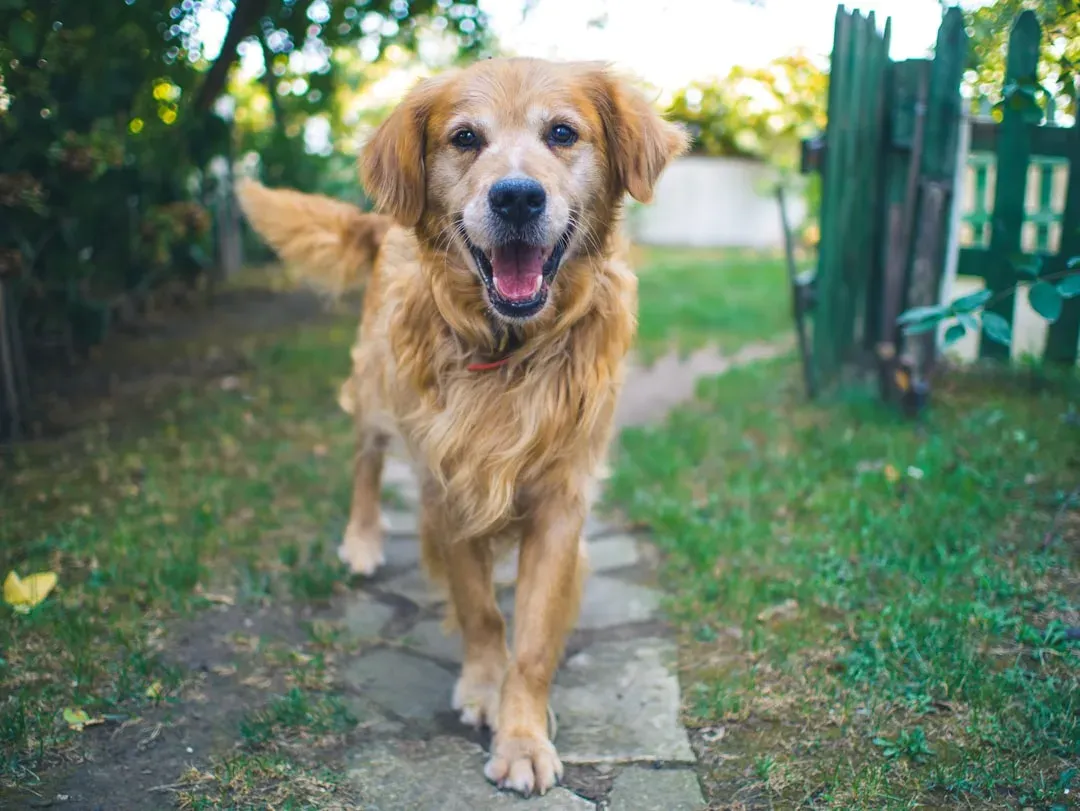
If your dog is getting older, a sudden refusal to walk can be one of those subtle “aging” flags that sneak up on you. Senior dogs are more prone to arthritis, joint stiffness, and muscle loss, which can make longer or faster walks suddenly feel like a lot of effort. They might still enjoy sniffing around the yard but decide that trekking down the block is just not worth the discomfort anymore.
There’s also the mental side. Older dogs can experience cognitive decline, which can feel a bit like confusion or disorientation. The route they’ve walked a thousand times might now seem unfamiliar or overwhelming. They might hesitate at the door, seem unsure which direction to go, or want to turn back sooner than usual. It’s heartbreaking to see, but it’s also a signal to adjust expectations, shorten routes, walk more slowly, and focus on comfort rather than distance or step counts.
5. Fear Periods Or Anxiety Spikes In Younger Dogs
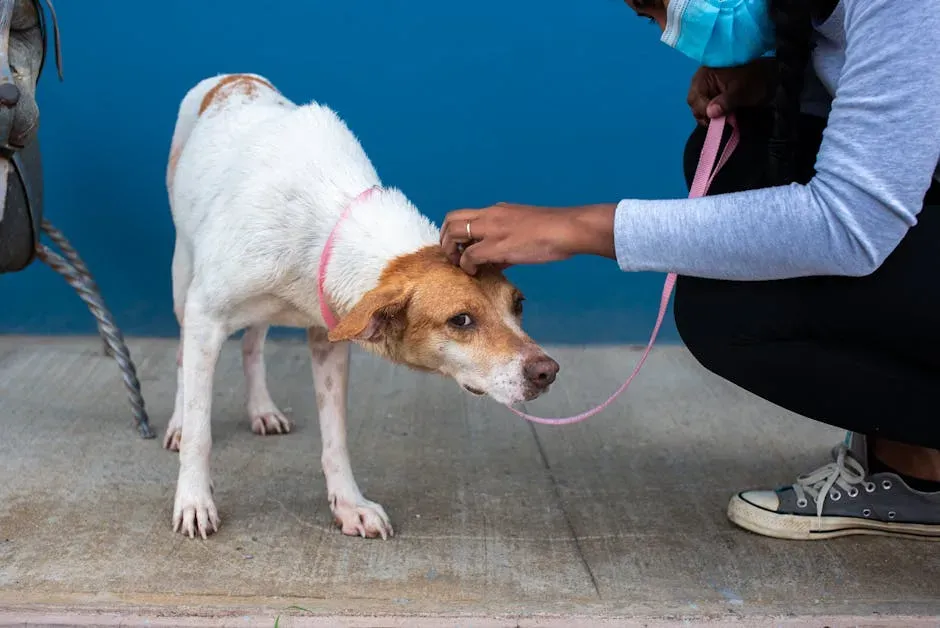
With younger dogs, especially adolescents, there are phases where the world suddenly feels scarier, even if nothing obvious has changed. A pup who used to march happily down the street can suddenly spook at trash cans, strangers, or random noises and refuse to move. These “fear periods” are real, and they can show up as what looks like stubbornness but is actually anxiety.
Even outside of specific fear stages, general anxiety can build over time. Maybe your dog is worried about other dogs, men in hats, or loud vehicles, and the accumulation of stress finally tips the scale and they say no to walks altogether. In my own experience, once I stopped taking it personally and started treating those refusals like panic attacks rather than defiance, everything changed. Short, positive sessions, lots of treats, and zero pressure helped rebuild confidence, step by small step.
6. Boredom With The Same Route Or Walk Style
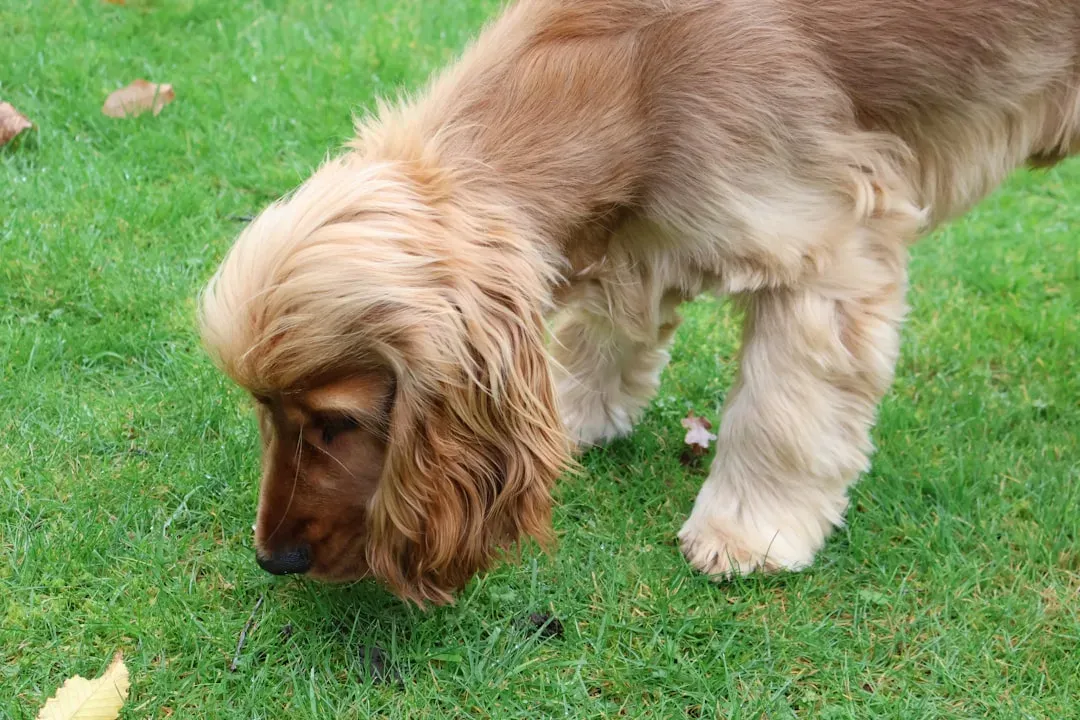
This one surprises a lot of people, but some dogs refuse walks not because they hate walking, but because the walk has become boring or frustrating. Imagine going to the same street, at the same pace, at the same time every single day, never getting to choose a direction or sniff what interests you. For a curious, intelligent dog, that can feel like scrolling the same social media feed on repeat with no new posts.
Dogs experience the world mainly through their noses, so if a walk is all about speed and obedience and never about sniffing and exploring, they might eventually decide it’s not fun. A dog who digs in their heels at the start of the usual route but perks up when you turn a different way or drive to a new park may be sending a clear message: they want a change of scenery and more freedom to be a dog, not just a furry fitness partner.
7. Leash, Harness, Or Handling Issues That Make Walks Unpleasant
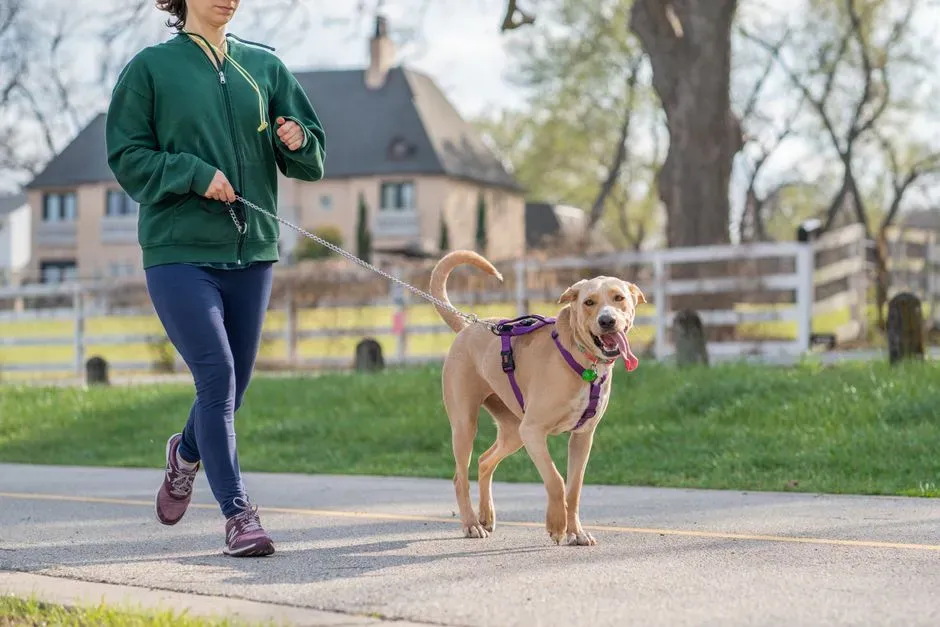
Sometimes the problem is literally right on their body. A harness that rubs, a collar that’s too tight, or a leash that constantly jerks their neck can turn walks into a source of discomfort. Dogs can also develop negative associations with certain gear if it was put on in a stressful way or used right before something scary happened. If your dog suddenly ducks away when you pull out the harness, that’s a big red flag.
The way we handle the leash matters too. Constant tension, abrupt corrections, or dragging a hesitant dog forward can make them dread walk time. It’s a bit like being pulled through a crowded store when you’re clearly not okay. A softer, more cooperative approach – checking for fit, letting them sniff between steps, rewarding calm walking instead of punishing pulling – can turn the entire experience around far more than most people expect.
Conclusion: Listen First, Then Lead Gently
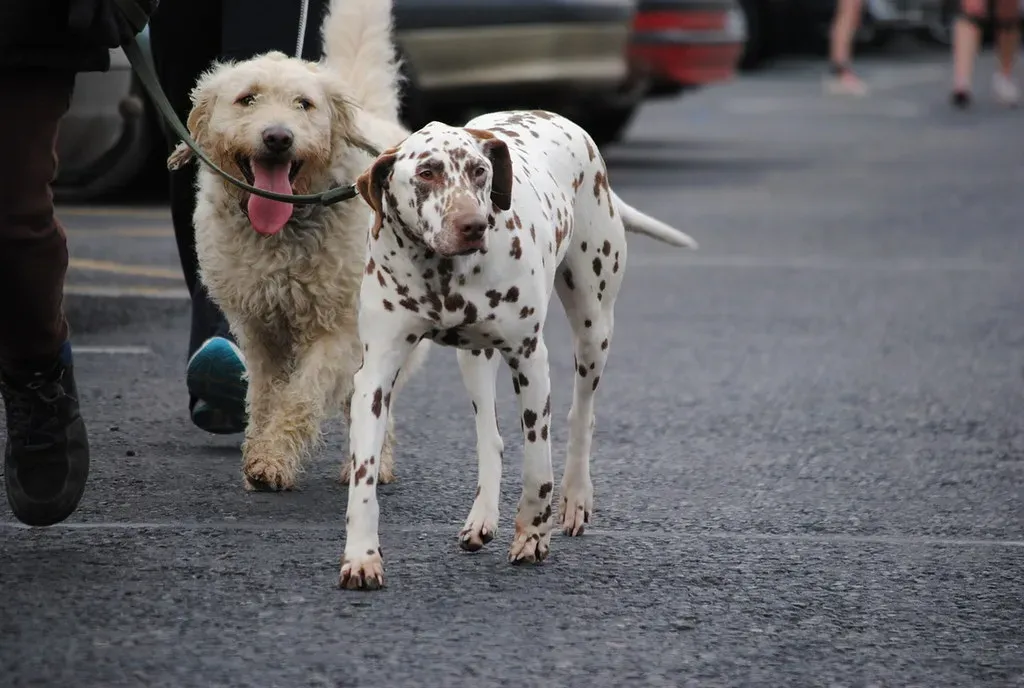
When a dog suddenly refuses a walk they usually love, it’s easy to jump to the idea that they’re being stubborn or “spoiled.” But if you look closer, that refusal is almost always a message about pain, fear, discomfort, or unmet needs. The walk itself might still be something they want deep down; it’s the way it feels right now that’s not working for them. Ignoring that message and forcing them forward risks damaging both their trust and their joy.
My own bias is pretty strong on this: I think a dog’s planted paws deserve the same respect we’d give a friend saying, “I don’t feel up to this today.” Check their body, consider the environment, think about recent events, and do not hesitate to involve a vet or a qualified behavior professional if something feels off. With patience, curiosity, and a willingness to adapt, most dogs can learn to love walks again – on terms that feel safe and enjoyable to them. If your dog could talk, what do you think they’ve been trying to tell you with that quiet, stubborn little standstill?