
9 Small Changes in Your Routine Your Dog Notices Almost Immediately
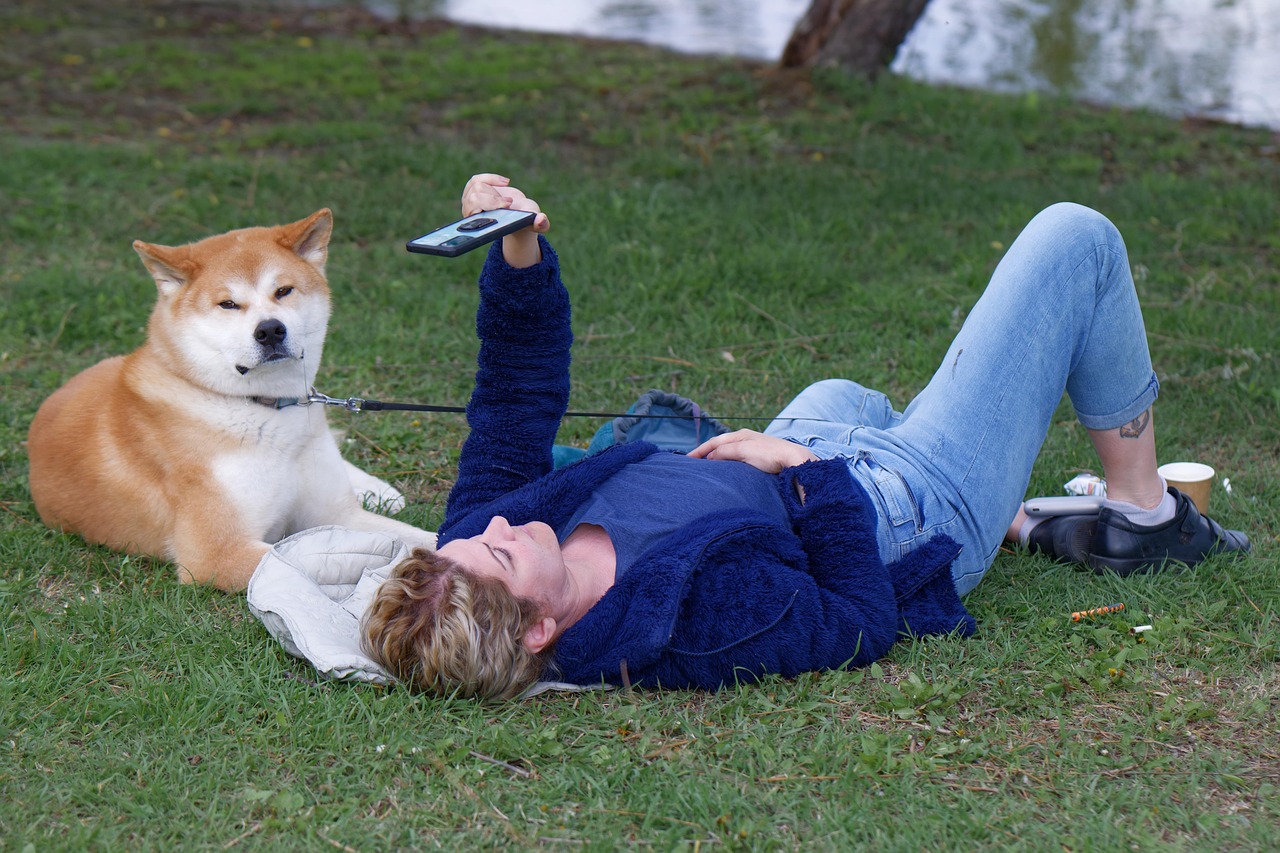
If you live with a dog, you already know they seem to have a supernatural radar for the tiniest changes in your day. You shift your wake-up time by twenty minutes and somehow they are standing by the bedroom door right on cue. You pick up a different set of keys, and suddenly they are either bouncing with excitement or staring at you with worried eyes.
Most of this is not magic at all. Dogs are masters of patterns, micro‑signals, and emotional undercurrents. They read our body language, track our daily rhythms, and glue together tiny clues we do not even realize we are giving off. Let’s walk through nine surprisingly small changes you make in your routine that your dog picks up on fast – often faster than you do.
1. Waking Up Earlier (or Later) Than Usual
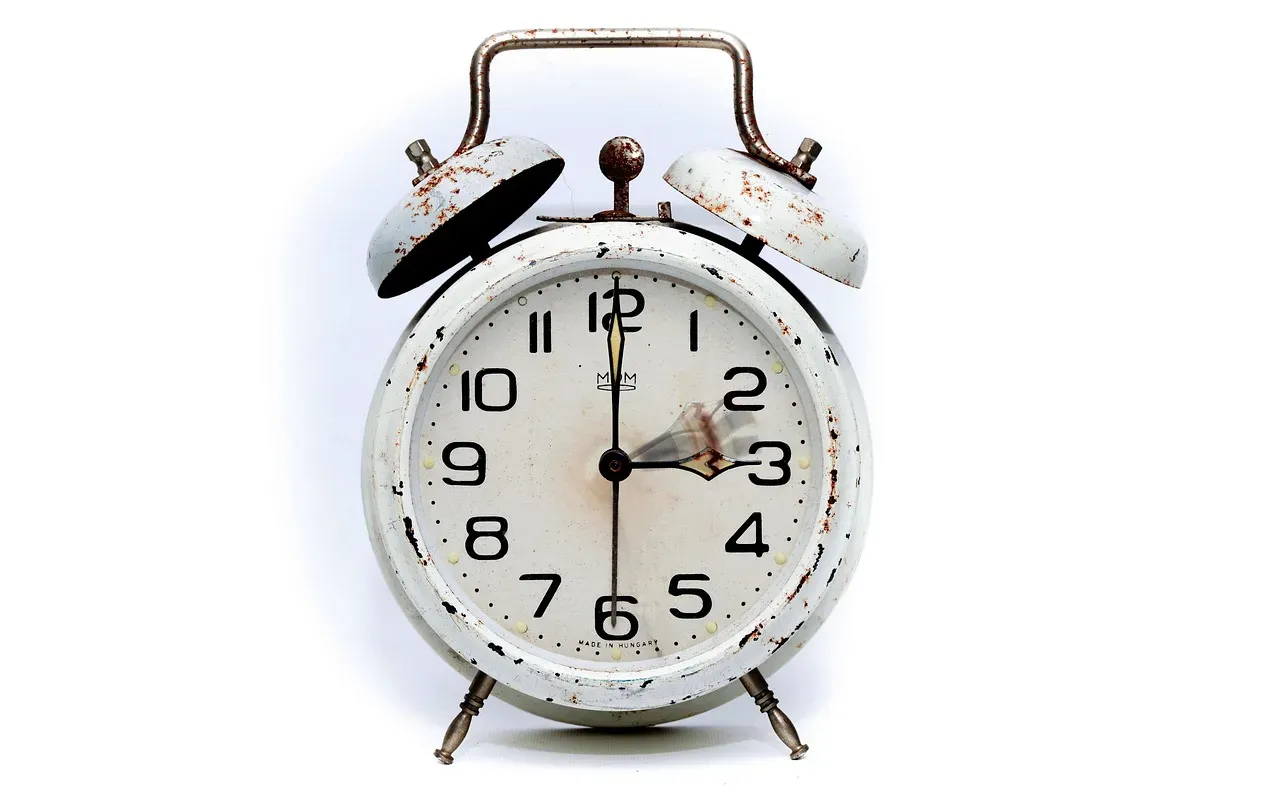
Change your alarm time by even a little, and your dog often reacts almost instantly. Dogs are naturally tuned into circadian rhythms: light through the window, the hum of the neighborhood, the sound of pipes, birds, and traffic. When your feet hit the floor earlier than usual, your dog’s internal “house clock” flags something as different, and they rush in to sync themselves to the new pattern.
On the flip side, if you sleep in, many dogs will hover, pace, or gently nudge you because their breakfast or morning walk “should have happened already.” It is not that they understand hours and minutes like we do – they simply know that certain events usually follow one another in a fixed sequence. When that chain breaks, they notice, and they may show it as excitement, restlessness, or even mild anxiety.
2. Changing Your Work Schedule or Leaving Time
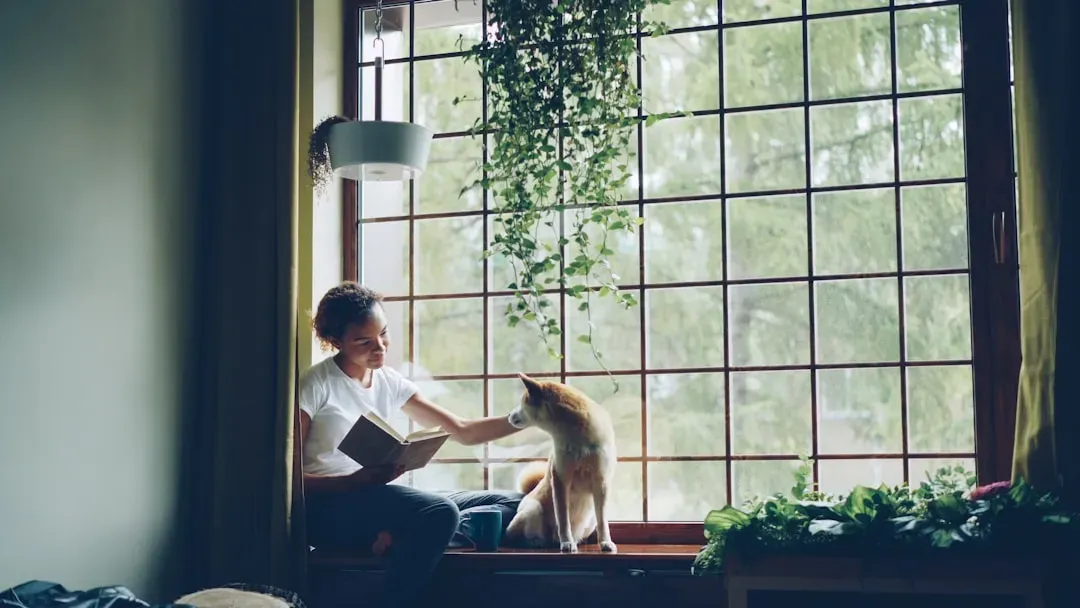
Most dogs can tell when you are getting ready to go long before you touch the door handle. You change into work clothes, grab a specific bag, or start making your coffee in that “rushed” way, and your dog is already reading your departure like a headline. Shift that leaving time by even a little, and you will often see them tailing you more closely or watching from their favorite “goodbye spot.”
When you suddenly work from home more, leave on different days, or come back at odd hours, dogs can become extra clingy or unusually energetic when you move around the house. From their perspective, the pattern that gave them security – when you are around and when you are not – has changed. Some dogs adapt quickly, others take longer, but almost all notice that your daily “in and out” rhythm is different.
3. Tiny Adjustments to Mealtime
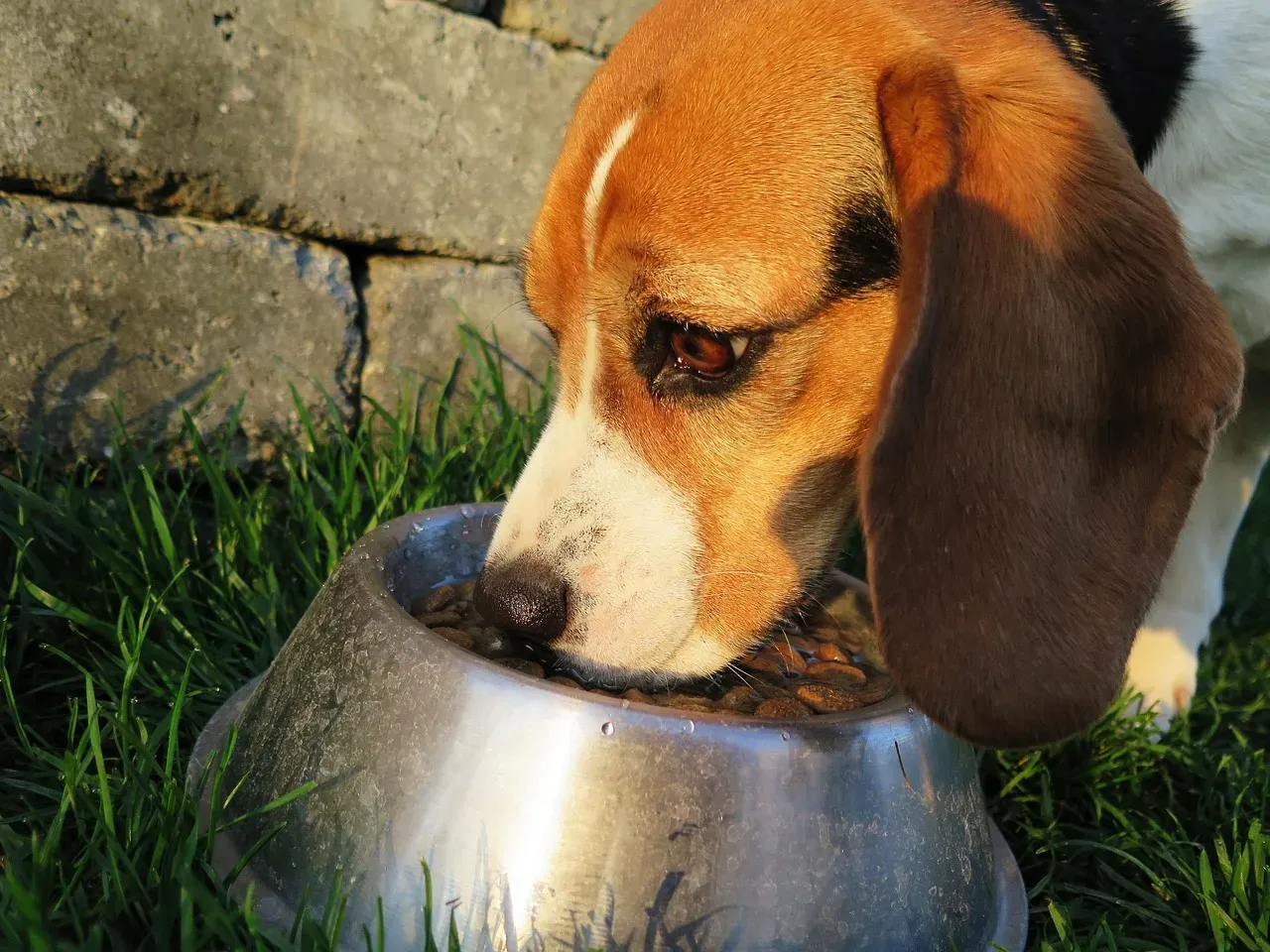
Every dog guardian knows this: change mealtime by what feels like “just a little,” and suddenly you have a four‑legged protestor in the kitchen. Dogs are incredibly sensitive to food‑related routines, because meals are predictable, high‑value events. If dinner is usually around a certain time, their body and brain start anticipating it – saliva production, attention, and activity may all ramp up as that time approaches.
Feed them earlier and you might see buzzing excitement the next day at the new earlier time. Feed them later and you will likely get pacing, staring, or soft whines as they try to pull you back to the old schedule. This is not just “being spoiled” – their whole sense of daily order is built around repeated, reliable events, and meals are the anchor points.
4. Swapping Up Your Walking Routine
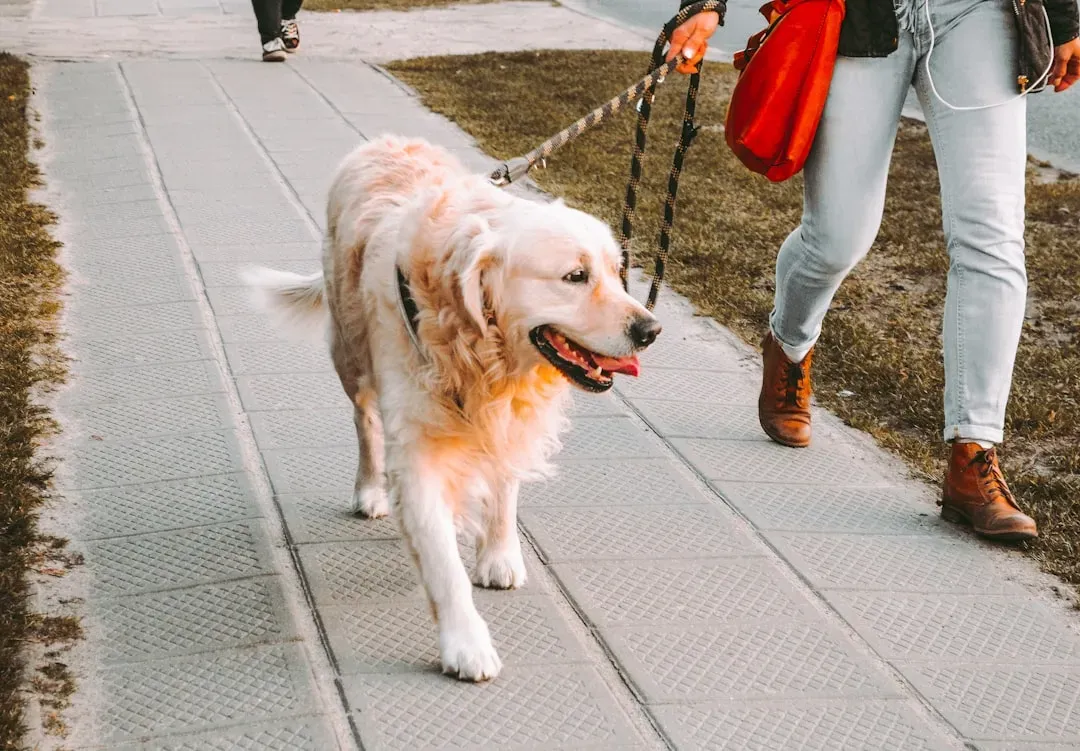
Take a different route, walk at a different hour, or skip that usual stop where they sniff the same lamppost, and your dog clocks the change instantly. Walks are more than bathroom breaks; they are information‑gathering missions. Dogs map their world through scent, and your usual path is like their daily news feed. Change that path, and they suddenly have new headlines to read – or a missing page if you skip a favorite spot.
Sometimes a small shift, like walking after dinner instead of before, can completely change your dog’s mood. They might seem extra wired on the new route, because new smells and sights are pouring in. Or they may be slightly unsettled if something they rely on, like a quiet morning stroll before the street gets loud, has been replaced with a busier, more chaotic time of day. Either way, they notice the difference almost immediately.
5. Using Different “Going Out” Objects (Clothes, Shoes, Keys)
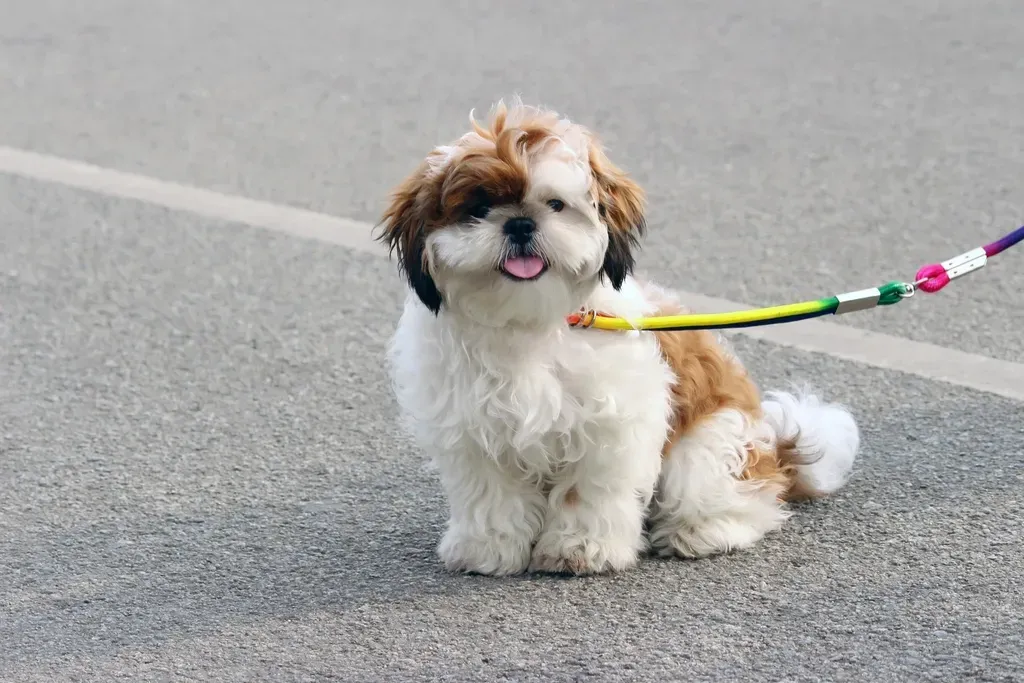
You might think your dog only recognizes your voice or your face, but they are paying close attention to your objects too. Put on your running shoes instead of work shoes, grab the leash instead of your laptop bag, or pick up a different set of keys, and your dog’s reaction often flips in a heartbeat – from calm to wild excitement, or from hope to quiet resignation. To them, those items are symbols that predict what comes next.
Dogs quickly learn that certain combinations of objects equal “you’re coming with me” and others mean “you’re leaving without me.” If you suddenly start using a new bag for work, or you carry the leash but then do not actually go out, they can become confused or even frustrated. Over time, many dogs update their mental dictionary of your stuff, but in the short term, these tiny props send big signals they pick up on right away.
6. Shifts in Your Mood and Energy, Even When You Say Nothing
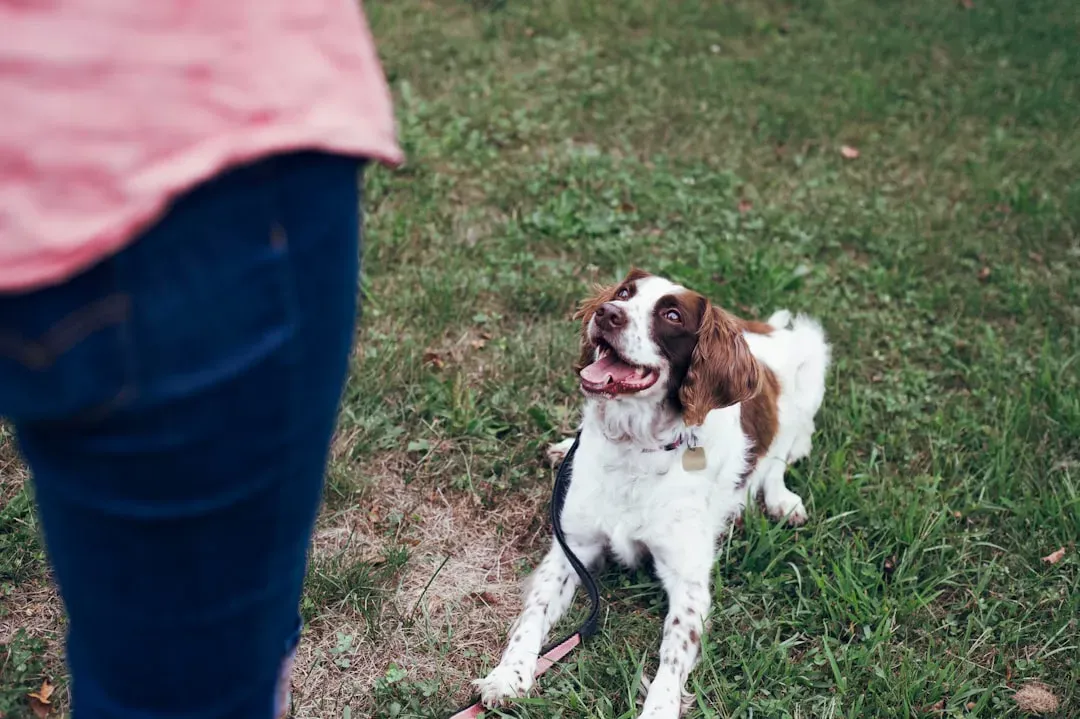
One of the most striking things dogs notice is not what you do but how you are. You can walk into a room with the same clothes and routine, but if your shoulders are tense, your steps are heavier, or your breathing is different, many dogs will respond instantly. They might stay close, avoid eye contact, bring a toy, or look at you with that unblinking, searching expression that feels almost too perceptive.
When you are unusually stressed, sad, or hyped up, you are giving off more cues than you realize: posture changes, tone of voice, fidgeting, and even smell can all shift slightly. Dogs are experts at reading body language and emotional context because their survival and social comfort depend on it. This is one change in your “routine” that is not about timing or actions at all, but about the emotional atmosphere you carry with you from moment to moment.
7. New Tech Habits: Screens, Calls, and Headphones
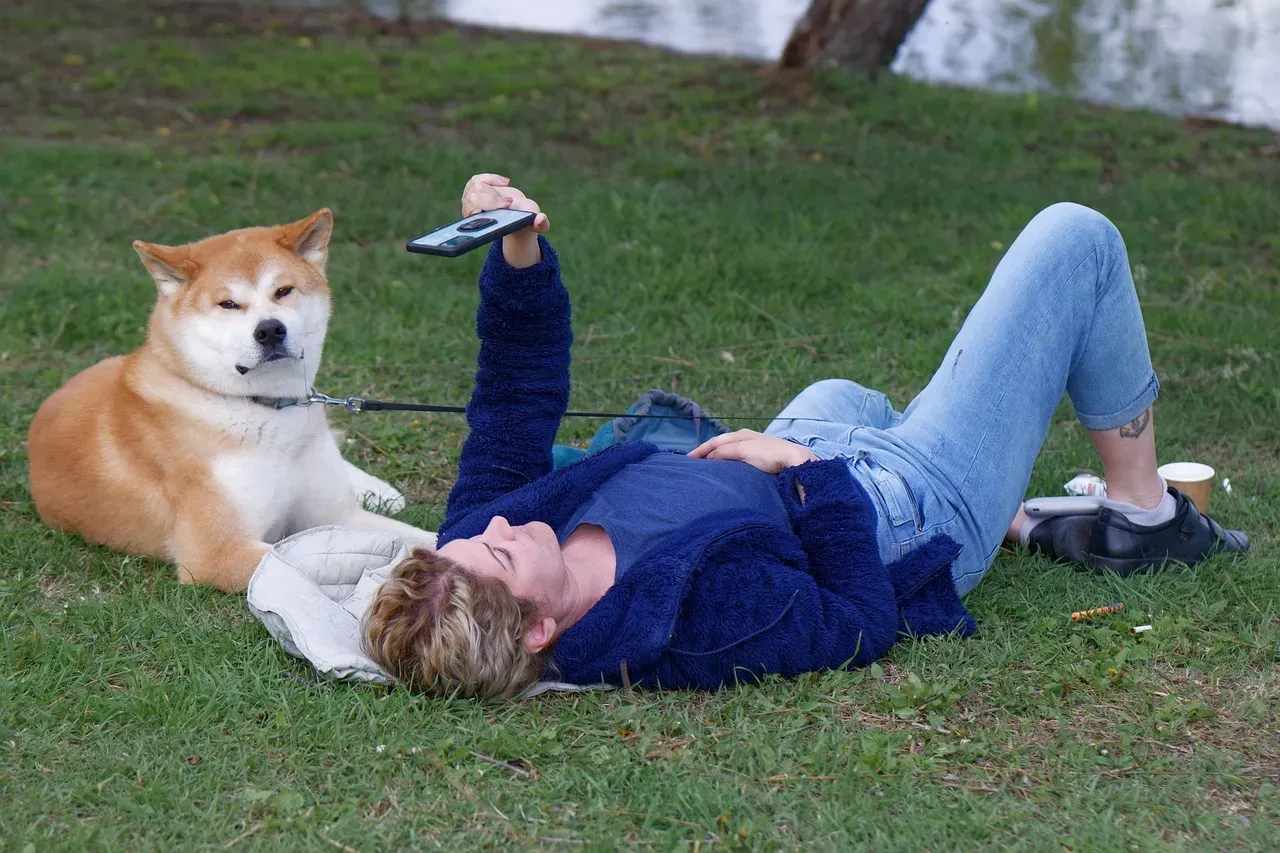
Modern dogs are now experts in decoding our screen behavior too. Maybe you used to sit on the floor with them after work, but lately you drop onto the couch and immediately grab your phone. Or you start wearing headphones more often, which changes how responsive you are to their sounds and movements. From your dog’s perspective, your attention has been quietly redirected to a glowing object, and that shift can feel big.
Some dogs react by trying harder to get your focus – nudging your hand, climbing into your lap, or dropping toys on your keyboard. Others might withdraw a bit, settling further away when they notice that your “phone position” usually means less interaction. It is a small routine change you might shrug off, but your dog is constantly measuring how available you are, and tech habits send strong, fast signals about that availability.
8. Rearranging Furniture or Changing “Their” Spots
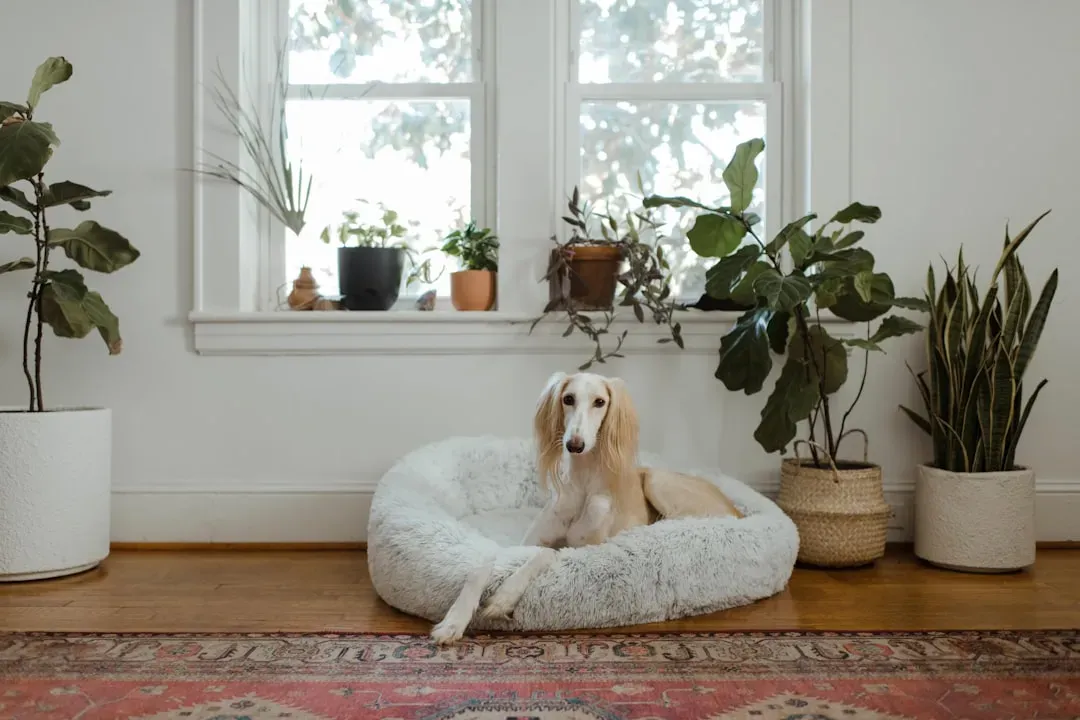
Move the couch, bring in a new chair, or shift your desk to another room, and many dogs will immediately inspect and re‑map their territory. Dogs rely heavily on spatial memory. They know where their bed usually is, where you usually sit, and which routes through the house are open or blocked. A small layout change can feel like someone moved the walls in their mental floor plan, and they notice right away.
If you suddenly stop allowing them on the bed, or you relocate their favorite resting place, you will see very fast reactions – hesitation, confusion, or determined attempts to climb right back up. To us, it is just furniture. To them, it is where family time, safety, and comfort usually happen. Even subtle tweaks, like moving their water bowl to a new corner, can lead to a brief period of searching and adjustment.
9. Adding (or Dropping) Little Rituals of Attention
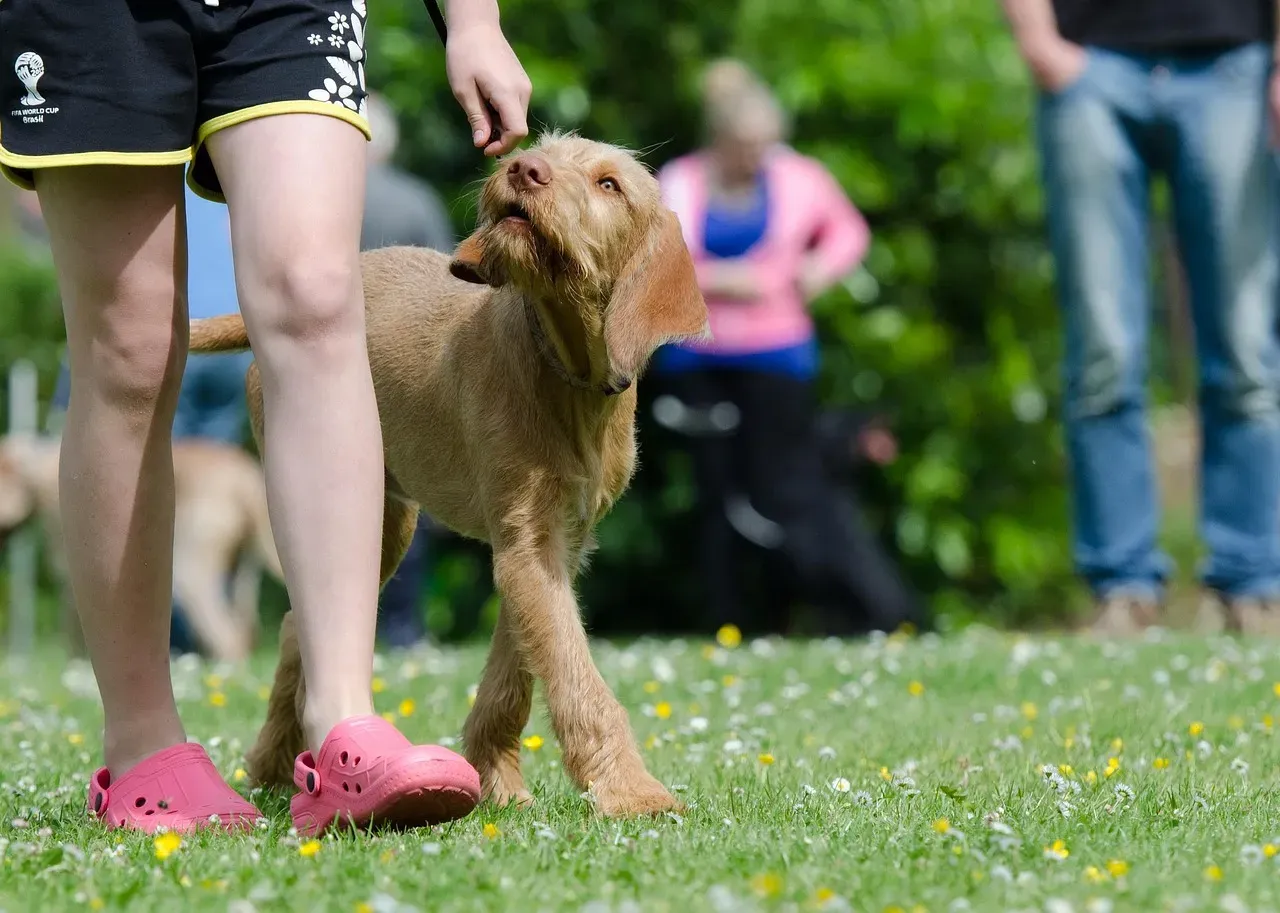
Dogs thrive on the small, repeated moments of connection we often barely register. A one‑minute game of tug before you leave. A quick ear scratch at the same spot every evening while you watch something. A silly phrase you always use right before bed. When those tiny rituals suddenly appear – or quietly disappear – your dog picks up on the change with surprising speed.
If you start a new habit, like a quick trick‑training session while your coffee brews, many dogs will be waiting in the kitchen at that exact time by the third or fourth day. If you stop doing the little goodbye pat, they might hover or look puzzled at the door for a while. It is these micro‑routines that make up the emotional glue of their day, and they track them far more closely than we tend to realize.
Conclusion: Your Dog Is Reading the Story of Your Life in Real Time
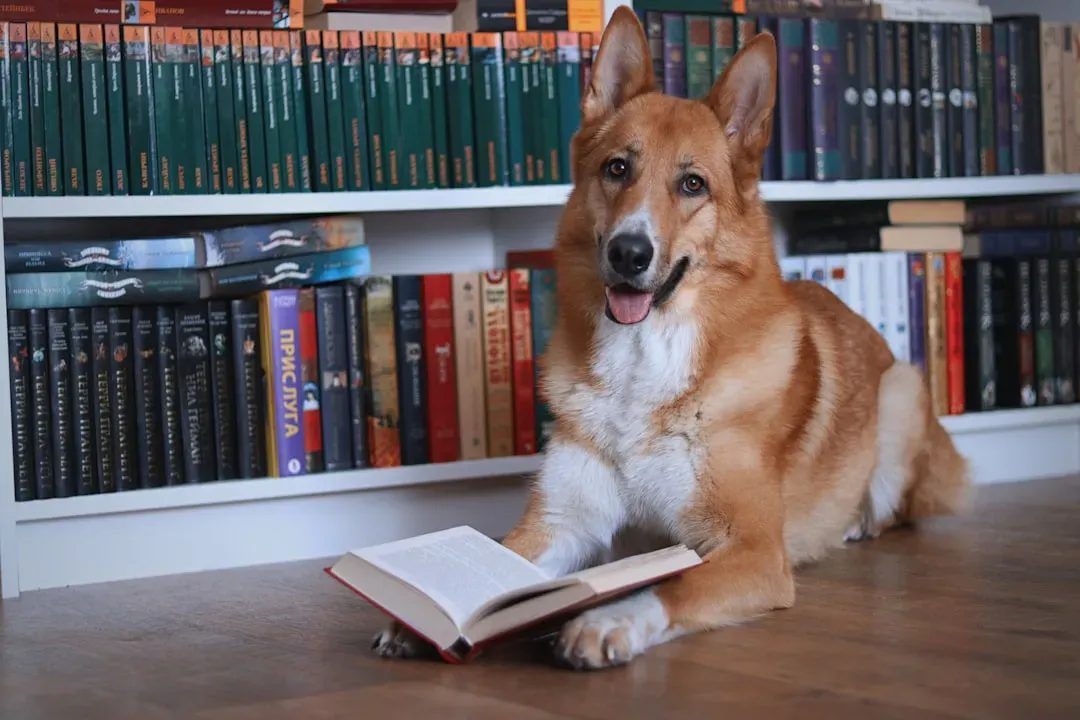
Living with a dog sometimes feels like living with a fuzzy little detective who is always one step ahead. They may not understand calendars or emails, but they are incredibly tuned into patterns: when you wake, when you leave, how you move, where you sit, what you carry, and how you feel. From my own dogs, I have learned that when they suddenly act “different,” it is often because I changed something first and did not notice until they mirrored it back to me.
The opinion I have landed on, after years of sharing life with dogs, is that we underestimate how loudly our routines speak. Every small change is a new line in a story they are constantly reading about us. The good news is that we can use that awareness to be kinder, more consistent, and more present with them. Next time your dog reacts to some tiny shift in your day, instead of brushing it off, you might ask yourself: what did they just notice that I almost missed?