
7 Reasons Some Dogs Patrol the House Before Settling Down for the Night
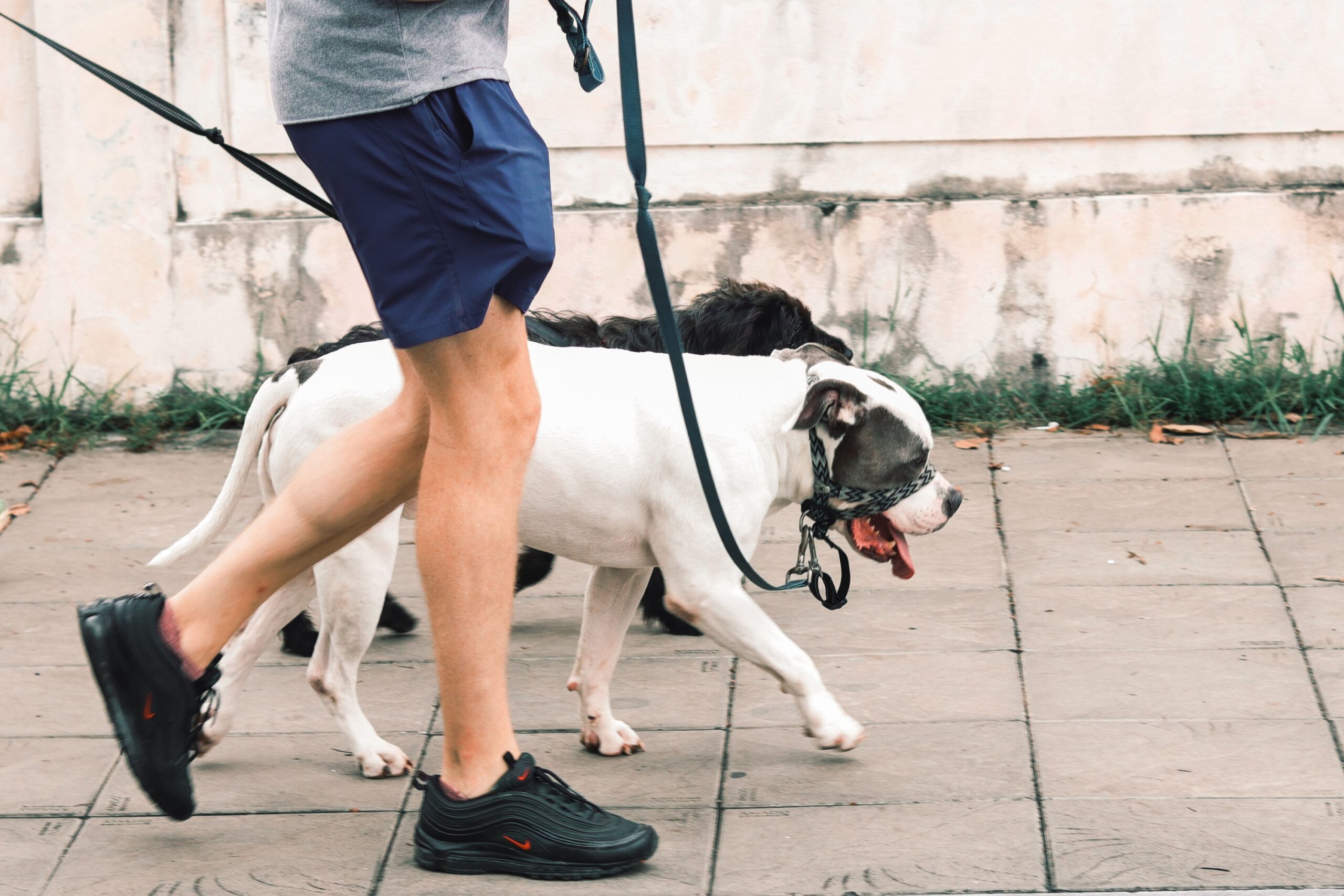
You turn off the lights, brush your teeth, and slide into bed. Meanwhile, your dog starts doing that same strange little routine: pacing the hall, checking each room, maybe sniffing the doors and windows, then finally curling up with a sigh. It can look funny, even a bit dramatic, like they’re on a serious mission before sleep. But for many dogs, that nightly patrol is not random at all.
Underneath the cute quirk is a lot of instinct, emotion, and habit. Some reasons are deeply wired from their ancestors, others are shaped by your home, your schedule, and even subtle tensions you may not notice. Once you understand what might be driving this behavior, it stops feeling weird and starts feeling oddly touching – like your dog is clocking in for the night shift. Let’s walk through seven likely reasons your dog makes their rounds before finally calling it a day.
1. Ancient Guarding Instincts Kicking In
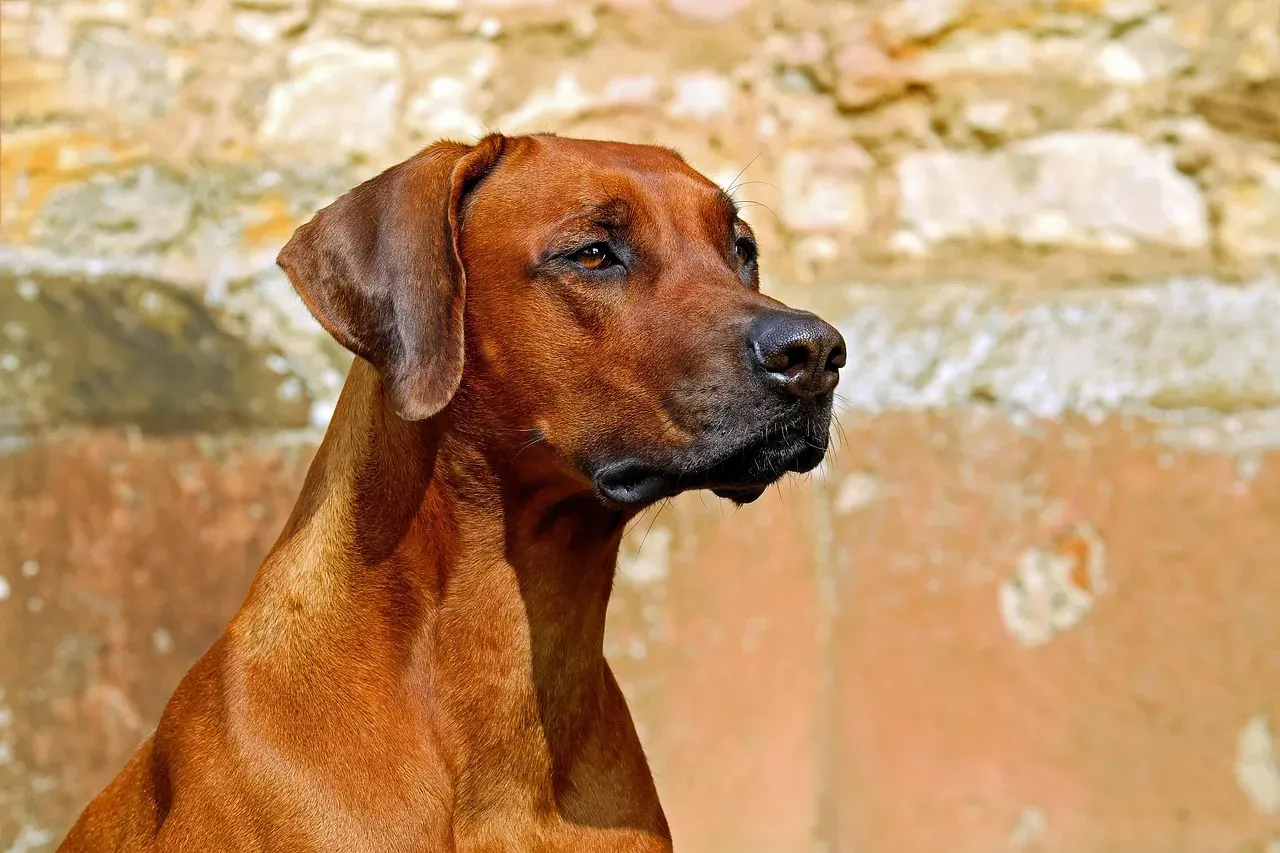
The most powerful reason many dogs patrol at night is also the oldest: they’re hardwired to guard the den. Long before comfy couches and orthopedic dog beds, dogs’ ancestors slept in groups and took turns checking their surroundings to keep everyone safe. That instinct did not vanish just because we invented air conditioning and Netflix.
When your dog trots around the house, sniffs doors, or pauses at windows, it can be their version of scanning for danger before allowing themselves to relax. Even if your dog has never faced a real threat, their brain is still built for a world where rustling bushes, strange smells, and unfamiliar sounds could mean trouble. So they do what their DNA tells them: sweep the perimeter, confirm it’s all clear, then lie down.
2. Checking “Their” Territory and Scent Markers
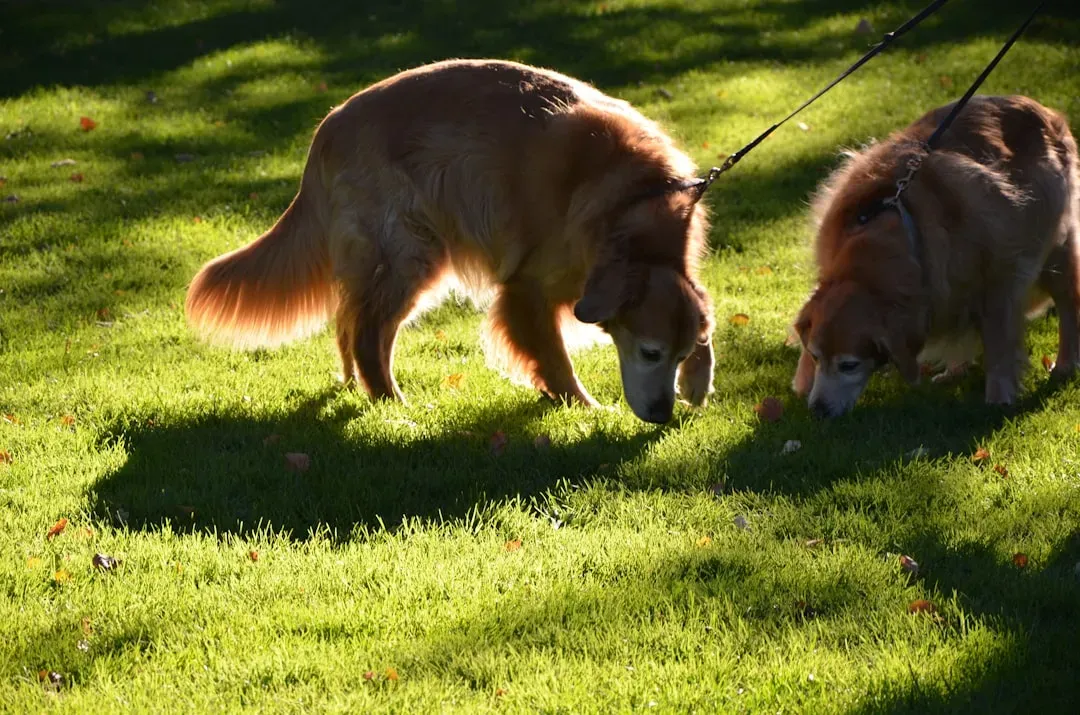
Dogs live in a world of scent the way we live in a world of sight. For them, the house is a layered story of smells – yours, theirs, other animals that walked by outside, even the groceries you brought in earlier. A nightly patrol is often your dog re-reading that story and making sure everything still feels familiar and safe.
As they move through rooms and hallways, they’re not just wandering – they’re checking their territory. They may rub against furniture, sniff where they previously lay, or revisit spots where visitors once stood. This can be their quiet way of confirming that their scent still dominates the space and that no strange animal has moved in. It’s a bit like double-checking that your doors are locked, only in a smell-based universe.
3. Responding to Noises and Nighttime Activity
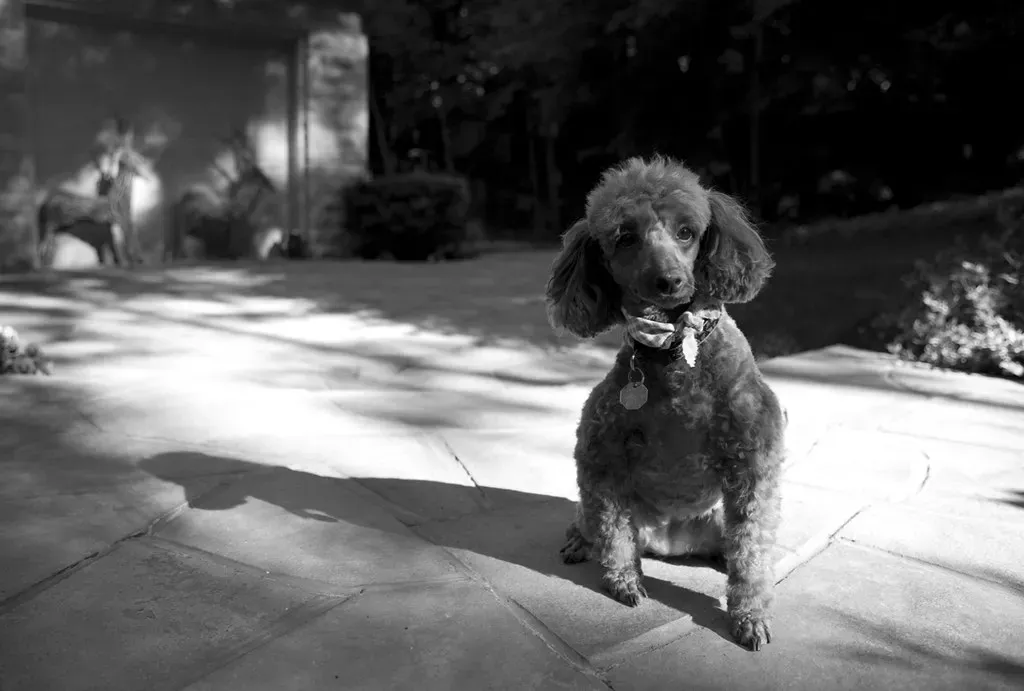
Nights are actually pretty loud to a dog. While your home feels peaceful and calm, your dog is hearing distant dogs barking, cars crunching over gravel, the hum of appliances, and tiny creaks in the walls. Their ears are far more sensitive than ours, so what we ignore, they log as potential signals that need to be checked out.
That nightly patrol might be your dog tracing the source of a sound you barely registered: a neighbor taking out trash, a raccoon on the fence, or a delivery truck a few houses away. Walking the house lets them match what they hear with locations and smells. Once they’ve concluded there is no real threat, they can finally let their guard down enough to sleep – at least until the next mysterious thump.
4. Burning Off Leftover Energy and Restlessness
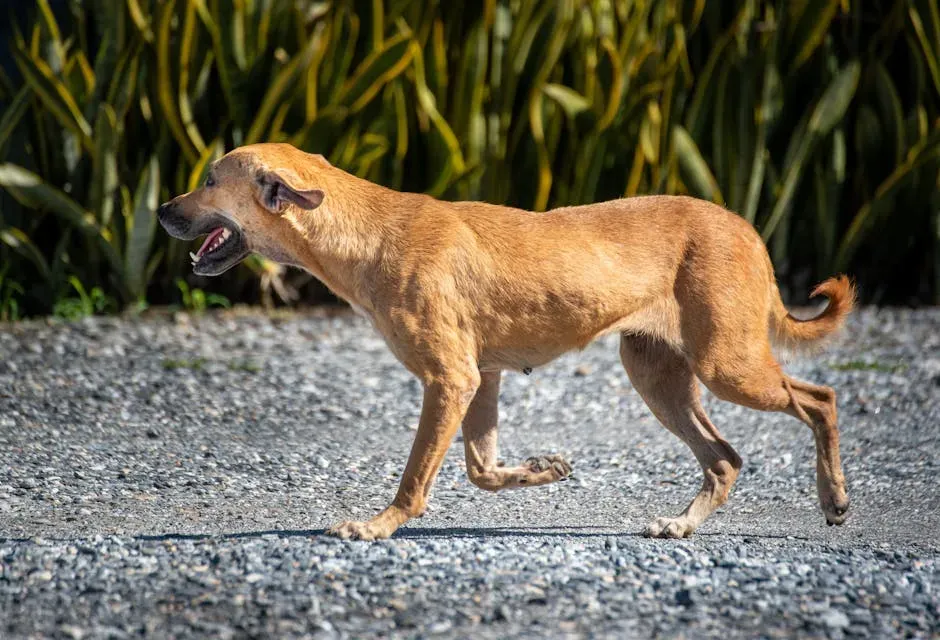
Sometimes the explanation is simpler and more physical: your dog is just not quite ready to switch off. If their day was mentally or physically under-stimulating, that nighttime patrol becomes an outlet for pent-up energy. It’s their version of pacing the apartment when you have too much on your mind and not enough movement in your muscles.
When I used to work late and skip my dog’s usual evening walk, he’d do long, deliberate laps around the house before bed, like he was trying to squeeze in a last-minute workout. After I went back to consistent walks and a bit of training or play before bedtime, his “security rounds” shrank to a quick check and then a flop onto his bed. If your dog’s patrol looks more like restless pacing than calm scanning, they might be telling you they needed more activity earlier in the day.
5. Nighttime Anxiety and the Need for Reassurance
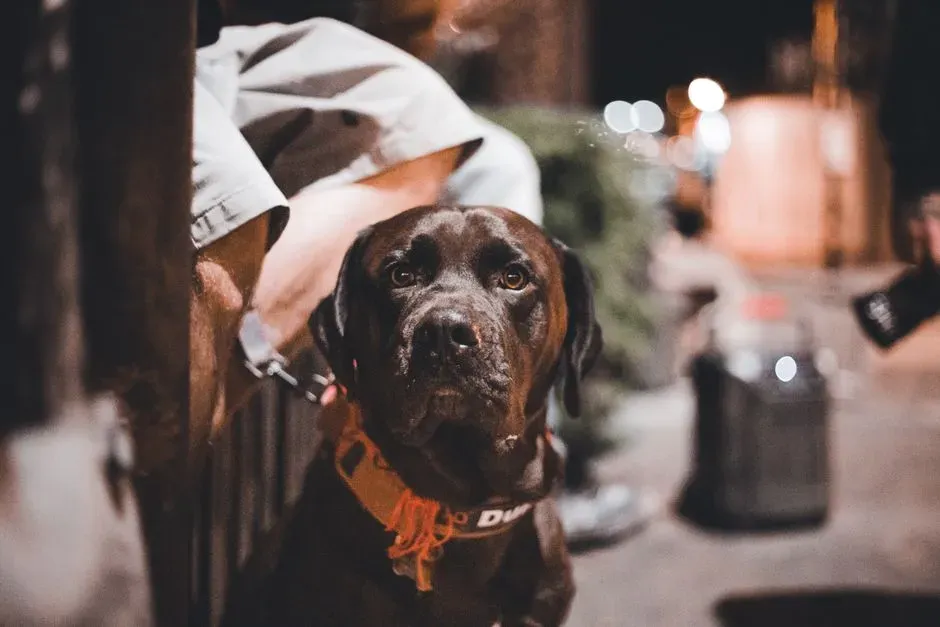
For some dogs, patrolling is less about guarding and more about soothing their own worries. Changes in the household – new furniture, visitors, arguments, a different work schedule – can all make a dog feel slightly on edge. Nighttime, when lights are low and routines shift, is often when that anxiety bubbles up the most.
These dogs may move repeatedly between rooms, check on each family member, and seem a bit clingy before settling. They might relax only after confirming that everyone is where they expect them to be and that nothing obvious has changed. In a way, their patrol is a rolling headcount mixed with a safety check. It can be easy to dismiss this as “quirky,” but often it’s a quiet sign your dog is looking for reassurance in a world that feels just a little less predictable in the dark.
6. Habit, Routine, and Learned Behavior
Dogs are absolute suckers for routine. If something happens the same way enough times, their brain treats it like a checklist. Maybe one night you let your dog out, they trotted around, then got extra praise and cuddles when they finally curled up. Or they once discovered a dropped snack during a late-night wander. Small experiences like that can accidentally teach them that doing a lap of the house is just part of the bedtime ritual.
Over time, the patrol can become as ingrained as sitting for treats or running to the door when the leash comes out. Even without a clear “reason” left, the pattern stays. This is where we humans quietly shape more of our dogs’ odd habits than we realize. The upside is that, with a bit of consistency and new routines, you can also gently reshape that nightly patrol if it ever becomes excessive or disruptive.
7. Health-Related Discomfort or Cognitive Changes
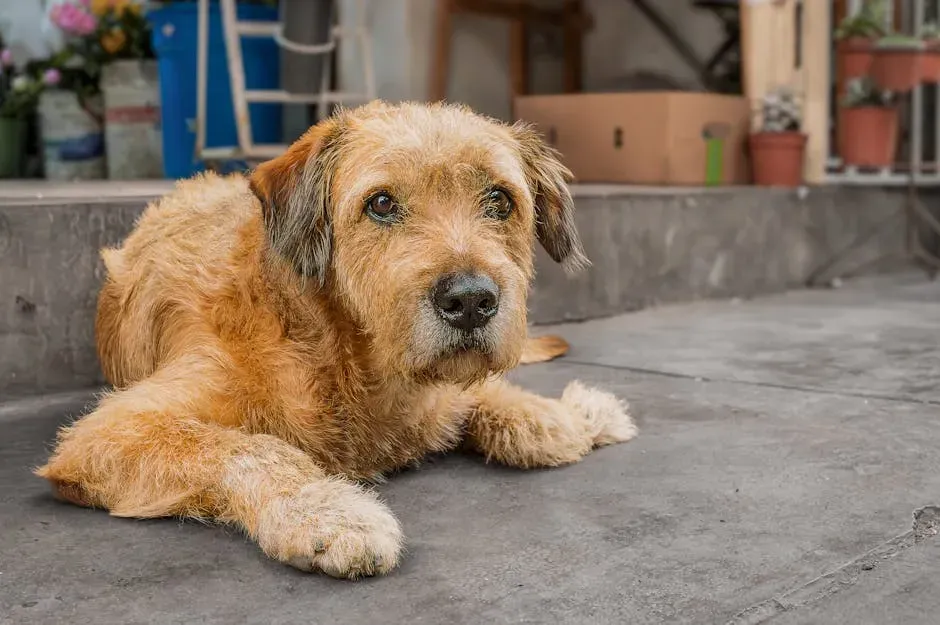
There’s also a more serious side to night patrolling that’s important not to ignore: sometimes it’s a sign of discomfort or confusion. Older dogs, or dogs dealing with pain from joints, digestion, or other conditions, may find it hard to settle in one spot. They walk the house because lying down hurts, or because they feel physically uneasy and they do not know what else to do with that discomfort.
In senior dogs, especially, nighttime pacing and patrolling can also point to cognitive changes, a bit like early dementia in humans. They may seem disoriented, get stuck in corners, or look like they have forgotten what they were doing. If your dog’s nightly patrol suddenly appears out of nowhere, becomes more intense, or comes with other changes in appetite, mood, or bathroom habits, it is worth talking to a vet. Sometimes the most loving thing we can do is treat the behavior as a clue that the body or brain needs help, not just as a quirky bedtime ritual.
Conclusion: The Night Shift You Never Asked For, But Secretly Appreciate
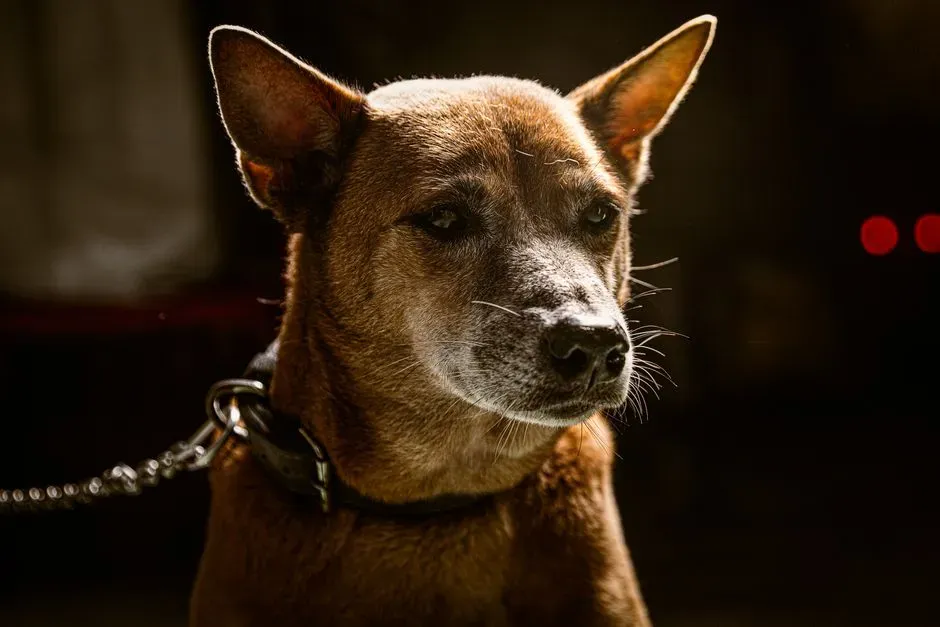
When you zoom out, that endearing, slightly dramatic patrol your dog does before bed is usually a messy mix of instinct, habit, emotion, and health. Some of it is ancient biology – guarding the den, reading the wind through the window screens, listening for trouble. Some of it is modern life – your schedule, your stress, your home layout, and how much mental and physical exercise they get during the day. And sometimes, it is their way of saying that something does not feel quite right, inside or out.
I’ll admit I used to think my dog’s nightly rounds were just him being quirky, until I noticed how much calmer and shorter they became when I gave him a better routine, more exercise, and a quieter, predictable bedtime. Now, when he does his quick sweep of the hallway, I see it less as weird behavior and more as a quiet promise: he is checking the world so I do not have to. Maybe that is the real question this behavior leaves us with – are we watching our dogs as closely as they are watching over us?