
Dogs Who Suddenly Start Zooming Around the House May Be Releasing Built-Up Excitement Rather Than Simply Being Hyperactive
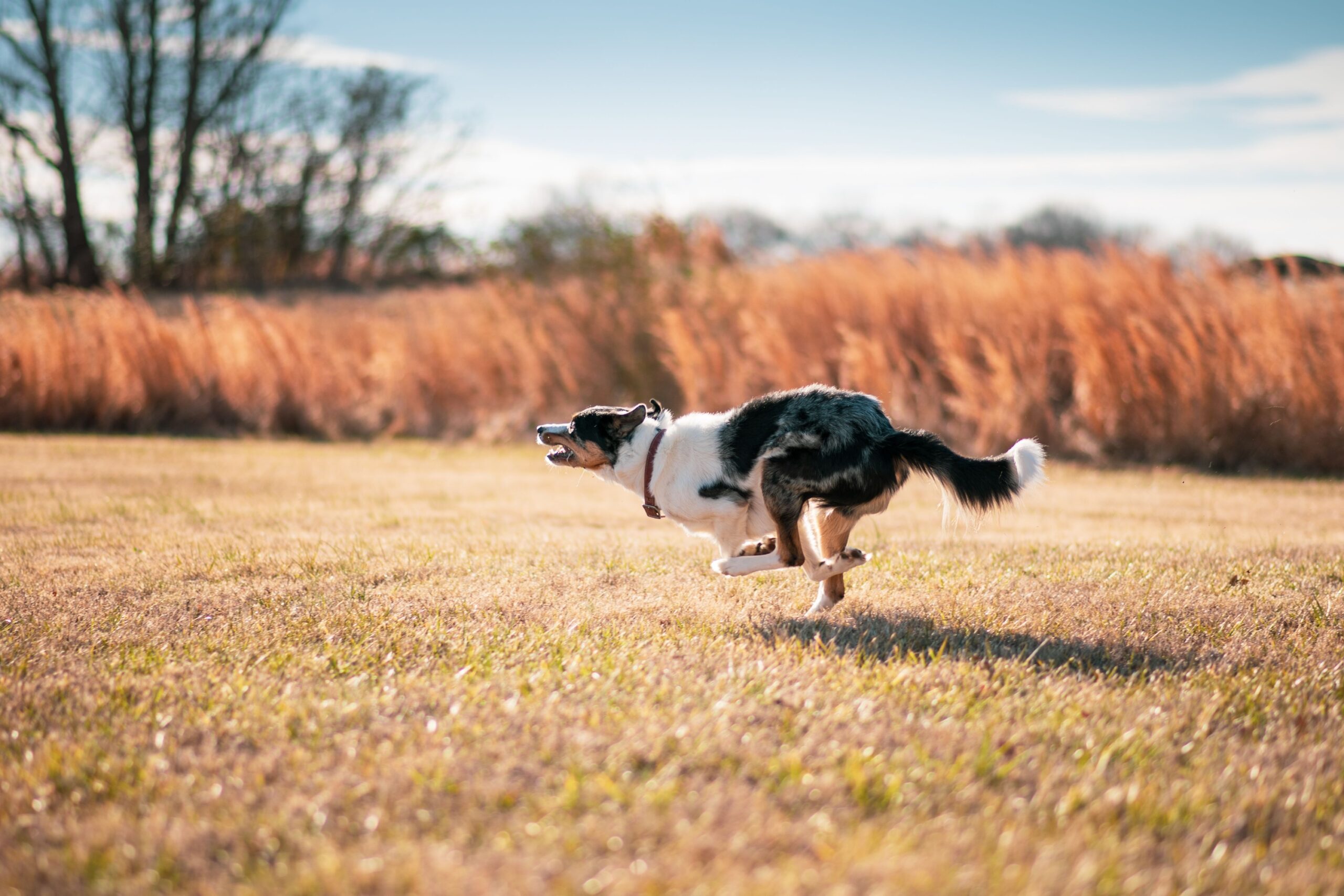
If your dog suddenly rockets off the couch, sprints down the hallway, skids around a corner, then collapses as if nothing happened, you’re not alone. Many dog owners quietly wonder whether this is adorable, alarming, or a sign of a bigger problem. It looks wild and chaotic from the outside, but inside your dog’s body and brain, something very specific is going on.
Those sudden bursts of energy are not always about a “hyperactive” personality. Often, they are your dog’s way of releasing excitement, stress, or pent-up physical energy in the only way they know how: with full-speed joy. Once you start seeing zoomies as emotional and physical pressure valves rather than misbehavior, the whole picture of your dog’s needs starts to shift. And honestly, that shift can make life easier and a lot more fun for both of you.
What Zoomies Actually Are (And Why They Look So Intense)
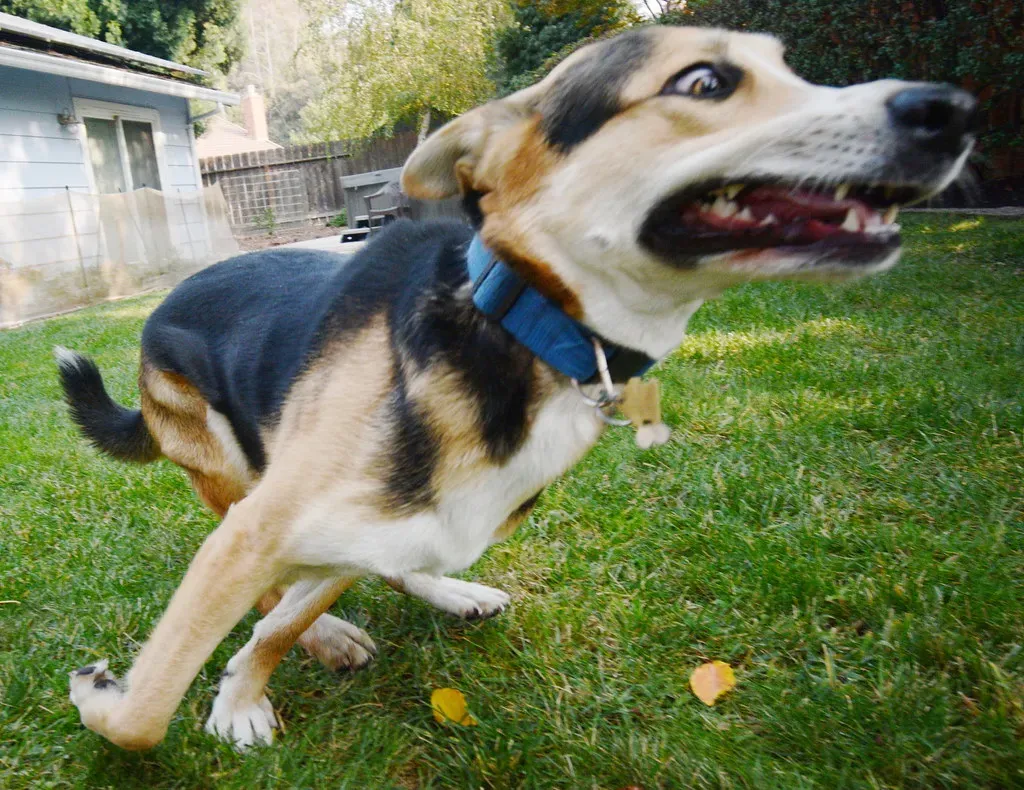
That wild burst of running your dog does has a name: many people call it zoomies, and behavior specialists often describe it as a sudden release of stored-up energy. You’ll usually see rapid running in circles, quick stops and starts, and playful body language like loose limbs and a wagging tail. It can look a bit chaotic, but there’s usually a pattern to where your dog runs and how they move around the space.
Under the surface, zoomies are tied to arousal in the nervous system, meaning your dog’s emotional and physical energy are turned up. After holding onto that energy for a while – maybe through a long, quiet afternoon or a slightly stressful experience – your dog’s body finds a way to dump it quickly. Think of it like a shaken-up soda can finally getting opened: the pressure needs somewhere to go, and it tends to come out fast.
Built-Up Excitement: The Real Fuel Behind Many Zoomies
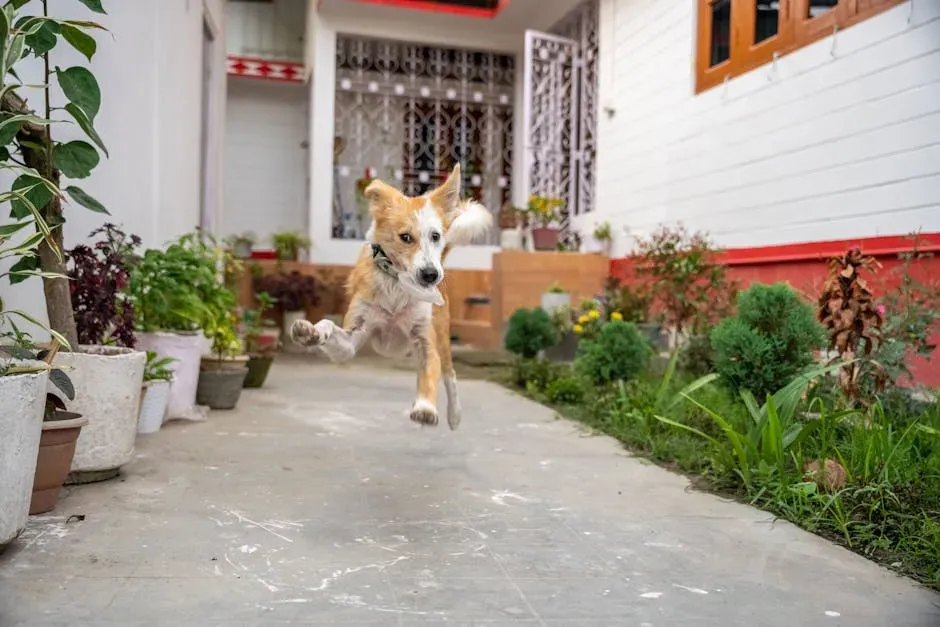
Many owners label their dogs as naturally hyper when the real issue is unmet needs and accumulated excitement. Dogs that spend long stretches of the day waiting – waiting for you to wake up, come home, grab the leash, or pick up the food bowl – are constantly building emotional anticipation. All that anticipation lives in their body, and zooming is one of the ways they let it out when things finally happen.
You’ll often see zoomies right before or after events your dog finds exciting: mealtime, a visitor at the door, you grabbing your shoes, or the moment you get home from work. That timing is a big clue that it’s not random craziness. It is their body saying, “Finally, something is happening!” and discharging the excitement in a burst instead of letting it simmer uncomfortably inside.
Stress Zoomies vs Happy Zoomies: They Don’t All Mean the Same Thing

Here’s the twist a lot of people miss: not all zoomies come from pure joy. Sometimes dogs use them to shake off mild stress or frustration too. After a bath, a vet visit, or an awkward interaction with another dog, you might see a sudden sprint around the yard or living room. That can be your dog’s way of loosening tension, almost like shaking water off mentally as well as physically.
Happy zoomies usually come with a loose body, soft eyes, and playful movements, while stress-related ones can look a bit sharper or more frantic. The behavior might look similar on the surface, but the emotional fuel behind it is different. Paying attention to what happened right before the zoomies started gives you powerful clues about which kind you’re seeing and how you should respond.
Why “Hyperactive Dog” Is Often an Unfair Label
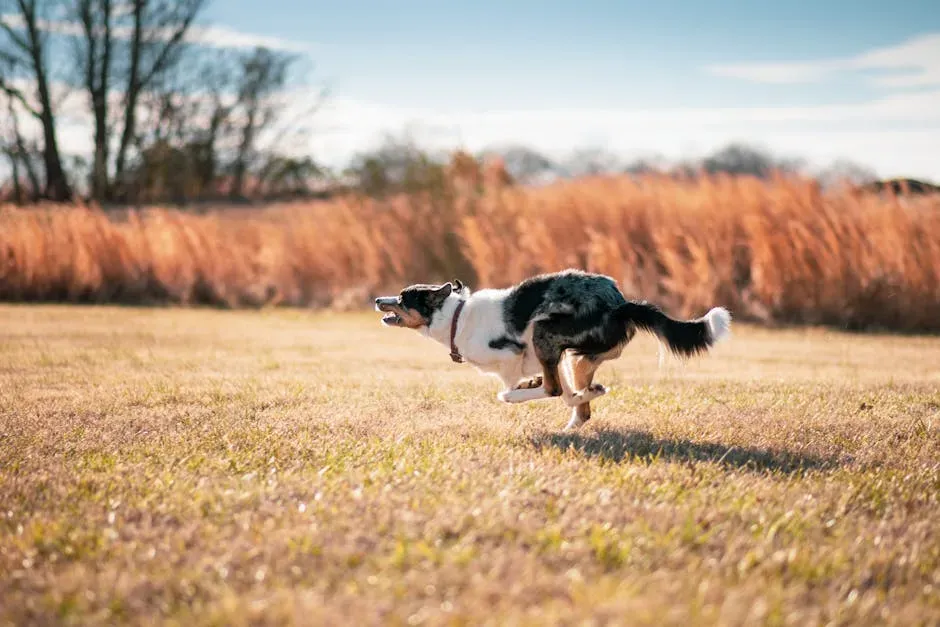
Calling a dog simply hyperactive can be a bit like blaming a boiling kettle for whistling. Zoomies often show up when dogs haven’t had enough physical exercise, mental stimulation, or chances to make choices during the day. A dog that lies around while you work and then “goes crazy” at 7 p.m. may not be hyper; they might just finally have your attention and a chance to move.
There are rare medical or behavioral conditions where a dog truly struggles with impulse control or constant restlessness, and those deserve a professional’s help. But for many everyday dogs, the label of hyper is really about human schedules not matching canine needs. When you adjust routines, add play, and give them better outlets, those dramatic evening zoomies often soften into more predictable, manageable bursts.
Practical Ways to Channel That Energy Before It Explodes
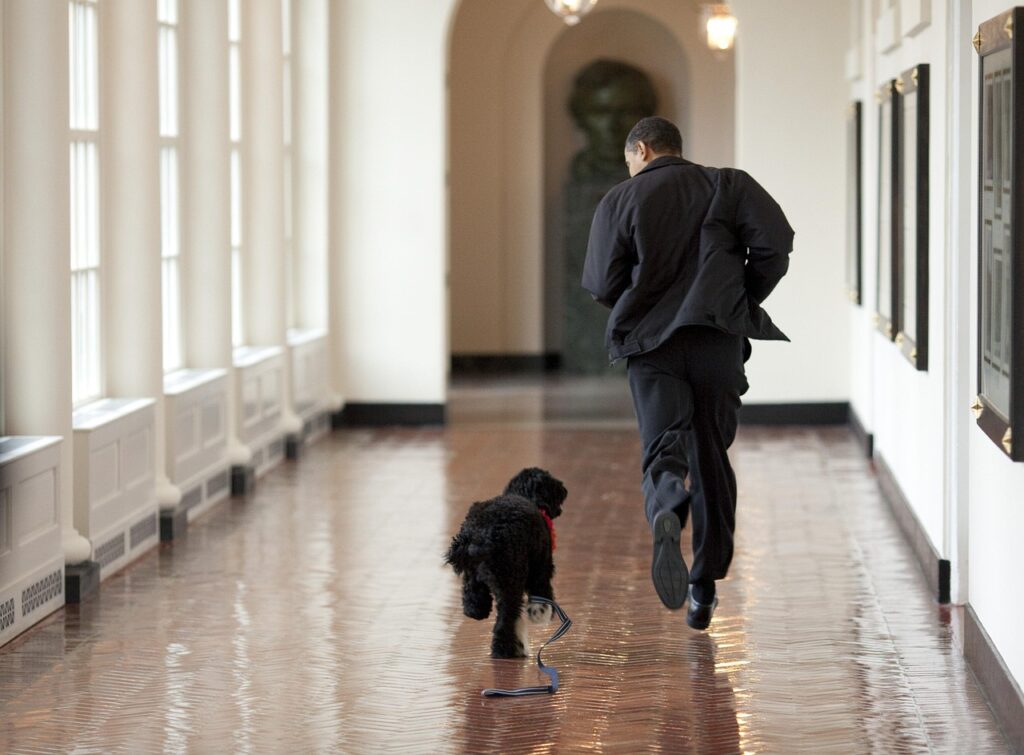
If you’d rather not have your dog doing laps across the sofa, the answer is not to scold the zoomies out of them but to drain the tank more thoughtfully. Regular walks that allow sniffing, not just marching, do a lot more for their brain than a quick trip to the nearest patch of grass. Adding short play sessions with fetch, tug, or simple training between your own tasks can spread their energy release throughout the day instead of letting it all build at once.
Just as important is mental work: puzzle feeders, simple scent games around the house, or practicing a few tricks for treats can tire them out in a satisfying way. When your dog has enough chances to move, think, and engage, those sudden outbursts tend to become less intense and more fun. You might still get some zoomies – and honestly, that can be healthy – but they feel less like explosions and more like little celebrations.
Safety First: Making Zoomies Less Risky Indoors
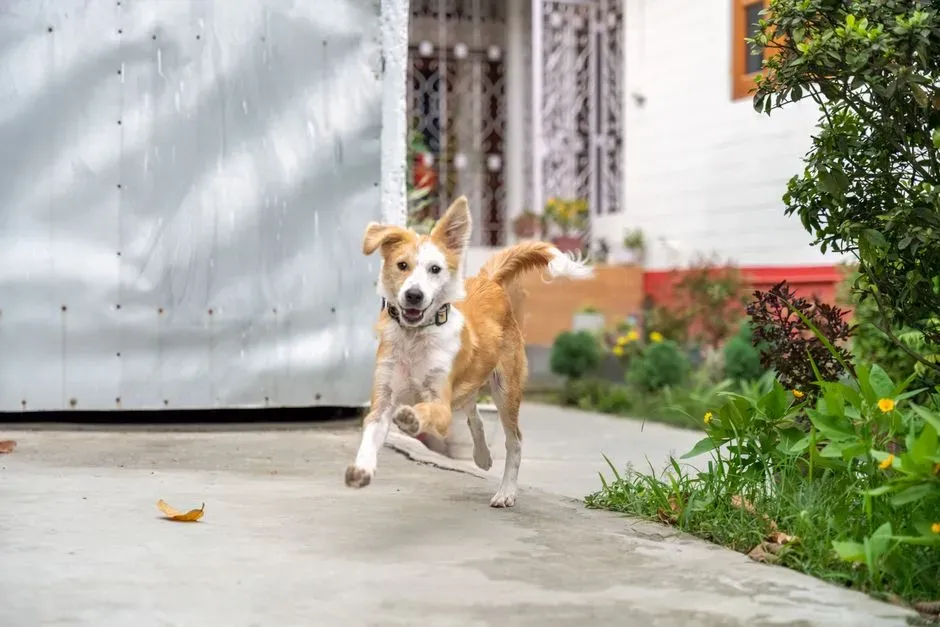
Even when zoomies are harmless from a behavioral standpoint, they can be risky in a cluttered or slippery space. Hard floors, sharp table edges, and narrow hallways can turn a happy sprint into a crash in seconds. If your dog often zooms after a particular trigger, like when you get home, it can help to guide them quickly to a safer area such as a carpeted room or yard before the burst kicks in.
You can also quietly dog-proof their zoomie path the way you might child-proof a play area. Moving breakable items out of reach, adding rugs for traction, and keeping doors to unsafe areas closed makes a surprising difference. You are not trying to shut down their energy; you are simply shaping the environment so their joyful chaos does not end in injuries or broken glass.
What Zoomies Say About Your Relationship With Your Dog
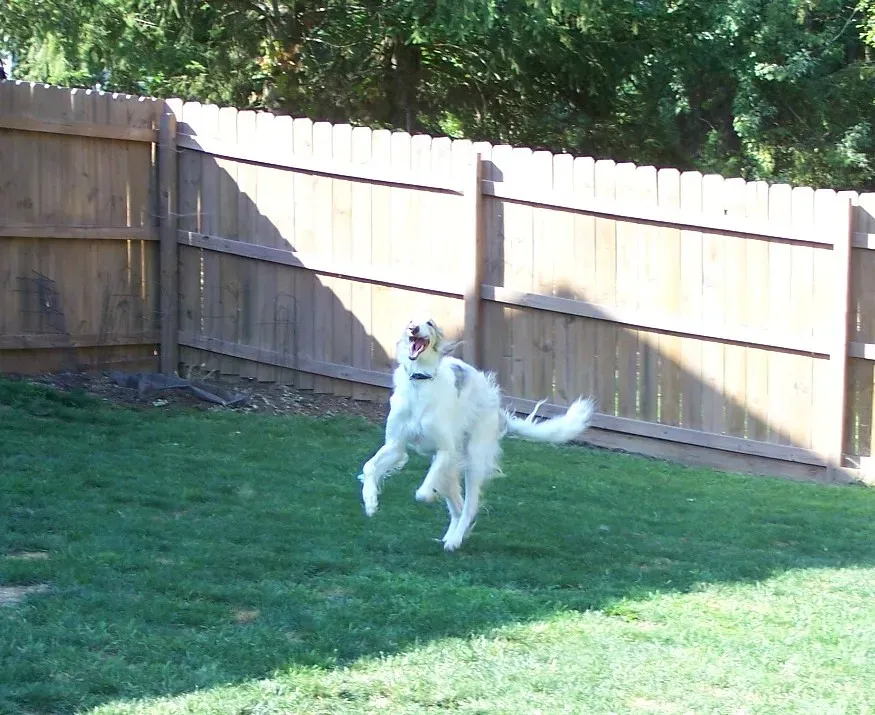
Those wild sprints can actually be a small window into how your dog feels about you and their life with you. Dogs who feel safe, attached, and comfortable enough to let go emotionally are more likely to show you the goofy, unfiltered side of themselves. When my own dog races around the living room after a long day indoors, I see it as a kind of honest confession: this is how big his feelings are about finally getting to play with me.
Zoomies can be your reminder to check in with yourself too. Are you expecting your dog to live a quiet, controlled life in a body that was built for movement, exploration, and expression? When you shift from seeing these bursts as bad behavior to seeing them as messages, you start asking better questions – like how you can meet your dog’s needs more fully, not just keep them quiet and contained.
Conclusion: Zoomies Are Messages, Not Misbehavior

In my view, dogs who suddenly start zooming around the house are not being dramatic or disobedient; they are communicating in high-speed, four-legged language. Most of the time, they are telling us they have been holding onto more excitement or tension than their body can comfortably store. Instead of slapping them with the lazy label of hyper, it makes far more sense – and feels a lot more respectful – to see zoomies as a release valve that appears when we have not given that energy somewhere better to go.
If we start treating those wild laps as feedback rather than a flaw, our response changes: more walks, more play, more brain work, and safer spaces to run when the mood hits. Zoomies will probably never vanish completely, and honestly, the world would be a little duller if they did. The real goal is not to erase them, but to understand them well enough that they become a sign of a life being lived, not a problem to stamp out. Next time your dog takes off on a spontaneous sprint, will you see a hyper dog – or a friend finally letting their feelings fly?