
17 Habits Owners Accidentally Teach a Dog Without Realising and Then Spend Years Attempting to Reverse
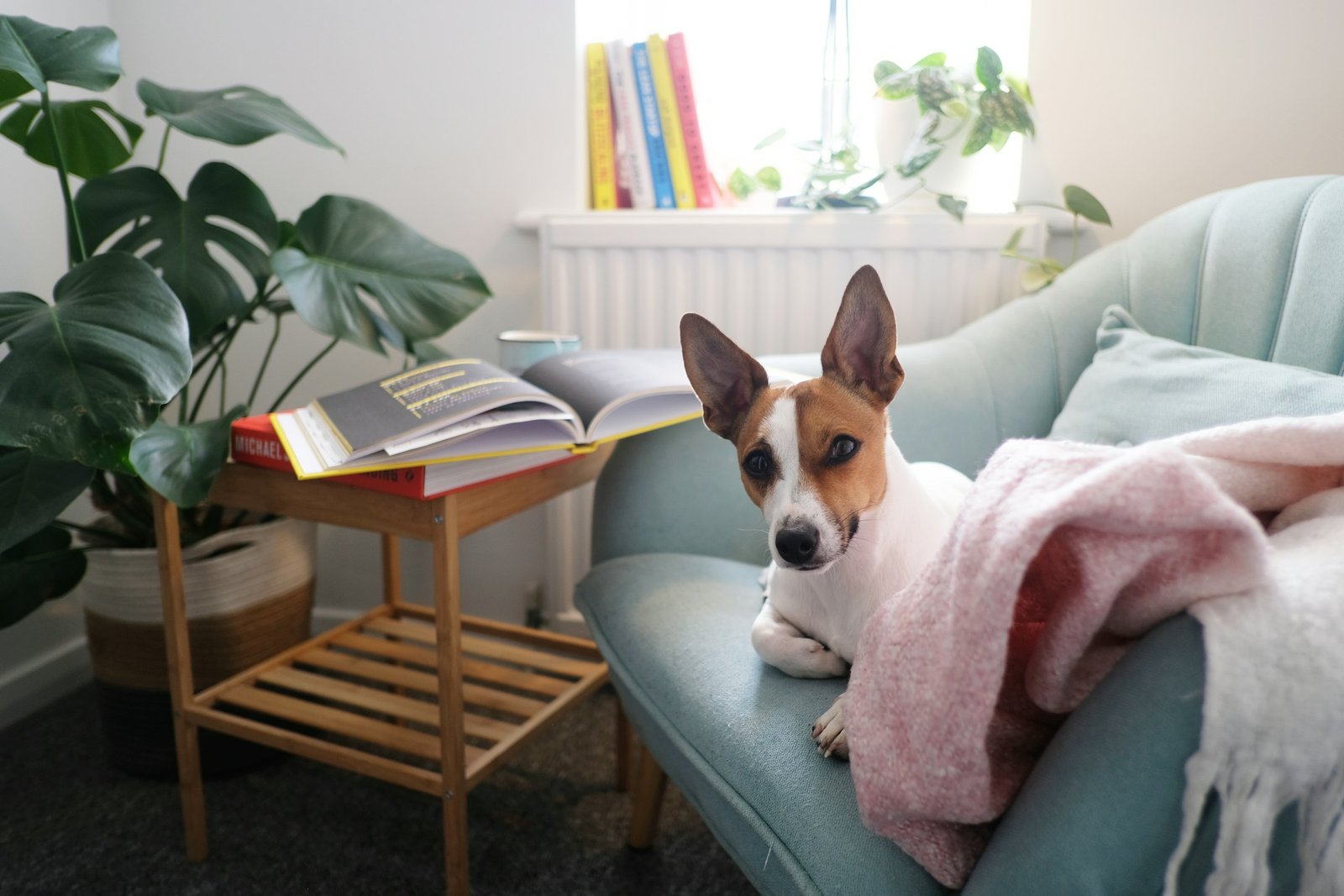
You swear you’re not “training” your dog when you baby-talk them, laugh at the chaos, or let one thing slide “just this once.” Meanwhile, your dog is quietly taking notes on every reaction, every tone shift, every moment you cave. Behaviorists have a blunt way of putting it: you are training your dog every second you live together, whether you mean to or not.
That’s the uncomfortable part. The habits below aren’t random bad luck or “just his personality.” They’re patterns dogs learn from us – our timing, our inconsistency, our soft spots – and once they’re installed, they’re brutally hard to uninstall. Here are the 17 habits owners accidentally teach their dogs, and the slow, humbling process it takes to undo them.
I rehabilitate dogs. I train people.
Cesar Millan
#1 – Teaching That “No” Is Just Background Noise
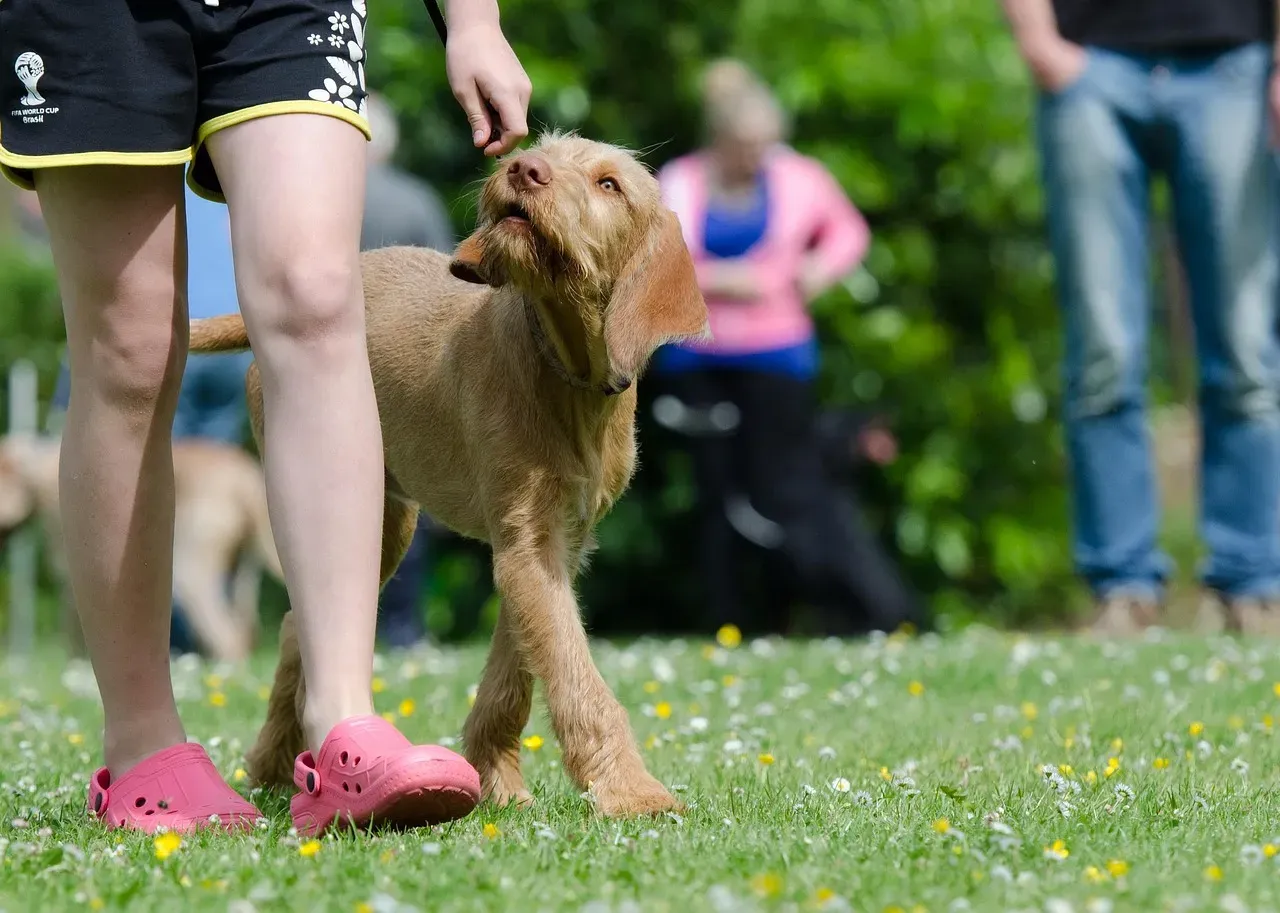
Most people think saying “no” louder counts as training, but dogs quickly learn that the word carries zero consequences and no clear alternative. They hear it 50 times a day – on the couch, at the door, in the kitchen – while still getting attention, eye contact, or even a pat right after. To a dog, “no” becomes noise, not a cue.
Owners then spend years yelling “no” at barking, jumping, chewing, or counter-surfing, wondering why nothing changes. The dog has learned that when that word shows up, nothing actually happens: no redirection, no change in environment, no follow-through. The fix is brutally simple and annoyingly hard – replace vague “no” with clear, trained commands like “off,” “leave it,” or “settle,” then follow through every single time.
#2 – Rewarding Barking as a Communication Tool
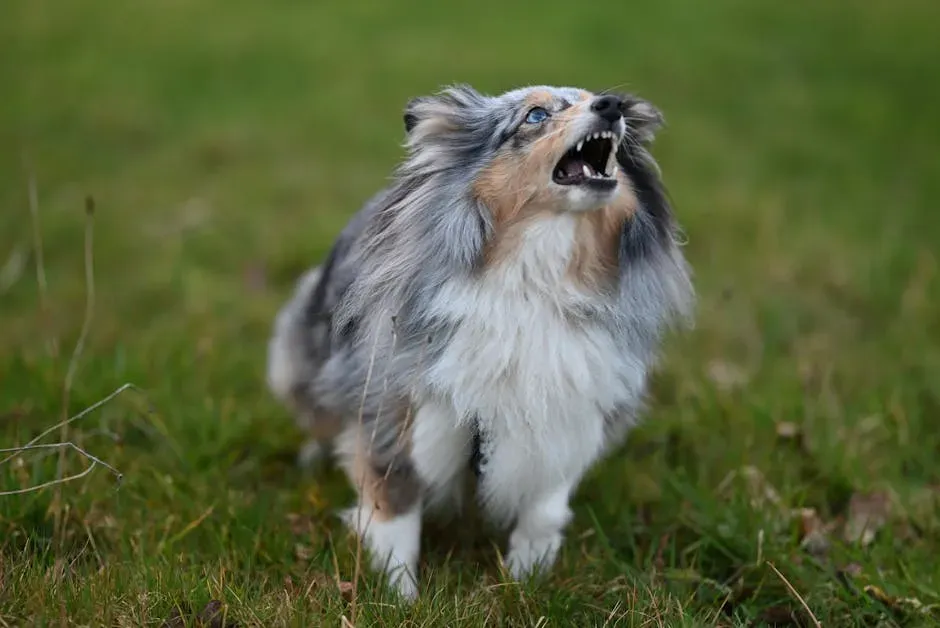
Here’s the sneaky one almost no one admits to: many owners accidentally teach their dog that barking is the fastest way to get what they want. Dog barks. Human gets up, opens the door, throws the toy, fills the bowl, or just talks back. From the dog’s point of view, barking works, every single time.
Now you’ve got a dog that “yells” for everything – food, walks, play, attention, other dogs out the window. Even negative attention like “Quiet!” still counts as engagement for a bored dog. You built a furry telemarketer that never stops calling, and stopping it means ignoring the noise until it gets worse before it gets better – the dreaded extinction burst that makes most owners cave right when it matters most.
Fast Facts
- Attention-seeking barking is reinforced on an unpredictable schedule, which is exactly why it’s so hard to shake.
- An extinction burst often makes barking louder and more frequent for a short stretch before it fades.
- Vocal breed groups like herding and terrier lines can amplify an attention-barking habit once it’s learned.
- Consistency matters more than intensity – one slip of caving resets the pattern back to square one.
#3 – Accidentally Training Jumping as a Greeting
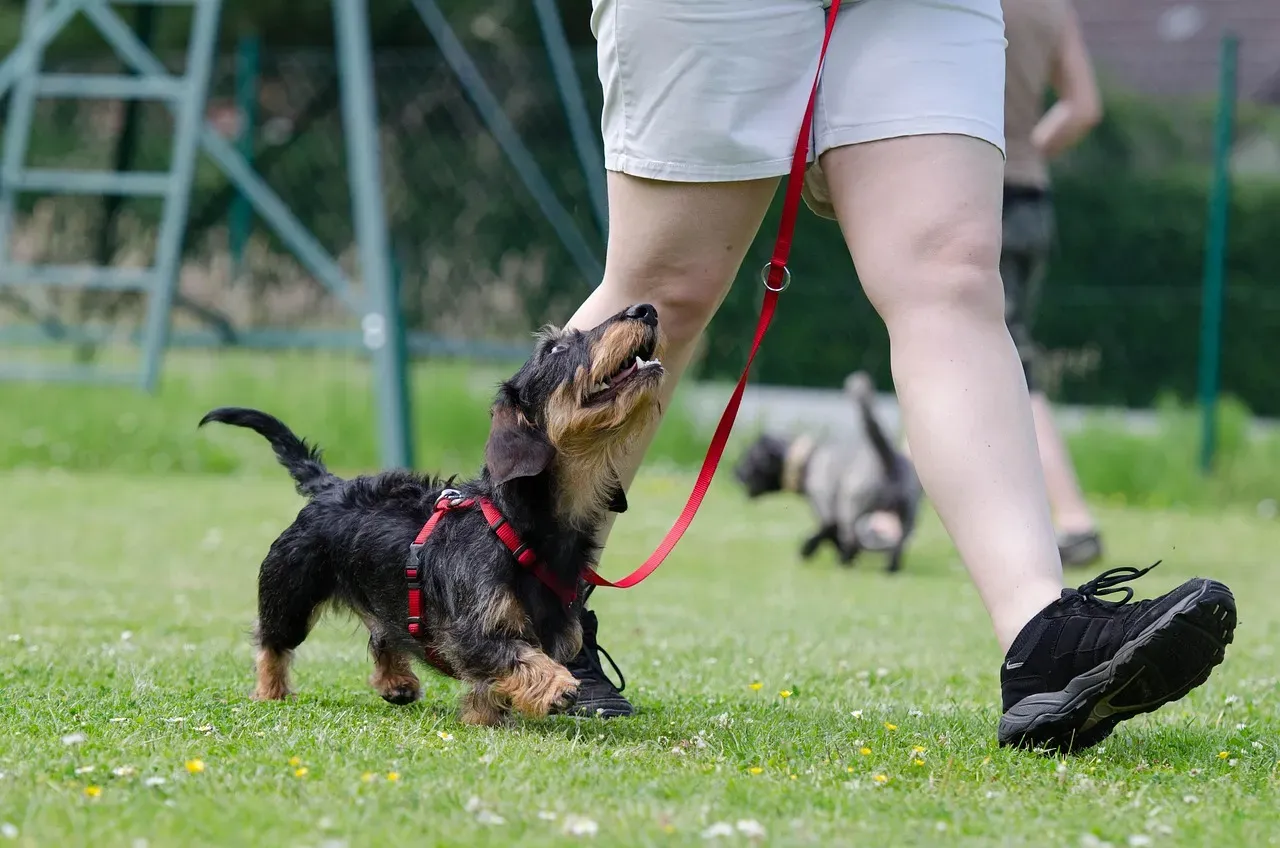
Nearly everyone says “I hate when dogs jump,” yet the same people lean in, laugh, squeal, or pet a puppy that launches at their chest. That’s not neutral – it’s a neon sign that says “do that again every time you see a human.” Puppies read patterns fast: jumping plus excited humans equals jackpot.
Fast-forward a year, and that ten-pound fluff is now a seventy-pound missile knocking over kids and grandparents. Pushing the dog off or shouting “down” doesn’t help, because physical contact and shouting are still attention in the dog’s eyes. The actual fix is painfully boring: ignore the jump, turn away, only engage when four paws hit the floor – and get every guest onboard, because one friend cooing “oh, I don’t mind” can undo a week of progress in ten seconds.
#4 – Creating a Velcro Dog by Never Practicing Separation

Many owners secretly love when their dog follows them everywhere. It feels like loyalty. What they’re actually doing is installing a dependence loop that can quietly turn into full-blown separation anxiety.
Then life happens – a new job, a vacation, a hospital stay – and the dog that’s never once been alone is suddenly left in an empty house for hours. Cue howling, chewing, crate-escape attempts, even self-injury. People call it “sudden” separation anxiety, but it was built slowly, one un-practiced goodbye at a time. Undoing it means teaching micro-absences – thirty seconds, then a minute, then five – while staying emotionally neutral about every arrival and departure.
#5 – Turning the Leash Into a “Pull to Go Faster” Device
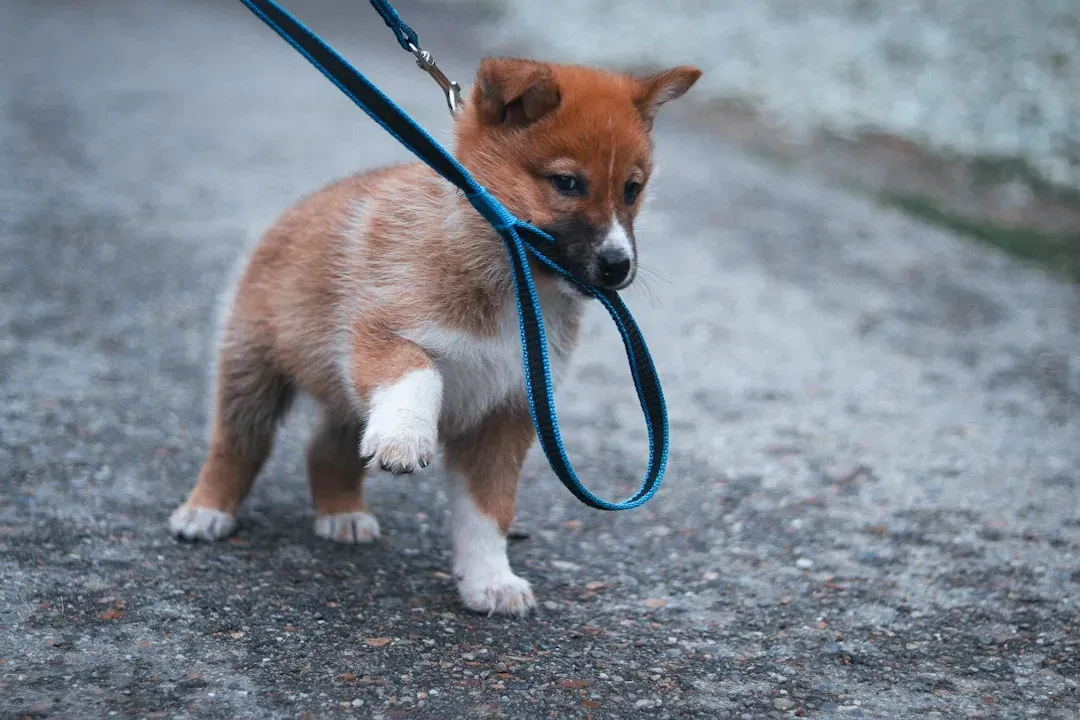
Almost nobody teaches leash manners on day one; they just clip the leash and walk. What the dog learns instantly is simple: pulling gets us there quicker. Pull toward the park, the human speeds up. Lunge at a smell, the human follows.
Months later, owners are being dragged down the block, buying harness after harness, insisting their dog is “just strong-willed.” In reality, the dog is extremely well trained – at pulling. Reversing it is monotonous: every step forward happens on a loose leash only, tight leash means you stop, and a softened leash means you go again. It’s tedious for humans but crystal clear to dogs, which is exactly why most people quit after two walks and accept being dragged for the next decade.
#6 – Making Food Guarding Worse by “Testing” the Dog

Plenty of owners do that “I can take your food if I want” routine – hovering, petting, or repeatedly pulling the bowl away “so the dog gets used to it.” It sounds logical, but it teaches the dog that a human approaching their food is a threat, not a good thing.
Many of these dogs started out completely neutral about food, right up until humans proved, over and over, that their presence meant losing the meal. Dogs aren’t toddlers you show “who’s boss” – they’re animals wired to protect scarce resources. Undoing this can take months of trading up, feeding in calm spaces, and teaching “drop it” with positive associations, and most owners only start once a bite has already happened.
#7 – Accidentally Reinforcing Fear with “It’s Okay” Comforting
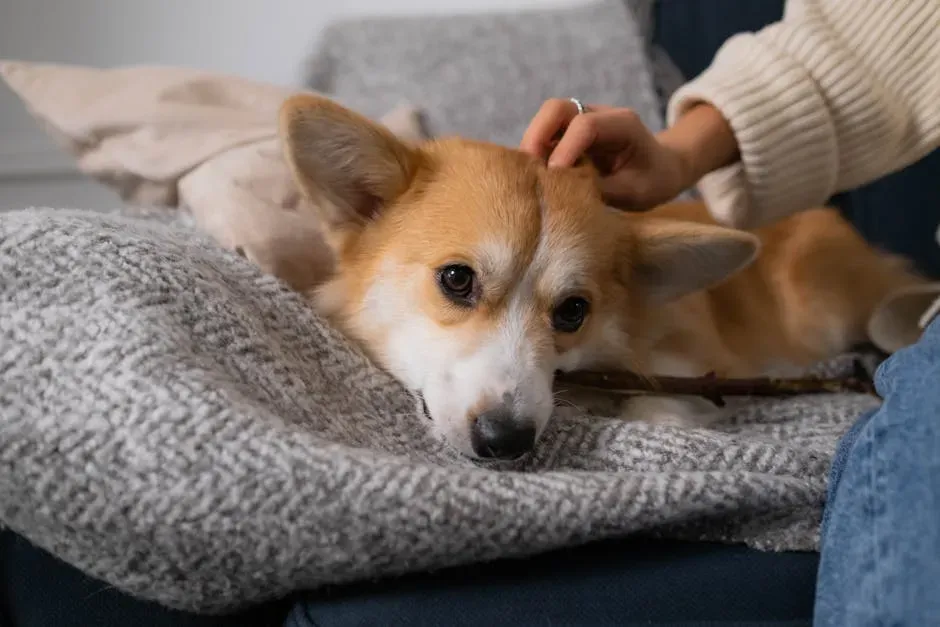
When a dog is scared of thunder, fireworks, or the vet, most humans do the same thing: cuddle, coo “it’s okay,” and pet nonstop. It feels compassionate. But your tone and touch are powerful signals, and you can unintentionally mark the fearful behavior as correct, even rewarding.
This doesn’t mean ignoring a terrified dog – the mistake is pairing intense, syrupy reassurance with every whine and shake. Trainers coach a middle path instead: stay calm, neutral, and available, but don’t fuss over every tremor. Dogs crave stable, predictable leadership far more than emotional over-involvement, even when staying calm feels “mean” in the moment.
#8 – Teaching That People at the Door Mean Chaos
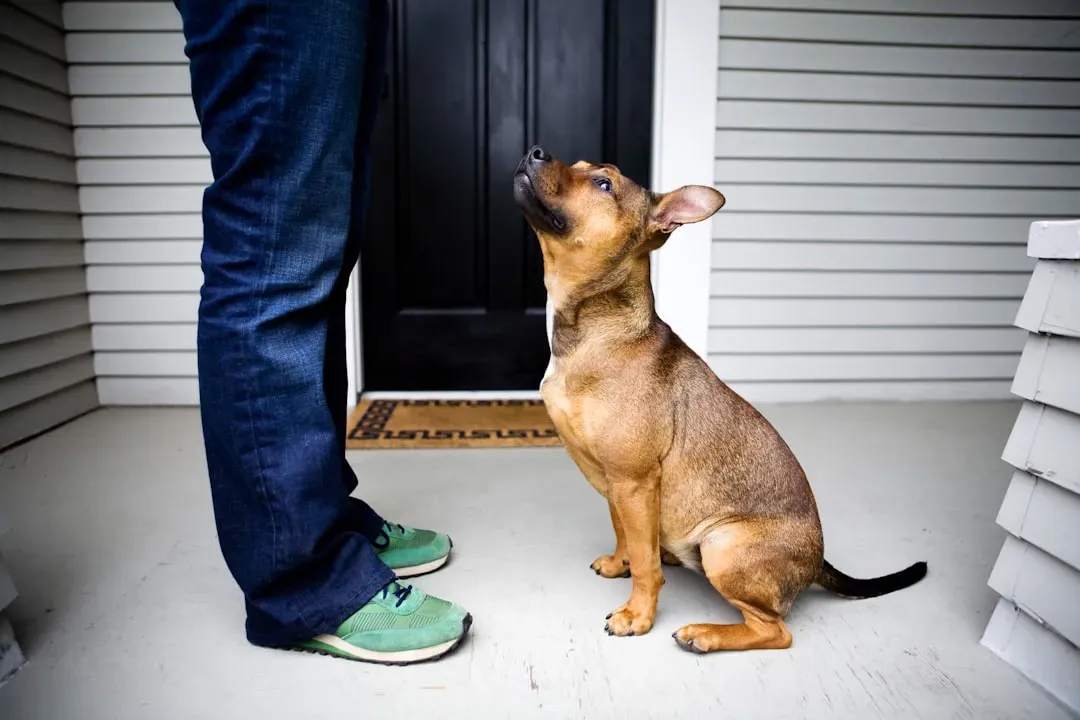
Picture the typical doorbell scene: bell rings, dog explodes, everyone yells, voices go high, hands flail. You couldn’t design a better rehearsal for permanent overarousal if you tried. Doorbell quickly becomes adrenaline surge, and many owners even encourage it early on with “who’s there, go see!”
That’s charming until Amazon shows up eight times a week and the neighbors complain. Undoing this means actually teaching a door routine, not just wishing for a calmer dog:
- Bell rings, dog goes to a bed or mat.
- Dog holds position, dog gets rewarded.
The catch is that very few people practice this outside of real visitors, so the dog only ever rehearses mayhem instead of manners.
#9 – Creating a Picky Eater by Playing “Food Circus”
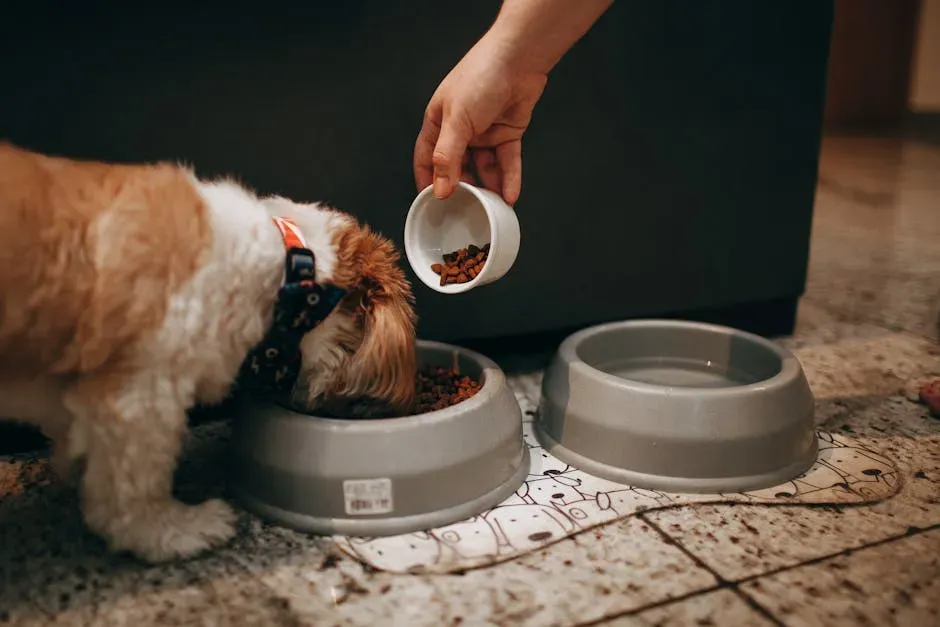
Owners hate seeing uneaten kibble, so they start tweaking: a little chicken, a drizzle of gravy, a spoonful of yogurt. Dog sniffs, walks away. Human panics and offers something tastier – and the dog learns the fastest lesson in the world: hold out, and a better menu appears.
Within a week you’ve got a four-legged restaurant critic with a rotating pantry of toppers, and owners start worrying something is medically wrong when really, the dog has trained the human beautifully. Fixing it is emotionally brutal but simple: offer the meal, pick it up after 15-20 minutes untouched, and don’t offer anything else until the next scheduled meal. Within days, most healthy dogs start eating again.
Quick Compare
- What feeds the habit: Swapping foods the moment a dog walks away from the bowl.
- What breaks it: Picking the bowl up after 15-20 minutes and waiting for the next scheduled meal.
- What feeds the habit: Hand-feeding or adding toppers out of worry rather than medical need.
- What breaks it: Sticking to one predictable menu and letting genuine hunger do the convincing.
#10 – Turning the Bed and Couch Into Non-Negotiable Territory

Letting a dog on the bed or couch isn’t automatically a problem. The issue is never teaching “on” and “off” as cues, then acting shocked when the dog growls at being moved or refuses to budge later.
From the dog’s view, the furniture has always been shared real estate – no one ever asked them to get off nicely, people just shoved or yelled when it was inconvenient. Reversing it means going back to basics: teach “off” with a treat tossed to the floor, reward getting up and down on cue, and then pick one rule for the whole household and stick to it. Inconsistency is what melts a dog’s brain – one person saying yes and another saying no is a recipe for a dog punished for following yesterday’s rules.
#11 – Teaching That Recall Is Optional Background Noise
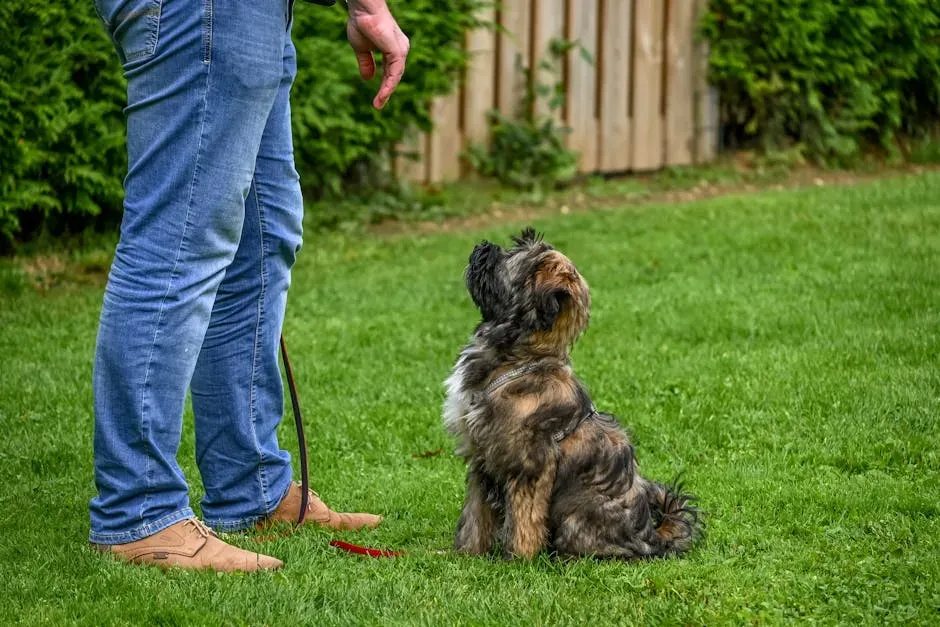
Most people poison their recall word in the first month. They shout “come” nonstop at the park, while the dog is busy, while they’re angry, right before clipping the leash and ending the fun. The dog learns fast: hearing “come” often predicts something boring or bad.
So they hesitate, or ignore it outright, and owners upgrade to yelling, chasing, or bribing. To fix it, trainers usually retire the old word entirely and teach a new one under strict rules: say it once, only when you’re 90 percent sure of success, and pay like a slot machine jackpot when it lands. This is one of the hardest habits for humans to break, because we’re addicted to repeating ourselves.
#12 – Rewarding Rough Play That Later “Turns Aggressive”
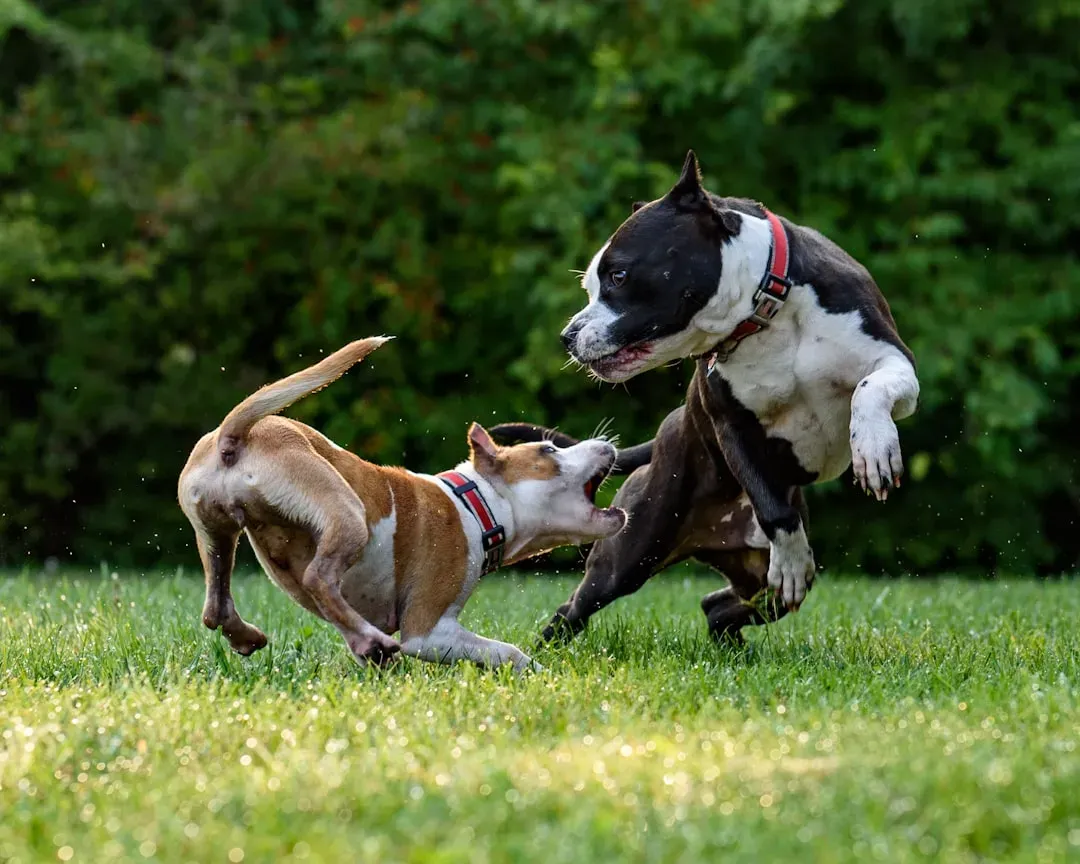
Many owners think it’s funny when puppies body-slam, grab hands, or play-bite during rowdy play. There’s wrestling, shrieking, chasing, and no one sets boundaries. The puppy learns that squealing, flailing humans mean it’s time to go harder – you’re literally teaching them that teeth and body weight on people is part of the game.
Fast-forward to adolescence, and that same behavior from a fifty-pound dog isn’t cute anymore, it’s scary. Kids get knocked down, guests get bruised, and owners start punishing a pattern they tolerated for months. Fixing it means setting rules early: teeth never touch skin, jumping ends the game, and time-outs happen before the dog is fully wound up, not after.
#13 – Turning Crate Time Into a Punishment, Not a Safe Place
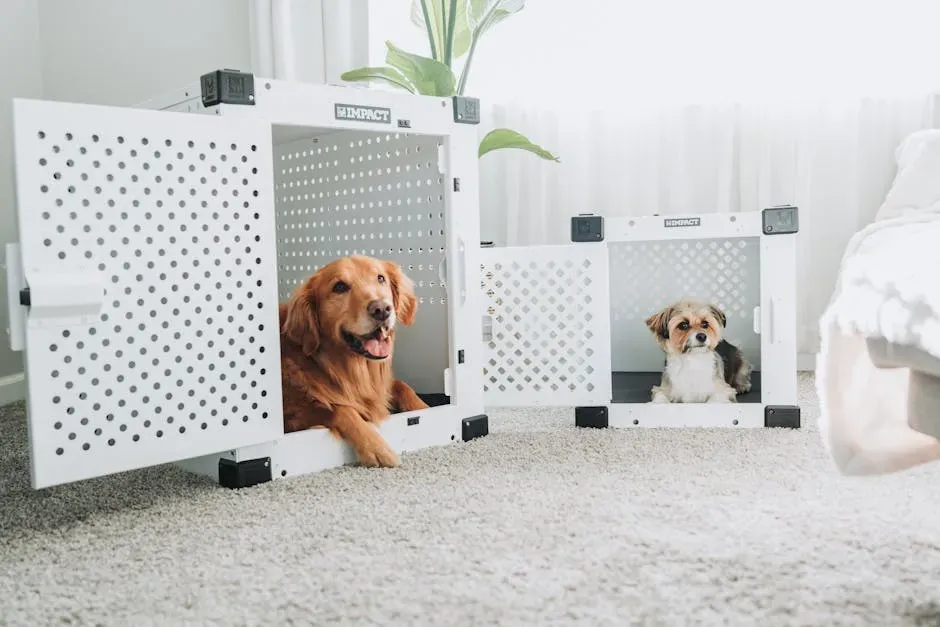
Many owners say “go to your crate” only when they’re angry – after a mess, before leaving, or when guests arrive. The crate becomes the place where fun ends and humans are irritated. Dogs are masters of association; they don’t see a neutral den, they see a timeout box.
Then those same owners expect the crate to magically help with house training or travel, and the dog resists, cries, or panics. A crate is just a plastic box – the meaning is entirely taught. Reversing it is slow: feed meals inside, give special chews only in there, and sometimes leave the door open while you’re home so it stops always predicting absence.
#14 – Teaching That Human Hands Are Toys
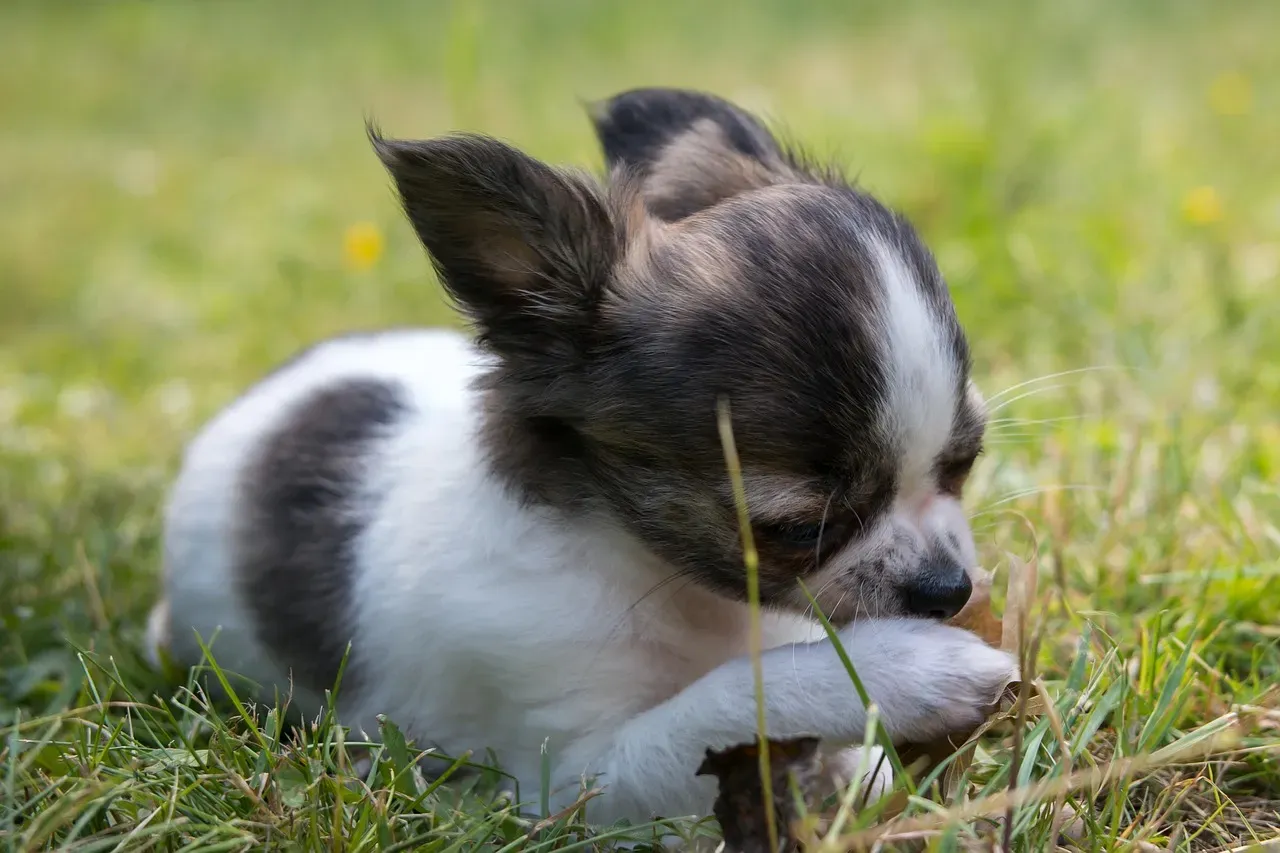
You know that “cute” hand play – wiggling fingers in a puppy’s face, letting them gnaw on your palm, using your hands to wrestle? Behaviorists quietly cringe. You’re conditioning your dog that skin is an acceptable, even fun, target for their mouth.
This gets especially ugly around kids, whose fast movements and squeaks trigger prey and play drive instantly. Nobody ever said “take the toy, not the flesh,” so when adults suddenly punish mouthing, the dog is stuck between instinct and a confusing rule change. The fix is boring but effective: hands deliver toys and treats, they’re never the toy, and the second teeth touch skin, the game stops completely.
Worth Knowing
- Puppies normally learn bite inhibition from littermates and humans in the first few months of life.
- An adult dog’s jaw carries far more pressure, so a “cute” puppy habit becomes a real injury risk later.
- Consistently redirecting to a toy the moment teeth touch skin is the standard approach trainers and vets recommend.
- Kids are especially at risk because their quick movements and high-pitched sounds trigger play and prey drive fast.
#15 – Rewarding Whining and Pawing as a Communication System
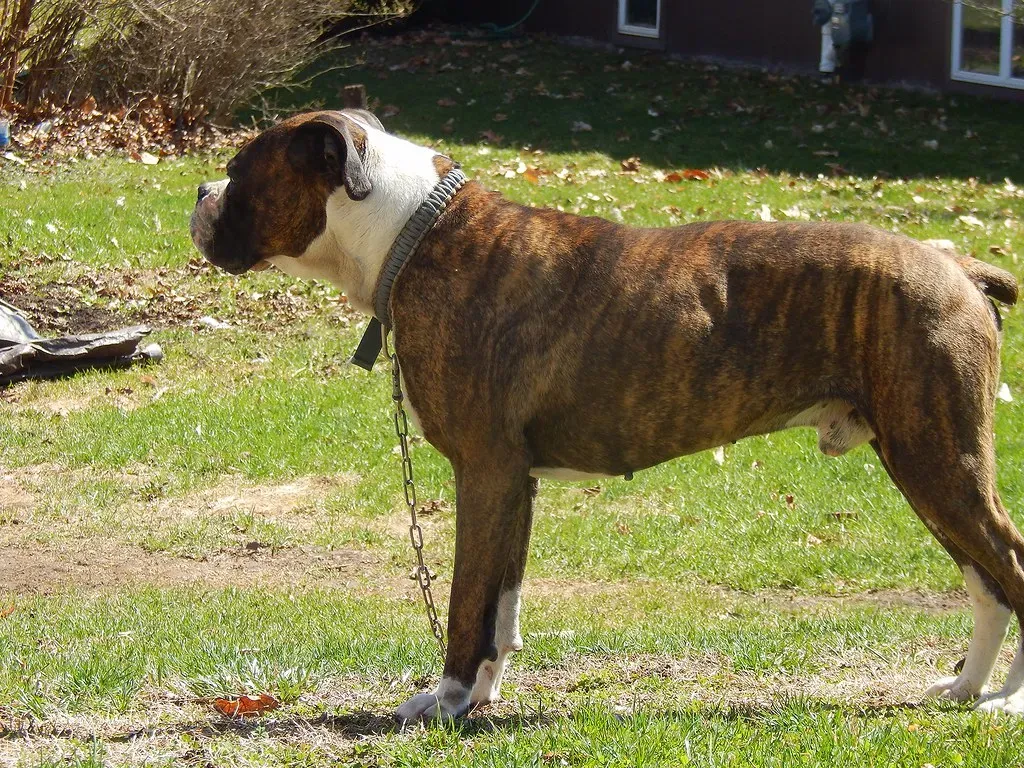
Think about how often a dog whines or paws and someone responds – opening the door, petting, tossing a ball. Without any evil intent, owners build a dog that uses nuisance behaviors as their main language. Sit quietly and you’re ignored; whine and poke with a paw, and it’s a jackpot.
Once that pattern sticks, the dog struggles to self-soothe in crates, cars, or beside the couch. Even snapping “quiet” is still engagement, so the dog thinks “if I keep at it, I’ll get something” – and honestly, they’re usually right. Reversing it means ruthlessly flipping the script: respond only to calm behavior, freeze or turn away during whining, and reward eye contact and polite sits before giving access to anything.
#16 – Teaching Car Rides to Mean Instant Explosion

Loads of owners only put their dog in the car for one of two things: the park, which is mega exciting, or the vet, which is mega stressful. Add in letting the dog pace, whine, and stare frantically out the windows the whole ride, and you’ve built a perfect storm of car reactivity.
Dogs arrive at destinations already aroused or freaked out, barking at everything and unable to settle once they’re out. The fix requires patience: short, boring car rides that end in nothing dramatic, sometimes just a drive around the block and home, with the dog secured, given a chew, and praised for lying down. You’re teaching that the car is just another calm space, not a rocket launcher.
#17 – Confusing the Dog With Inconsistent Rules and Emotional Swings
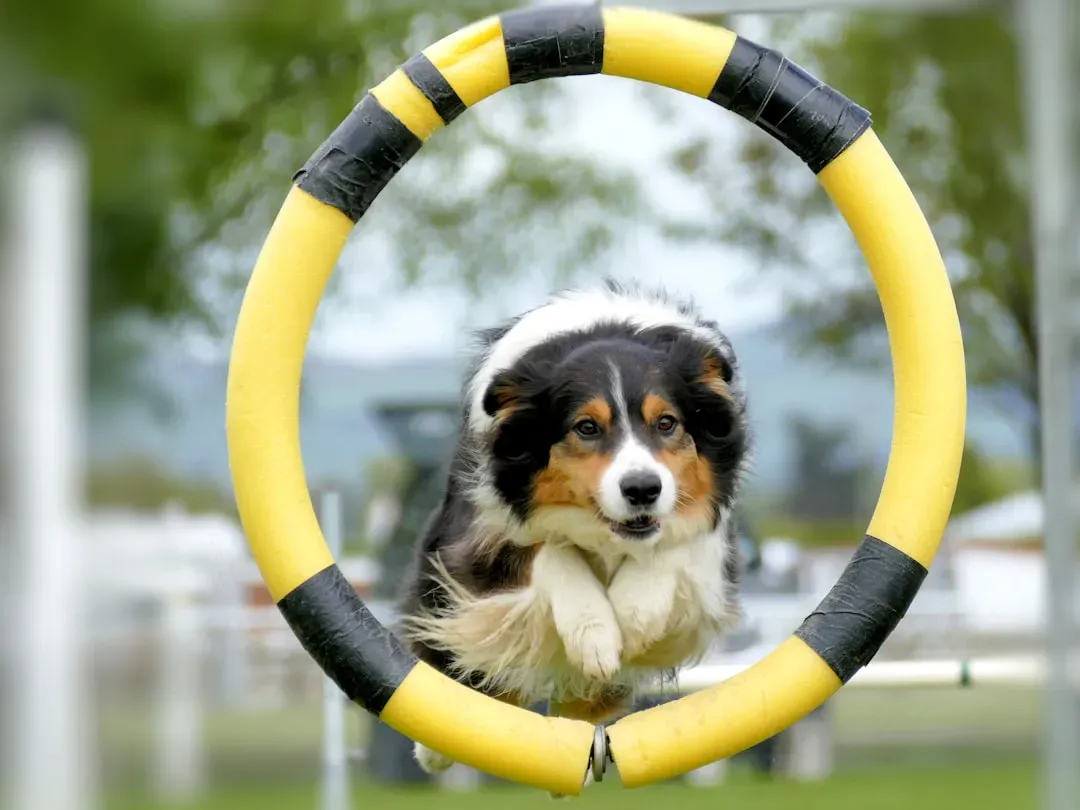
This is the habit that quietly ruins everything else on this list: inconsistency. One day the dog is “allowed” to jump because you’re in a good mood; the next day you’re tired and punish the exact same thing. Dogs can handle rules. What they can’t handle is chaos.
Over time, they stop trusting cues, because those cues stop predicting anything stable. Owners end up with a dog that “doesn’t listen” or “acts stubborn,” when really, the human has been unpredictable. The fix isn’t fancy equipment or a viral hack – it’s sitting down as a household and deciding, once and for all, what the actual rules are and agreeing to enforce them the same way, every time.
At a Glance
- Same word, same meaning, every time – cues can’t shift depending on mood.
- Same consequence for the same behavior, whether it’s a good day or a bad one.
- Every household member enforcing identical rules, not just whoever is home at the time.
- Predictability, not strictness, is what actually calms a confused dog down.
The Bottom Line
When dogs “misbehave,” the story most people tell is that the dog is stubborn, spiteful, or badly bred. Look closely at these 17 habits, though, and a harsher truth shows up: our daily reactions quietly train the exact behaviors we end up hating. Pulling on leash, barking at the door, resource guarding, separation meltdowns – none of it appears out of thin air.
It grows from tiny, repeated moments where the dog learns “this is how the world works.” The good news is just as uncomfortable as the bad news: if humans created the habit, humans can change it. Not overnight, not with one viral hack, but with boring consistency and the honesty to admit, “I taught this, even if I didn’t mean to.”
So here’s the question worth sitting with: which of these 17 habits are you ready to own, and which one are you still quietly blaming on your dog?