
14 Things Trainers Pick Up in a Dog Within the Opening Session That Owners Have Entirely Missed
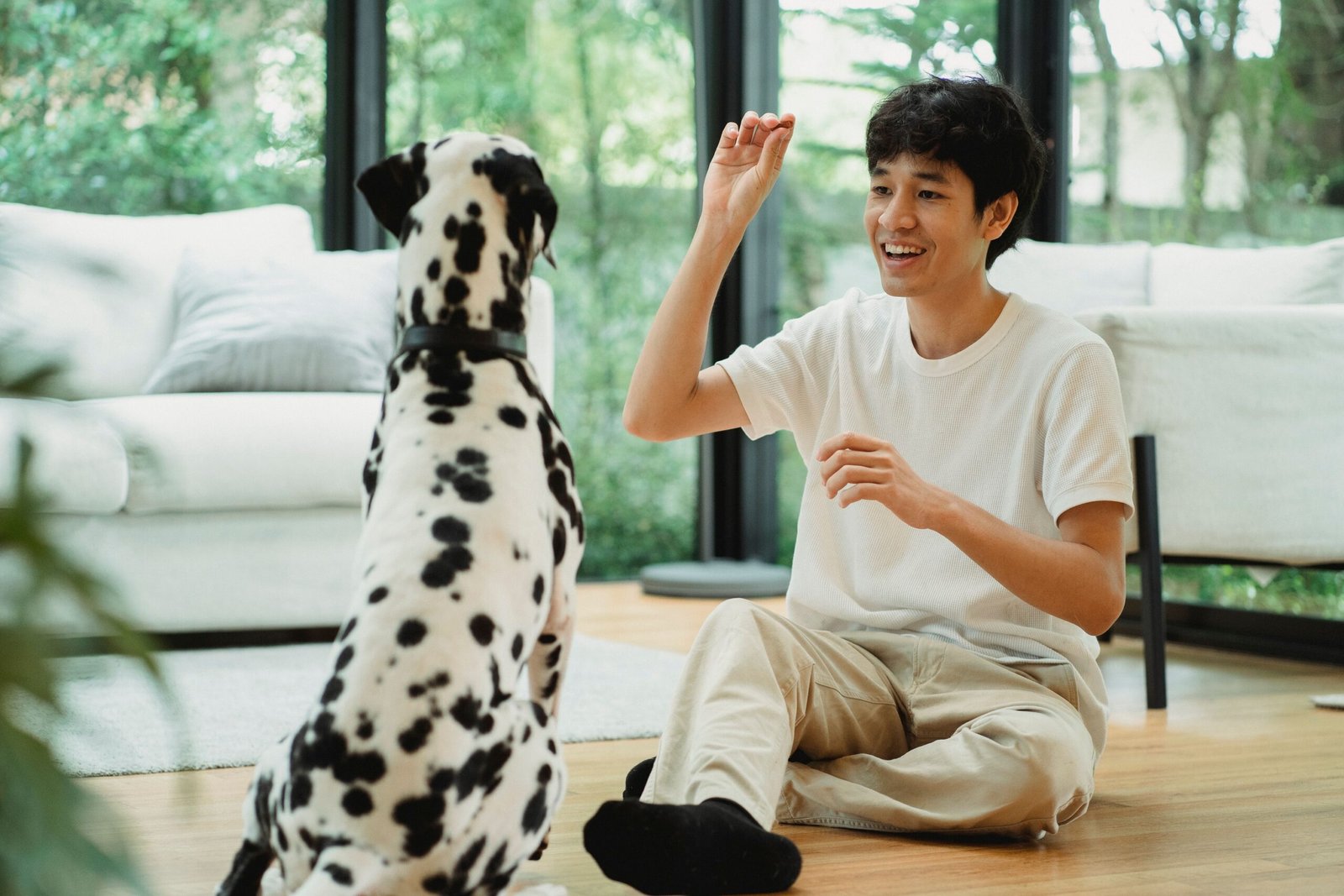
You walk into that first training session ready to explain everything: the leash pulling, the barking at the mailman, the way your dog “ignores” you the second another dog walks by. You’ve rehearsed the story in your head. And then the trainer barely lets you finish before you realize they already know most of it.
Because in the first ten minutes, a trained eye reads more about your dog than most owners pick up in ten months of living with them. Stress signals, trust cracks, fake obedience, silent warnings before a bite – it’s all written across your dog’s body if you know where to look. Here’s exactly what trainers catch in that opening session, long before you ever do.
#1 – Your Dog’s Real Stress Level (Not the One You Think They Have)
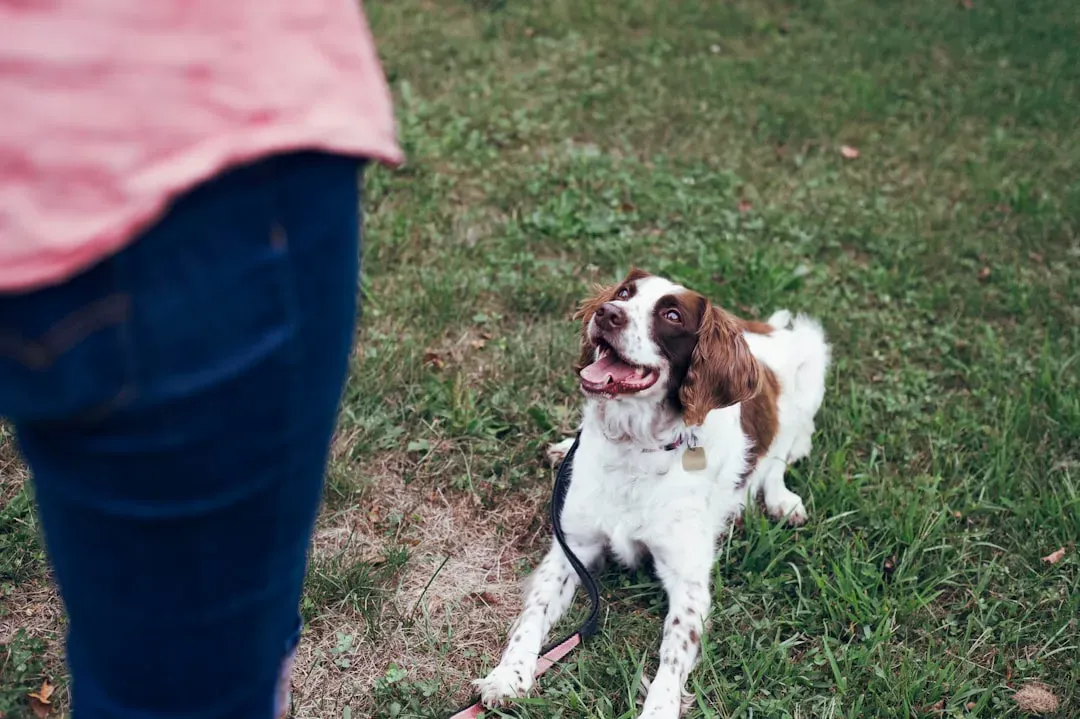
Here’s the boldest mistake almost every owner makes: assuming a wiggly, excited dog is “happy” and a still, quiet dog is “calm.” Trainers know better. Within the first thirty seconds, they’re already scanning for real stress signals – dilated pupils, ears pinned slightly back, a tail held high and stiff, panting that starts and stops with a closed mouth.
That’s not friendliness. That’s over-arousal, and it’s often the hidden root of reactivity, barking, and the “he never listens outside” complaint. Trainers also catch the opposite trap: the dog who looks “so chill” because he’s flopped on the floor or moving in slow motion. A lot of those dogs aren’t relaxed at all – they’re shut down, emotionally checked out. Slow blinking, frozen posture, random yawning, avoiding eye contact, staring at the door – owners call it lazy or shy. Trainers call it a dog barely holding it together.
Quick Compare
- Over-aroused dog: dilated pupils, stiff high tail, start-stop panting, ears pinned back
- Shut-down dog: slow blinking, frozen posture, random yawning, no eye contact
- What owners often see: “friendly” or “calm”
- What trainers actually see: a nervous system already maxed out
#2 – How Attached Your Dog Is to You… and Whether It’s Healthy

Most owners proudly announce, “He’s so attached to me, he follows me everywhere!” the moment they walk in. Trainers immediately start quietly testing what that actually means. Does your dog check in with confidence, or is he glued to you like a security blanket? There’s a huge gap between healthy attachment and crippling dependence – and the second one is a straight line to separation anxiety and reactivity.
Watch what a trainer does next: they’ll step a few feet away, sit down, or hand you the leash to someone else, just to see what happens.
- Does your dog panic, whine, spin, or drag you back to your side?
- Does he instantly tune you out the second another human shows interest?
Owners often confuse anxiety with love and panic with loyalty, then can’t figure out why their dog falls apart at the groomer. A good trainer is already mapping how to move that dog from clingy dependence toward real, confident connection.
#3 – Your Dog’s Natural Temperament, Not Just Their “Bad Habits”
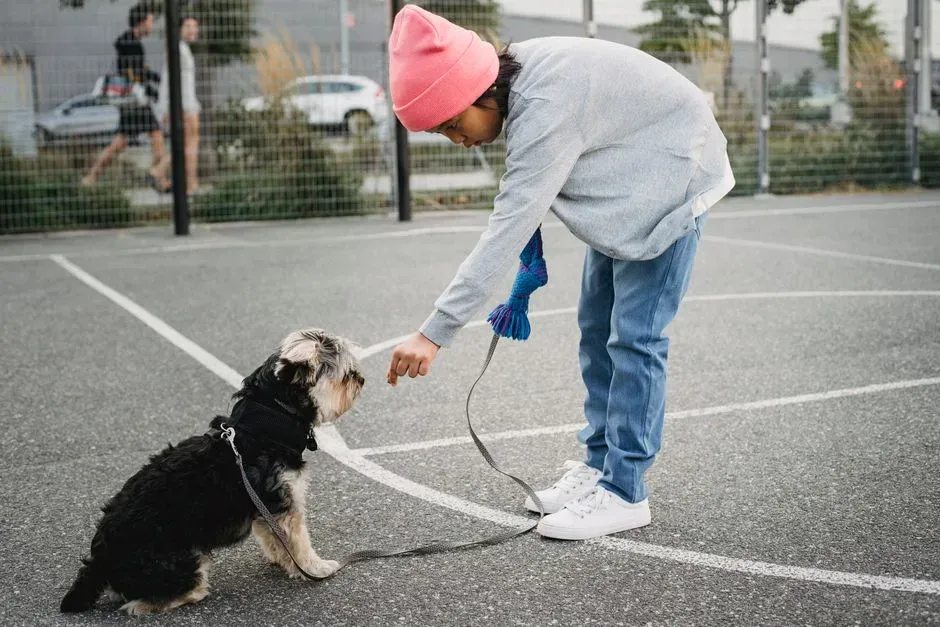
Most people walk in with labels already loaded: “He’s stubborn.” “She’s dominant.” “He’s just crazy hyper.” Trainers mentally toss those out the window and start looking for something more useful – how your dog naturally responds to new people, sounds, and pressure. Bold and pushy? Soft and sensitive? Cautious but curious? That answer decides which training approach will actually work.
Within minutes, they’re watching whether your dog recovers quickly after a startle, shuts down after a firm “no,” or gets more amped every time you talk or move. A so-called “stubborn” dog is often just highly independent and less eager to please – he needs structure and high-value rewards, not more scolding. The “anxious” one may actually be sensitive and eager, just crushed under too much pressure. Owners see good or bad. Trainers see wiring to work with, not against.
#4 – How Much of the “Problem” Is Actually You on the Leash
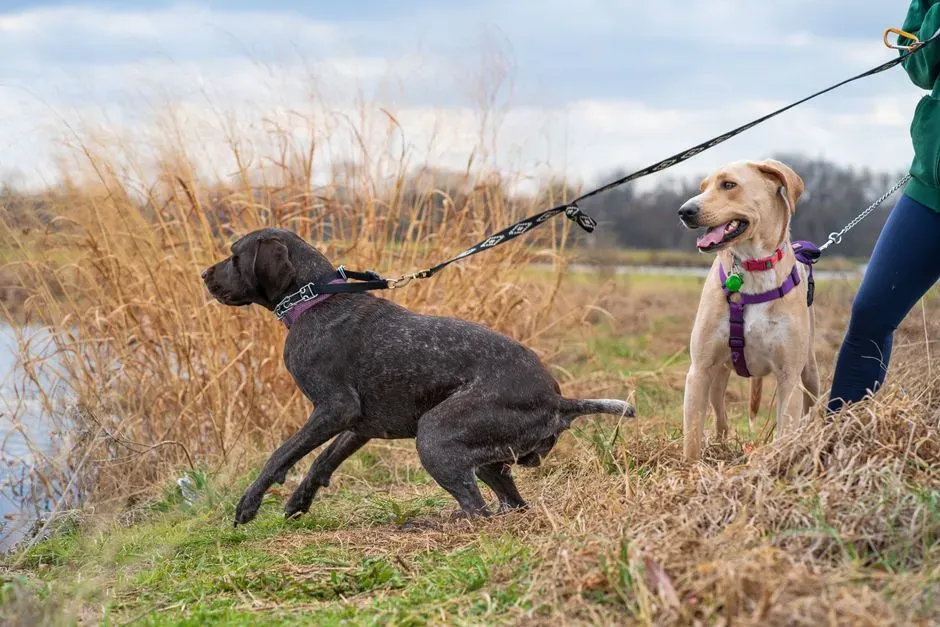
Trainers aren’t only watching your dog in that first session – they’re watching you like a hawk. Before you’ve even finished your opening explanation, they’ve clocked you wrapping the leash three times around your hand, jerking it when you’re nervous, reeling your dog in too tight, talking non-stop in a high, anxious voice. Your dog’s “leash reactivity” often spikes because of your body tension and timing, not despite it.
A sharp trainer notices whether you tighten the leash the moment you spot another dog, even before yours has reacted, and whether you stare at your dog’s face instead of where you’re walking, broadcasting uncertainty the whole way. Dogs read leash pressure and posture better than they read words. Shoulders up by your ears, white knuckles on the leash – your dog learns something’s wrong out here, and then barks, lunges, or freezes. You think you’re holding him back. Your trainer sees you teaching him to panic.
#5 – Whether Your Dog Is Confident, Insecure, or Faking It
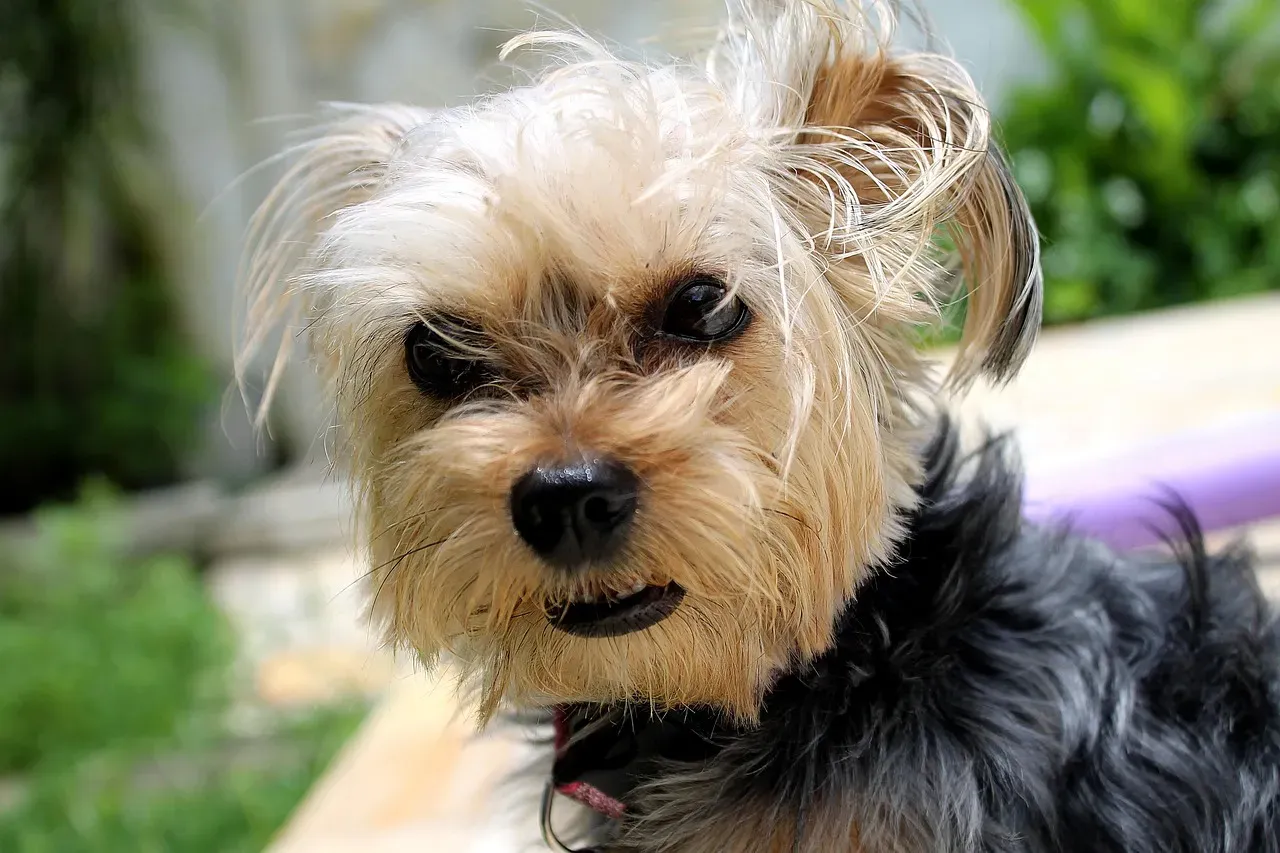
Owners love to say, “He’s super confident, nothing bothers him,” the moment their dog charges into a new situation. Trainers know that over-the-top behavior is often a cover for insecurity, not proof against it. They watch the micro-moments: does he barrel forward and then glance back at you for reassurance? Does he stiffen when a stranger reaches out, then explode into barking? That’s not confidence. That’s nervous system overload wearing a brave face.
Truly confident dogs recover fast after a startle and move with loose, fluid bodies instead of stiff, choppy steps. Insecure dogs cling, hide behind you, or “freeze and comply” under pressure – which owners often mistake for great obedience in new places, when really the dog is just too scared to try anything. Trainers spot this instantly and shift strategy: insecure dogs need gradual wins and safe challenges, not more correction.
#6 – Your Dog’s Food Drive (and What That Reveals About Stress)
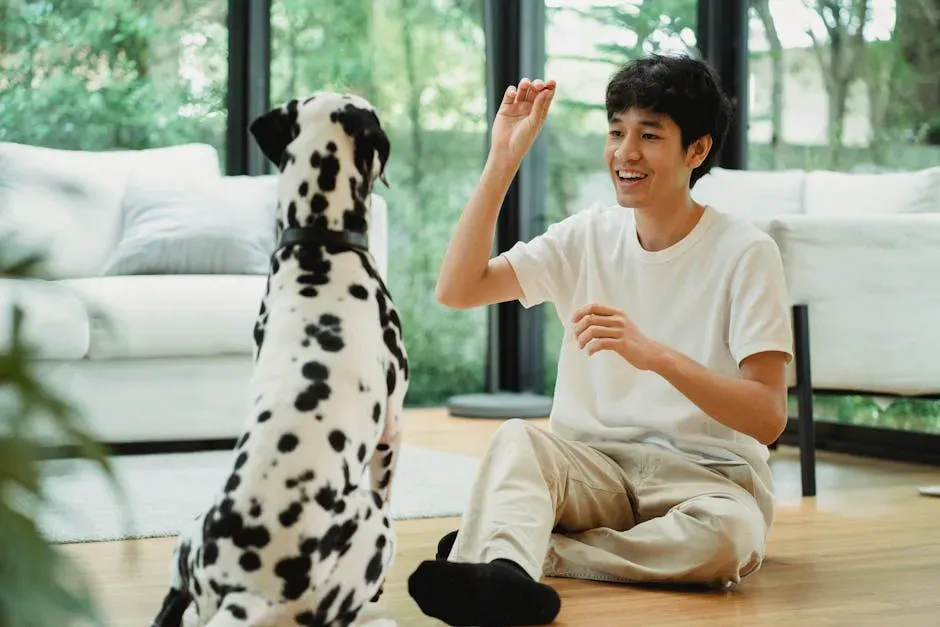
Within the first five or ten minutes, most trainers offer a treat – not to spoil your dog, but to test his food drive and emotional state. A dog who normally inhales anything at home but suddenly won’t touch a high-value treat in session isn’t being picky. He’s overwhelmed. The nervous system flat-out suppresses appetite under stress, and that tells the trainer: back off the pressure before pushing anything else.
How he takes the treat matters just as much. Gentle but eager is nicely balanced. Snatching hard means over-aroused and impulsive. Taking it, then spitting it out, means he’s torn between fear and interest. Owners often insist, “He’s just not treat-motivated,” when the real problem is stress, bad timing, or boring rewards. A good trainer adjusts fast – better food, more distance from the trigger, a calmer setting – so the dog can actually relax enough to learn something.
At a Glance
- Gentle, eager grab: balanced and engaged
- Snatching hard: over-aroused, impulsive
- Takes it, then drops it: torn between fear and interest
- Refuses it entirely: too stressed to eat, not “picky”
#7 – Whether Your Dog Actually Understands a Cue or Just Guesses
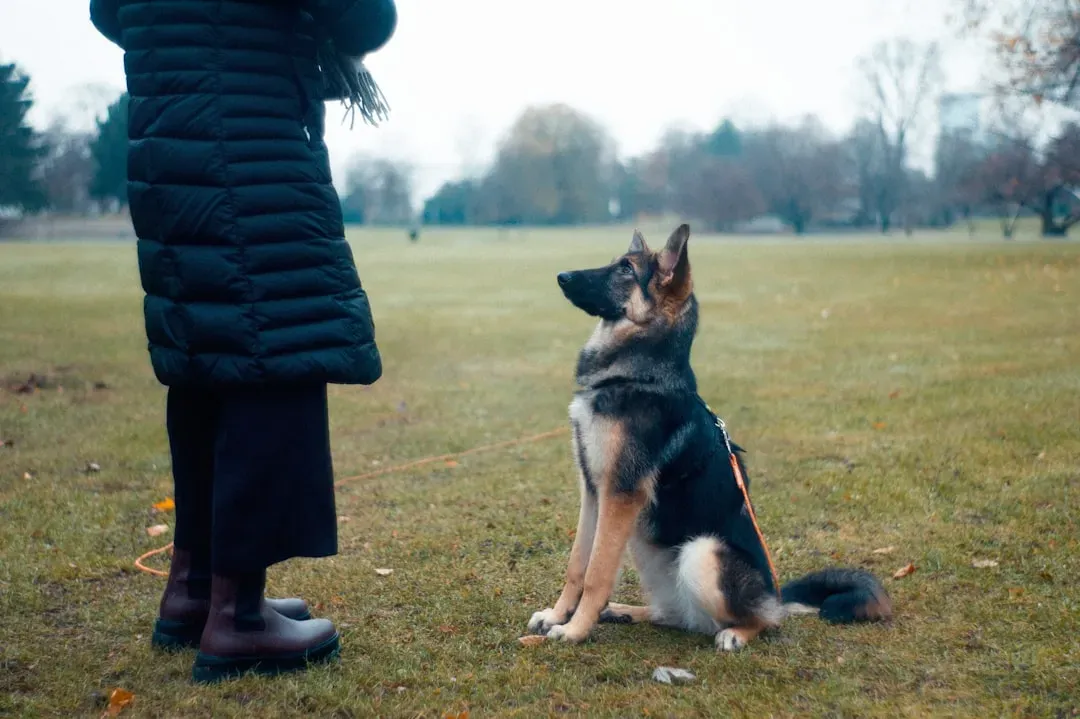
Almost every owner claims, “Oh, he knows sit – he’s just being stubborn.” Trainers don’t take your word for it. They test it, giving a known cue in a new context with almost no body movement. If your dog stalls, offers random behaviors, or only responds when he sees a hand reach for the treat bag, the trainer already knows the truth: he never learned the word. He learned to read your body.
Real understanding looks different – responding to the word alone even when you’re standing still, performing the behavior somewhere new without re-teaching it, no exaggerated hand signal required. Most owners unknowingly reteach every cue with a whole performance: leaning forward, waving a hand, repeating the word half a dozen times. The dog learns to wait for the dance, not the sound. Trainers catch that mismatch in minutes and start rebuilding real clarity from scratch.
#8 – What Your Dog Is Actually Obsessed With (You, Scent, Sound, or Motion)
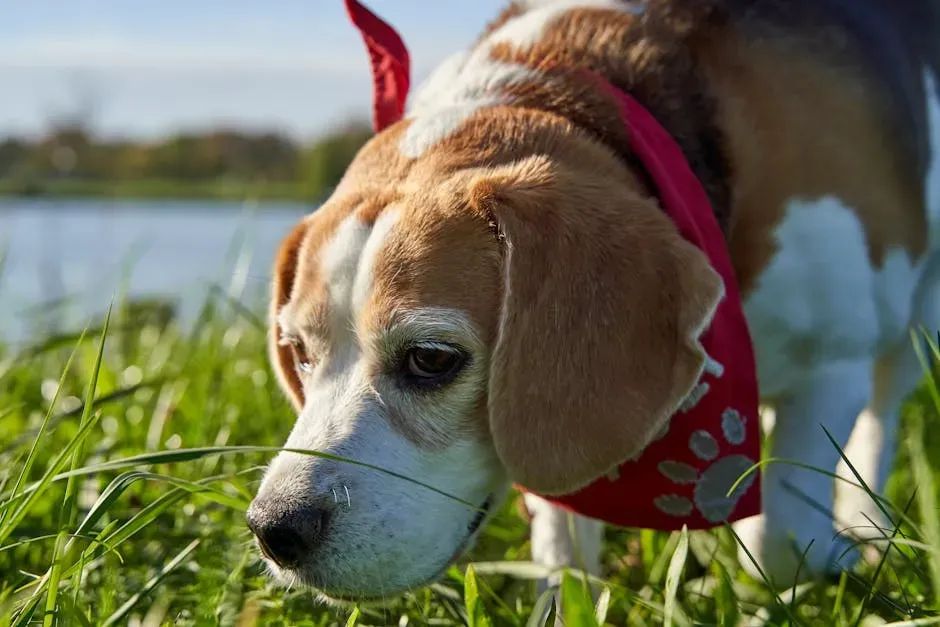
While you’re telling the trainer your dog “loves people” or “hates other dogs,” they’re watching where his attention naturally locks in. Some dogs are visually wired, fixated on every jogger, car, or squirrel. Others are nose-driven, scanning the ground more than faces. A smaller group flinches and orients to every sound. That primary obsession quietly shapes every behavior problem you’ve been trying to fix.
A visually triggered dog who fixates and stiffens at a passerby is a reactivity risk long before the first lunge ever happens. A scent-obsessed dog looks “disobedient” off-leash because smell outranks your voice every single time. Trainers see it in eye flicks, ear swivels, and head carriage within minutes, then prescribe the right outlet – scent work, structured engagement games, fetch – instead of just calling it distraction, which is all most owners ever see.
#9 – Whether Your Dog Is About to Bite Long Before You See It Coming
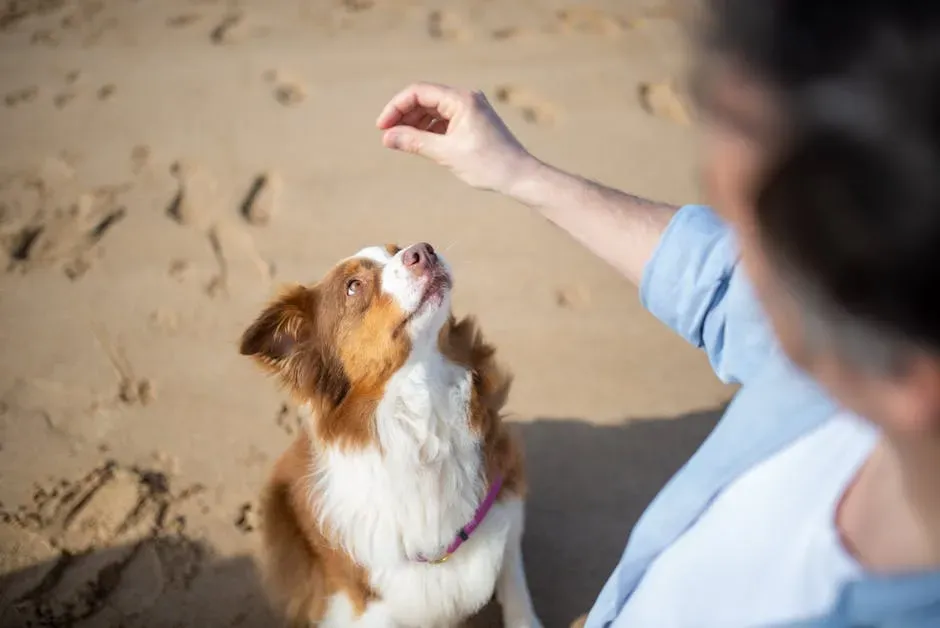
Most owners say, “He’s never bitten… yet,” like bites come out of nowhere. Trainers know they almost never do. During that first session, they’re watching for the pre-bite signals you’ve probably normalized without realizing it: stillness before the storm, a closed mouth when everyone else looks relaxed, hard eye contact, a slow tail wag held at half-mast, a subtle weight shift forward.
The quieter the dog right before a blow-up, the more serious the risk usually is. Trainers also notice the “polite” warnings you might be punishing out of your dog without meaning to – a lip lift or low growl when touched in the wrong spot, a head turn when hugged or loomed over. Scold those warnings enough times, and dogs learn to skip straight to the snap. A good trainer catches this pattern instantly and starts teaching you to respect early signals instead of shutting them down.
Fast Facts
- Stillness right before a reaction is often more serious than barking
- A slow tail wag held at half-mast is a warning, not a greeting
- A lip lift or low growl is a polite request for space
- Punishing warning signals often teaches a dog to skip straight to a bite
#10 – How Your Home Routine Is Quietly Sabotaging Training
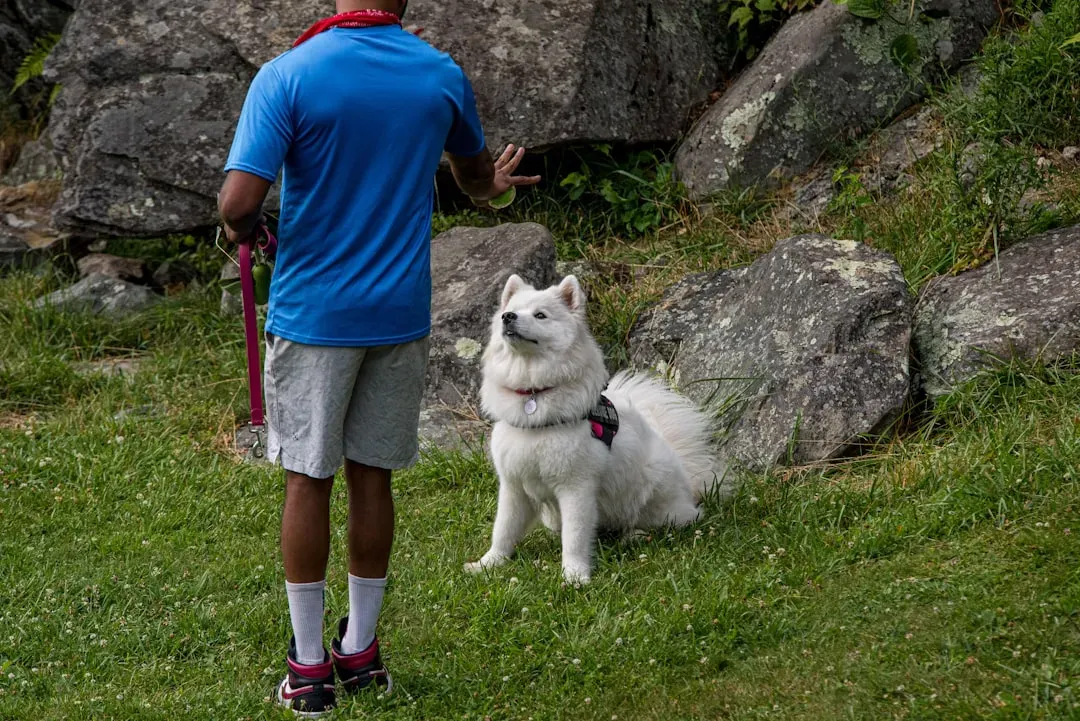
Trainers can’t see your house, but by the end of that first session they can usually describe your routine with unsettling accuracy. The dog who explodes on leash? Probably free-fed, sleeping wherever, getting random bursts of chaotic backyard time instead of structured walks. The dog who “never settles”? Almost certainly lives somewhere humans reward constant motion with constant attention – talking, petting, tossing toys the second he demands it.
As you casually answer questions about where the dog sleeps, how meals work, and who walks him when, the trainer is quietly mapping the pattern: inconsistent rules between family members, zero decompression after high-arousal play, too little mental work and way too much free stimulation. Most owners want to fix one big symptom – barking, jumping, reactivity. Trainers see a lifestyle problem, and the fix is usually boring: structured feeding, crate time, calmer greetings. Unsexy changes that outperform any fancy cue.
#11 – That Your “Rewards” Aren’t Actually Rewarding (to Your Dog)
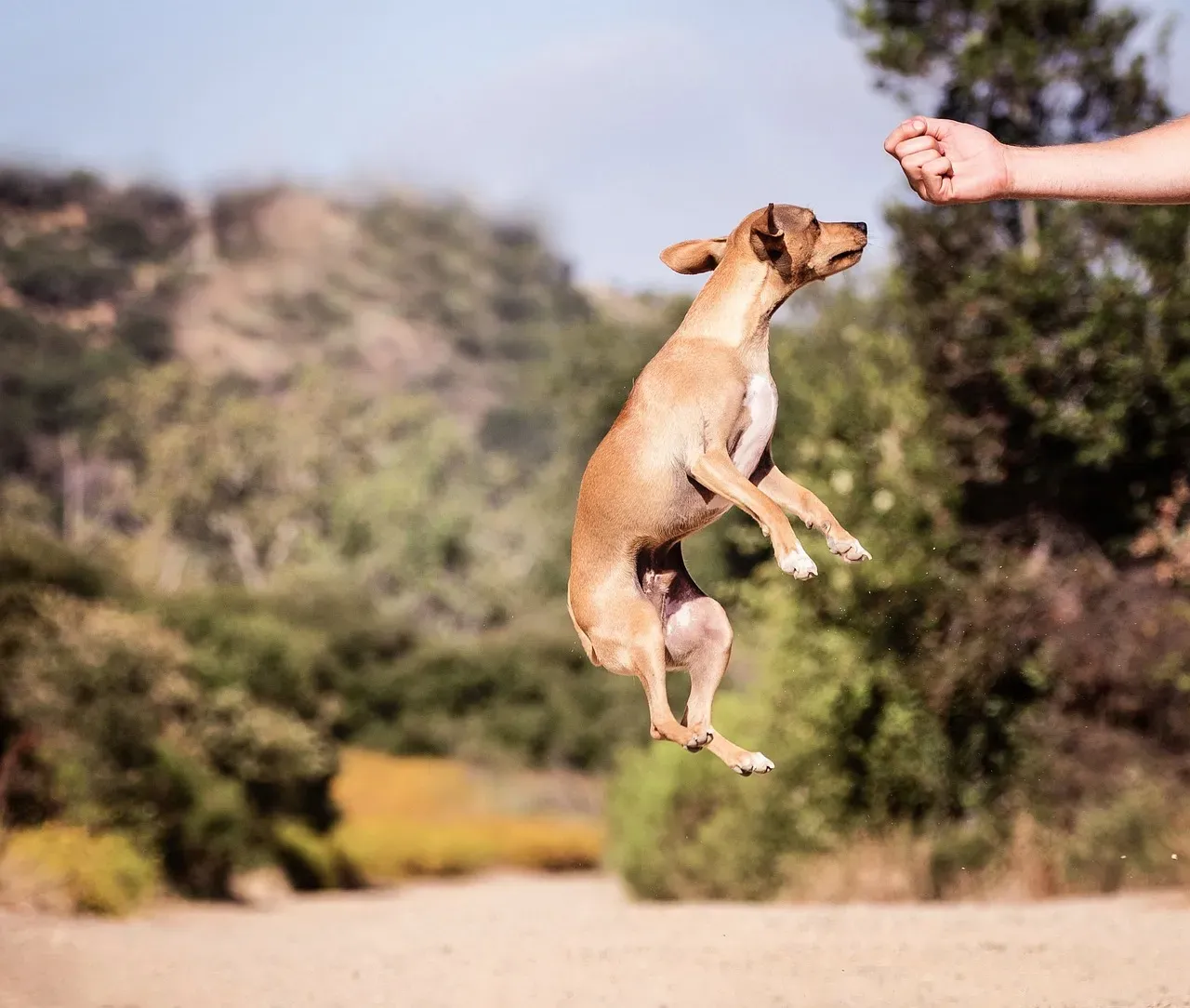
In that opening session, trainers are quietly evaluating your currency. You proudly pull out dry biscuits and say, “He loves these at home!” Then your dog barely sniffs them in a distracting new environment. Trainers adjust instantly, because they know the rule: if the payment stinks, the job doesn’t get done. They’ll try softer treats, smellier options, toys, or even the chance to sniff as a reward.
They’re also clocking when you reward – several seconds too late, or while your dog is already doing the opposite of what earned it, like standing up right after a sit. From the dog’s point of view, you’re paying for the wrong behavior and funding the exact habit you hate. Trainers tighten the timing and criteria almost immediately, and they’ll often tell you bluntly that you’re not overtreating – you’re underpaying and overtalking. Fix that balance and behavior shifts fast.
#12 – Your Dog’s Actual Social Skills With Other Dogs (Not the Daycare Version)

Owners lead with, “He loves other dogs, he goes to daycare!” or “She hates all dogs, she was attacked once.” Trainers reserve judgment until they actually watch your dog meet or pass another dog in a controlled setup. They’re not just checking for barking or wagging – they’re tracking approach angle, body looseness, tail height, sniffing, disengagement, and recovery.
A dog who rushes straight to faces and shoulders is often rude, not friendly. A dog who prefers a quick sniff-and-go is probably normal, not antisocial. A dog who freezes mid-greeting with a high, tight tail is on the edge of a blow-up. Plenty of dogs labeled “friendly” are actually serial bulldozers tolerated by patient dogs, while dogs labeled “aggressive” are just selective and overwhelmed in crowded spaces. Trainers use that first session to figure out your dog’s true social bandwidth – and sometimes the honest answer is no off-leash interactions at all.
#13 – The Hidden Patterns Behind Your Dog’s “Random” Behavior
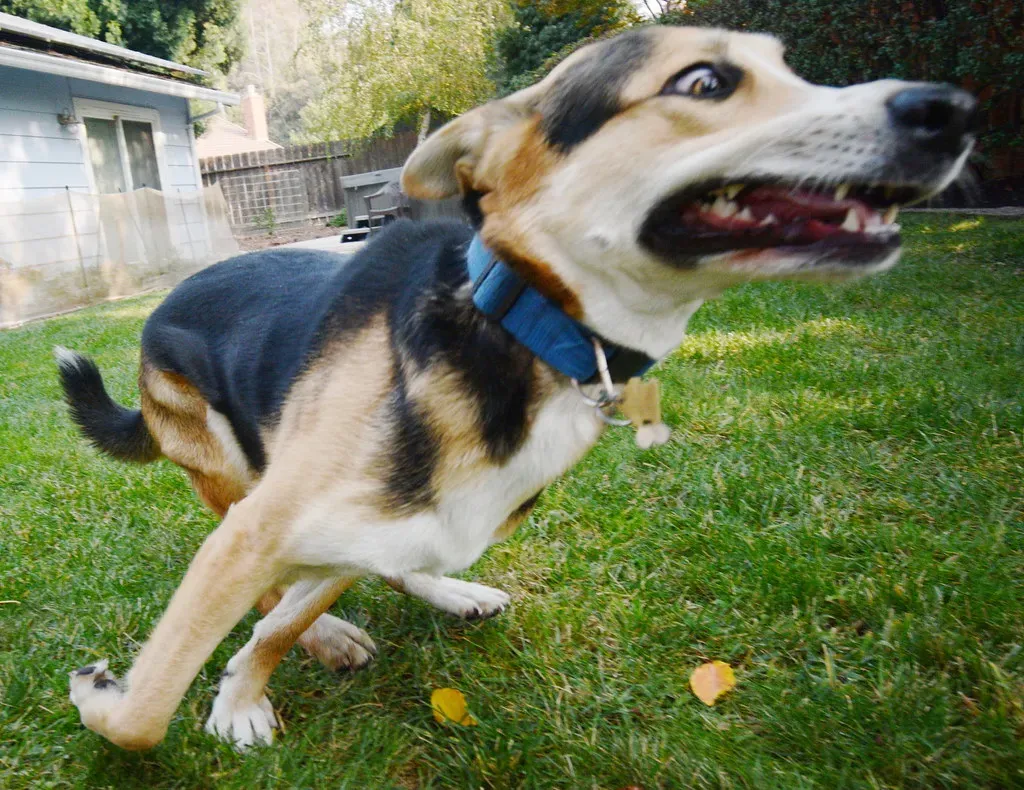
You describe the outbursts as coming out of nowhere. Trainers hear something else entirely: time of day, who was home, what just happened, the weather, the sounds, even your mood. Within one session, most trainers start connecting dots you never noticed were there. Those “mysterious” evening zoomies driving you nuts? Almost always tied to a routine – hours of under-stimulation followed by a sudden burst of attention, food, or chaos right before bed.
They’ll ask oddly precise questions: does this happen more on low-exercise days? What happened in the five minutes right before the meltdown? Suddenly the pattern surfaces – your dog explodes after a full day crated, or every time you take a phone call, or whenever the kids start roughhousing. Trainers are pattern-hunters, and dogs are predictability junkies. What looks random to you is usually your dog screaming about one very consistent trigger.
Worth Knowing
- Evening “zoomies” often trace back to hours of under-stimulation
- Outbursts after long crate time usually signal pent-up energy, not defiance
- Reactions during phone calls or roughhousing often link to sudden attention shifts
- Dogs repeat behaviors that reliably get a reaction – patterns are rarely random
#14 – Whether Your Dog Actually Trusts You (and Where That Trust Breaks)
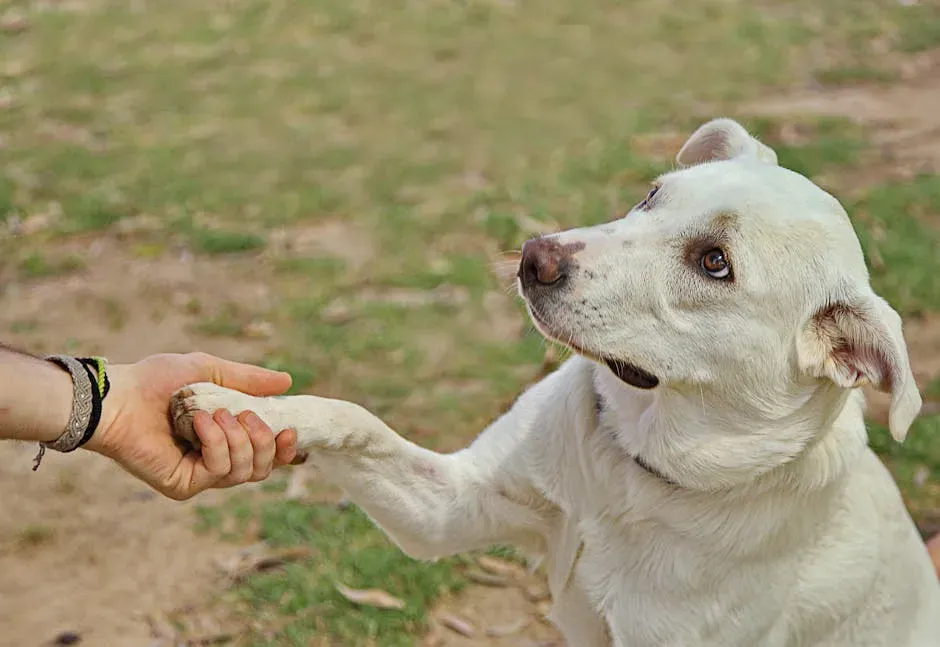
The hardest thing trainers see in that first session – often before you’re ready to hear it – is exactly where the trust between you and your dog is solid, and where it’s already cracked. They see it when your dog startles and chooses the door instead of your side. They see it when you call his name and he hesitates, scanning for the catch, because coming when called has meant the end of fun, or worse, more times than you realize.
Trainers quietly clock whether your dog happily approaches when you reach for his collar, and whether he’ll willingly follow you onto new surfaces or toward mild stressors. If he flinches, ducks, or slinks away, that’s not guilt – it’s distrust and bracing for something unpleasant. Every time you laugh off his fear or use his name only to scold him, that trust erodes a little more. The best trainers aren’t just teaching sit and heel. They’re rebuilding a human your dog can actually lean on.
The relationship between a dog and its owner is not a democracy but a benevolent dictatorship.
John Grogan
The Bottom Line
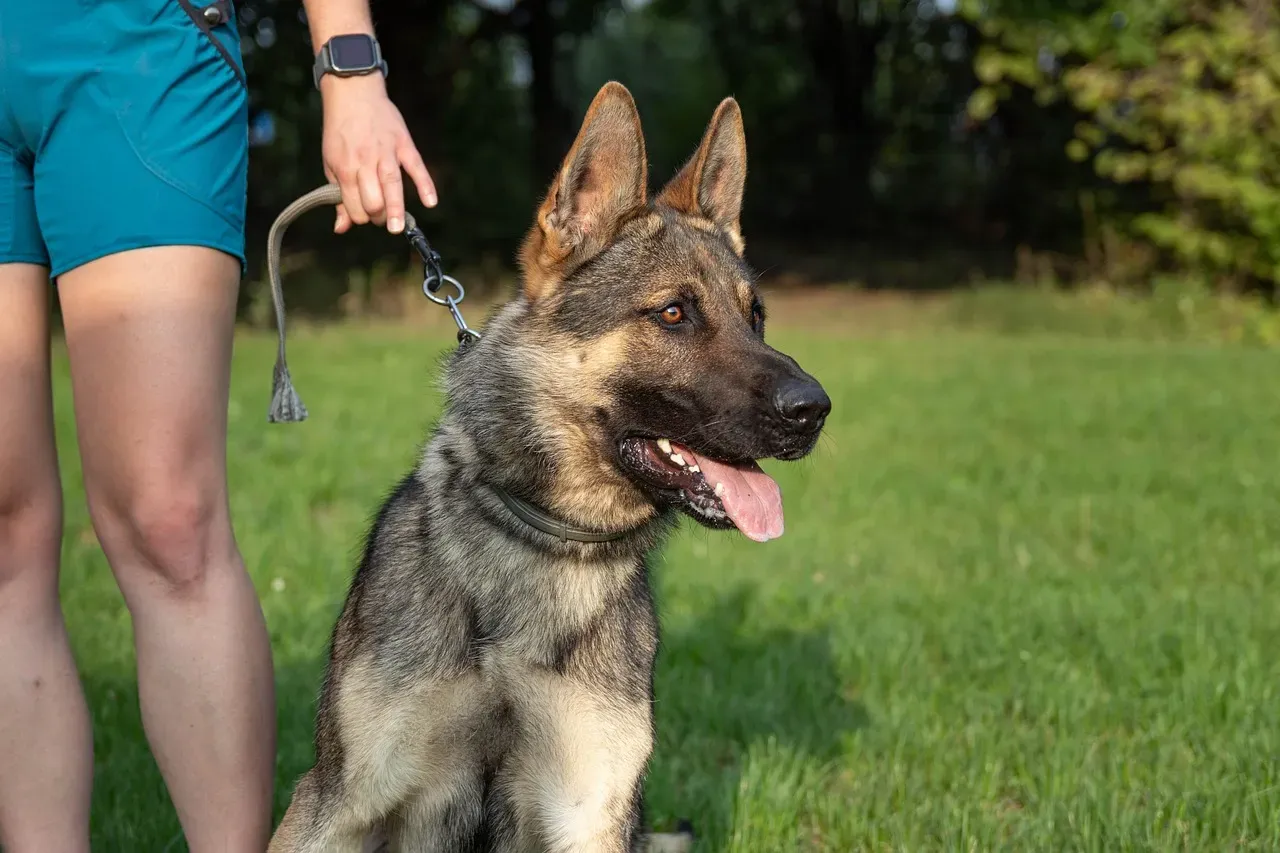
Within one opening session, a good trainer reads your dog’s stress, temperament, confidence, social skills, and even your own habits with almost uncomfortable accuracy. What looks like stubborn, spoiled, or crazy from where you’re standing usually turns out to be stressed, under-stimulated, over-aroused, or just plain misunderstood – written all over the body language you walked right past.
Here’s the part most owners don’t want to hear: most of what trainers actually fix isn’t the dog. It’s the gap between what you expected and what your dog was capable of giving you in the first place. I’d argue that gap is the real problem in almost every “impossible” dog story you’ve ever heard. Start seeing your dog the way a trainer does – through signals and patterns instead of labels – and you’ll change the relationship faster than any command ever could.
Which of these 14 things hit closest to home? And what did your trainer catch about your dog that you never saw coming?