
13 Ordinary Routines That Make a Dog Feel So Settled It Stops Watching the Front Door Entirely
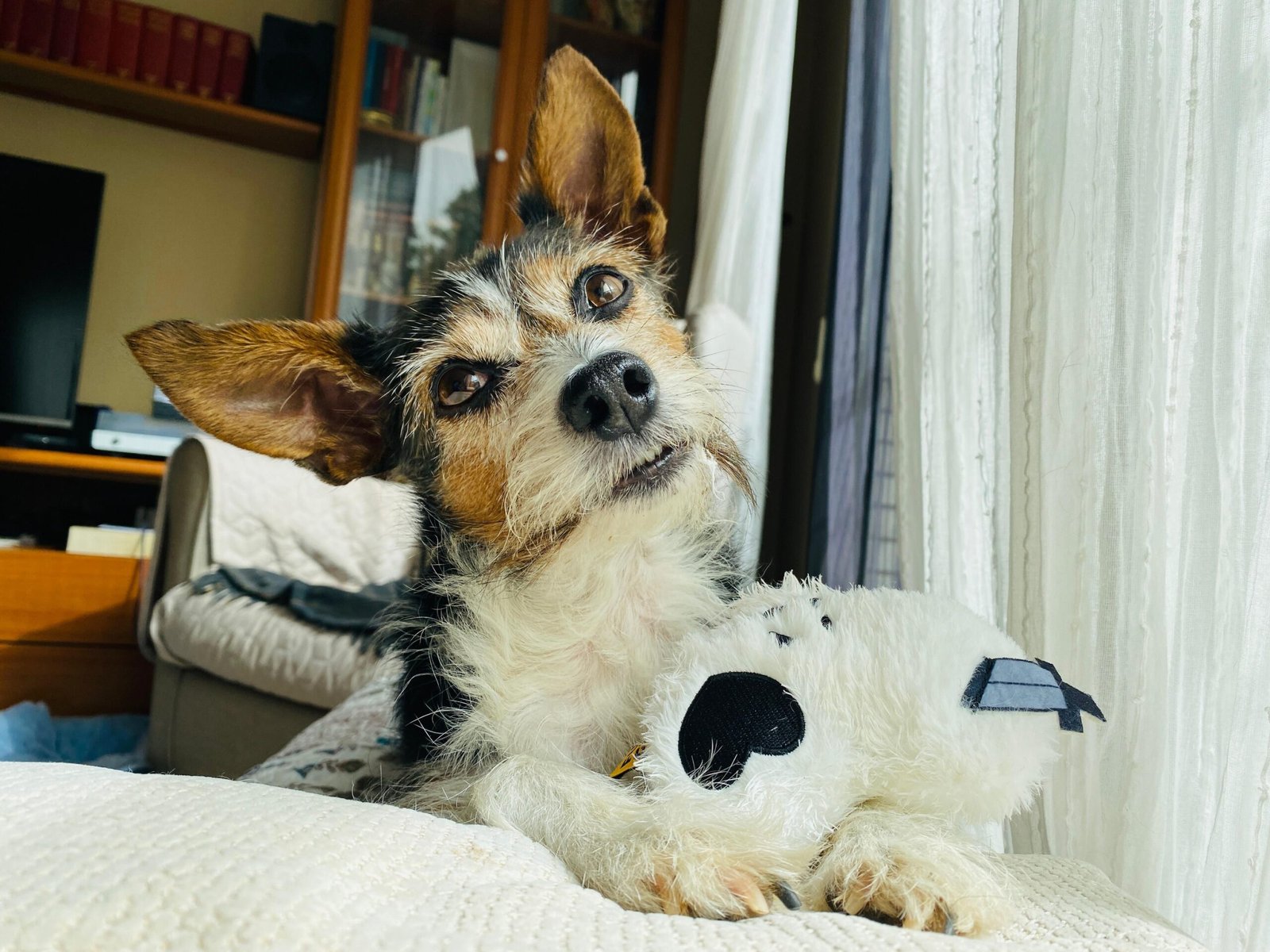
Most people think a dog glued to the front door is just being protective. A little furry security guard, loyal to the bone. Except that’s usually not what’s happening at all.
Constant doorway patrol is almost always a stress habit, not a personality trait. It’s your dog saying, “I’m on duty because nobody else seems to be.” And the fix isn’t a new toy, a smarter gadget, or a firmer command. It’s something far less exciting – a stack of boring, repeatable routines that quietly convince your dog the world is predictable and safe. Once that clicks, the door stops being a threat and turns into background noise. Here’s what actually works, routine by routine.
#1 – Predictable Meal Times (The Anchor of Their Day)
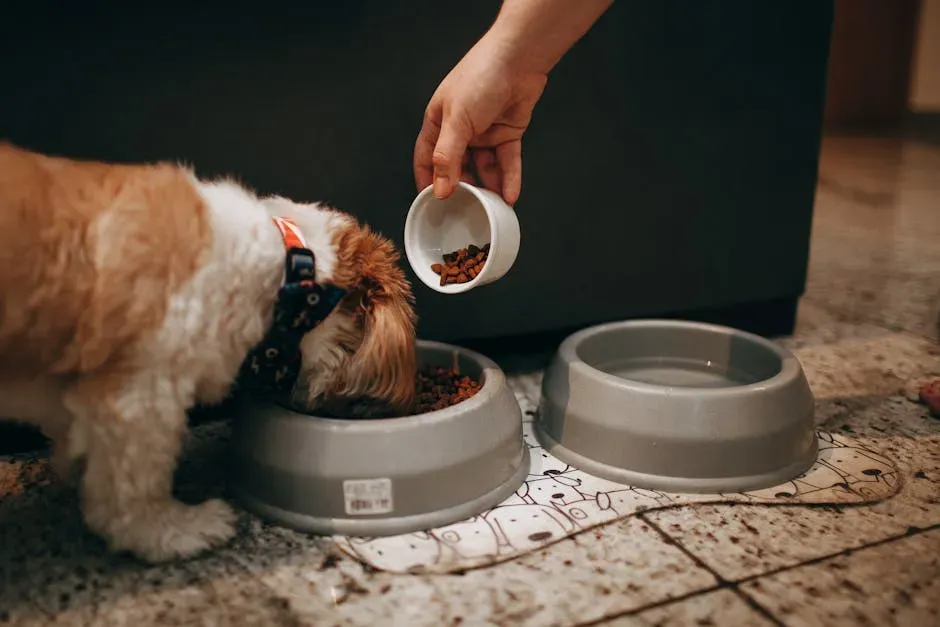
Dogs don’t own calendars or clocks, but their bodies run on rhythm anyway. When breakfast and dinner land at roughly the same time every day, something in their nervous system exhales. A predictable feeding schedule tells the brain, “Resources show up on time. I don’t have to stay on guard.” That sense of security spreads into everything else – fewer door checks, less pacing, more naps in the middle of the house instead of stationed by the entry.
Flip it around and imagine food showing up randomly – 7 a.m. one day, 11 a.m. the next. That’s one more thing for your dog to worry about, on top of everything else they can’t control. Owners who lock in a fixed schedule, same bowl, same spot, same little phrase like “Dinner time!”, often watch a “hyper-vigilant” dog settle down within weeks. It becomes the anchor the rest of the calm routines get built around.
#2 – Daily Walks at the Same Times, Every Single Day
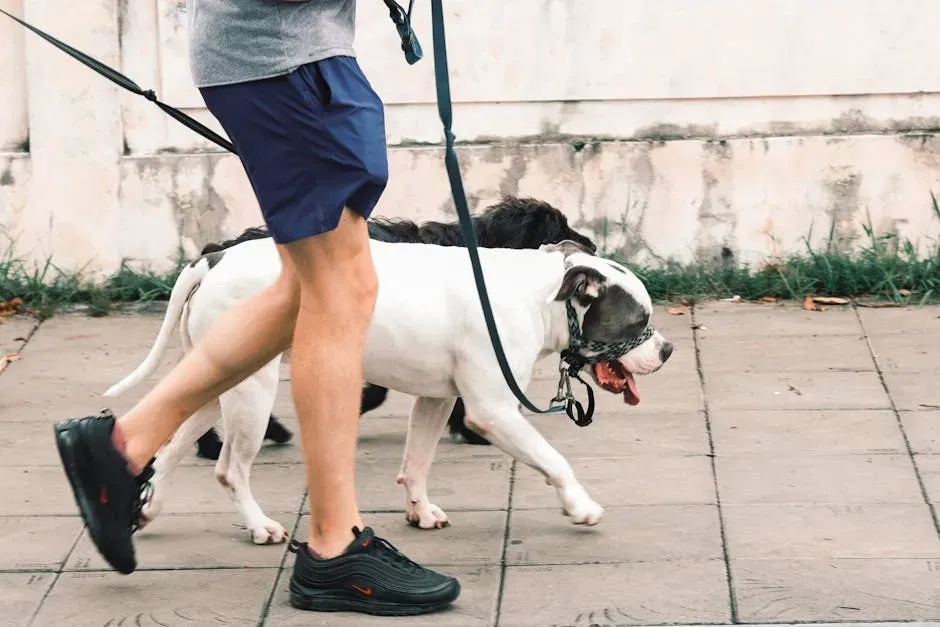
Most people treat walks like a bonus. Behavior experts treat them like medicine for the brain. A dog walked at inconsistent times – or only when you feel like it – never quite knows when relief is coming, so they never fully relax. A dog who knows “we always walk after breakfast and before dinner” stops scanning the door hoping this might finally be the moment.
There’s a quiet magic in the sameness of it – the leash coming out, the familiar route, roughly the same pace and length. Over time your dog learns they don’t have to manufacture their own excitement at the window, because the good stuff comes on schedule. Social media loves the adventure-dog aesthetic, epic hikes and new trails every weekend, but plenty of trainers will privately tell you a dependable, unremarkable walk schedule beats those adventures for everyday calm.
Quick Compare
- Random walk times: dog stays alert, watching for any cue that a walk might happen
- Fixed walk times: dog relaxes between walks, knowing exactly when the next one arrives
- Random walk length: harder for a dog to predict energy needs, more restlessness
- Fixed walk length: body and brain sync to a reliable exercise rhythm
#3 – A Fixed Sleep Spot That Never Moves
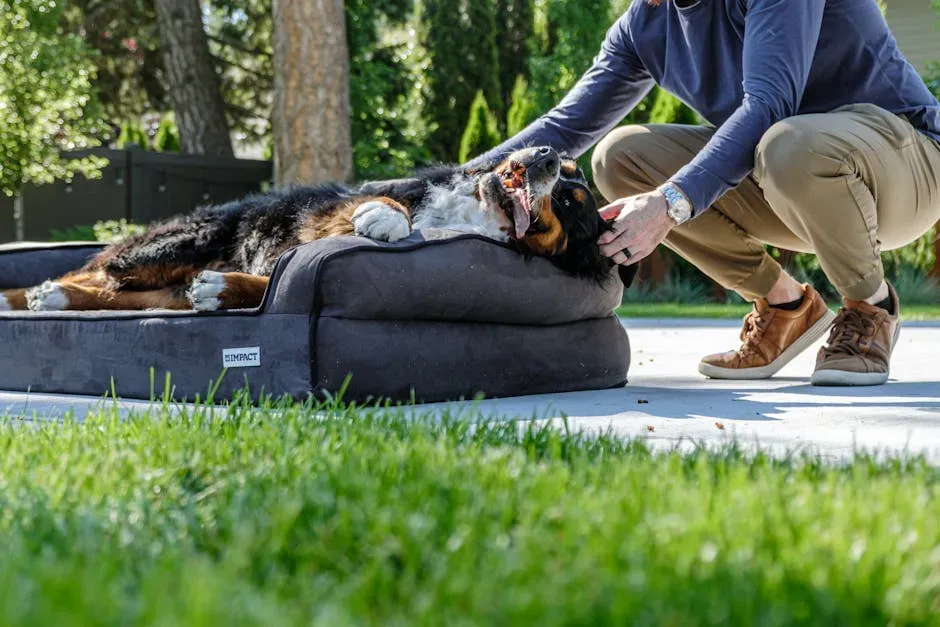
This one quietly separates relaxed dogs from restless door-watchers: a single, consistent sleep location that almost never changes. Not “wherever the dog happens to flop,” but a specific bed, crate, or corner that belongs to them, day after day. Dogs who know exactly where they’re supposed to fully shut down are far less tempted to nap in guard positions facing exits, windows, or hallways.
Anxious dogs often choose door-adjacent spots because those feel like the only strategically safe option in the house. You can take that job away from them by setting up a cozy zone somewhere else – a bed against an interior wall, a half-covered crate, a mat where the family actually hangs out. The catch is you can’t keep rearranging it for aesthetics. The more permanent it feels, the more it becomes their den instead of their post.
#4 – Short, Calm Training Sessions at the Same Times
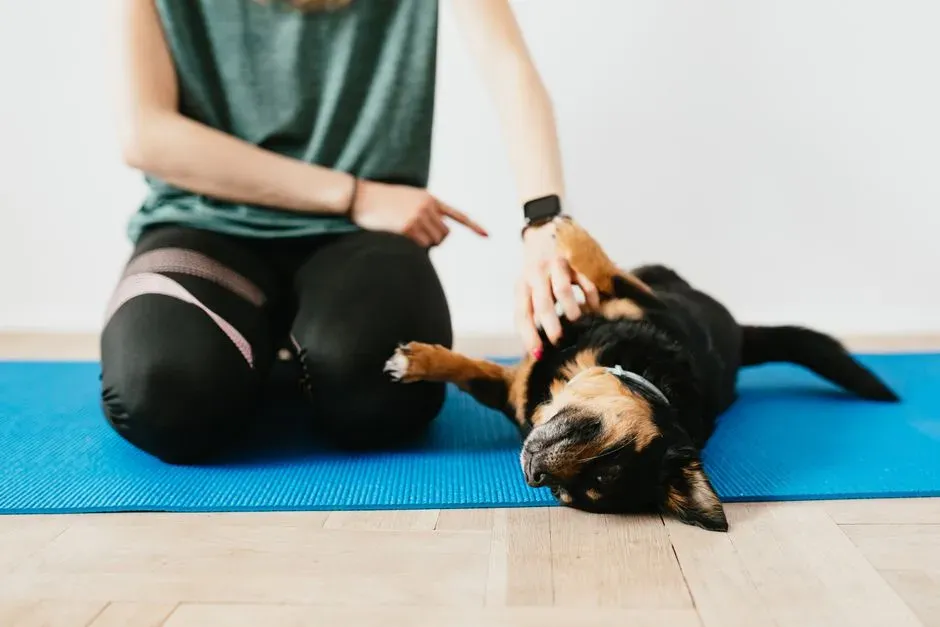
Most people think obedience training is about commands. In reality, good training is about predictable communication. A dog who gets five or ten minutes of simple training around the same time each day often stops obsessing over the front door, because their brain is already getting real work somewhere else. Instead of inventing their own job – “I’ll guard the house” – they’re following yours.
Try slotting tiny sessions right before common trigger moments: a quick sit-down-hand-target drill before the usual delivery window, or a “go to mat” practice right after dinner every night. Repeat it enough and your dog starts expecting, “After dinner we work, then we chill,” instead of “After dinner I must patrol.” Structured micro-training tends to make dogs more confident, not more robotic, because they finally understand what actually earns attention.
#5 – A “Shift Change” Phrase When You Take Over Guard Duty
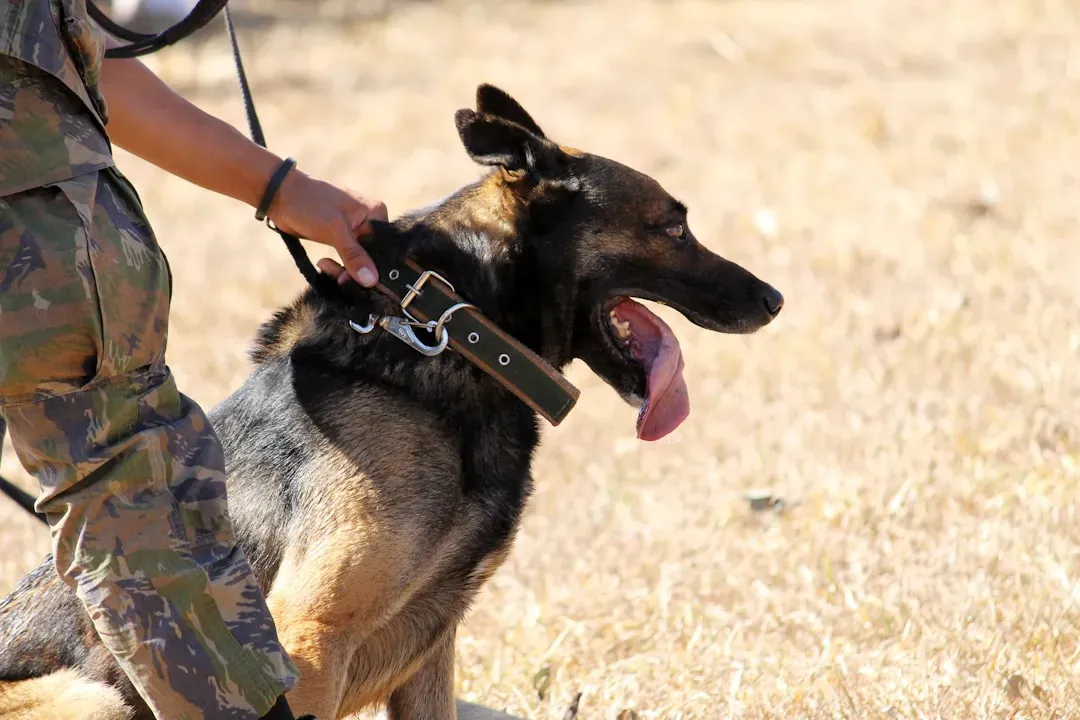
Dogs that guard the front door are often filling a vacuum – nobody ever told them the humans are actually in charge of security. One surprisingly powerful fix is a verbal “shift change” – a phrase you repeat every single time you check the door, glance outside, or respond to a noise. It sounds a little silly out loud, but over weeks it can genuinely shift your dog’s whole mindset.
When there’s a knock or a delivery truck, calmly walk to the door and say something like, “I’ve got it,” or “All done, thank you” – same tone, same path, every time. Then redirect the dog to a mat and reward them for staying put while you handle it. Consistently pairing that movement with the phrase teaches them, “My human noticed. My job is to relax while they deal with it.” Trainers see dogs visibly exhale once they realize someone else is covering the night shift.
#6 – Quiet Evenings Where Nothing Is Happening on Purpose
A lot of households accidentally train their dogs to be permanently “on.” TV blaring, kids yelling, the door opening every five minutes, a burst of wild play at 9 p.m. – and then everyone wonders why the dog stalks the door instead of settling. Dogs need regular, boring, low-stimulation windows to actually learn how to switch off. Without that, every tiny sound outside feels like part of the chaos they’re supposed to be tracking.
Try building an evening “quiet block” – an hour or two where nothing loud happens. Lights dimmed, volume down, phones away, no tug or fetch. A chew or a stuffed Kong, some low background noise, an occasional calm scratch behind the ears. Your dog might roam or check the door out of pure habit at first. Stick with it anyway – when the household’s energy drops on schedule every night, the door fixation tends to follow it down.
Worth Knowing
- Dogs can’t easily tell “fun chaos” apart from “alarming chaos” – both read as stimulation to a watchful brain
- Constant background noise, even a TV left on, can keep a dog’s nervous system from ever fully downshifting
- A predictable low-stimulation window teaches a dog that quiet is normal, not something worth investigating
- Most dogs need repeated, nightly practice – not one calm evening – before the habit actually sticks
#7 – Scent Games That Have Nothing to Do With the Door

People live through their eyes; dogs live through their noses. When a dog spends all day staring at the front door, it’s often because that’s the only interesting place in the house – smells drift in from outside, and every knock is a jolt of adrenaline. You can steal that spotlight back with daily scent routines that happen nowhere near the entryway.
Scatter kibble in a different room and let them hunt it down. Hide a few treats in the hallway, then release them to “search.” Rotate a small collection of new-smelling objects – cardboard, leaves, fabric – in a designated sniff corner. Nose work drains mental energy fast, and dogs often look physically tired afterward, the same way a hard workout hits a person. Do it consistently, not as a random bonus, and the front door quietly loses its top billing.
#8 – The Same Response to Door Barking, Every Single Time
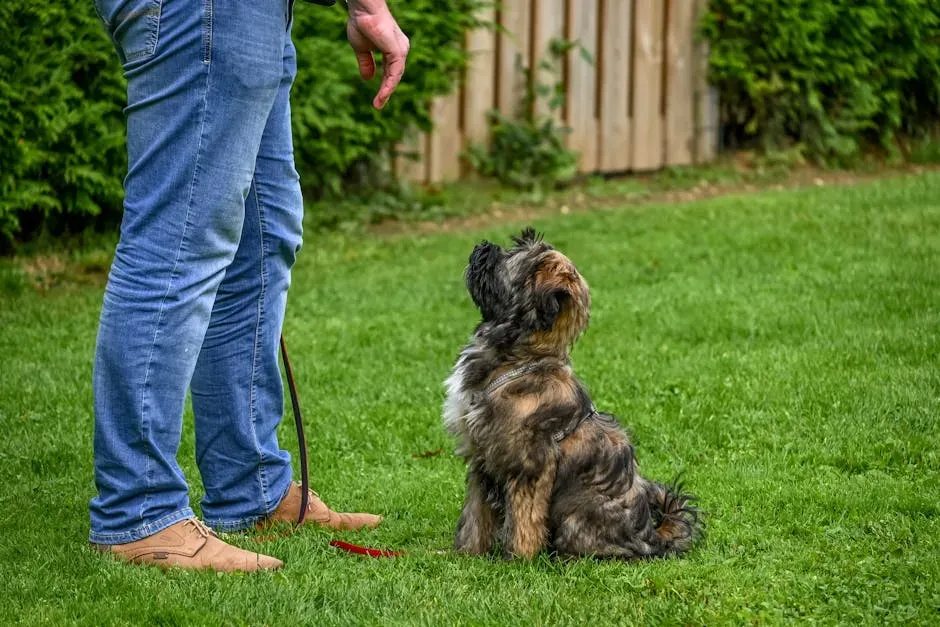
Here’s the part many owners don’t want to hear: every time your dog barks at the door and you react differently, you’re training confusion. Sometimes you yell, sometimes you laugh, sometimes you check, sometimes you ignore it – that inconsistency is exactly what keeps a dog on duty. They never know what will actually work, so they keep escalating, louder and longer.
Decide exactly how you’ll respond, then run it like a script. Dog barks, you calmly walk over, say your chosen phrase, glance at the door, then guide them to a mat. They get attention only once they stop vocalizing and move away – no chasing, no big emotions, no debate. Over a few weeks, most dogs learn that one soft “woof” is enough to make you investigate, and anything more just delays the reward of settling down.
#9 – Alone-Time Drills That Make the House Feel Normal Without You
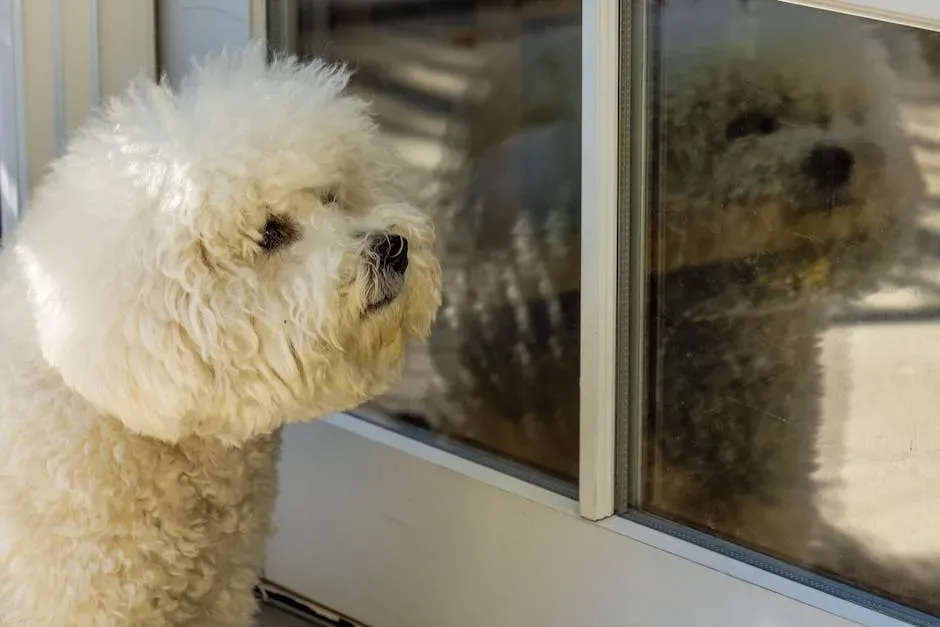
Many door-obsessed dogs aren’t guarding the home at all – they’re anxiously waiting for you to leave or come back. That’s why they plant themselves by the door the moment you pick up your keys. A powerful, underrated fix is running micro-sessions of alone time so boring and repetitive the dog stops caring.
Pick up your keys, put on your shoes, walk to the door – and then don’t leave. Sit down, scroll your phone. Repeat that a few times a day. Step outside for thirty seconds, come back in without any fanfare, then gradually stretch it to two minutes, five, ten. Keep every exit and every return low-key – no “mommy’s home!” celebrations, no long apologies before you go. That’s what breaks the link between the door and emotional whiplash.
Fast Facts
- Dogs often pick up on pre-departure cues like keys, shoes, or coats long before you actually leave
- Low-key exits and entrances help separate “the door” from big emotional swings
- Short, repeated practice sessions tend to work better than one long isolated absence
- Gradually increasing time apart builds tolerance without triggering panic
#10 – A Two-Minute Morning Check-In Before Anything Else
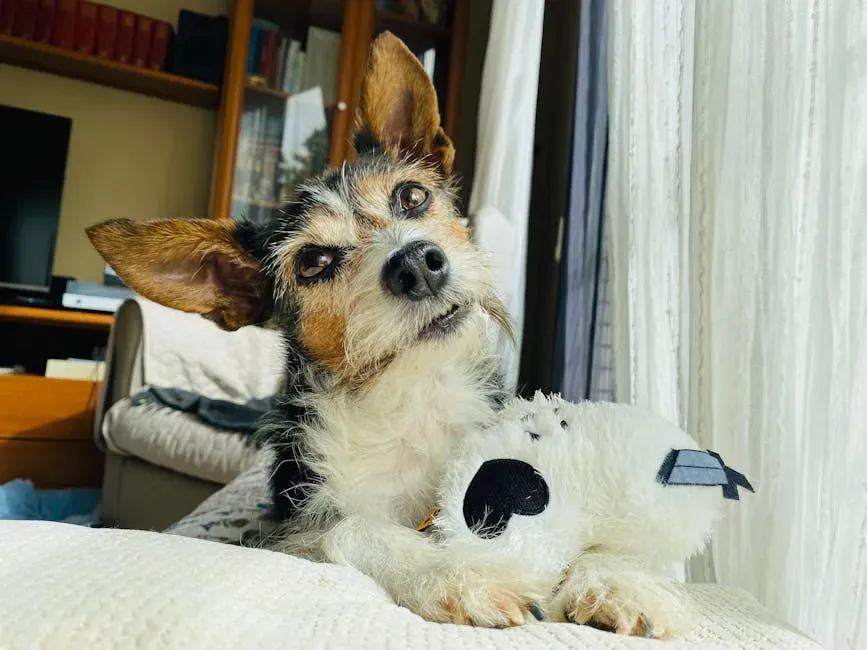
Most mornings are a blur – phone, coffee, bathroom, chaos – and the dog is an afterthought. That chaotic tone sets up the whole day, and for a lot of dogs that means starting the day in mild panic. Building a two-to-five-minute morning ritual before you do anything else tells your dog, “You’re seen, you’re safe, and nothing weird is happening today.”
It can be as simple as the same greeting phrase, some gentle petting, a stretch together, a short potty break followed by a calm minute outside, then water and breakfast in the same order every day. Dogs who get this kind of reliable morning attention spend less time scanning doors and more time dozing between activities. Some owners insist their dog is “fine” being ignored until walk time – but if you’re living with a door-watcher, odds are they’re not fine. They’re just on edge before you’ve had your coffee.
#11 – Family Rules That Don’t Change From Person to Person
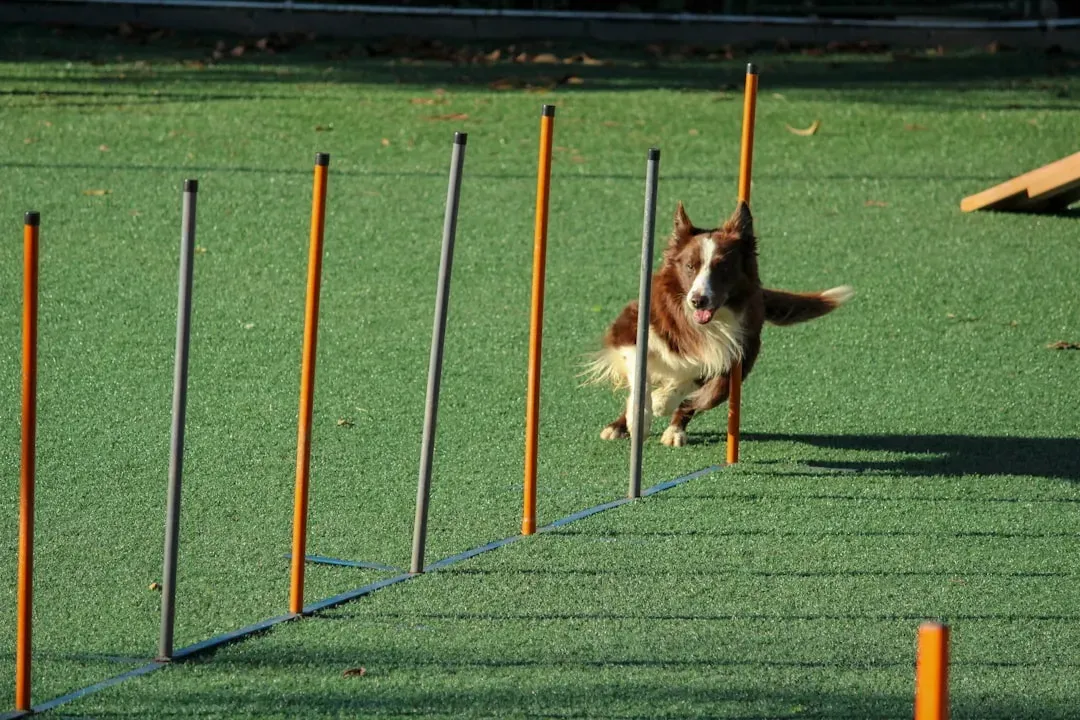
One of the most stressful things for a dog is inconsistency between the humans they live with. Mom lets the dog rush the door to greet guests, the teenager yells at them for it, the partner scoops them up and cuddles them mid-bark. From the dog’s point of view, the door is a nonstop guessing game, and guessing games are exactly what keep them glued to the threshold trying to predict what’s “right” this time.
Sit down as a household and decide where the dog should be when someone knocks, whether greeting is even allowed, and who handles the dog in that moment. Then everyone commits to the same script, every single time. Once a dog realizes guest arrivals always follow the same predictable pattern, the door loses its chaos halo – they’d rather go to their bed or sit behind a gate, because that’s the only behavior that reliably earns approval. Families love to blame the dog’s “reactivity” when the real problem is that the humans were never on the same page.
At a Glance
- Same door greeting rule for every family member, every time
- One agreed “job” for the dog when guests arrive – mat, gate, or crate
- No exceptions made for excitement, guests, or mood
- Consistency matters more than which specific rule you choose
#12 – Scheduled Boredom With Absolutely Nothing to Do

This sounds almost cruel in an era of puzzle toys, enrichment TikToks, and doggy daycare, but it’s backed by what trainers actually see in real homes: dogs need scheduled boredom to learn how to self-soothe. If you constantly entertain your dog the moment they look restless, they’ll eventually go looking for stimulation in the most obvious place – the window or the front door.
Create intentional boredom windows during the day. Safe area, water, a comfy bed, no new toys, no TV, no constant petting – you’re in the house, but deliberately not engaging unless they’re calm. Expect some whining or pacing at first, and don’t cave when it happens. Over days and weeks, most dogs discover that lying down and zoning out actually feels good, and that’s usually the exact moment you watch a “door sentry” turn into a dog who sleeps through a package delivery.
#13 – A Nightly Wind-Down That Ends the Exact Same Way, Every Night
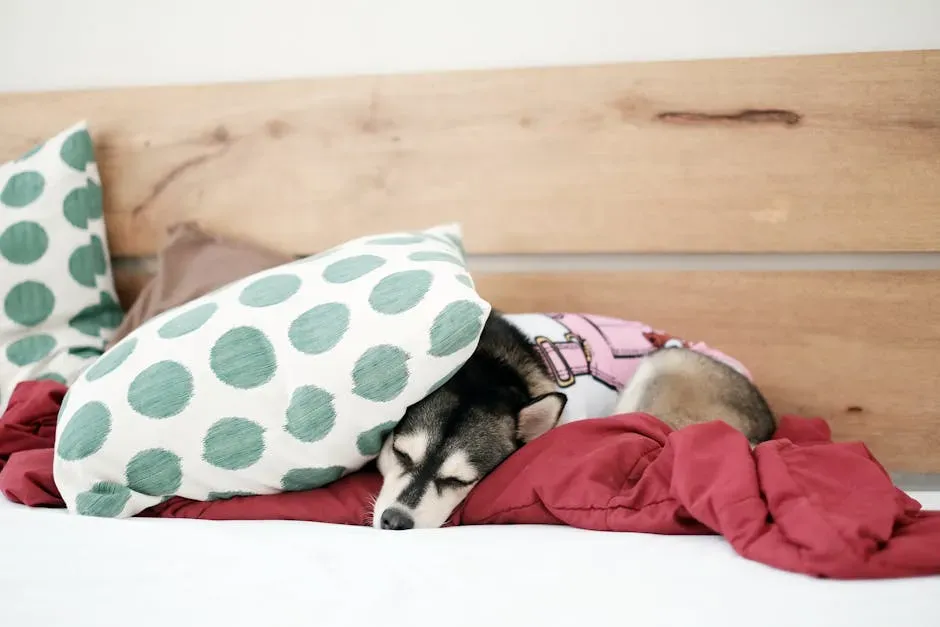
The biggest sign that a dog can finally stop watching the front door? They put themselves to bed before you do. You build toward that with a nightly shutdown routine so repetitive your dog could practically walk through the steps themselves. It isn’t about one big play session – it’s a predictable sequence that tells the brain, “The day is over. No more decisions to make tonight.”
A typical pattern: last potty break at roughly the same time, lights dimmed, maybe a short ear rub in their bed, then a simple closing phrase like “All done, go sleep,” said the same way every night. Repeat this enough and your dog stops expecting late-night visitors or surprise chaos at 11 p.m. – once this sequence starts, they know nothing interesting is happening at the door until morning. Some owners like to brag that their dog “would protect them at any hour.” A lot of seasoned dog people quietly prefer the animal who trusts the house enough to snore straight through it.
The Bottom Line

The routines that actually settle a dog aren’t glamorous. Fixed mealtimes, boring walks, quiet evenings, consistent door scripts, even scheduled boredom – none of it looks impressive on social media. But it’s exactly this kind of repetition that convinces a dog the world is safe enough to stop standing guard. The door obsession you’ve been reading as loyalty is often just low-grade anxiety that nobody ever interrupted.
Here’s the opinionated part: a dog that can sleep away from the front door, ignore a random knock, and glide through your comings and goings without falling apart isn’t “less protective.” It’s better adjusted. If that stings the ego a little more than it bothers the dog, that’s on us, not them. So the real question isn’t which routine sounds nice – it’s which one you’re actually willing to repeat, without fail, every single day.