
15 Things a Dog Owned by a Retired Couple Does That Surprises Younger Owners
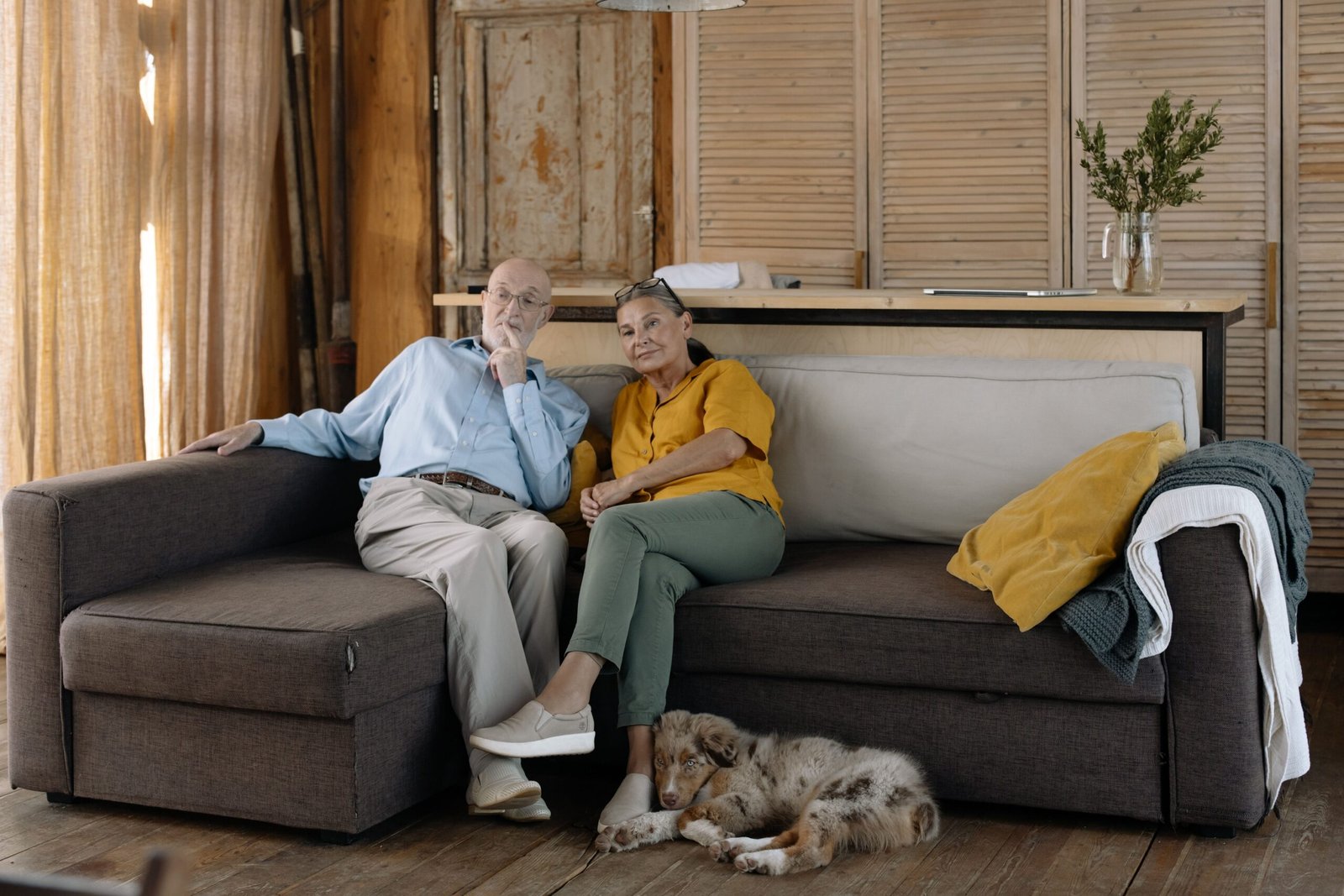
Most people picture a “retired couple’s dog” as some sleepy old mutt who barely lifts its head off the porch. Then they spend a weekend with one and walk away rattled, because that dog is calmer, sharper, and strangely more put-together than half the anxious, over-stimulated dogs raised by busy twenty- and thirty-somethings. This isn’t luck. It’s years of quiet, unglamorous routine doing its work.
Some of what these dogs do doesn’t just surprise younger owners, it lowkey humbles them, because it contradicts everything social media trained them to expect from “normal” dog behavior. From reading a household schedule like a mind reader to walking on a leash like it’s wearing a tiny suit, here are 15 things a retired couple’s dog does that nobody warns you about until you see it happen right in front of you.
#1 – The Dog That Knows the Daily Schedule Better Than You
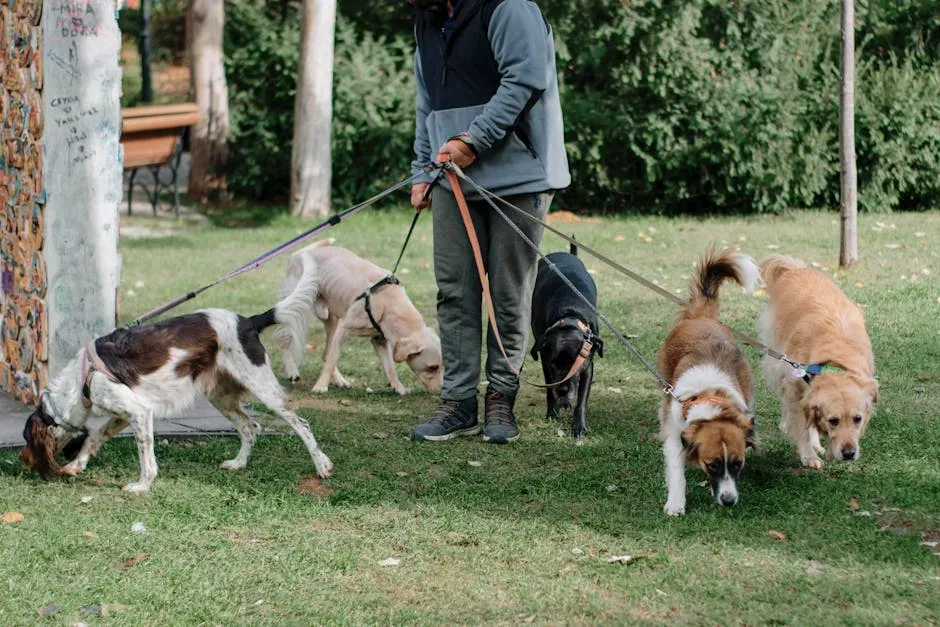
Younger owners live in chaos: work, gym, plans that shift by the hour. A retired couple’s dog lives the opposite life, one built on deeply predictable days, and it shows in everything the dog does.
These dogs wake, eat, walk, and nap at almost the exact same times daily. Spend a week in that house and you’ll catch the dog standing by the door “right on schedule,” even if the humans forgot it was walk time.
They start acting eerily time-aware, trotting to the kitchen minutes before the kettle usually boils, or heading to bed right before the evening news starts. No one gave a verbal cue, yet the dog behaves like it can read an invisible calendar.
The truth is simple: older humans and older dogs both run on routine, and the dog has quietly learned to anticipate every beat of the day before it happens.
#2 – The Dog That Waits, Patiently, Without Being Told
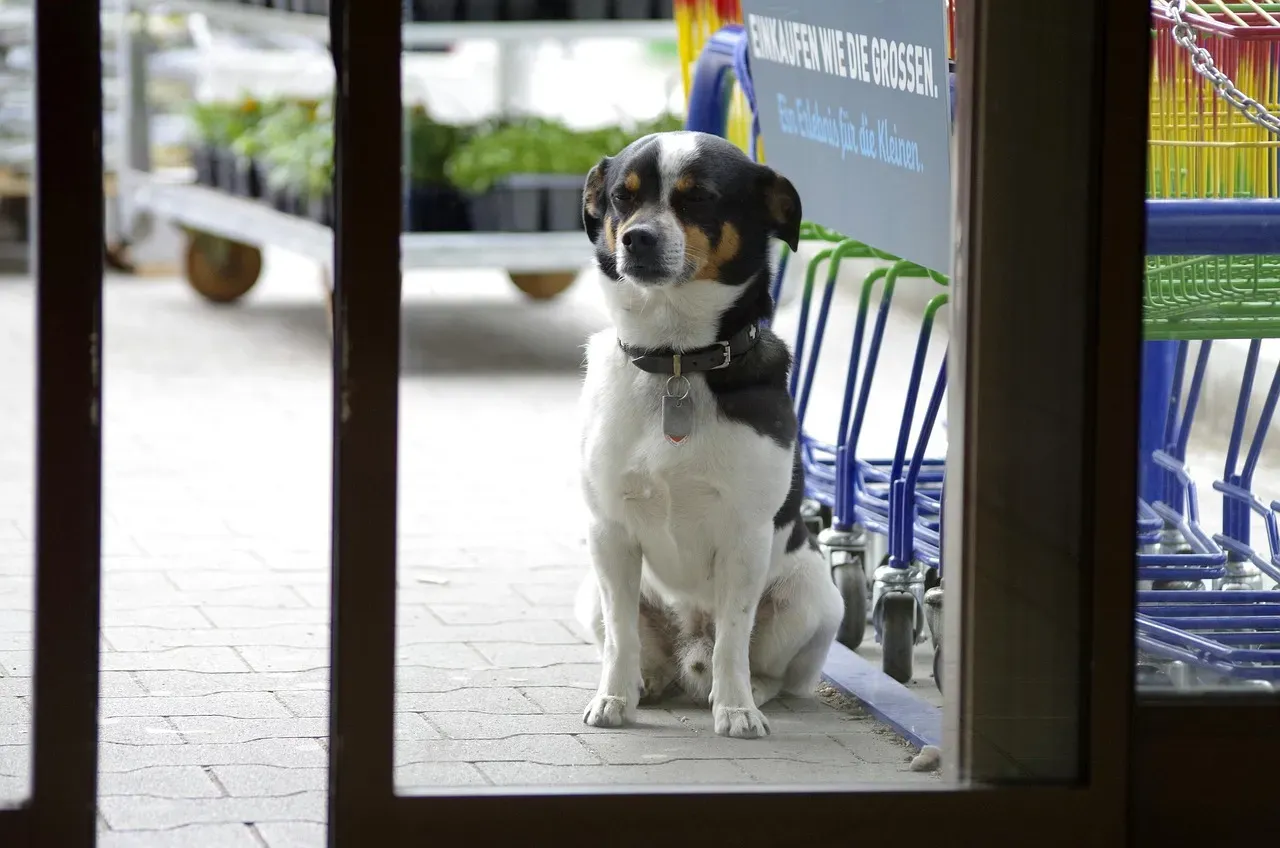
Scroll TikTok and you’d think every dog on earth is bouncing off the walls, barking and pawing and demanding everything right now. Dogs raised with retired couples often play a completely different game: they wait.
They wait for the leash to clip on. They wait at the door until someone actually steps outside. They wait for a clear “okay” before touching the food bowl, no lunging required.
This isn’t magic obedience. Retirees move slower and repeat the same calm rituals for years, often teaching “wait” at doors and in cars because a fall or a yank on the leash is a real safety risk for them.
Younger owners are stunned when the dog just sits and looks at them instead of jumping, practically saying, “I’ll move when you’re ready.” It can feel unsettling if you’re used to grabby energy, but that contrast is the whole point: a slower life forces real impulse control.
#3 – The Dog That Walks Like It Has Manners
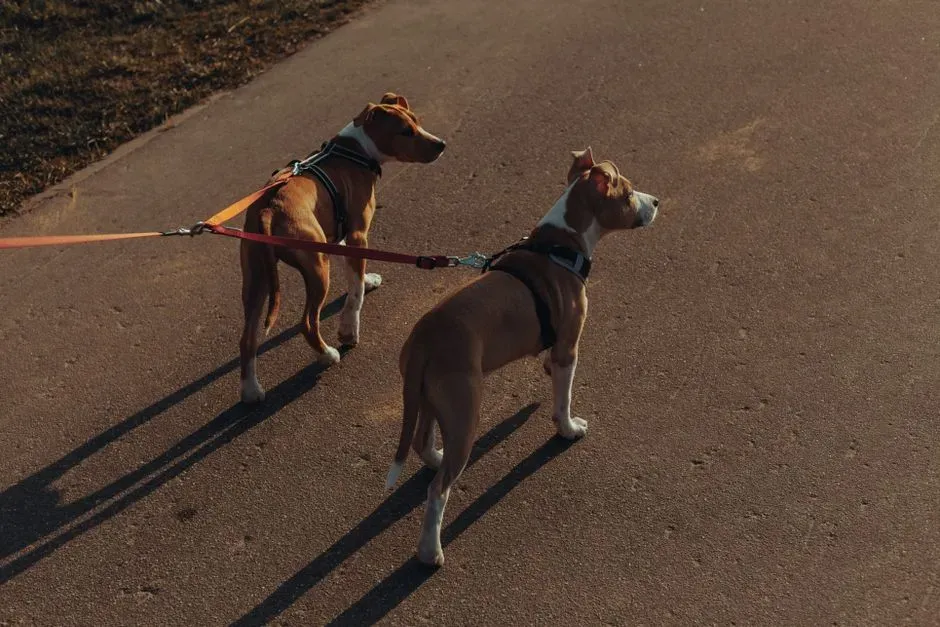
Most younger owners are used to being dragged down the street, especially if all they’ve known is puppy energy or one chaotic weekend walk a week. Retired couples simply can’t tolerate that physically, so their dogs get trained, over many years, to match a slow, steady pace instead of sprinting ahead.
You’ll see these dogs strolling right beside the leg, leash hanging loose like a piece of string.
What shocks people most is how little gear is involved. No fancy harness, no constant corrections, just repetition. Many retirees take several short walks a day instead of one long, chaotic one, which means the dog has thousands more calm, controlled walks under its belt than a typical young professional’s dog ever gets.
Some younger owners misread the calm pace as boredom. In reality, the dog simply understands the assignment: stay close, don’t yank, check in often.
#4 – The Dog That Knows Every Neighbor by Name and Routine
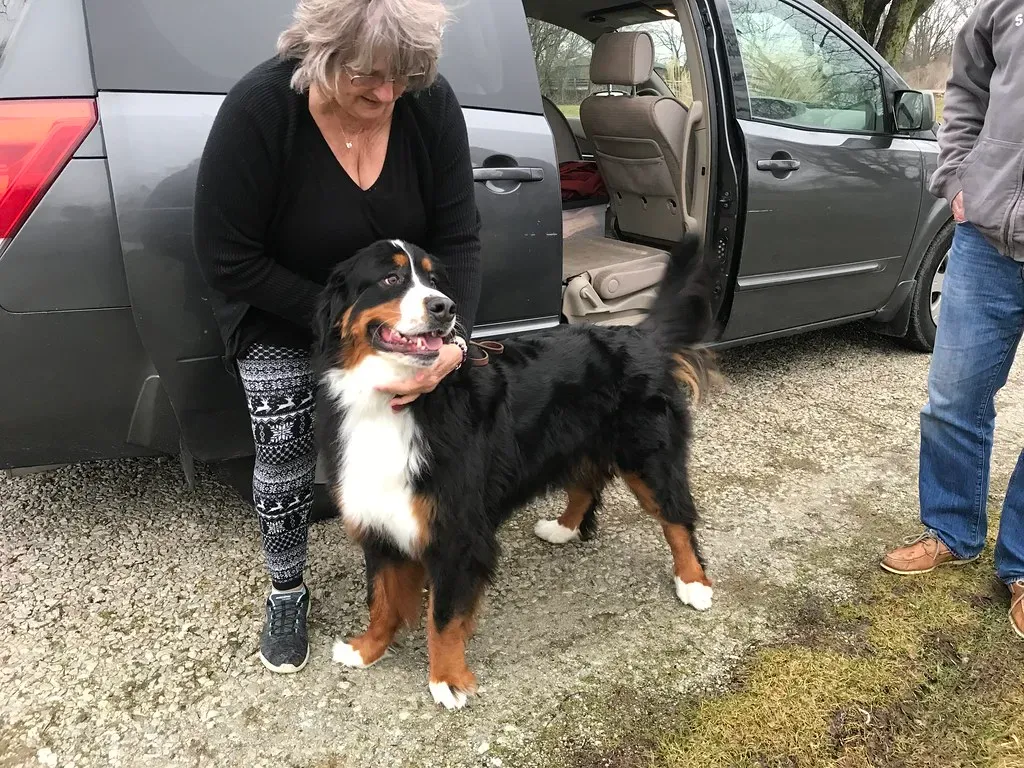
Retired-couple dogs feel almost like tiny neighborhood mayors. Because retirees are home more, they notice and greet neighbors, mail carriers, gardeners, and regular delivery people, and the dog is right there learning who counts as safe.
Over years, these dogs build a social map of the block that most younger owners never even realize exists. You might see the dog trot happily toward the mail carrier instead of barking, or wait at the fence right when a familiar neighbor usually walks by.
Younger owners are stunned the dog seems to “expect” certain people at certain hours, relaxing around them instantly. That’s not guesswork, it’s repetition plus a long string of low-key positive experiences.
What really surprises people is how cleanly these dogs separate “familiar visitor” from “stranger,” without any drama. A retired owner chats with the same faces so often that the dog reads their body language as part of the safe, normal background.
#5 – The Dog That Chooses Quiet Over Chaos, Every Time
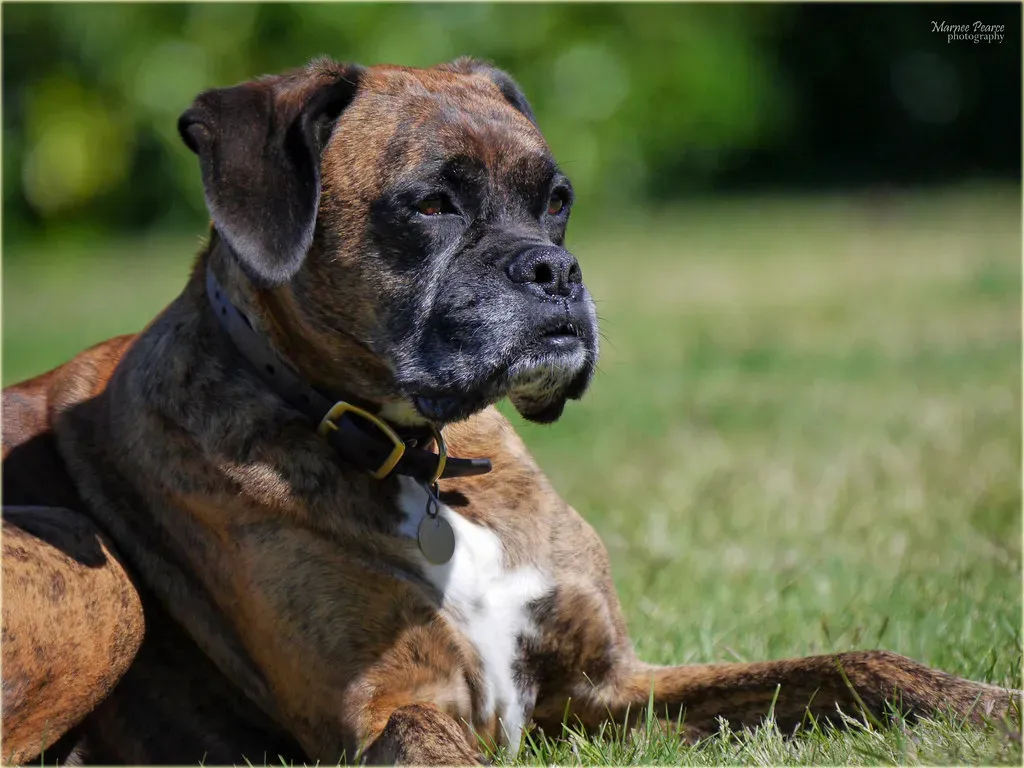
Younger owners often assume a good dog life means maximum stimulation: dog parks, loud playdates, crowded patios. Then they watch a retired couple’s dog politely remove itself from the noise, wander into another room, and just chill.
These dogs are experts at self-regulating overstimulation, and it isn’t shyness, it’s a choice. Many older adults live in quiet homes with soft conversation and moderate TV volume, so the dog learns to associate calm with safety.
Drop that dog into a loud house party and it won’t escalate, it will opt out. Younger people sometimes read that as grumpy or antisocial, but really the dog is making a very grown-up call: protect my peace.
We don’t talk about this enough. Constantly pushing dogs into high-energy environments can backfire, and retired-couple dogs prove that a life with more slow walks and fewer chaotic outings can actually produce a calmer, happier animal.
#6 – The Dog That Eats Like It Has Table Manners
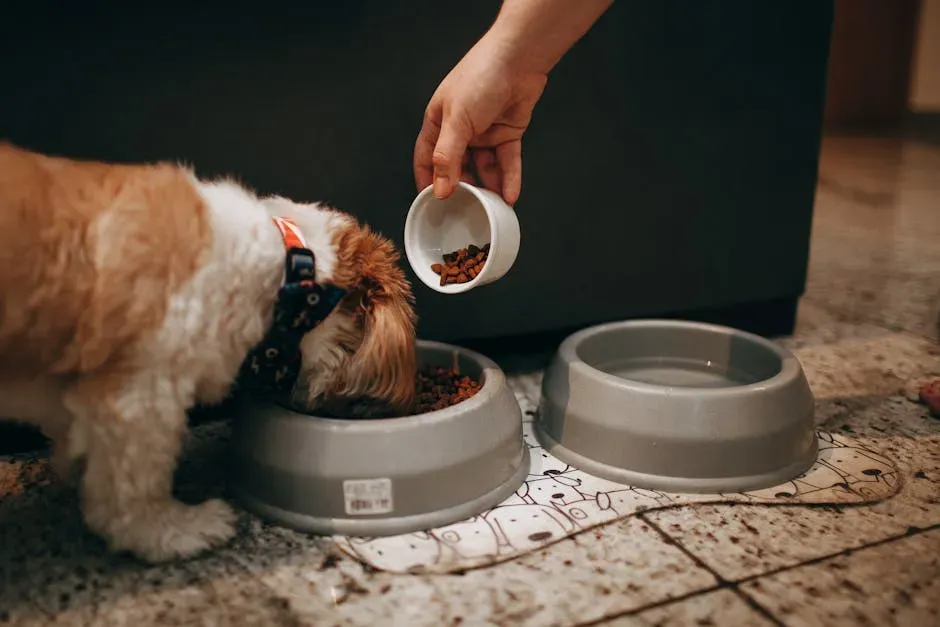
If you’ve only lived with dogs that inhale food, watching a retired couple’s dog at mealtime feels like a magic trick. Older owners are often advised to manage weight, for themselves and their pets, so they tend to be deliberate about feeding: set hours, measured portions, careful treats.
Over time the dog stops being frantic about food and becomes almost methodical instead. Some will sit and wait calmly for the bowl to be placed, not lunging until they hear “okay.” Others finish eating and simply walk away, no floor-licking, no begging for more.
Is it perfect? No, every dog is still a scavenger at heart. But compared to the grab-and-gulp chaos in a lot of younger households, this looks a lot like table manners, built from years of gentle “no begging” and slow, seated meals.
#7 – The Dog That Actually Uses an Inside Voice
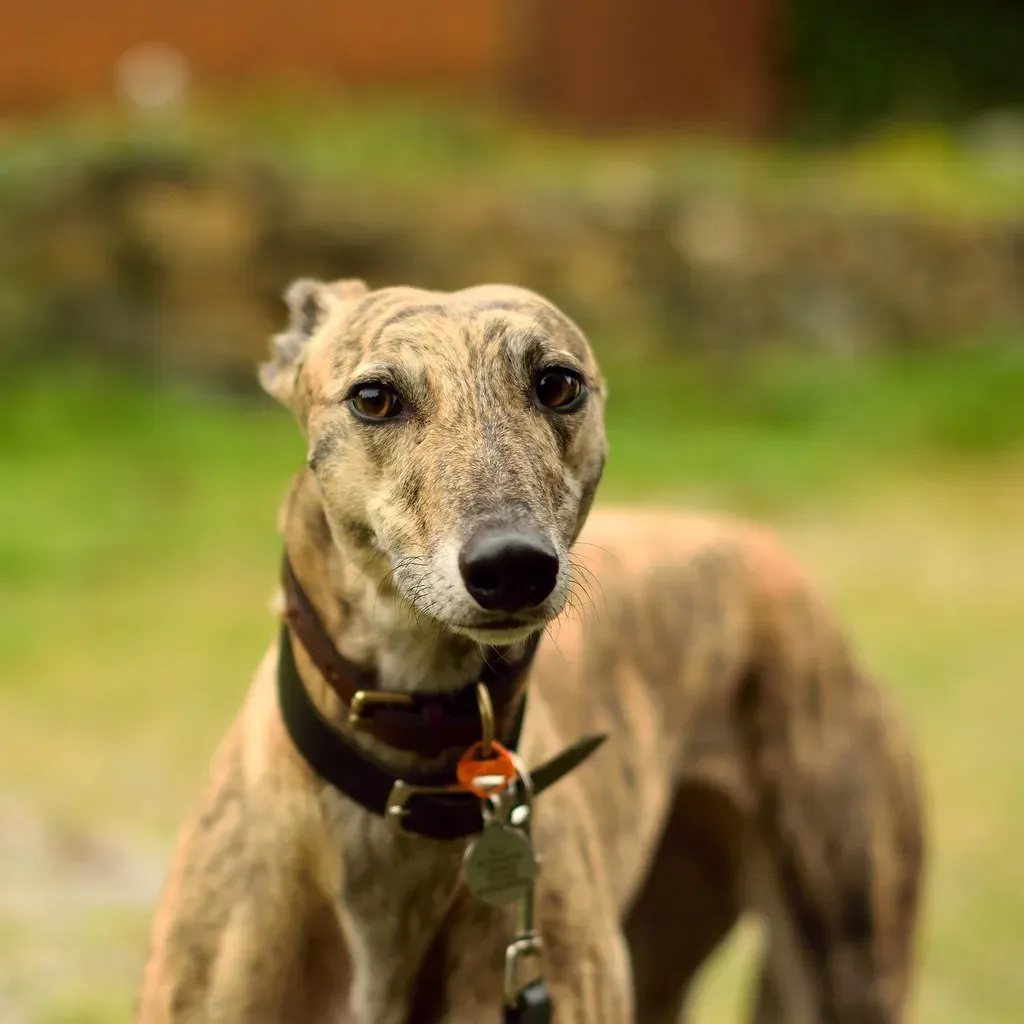
Here’s something that feels almost mythical online: a dog that doesn’t bark at every single sound. Retired couples, especially in apartments or quiet neighborhoods, learn fast that constant barking is exhausting, so many spend serious time, from early on, gently discouraging unnecessary noise.
Over years the dog develops a kind of inside voice, quieter alerts, fewer outbursts, faster recovery. The doorbell rings, the dog gives one or two sharp barks, and then just stops. No five-minute meltdown at the window.
The most surprising part is that these dogs still protect the home, they just don’t lose their minds doing it. Some breeds are naturally more vocal, sure. But a decade of calm, consistent “that’s enough” produces very different sound levels than the average under-trained, high-energy city pup.
#8 – The Dog That Naps Like It’s a Full-Time Job
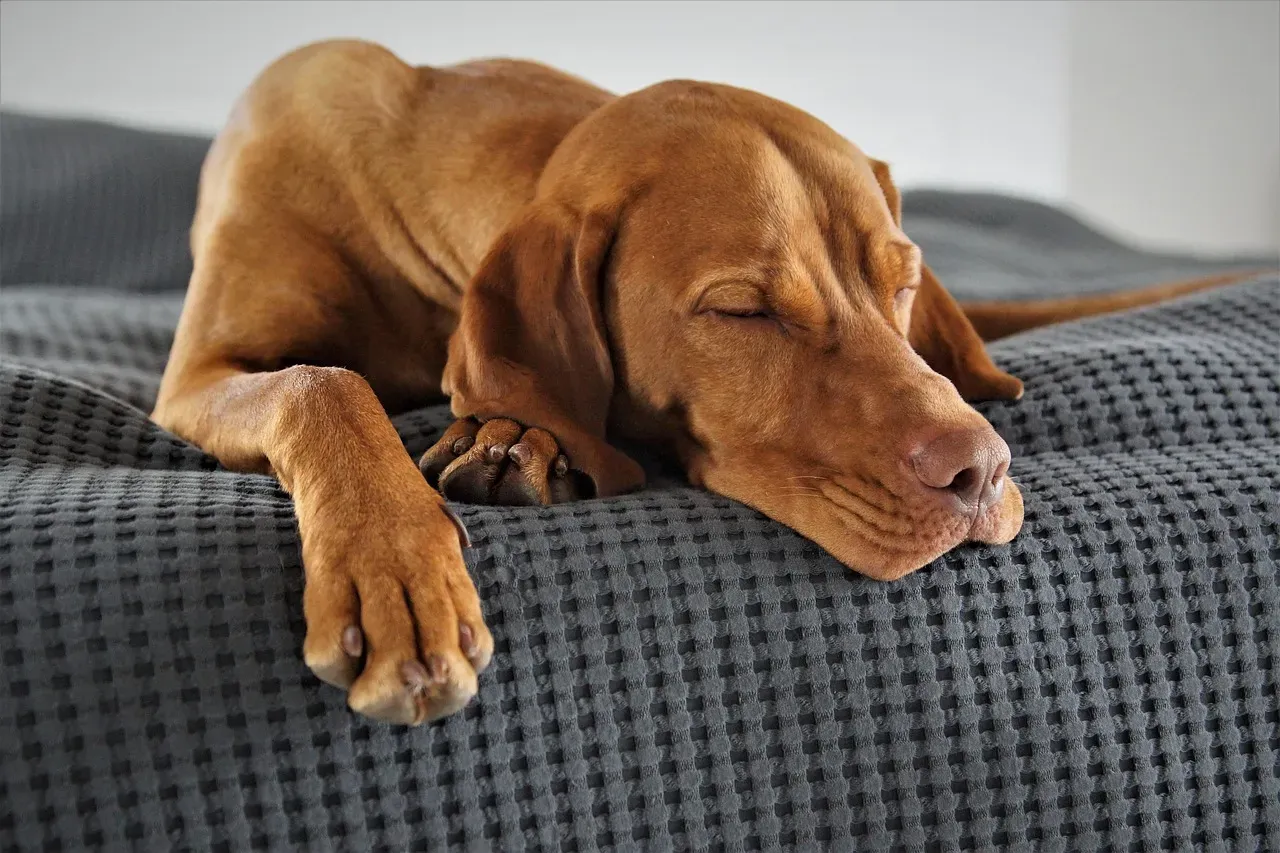
Younger people often assume heavy napping means something’s wrong, bored, depressed, understimulated. Then they watch a retired couple’s dog take several long naps a day and still be thrilled the second it’s time to walk or play.
These dogs have mastered true rest, not just collapsing after being overstimulated. Living with retirees means long stretches of quiet, reading, crosswords, gardening, background TV, and the dog absorbs that same slow rhythm.
Younger owners are often floored by how content the dog looks doing “nothing” for hours, and then how easily it flips into gentle play when asked.
Ironically, a lot of anxious, hyper dogs in younger homes are simply sleep-deprived, buried in constant noise and attention and screens. A retired-couple dog shows what happens when a dog is finally allowed to just be an animal: sleep, sniff, stretch, repeat.
#9 – The Dog That Treats the Vet Like an Errand, Not an Emergency
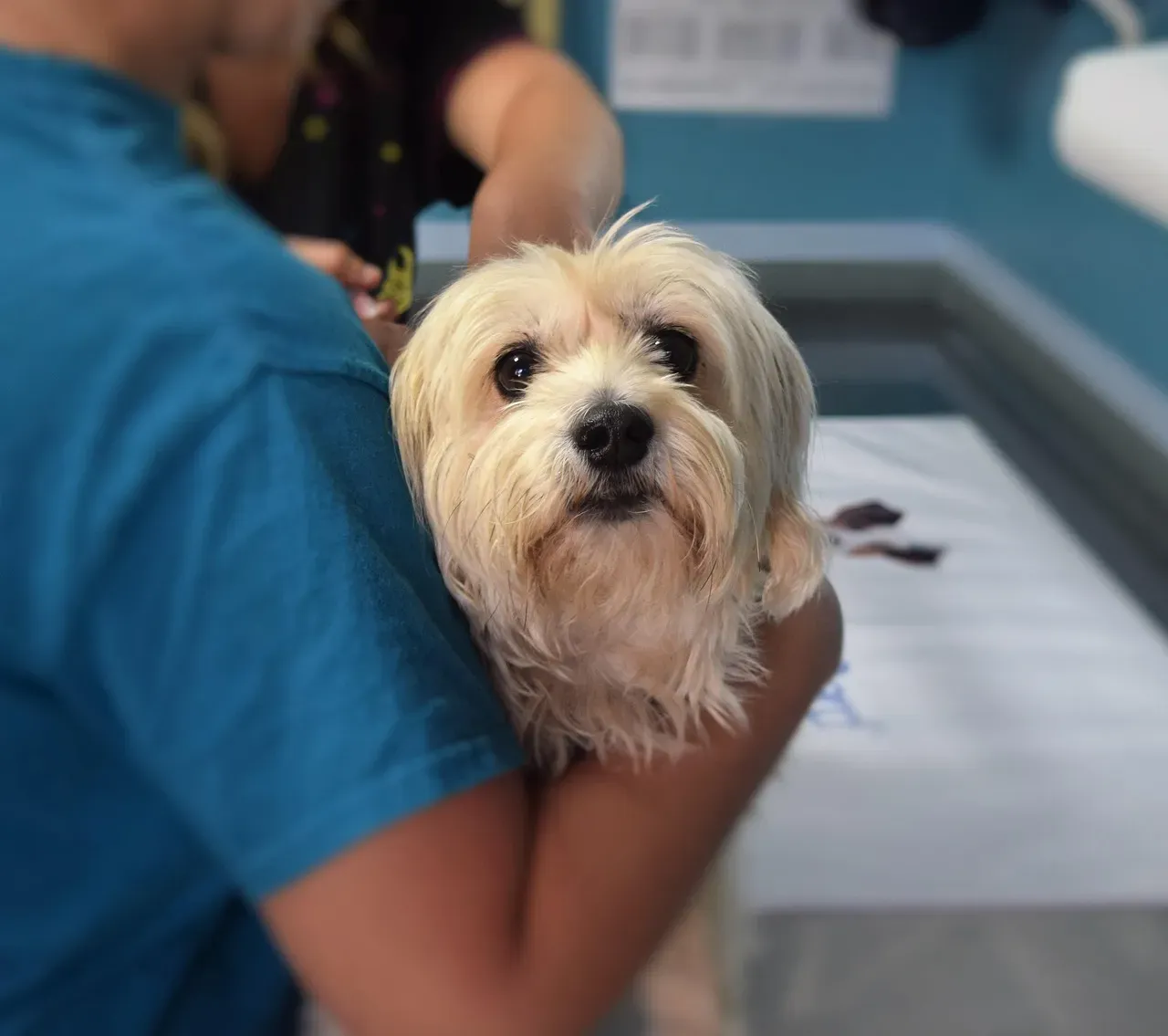
Younger owners often dread the vet, frantic panting, trembling, a full wrestling match in the lobby. Retired couples, who usually have more flexible schedules and their own regular medical appointments, tend to bring their dogs in often and calmly from an early age.
Over a lifetime, the dog experiences the vet as just another errand. Ride in the car, sit in the waiting room, get weighed, maybe score a treat, go home.
Many retired-couple dogs tolerate handling, ears, paws, mouth, far better than younger owners expect, simply because it’s been normal for years. That pays off hugely later in life, when checkups and treatments get more frequent.
This steady exposure also means owners catch problems earlier, weight changes, lumps, dental issues, before they turn into emergencies. A lot of “my dog hates the vet” is really just a history of rare, high-stress visits.
#10 – The Dog That Bonds to Routines, Not Gadgets
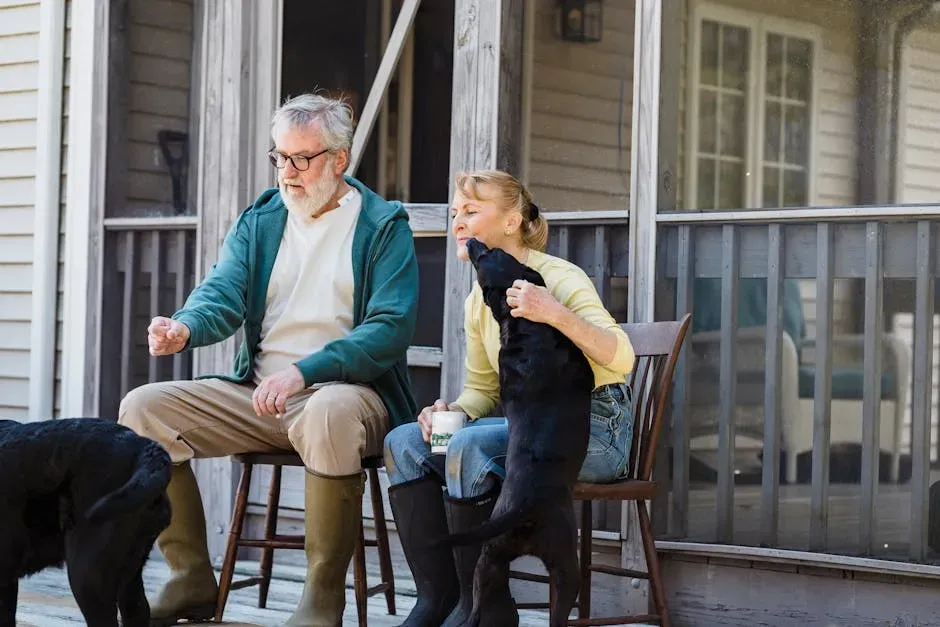
Younger owners get bombarded with products: puzzle feeders, smart collars, subscription toy boxes. Retired couples tend to invest less in gear and more in time, their dog’s enrichment is often as simple as sniffing every mailbox on the block or riding along for errands.
The surprise is these dogs are often calmer and more secure than gadget-drenched, under-walked city dogs. Because retired people are simply around more, the dog attaches to predictable human presence and shared rituals instead of constantly rotating stuff.
Younger owners are caught off guard when the dog ignores a brand-new toy but lights up the second someone reaches for the leash.
That doesn’t mean retirees never use enrichment tools. It means the baseline is walk, talk, sit together, the unglamorous, un-Instagrammable stuff that quietly regulates a dog’s nervous system over years.
#11 – The Dog That Genuinely Loves Doing Nothing With You
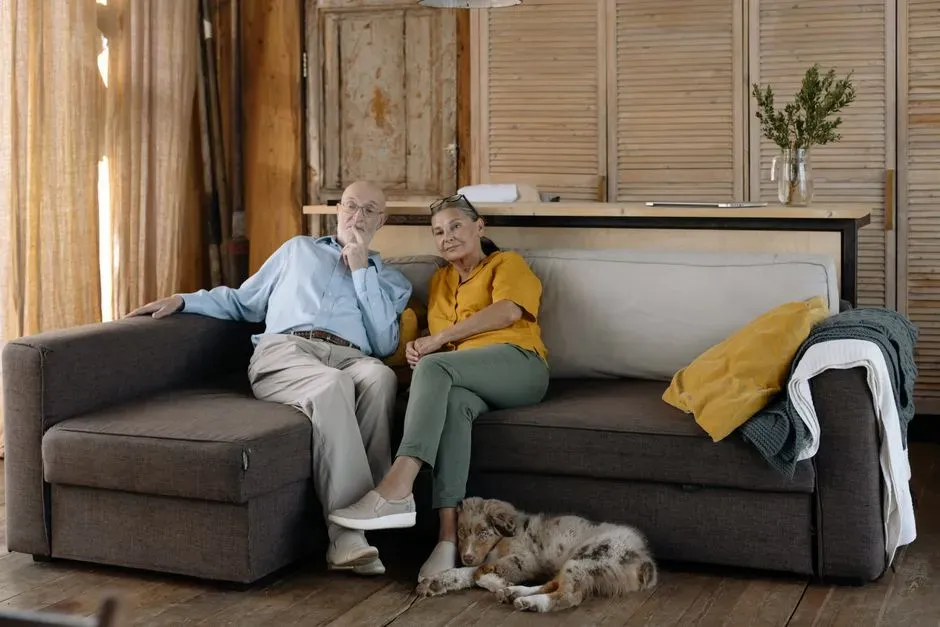
A lot of younger people adopt dogs thinking constant entertainment equals love. Then they meet a retired couple’s dog that is weirdly satisfied just existing in the same room, no fetch, no tricks, just company while someone knits or watches the game.
For many of these dogs, coexistence is the primary love language. Retirees spend more of the day at home, and a huge chunk of that time is low-activity, so the dog bonds deeply to the idea that “my human is here, and that’s enough.”
Younger owners are often taken aback when the dog skips the begging-for-play routine entirely and instead curls up with a sigh, as if to say, “We’re good, right?”
It feels almost too easy compared to hustle-culture dog ownership online. But dog happiness was never only measured in miles run, plenty of dogs, especially as they age, crave companionship over endless stimulation.
#12 – The Dog That’s Gentle With Grandkids But Won’t Be Pushed Around
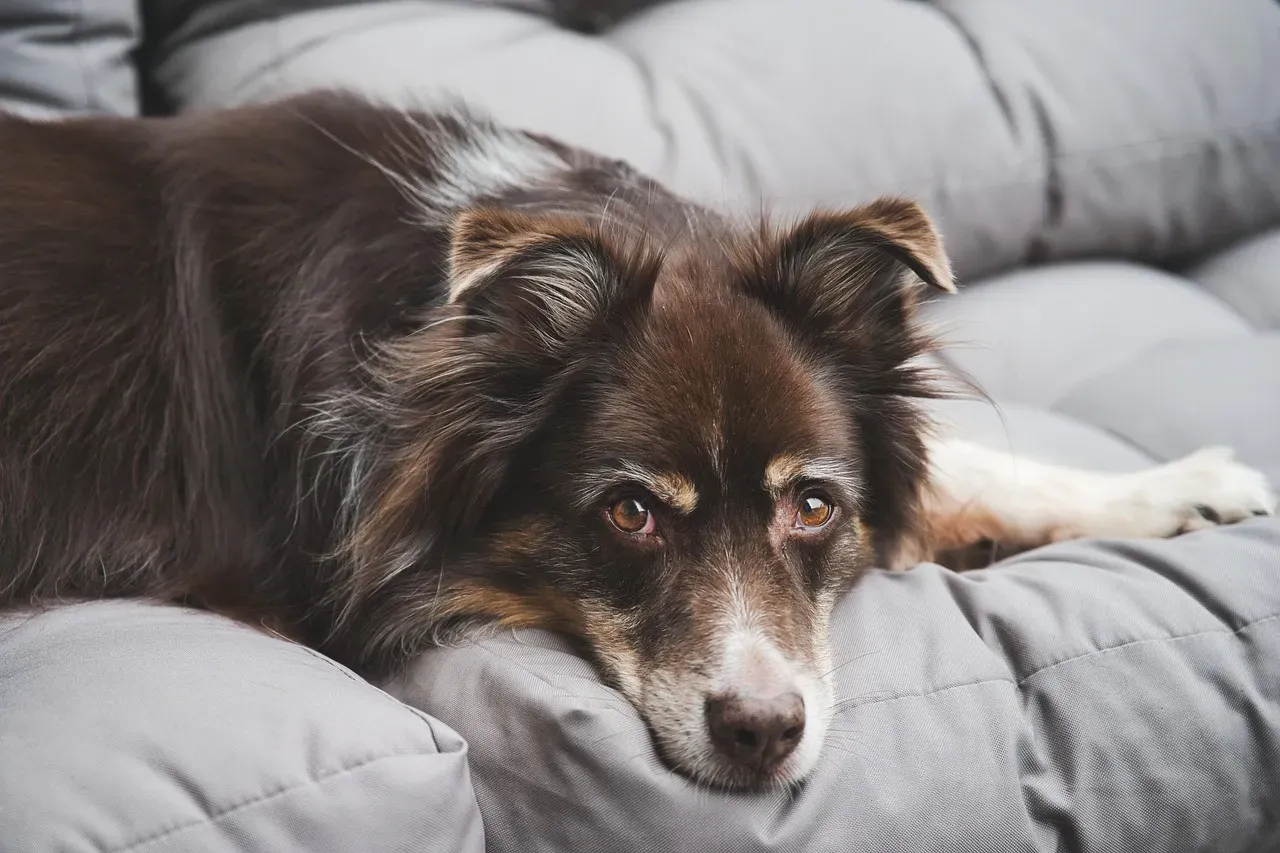
This one really confuses younger owners. Retired couples’ dogs are often gentle and tolerant with kids, yet also very clear about when they’ve had enough.
Because many retirees are grandparents, they’re used to managing the space between excited children and an older dog. They enforce rules like no pulling ears, no chasing, let the dog go when it walks away.
Over years the dog learns kids often mean good things, snacks, attention, fun, but also that it’s allowed to retreat without being forced into more. Younger people are shocked watching a dog quietly leave the room when overwhelmed, and the adults backing that choice instead of dragging it back for “one more hug.”
The controversial part? Plenty of younger owners push constant physical affection as bonding, even when the dog is clearly done. Retired-couple dogs model something healthier: affection with boundaries, play with an off switch.
#13 – The Dog That Knows the House Better Than Any Human

A retired couple’s dog often spends more consistent time at home than a typical young owner’s dog, who might be crated, at daycare, or alone for long stretches. As a result it develops an almost map-like understanding of the house, which door leads where, which floorboard creaks, which chair means “we’re staying awhile.”
You might catch the dog moving before someone even pulls out the vacuum, or heading to the back door five seconds before a retired owner says, “Let’s go out.”
It’s not psychic, it’s pattern recognition honed over thousands of repetitions. That familiarity can even extend to which shoes the owner puts on, “walking shoes” versus “leaving-without-me shoes.”
It looks like magic from the outside, but it’s really just an extreme version of what every dog does naturally: pay obsessive attention to your routine.
#14 – The Dog That Handles Being Alone Without Falling Apart
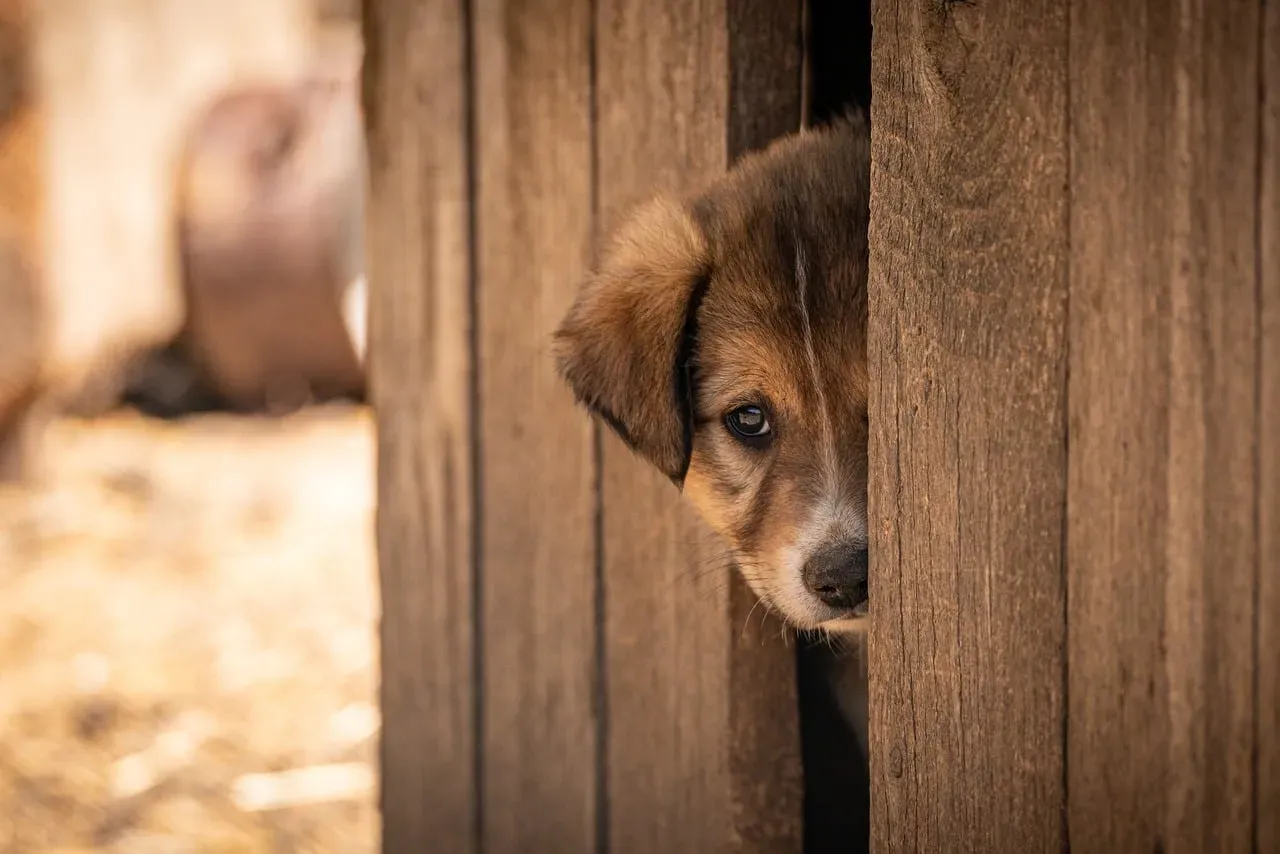
There’s a stereotype that dogs attached to older people must be clingy. Often the opposite is true, because retired couples come and go in small, predictable doses throughout the day, a quick grocery run, a morning coffee group, an afternoon club.
The dog experiences short, low-drama absences constantly instead of long, rare ones that feel like abandonment, and over time that builds real independence.
Younger owners are shocked when the dog calmly heads to its bed as they leave, instead of whining, pacing, or destroying a couch cushion. That’s years of quiet “we’ll be back” conditioning, not some mystical trait.
This doesn’t mean these dogs never struggle with separation, some absolutely do. But when absences are normalized instead of treated as catastrophes, many cope far better than dogs who only ever see their humans vanish for ten-hour workdays.
#15 – The Dog That’s Allowed to Age With Dignity
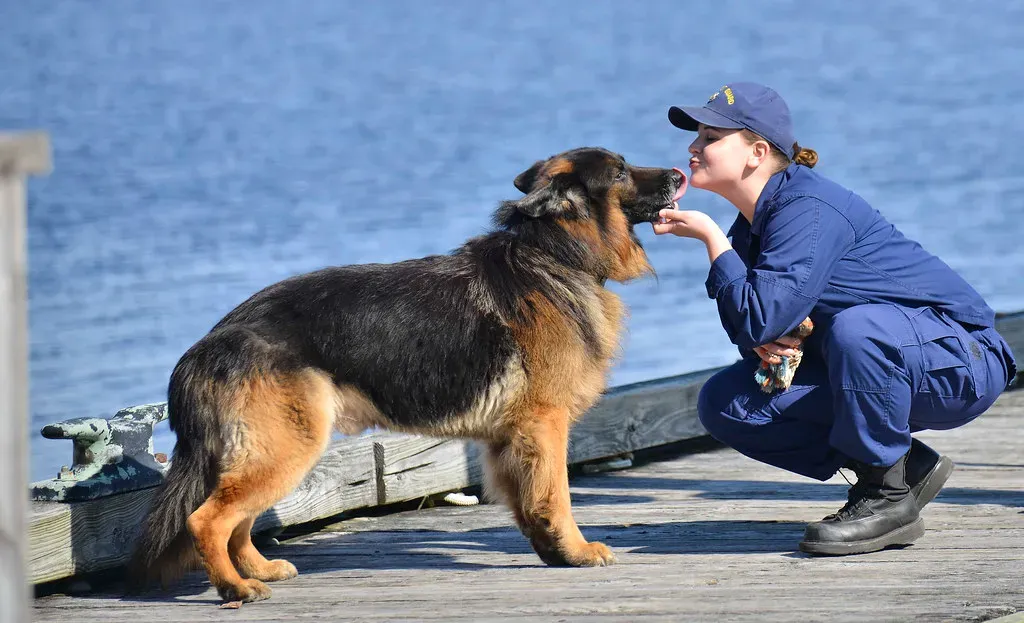
Younger owners are often stunned by how emotionally steady many retired-couple dogs seem in old age. Yes, they slow down, lose some hearing, maybe struggle with stairs, but their humans are usually slowing down right alongside them.
Instead of desperately trying to keep the dog “forever young” with intense outings, many retirees quietly adjust: shorter walks, softer beds, more sniffing time, fewer stairs.
The result is a dog allowed to be old without being treated like it’s broken. No forced fetch when the joints hurt, no shame for needing help into the car, no pretending nothing has changed. It’s two lives easing into a slower lane, together.
Dogs are not our whole life, but they make our lives whole.
Roger Caras
A lot of the anxiety we see in dogs comes from our refusal to match their life stage. Retired couples, often dealing with their own limitations, are more likely to notice and honor the dog’s, and that quiet respect shapes everything about how the dog turns out.
The Bottom Line
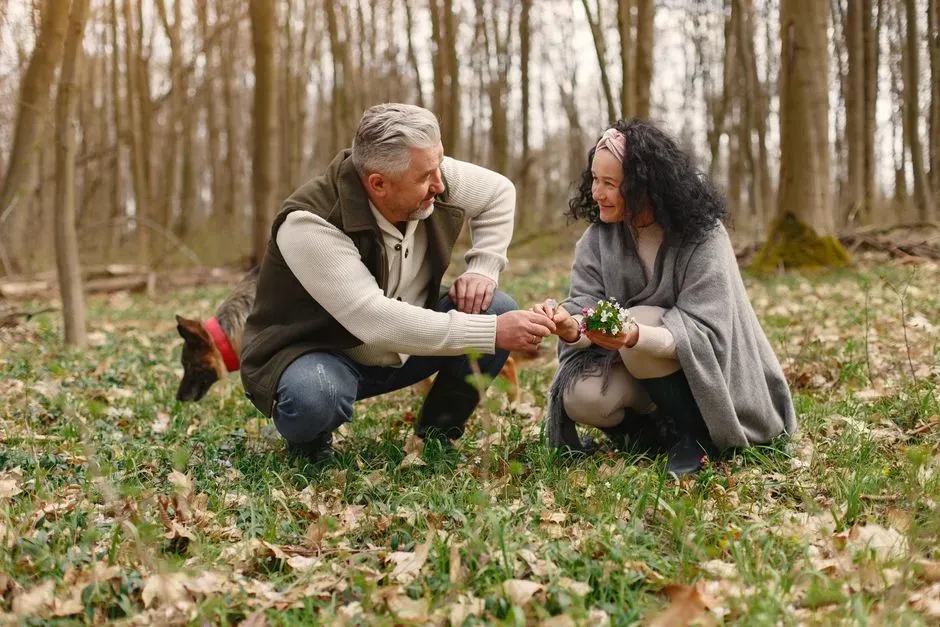
The biggest shock about a retired couple’s dog isn’t that it’s magically better behaved. It’s that the behavior was built, slowly, out of predictable routines, calmer homes, and humans who actually paid attention to what the dog needed instead of what looked good online.
Patience and quiet boundaries beat any trendy gadget or viral training hack, and that’s not really a controversial opinion, it’s just an inconvenient one for a culture obsessed with high-energy dog-parent flexing.
If you dismiss these dogs as boring, you’re missing the point entirely. They’re proof that a dog can be deeply fulfilled by simple walks, real rest, and steady company, no puzzle feeder required.
That might sting a little if you’ve built your whole identity around being a “high-energy dog parent.” But steal a page from the retired crowd’s playbook, and your own dog might surprise you just as much. So which of these fifteen have you actually caught your own dog doing, and which one do you secretly wish it would pick up?