
12 Parts of a Morning a Dog Notices Before Anybody in the House Is Awake
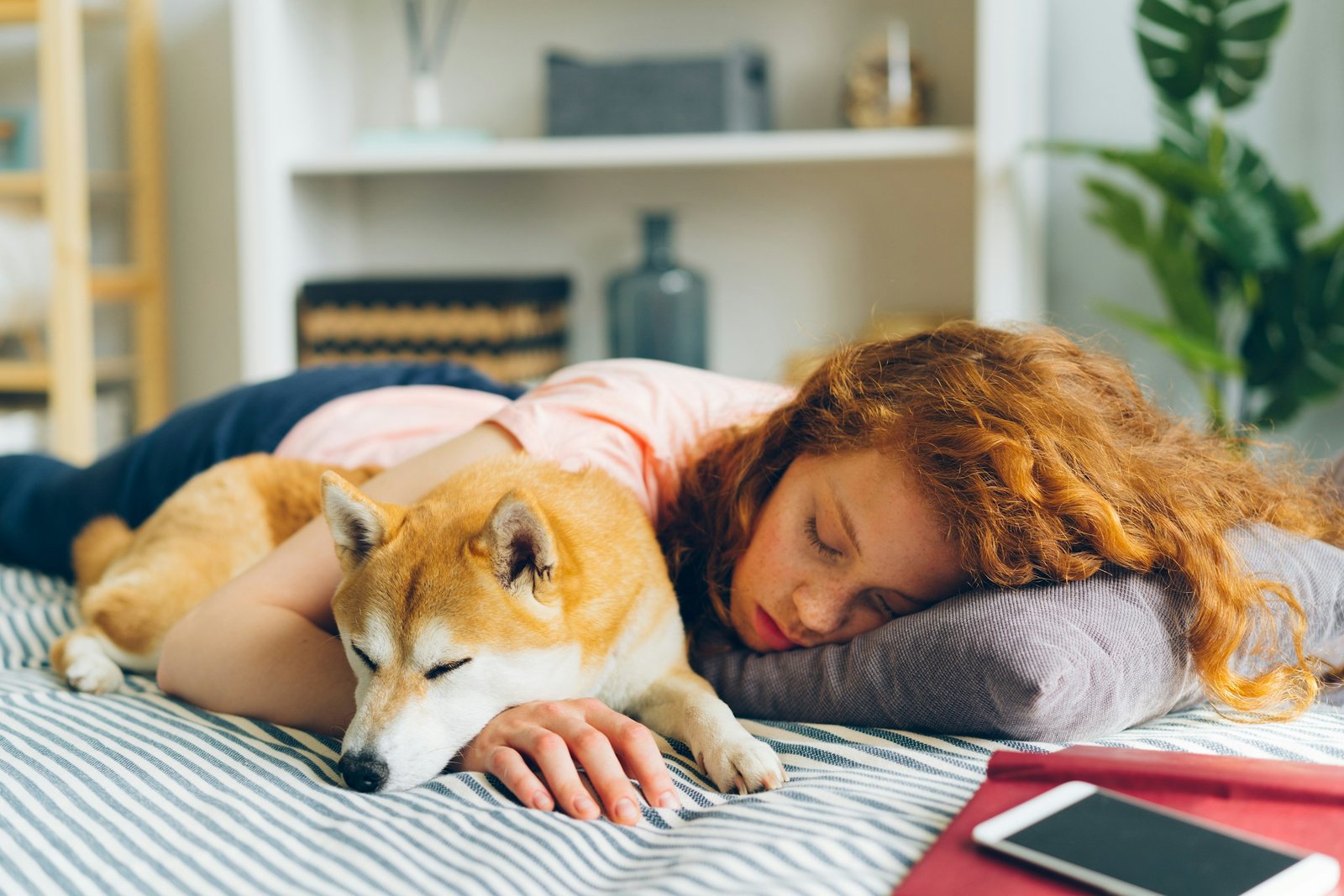
Most people assume their dog’s morning starts the second the alarm blares or the food hits the bowl. That’s not even close to true.
By the time you crack an eyelid, your dog has already pulled a full night shift – cataloging sounds, smells, and light shifts like a tiny security guard who never actually clocked out. While you were dead to the world, they were quietly building a report on your entire house, your body, and half the block outside. What feels like “nothing happened” to you was actually their busiest, most secretive stretch of the day, and once you see the 12 things they clock before you even stir, you’ll never look at that sleepy head-tilt the same way again.
#1 – The Exact Moment the Night “Breaks”
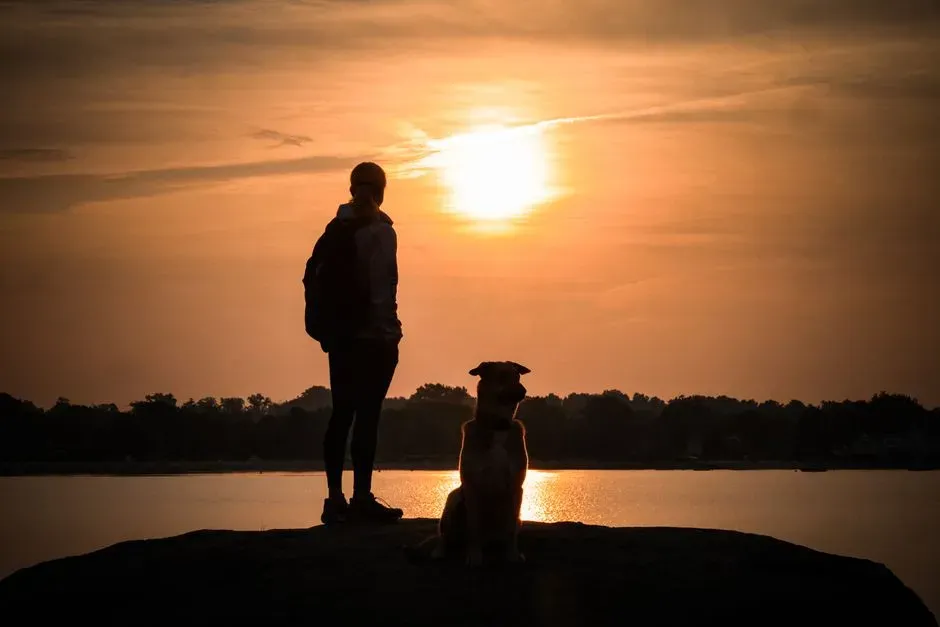
Your dog doesn’t own a clock, but they don’t need one. Their first job of the day is noticing the precise second the night stops feeling “deep” and starts to loosen. Long before you register anything, they’ve already caught a barely-there shift in the air and light.
Dogs are remarkably sensitive to tiny changes in temperature and light, especially right around dawn. That almost invisible softening of darkness gets felt, not seen. The house quietly flips from heavy and still to light and expectant, and your dog is the very first one to notice the switch flip – no barking, no drama, just quiet data collection before your alarm even thinks about going off.
#2 – Every Tiny House Noise, Logged and Filed
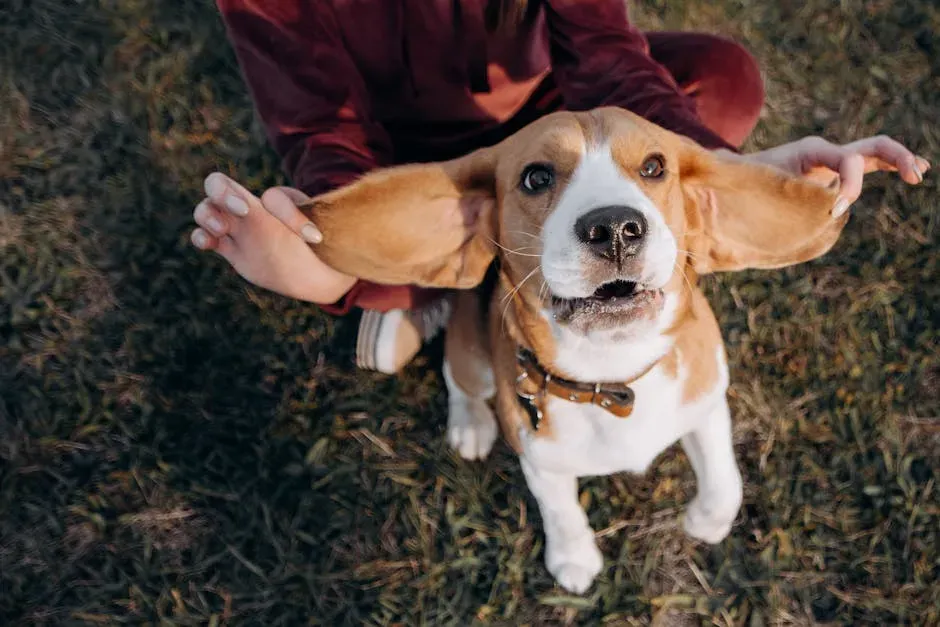
Before your brain has even booted up, your dog has already run a full diagnostic scan of the house. The furnace clicking on? Logged. The fridge humming to life? Noted. A car door slamming three houses down? Filed under “not a threat.”
Dogs can hear roughly four times farther than humans and pick up frequencies we can’t even register, so what sounds like silence to you is a busy control room to them. They know your home’s baseline soundtrack by heart. The second something breaks that pattern – a strange rattle, an odd new hum – they’re instantly on alert, staring down a hallway at 5:12 a.m. for a reason you’ll never hear.
Fast Facts
- A dog’s hearing range extends well beyond 40,000 Hz, while human hearing tops out around 20,000 Hz.
- Dog ears are controlled by up to 18 muscles, letting them rotate toward sound independently.
- Puppies are born deaf and don’t develop full hearing until roughly three to four weeks old.
- A dog’s overall hearing range reaches about four times farther than a human’s.
#3 – The First Smell of Morning Air
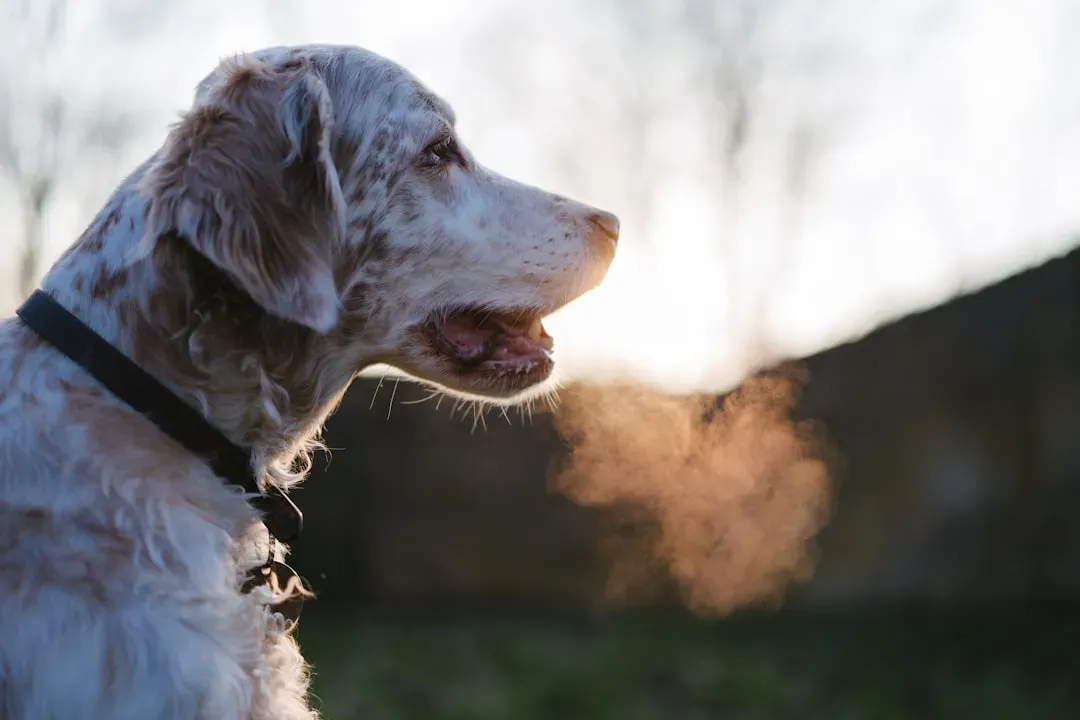
Long before sunlight touches your face, your dog has already smelled the morning itself – not a smell, but the whole shift. Dogs experience the world through scent first, and dawn air is basically a fresh newsfeed dropped straight into their nose.
Cool air holds scent differently than warm air, and as the temperature climbs, smells rise and shift in ways your dog tracks instantly. They know if it rained overnight. They can tell a stray cat cut through the yard hours ago, or that the garbage truck is still blocks away. To you, the windows are shut and nothing’s changed. To them, the outside channel just went live.
#4 – Your Breathing Changing While You Sleep
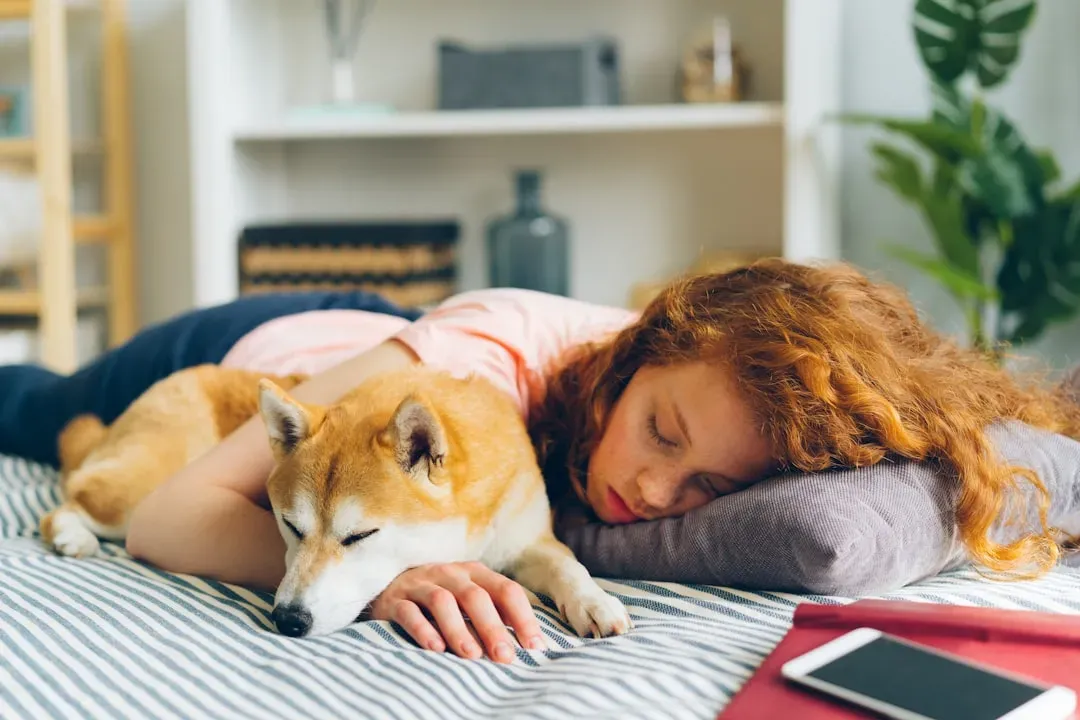
Here’s the part most owners never clock: your dog isn’t listening for the alarm or the coffee maker. They’re listening for you. Long before anyone announces they’re awake, your dog has already caught your breathing deepen, shorten, or shift out of a heavy sleep.
Dogs live inside patterns, and your breath is one of the biggest ones they track. They learn what your deep sleep sounds like, what your restless nights sound like, and what your almost-awake phase sounds like – which is exactly why some dogs hop off the bed seconds before you actually stir. Some researchers even think dogs pick up on subtle muscle twitches and shifting heart rhythm through physical contact. To your dog, your body is basically a live broadcast, and they never miss an episode.
#5 – Which Human Is Going to Move First
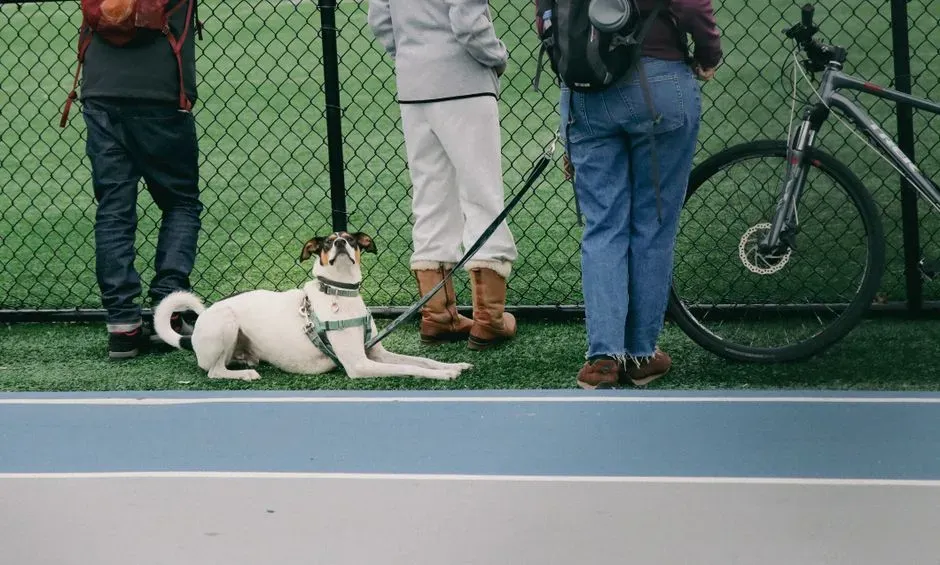
In multi-person homes, dogs absolutely play favorites, and it’s rarely just about who feeds them. Before anyone stirs, most dogs are quietly running the odds on who’s going to move, talk, or leave the room first.
They’ve watched this exact scene play out hundreds of mornings in a row, so they know the order of operations better than the humans living it. If one person always hits snooze three times and another’s up the second the alarm beeps, your dog already knows exactly who’s worth watching – and may even reposition themselves closer to that person a few minutes early. It’s not random affection. It’s strategy dressed up as loyalty.
#6 – The Emotional Mood of the Room, Read Before Anyone Speaks
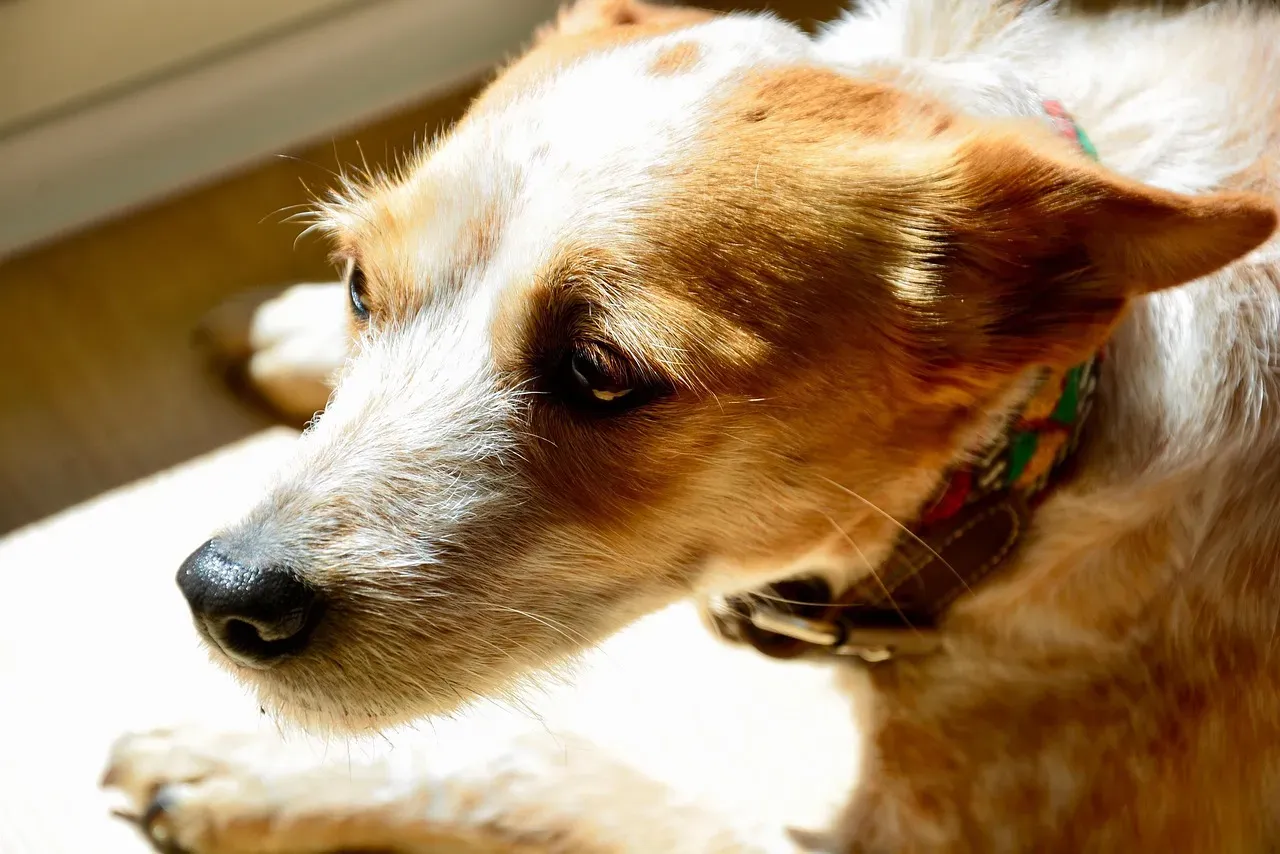
Here’s the slightly unsettling part: your dog usually knows what kind of morning it’s going to be before a single word gets spoken. Most people assume dogs react to tone of voice or facial expressions, but they’re actually reading emotional shifts far earlier – through posture, breathing, and tiny involuntary movements.
If you went to bed stressed, they noticed. If you tossed and turned all night, they definitely noticed. So by the time the sun starts rising, your dog has already forecast the emotional weather. They’ll go quieter and softer if they sense tension, or turn into a goofy chaos machine if the room feels light and easy. That “clingy” dog on a rough morning isn’t being dramatic – they’re just responding to data they collected while you slept.
Worth Knowing
- Dogs can pick up shifts in human stress hormones, including cortisol, through sweat and breath.
- Heart rate changes and muscle tension are often sensed through touch before a word is spoken.
- Some dogs show measurable behavior changes just from being near an anxious person.
- A calmer wake-up routine tends to carry over into calmer dog behavior later in the day.
#7 – The Route You’re About to Take Through the House
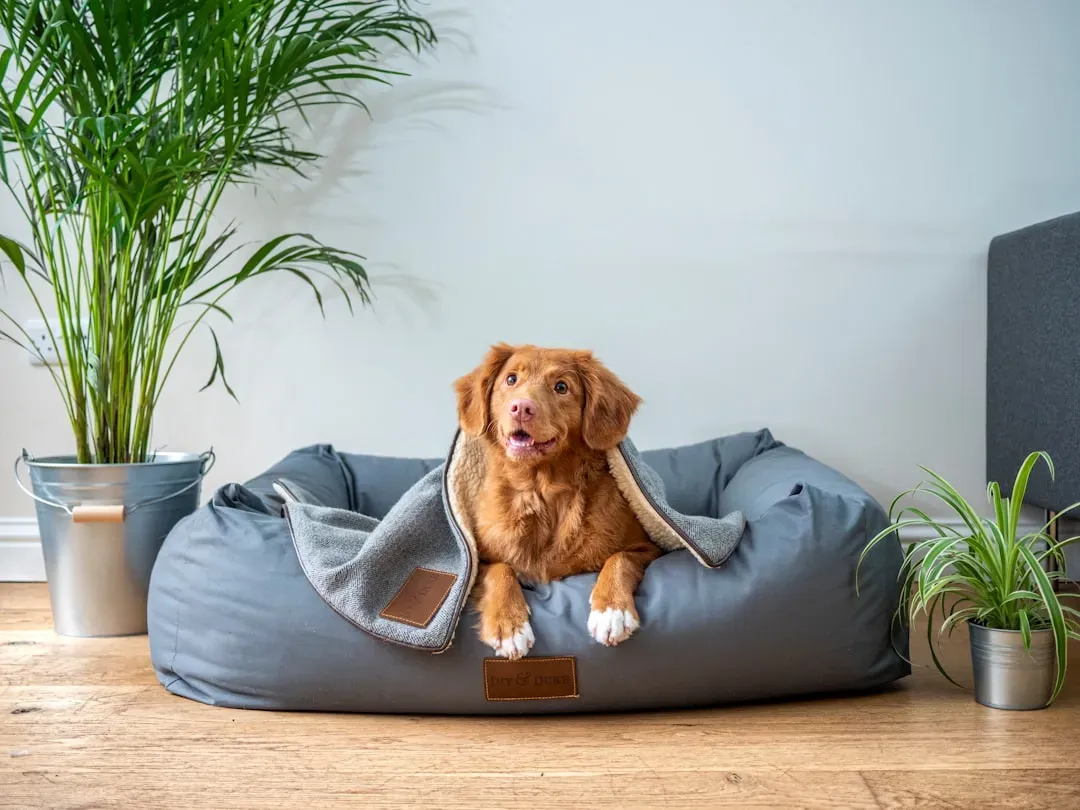
Long before bare feet hit the floor, your dog has already mapped what happens next. Some dogs seem almost psychic about whether you’re headed to the bathroom, the kitchen, or straight for the door – but really, they’re just reading tiny cues most humans never notice.
A shift in the sheets, the way you sit up, even which side of the bed you swing your legs toward – these are all tells your dog has memorized. If bathroom-first is your pattern, they’ll wait patiently in the hallway, knowing nothing fun is happening yet. If kitchen means you’re truly up, that’s when the tail starts going. They’re not underfoot by accident; they’re standing exactly where thousands of past mornings taught them to stand.
#8 – Which Door or Window the Morning Will “Open” Through
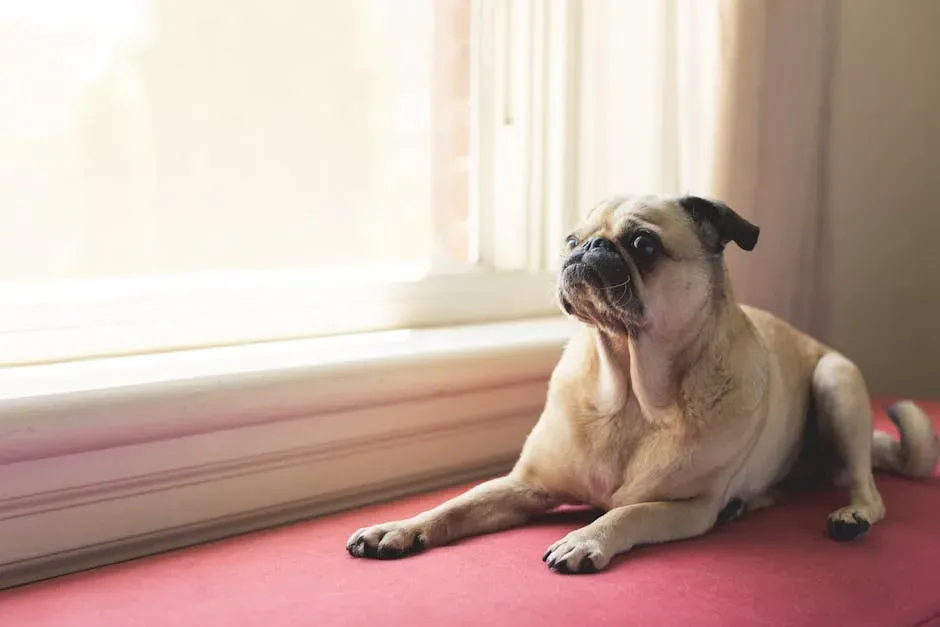
Your dog knows exactly where morning enters your house. Maybe it’s the back door to the yard, the bedroom curtain, or the sliding glass door off the living room. Long before a hand touches a handle or a blind cord, their attention is already locked onto that one spot.
They know light, air, smell, and action all flood in from that exact location first. Some dogs sit facing it with ears perked, ready to bolt the second it cracks open. Others just wait to soak up the first slice of sun landing across their favorite patch of floor. Either way, that door isn’t just an exit to them – it’s the daily reset button for the whole house.
#9 – The Neighborhood’s Roll Call Before You’ve Heard a Thing
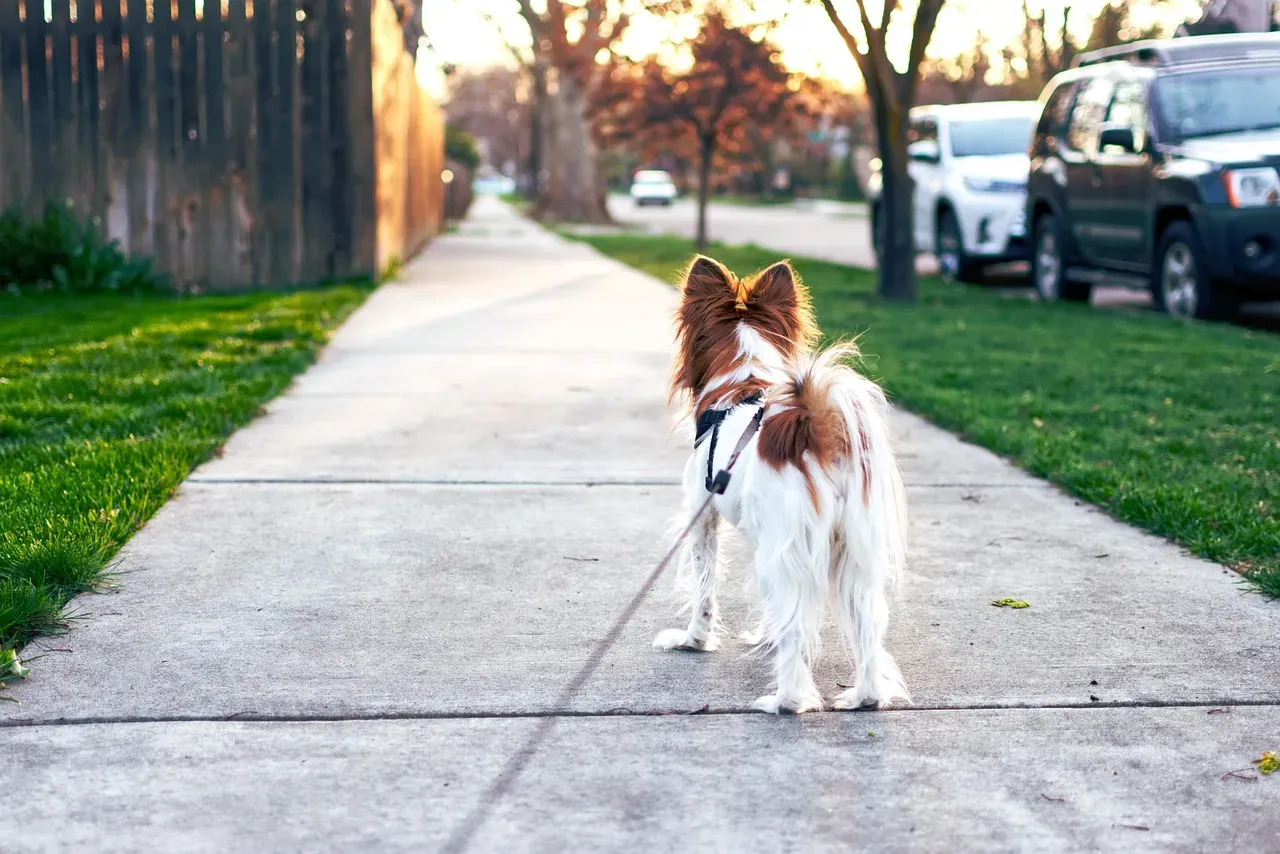
While you’re still debating whether to hit snooze, your dog has already checked in with the entire block. They build mental maps of consistent sound and scent signatures – the lab two houses down, the school bus rumble, the jogger’s footsteps, even the specific engine tone of the mail truck.
Morning is when all these familiar characters come back on stage, and your dog is tracking who’s on schedule and who’s missing. The neighbor’s car starting at the usual time barely registers. Unfamiliar footsteps near the yard get a hard stare or a low growl. That “random” barking at nothing isn’t random at all – it’s a break in a pattern only your dog was watching.
At a Glance
- The mail truck’s distinct engine tone
- A regular jogger’s familiar footsteps
- Other neighborhood dogs stirring nearby
- The school bus’s daily rumble
- Unfamiliar footsteps that break the usual pattern
#10 – The True Start of Breakfast (It’s Not the Kibble Bag)
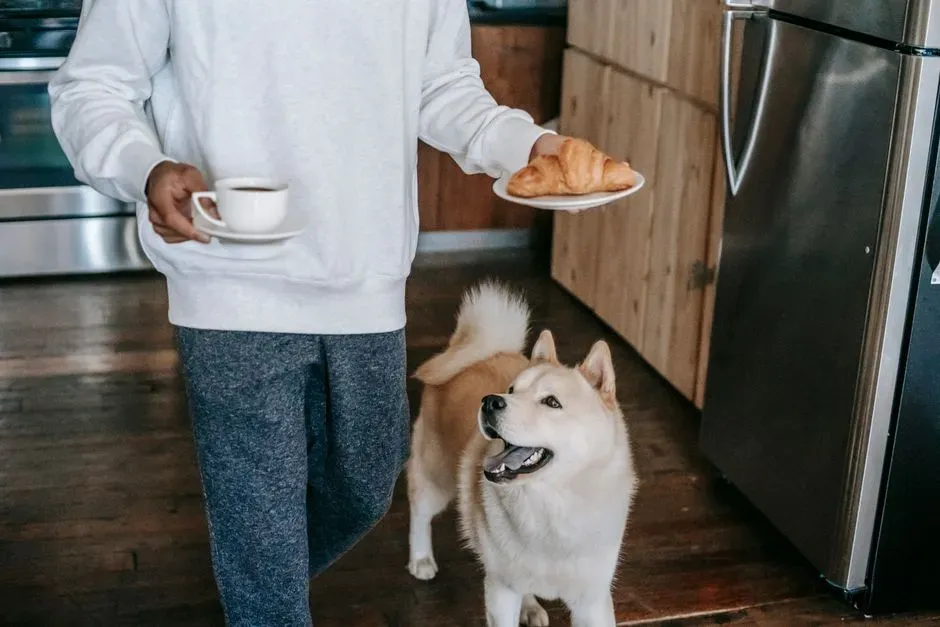
Most owners think breakfast starts when they reach for the food bin. Your dog strongly, silently disagrees. In their world, breakfast actually begins several steps earlier – the bed creak, the shuffle to the bathroom, the light flick, the cabinet door, the fridge opening, the coffee maker gurgling to life.
Dogs are exceptional at linking sequences, which is why they won’t always get excited just because you got up and walked around. They know movement doesn’t automatically mean food. But if you always feed right after pouring coffee, that grinder sound becomes just as meaningful as the crinkle of the kibble bag. Breakfast, to your dog, is a ten-beat routine, and they start counting from the very first note.
Quick Compare
- What you think starts breakfast: Opening the kibble bag
- What actually starts it: The bed creaking as you sit up
- Middle step your dog tracks: The bathroom light flicking on
- Final confirmation: The coffee maker or fridge sound that always comes right before food
#11 – The Unspoken Cue That Means It’s Safe to Get Loud
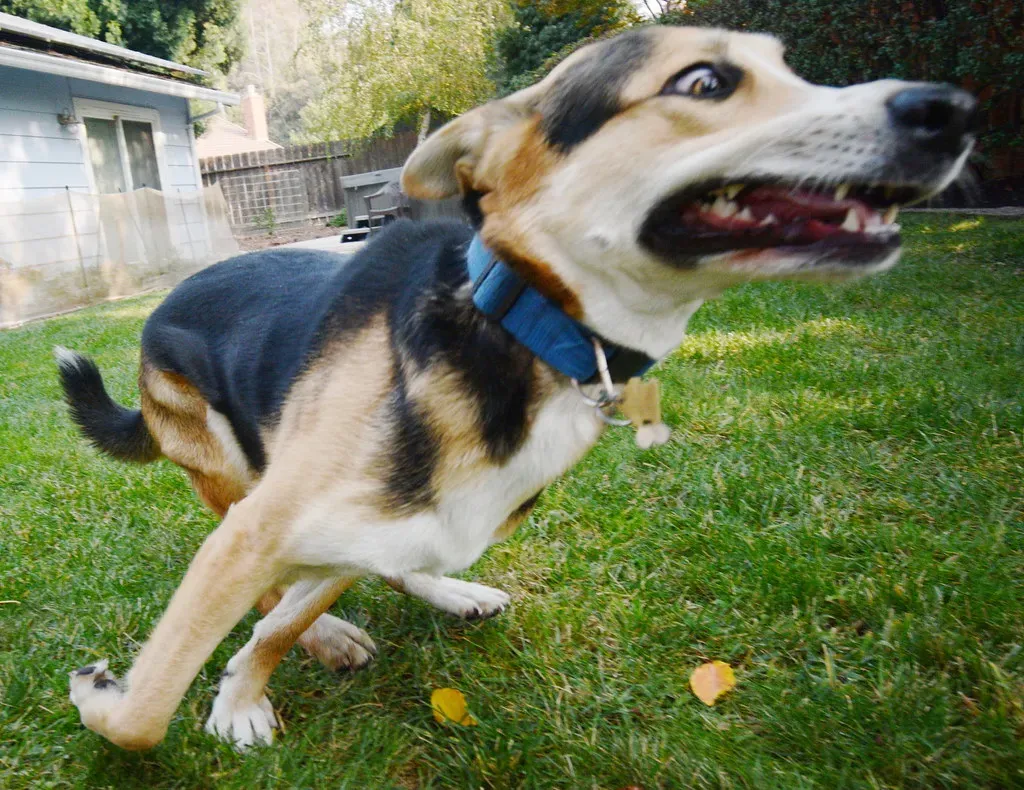
Here’s where it gets almost eerie: your dog is usually waiting for one very specific signal that tells them it’s finally okay to stop being quiet. It’s rarely the alarm. More often it’s something small and repeated that you taught them completely by accident – saying “okay,” clearing your throat, planting both feet on the floor, even checking your phone.
Until that cue lands, most dogs stay in stealth mode: soft tail thumps, quiet pacing, the occasional low whine. The instant the signal hits, they flip switches – zoomies, toy drops, barking at the window, the whole show. You didn’t plan this training. You built it by reacting the exact same way, morning after morning, without ever noticing.
#12 – The Moment the House Finally Feels Like a Pack Again

For all the sensory wizardry – the light, the sound, the scent – this is the part that actually matters most to your dog: the moment the pack feels whole again. That might be when everyone’s finally out of bed, when the bedroom doors swing open, or when the whole family lands in the same room.
Dogs are hardwired to care deeply about the proximity and orientation of their group, and mornings are when that scattered-bodies feeling from overnight finally snaps back into place. Watch closely and you’ll catch it: a visible softening, a contented sigh, a lazy stretch before they settle near the busiest cluster of humans. Every earlier scan – the neighborhood roll call, the sound checks, the mood reading – was really just in service of this one quiet reunion.
Dogs are not our whole life, but they make our lives whole.
Roger Caras
The Bottom Line
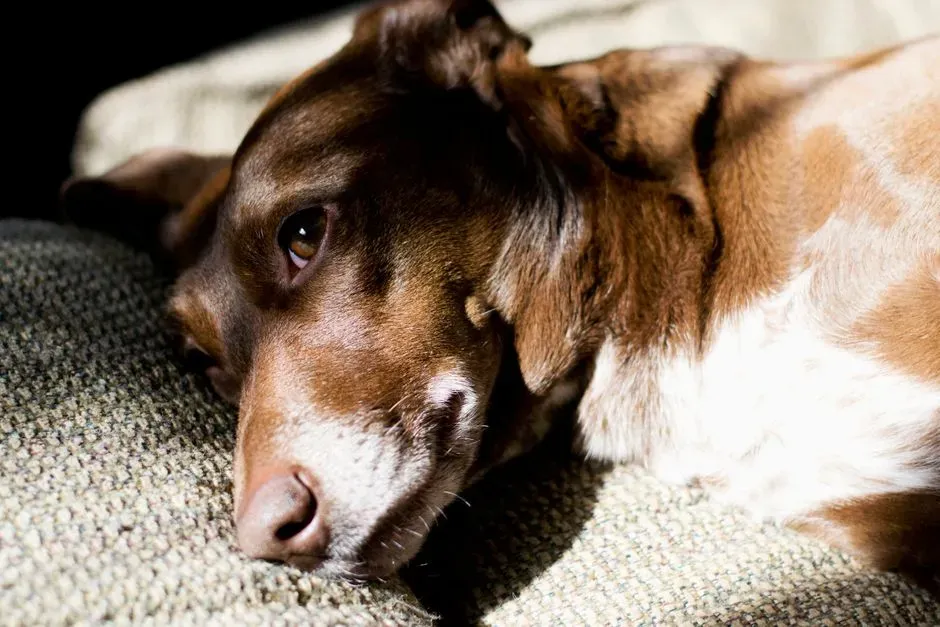
We love to imagine our dogs are just lying around waiting for us to “start the day,” but the truth is a lot more humbling than that. They’ve already done more sensory work before sunrise than most of us do by lunchtime – tracking the house, the block, the weather, our breathing, our moods, and even our next move.
Calling them “just pets” doesn’t come close to covering how much they’re actually managing behind the scenes. If anything, this whole quiet morning ritual proves something most of us get backwards: the day doesn’t start when we wake up. It starts hours earlier, and we’re just the last ones to show up to a shift our dog has already been running. Next time you catch that sleepy head-tilt at sunrise, know it’s not confusion – it’s a debrief.
Which part of your dog’s secret morning routine surprised you the most, and what have you caught them noticing before you were even awake?