
12 Signs a Dog Has Settled Onto One Routine and Quietly Refuses Every Other
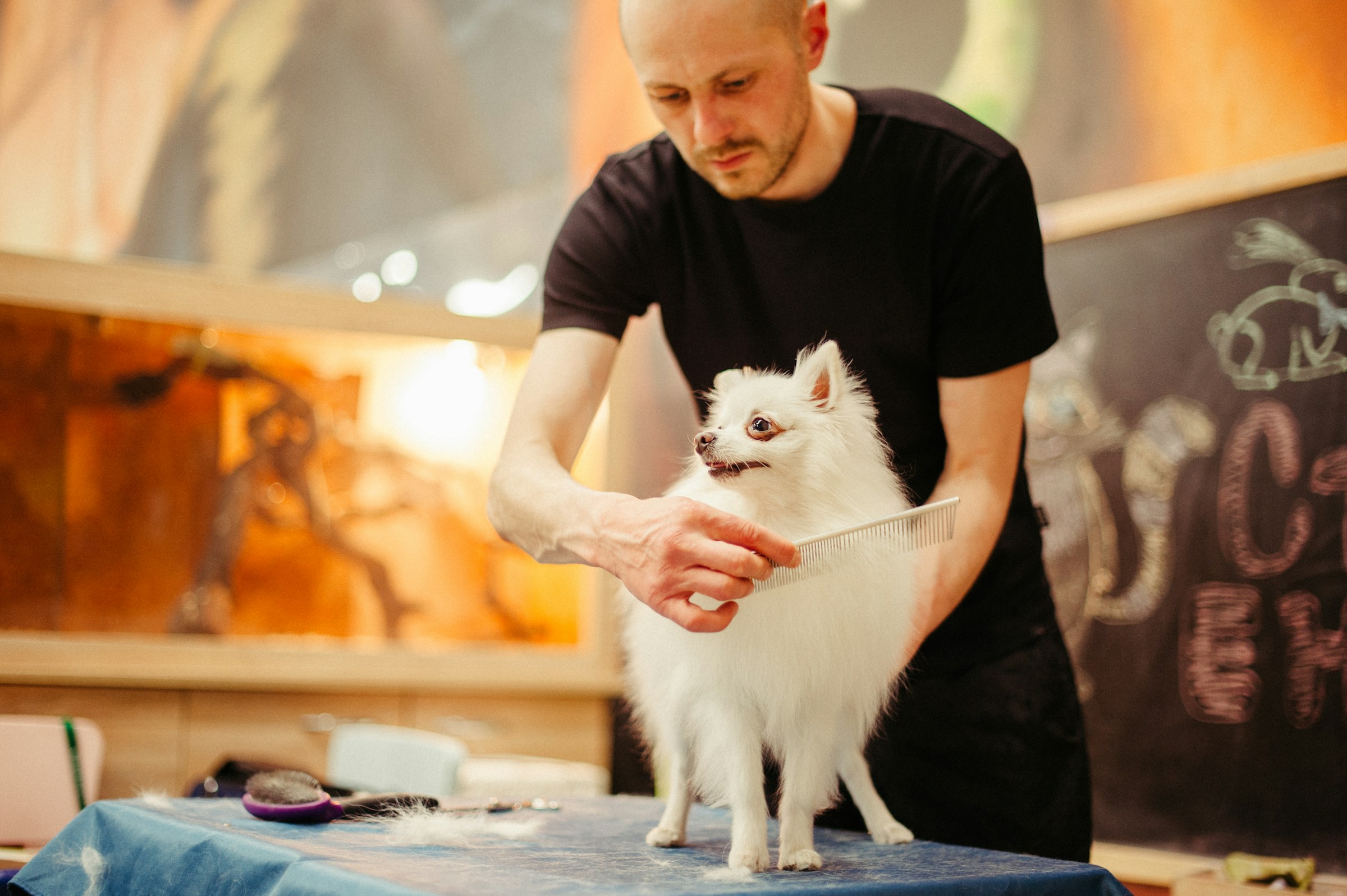
Everyone assumes dogs are happy-go-lucky creatures who’ll eat anywhere, walk anytime, and nap wherever the mood strikes. That myth falls apart the moment your dog refuses breakfast because the bowl moved two inches to the left.
Once a dog locks onto one routine, it doesn’t just prefer that pattern – it defends it. Owners who’ve lived through this know the eerie stillness that follows any attempt at change, and the twelve signs below will make you wonder how long yours has been quietly running the show.
#12 – The Dog Suddenly Ignores Walks at Any Time Except the Usual Slot
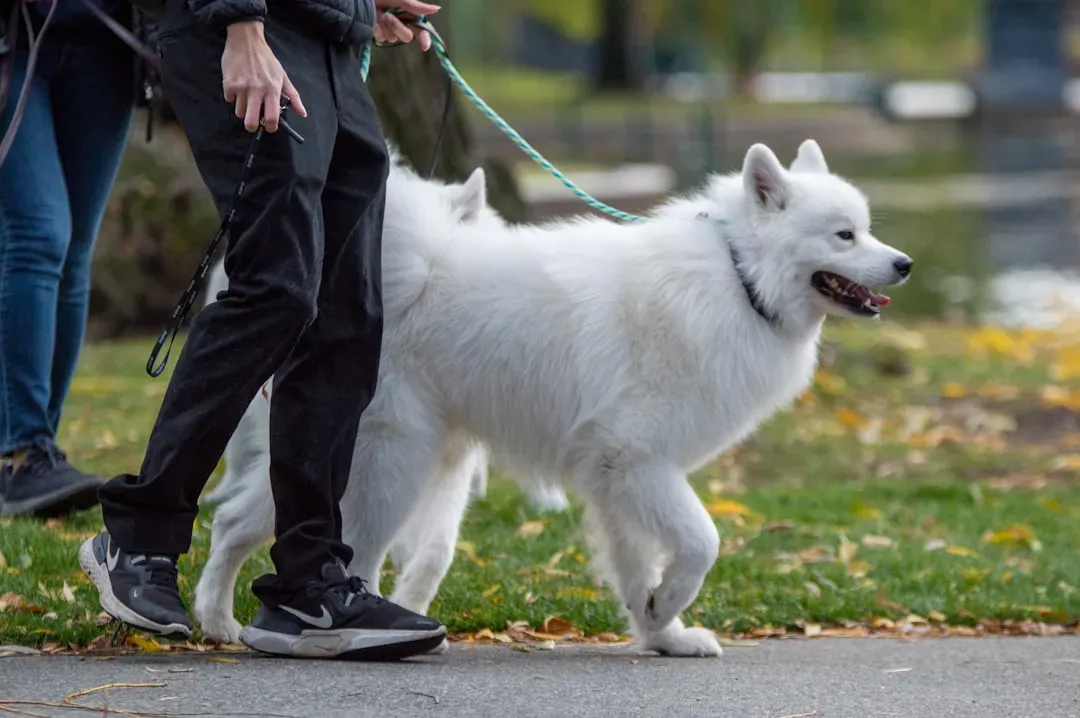
Most owners chalk up a skipped walk to laziness, but the real issue runs deeper. When a dog has cemented one exact morning or evening route and clock time, any deviation triggers quiet refusal. It plants itself by the door at the old hour and simply won’t budge otherwise, no matter how much you jingle the leash.
This stems from how dogs map their entire day around circadian cues and owner patterns rather than the walk itself. Some dogs will hold their bladder longer than is medically ideal rather than accept an off-schedule outing, and owners who push a new time often just watch the dog lie back down instead of heading out the door.
#11 – It Refuses Food Outside the Exact Bowl and Location
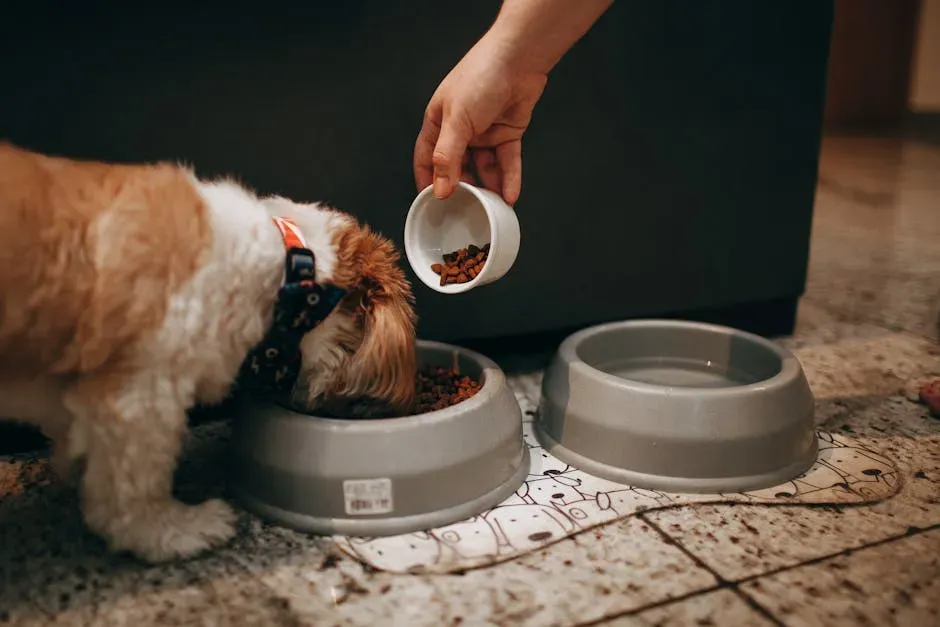
A dog that once ate anywhere now demands its original bowl in its original corner. Shift the bowl two feet or swap it for a new one and the meal sits untouched for hours, sometimes until it’s stale. This isn’t about taste at all – it’s about the ritual anchoring the entire feeding sequence in the dog’s mind.
Once a feeding spot becomes part of the routine, many dogs treat any change to it as a small threat to their sense of safety. Some will genuinely fast for a full day before touching food in a different location, and while trainers often push variety to prevent boredom, long-term owners report the opposite effect – forced changes tend to raise anxiety rather than relieve it.
Worth Knowing
- Dogs rely heavily on scent and spatial memory to recognize their feeding spot, not just sight.
- A sudden refusal to eat in a new location is often mistaken for pickiness, when it’s really about environmental consistency.
- Feeding rituals tie into a dog’s broader sense of territory and safety inside the home.
- Gradual changes, introduced one small step at a time, tend to succeed where abrupt swaps fail.
#10 – Play Sessions Only Happen With the Original Toy in the Original Room
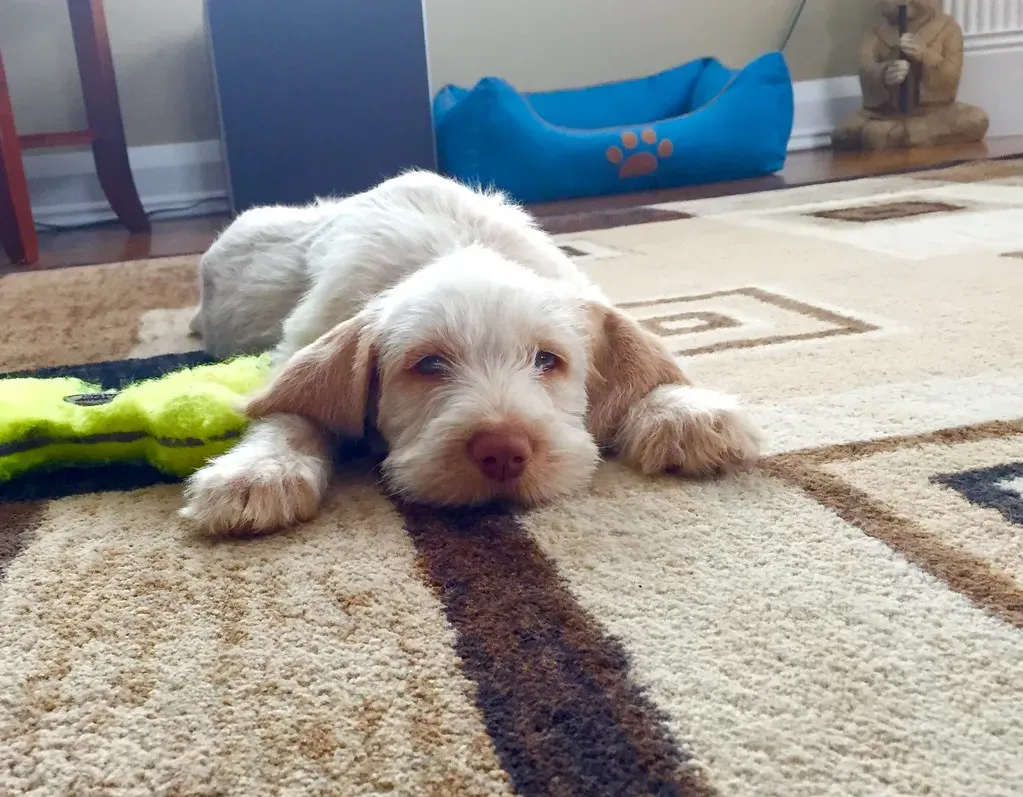
The dog carries its favorite toy to one specific rug and waits. Introduce a new toy or move the session to another room and interest vanishes instantly. The refusal starts polite – just a quiet turn of the head – but it hardens into something absolute fast.
Dogs build these tiny, repeated rituals because repetition genuinely lowers their stress hormones. What surprises most owners is how quickly a dog will abandon play entirely rather than adapt to a new setup, so the well-meaning habit of rotating toys for enrichment often just produces a bored-looking pet waiting patiently for the old favorite to reappear.
#9 – It Only Settles for Sleep in One Precise Spot and Position
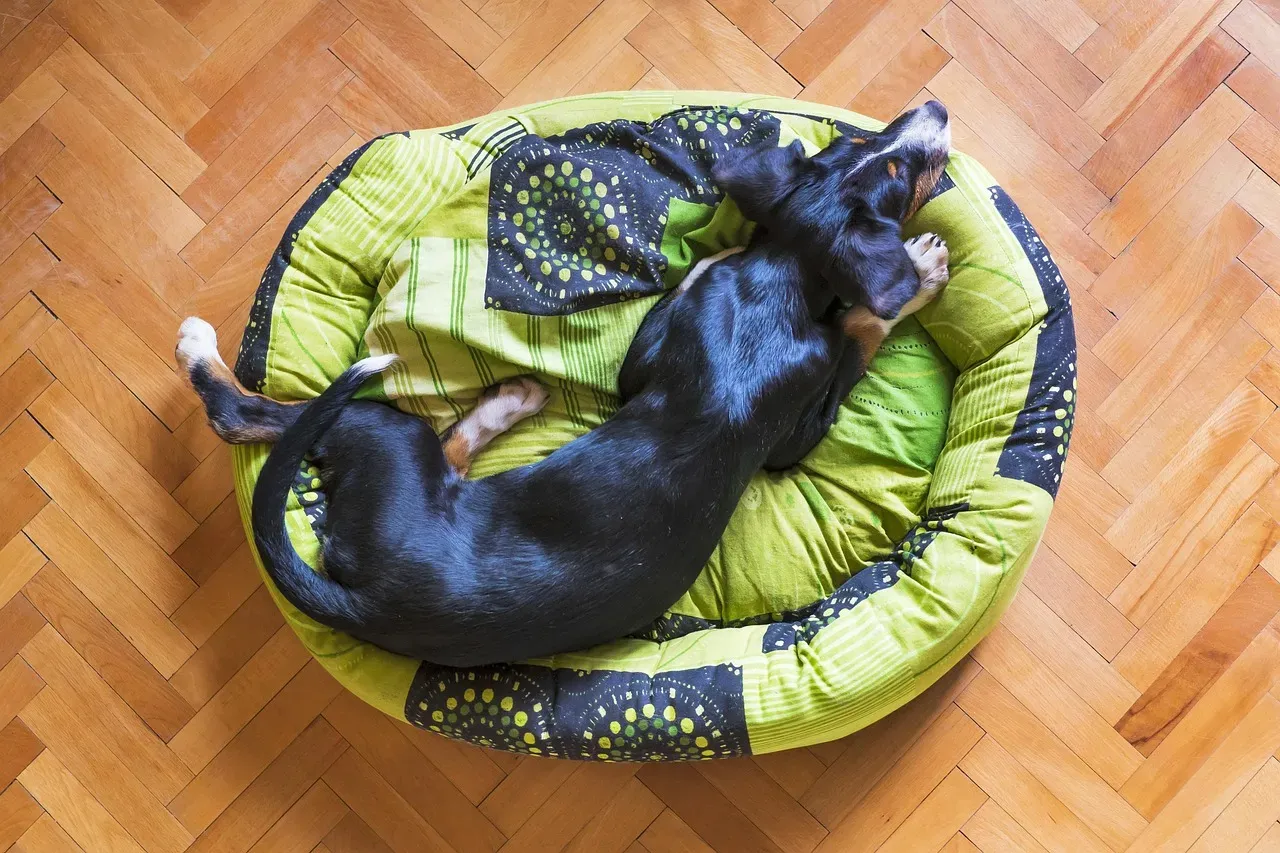
The dog circles the same corner of the couch or bed at the same minute every night, like clockwork. Any attempt to redirect it to a crate, another room, or even a different cushion is met with immediate standing and staring – the canine equivalent of a hard no.
This single resting ritual becomes non-negotiable over time, and some dogs will pace all night rather than sleep somewhere else. Behaviorists often recommend multiple beds for flexibility, but experienced owners already know that once the spot is locked in, fighting it creates far more stress than it ever solves.
#8 – Greeting Rituals Must Follow the Exact Sequence or the Dog Withdraws
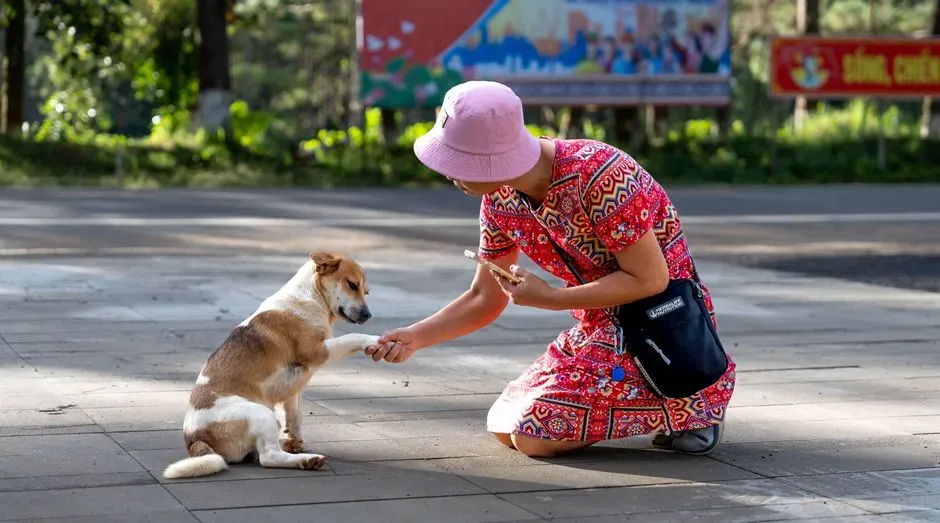
Every return home triggers the same three-step dance: a specific tail wag, a particular vocalization, then one exact spot for pets. Skip a step or change the order, and the dog simply walks away mid-greeting, as if the moment never happened.
This rigid script exists because dogs use these rituals to confirm the relationship is stable and unchanged. Some dogs will skip affection altogether rather than accept a shortened version, and while more interaction seems like it should always be welcomed, these refusals are really the dog protecting its own emotional equilibrium.
#7 – Car Rides Only Happen on the Original Route and Seat
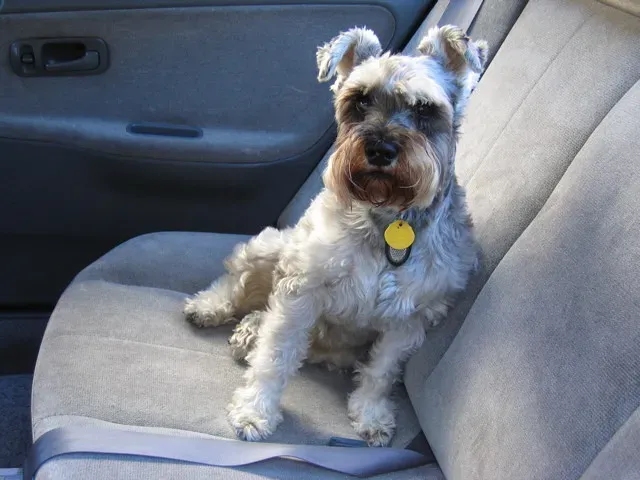
The dog jumps into its usual spot and expects the familiar streets to follow. Any new destination, or even a different seatbelt position, causes it to freeze or whine until the car turns back toward home. The vehicle has become an extension of the daily loop itself.
What catches owners off guard is how a dog will sometimes refuse to exit the car at a new location until the old route is completed first, as if the trip doesn’t count otherwise. Trainers often push varied drives for socialization, but plenty of dogs quietly vote with their bodies and simply refuse to move.
Quick Compare
- Usual route: Calm and settled, ready to ride the whole way.
- New destination: Freezing up, whining, or refusing to exit the car.
- Old seat swapped: Restlessness until the original position is restored.
- Route interrupted midway: Some dogs act as if the trip “doesn’t count” until it’s finished.
#6 – It Ignores Commands Given at the Wrong Time of Day
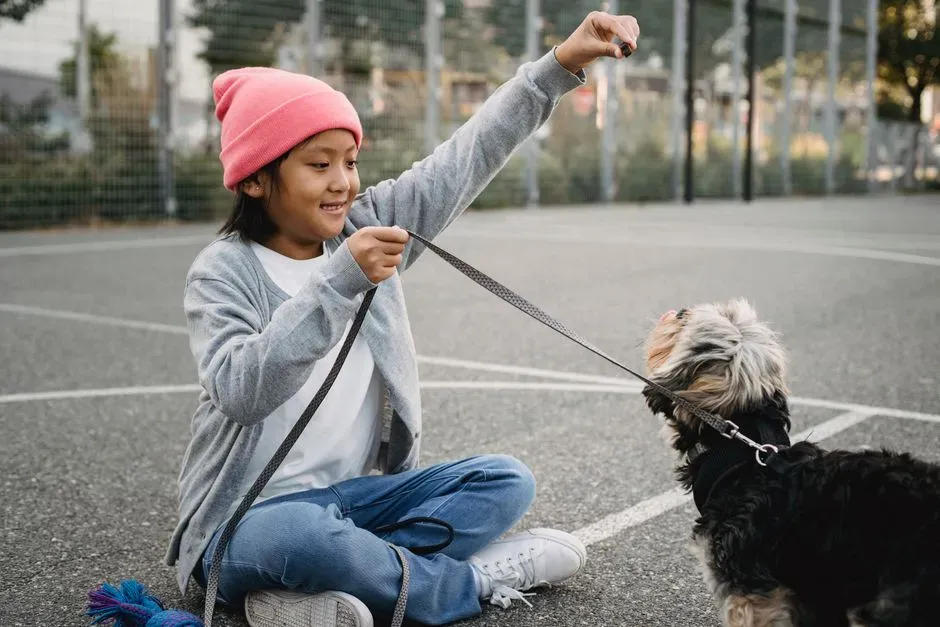
The dog knows “sit” perfectly at 7 a.m. but suddenly acts deaf at 3 p.m. The timing of the cue has become inseparable from the behavior itself, and changing the hour causes compliance to drop sharply.
This happens because dogs associate actions with the surrounding context, not just the spoken word. Some dogs will hold the position only during their original window and ignore it entirely otherwise, which leads owners who assume commands are time-independent to mislabel this as plain disobedience.
#5 – New People or Pets Trigger Immediate Retreat to the Routine Spot
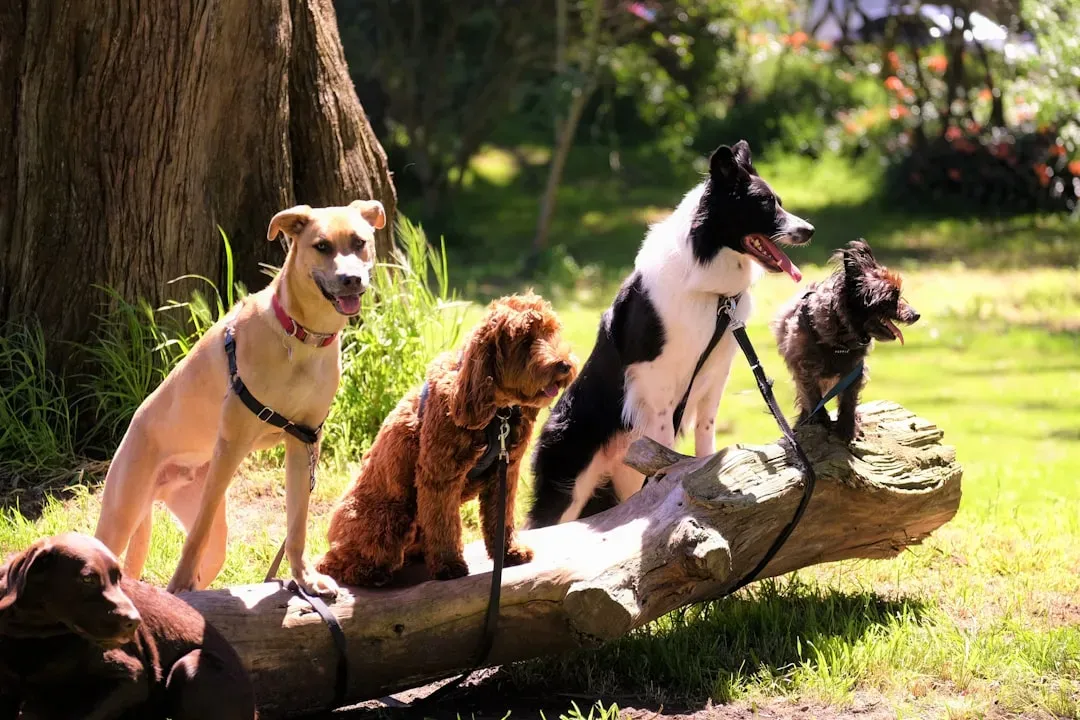
When visitors arrive, the dog retreats to its one safe zone and stays there until the house settles back to normal. It refuses to engage with anyone until the disruption fully ends, treating the routine like a literal safe harbor.
The most telling detail is that the dog will skip meals or play entirely rather than leave that zone during the chaos of change. Owners often push socialization anyway, not realizing the dog has already decided its one routine is enough company for one day.
#4 – It Refuses Medication or Grooming Unless Done in the Original Sequence
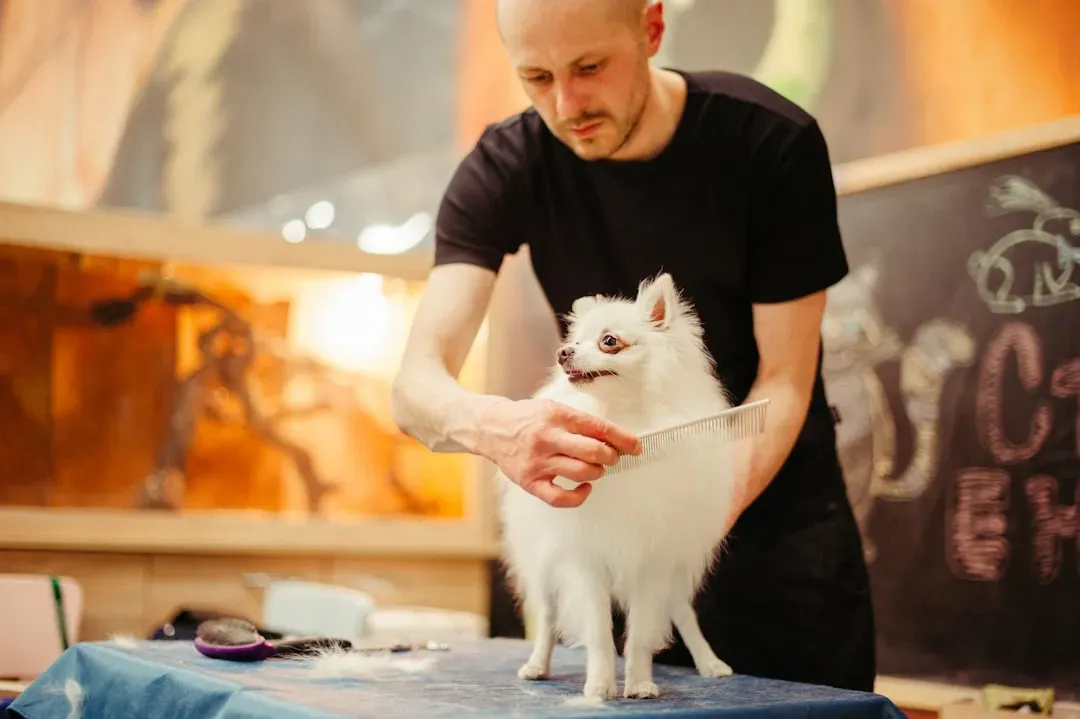
The dog accepts the nail trim only after the exact pre-grooming walk, and only in the usual room. Any shortcut or reordering leads to quiet, immovable resistance – not aggression, just a full stop.
The entire process has become one indivisible ritual in the dog’s mind. What shocks new owners is how a dog will endure real discomfort rather than accept a streamlined version, which is why experienced groomers learn to replicate the full routine or brace for a shutdown.
Fast Facts
- Grooming rituals often chain several steps together – walk, room, tool, and order – into one mental sequence.
- Skipping just one step can trigger full resistance, even when the rest of the routine stays identical.
- Experienced groomers and vets often recreate a dog’s exact at-home sequence to avoid unnecessary stress.
- Physical discomfort rarely outweighs the psychological pull of a familiar ritual for a routine-bound dog.
#3 – Weather Changes or Holidays Are Met With Stubborn Inactivity
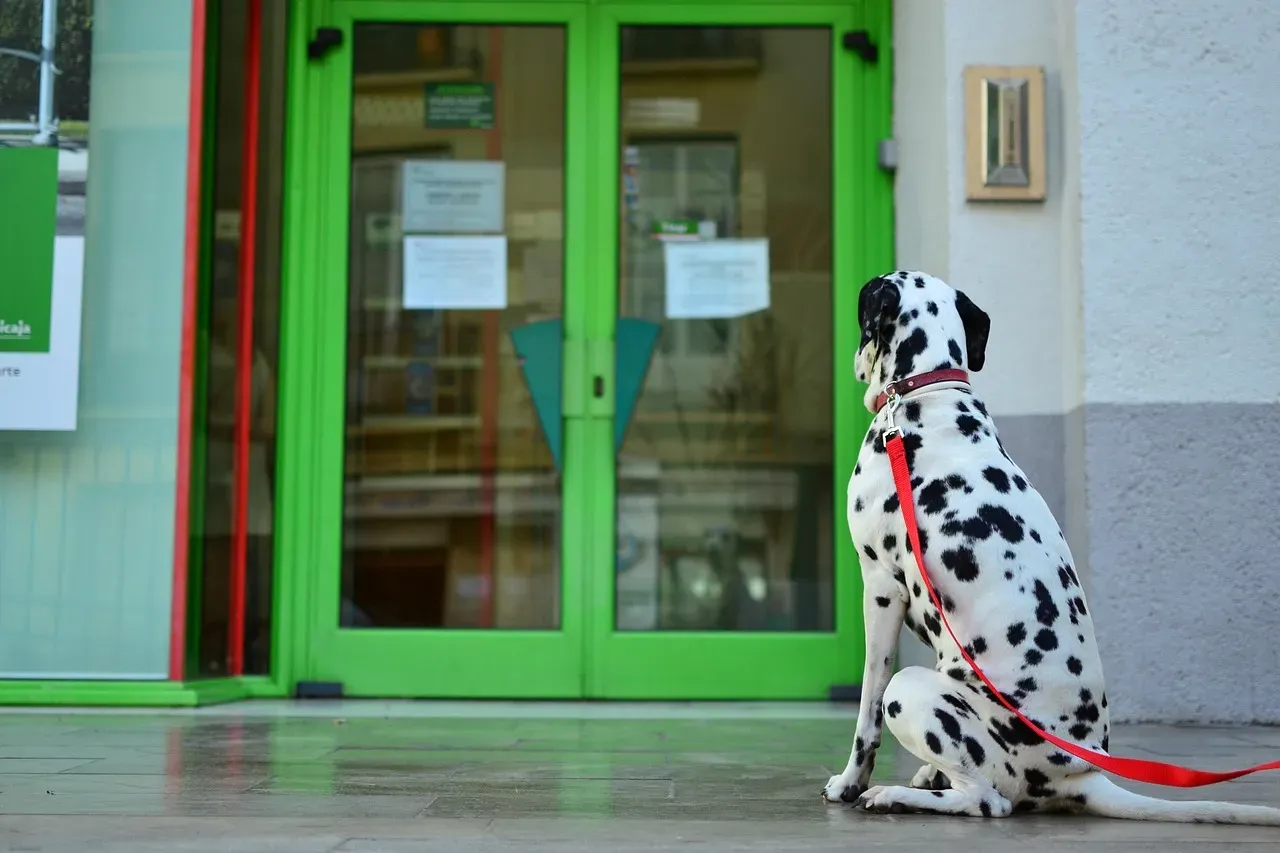
Rain or a holiday schedule throws off the internal clock, and the dog simply refuses to participate until the usual pattern resumes. It waits by the door at the old time regardless of the weather outside, soaked or not.
This reveals just how tightly the dog has synced its internal schedule to external cues. Some dogs will skip necessary outdoor time for days rather than adjust, which contradicts the common assumption that dogs roll easily with changing conditions.
#2 – It Only Engages With Family Members in the Original Order and Manner
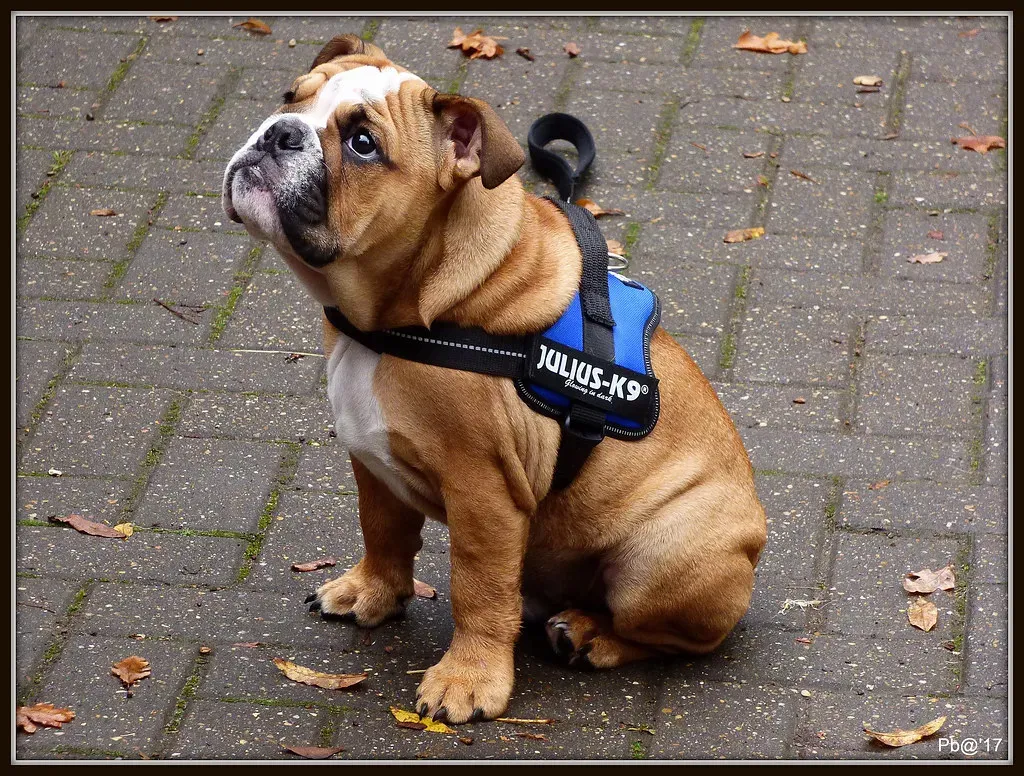
The dog greets each person in a precise sequence and ignores anyone who tries a different approach. The social hierarchy of the household has become fixed in the dog’s routine, almost like an assigned seating chart.
What stands out most is how quickly the dog will withdraw affection from a family member who breaks the pattern, sometimes for the rest of the day. Trainers may encourage more flexible bonding, but the dog has already chosen its one acceptable routine and isn’t interested in negotiating.
#1 – Any Attempt to Alter the Core Daily Loop Results in Complete Shutdown
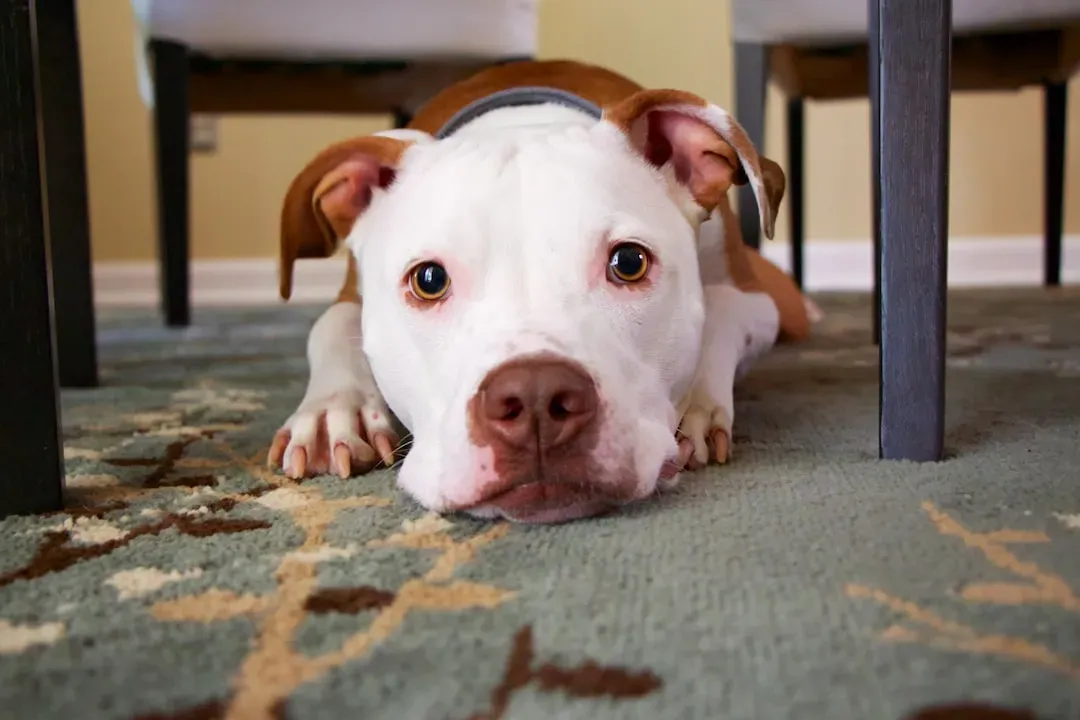
The dog stops eating, playing, and even moving when the entire rhythm is challenged at once. This final refusal is the clearest signal that one routine has become the only acceptable reality left standing.
Owners who push through often just watch the dog wait out the change until the old pattern returns, sometimes for days. Many dogs will choose visible discomfort over adaptation once the routine is fully locked in, and this isn’t defiance – it’s the dog protecting the only stability it has built for itself.
At a Glance
- Loss of appetite when the full routine is disrupted at once
- Reduced movement or activity until familiar patterns return
- Withdrawal from play, affection, and interaction
- Recovery typically follows once the original schedule resumes
Dogs that settle into one unbreakable routine do so because predictability reduces stress far more effectively than variety ever could, and honestly, that’s a lesson more owners should take to heart instead of fighting it. The twelve signs above show how deeply these patterns embed themselves, from feeding spots to greeting scripts, and forcing change usually backfires into more anxiety, not less enrichment.
The smarter move isn’t to break the routine – it’s to respect it while gently layering small, consistent additions only when the dog itself signals readiness. Did we miss a sign that matches your dog exactly? Drop it in the comments.