
11 Cues a Boarding Kennel Notices About a Dog on the Very First Morning
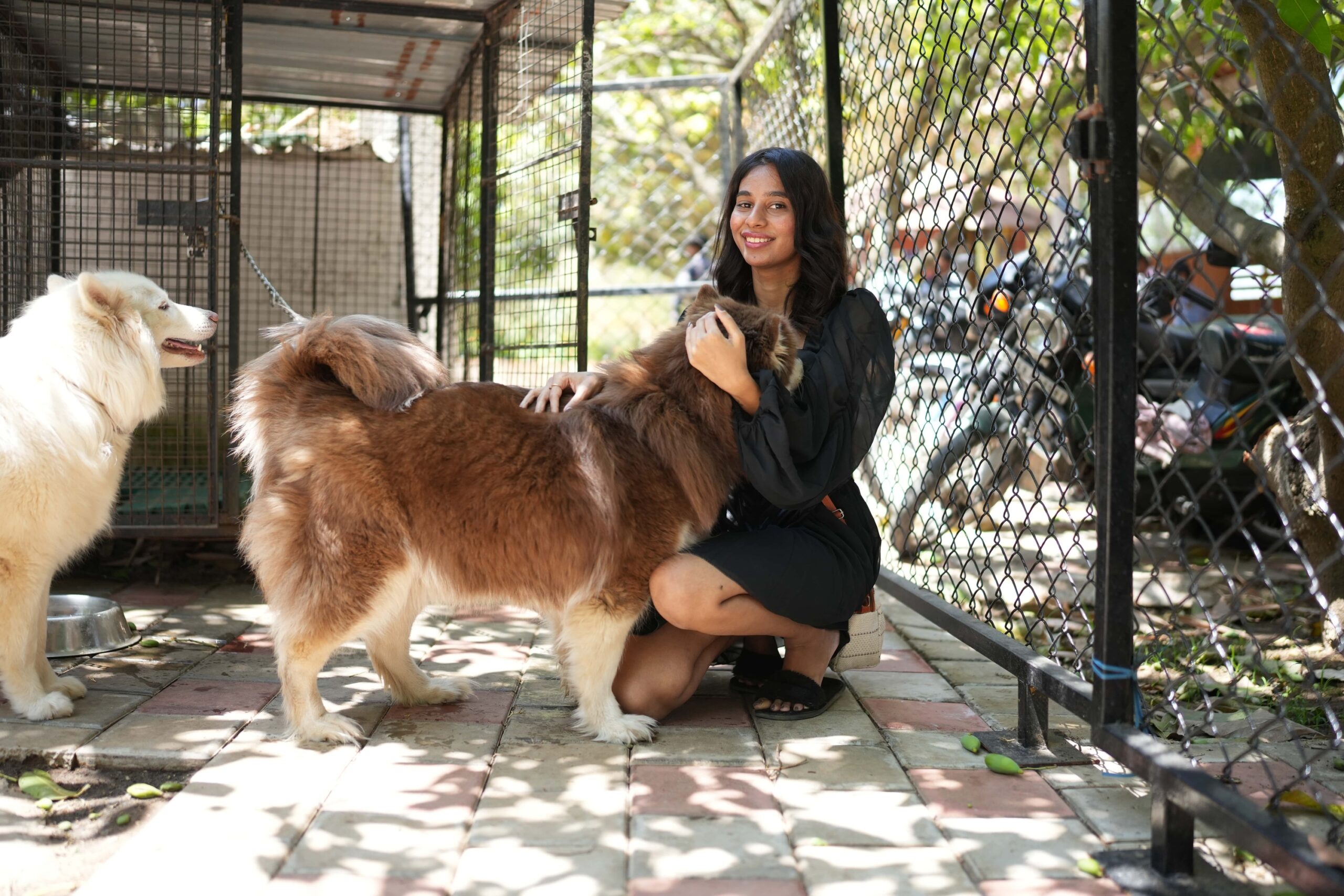
You drop your dog off, wave goodbye, and assume the staff spends the day doling out kibble and belly rubs. Meanwhile, on the other side of that door, your dog is being quietly evaluated like a patient in triage – body language, appetite, even the way they pee is getting logged in someone’s head.
Most owners think they know their own dog cold. But the very first morning at a kennel reveals things home life never tests – and some of what staff notice would genuinely surprise you. Here’s what a seasoned kennel tech actually clocks before you’ve even finished your coffee at home.
#1 – Threshold Test: Confidence or Total Meltdown at the Door
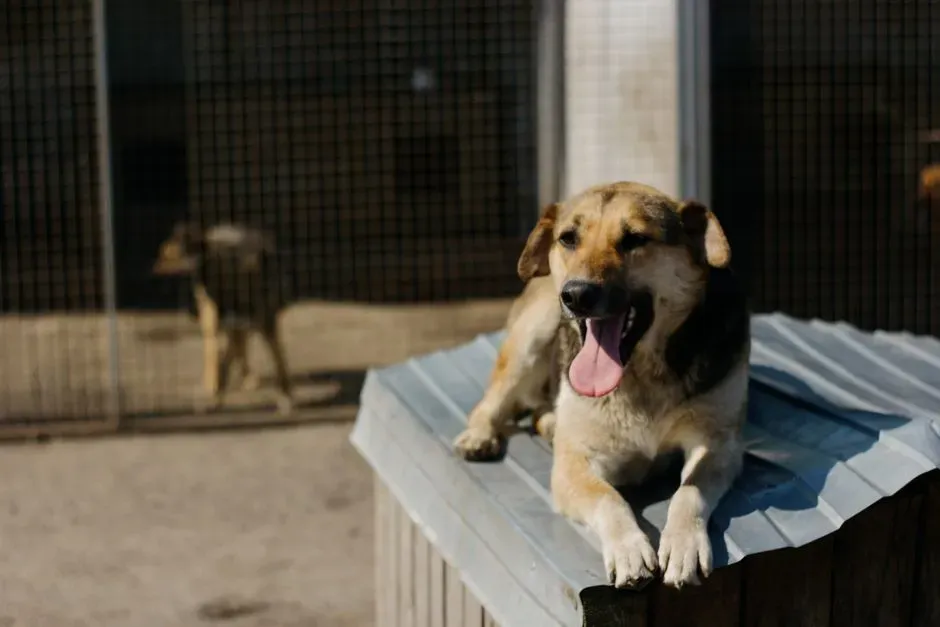
The first cue a kennel notices happens before your dog even reaches their run: how they cross the threshold from lobby to kennel wing. A confident dog moves loose and wiggly, mouth open, eyes soft, even if they’re a little cautious about the new smells. A stressed dog plants their feet, leans back hard on the leash, or turns into the world’s heaviest anchor right there on the tile.
Staff also clock speed, not just posture. The dog dragging a human like a sled toward every gate isn’t “excited” the way owners assume – that’s often adrenaline and overstimulation, not joy. The dogs who glance back at their handler, pause to sniff, and adjust their pace are the ones already showing they know how to cope.
Fast Facts
- Loose, wiggly body with soft eyes usually signals confident adjustment.
- Stiff legs, leaning back, or freezing at the door are early stress signals.
- Excessive pulling toward gates often means overstimulation, not genuine excitement.
- Dogs who pause to sniff and check in with their handler tend to cope best.
#2 – The First 60 Seconds Inside the Run: Freeze, Bark, or Settle
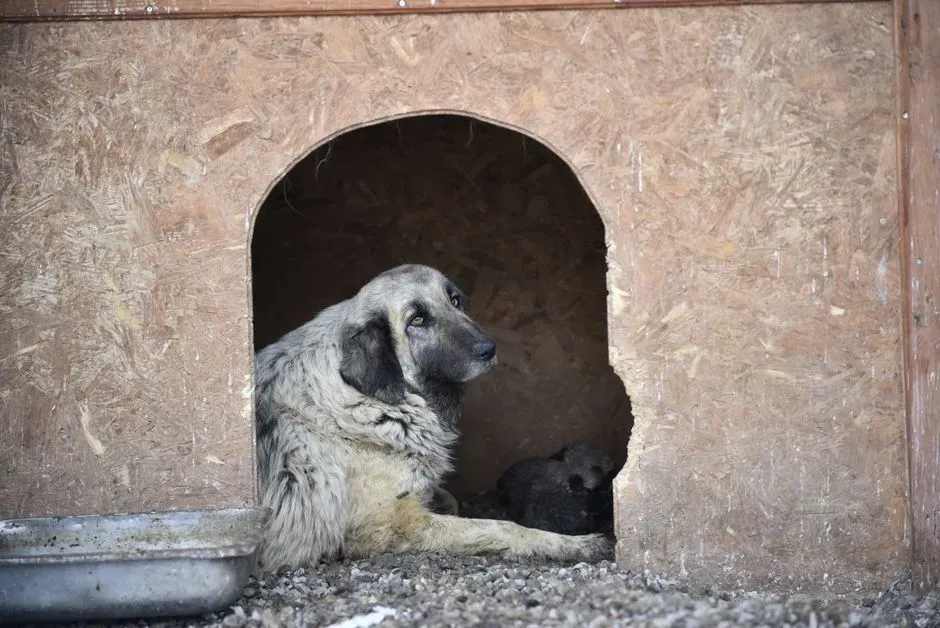
Once that kennel door clicks shut, the next minute is basically a personality test. Some dogs do a quick lap, sniff the corners, then flop down near the gate like they’ve clocked out for a nap. Others rush the bars, bark nonstop, or spin in tight, frantic circles.
Here’s the twist most owners never guess: a dog who instantly freezes, refuses treats, and stares wide-eyed at nothing is often more worrying than the loud barker. Freeze is the quiet panic nobody at home ever sees. Staff watch how fast that reaction softens – a two-minute meltdown that ends in a shake-off and a stretch is just decompression, but pacing the same six feet of floor for half an hour is a dog rehearsing stress on a loop.
#3 – The Breakfast Tell: Do They Actually Eat?
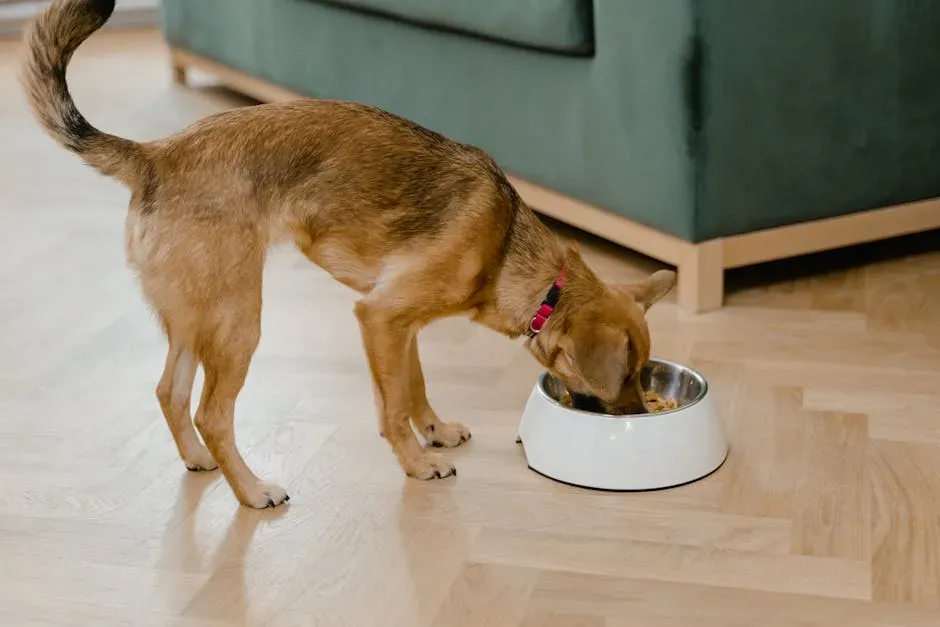
Owners love to say “he’s just picky,” but kennel staff know appetite is one of the clearest stress gauges they’ll get all day. A dog who dives into breakfast at a normal pace, maybe even sniffing around for seconds, is coping about as well as can be expected on day one. A dog who licks the bowl once and walks away is quietly waving a warning flag.
It’s not only whether they eat – it’s how. Dogs inhaling food so fast they cough or gag are usually stress-eating, not just hungry. Dogs who only eat once a familiar staffer sits nearby are telling everyone they need social reassurance before their body will relax enough to digest.
- Fast, sloppy eating with coughing or gagging? Often stress, not appetite.
- Eating only near one trusted person? A request for reassurance, not pickiness.
A full food refusal across two or more meals – especially in a normally food-driven dog – is a genuine red flag, and many kennels quietly track it because that ten-second decision at the bowl can predict whether the rest of the stay goes smoothly or falls apart.
#4 – Bathroom Habits: Quick Relief or Total Shutdown

It sounds unglamorous, but staff absolutely notice how fast a dog will actually pee or poop in a strange place. Dogs who head out, sniff briefly, and relieve themselves on the first potty break are adjusting about as well as anyone could hope. Dogs who spend the entire outing scanning, panting, or glued to the handler’s leg without ever going are almost always overwhelmed.
This matters more than most owners think. A dog who won’t urinate for twelve-plus hours because they’re too stressed can end up with real discomfort or urinary issues, not just an awkward afternoon. Some anxious dogs also get loose stool that first morning – kennels see it constantly and don’t panic, but they do watch whether it’s a one-off or a pattern paired with drooling and pacing, because that combination tells them whether they’re dealing with normal jitters or a stress response heading somewhere worse.
#5 – The Sound Test: Happy Talker or Distress Alarm
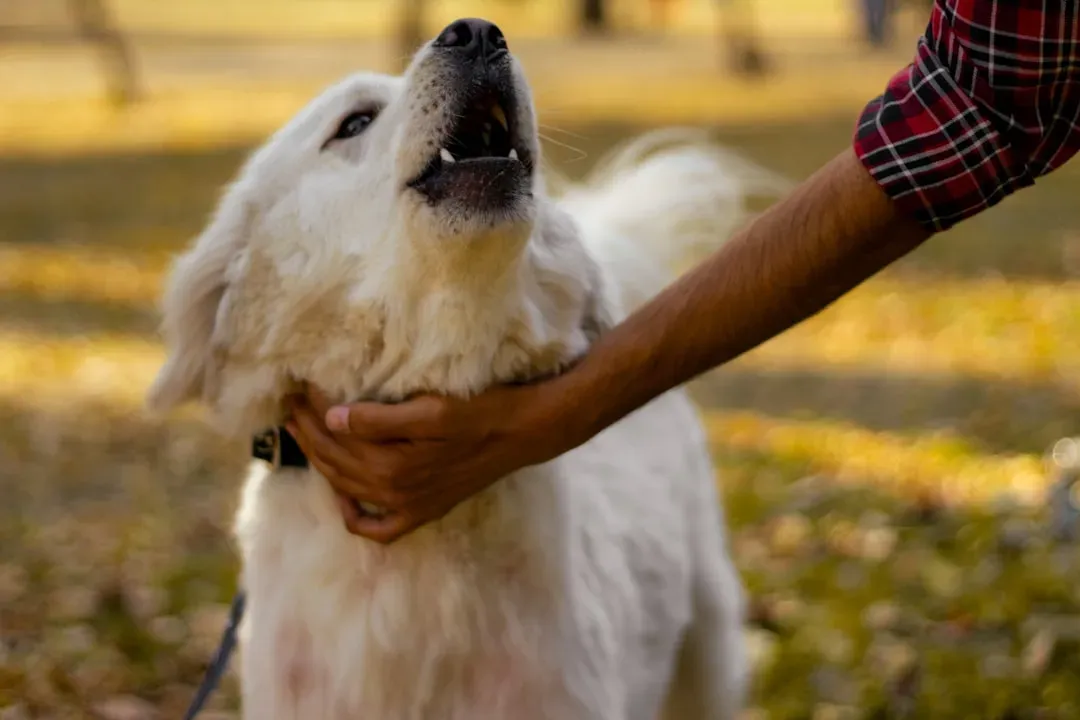
The sound your dog makes in those first few hours says more than any intake form ever could. There’s the normal “where did my person go” whine that fades on its own within minutes. Then there’s the dog who screams or barks at full volume almost without pause, even when staff walk by or the neighbors quiet down – and that’s not talkative, that’s a nervous system in overdrive.
Kennel workers listen for the pattern underneath the noise:
- Short bursts that taper off after a few minutes – pretty normal.
- Barking every time a door closes or a neighbor shifts – heightened vigilance and poor self-soothing.
Counterintuitively, the dog who worries experienced staff most isn’t always the loudest one. The dog who was screaming at drop-off and then suddenly goes dead silent, sitting stiff and shut down, is in just as much trouble – only quietly. That sound signature quietly decides where a dog gets placed, who their neighbors are, and how much extra one-on-one time gets scheduled that day.
#6 – Reading the Room: Trust, Tension, or Tolerance Toward Staff
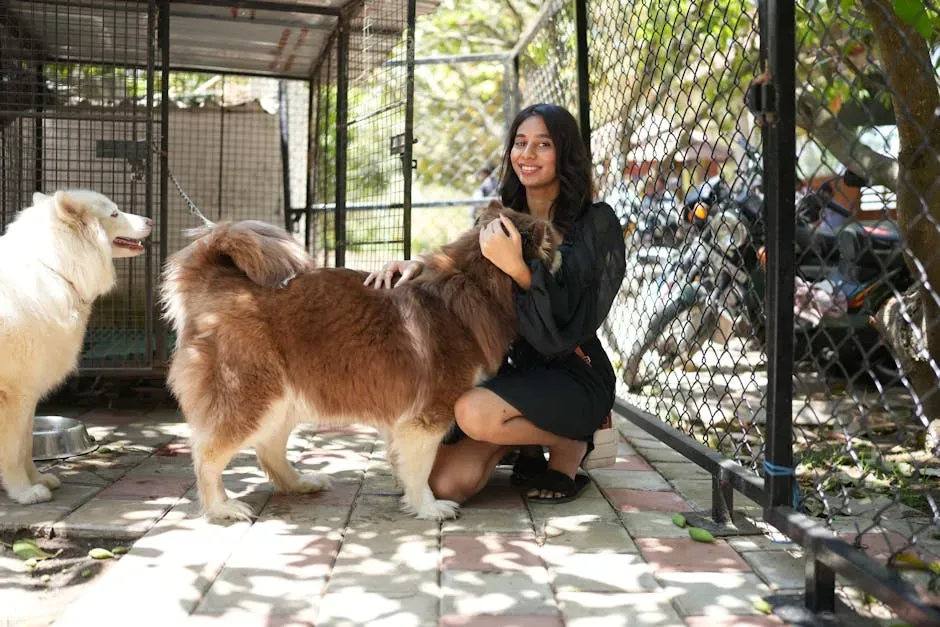
Owners ask “was she good?” at pickup. What staff are really asking, hour by hour, is whether this dog trusts them at all yet. When a tech walks up with a leash or a food bowl that first morning, a dog with a loose body, wiggly rear end, and soft eyes is basically saying, “I’m unsure, but I want your help.”
The tricky ones are the “polite but tense” dogs – tail wagging, but low and stiff, ears pinned slightly back, weight quietly shifted away from the bars. They’ll take a treat, but their mouth clamps shut between bites and they flinch at sudden noise. That split-second flinch tells a kennel more truth than ten enthusiastic tail wags ever could. No competent staffer calls a growling or frozen dog “bad” on day one – they call it honest, and it tells them to slow down, upgrade the treats, and let a more experienced handler take the lead.
Quick Compare
- Trusting dog: loose body, soft eyes, relaxed tail wag.
- Tense dog: stiff low wag, pinned ears, weight shifted away from the bars.
- Trusting dog: takes treats calmly, mouth relaxed between bites.
- Tense dog: snatches treats fast, mouth clamps shut, flinches at noise.
#7 – The Other-Dog Reaction: Social, Curious, or On Edge
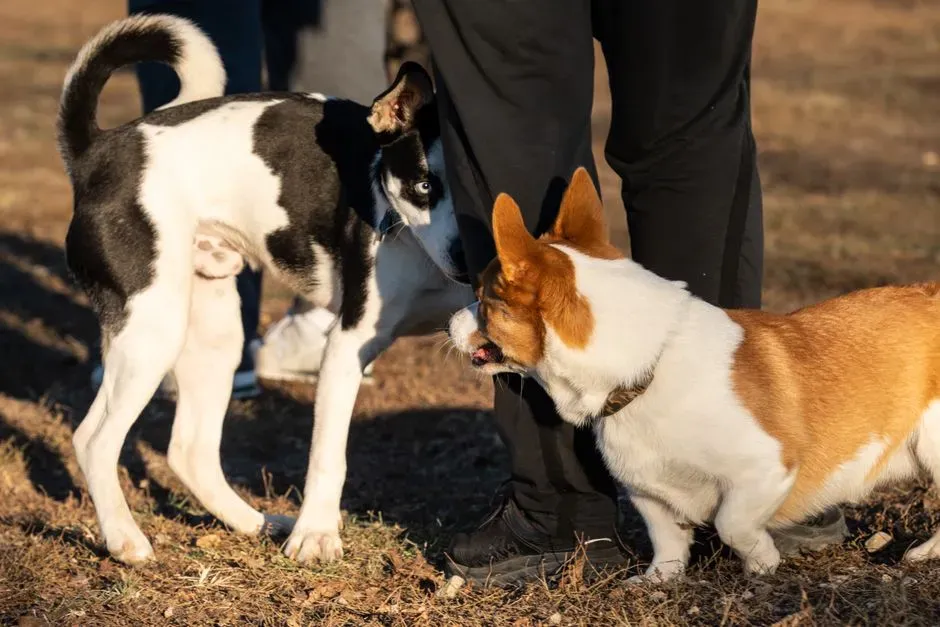
Even dogs skipping group play still react to the presence of other dogs down the hall, and that reaction is a huge first-morning tell. Some trot out, wag through the fence once, and go back to sniffing their own space. Others slam the gate, bark straight into another dog’s face, or freeze into a hard, stiff stare that experienced staff quietly flag as “could escalate later.”
The flavor of the bark matters as much as the volume. High-pitched and bouncy with play bows usually means overexcited-but-social. Low, repetitive, with a stiff tail and forward weight is about control, not friendliness.
- Softens and sniffs after the initial outburst? Genuinely social under the noise.
- Stays locked on and buzzing? A dog managing more arousal than it can handle.
Here’s the irony nobody expects: the dog who “loves everyone at the dog park” is often the one who struggles most once group time comes with rules and confined space, while the dog who ignores every neighbor and stays glued to their handler tends to do better once real group play starts.
#8 – Syncing With the Routine: Adapt or Resist
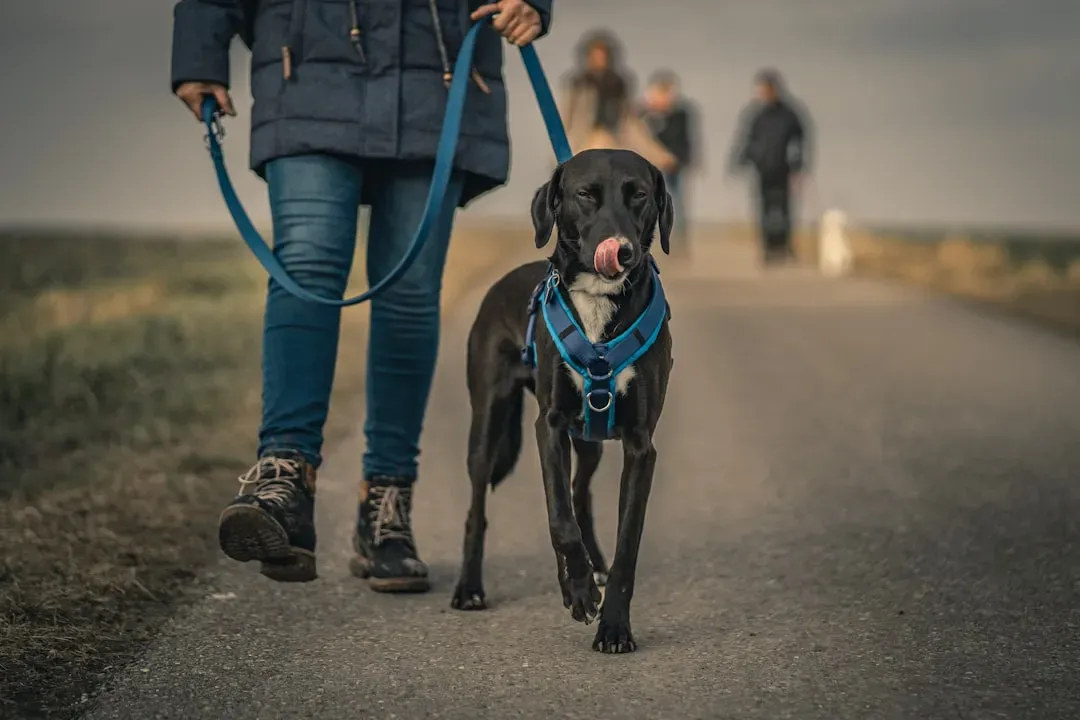
By mid-morning most kennels are running on a set rhythm – potty rotations, feeding, cleaning, quiet time. How fast your dog syncs with that rhythm is a strong preview of how the whole stay will go. Some dogs fall in line like they’ve done this a hundred times, stepping out the moment the door opens and heading wherever they’re guided.
Others resist every single transition. Dogs who pancake when asked to leave the run are clinging to the one “safe zone” they’ve found. But the quietly impressive ones are the dogs who start rough – balking at the door, refusing the first walk – and then, by late morning, start anticipating the pattern: door opens, leash goes on, we go out, we come back, nothing terrible happens. That tiny shift within a few hours is often the strongest predictor that a dog will be fine by day two.
#9 – The Touch Test: How Your Dog Handles Basic Care
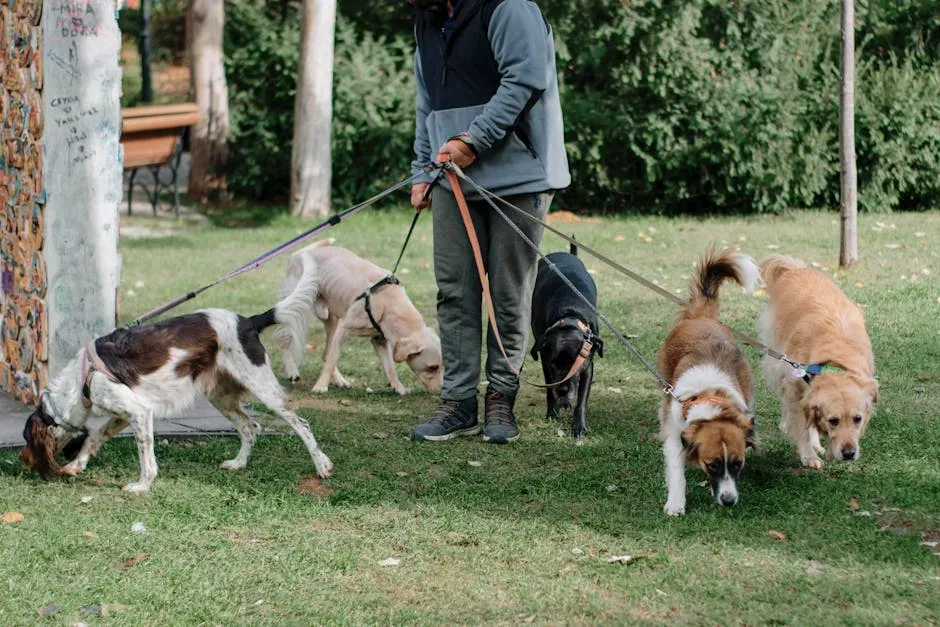
Boarding isn’t hands-off. Dogs get leashed, wiped down, checked for mats, sometimes given meds – and how your dog handles that first round of necessary touching tells staff whether this stay will be smooth or a management puzzle. Some dogs lean into a hand on their collar and accept a gentle body check without a flicker of stress.
Others allow it, but with signals experienced staff never ignore – tongue flicks every time a hand reaches over their head, muscles locking up while the leash clips on, whale eye if someone touches their paws. Then there are the dogs who snap, freeze hard, or try to bolt at the lightest touch, and contrary to what social media loves to claim, no good kennel calls these “bad dogs.” They call them under-prepared – often sweet at home, but never once asked to tolerate handling outside a tiny circle of familiar people.
#10 – Coping or Spiraling: Self-Soothing vs Self-Destructing

By late morning, the real patterns show up. A dog with decent self-soothing skills might bark when first left alone, then chew a toy, settle onto a bed, or lie facing the room instead of staring at the door – all small signs their nervous system is actually doing its job.
The worrying dogs look different – endless pacing or spinning, chewing on the gate instead of a toy, scratching at the door hard enough to redden their paws. A dog who starts obsessively licking one spot on their body or shredding bedding the moment staff walk away isn’t bored on morning one – they’re caught in a stress loop, and this is exactly the window where kennels decide if a dog needs a quieter wing, more human contact, or a call to the owner before things get physically worse.
#11 – The Eye Contact Test: Who Your Dog Chooses to Trust
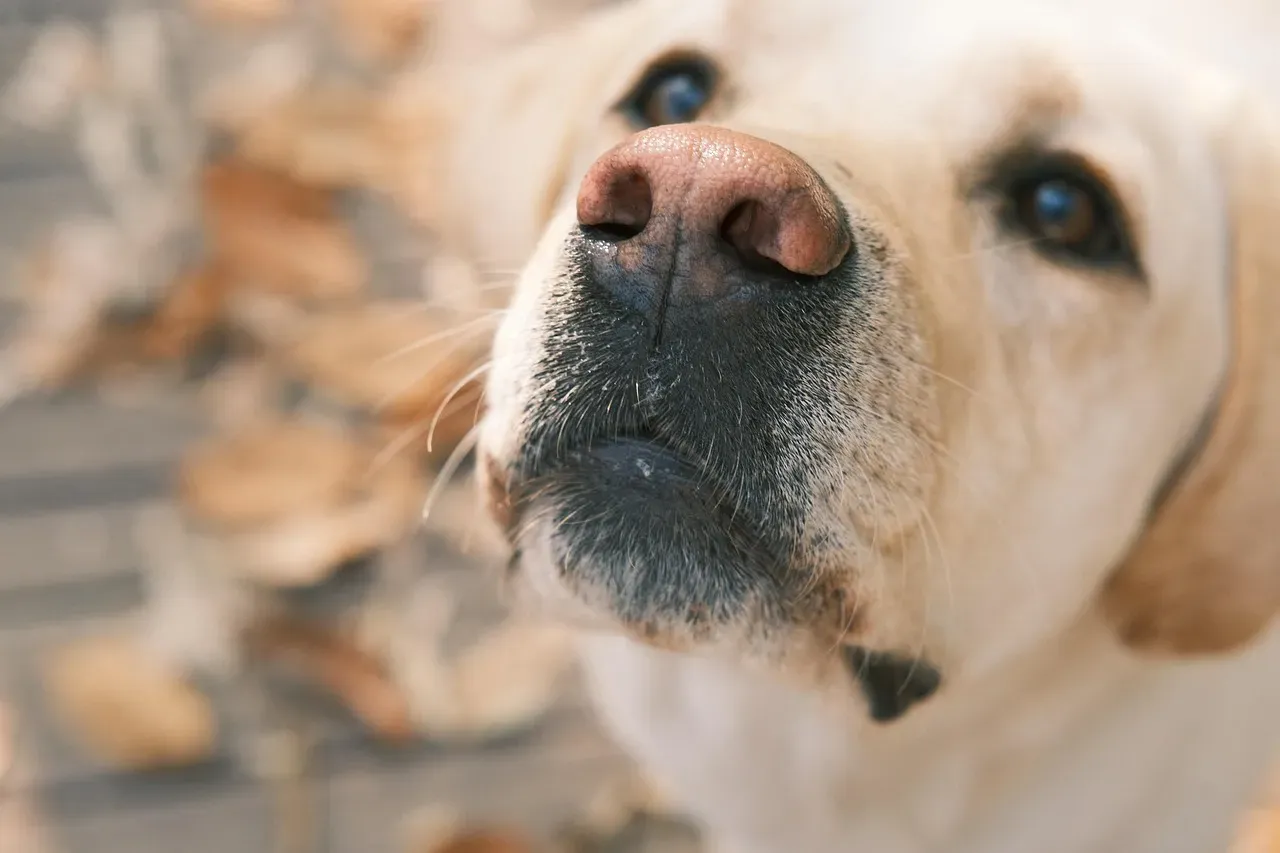
Here’s the cue almost no owner ever thinks about, but seasoned staff quietly watch for it all morning: where your dog looks when something slightly scary happens. A dropped metal bowl, a sudden bark, a mop rattling out of a closet – does your dog snap their gaze to the nearest human, or shut down and go inward instead?
Dogs who glance at a person in that moment are essentially asking, “did you see that, is it okay?” – and that tiny check-in is a golden opening for staff to build trust fast. Dogs who never look to a human, staying hyper-vigilant on the environment instead, often stay stuck in solo survival mode all day. Owners love to brag that their dog is “so independent, he doesn’t need anyone,” but kennel insiders know the opposite is usually true – the dog who can lean on a new human, even a stranger in scrubs, tends to suffer a lot less than the one determined to handle everything alone.
Worth Knowing
- Glancing at a human after a startle is a healthy “check-in” behavior.
- Staring past staff at the environment often signals solo survival mode.
- Dogs who check in with people tend to build trust and settle faster.
- “Independent” dogs who never look to humans often struggle more, not less.
Boarding kennels aren’t just counting walks and meals – they’re decoding an entire emotional language most owners never learn to read. From whether your dog touches breakfast to how they pee, bark, accept a hand on their collar, and where they look when startled, that first morning quietly shapes every decision staff make for the rest of the stay.
Here’s the uncomfortable part: most “problem boarders” aren’t bad dogs. They’re under-prepared family pets, dropped into a world nobody ever trained them to handle – short separations, gentle handling by strangers, calm exposure to new places. Kennels can manage stress once it shows up, but they can’t erase it, and that job really starts at home, long before drop-off.
My honest take? The best boarding experience was never about the fanciest suite or the priciest package – it’s about the dog who shows up already knowing how to cope. That’s not something money buys at the front desk. It’s something you build one small, boring, unglamorous rehearsal at a time, months before the leash ever gets clipped for a stranger.