
What a Trainer Reads in an Owner Will Surprise You: 11 Cues Before the Dog Moves
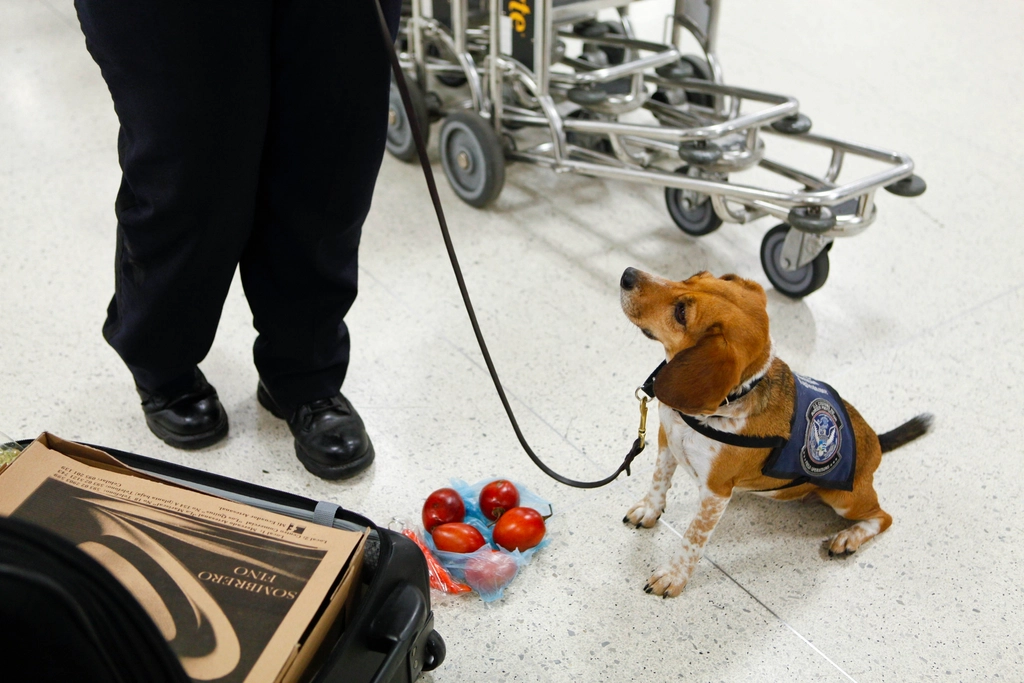
Picture this: your dog snaps at a stranger “out of nowhere,” and you’re already rehearsing the apology in your head. But the trainer standing ten feet away didn’t see a surprise at all. She saw it coming a full thirty seconds earlier – not because she was reading your dog, but because she was reading you.
Your stance, your grip, your breath, even the tone you use for your dog’s name – these are the real early-warning system, and most owners never learn to notice them. Stick around, because once you see what trainers actually watch for, you’ll never walk your dog the same way again.
#1 – How You Stand When Your Dog Tenses Up
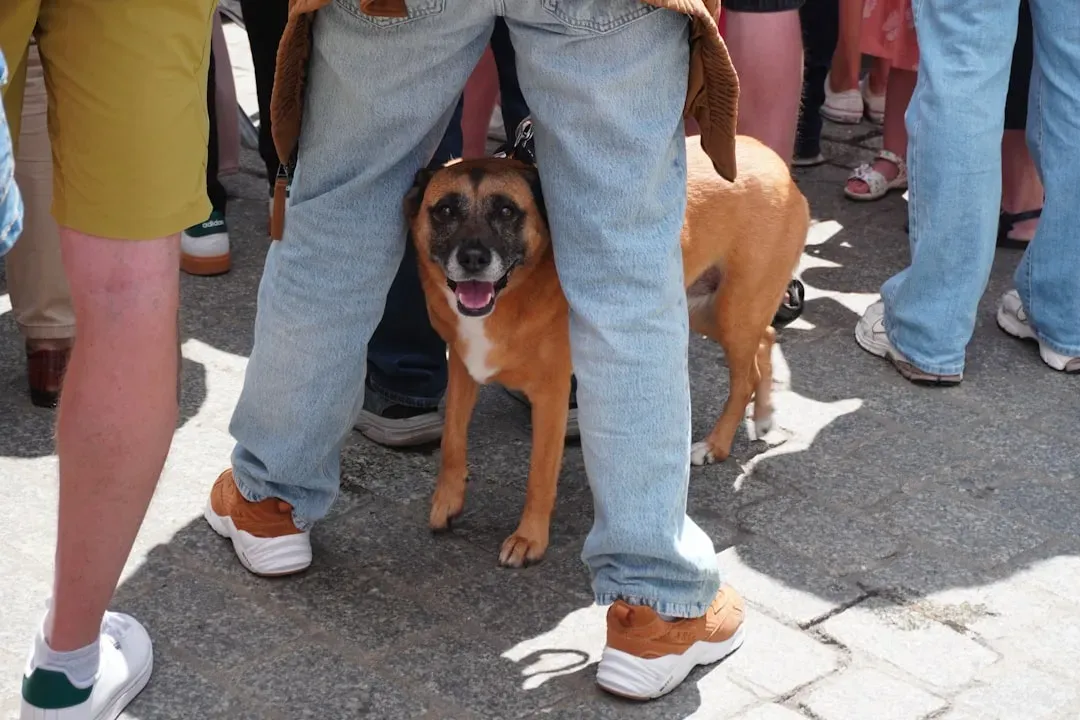
Before a trainer even looks at your dog’s hackles, they check your feet and shoulders. The moment a trigger appears – another dog, a skateboard, a stranger crossing the street – your body answers first. Freeze, lean back, or tighten up, and you’ve just told your dog, “Yes, this is scary.”
Most owners have no clue that a tiny weight shift can flip the switch on reactivity. Trainers watch for whether you square up calmly, twist away nervously, or hover forward over your dog like you’re bracing for impact. That hovering, waist-bent, leash-clamped posture almost always predicts an explosion before the dog has even lunged.
Confident owners do the opposite without even trying: weight even, chest open, body loose and unbothered. Their stance says, “This is nothing,” and the dog believes them completely. If a trainer clocks your stance locking up, they already know what’s coming next – but it’s nothing compared to what they catch in your breathing.
#2 – Your Breathing Right Before “Out of Nowhere” Reactions
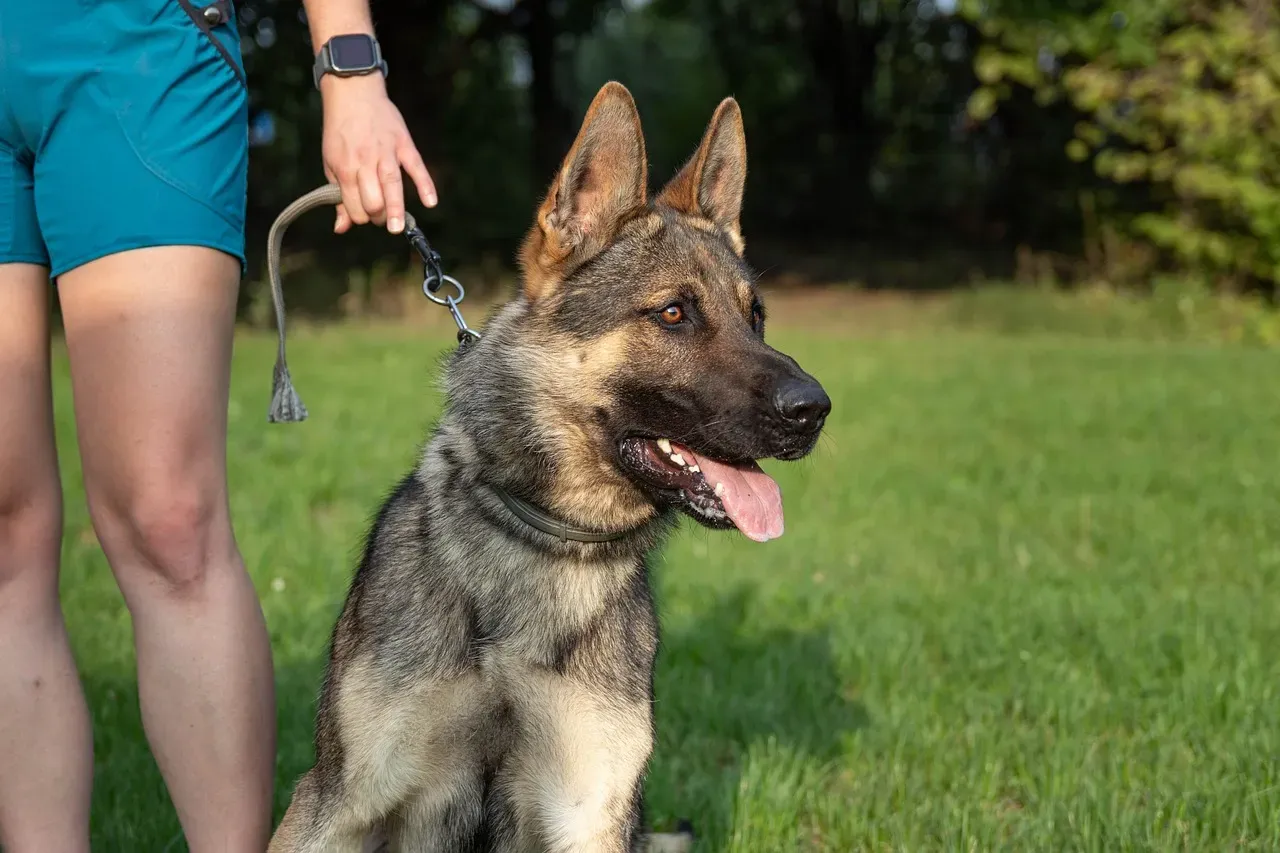
Owners love the phrase “he just blew up out of nowhere.” Trainers rarely buy it, because the tell almost never comes from the dog – it comes from the human’s lungs. Dogs read our breathing the way we read facial expressions, and they’ve been doing it since long before either species knew why.
When a trigger shows up, most people suck in a quiet breath and hold it, chest tight, without realizing it. That held breath is a broadcast: “Something’s wrong here.” Dogs are tuned so finely to human respiration that a single frozen inhale can predict a lunge several seconds before it happens.
Fast Facts
- Dogs are exceptionally skilled at reading subtle shifts in human breathing patterns.
- A single held breath can register to a nervous dog as a warning sign.
- Trainers deliberately use slow, audible exhales as a calming cue during sessions.
- Short, shallow breathing tends to escalate tension in dogs who are already alert.
Trainers use this on purpose. A slow, audible exhale isn’t yoga for fun – it’s a deliberate “we’re safe” signal sent straight to the dog’s nervous system. Watch closely at any good training session and you’ll see it: short, shallow breaths build tension, long steady exhales build calm. It looks like magic until you realize it’s just biology.
#3 – The Way You Grip the Leash (Before It Ever Goes Tight)
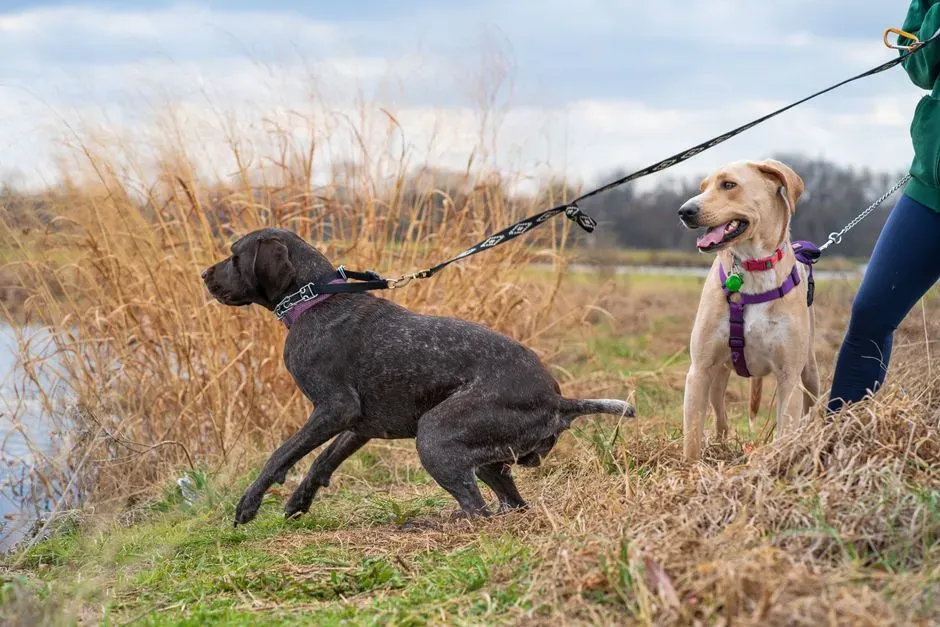
Ask an owner how tight their leash is and they’ll almost always say, “Pretty loose, honestly.” Ask a trainer, and you’ll get a knowing smile – they clocked your grip, your finger placement, and your pre-loaded tension the second the leash left your hand.
- Locked, knuckles white, leash wrapped three times around the fist
- Held low and loose, with slack ready to move
A constantly short, pre-tightened leash all but guarantees more pulling and lunging, because the dog learns the world is always pressing against their neck. Reactive dogs often belong to people who “choke up” the second another dog appears, even when nothing bad has happened yet. The unspoken message is: “Brace yourself, trouble’s coming.”
Confident handlers keep a loose “J” shape in the leash and only add short, purposeful pressure – never constant tension. A trainer can predict, from your grip alone, whether your walk is going to be a battle or a conversation. And that’s before they’ve even heard you speak.
#4 – Your Voice Tone When You Say Their Name
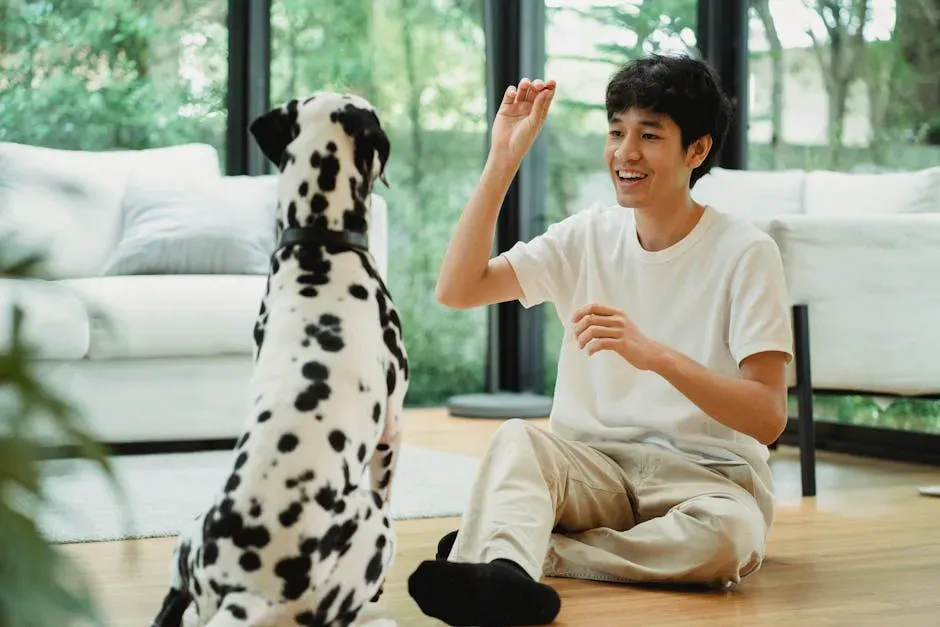
Most owners think the words matter most. Trainers know it’s the tone that writes the real message, because a dog’s name can either mean “good things are coming” or “brace for trouble.” A trainer meeting a new pair will listen to the first three times you say your dog’s name – that’s usually enough to map your whole communication style.
- The anxious question: “Buddy??” – rising, nervous pitch
- The angry bark: “BUDDY!” – sharp and clipped
- The nagging repeat: “Buddy, Buddy, Buddy, Buddy…”
Dogs quickly learn their own name predicts nagging or trouble, not good news, so they start tuning it out or bracing against it. Skilled trainers turn a dog’s name into one clean, neutral “ping,” followed by a payoff the instant the dog turns to look. No chanting, no whining it into the ground.
If a trainer hears you spit your dog’s name only when you’re embarrassed or angry, they already know recall is going to fall apart in public. Your dog isn’t ignoring you – they’ve just learned your voice is a warning label.
#5 – Your Hands: Petting, Patting, and Pushing Without Knowing
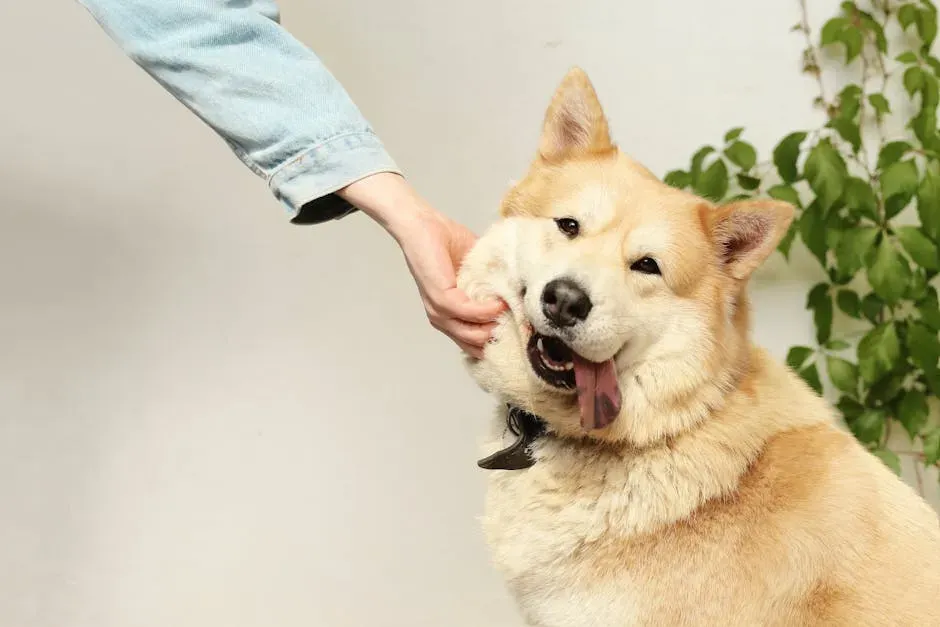
Watch the average owner with their dog for five minutes and you’ll see a blur of hand activity – head patting, pushing the dog off, grabbing the collar, frantic scratching. To a trainer, it looks like someone turning random knobs on a machine without ever reading the labels. Your hands are talking constantly, whether you mean them to or not.
Here’s the part most people get backwards: fast petting and head-patting usually increase arousal instead of calming it. Thumping a dog’s ribs or rubbing their face fast when they’re already amped basically shouts, “Yes, more hype, keep going!” Trainers use slow, long strokes along the body, or no touch at all, to actually bring a dog down.
Worth Knowing
- Fast, choppy petting usually raises a dog’s arousal instead of calming it.
- Long, slow strokes along the body are the standard calming technique among professional trainers.
- Repeatedly pushing a dog away for attention-seeking can build clingy, insecure behavior over time.
- Consistent, gentle touch tends to build trust faster than sudden bursts of affection.
They also notice the small rejections – pushing a dog away with a knee or hand every time it seeks contact. That quiet dismissal can build a clingy, insecure dog who escalates just to get noticed. Owners insist, “He’s just so needy,” while the trainer is thinking, “You taught him that calm, quiet presence gets him nothing.”
#6 – What You Ignore on Your Phone (And What Your Dog Learns From It)
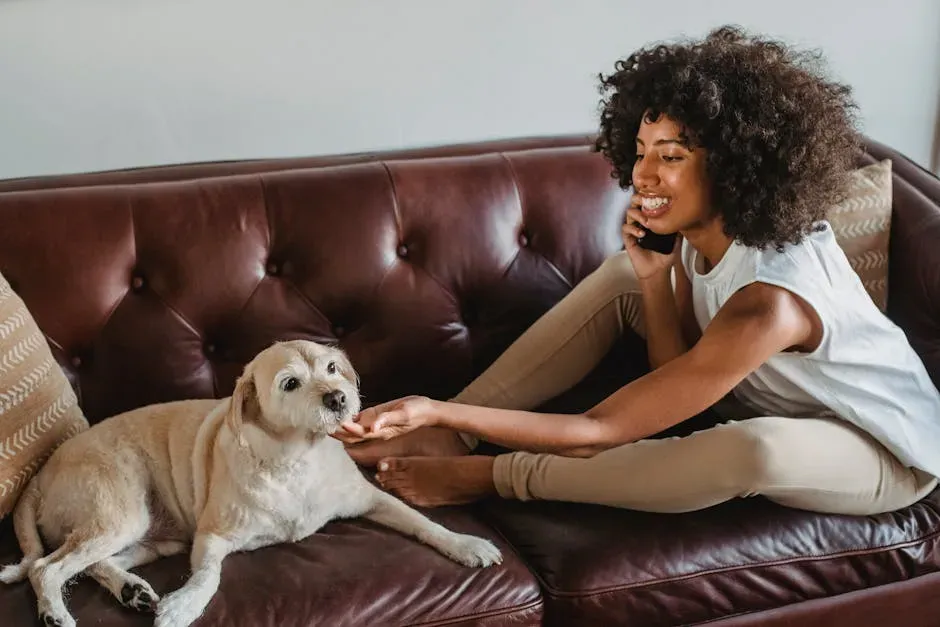
Every modern trainer reads one blunt truth in an instant: your screen time shows up in your dog’s behavior. People hate hearing it, but it’s painfully accurate. If the first move at the park is pulling out your phone, you’ve told your dog two things at once – “You’re on your own,” and “This environment matters more than you do.”
- Scrolling while the dog sniffs, checks in, and gets zero feedback
- Looking up only when something goes wrong – barking, lunging, running off
Dogs learn fast that calm, quiet choices get them nothing while chaos gets your full attention. That’s how owners accidentally raise drama-seekers – the dog barks, the phone drops, you march over, and suddenly they’re the center of the universe. To the dog, that’s a jackpot.
Handlers who stay lightly engaged – a quick call here, a bit of praise for checking in, a small reward – raise dogs who look back at them by default, without being asked. Trainers don’t see this as helicopter parenting; they see it as building a habit that lasts a lifetime.
#7 – The Emotion You Leak When You’re Embarrassed
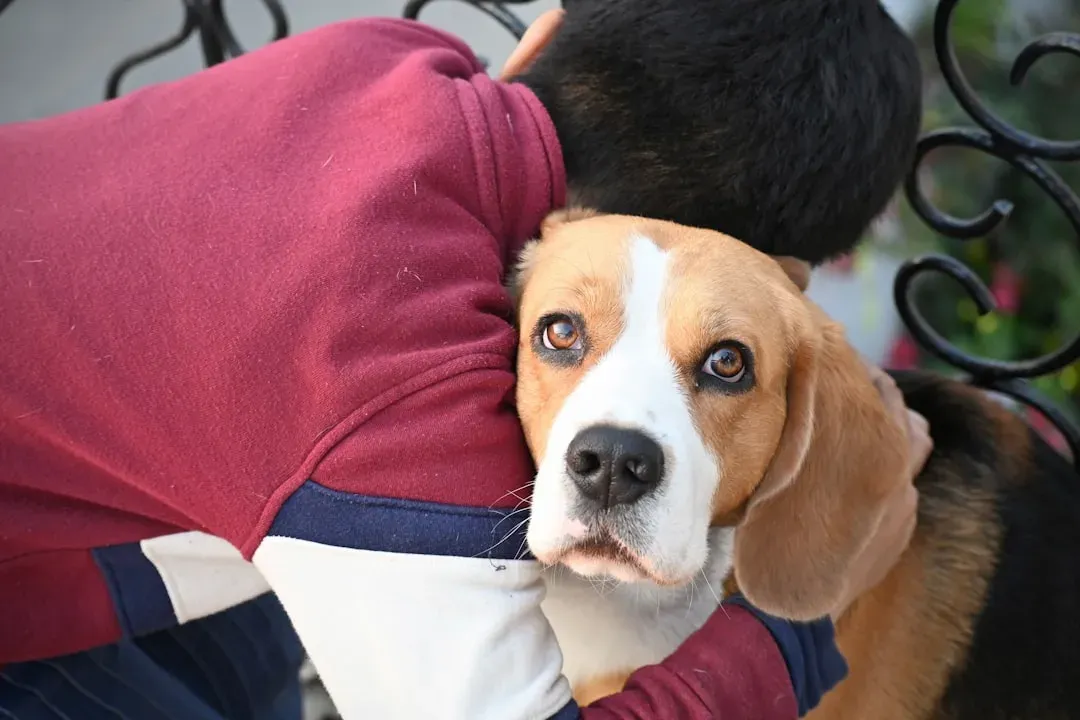
Trainers know the dirtiest secret in pet ownership: most corrections come from embarrassment, not genuine concern. The dog jumps on a stranger, pulls toward another dog, barks once – and the owner’s face goes red. They laugh nervously or snap “STOP!” purely because they feel judged, not because the dog did anything dangerous.
- The quick, fake laugh right after the dog misbehaves
- The frantic over-correcting the moment someone else looks over
- The apology mumbled while yanking the leash
Dogs feel that whiplash – ignored one second, scolded harshly the next – and it makes them unpredictable, not calmer. They never know which small behavior will suddenly set their human off, so they stay wired instead of settling down.
Calm, consistent handlers don’t perform for an audience. They respond the same way in a crowded park as they do at home – clear, proportional, and almost boringly predictable. When a trainer sees an owner overreact the second there’s a witness, they know they’re not just training the dog. They’re untangling the owner’s ego from the leash.
#8 – The Story You Tell About Your Dog Before You Even Clip the Leash
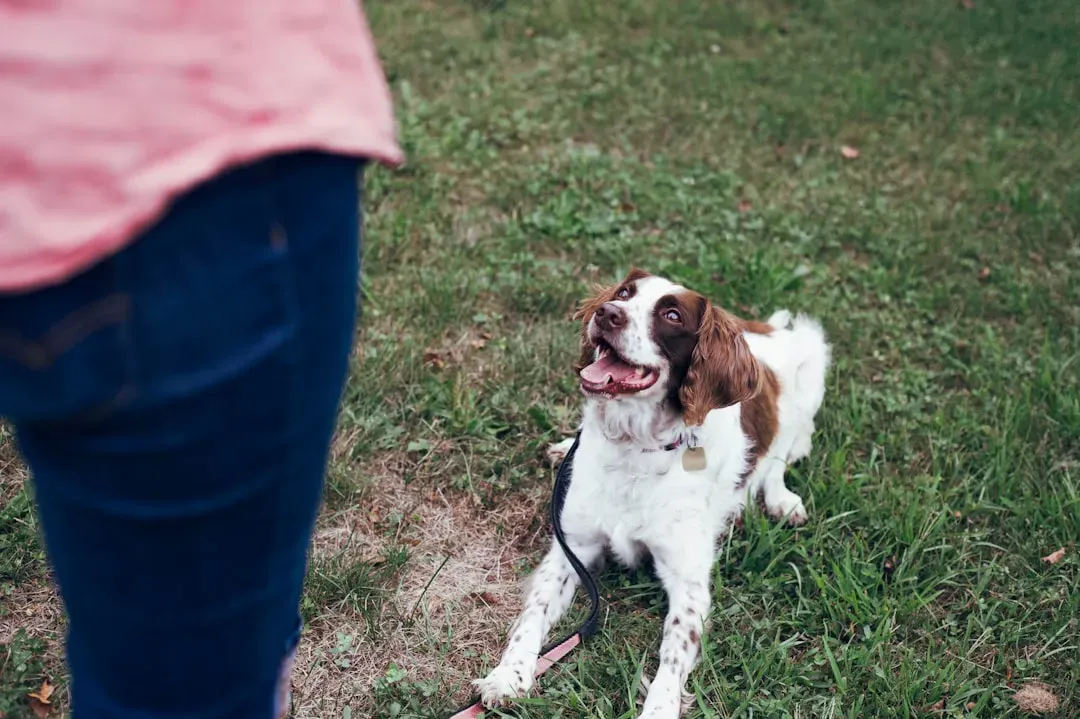
Before a session even starts, trainers aren’t listening for facts – they’re listening for stories. If your opener is “He’s stubborn,” “She’s dominant,” or “He’s just being a jerk,” a good trainer already knows your mindset is blocking progress before you’ve taken a single step. You’re reading malice where there’s usually confusion, fear, or plain over-arousal.
Calling a fearful dog “dramatic” or a high-energy dog “spiteful” almost guarantees you’ll miss what they’re actually asking for. Trainers quietly track whether you see your dog as a partner to guide or a problem to fix, and whether you always cast yourself as the victim – “He embarrasses me,” “She ruins every walk.”
Dog training is 90 percent training the owner and 10 percent training the dog.
Ian Dunbar
Owners who tell more neutral stories – “He gets overwhelmed around other dogs,” “She doesn’t understand what I’m asking yet” – tend to improve faster, because they’re open to changing their own side of the equation first. When a trainer hears nothing but blame, they already know the dog isn’t the only one who needs an attitude adjustment.
#9 – Your Timing With Rewards (Or How You Accidentally Pay for Bad Behavior)
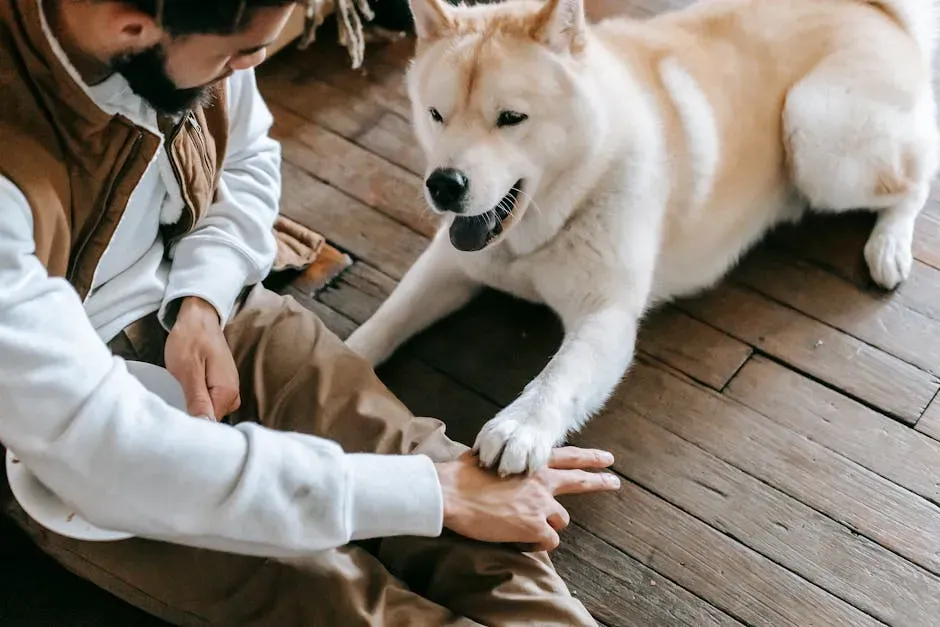
Everyone loves talking about positive reinforcement, but almost nobody talks about timing – which is exactly where most owners quietly sabotage themselves. Trainers don’t just ask if you reward your dog; they watch precisely when. Two seconds off can mean you just paid for the exact opposite of what you wanted.
- Treating the dog after they jump back up, not the instant all four paws hit the ground
- Praising recall only once the dog has zig-zagged and sniffed instead of the moment they first turned toward you
- Feeding a barking dog “to calm him down,” which actually reinforces the barking
From a dog’s perspective, whatever happened right before the reward is what “worked.” If that behavior was barking, lunging, or ignoring you, congratulations – you just trained more of it. Skilled handlers keep rewards locked and loaded, watching for the first sliver of the behavior they actually want: eye contact, a pause, a quieter breath. A trainer can often tell in under a minute whether your timing is sharpening your dog or blurring everything they’re trying to learn.
#10 – How You React When Your Dog “Disobeys” in Public
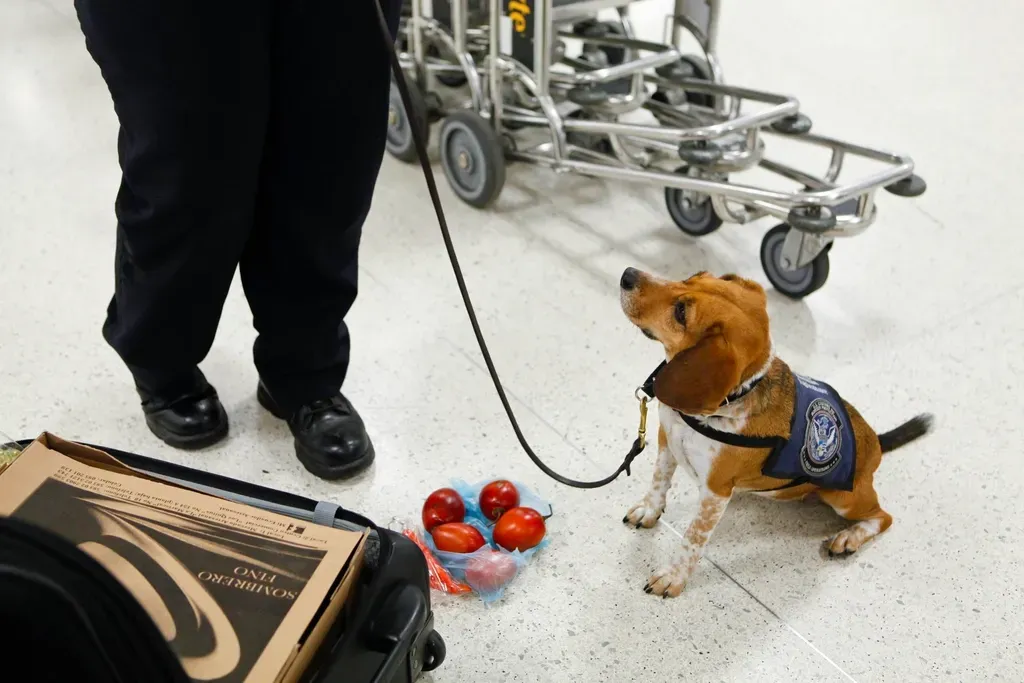
Most owners say they want a well-trained dog, but trainers quickly learn what they actually want is a dog who never embarrasses them in front of other people. Those two things are not the same, and the gap between them shows up the instant a dog ignores a cue in a crowd.
- Repeating the cue louder and angrier: “SIT. SIT! I SAID SIT!”
- Yanking the leash to force compliance for show
- Giving up with a forced laugh – “He’s so naughty!” – while quietly seething
Quick Compare
- Reactive owner: Repeats the cue louder and angrier until the dog complies out of pressure.
- Trainer-approved owner: Lowers the difficulty, adds distance, and rewards the smallest correct step.
- Reactive owner: Yanks the leash for show when others are watching.
- Trainer-approved owner: Resets calmly and treats the moment as a training gap, not a betrayal.
Dogs don’t understand social stakes; they understand clear, practiced patterns. If you never rehearsed “sit” around kids, food, or chaos, that’s not disobedience – it’s a training gap, plain and simple. Good handlers own that gap. They move the dog farther away, lower the difficulty, and help them win instead of turning a training failure into a moral one.
Trainers are quietly grading the human far more than the dog in these moments. The dog is usually doing exactly what its history says will work. Whether the owner can see that – or insists the dog is “giving them the finger” – predicts how far the whole team will actually go.
#11 – Whether You’re Seeking Connection… or Just Control
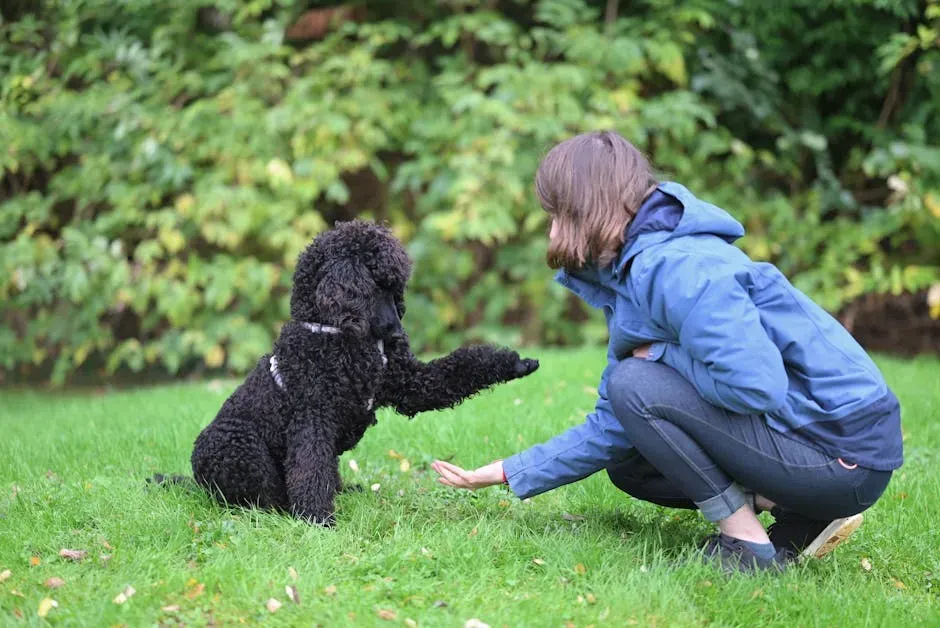
Underneath every mechanical detail – the leash grip, the voice tone, the timing – trainers are reading one core question: are you here to connect with your dog, or just to control them? The dog might look identical in both scenarios, sitting, walking, staying on cue, but the energy underneath is night and day, and the long-term behavior it produces is completely different.
- Obsessing over “obedience” while rarely offering affection or play without strings attached
- Only interacting with the dog when you want something from them
- Treating a dog’s real needs – sniffing, decompression, play – as inconveniences instead of part of the relationship
Handlers chasing connection look completely different. They build a dog who wants to be near them, not one who’s afraid to leave. There’s eye contact without a constant stream of commands, casual check-ins on walks, and genuine joy in shared moments, not just compliance.
When trainers watch what you do between the “official” reps – how you touch your dog when no one’s demonstrating anything, whether you smile at them, whether you let them just breathe – they’re reading your entire future together. Mechanics can be taught in an afternoon. Genuine interest in your dog as a partner cannot be faked for long, and that’s the uncomfortable truth most owners never hear out loud.
Here’s my honest take after all eleven of these: your dog was never really the mystery. You were.
Every trainer worth their fee will tell you the same uncomfortable thing in different words – the leash is just a rope; the real signal travels through your posture, your breath, your patience, and the story you tell yourself about who your dog is. Genetics and breed quirks matter less than we like to admit. What matters more is the feedback loop you’ve built, often by accident, between your own tension and an animal that’s been reading humans for thousands of years longer than we’ve been reading them.
The good news is that none of this requires a dog-training certificate. Loosen your stance. Slow your breath. Fix your timing. Treat your dog like a partner instead of a project you’re managing. Do that, and you’ll see “pro-level” changes before you ever learn a single fancy drill – because the dog was never waiting on obedience. It was waiting on you to notice what you were already saying.