
13 Things Shelter Staff Do for Their Own Dogs That They Never Talk About

Everyone assumes shelter workers are just “dog people” with a high tolerance for chaos and a soft spot for sad eyes. That’s the polite version. The real story is stranger and more disciplined than most pet owners could imagine.
Go home with a shelter worker and you’ll notice something odd almost immediately: their own dog’s life looks nothing like the one they’re used to seeing on Instagram. No forced dog-park meetups, no chaotic birthday parties with cake and confetti, no “just wing it” energy. What’s actually happening behind those front doors is quieter, stranger, and a lot more calculated than anyone admits out loud. Here’s what insiders do for their own dogs that never makes it into casual conversation.
#13 – They Run Their Homes Like Low-Key Dog Sanctuaries

Shelter staff don’t go home and improvise. Their houses are quietly engineered like mini sanctuaries, where doorways, hallways, and even the couch are arranged around dog behavior instead of interior design trends.
Most people let dogs roam freely everywhere. Shelter workers don’t. They’ve watched what happens when an anxious dog gets overwhelmed with no escape route, so their homes usually include gated “quiet zones,” covered crates, and visual barriers where a dog can decompress. It isn’t Pinterest-worthy, but it keeps stress and conflict remarkably low.
They also think in terms of traffic flow. High-energy dogs don’t get to cut through food-bowl zones, litter boxes, or front-door chaos, because those exact spots are where fights and anxiety spikes tend to start.
- One crate placed in a central but calm room, never a busy hallway
- One off-limits zone where no guest, kid, or other pet is allowed to follow
Most owners obsess over cute beds and matching leashes. Shelter staff obsess over one question: where will my dog actually feel safe?
#12 – They Schedule “Decompression Days” Like Doctor’s Appointments

Average owners feel guilty skipping the dog park. Shelter workers feel guilty when they don’t give their dog a day or two completely off from stimulation.
After watching shelter dogs shut down from constant noise, new smells, and unfamiliar faces, staff learn something most owners never do: even social, easygoing dogs need “nothing days” to reset their nervous system. So they literally schedule quiet 24-to-48-hour windows with no guests, no big outings, no crowded patios. Just slow walks, sniffing, naps, and boring, predictable routine.
They know chronic stress rarely announces itself directly. It shows up sideways, as barking, chewing, or sudden reactivity. Instead of punishing that behavior after the fact, they prevent it. If their dog just had a big hiking weekend or a loud family gathering, the next day is deliberately dull.
- Quiet walks in low-traffic areas instead of busy sidewalks
- Puzzle toys swapped in for high-arousal play
Most people chase nonstop entertainment for their dogs. Shelter staff quietly protect the downtime instead, and it works better than anyone expects.
#11 – They Treat Walks Like Training Sessions, Not Just Exercise

To a shelter worker, a leash walk isn’t a chore to rush through. It’s a daily training lab, because they’ve processed too many dogs surrendered specifically for “leash reactivity” and “too much energy” to ever take a walk lightly again.
Their own dogs don’t just drag them around the block. Staff use every walk to practice loose-leash manners, impulse control, and calm recovery after triggers like bikes, squirrels, or other dogs. They’re constantly reinforcing quiet check-ins, rewarding calm passes, and steering toward routes where the dog is set up to succeed instead of fail.
They also understand something most owners overlook: mental effort tires a dog out faster than raw mileage. A tightly engaged 20-minute walk with sniff breaks and direction changes often replaces an hour of frantic pulling.
- Crossing the street before a reactive dog nearby has a chance to explode
- Pausing for a quick sit or down the moment their own dog starts to escalate
To outsiders it looks overly cautious. In reality, it’s prevention, because one bad on-leash incident can undo months of careful progress.
#10 – They Quietly Run Behavior Experiments at Home
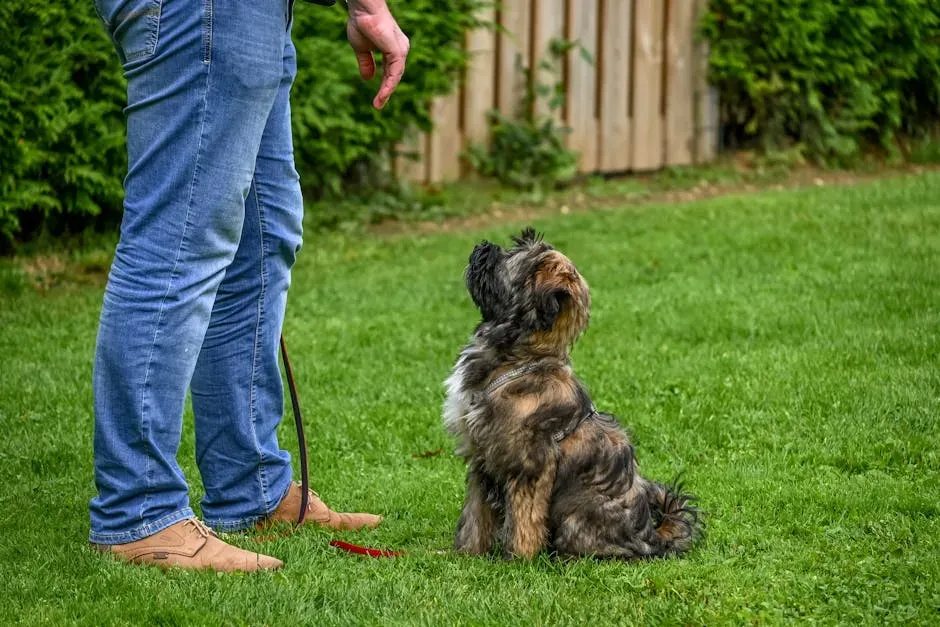
Here’s something shelter staff rarely admit out loud: they use their own dogs as gentle test subjects for what they’re learning on the job. Not in a cold, clinical way. More like “let’s see what actually helps before I recommend it to anyone else.”
When new research surfaces on enrichment, anxiety, or training methods, they often trial small changes at home first: different feeding routines, new puzzle toys, novel calming techniques, or adjusted reinforcement schedules. If it visibly reduces stress in their own dog, they’re far more likely to roll a version of it out to the shelter’s population.
- Rotating toys weekly so nothing ever gets stale or ignored
- Introducing scent games as a normal daily routine, not a special treat
- Splitting meals into smaller, more frequent feeds for anxious dogs
They watch for subtle shifts: slower breathing, fewer startles, smoother transitions between activities. Their dog’s body language becomes the data. It looks like overthinking from the outside, but it’s genuinely how they decide what’s worth passing along to future adopters.
#9 – They Read Body Language Better Than Most Vets Do
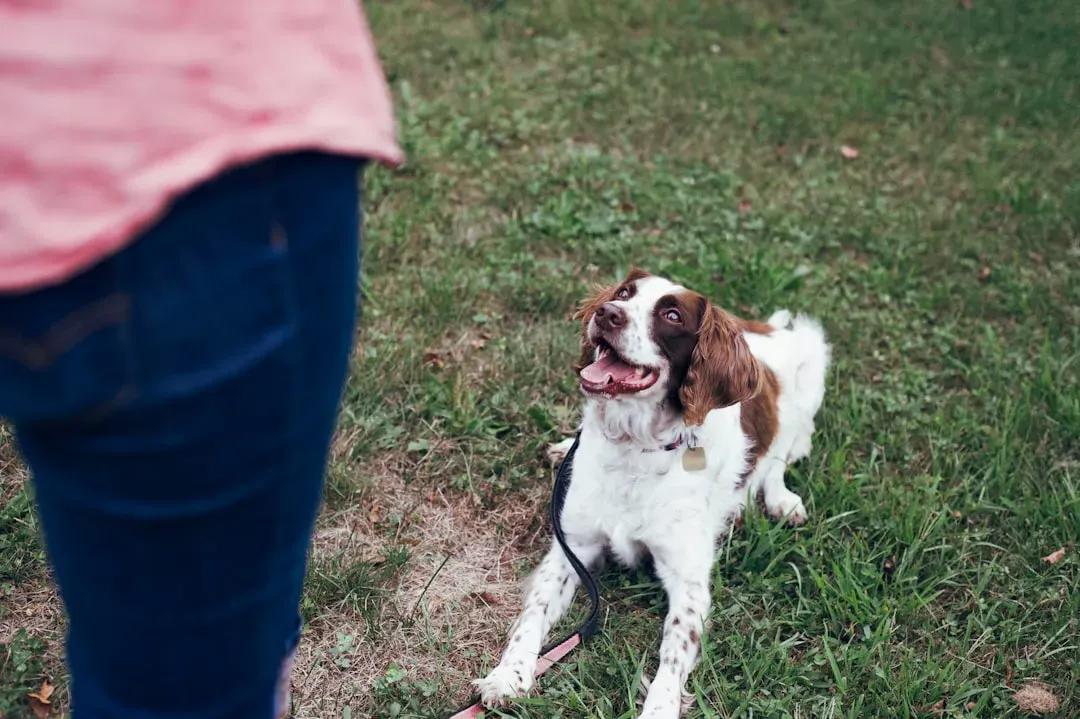
Live with a shelter worker and you’ll notice something almost unsettling: they never stop scanning their dog. Ears, eyes, tail, mouth, weight shift, breathing rate. Nothing slips past them.
Years of handling fearful, stressed, or unpredictable dogs rewires the brain for micro-signals. A slightly slower tail wag gets clocked. A half-second freeze near the food bowl gets remembered. A tiny lip lick when a kid leans in close isn’t “cute,” it’s a quiet red flag.
Fast Facts
- A tucked tail or “whale eye,” where the whites of the eyes show, often signals stress before any growl appears
- A slow, low tail wag reads very differently than a fast, high one
- Lip licking or yawning outside of mealtime or bedtime can be a stress cue, not tiredness
- Freezing for even a second is one of the most overlooked warning signs there is
They don’t wait for a growl or a bite to react. By the time most owners notice a problem, a shelter worker would say that dog has been asking for help for weeks.
- Is my dog avoiding a certain kind of touch today?
- Did they hesitate before jumping on the couch, when they usually don’t?
- Is their play style suddenly softer or rougher than last week?
To friends, this looks overprotective. In reality, it’s exactly why their dogs almost never “suddenly snap” out of nowhere.
#8 – They Use Crates and Closed Doors Without a Shred of Guilt

Online debates love to paint crates as cruel. Shelter workers quietly roll their eyes at that, because they’ve watched countless terrified, overstimulated dogs finally exhale and relax the moment a properly introduced crate becomes their safe zone.
At home, their own dogs almost always have crates, covered dens, or gated rooms that are strictly off-limits to visitors and kids. Those spaces are non-negotiable. They actively teach their dogs to love these zones with high-value chews and zero forced interaction, so the crate becomes a retreat, not a punishment.
They also aren’t afraid to put their dog away during parties, deliveries, or rowdy chaos. While most people push their dog to “just get used to it,” shelter staff would rather protect their dog’s peace than prove how tolerant that dog can be.
- Crating before and after big events to help the dog reset
- Separating dogs during high-arousal play instead of letting them “figure it out”
- Using doors as management, never as a form of punishment
#7 – They Are Ruthless About Vet Checks and Tiny Health Changes
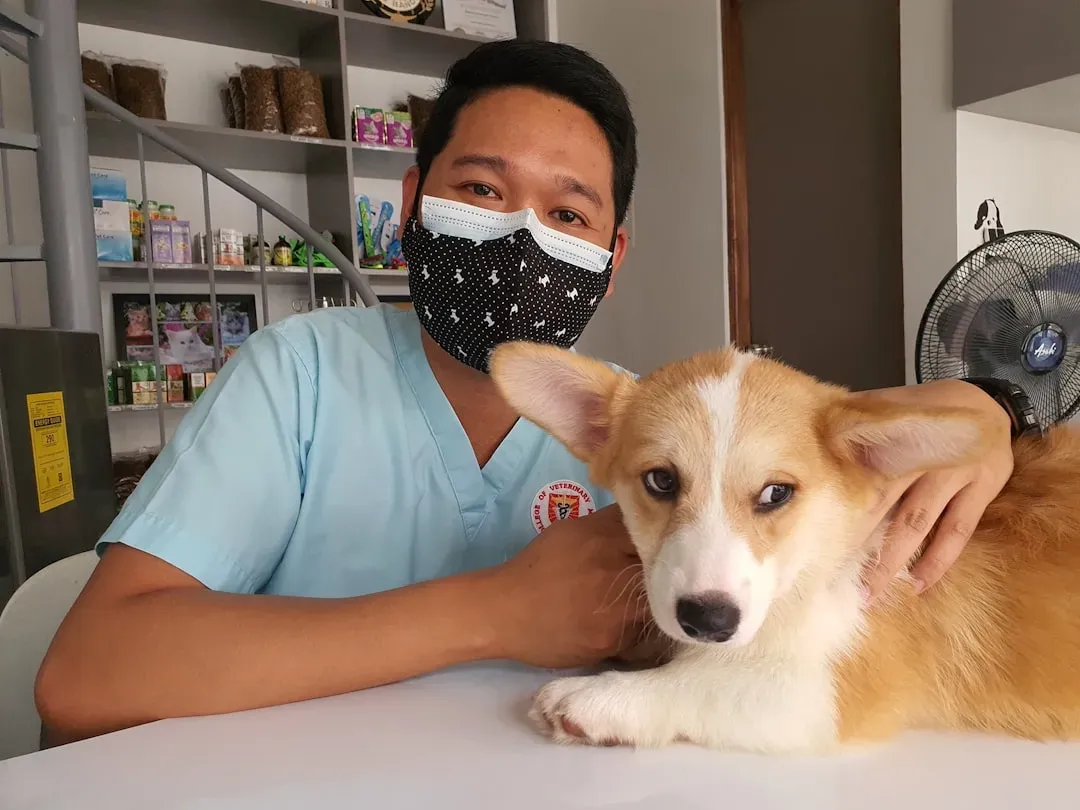
While many owners wait until there’s a limp or a yelp of pain, shelter workers act the moment something feels slightly off. They’ve seen too many dogs surrendered for “behavior problems” that were actually undiagnosed arthritis, dental disease, or ear infections.
If their dog suddenly avoids stairs, hesitates before jumping into the car, or quietly stops playing rough, the first thought isn’t “maybe they’re just lazy today.” It’s “where does it hurt?” They’ll book a vet visit for what most people would call nothing, because they’ve watched small issues explode into major ones far too many times.
- Starting joint supplements earlier than most owners would bother
- Booking dental cleanings before tartar buildup becomes obvious
- Testing for allergies while the itchiness is still mild
It’s not hypochondria. It’s pattern recognition built from years of watching stressed animals get mislabeled as “problem dogs” when they were simply in pain the whole time.
#6 – They Practice Quiet “Defensive Dog Ownership” in Public

Shelter staff know exactly how fast a routine walk can turn into a genuine safety or legal nightmare. They’ve heard every version of the story: off-leash attacks, kids running up to grab a stranger’s dog’s face, someone insisting “it’s fine, all dogs love me.”
So they move through public spaces almost like bodyguards.
- Changing direction the second they spot an uncontrolled dog blocks away
- Calmly stepping between their own dog and a stranger’s reaching hand
- Saying “he’s in training” even when the dog is completely bombproof
They’re not being rude. They’re running interference, because they know a dog’s entire future can be destroyed in three chaotic seconds: one defensive snap, one bad bite, one panicked reaction to a stranger’s hand. Most owners hope nothing will go wrong. Shelter staff quietly plan as if something will, and act accordingly before it ever happens.
#5 – They Feed and Enrich Like It’s a Full-Time Job

Because they’ve watched dogs spiral from boredom and inconsistent feeding schedules, shelter workers get almost militant about food routines at home. There’s very little “dump the kibble in a bowl and walk away” energy in their kitchens.
- Using slow feeders or puzzle toys for at least one meal a day
- Rotating between scatter-feeding, snuffle mats, and stuffed Kongs
- Splitting meals into smaller portions to avoid bloat and blood sugar crashes
Worth Knowing
- A slow feeder or puzzle toy can turn a two-minute meal into a twenty-minute enrichment session
- Mental work tires a dog out at least as effectively as physical exercise does
- Predictable mealtimes are one of the simplest, cheapest ways to lower a dog’s daily anxiety
They know a mentally worked dog is calmer than a dog that just ran in circles for an hour. So food becomes a daily brain game: sniffing for scattered kibble in the yard, shredding a cardboard box to find hidden treats, spending twenty minutes unstuffing a frozen Kong instead of inhaling dinner in twenty seconds.
Their dogs also tend to run on extremely predictable schedules, same mealtimes, same pre-bed rituals, same treat habits. It isn’t about control. Predictability happens to be one of the most underrated calming tools in a dog’s entire world.
#4 – They Give Their Dogs More Choice Than Most Kids Get

Working in a shelter teaches an uncomfortable truth fast: most dogs have almost no real control over their own lives. Humans decide when they eat, walk, pee, sleep, and socialize. Shelter staff can’t fix that at work, but at home, they quietly overcorrect for it.
- Several approved nap spots instead of a single designated bed
- The option to walk away from petting with zero pressure to come back
- A genuine choice between two toys or two chew items
They watch closely to see what their dog actually prefers, not what humans assume a dog “should” like. If a dog consistently picks the quiet room over the living room party, that preference gets respected without argument.
This often makes their dogs look unusually confident and well-behaved to outsiders. The secret isn’t obedience, it’s trust. A dog who can calmly say “no” to a person is far less likely to ever have to scream it with teeth.
#3 – They Socialize Less Than You’d Think, and More Intentionally
Social media insists you socialize your dog early and often. Shelter staff see the dark side of that advice every single day: overwhelmed puppies, dogs who genuinely hate the dog park, and “friendly” dogs who are actually low-key bullies.
So their own dogs don’t get thrown into every social situation available.
- One or two well-matched dog friends instead of random park meetups
- Controlled parallel walks with new dogs before any off-leash play
- Brief, calm meet-and-greets instead of “everyone come pet my dog”
They pay close attention to recovery. Does the dog come home and crash peacefully, or pace and pant for hours afterward? That answer tells them whether that kind of socializing was actually worth repeating. It’s why you’ll hear a genuinely controversial opinion pass through shelter circles more often than you’d expect: dog parks cause more behavior problems than they solve. Most people brag about how social their dog is. Shelter staff are quietly proud their dog can say “I’m done now” and actually be heard.
#2 – They Prepare for Emergencies Like Their Dog’s Life Depends On It

Because they’ve seen how fast a minor crisis turns into a tragedy, shelter workers treat emergency planning like a moral duty, not a someday item on a list. Their own dogs almost always have updated ID tags and microchips, a go-bag with food, meds, and vet records, and crate training solid enough to handle a sudden evacuation or hospital stay.
At a Glance
- Updated ID tags and a registered, up-to-date microchip
- A go-bag stocked with food, medications, and copies of vet records
- Crate comfort solid enough for a sudden car ride or overnight stay elsewhere
- A known backup caregiver who could step in with zero notice
They know exactly where the nearest 24-hour emergency vet is. They know roughly how much sits in their pet emergency fund. They know exactly which friend or family member could safely take over if they were suddenly out of commission, and they don’t leave any of it to chance.
Many of them have watched heartbreaking surrenders happen after fires, floods, or sudden illness, simply because an owner wasn’t ready. So at home, they quietly rehearse the boring stuff: loading the dog into a crate fast, handling paws and muzzle for bandaging, calmly getting in and out of a car during chaos. It looks like overkill until the day it isn’t, and then it’s the entire difference between panic and survival.
#1 – They Secretly Lower Their Own Standards to Protect Their Dogs
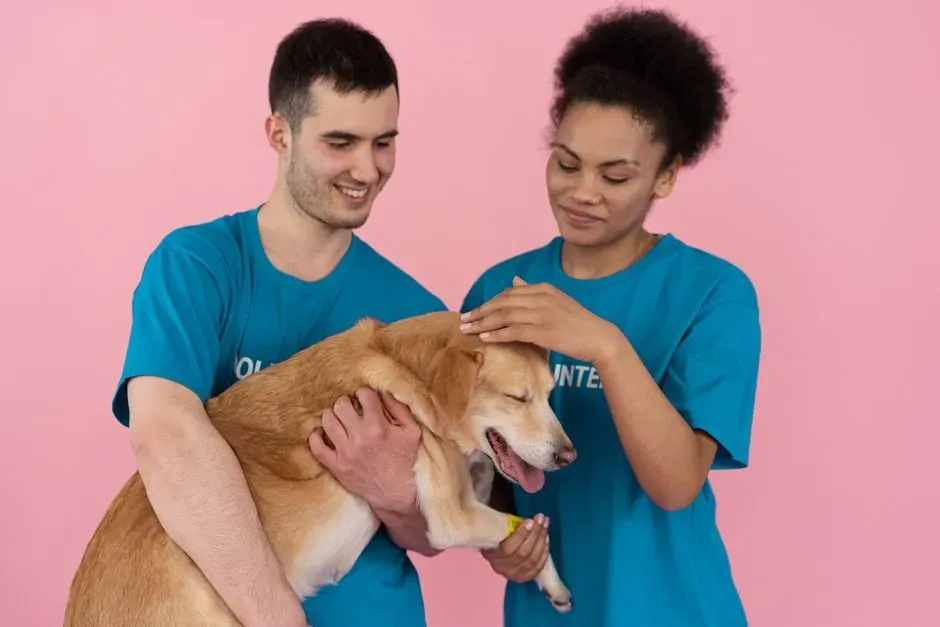
Here’s the most uncomfortable truth of all. People who work in shelters see, up close and constantly, how fragile the human-dog bond actually is. They watch good dogs get surrendered over scratched floors, chewed shoes, noise complaints, or a landlord who changed the rules. It changes something in them permanently.
So at home, many quietly choose their dog over aesthetics, convenience, or even certain social expectations. They’ll skip a weekend away if they don’t fully trust the boarding option. They won’t move into a rental that forbids big dogs or crates, no matter how good the price. They keep older, less attractive furniture a little longer because a fragile senior dog navigates it more safely. They tolerate more hair, more dirt, more chewed corners than they’d ever admit to a coworker.
They don’t talk about it because it sounds dramatic out loud. But after watching good dogs lose their homes over purely cosmetic damage, they simply recalibrate what actually matters.
- “I don’t care if the yard isn’t perfect, my dog needs the soft ground.”
- “If the neighbors hate occasional barking, this isn’t the right neighborhood for us.”
Most people ask, “How do I fit a dog into my life?” Shelter staff, who’ve watched what happens when that question fails, ask something completely different: how do I shape my life around this dog so they never end up in one of the cages I clean every single day?
The Bottom Line
Shelter staff don’t just “love dogs more” than everyone else. They carry a completely different mental map of what can go wrong, and what a dog actually needs to stay sane inside a human world that rarely bends for them. They build quiet sanctuaries at home, schedule downtime like it’s medicine, obsess over body language most people never notice, and hand their dogs an amount of choice and protection that would look excessive to almost anyone else.
Why It Stands Out
- They plan for a dog’s entire life, not just the cute, easy parts
- They treat calm, predictable routines as more valuable than nonstop excitement
- They protect a dog’s ability to say “no” instead of demanding constant tolerance
Is it extreme? To plenty of people, yes. But once you’ve watched innocent animals lose their homes over problems that were completely fixable, cute stops being the priority. What actually matters is whatever keeps a dog safe, stable, and out of a shelter kennel for good, and shelter workers happen to know that list better than anyone.
If even a fraction of dog owners quietly copied this playbook, a lot fewer dogs would ever see the inside of a kennel in the first place. So the real question isn’t whether these habits seem excessive. It’s which one you’re willing to admit you should probably be doing too.