
Why a Dog Circles Before Lying Down, According to the Research
You’ve probably laughed at your dog’s little pre-nap spin, called it “just a quirky habit,” and gone back to scrolling your phone. But behaviorists and veterinary scientists have spent decades quietly logging this exact movement – and what they’ve found is stranger, older, and occasionally more urgent than any internet caption gives it credit for.
Some of the reasons are written into your dog’s brain from a time before dogs were even dogs. Others are your dog trying to tell you something is wrong, right in front of you, every single night, while you assume it’s cute. Here’s what the research actually says, starting with the most ancient explanation and ending with the one most owners never see coming.
#7 – The Wild Survival Instinct Hiding in Your Living Room
That quick pre-nap twirl isn’t “zoomies lite.” It’s a survival behavior your dog’s ancestors used to stay alive long before couches existed. Canine ethologists point out that wild canids – wolves, coyotes, dingoes – circle before lying down in grass, dirt, or snow, and it was never about comfort alone. Circling flattened vegetation, tested wind direction, and gave them one last scan for movement that might mean a predator or rival was close.
That final loop increased their odds of spotting danger in the seconds right before they became vulnerable and half-asleep. Your dog may be lying on memory foam now, but their nervous system is still running software that’s thousands of years old. What’s wild is that even dogs raised entirely indoors, with zero exposure to rough terrain, still do this – which tells researchers it’s hard-wired, not learned. So when your Labrador spins slowly on the rug, it’s a tiny reenactment of a wolf checking a meadow edge before dusk.
“It’s something dogs and wolves have been doing for a very long time.”
Nicole Ellis, CPDT-KA, Certified Professional Dog Trainer
#6 – Temperature Control: Your Dog’s Built-In “Thermostat Spin”
Most owners assume dogs only manage their temperature by panting or hunting for shade, but circling is part of that same toolkit. Out in the wild, circling on dirt, snow, or leaves lets a dog feel the ground in several spots quickly, sampling for hot, cold, or damp patches before choosing the one that feels best. Studies on free-roaming dogs actually show their circling and lying-down choices shift with wind direction and ground temperature.
Indoors, this can look like your dog rejecting one end of the couch, doing a half-spin, and settling somewhere with better airflow or a cooler patch of floor. It isn’t overthinking – it’s thermoregulation happening in real time. Senior dogs, arthritic dogs, and thick-coated breeds like Huskies or German Shepherds often circle more before sleep in warm weather, not because they’re being fussy, but because they’re negotiating comfort while their joints or heavy fur fight the room’s temperature.
#5 – Comfort Engineering: Building the “Perfect Nest” From Nothing
Your dog is basically an interior designer with paws, and most owners never clock it. Historically, circling helped dogs build a sleeping spot from scratch – trampling grass, clearing sticks, shaping a shallow nest that matched their body. Even on bare tile with nothing to move, that instinct persists. Behaviorists have observed that dogs sleeping on loose bedding or in outdoor runs circle longer and more often, especially when the ground underneath is uneven or cluttered.
In your house, that same drive shows up as pawing at a blanket, nudging a pillow, and circling until the “nest” finally feels right. There’s a safety layer buried in here too – in the wild, clearing space meant fewer sharp objects, insects, or hidden threats under a sleeping body. Dogs with long backs, like Dachshunds and Corgis, or heavy frames, like Bulldogs, tend to get especially particular about the process, using the circle to test alignment, cushion density, and support all at once. To us it looks like a spin. To them, it’s a full-body check before they commit to lying down.
At a Glance
- Dachshunds & Corgis: long backs make alignment checks extra important before settling.
- Bulldogs & heavy-framed breeds: more deliberate cushion testing before they commit.
- Dogs on loose bedding or outdoor runs circle longer than dogs on flat, firm floors.
- The same motion once cleared sticks, insects, and debris from a wild sleeping spot.
#4 – Anxiety, Hyper-Vigilance, and the “Can’t Switch Off” Spin
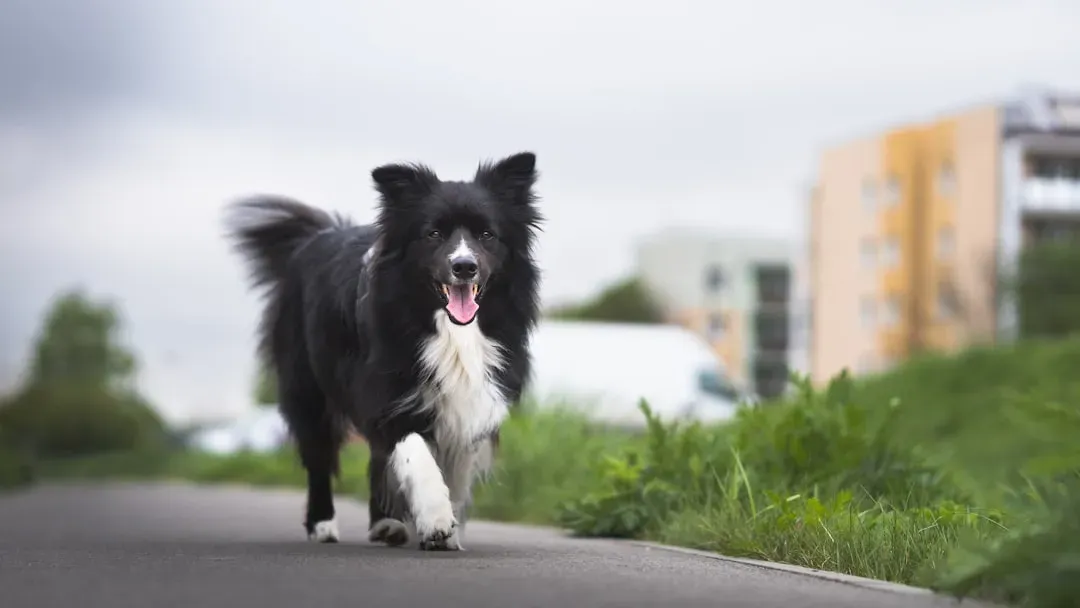
Here’s where it gets uncomfortable: sometimes that circle isn’t instinct, it’s unease. One or two smooth circles is normal. But researchers and vets flag repeated, restless circling – especially paired with pacing or whining – as a possible sign of anxiety or hyper-vigilance. Dogs with a history of trauma, poor socialization, or a chaotic environment often struggle to downshift into rest, so they loop: circle, pause, stand back up, circle again.
Context tells the real story. A relaxed dog usually circles once or twice, lets out a sigh, and flops with soft eyes and loose muscles. An anxious dog circles repeatedly without ever truly settling, startles at minor sounds, and pairs the spinning with lip licking, yawning, or panting indoors for no clear reason.
Quick Compare
- Relaxed dogs circle once or twice, then sigh and flop with soft eyes.
- Anxious dogs circle repeatedly, startle easily, and may lip-lick or pant while doing it.
- “He just always does that” can quietly be a red flag you’ve stopped noticing.
If your dog seems unable to settle even when clearly tired, or keeps repositioning like they’re on guard, that circling might be their nervous system saying, “I’m not okay yet.”
#3 – Pain, Joint Issues, and the Circle as a Silent “Ouch”

This is the one most owners don’t want to hear: sometimes the extra spin is about pain, not personality. Vets and veterinary behaviorists warn that repeated or prolonged circling before lying down can signal arthritis, hip dysplasia, spinal pain, or a soft-tissue injury. The dog isn’t being dramatic – they’re hunting for a position that doesn’t hurt, the same way a person with a bad back twists and shifts ten times before finally committing to a chair.
Dogs just have fewer ways to say “my hips hurt,” so the circle becomes the message.
Worth Knowing
- Circling far more than they used to.
- Hovering or hesitating over the bed before finally lowering down.
- Grunting, licking a joint, or popping back up right after lying down.
Instead of Googling “dog circling before sleep meaning” at 1am, the smarter move is watching for change over time. A dog that used to flop instantly and now needs five careful rotations may be quietly asking for a joint exam. Brushing it off as “dogs just do that” is exactly how subtle pain turns into a real mobility problem.
#2 – Neurological Red Flags: When Circling Isn’t Normal at All
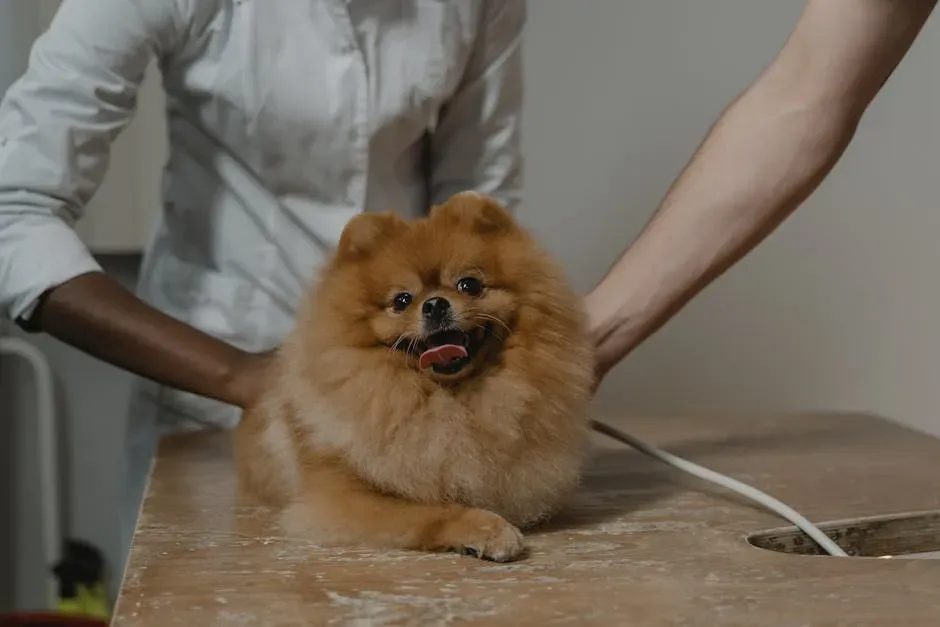
Here’s the hard line: not all circling is a harmless bedtime ritual. Neurologists and vets separate purposeful, brief circling before rest from compulsive or disoriented circling that shows up at random moments. When a dog circles continuously, especially always in one direction, seems confused, or struggles to physically lie down, it can point to cognitive dysfunction (canine dementia), vestibular disease, brain tumors, or other neurological issues. At that point, it has stopped being a bedtime quirk and become a symptom.
Many owners miss this early simply because they’re used to seeing a quick pre-nap spin and nothing more.
- Circling for minutes at a time instead of seconds.
- Bumping into walls or furniture mid-circle.
- Staring at corners, getting “stuck,” or seeming lost in a familiar room.
- Sudden shifts in personality, sleep habits, or house-training.
When the behavior detaches from actually lying down – showing up in hallways, outside, or randomly after meals – it’s no longer part of a rest ritual. It’s your dog’s brain misfiring in a way that deserves a vet visit, not a meme caption.
#1 – The Emotional Check-In: Stress, Bonding, and Reading the Room
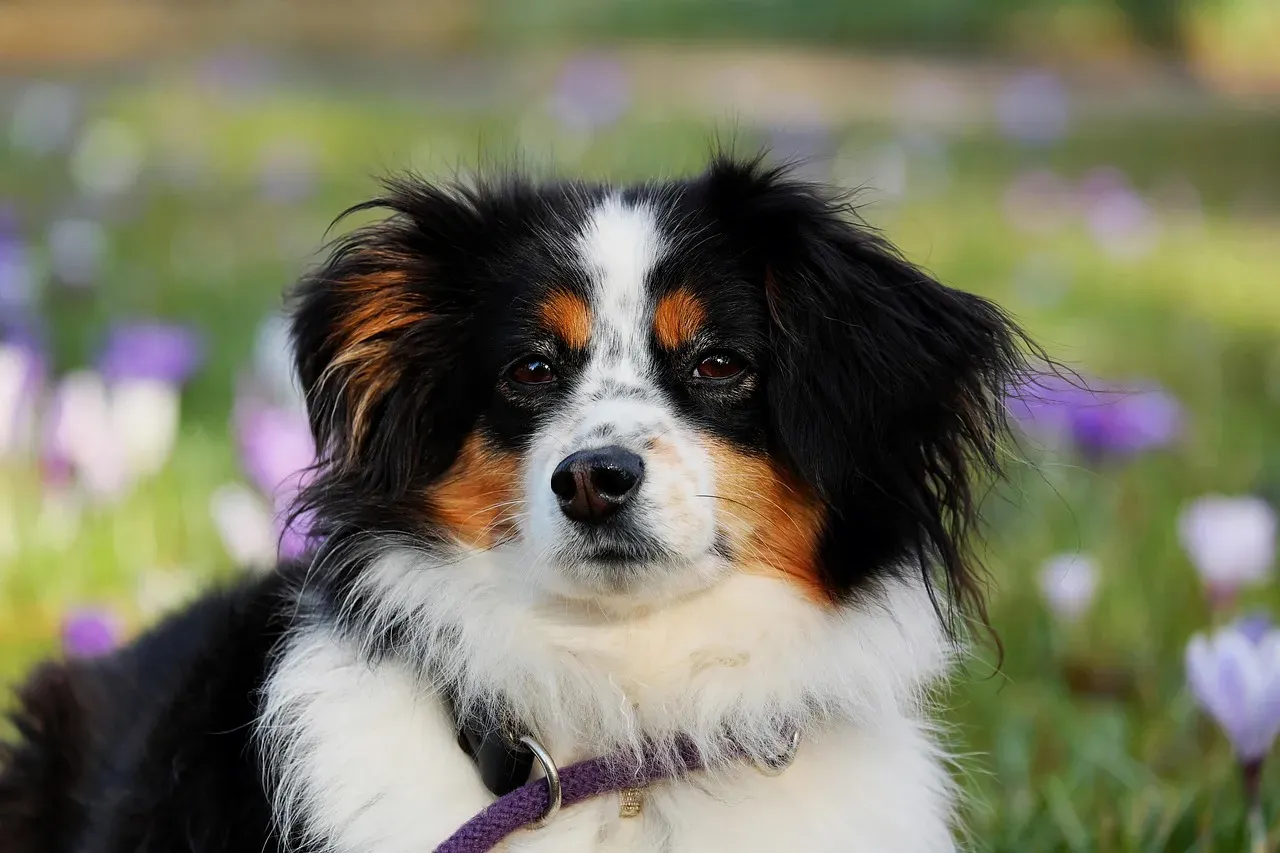
Here’s the part the research hints at but most people overlook completely: that little circle is often your dog’s emotional wrap-up of the day. Before entering a vulnerable state like sleep, social animals do one last check on their surroundings and the people in them. Behaviorists note that many dogs adjust their circling based on who’s in the room, where their humans are sitting, and how the space “feels” in that moment.
A dog might circle closer to you on a hard day, angle their body toward a doorway, or spin until they land in a spot where they can see both you and the main entrance. That’s not random – it’s attachment and security layered into one motion.
- Dogs deeply bonded to one person often circle so they end up facing that person.
- In multi-dog homes, the more anxious dog may circle longer if a rival is nearby.
- After arguments, loud noises, or visitors, dogs may circle closer to their primary person or choose a different resting spot entirely.
This isn’t just leftover wolf behavior – it’s also about how safe your dog feels with you, right now, in this exact room. Some experts argue that a calm, brief circle is a sign your dog trusts the environment enough to run their final checks and fully power down. When they skip that ritual and curl up tight in a corner instead, that absence can be just as telling as the spin itself.
A dog circling before lying down was never one behavior with one meaning. It’s a cluster of ancient instincts, physical signals, and emotional check-ins compressed into a few seconds of spinning. Sometimes it’s harmless survival code – temperature testing, nest-shaping, one last predator scan written into their DNA generations ago. Sometimes it’s a flare, quietly warning you about anxiety, joint pain, or something neurological that needs a vet, not a shrug.
The lazy answer – “dogs just do that” – ignores everything the research and clinical experience keep showing: pattern, context, and change over time are the whole story. Watch your dog’s circle across weeks instead of seconds and you’ll start seeing it for what it really is: a small, honest readout of how safe they feel, how their body is aging, and how your home affects them. My take is simple – writing this off as a cute quirk is a mistake most owners make out of habit, not ignorance. Pay attention to the spin. Your dog has been talking the whole time.