
10 Signs a Dog Reads a Household Clock Better Than the People Living in It
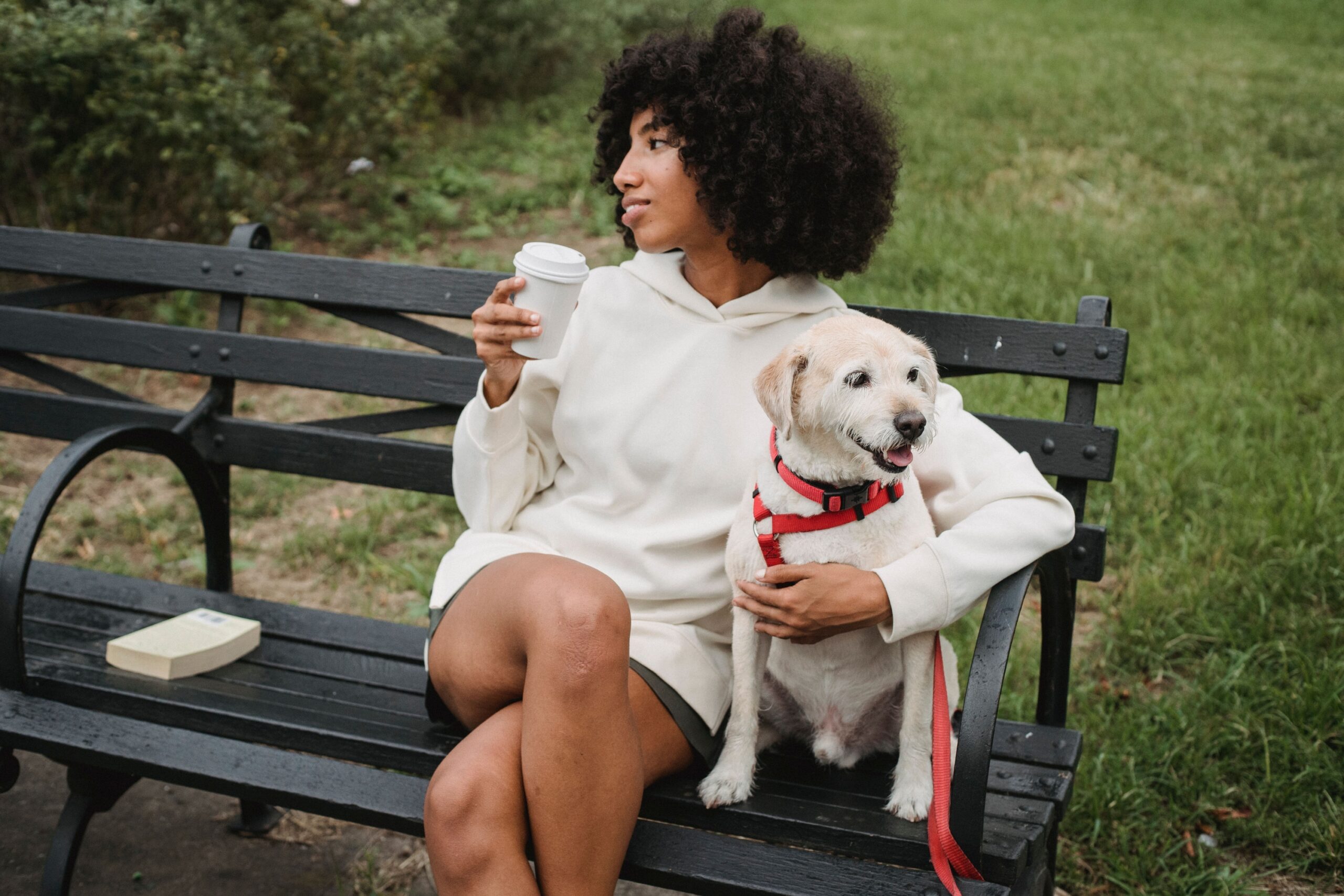
Most people assume dogs have zero sense of time beyond “hungry now” and “walk now.” But if you’ve ever caught your dog staring you down at 5:29 p.m. – one minute before dinner, with zero prompting – you already know that theory doesn’t hold up.
Dogs track time through routines, light changes, smells, and repetition with a precision that quietly embarrasses the humans who think they’re running the household schedule. Here are 10 signs your dog isn’t just reacting to your day – they’re reading it, minute by minute, better than you are.
#10 – The “Dinner Alarm” Goes Off Within Minutes Every Single Day

Your dog doesn’t need a watch to know when dinner is late – and they’ll let you know.
If your dog starts pacing, whining, or staring at you at almost the exact same time every day, you’re not imagining it. Dogs learn patterns frighteningly fast. They remember when the bowl usually hits the floor and build an internal “time map” around it.
Studies suggest dogs use a mix of circadian rhythms, light levels, and even shifting household smells to estimate when key events happen. That’s why you can be 15 minutes late and they act like an alarm already went off.
Fast Facts
- Dogs lean on internal circadian rhythms plus learned routines, not calendar awareness.
- Repeated daily cues, like the same feeding time, can get locked into memory within days.
- Shifting household scents throughout the day give dogs another built-in timing cue besides light.
- A delay of just 10 to 15 minutes in a routine is often enough to trigger pacing or whining.
Many people chalk this up to “they’re just hungry,” but that doesn’t explain the consistency. If hunger alone drove the behavior, it would creep earlier and earlier. Instead, your dog waits for the familiar moment, then starts lobbying – right on schedule, every time.
The clearest giveaway: you get lost in a show or your phone and completely lose track of time, then look up only because your dog is parked in front of you, unblinking, insisting you’ve missed a deadline you didn’t even know existed. But #9 is where things get almost eerie.
#9 – They Camp By the Door Before Anyone’s Usual Arrival Time
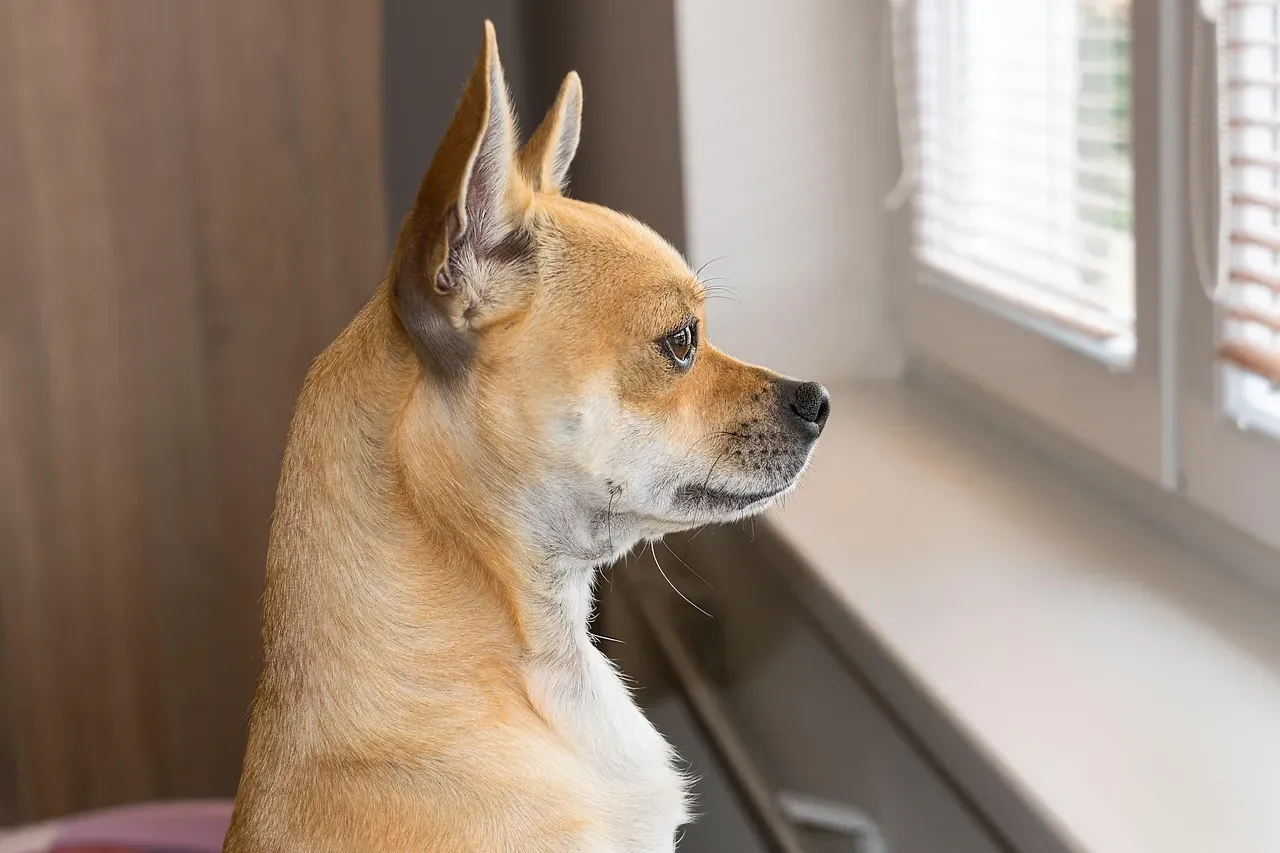
Your dog knows when someone’s “supposed” to walk through that door – and they start the vigil early.
Plenty of people assume their dog just hears the car from far away. Sometimes that’s true. But if your dog parks by the door 10 to 20 minutes before your partner, kids, or roommates usually get home – every weekday, same window – that’s more than good hearing. That’s prediction, not reaction.
Dogs build strong associations between clock time, environmental cues like traffic patterns or daylight, and repeated events. Your dog has essentially memorized that “around this time, my person appears,” and they start waiting on schedule.
There’s a simple test that usually exposes it: change the routine. If your partner is off work one day but your dog still trots to the door at 5:40 p.m. and waits for no one, that’s an internal timer misfiring because the expected event never arrives.
They’re not responding to today. They’re responding to a stored pattern built from thousands of past days – and in some homes, the dog is a more reliable predictor of arrivals than any human’s guess. #8 is where it gets personal.
#8 – They Start Their Morning Routine Before Your Alarm Rings

If your dog is up before your alarm, it’s not a coincidence – they’ve got your wake-up time memorized.
You might assume your dog wakes when you move. Often, it’s the other way around. Dogs frequently start nudging, stretching, or tail-thumping minutes before the alarm sound, as if they already knew it was coming.
They’ve linked a specific time of day with a whole cascade of predictable things: lights on, you talking, the bathroom trip, the food bowl. Their circadian rhythms sync to yours when the routine is consistent, so their body and brain gear up just ahead of schedule.
Watch the pattern on weekends. Many people try to sleep in, only to get a dog nose in their face at 6:27 a.m. – exactly when the alarm would go off Monday through Friday. No phone noise, no visual cue, just a dog whose internal system says “we’re late to being awake.”
Frustrating? Absolutely. But it’s rock-solid evidence your dog is tracking time better than you are when you’re half-asleep. Wait until you see what happens at walk time – #7 is downright uncanny.
#7 – Walk-O-Clock: They Get Restless at the Exact Same Time Daily
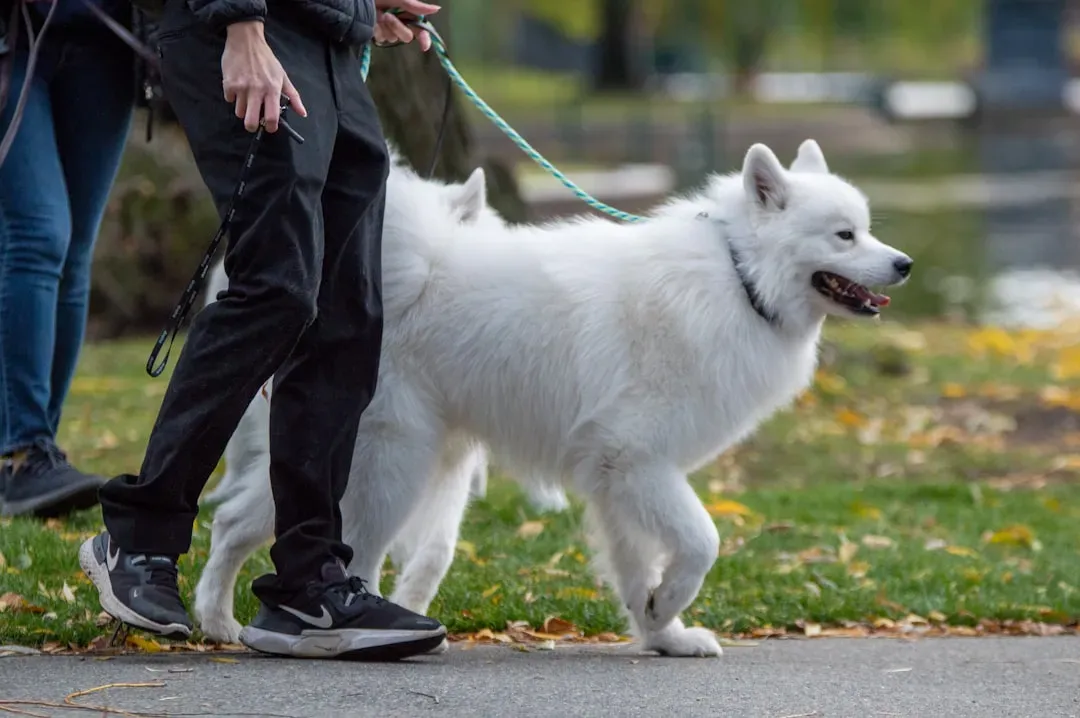
Your dog knows when “walk time” is – even if you’re pretending you forgot.
Most people think they decide when to walk the dog. In reality, the dog usually decides when to start pressuring you, and it’s shockingly clock-accurate. If your dog paces, paws the leash area, or gives you that intense stare at 4:55 p.m. every day, you’re looking at a living, breathing reminder app.
This isn’t just energy overflow. It’s learned timing. Dogs quickly associate a specific part of the day with going outside, and their bodies respond with an anticipatory spike in activity right on cue.
What’s even more telling is the consistency across seasons. The sun might set at 4:30 p.m. in winter and 8:30 p.m. in summer, but your dog still revs up around the same clock hour. That undercuts the idea that they’re just reacting to darkness.
Miss that slot by more than 20 or 30 minutes and some dogs escalate – whining, pawing your lap, or dragging the leash over, like they’re enforcing contract terms you don’t remember signing. But #6 proves they’re not just tracking hours.
#6 – They Know the Difference Between “Workday Time” and “Weekend Time”
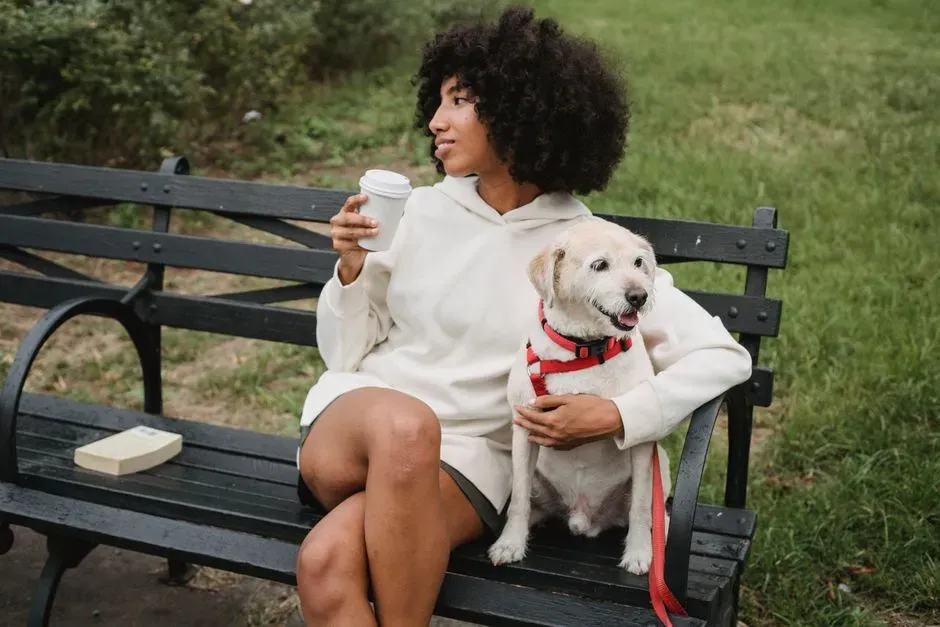
Your dog isn’t just tracking hours – they’re tracking types of days.
Ever notice how your dog behaves completely differently on Saturday mornings than on Tuesdays? That’s not your imagination. Dogs are master pattern-readers. Over time, they learn that on some days you rush around and vanish by 8:00 a.m. sharp, while on others you move slower and stick around.
Many dogs are visibly calmer on weekends, waiting longer before nagging for walks or breakfast because they’ve learned the schedule drifts on “these” days.
Quick Compare
- Weekday mode: Alert early, nudges for breakfast right on schedule, restless if you linger past your usual exit time.
- Weekend mode: Slower to nag, looser body language, willing to wait out a later breakfast or walk.
- Mismatch days: Confusion or clinginess when a weekday routine shows up on a weekend, or vice versa.
What’s surprisingly overlooked: some dogs show real anxiety when the wrong schedule happens on the wrong day. Put on work clothes early on a Sunday and your dog might shadow you, whine, or block the door – because the pattern doesn’t match their internal calendar.
They’re not just reacting to what’s happening. They’re comparing it to what should be happening on this kind of day. That’s a primitive version of a weekly routine, and most owners badly underestimate how precisely dogs track it. Sign #5 might be the most emotionally loaded one yet.
#5 – Medication, Crate, or Bedtime Cues Happen Like Clockwork
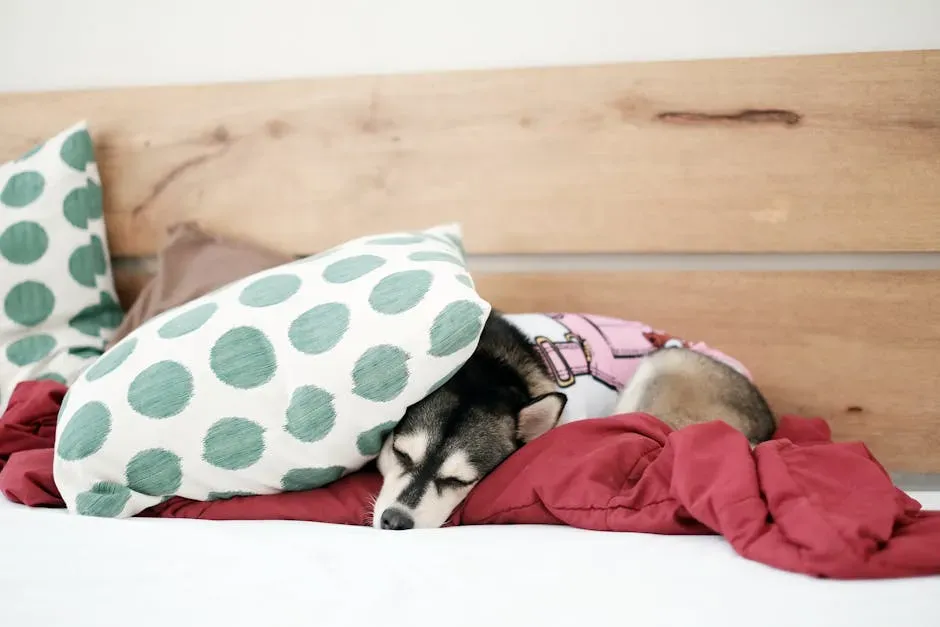
If you give meds or crate at a certain time, your dog probably knows the routine better than you do.
Dogs on scheduled medications, nighttime crating, or structured bedtime rituals often anticipate these events down to small time windows. If pills are always at 7:00 p.m., it’s common to see a dog hover near the kitchen or sit by the cabinet just before that moment arrives.
They’ve paired a specific slice of the evening with the taste, smell, or aftermath of the medication process. Many owners only notice when the dog gets anxious or pushy if the dose is late, because from the dog’s perspective, the moment has already passed.
Bedtime patterns are even more revealing. Some dogs leave the living room and put themselves to bed around the same time every night, with or without you. Others run their own ritual – grabbing a toy, circling the bedroom, standing by the crate – because the clock in their head says the day is over.
When you stay up later than usual, these dogs often act unsettled, like you’re breaking the rules of time itself. In plenty of homes, the dog – not the human – is the one actually enforcing a stable bedtime. Sign #4 turns your TV into an unwitting accomplice.
#4 – They React to TV Theme Songs, Alarms, or Shows That Happen on Schedule
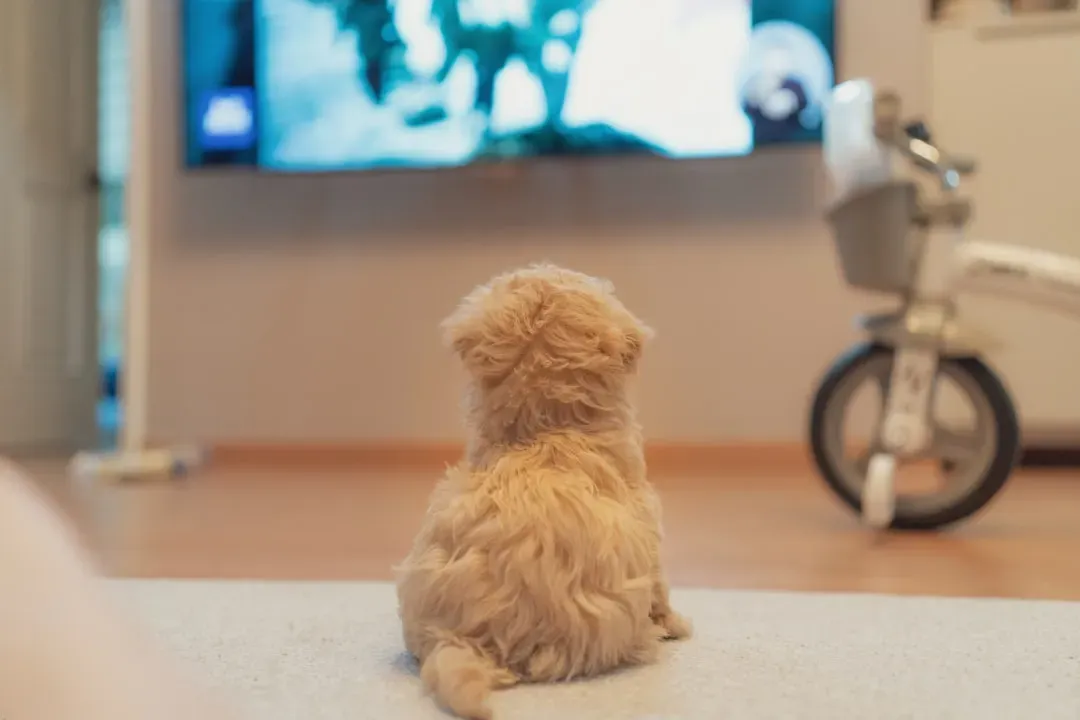
Your dog might not “know” 8:00 p.m. – but they know exactly what always happens at 8:00 p.m.
Some dogs start moving the moment a particular news intro, game-show tune, or streaming show’s opening music plays. They’ve noticed that whenever that sound happens, something predictable follows – maybe you head to the kitchen, maybe the treats come out, maybe the whole family shifts rooms.
That turns external cues into proxy clocks. To your dog, that sound is essentially the chime of an old wall clock: “Ah, this is the thing that means it’s time for X.”
At a Glance
- Theme songs, alarms, and notification tones can all become “proxy clocks” for a dog.
- Anticipation often starts a few minutes before the actual cue, not after it.
- Breaking the pattern – a new show, a muted TV, a changed alarm – is one of the fastest ways to confuse a well-timed dog.
The twist? Dogs sometimes anticipate before the cue. If the show always starts at 9:00 p.m., they may be up and ready a few minutes early because their internal rhythm has already linked the time of night with what tends to happen next.
Change the channel or skip the usual sequence, and some dogs get visibly confused or agitated. They’re not upset about missing the show – they’re thrown because one of their time anchors just disappeared. Sign #3 is where things get genuinely uncomfortable.
#3 – They “Call You Out” When You’re Late… Even Without Any External Cues

No jingling keys. No sunlight shift. Just a dog who somehow knows you’re off-schedule.
This is where it gets uncomfortable for humans. You lose track of time scrolling your phone. You don’t notice how long it’s been since the last walk, feeding, or play session. Then your dog suddenly ramps up from calm to demanding – pawing, barking, nose-jabbing – because in their head, you’ve missed a deadline.
There was no sound, no clear external signal, nothing to react to. They were simply waiting for you to hit a time-based checkpoint you accidentally trained into their brain.
This is one of the clearest signs your dog’s time sense is beating yours: you rely on clocks, alarms, and apps, but they rely on a continuous internal record of what usually happens when. While you’re distracted, their body and behavior are still tethered to that invisible structure.
Many owners get defensive – “it’s just a dog, it doesn’t know I’m late.” But your dog absolutely knows you’re late for them, and their persistent attempts to correct you are proof they’re tracking household time with uncomfortable accuracy. Sign #2 will make you question who’s really driving the schedule.
#2 – They Predict Leaving and Returning Routines With Nearly Zero Variance
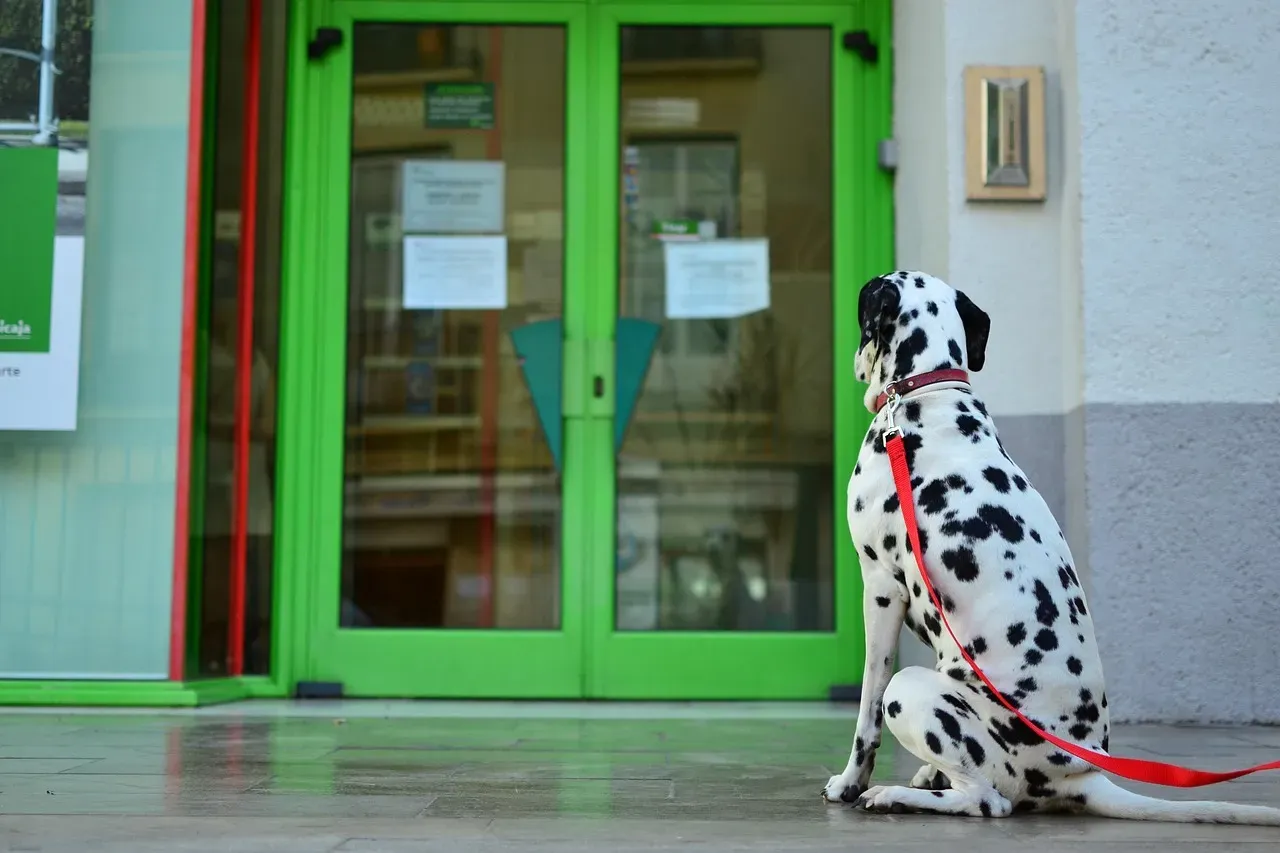
Your dog knows your commute rhythm in a way most humans never even think about.
If you leave for work around the same time every day, your dog soon starts a predictable pre-departure routine: tail lowers, they shadow you room to room, they watch the bag, they plant themselves near the door. Many begin this choreography well before you grab the keys – when you put on certain shoes, reach for a particular coat, or simply move differently around the house.
All of that gets stamped into their sense of “what time it is.” To them, that cluster of actions is inseparable from a specific slice of the day.
Worth Knowing
- Pre-departure cues like shoes, keys, or a coat often get memorized faster than the clock time itself.
- Dogs left alone on a regular schedule tend to build sharper “return window” instincts than dogs who are rarely solo.
- Severe lateness can spike anxiety right around the moment they expected you back.
The return pattern is even more revealing. Dogs who are routinely left alone anticipate your re-entry by pacing or waiting at doors long before any car sound is audible. When you’re severely late, anxiety often spikes right around the time you were “supposed” to walk in.
That’s not telepathy. It’s thousands of repetitions building an internal model of your day – and the uncomfortable truth is that your dog may have a better unconscious grasp of your own schedule than you do. And #1 is the most unsettling proof of all.
#1 – They Adjust Their Entire Mood Based on Time of Day Before Anything Happens

The strongest sign your dog “reads” the household clock: their emotional state shifts in advance.
This goes beyond knowing dinner or walk time. Some dogs get visibly anxious as a certain hour approaches – before you touch the keys, open the crate, or dim the lights. Maybe that’s when you usually leave them alone. Maybe that’s when loud neighbors get home. Maybe that’s when the kids descend on the living room.
Over months and years, your dog begins to feel the time itself. You’ll watch them shift from relaxed to restless, clingy, or hyper-alert, even in a totally quiet house with nothing obviously happening yet.
On the flip side, many dogs show a daily peak happy hour. For some, it’s when everyone’s finally home. For others, it’s late-night couch time, when nothing else will change and they finally get predictable, undivided attention. They start anticipating that calm window long before it technically begins.
Dogs live in the present, but their present is built entirely out of what has reliably happened before at this exact time.
Common observation among veterinary behaviorists
That’s not just routine – it’s proof your dog lives inside an internal schedule sculpted by you, and in many homes, they follow it with more consistency, emotional investment, and accuracy than any human in the house.
The Bottom Line

We like to think we’re in charge of time, but living with a dog exposes how sloppy humans actually are about their own schedules. Your dog notices every recurring minute: dinner windows, commute patterns, show themes, alarm routines, weekend drift, even the subtle difference between a Tuesday morning and a Saturday afternoon.
The most uncomfortable truth? In many households, the dog is the only one actually honoring the routine everyone claims to care about. When we break it, they feel it – restlessness at missed walk time, anxiety when we’re late, confusion when an anchor cue vanishes without warning.
Is it the same as reading numbers off a clock? No. But on the level that actually matters – predicting what happens when – your dog often beats you, and it isn’t close. Their body, brain, and emotions are synced to a household schedule you barely notice until they call you out for ignoring it.
If anything, the evidence points the same direction every time: we’re not the ones keeping the schedule. They are. Did we miss a creepy-accurate time trick your dog pulls every day? Drop it in the comments and start the argument.