
11 Details a Dog Quietly Waits Through and Never Once Asks Anybody About
Most people think they know what a “good dog” looks like: tail wagging, thrilled at the door, snoring on the couch like life is one long nap. That picture isn’t wrong, exactly. It’s just missing everything underneath it.
Because quietly, in the background of our busy human lives, dogs are enduring things they never signed up for and would never think to question. Confusing moods, vanishing owners, rules that change overnight – they just watch, adapt, and wait. Here are the eleven invisible pressures your dog carries every single day, and what the science and their own body language are actually trying to tell you.
#1 – The Confusing Rollercoaster of Human Moods

Your dog has no idea why you came home singing along to the radio yesterday and slammed the door in silence today. But they feel every ounce of the difference. Dogs are remarkably tuned in to human emotion – research shows they read our tone, our posture, even our micro-expressions, faster than we realize.
They don’t know about your boss, your bills, or the text that ruined your afternoon. They only know your energy feels different right now, and they quietly recalibrate around it. When you’re excited, they bounce with you. When you’re drained, they slow down, lie closer, lick more gently – and nobody ever tells them why. For a creature wired for routine and social harmony, that constant guessing game is exhausting work they never get credit for.
#2 – The Endless Waiting for You to Come Home
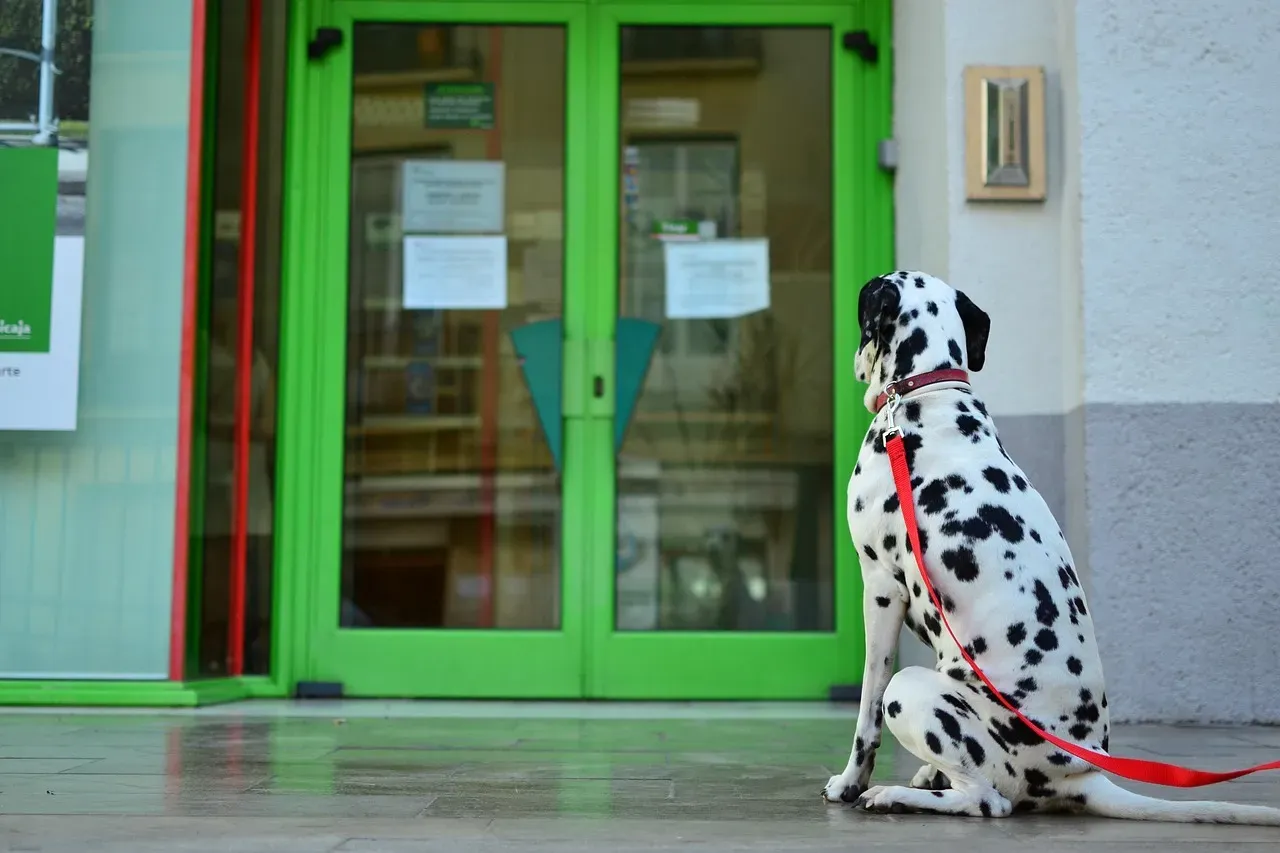
To you, leaving for work is just a commute. To your dog, it’s a vanishing act with no explanation attached. The door shuts, and there’s no “back at 5,” no calendar, no sense of how long “later” actually means – just silence and a clock they can’t read.
Many dogs spend roughly half their waking hours simply waiting: by the door, on the couch, tracking every sound that might mean you’re back, with zero guarantee attached to any of it. Some handle it stoically. Others pace, whine, or chew through a doorframe. But none of them get to ask, “Where are you going, and why can’t I come?” Their whole day stretches or shrinks around your car keys, and they accept it, silently, again and again.
Fast Facts
- Separation anxiety is common, affecting between 13-28% of dogs, making this quiet waiting game far more widespread than most owners assume.
- The average pet parent is willing to leave their dog alone for a maximum of 6.7 hours a day, over an hour less than the average workday length – a gap the dog has no way to close.
- Common coping signs include pacing near the door, low-level whining, or fixating on the sound of footsteps outside.
#3 – The Arbitrary Rules They’re Supposed to “Just Know”
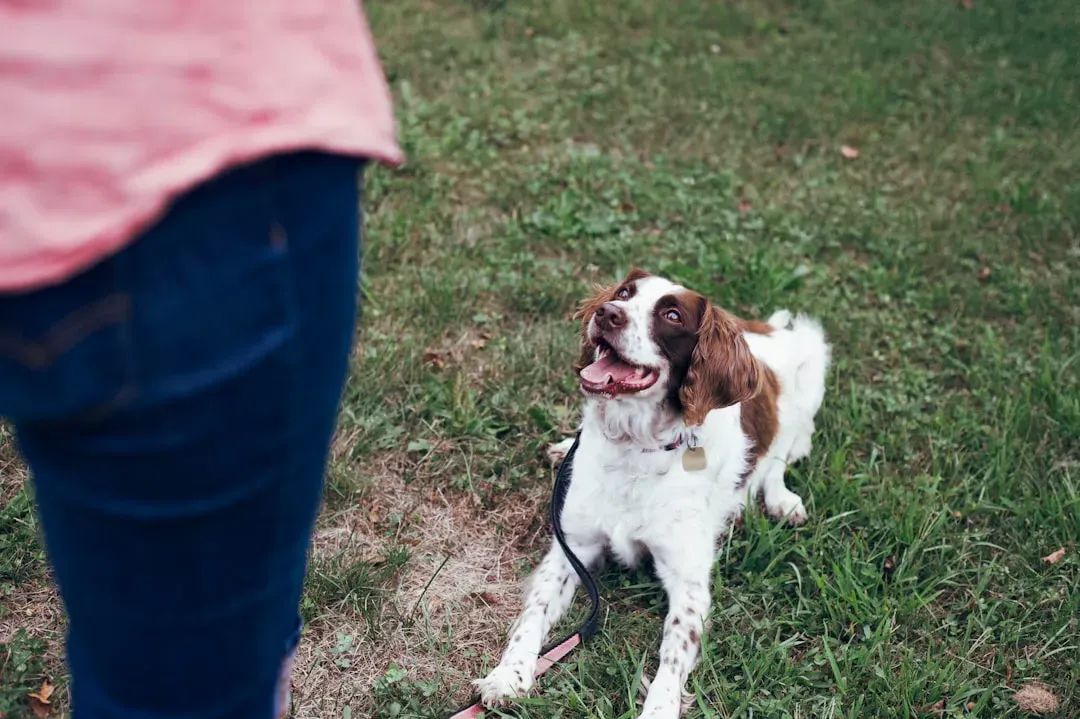
We love saying “he knows better” when a dog jumps on the couch or steals food off the counter. He probably doesn’t – not the way we mean it. In a dog’s world, rules don’t come with explanations or consistent logic attached to them.
Yesterday you laughed when he grabbed a sock and chased him around the living room. Today you yelled for the exact same move, because you were tired, stressed, or distracted. From his perspective, the rulebook keeps quietly rewriting itself, and he has to re-learn your expectations on the fly, with no words and no fairness built in. He rarely protests. He just keeps offering behavior and reading the room until something finally works.
#4 – The Human Noise They Can’t Turn Off
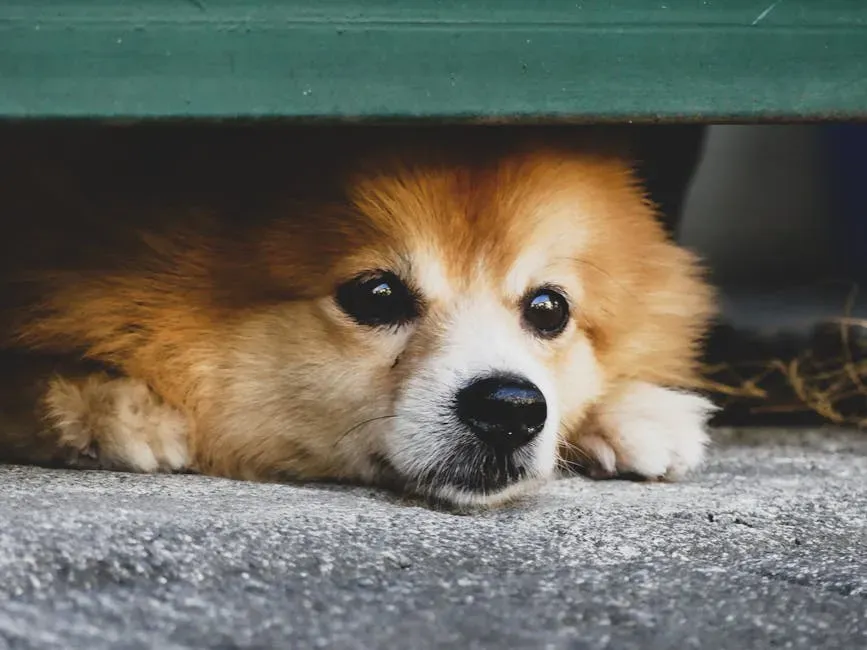
Most people underestimate how loud our world actually is for a dog. Their hearing is far sharper than ours, so the vacuum, the blender, the doorbell, the sirens, the fireworks all hit them harder than we can imagine. You can leave the room or cover your ears. Your dog mostly just endures it where he sits.
Then there’s the subtler noise: constant TV, phone notifications, arguments, laughter, crying. Dogs pick up not just the sound but the emotional tone buried inside it, so a loud movie fight scene can spike their anxiety even though nothing in the room actually changed. They can’t rationalize it the way we do. They just wait it out, eyes half-closed, tail still, quietly hoping the storm passes – and we call it “chilling” when it’s often closer to resignation.
#5 – The Uncomfortable Collars, Harnesses, and Touch
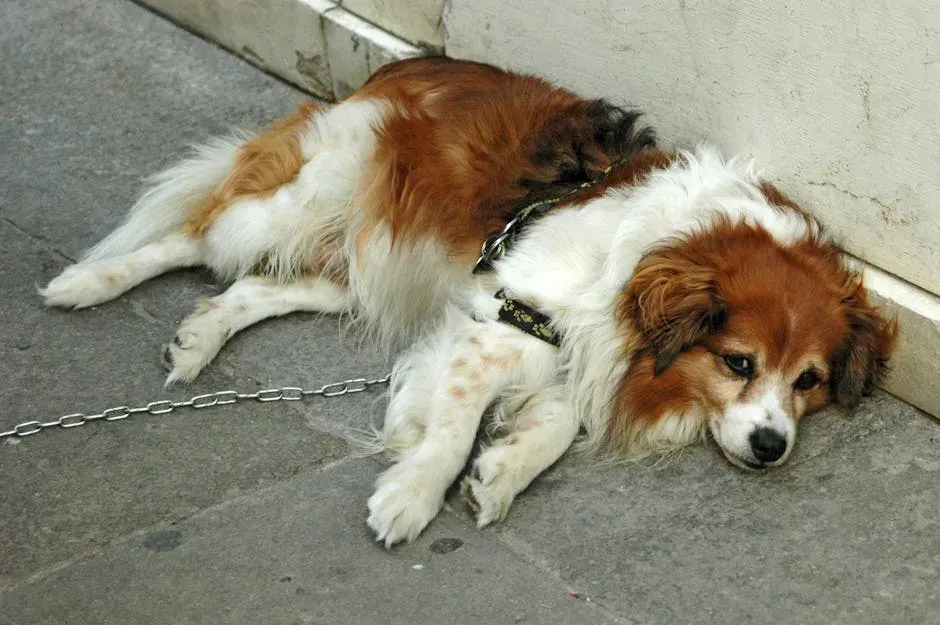
We put a lot of gear on dogs – flat collars, harnesses, sweaters, cones after surgery. Some of it is necessary. Some of it is purely for us. Either way, the dog doesn’t get a fitting session or a say in the size. He gets whatever “medium” meant to whoever ordered it online, and that tight spot under the armpit usually goes unmentioned.
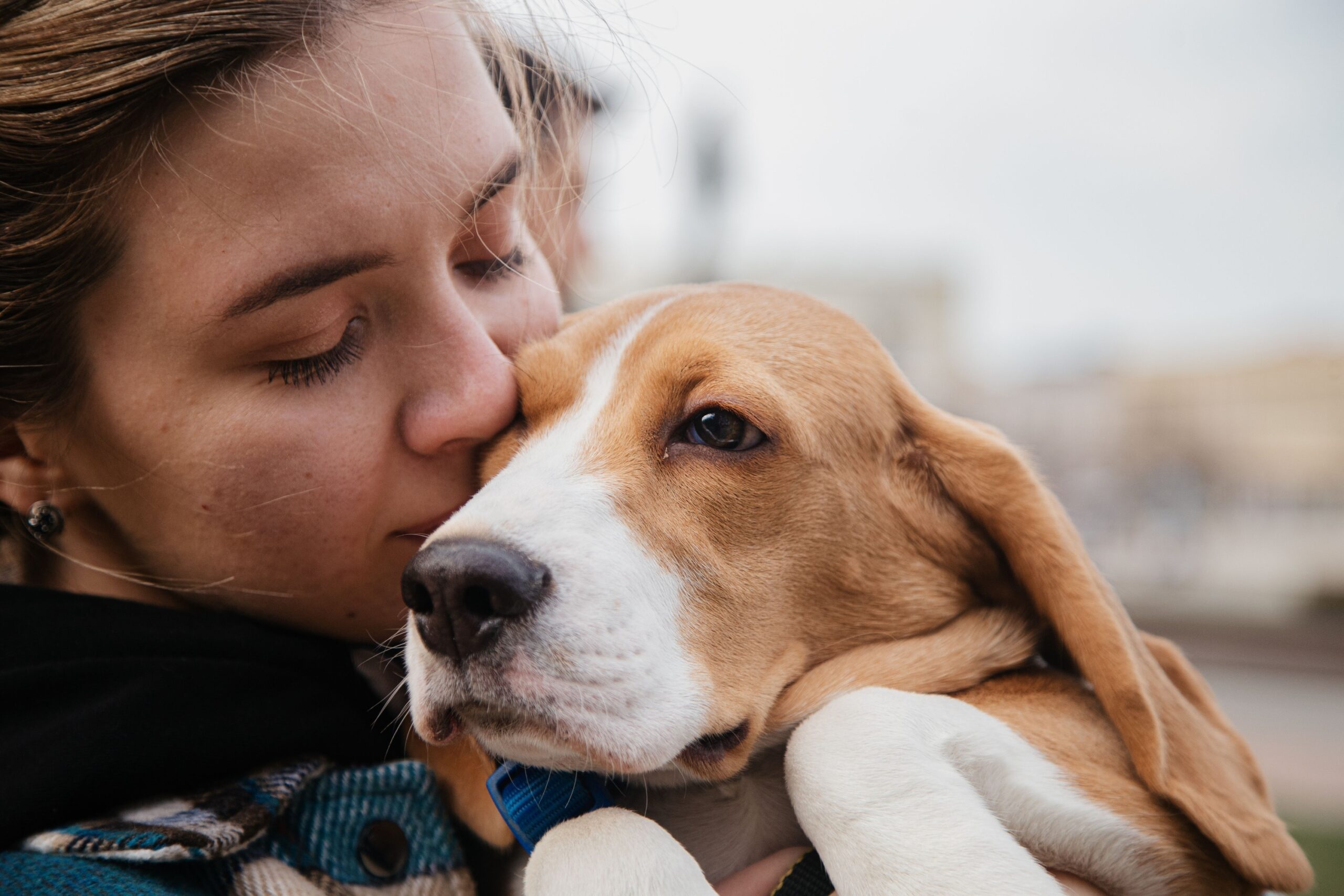
Touch follows the same pattern. Plenty of humans insist on hugs, face kisses, and tight squeezes that dogs often find invasive or genuinely frightening. A surprising number of dogs freeze, lip-lick, or yawn when hugged – all classic stress signals – while the owner beams and says, “He’s so patient!” He is patient. He just never gets to say he’d rather have a chest rub and some space instead.
Worth Knowing
- In one widely cited review of 250 hugging photos, roughly four out of five dogs showed at least one visible stress signal, while only about one in thirteen looked genuinely comfortable.
- Watch for ears pinned low against the head, lip licking, yawning, or a raised paw – the quiet vocabulary dogs use to say “I’d rather not.”
- Dogs are built as cursorial animals designed for swift running, so being held tight during a hug can feel like their main defense has been taken away.
#6 – The Social Situations They’re Thrown Into
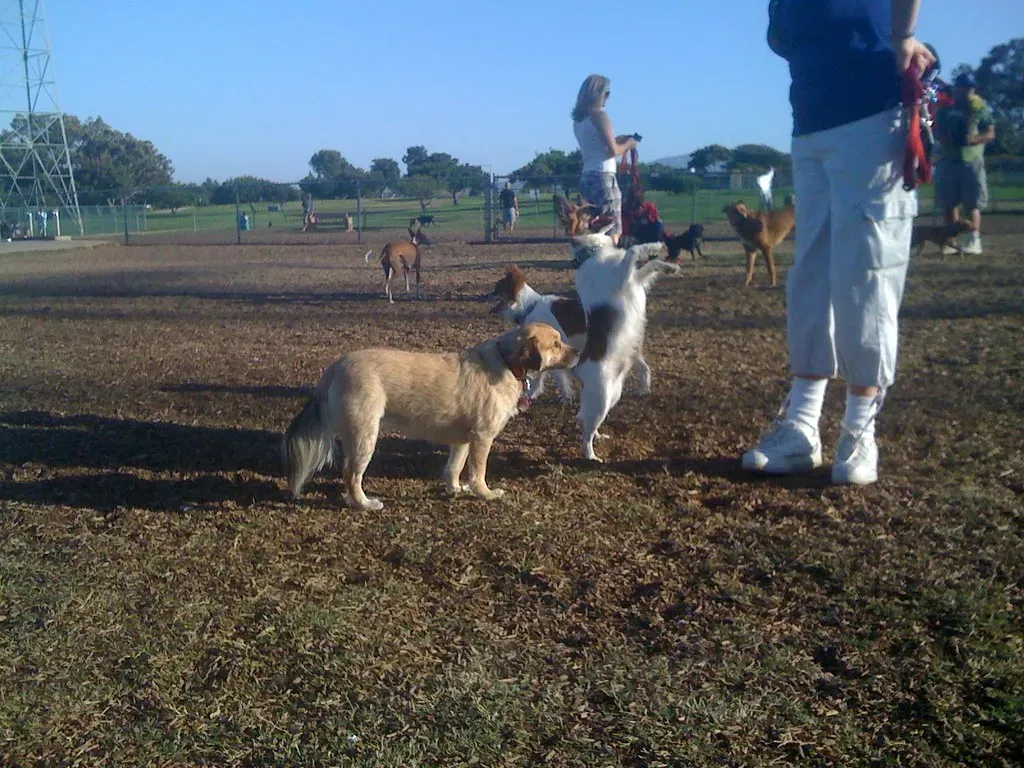
Most people would never grab a total stranger at the grocery store and shove them into a family dinner. But we do the dog version of that constantly – dog parks, busy patios, kids’ birthday parties. “He’s friendly!” we announce, dragging him along on a leash toward whatever’s next.
Plenty of dogs love it. Others are simply coping, tolerating grabby hands, loud kids, and cramped spaces because there’s no exit available to them. Their quiet “no thanks” – turning away, lowering the head, stiffening up – usually goes unnoticed until they finally snap, and then people call them unpredictable. The truth is they’d been saying “I’m uncomfortable” for months. Nobody was listening.
#7 – The Food Rules That Change Without Warning
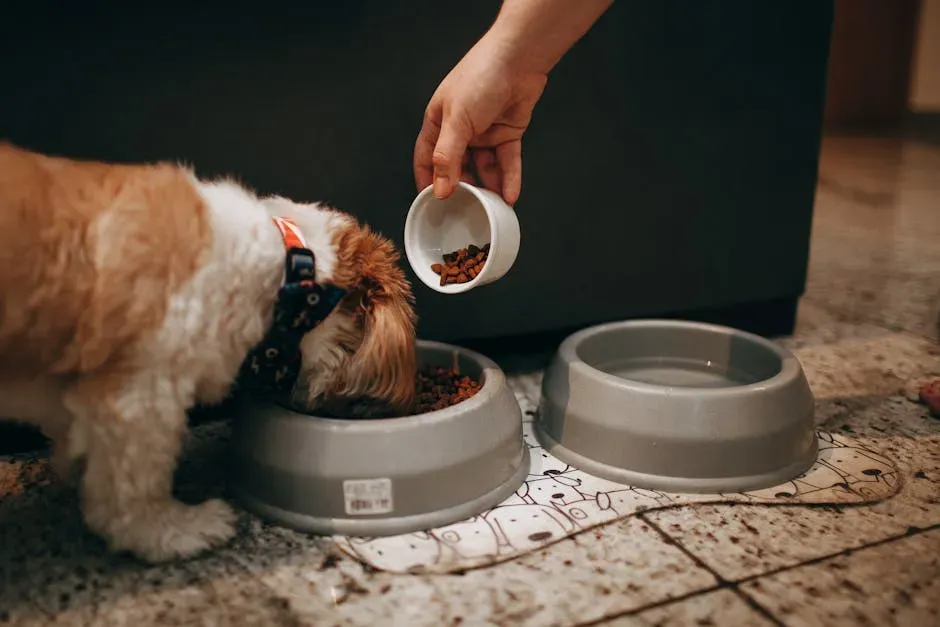
One day the dog gets a french fry from the drive-thru window. The next day, same smell, same spot, and suddenly it’s “no, you already ate” or “human food is bad for you.” From a dog’s perspective, food rules are pure chaos with no visible logic – sometimes it rains from the sky, sometimes it’s treated like contraband.
Then come the diet changes: new kibble because a vet suggested it, a sudden grain-free switch because a commercial scared someone, homemade meals for a month before life gets busy again. Your dog just adapts. Maybe his stomach hurts. Maybe his treats quietly vanish because he “needs to lose weight,” a concept he has no way to understand. He recalibrates his expectations around the bowl every time, and never once asks why the rules moved again.
Quick Compare
- Usually fine in small amounts: plain cooked chicken, carrots, blueberries, plain pumpkin.
- Always risky or toxic: chocolate, grapes and raisins, onions and garlic, anything with xylitol.
- Gray area: table scraps that seem harmless to us but shift portion sizes and expectations for them overnight.
#8 – The Physical Pain They Don’t Know How to Explain
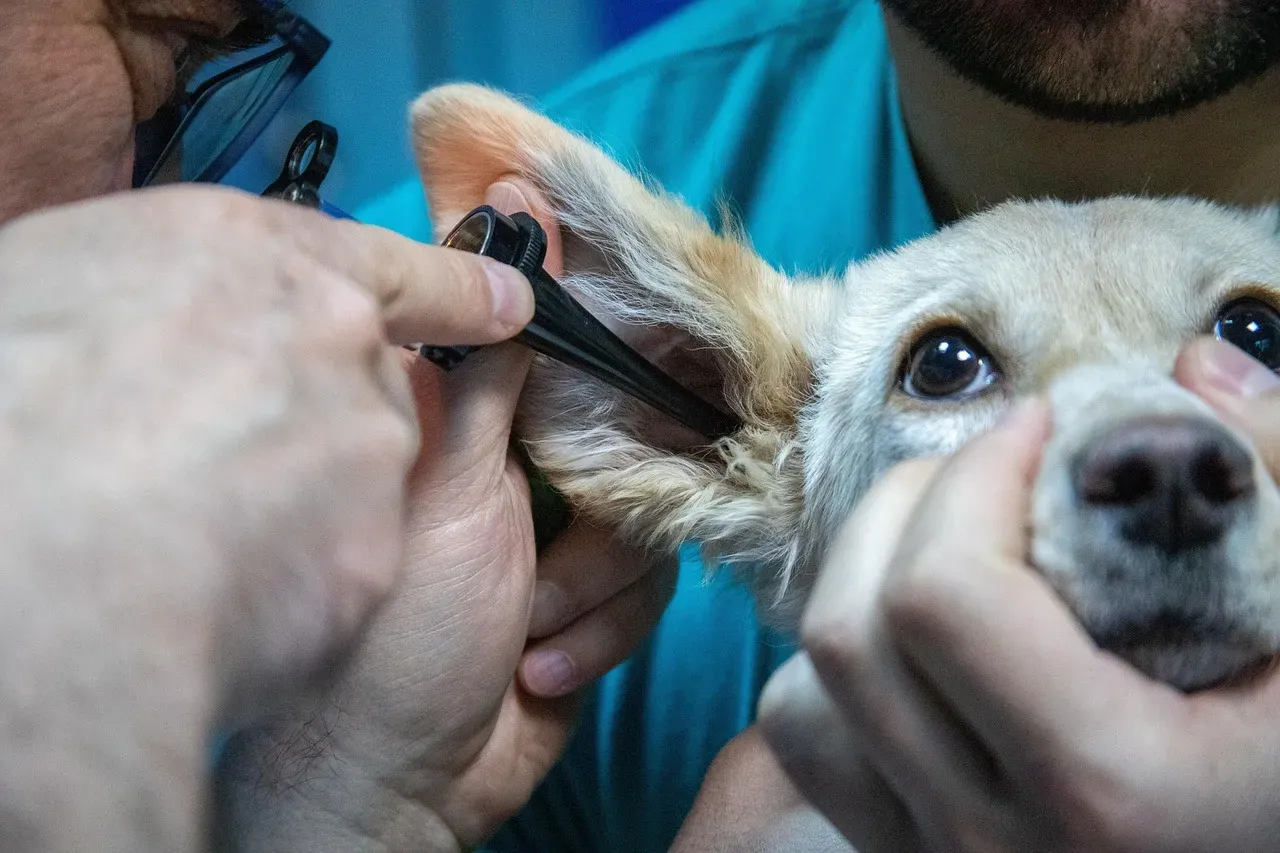
Dogs are brutally good at hiding pain – it’s a survival instinct left over from the wild, where showing weakness made you a target. In modern homes, that instinct just means they limp a little, shift their weight, or lick a sore joint at night, and keep going like nothing happened.
They can’t say “my back hurts when I jump on the couch,” so they hesitate more, move slower, or quietly avoid a game they used to love. We chalk it up to “getting old” or “being lazy,” when it might be arthritis, dental pain, or a pulled muscle from yesterday’s fetch session. The one creature who’d follow you through fire is often doing it on sore paws, because he has no idea help was ever an option.
“Dogs are not our whole life, but they make our lives whole.”
Roger Caras
#9 – The Times You’re Too Busy to Notice Them
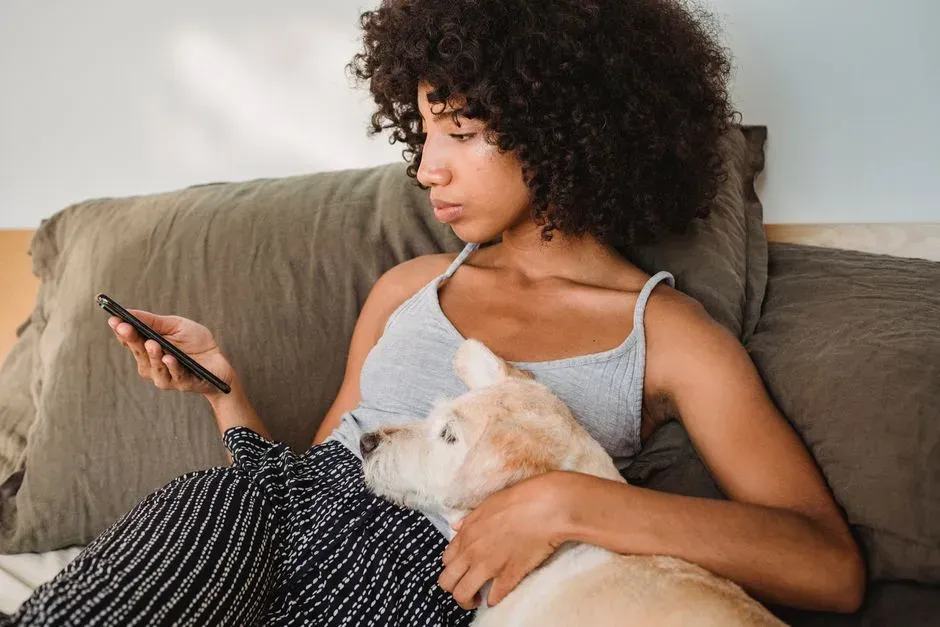
This is the one most owners get defensive about. “My dog is spoiled,” they insist, listing off toys and beds. But dogs don’t measure love in stuff – they measure it in attention, predictability, and shared time, and none of that shows up on a receipt.
When you’re deep in your phone or a binge-watch, your dog is often just lying nearby, adjusting his expectations, hoping you’ll look up. He doesn’t understand deadlines or doomscrolling. He only knows you’re physically present and mentally somewhere else entirely. Some dogs stop trying and sleep more. Others escalate – nudging, barking, “being annoying” – and get scolded for wanting the connection they were promised just by living with you. And still, they offer the same forgiveness again tomorrow.
#10 – The Moves, Breakups, and Big Life Changes
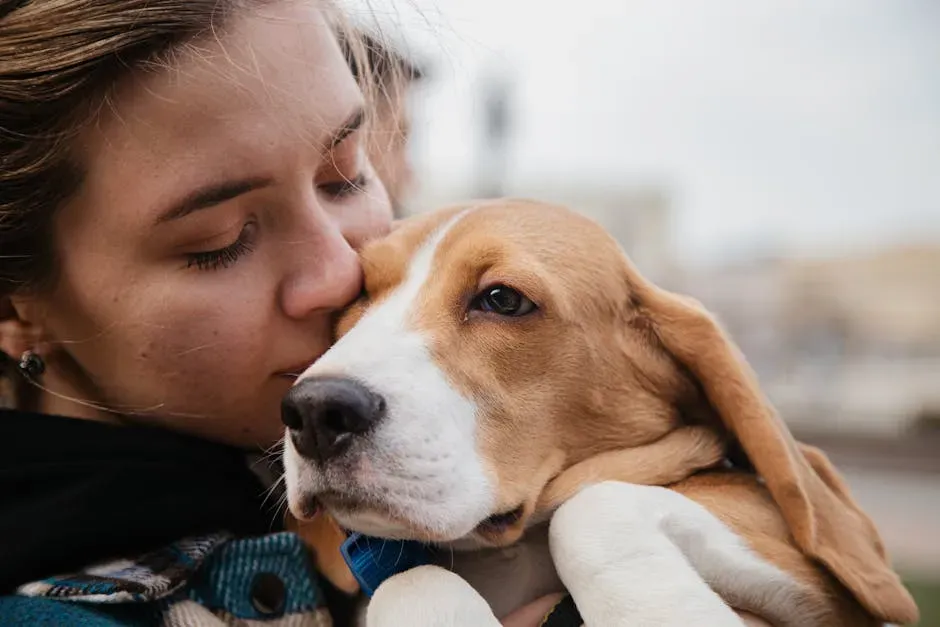
Your dog has no concept of “we’re moving in three months.” One day there are boxes. Then the furniture disappears. Then their favorite scent spots vanish forever, replaced by a new place with new smells and no explanation offered anywhere along the way.
Breakups and divorces are even harder on them. One person just stops coming around. Walks get shorter, couches go off-limits, routines shatter overnight, and no one tells the dog it isn’t his fault. He just feels the tension, the tears, the slammed doors – and keeps following whoever’s left, tail flicking cautiously, hoping stability shows back up.
#11 – The Fact That You’ll Probably Outlive Them
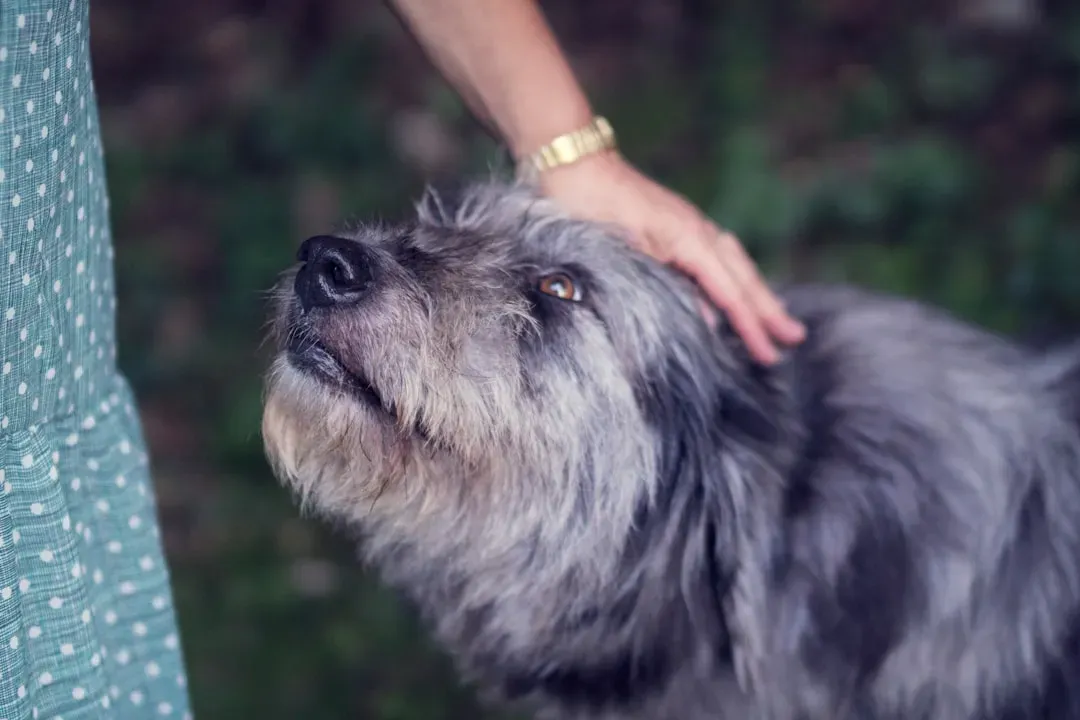
This is the detail that hits humans hardest, though your dog lives it without ever knowing the concept of “future.” From the moment he becomes yours, his entire life arc is compressed into what is, for you, just one chapter in a much longer book.
Most dogs get ten to fifteen years. That’s the whole deal. Every nap at your feet, every pointless car ride, isn’t filler to them – it’s the entire life they were given, and they show up fully for every mundane day of it. They will quietly fade, gray muzzle and slower tail wags, still trying to follow you room to room, because that’s the only job they ever assigned themselves. They will never ask why it has to end. They’ll only ask, in their own way, if you’re still there.
At a Glance
- Small breeds under about 33 pounds typically live 12 to 16 years.
- Medium breeds generally live 10 to 13 years.
- Large breeds average 8 to 12 years, and giant breeds often live just 5 to 10 years.
- Whatever the number, it’s the only lifetime they get – and they spend nearly all of it waiting to be near you.
The Bottom Line
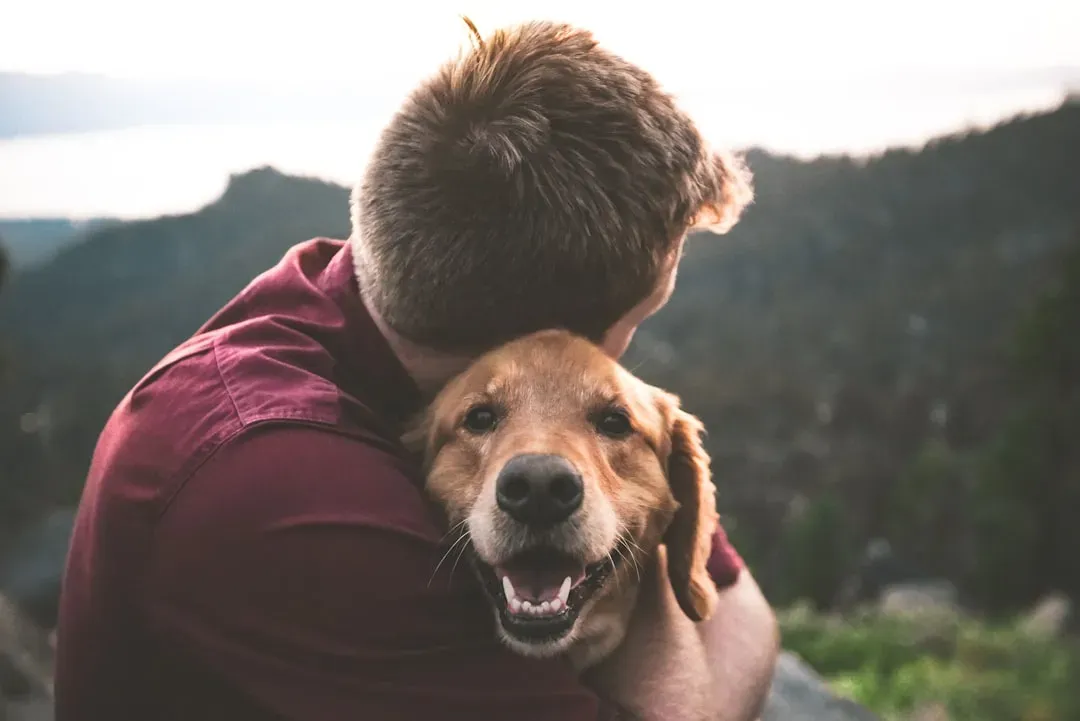
Zoom out and the pattern is brutal and beautiful at the same time: dogs live inside a human-made universe of rules, noise, schedules, and moods they didn’t design and can’t control – and they accept nearly all of it without complaint. They tolerate our mood swings, our absences, our shifting rules, our phones, our life crises, and still show up wagging like none of it happened.
We like to call that loyalty. It’s also vulnerability, plain and simple. They’re at the mercy of people who may or may not ever fully see them.
Here’s the uncomfortable opinion: if you choose to have a dog, you owe him more than food and a yard. You owe him fairness, real attention, and the humility to admit how much he quietly carries for you without ever once asking. The real question isn’t “is my dog lucky to have me?” It’s whether, given everything he patiently lives through without a single word, you’re actually worthy of him.