
13 Quiet Moments a Dog Registers on a Lead That Never Reach the Person Holding It
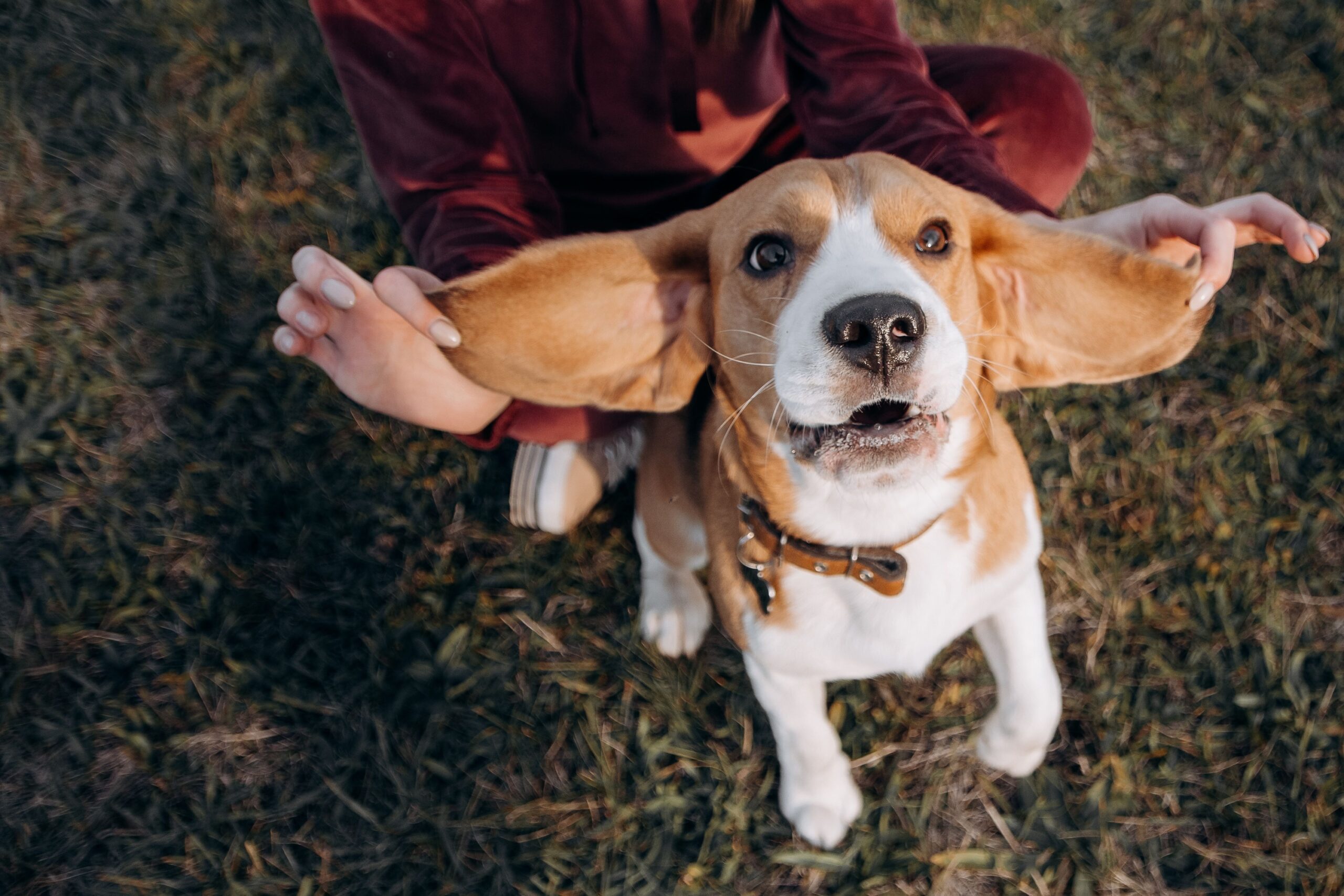
You probably think the walk is the boring part of your dog’s day – a lap around the block, a few sniffs, back inside, job done. But while you’re checking texts or half-listening to a podcast, your dog is running an entirely different show underneath: reading the wind, decoding the grip on their collar, flinching at sounds you didn’t even register. Their side of the walk is loud. Yours is silent. And that gap is exactly where things quietly go wrong.
Here’s the uncomfortable part: those “random” leash problems you complain about – the sudden lunging, the reactive barking, the dog who “won’t listen” anymore – almost never start suddenly. They start as a whisper, one your dog gave you weeks or months before you noticed anything was wrong. Below are 13 of those quiet moments, the tiny signals dogs send on lead that rarely make it back up the leash to the person holding it.
#1 – That First Tiny Tension Before a Big Pull
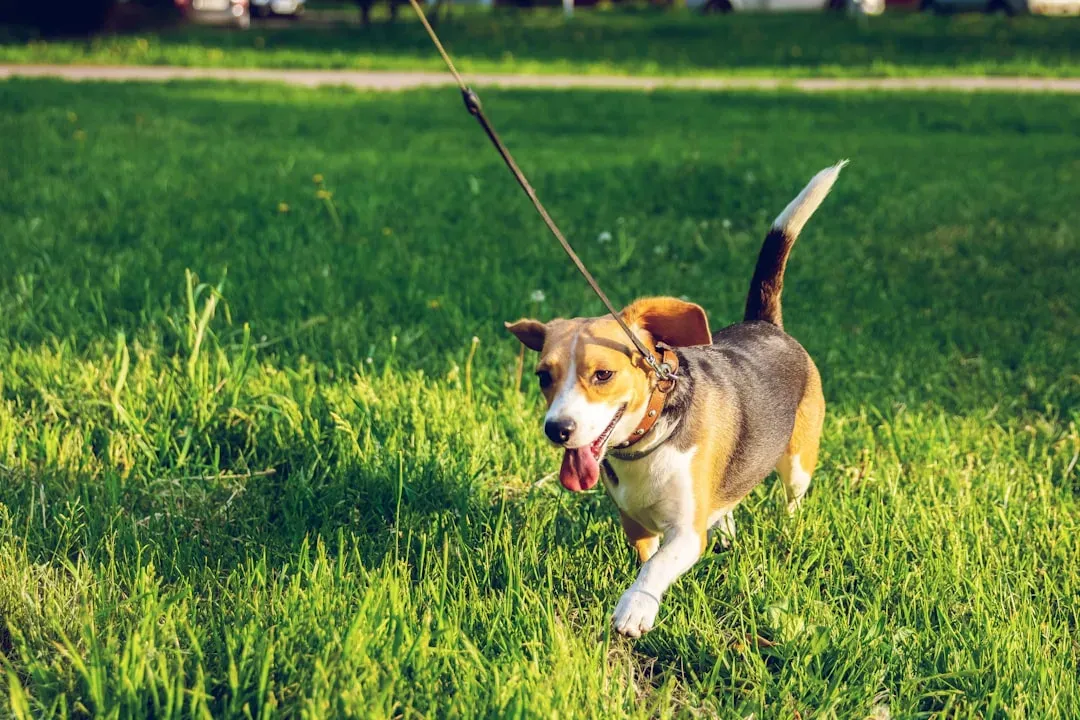
Your dog almost never “suddenly” lunges. There’s a quiet half-second first, a moment where everything in their body is already saying, something’s about to happen. You feel it as the faintest change in the lead, barely a whisper of pressure, right before they explode forward. That whisper is your dog loading up, mentally and physically, and it’s happening before you’ve even looked up from your phone.
Watch closely and you’ll catch it: shoulders narrow, weight tips slightly forward, tail freezes mid-wag, ears lock onto one point. Their breathing pauses. The whole world narrows to one thing – a squirrel, a dog, a smell. A soft “this way” and a step to the side right then could defuse the entire moment. Instead, most of us wait for full tension and then blame the dog for dragging us down the street. What your dog registers in that silence is simple: you didn’t notice – and dogs that get ignored enough times stop whispering and start shouting.
Fast Facts
- Shoulder and ear position often shift a half-second before a big pull happens.
- A tail that freezes mid-wag is one of the clearest early-warning signs on leash.
- Dogs lock onto visual triggers almost instantly, long before the reaction reaches your hand.
- A soft redirect during the “loading” stage works far better than a correction after the lunge.
#2 – The Micro-Pause at the End of the Driveway
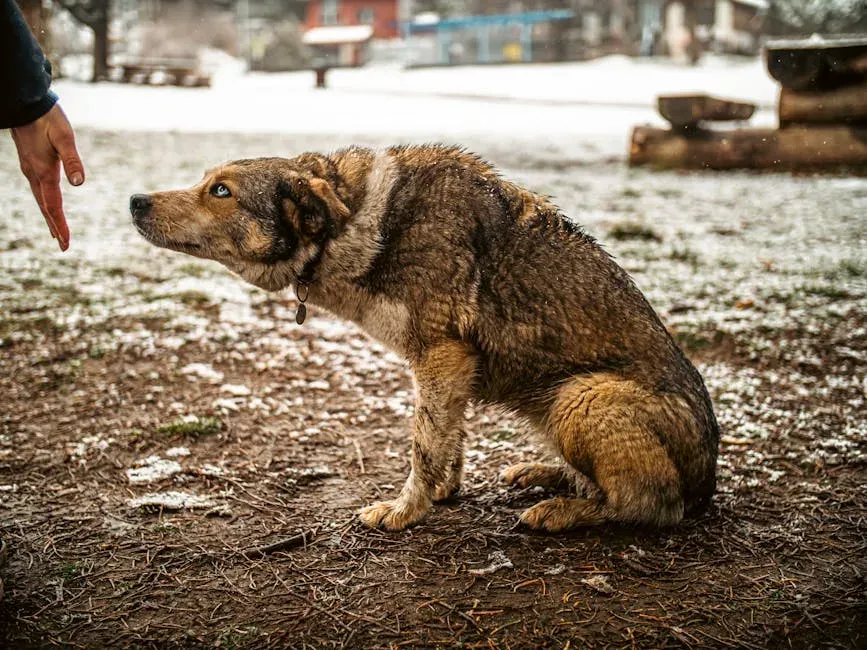
You think your dog is just sniffing the ground before you head off. In reality, that small pause at the end of your driveway or building entrance is often a decision point – a quick scan of smell, sound, and wind direction, like a tiny risk assessment before stepping into the day. Some dogs hesitate not because they’re stubborn, but because they’re reading the street like a report nobody handed you.
Sometimes it’s excitement: let’s go, the park smells busy today. Other times it’s caution: something’s off down there. You might catch a slight lean backward, a slower first step, a glance up at your face – your dog silently asking, “Are we doing this together, or am I on my own?” Most humans answer by tightening the lead and pulling forward, which unintentionally says, “We’re going whether you like it or not.” Do that enough times and dogs stop asking the question at all – they just brace for whatever’s coming, and that swallowed hesitation becomes anxiety you’ll never see coming until it erupts somewhere else.
#3 – The Slow Blink When the Leash Goes Tight
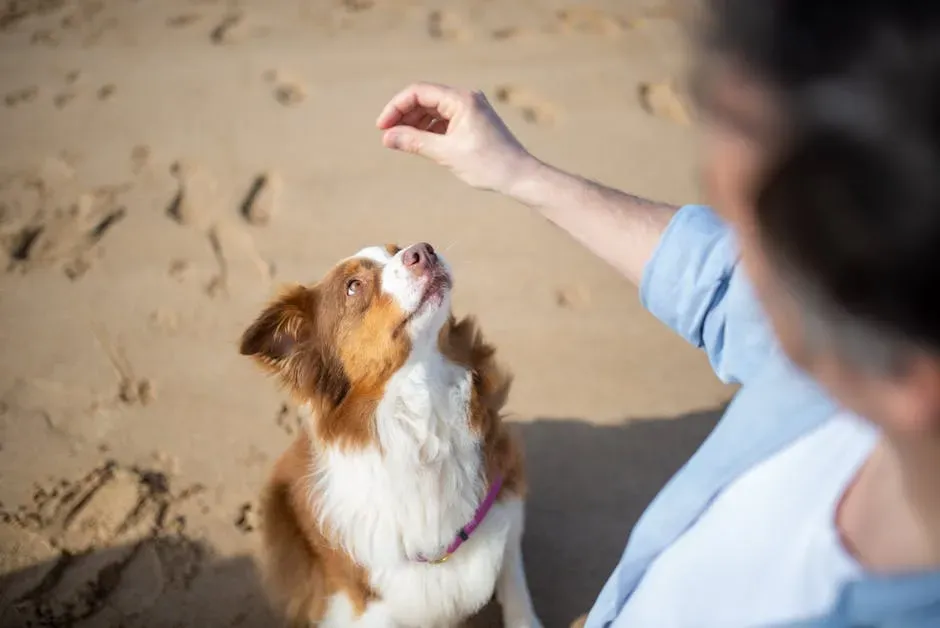
When the leash tightens and stays tight, many dogs flash a signal so subtle it barely registers: a slow blink, a soft head-turn away, a quick lip lick. These aren’t random tics. They’re classic calming signals – your dog’s way of saying, “I’m a little stressed, I’m not a threat, can we keep this chill?”
Picture it: another dog appears down the block, you choke up on the leash “just in case,” and your dog feels that sudden pressure like a warning siren. Heart rate ticks up. They don’t pull, bark, or growl – they blink slowly, glance away, sniff the ground for a second. We tend to read that as good behavior: “Look how calm he’s being.” What’s actually happening is a dog quietly managing his own nervous system, walk after walk, with zero acknowledgment from the one holding the leash. Enough unanswered stress spikes, and the calm-down routine eventually stops working – that’s when the reacting starts instead.
#4 – The “Fake” Sniff That Isn’t About Smell at All
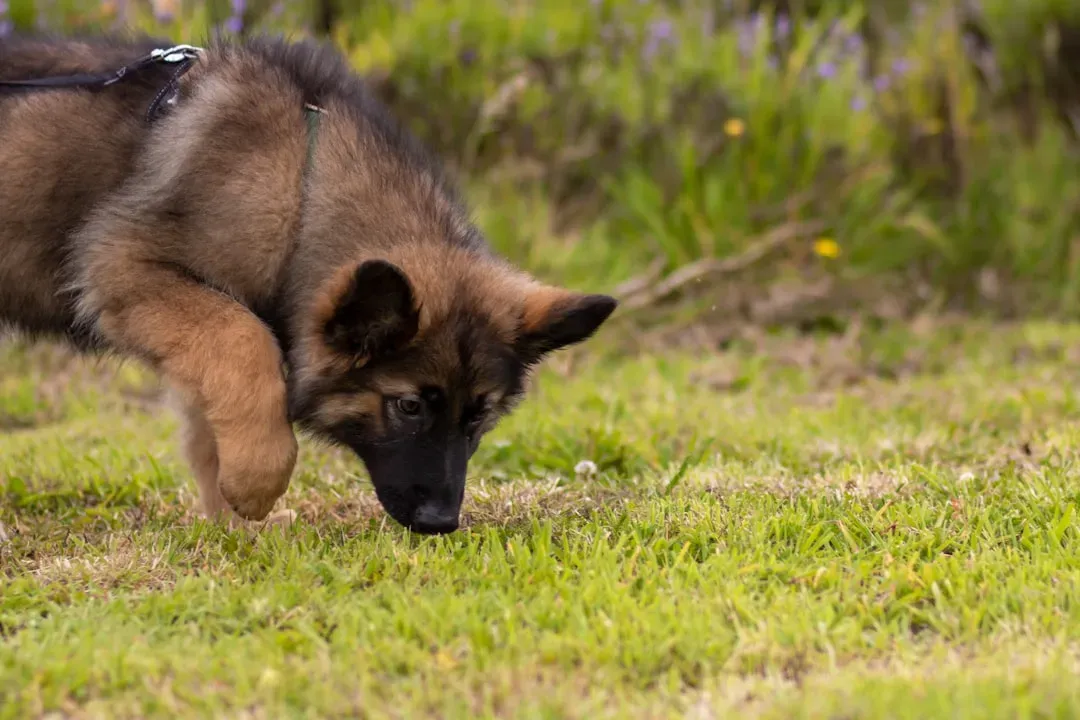
Most sniffing is exactly what it looks like – an interesting scent worth investigating. But there’s a specific, oddly-timed version dogs do when they’re uncomfortable: a quick drop of the head, a brief nose-to-ground touch with no real investigation, then straight back up. Trainers call this a displacement behavior. It’s the canine version of taking a deep breath to cope.
You’ll see it the moment another dog walks by and yours suddenly discovers a fascinating patch of nothing, or when you raise your voice and they instantly bury their nose in a random blade of grass, or when a skateboard rattles past and they plant their face in the curb for two seconds before moving on. They’re not distracted or stubborn – they’re saying, “I feel weird, so I’m doing something normal to calm myself down.” Walk after walk, dogs quietly manage that discomfort alone because nobody on the other end of the leash ever connects the dots.
#5 – The Way They Shift Behind You on Narrow Paths
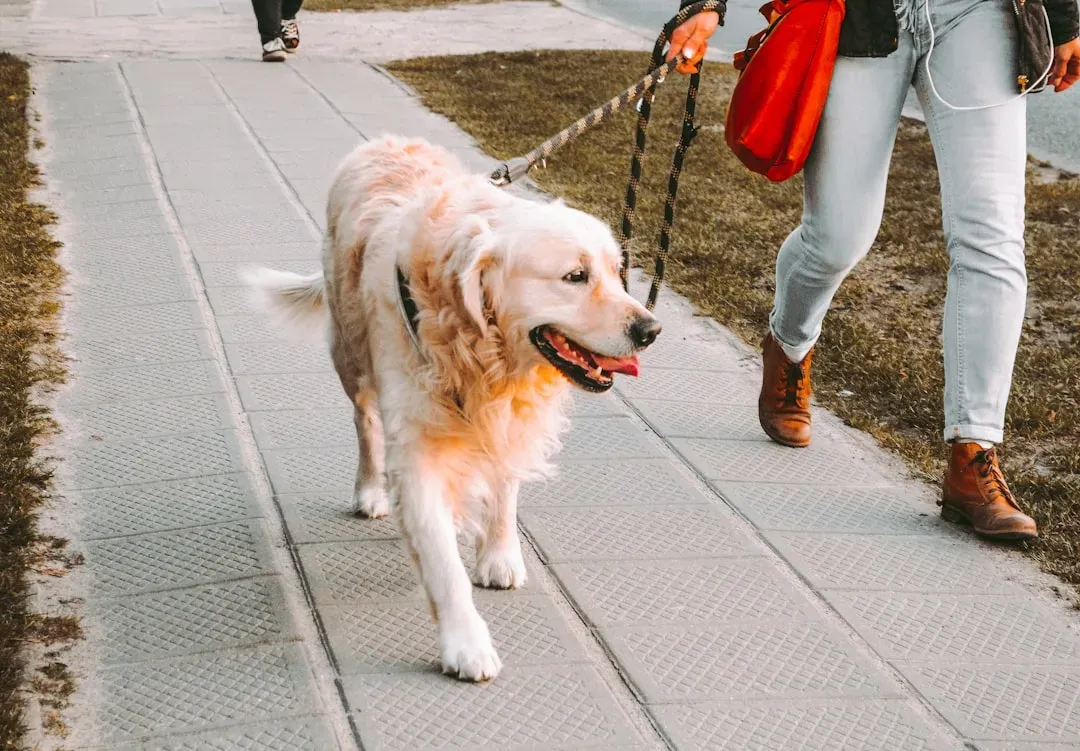
On a narrow path, plenty of dogs quietly slip a half-step behind their person. Most owners don’t think twice about it, or worse, drag the dog level again like it’s a training flaw. But that diagonal, tucked-in position is often a trust move – your dog effectively saying, “You take point, I’ll follow your lead through this squeeze.”
Watch for it near tight alleys, hedge-lined walkways, loud construction, or a group of kids barreling toward you. A thoughtful dog hangs back not out of laziness but because they’ve decided you’re the one with the bigger picture – “You’re the tall one, please handle this.” Tighten the leash, speed up, or yank them forward in that moment and you’re accidentally telling them their worry doesn’t matter. Some dogs eventually stop falling behind altogether and start bracing forward instead, deciding they have to manage the danger themselves – which is exactly how you end up with the dog who “has” to bark at everything coming toward you.
#6 – The Silent Flinch at Sudden Sounds You Ignore
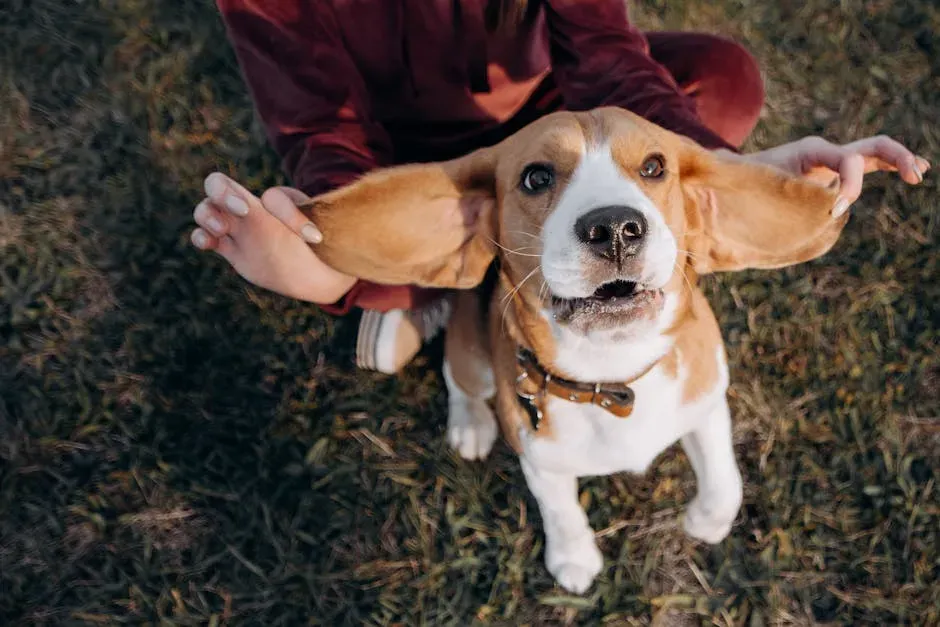
A car door slams, a bin lid crashes, a skateboard rattles by – you barely register it. Your dog does. Often their body gives a tiny shock-wave you’d miss if you blinked: shoulders twitch, ears flick, tail dips for half a second. Dogs are sound-sensitive in ways humans have simply stopped noticing, because we’ve normalized urban chaos and they haven’t.
Some will briefly freeze, then pretend nothing happened. Others lick their lips once and keep walking, or shift a little closer to you without fully leaning in. Each one is a quiet bid for safety – your dog registering, “That spooked me, are we okay?” If you’re on your phone or already annoyed at them for sniffing, that moment passes with no answer at all. Individually these are blips. Stacked over months, they’re how a previously chill dog “suddenly” starts hating busy streets. It was never sudden. It was hundreds of silent flinches nobody ever noticed.
Worth Knowing
- Dogs can hear frequencies up to roughly 45,000 Hz, well beyond the human range of about 20,000 Hz.
- Many everyday street sounds sit right in that extra-sensitive zone for dogs.
- A single ear flick or shoulder twitch can be the entire visible reaction to a startling sound.
- Dogs tend to settle faster when their person acknowledges the noise, even with just a calm word.
#7 – The Soft Lean Into Your Leg They Pretend Not to Need
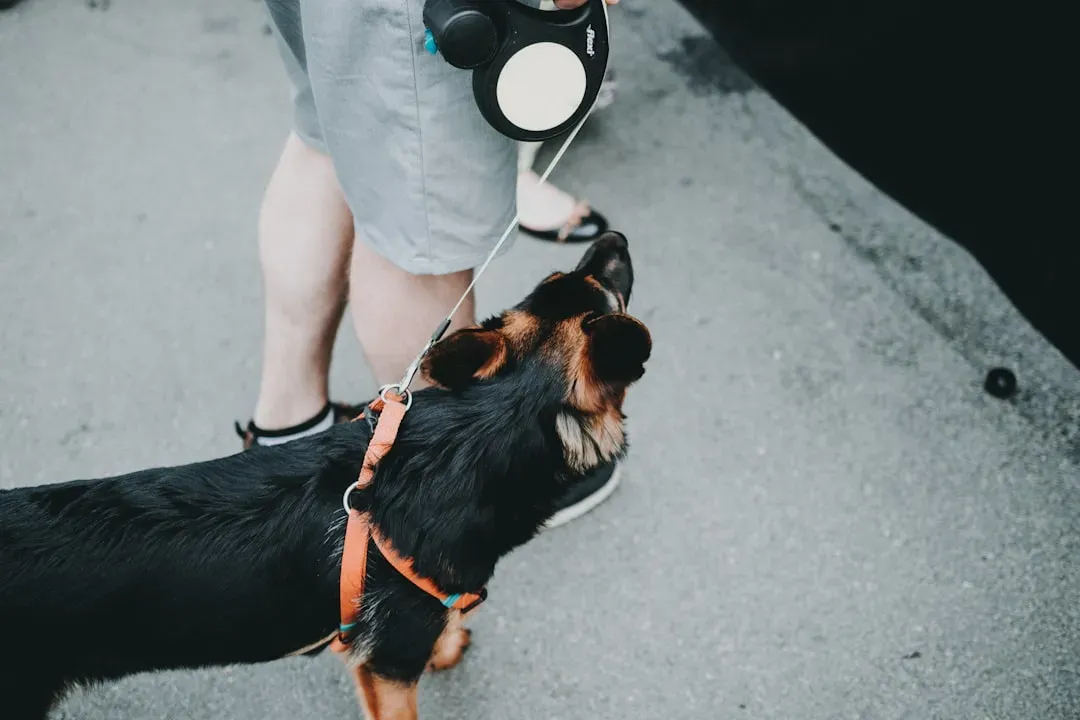
Everyone recognizes the big cuddle at home as affection. On a walk, a brief, soft lean into your leg usually gets completely dismissed – you might even step away without realizing it happened. But that gentle press of body weight is often a quiet, vulnerable moment: “I choose you right now.”
It tends to show up right after something mildly stressful passes, or when you’ve stopped to talk and your dog circles close and anchors against you, or at a crossing where their shoulder brushes your knee. We call these dogs “velcro” or “clingy,” without realizing that physical contact on leash is them checking the emotional signal strength: are we still a team? Shrug it off, shift your weight away, or tug them out of the lean without thinking, and you’ve answered, “I’m busy.” Do that enough and the dog learns to self-soothe instead of leaning on you at all – which is exactly the dog who later gets labeled “independent” or “aloof.” They didn’t get more independent. They just stopped asking.
#8 – The Moment They Offer Eye Contact and You Miss It
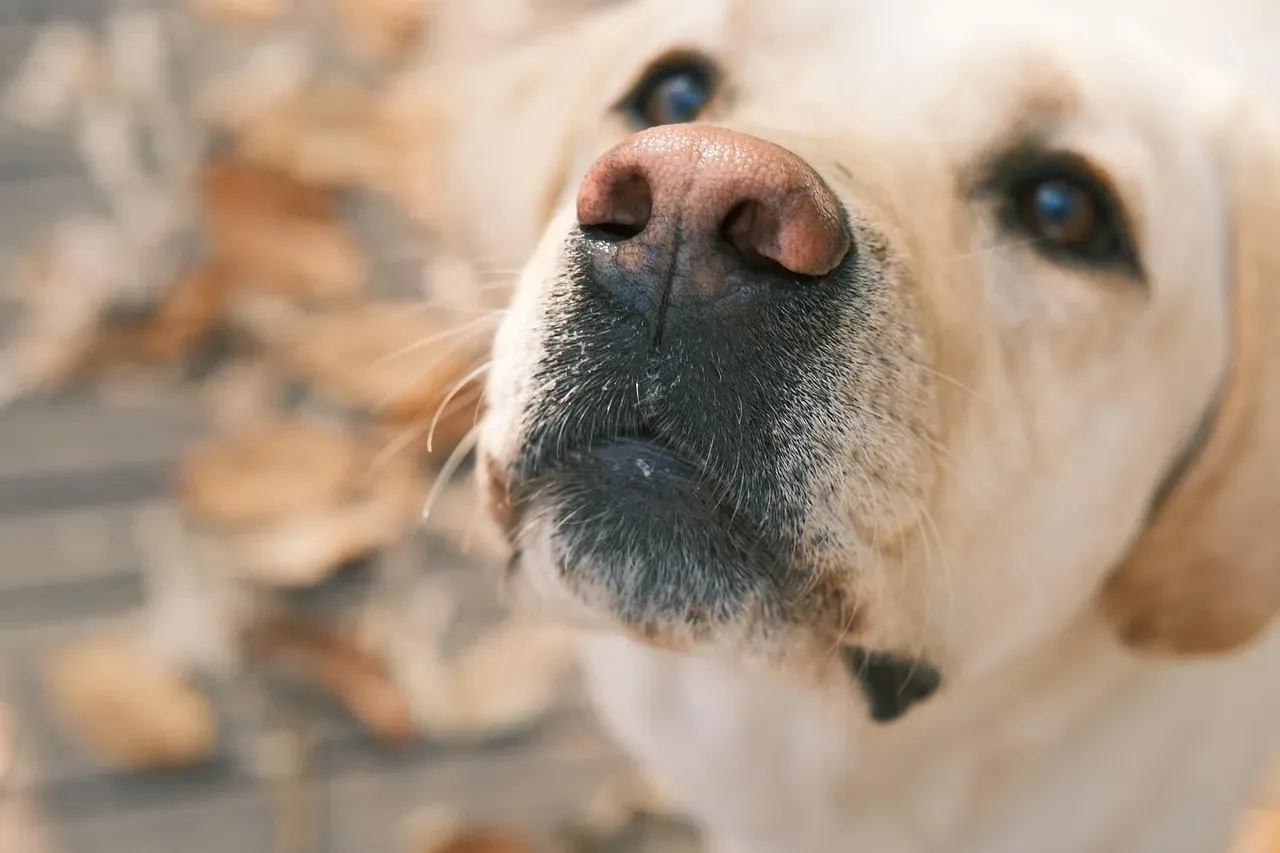
Trainers talk about “check-ins” constantly, and for good reason. That split-second where your dog glances up at your face mid-walk is a question and a compliment rolled into one: are we walking together, or am I just attached to you? Far too often, that look is met with nothing at all.
These check-ins tend to happen right after a distraction passes, when the environment shifts from busy to quiet, or when the dog is unsure which direction you’re taking next. Respond with a soft word, a smile, a looser leash, and you reinforce that you’re part of the walk, not just dead weight on the other end of the rope. Ignore it enough times and the dog adapts: “Fine, I’ll just make the decisions myself.” Owners then complain, “He ignores me on walks now.” He doesn’t ignore you – he gave up on a conversation you never knew he’d started.
Calming signals are used to calm themselves and others in stressful situations – and to prevent things from happening.
Turid Rugaas, dog trainer and author of “On Talking Terms with Dogs”
#9 – The Subtle Shake-Off After a Stressful Moment
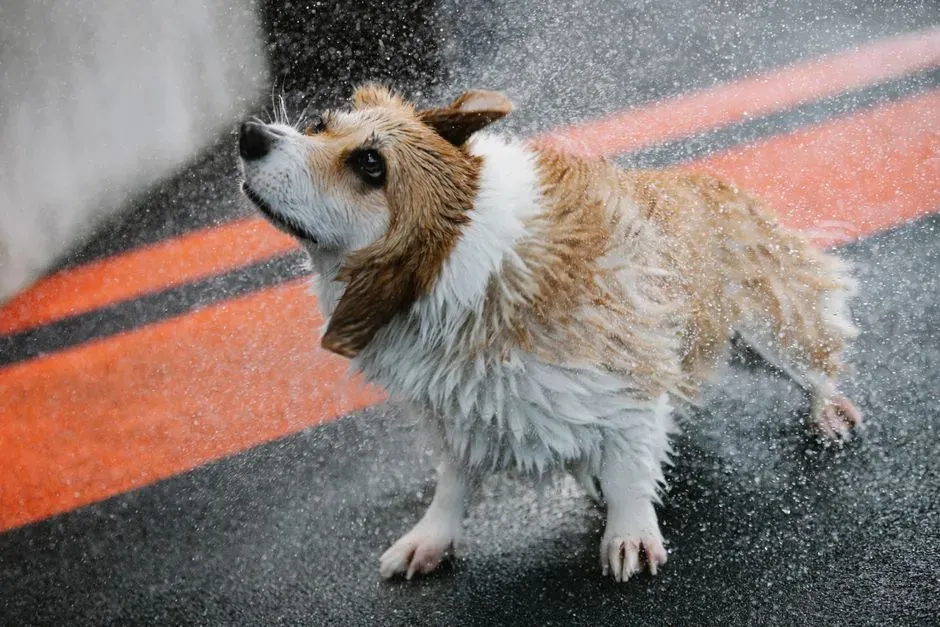
You’ve seen your dog do a full-body shake after a bath. They do a smaller version of it on walks too, right after something tense happens – two dogs barked across the street, a cyclist clipped by too close. Your dog stops, gives one quick shake from head to tail, and keeps moving like nothing occurred.
That shake is close to hitting reset on their nervous system, and humans almost never link the two events – the trigger and the shake feel completely disconnected to us, even though they’re the same moment. It’s your dog off-loading stress hormones so they don’t stay stuck in fight-or-flight. Sometimes it comes paired with a big exhale, a stretch, or a change of pace. Notice it and slow down with them, and many dogs recover faster and stay steadier in busy environments. Drag them forward instead, or worse, scold the reaction that made them need the reset, and they learn to stuff the feeling down deeper – which never ends well.
Quick Compare
- Signal ignored: stress quietly builds walk after walk until it surfaces as barking, lunging, or shutting down.
- Signal noticed: a pause, a soft word, or a slower pace lets the moment pass without residue.
- Ignored long-term: the dog stops signaling altogether and reacts instead of warning first.
- Noticed long-term: the dog keeps communicating, because it’s actually worked before.
#10 – The Way They Avoid Direct Conflict for Your Sake
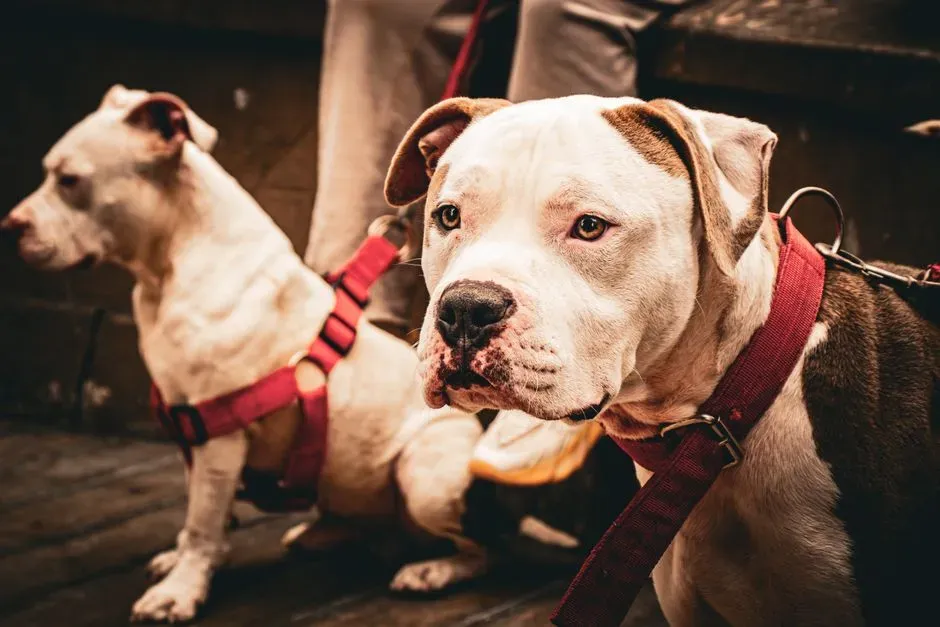
Dog-to-dog meetings on leash are messy, and most people only notice the moments when a dog barks or lunges. What they miss is how often dogs actively try not to. In the slow arcs, sideways glances, and curved approaches, your dog may be working hard to keep the peace – while you unknowingly steer them straight into conflict.
Watch for a dog gently arcing wide around another while you walk in a straight line, a quick ground-sniff timed exactly as another dog passes, or a deliberate turn of the head away from a staring dog. These are literally etiquette, coded into canine body language for de-escalation. Haul the leash tight and force a nose-to-nose greeting anyway, and you override all that diplomacy in one move. When the quiet, avoidant dog finally snaps, we call them “unpredictable” – but the moment before the snap was a desperate, ignored request: please let me handle this my way.
#11 – The Tiny Lag When They Don’t Want to Go That Way
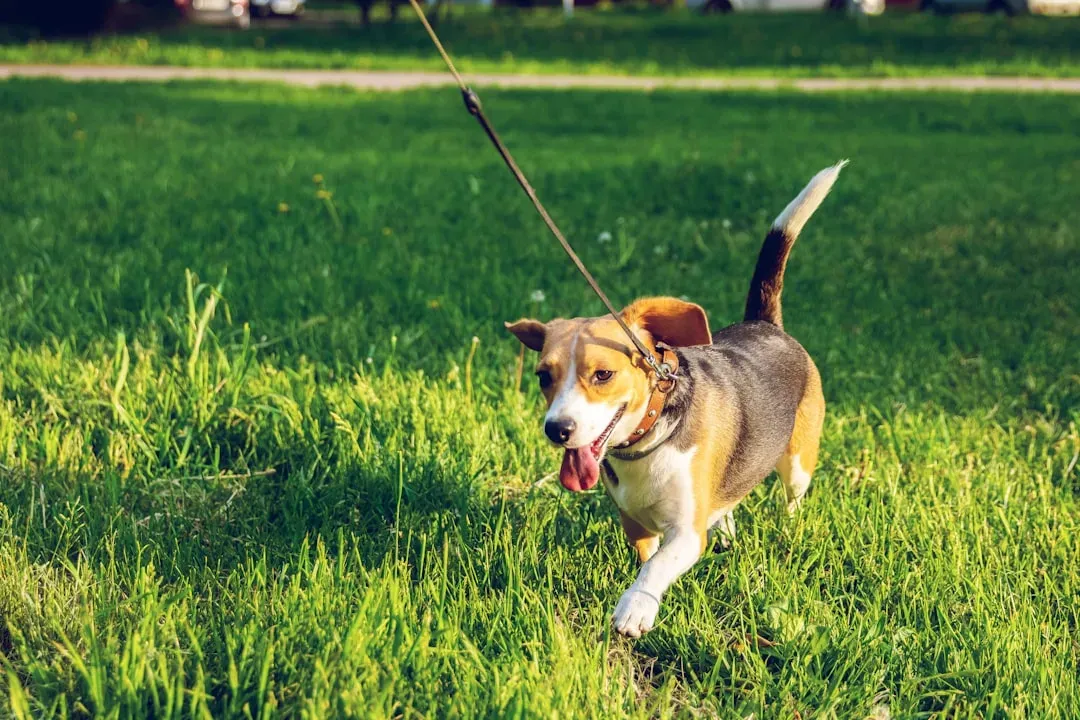
Some dogs plant their feet dramatically. Others just quietly lighten their pace. There’s a micro-lag you can feel through the leash when your dog isn’t thrilled about the direction you’re heading but doesn’t want to flatly refuse – the canine equivalent of a kid dragging their feet toward the dentist without a full meltdown.
You might notice barely-there resistance on one particular street, slower steps past a specific noisy yard, a dog who’s perfectly fine everywhere except one exact block. Humans tend to call this “being difficult” or “testing me.” More often, the dog has quietly linked that spot to something unpleasant – rough handling, a loose dog, a sudden loud noise. Instead of saying “no,” they’re asking, “are you sure?” Miss that question enough times and the dog stops asking altogether, jumping straight to avoidance or panic instead. Ironically, the polite protester usually gets punished more than the dog who just screams.
#12 – The Quiet Joy When You Match Their Pace
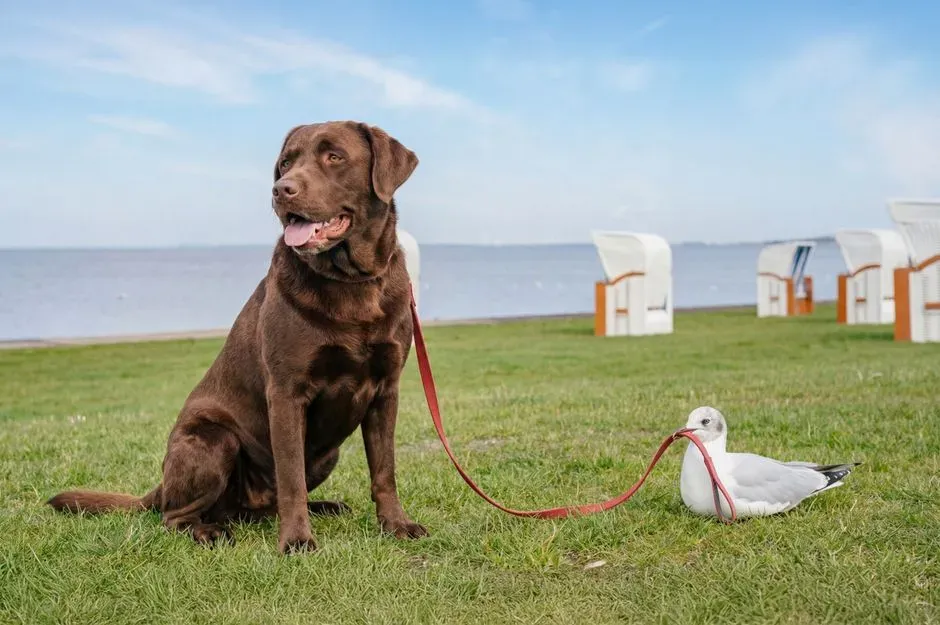
Most walkers either stomp too fast or drag too slow for their dog’s natural rhythm. Every so often, without either of you planning it, you fall into sync – the lead goes slack, your steps line up, and your dog’s whole body visibly softens. That loose-leash moment isn’t an accident. It’s your dog quietly thinking, yes, this, finally.
In these rare stretches, watch for ears in a relaxed neutral position, a tail held at a natural height with a gentle sway, a rolling and easy gait with no jerks on the lead. They glance up with that soft, content face, then look ahead and just exist for a minute – no agenda, no constant self-defense. Most humans only notice it long enough to say, “See, he can walk nicely,” treating it as proof of obedience instead of what it really is: a genuine shared rhythm. Dogs remember exactly how that feels, and they notice fast when it disappears the moment we rush or tighten up again.
Why It Stands Out
- A slack leash usually signals a genuinely relaxed dog, not just a well-trained one.
- Matching pace lowers the guesswork for a dog who isn’t constantly adjusting to sudden pulls.
- These small moments tend to build trust that carries over into the next walk.
- Dogs notice almost immediately when the shared rhythm breaks, even if their person doesn’t.
#13 – The Tiny Sigh When You Head Back Home
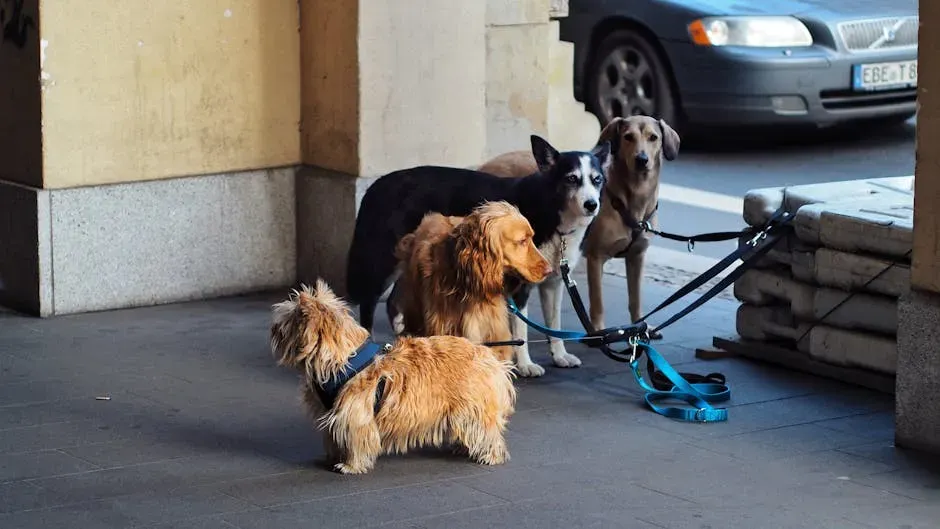
Near the end of the walk, a lot of dogs give themselves away completely. As you turn toward home, you might hear a soft exhale, catch a slight drop in their shoulders, or feel the leash go a little looser in your hand. That sigh, audible or not, is your dog closing the emotional file on the entire outing.
For some, it’s relief: we made it, no disasters. For others, it’s disappointment: already? I finally got you to pay attention. The exact same sound can mean opposite things depending on how the walk actually landed on them – not what you did, but how it felt from their end of the leash. By the time you unclip it at the door, their emotional summary of the walk is already written. You’re onto the next task. They’re still quietly processing the parts you never really saw.
The Bottom Line
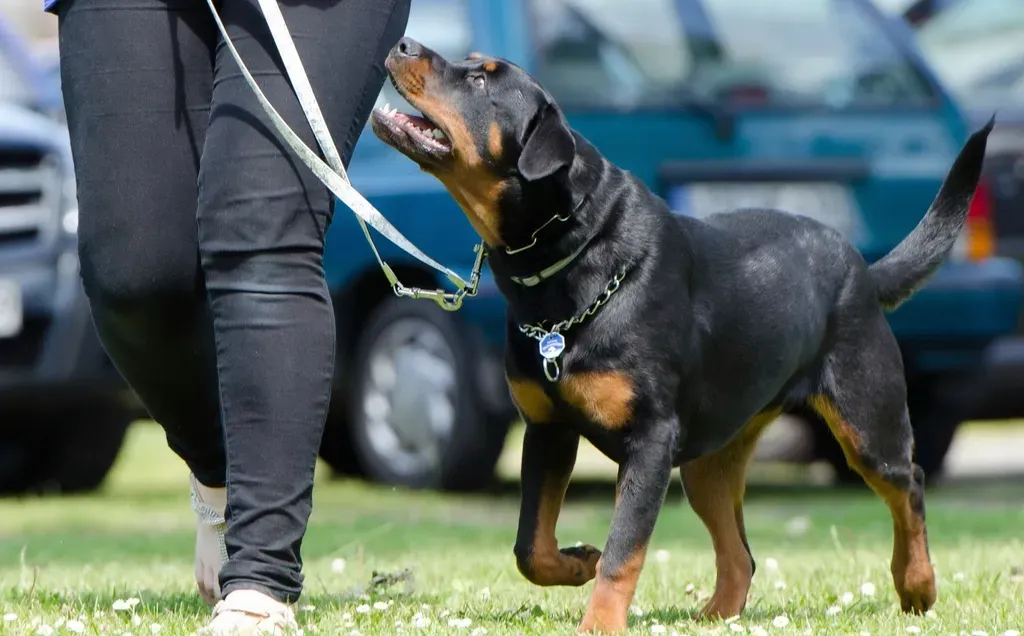
We talk about “training the dog on the lead” like they’re the ones not paying attention. But walk after walk, the pattern is almost embarrassing: the dog notices everything – the tension in your hand, the noise on the street, the mood in your voice – while most of us miss their softest, most honest messages entirely.
The real leash problem was never that dogs don’t listen. It’s that we were never taught how to hear them. Here’s the part that should sting a little: the calmest, “best-behaved” leash dogs are often the ones who simply stopped trying to communicate. That’s not obedience. That’s resignation, dressed up as good manners.
If we started honoring the quiet stuff – the micro-pauses, the fake sniffs, the soft leans, the tiny sighs – we’d have fewer “reactive” dogs and a lot more genuine partnerships. So next time you clip on that leash, ask yourself honestly: are you leading a dog, or just holding the other end of a conversation you’ve never actually answered?