
17 Details a Groomer Reads in a Dog That the Household Has Genuinely Never Once Managed to See
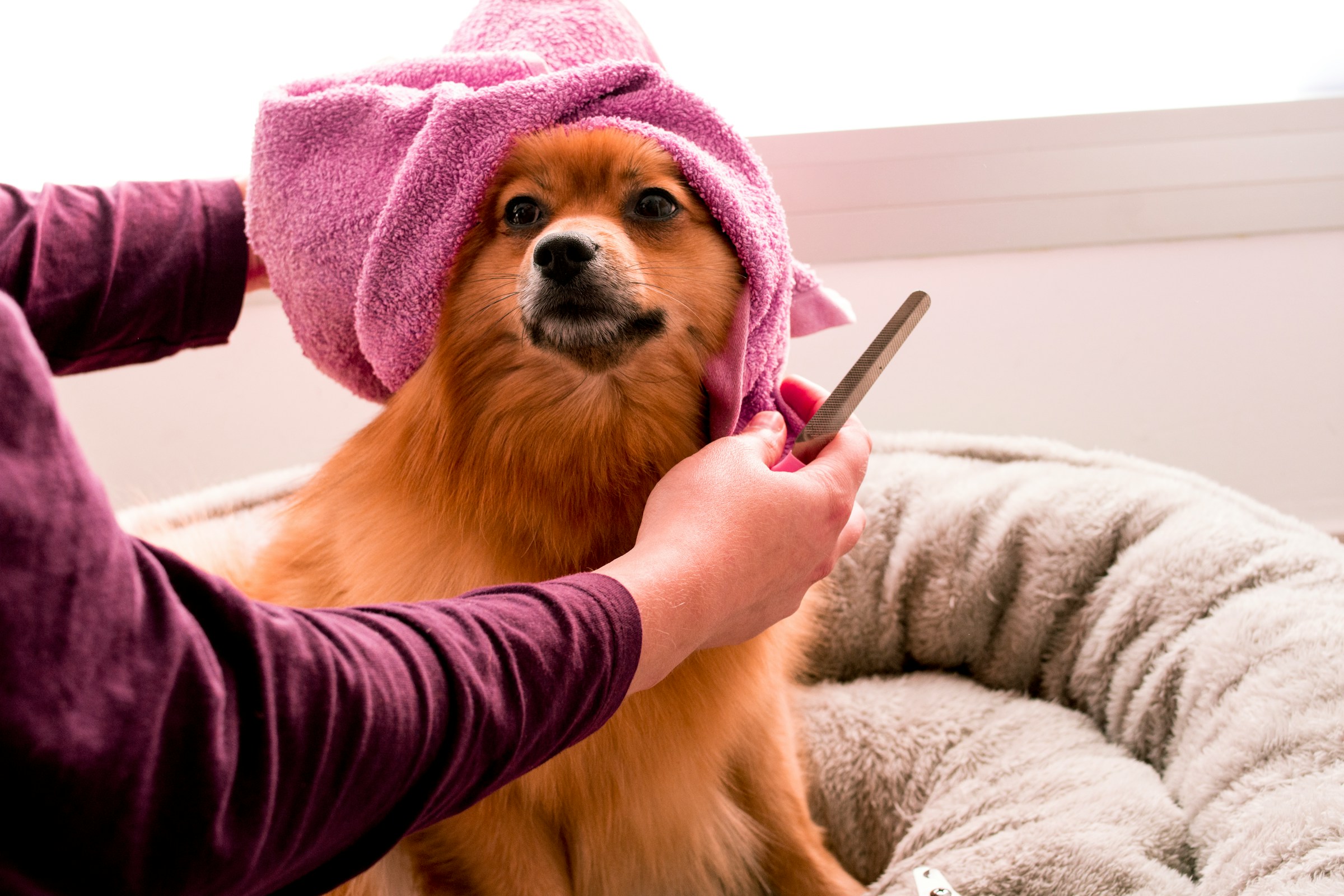
You dropped off a scruffy, slightly stinky dog. Two hours later you picked up a trimmed, fluffy, suspiciously well-behaved angel. As far as you’re concerned, that’s the whole transaction: dirty dog goes in, clean dog comes out.
Except that’s not remotely what just happened. In that grooming room, your dog got a full-body physical, a stress test, and a silent trauma screening, all at once, from someone who’s touched thousands of dogs and knows exactly what “normal” feels like. What they noticed in those two hours is stuff you’ve lived next to for years without ever truly seeing it. Here are 17 things a professional groomer reads in your dog almost every single visit.
#1 – The “Happy Wiggle” vs. the “Please Help Me” Tail
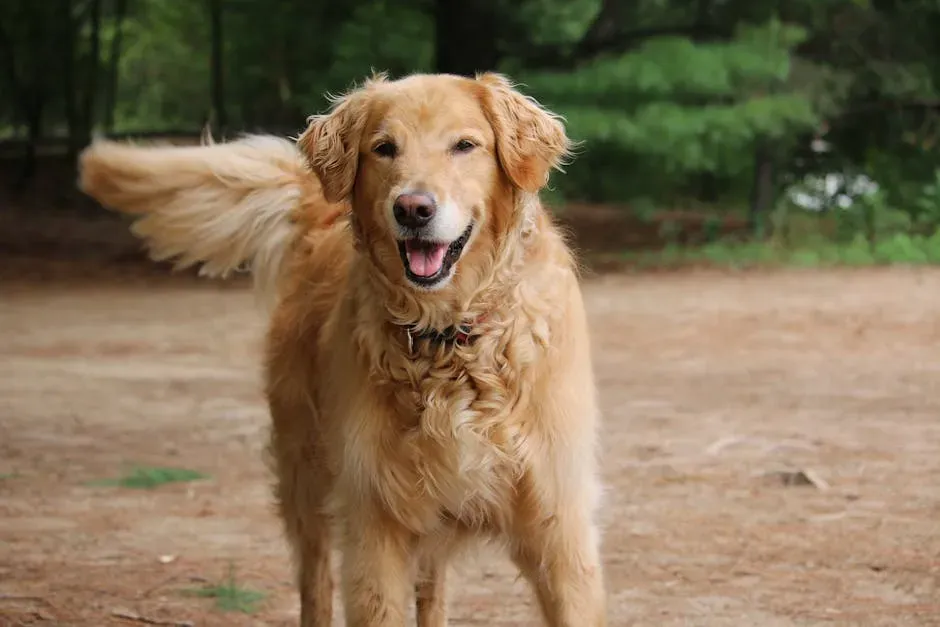
Most owners see a wagging tail and think, “He’s happy!” Groomers know better. The speed, height, and stiffness of that tail tell a completely different story, and it’s one of the first things they scan the second your dog walks in.
A loose, mid-level wag usually means, “I’m curious, a little nervous, but okay.” A tail held high with a fast, tight wag often signals overarousal or brewing reactivity, not joy. A tail that’s low but flicking at the tip is the classic “I’m trying to be polite, but I’m stressed” move most owners never clock. If your groomer suddenly slows down with “Mr. Waggy,” it’s not overcaution. That tail just told them everything.
#2 – Coat Texture That Quietly Screams “Health Problem”
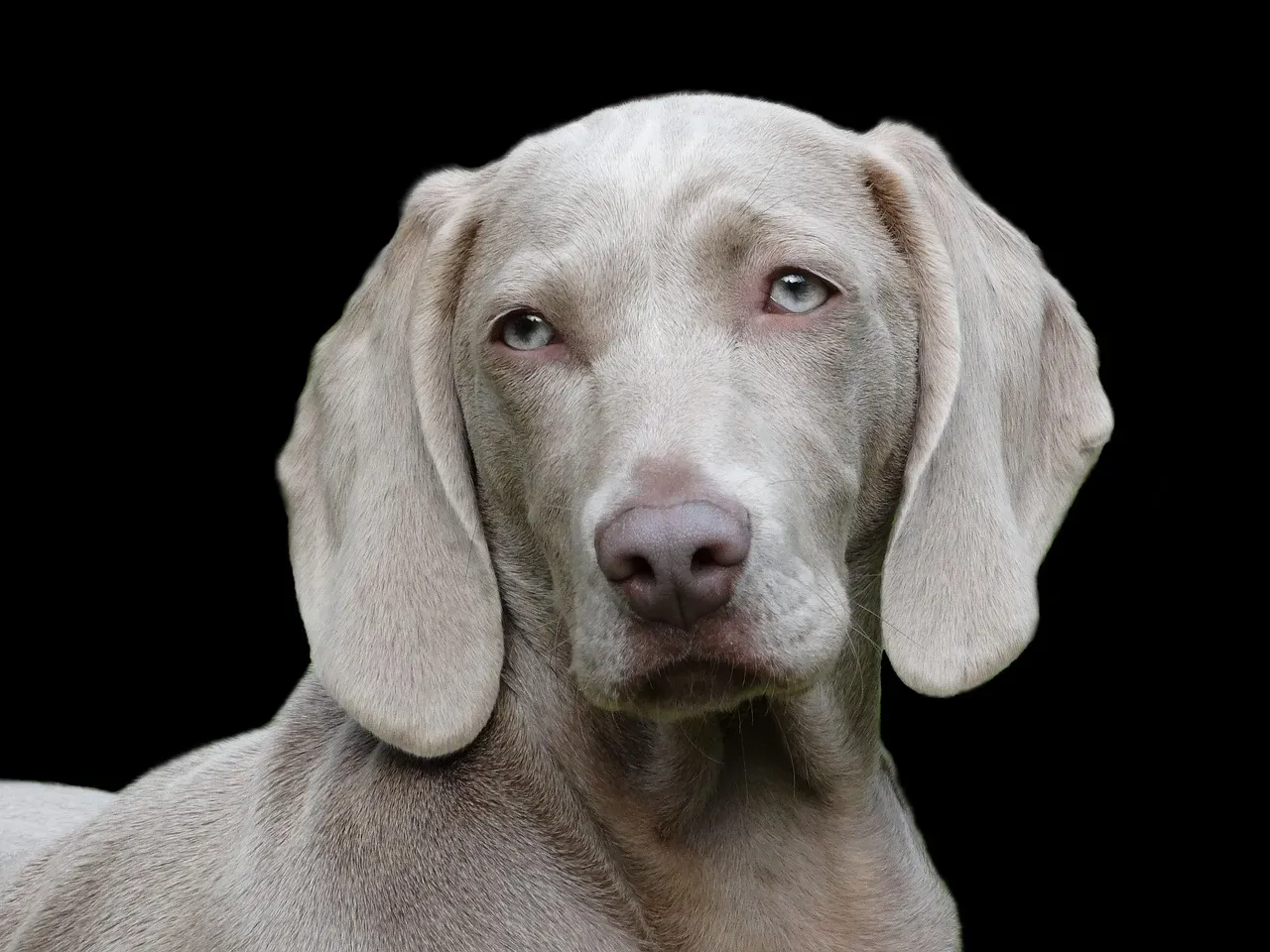
You see fluff. Your groomer feels a medical chart. Coat texture changes are one of the earliest, easiest-to-miss signs that something’s off internally, and groomers often feel them before a vet ever hears a single symptom.
A healthy coat is smooth and springy all over. Patches that turn suddenly woolly, brittle, greasy, or sparse can point to thyroid issues, allergies, hormonal shifts, or chronic stress, long before you notice anything’s “wrong.” Groomers also clock asymmetry, like thinning around the collar line or behind the ears, which can hint at flea reactions or pain-driven licking. When your groomer says, “You might want to have the vet check this,” your dog’s coat just whispered something you hadn’t heard yet.
Fast Facts
- A healthy coat feels springy and consistent from neck to tail
- Woolly, brittle patches can hint at thyroid or hormonal changes
- Sudden greasiness may point to skin infection or allergies
- Thinning near the collar or ears sometimes signals flea reactions or licking from pain
#3 – Nail Length as a Map of Your Dog’s Daily Life
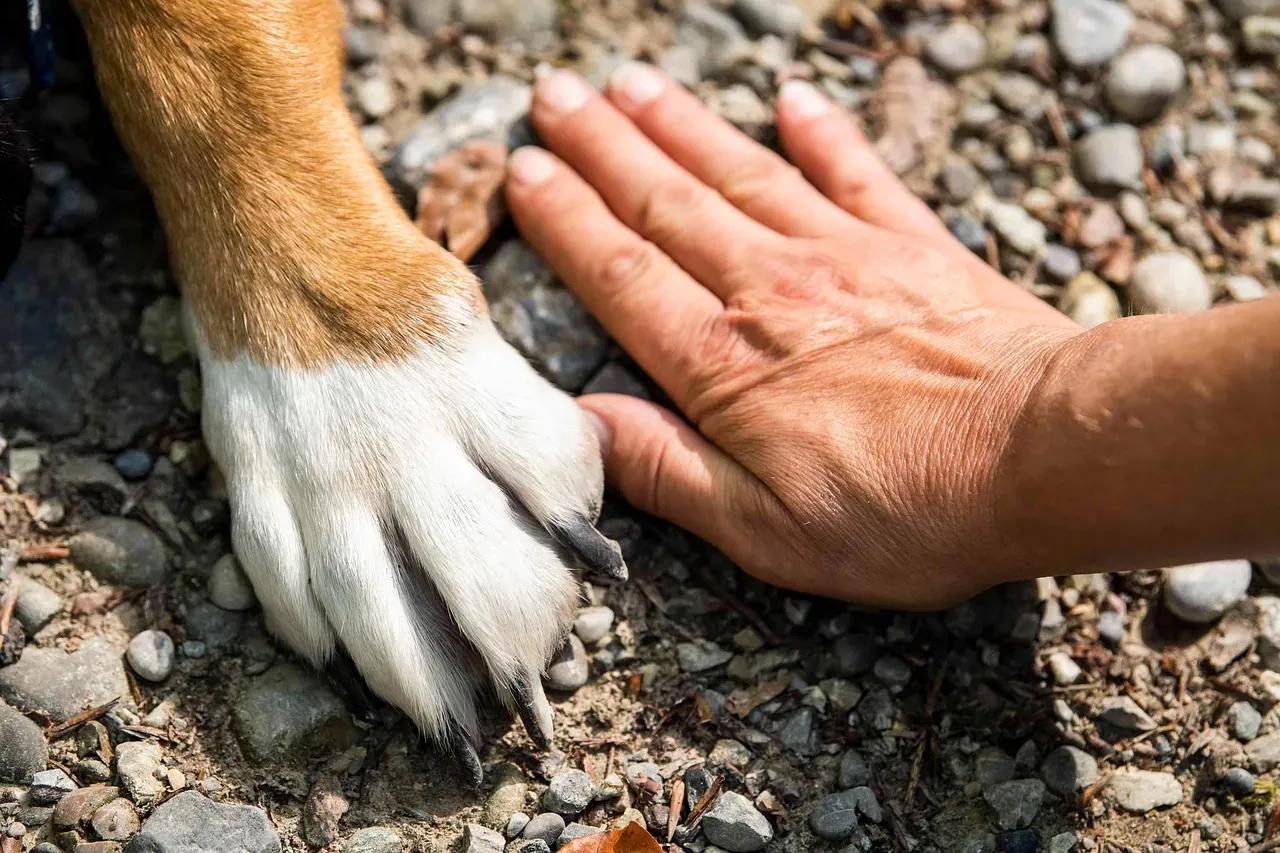
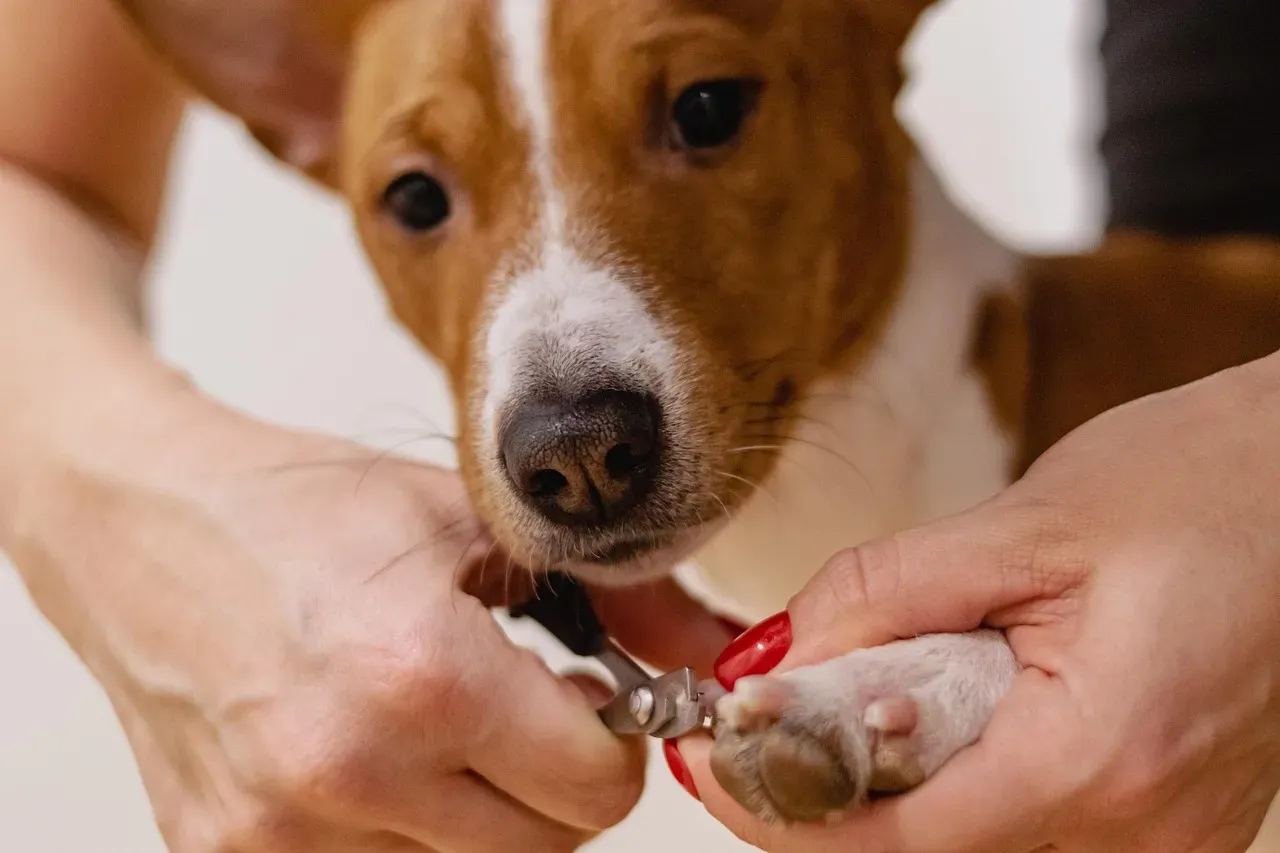
Most owners only react to nails when they click on the floor. Groomers read nails like a diary. The length, angle, and shape reveal how your dog actually moves, how much they walk, and where their joints might be quietly hurting.
Overgrown nails change posture. A groomer can feel a dog leaning back on its heels to avoid pressure on the quick, and curved, corkscrew-like nails can mean years of neglect that leave dogs with sore wrists and tight shoulders. The dog might “hate nail trims” not because it’s dramatic, but because it genuinely hurts. Uneven wear between paws can even flag an old injury or a habit of favoring one side on walks.
#4 – Paw Pads That Tell the Truth About Exercise (and Pain)
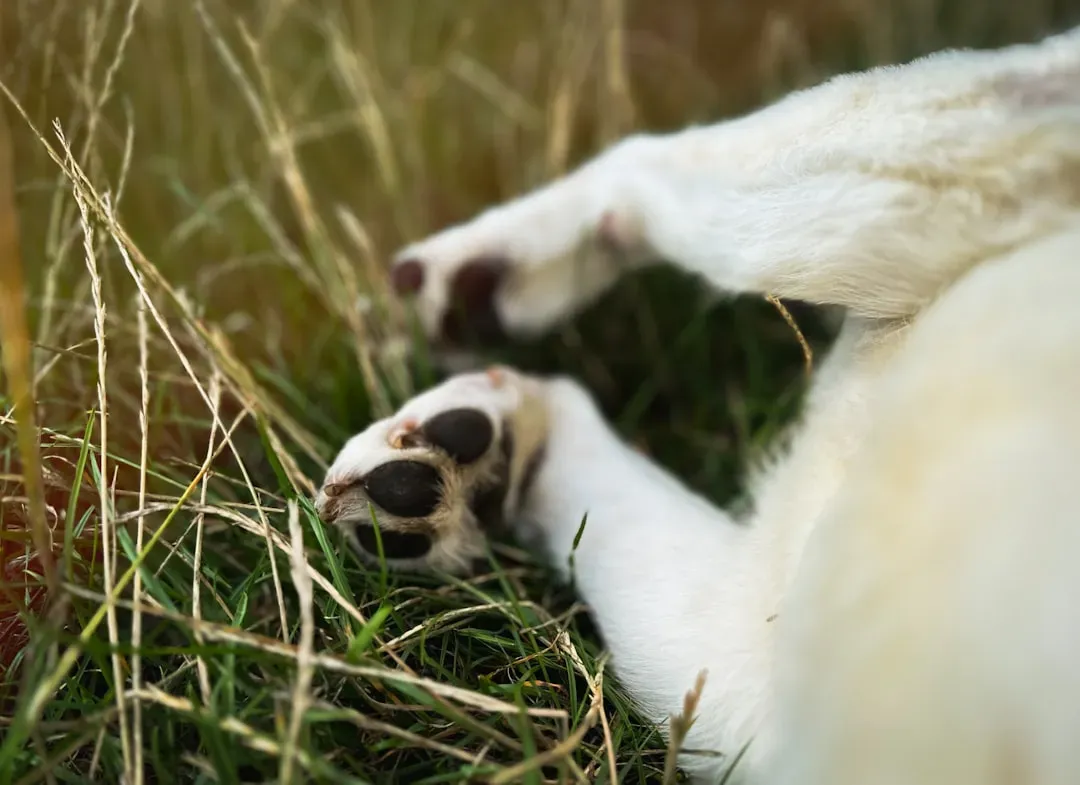
You look at paws and think “cute beans.” Groomers look and think, “ground-contact data points.” Paw pads quietly reveal whether your dog is overexercised, underexercised, or moving in a way that’s setting up future problems.
Soft, baby-smooth pads on an adult dog usually mean more couch than concrete, which makes them prone to tears on even a modest hike. Cracked, overly rough pads suggest constant pounding on hot pavement or gravel without enough rest. Groomers also watch for heat in the pads, which can mean irritation, and flinching when weight shifts onto certain toes, which can mean a hidden joint or ligament issue. Holding your dog’s paw isn’t just about avoiding a scratch, it’s a full read on how your dog lives day to day.
#5 – Ear Gunk That Predicts a Vet Visit Weeks Early
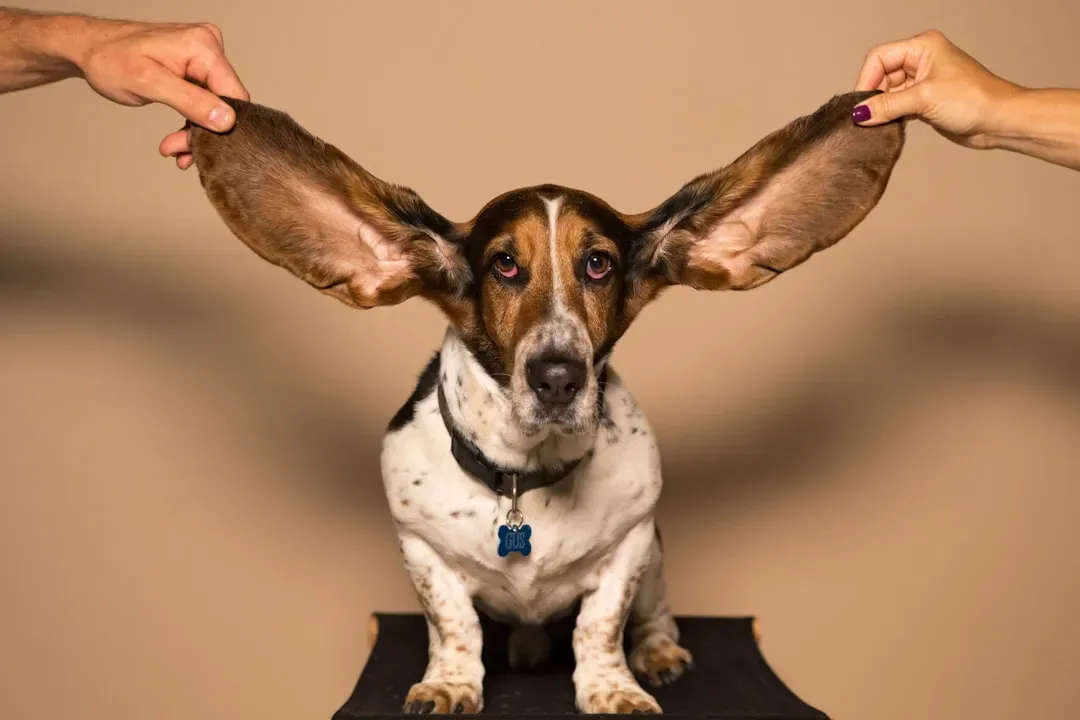
Owners usually notice ear trouble when the smell is unbearable or the scratching won’t stop. Groomers notice weeks earlier, because ear wax color, texture, and smell are one of the most underrated early warning systems in your dog’s whole body.
Thin, light, nearly odorless wax is normal. Thick, dark, tar-like buildup can mean chronic infection or mites. A yeasty, sweet-sour smell often points to allergies, and greenish or yellowish discharge is a real red flag for bacterial issues, even when your dog “seems fine” otherwise. Groomers also notice behavior shifts, like a dog who suddenly flinches at ear touch after years of tolerating it. When they say, “These ears don’t look great,” they’re giving you a head start before things turn into full-blown agony.
#6 – The “Pretend Chill” Dog Who’s Actually Frozen With Fear
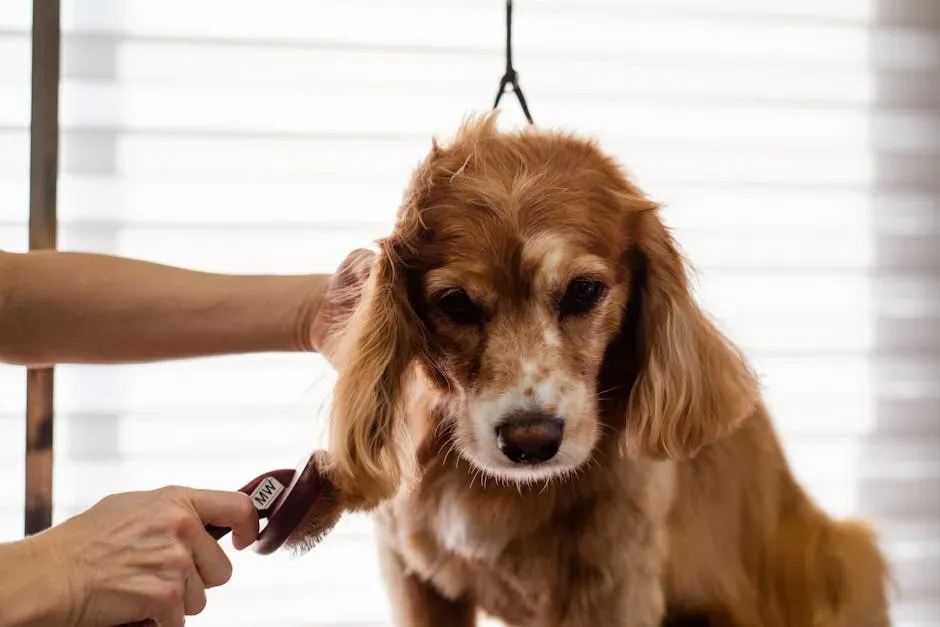
Households love to brag, “He’s so calm at the groomer, he just stands there!” Groomers know that statue-still dog is sometimes not relaxed at all. Stillness can be a trauma response, not good behavior.
A truly relaxed dog shifts weight, sniffs around, maybe even leans into the groomer. The “pretend chill” dog does the opposite: wide eyes, clamped mouth, stiff body, frozen paws. They’re not moving because they’re overwhelmed, not cooperative, and a groomer can see the micro-tremors and dilated pupils that give it away. If your groomer says, “He did fine, but he’s very nervous,” and you’re shocked because he “looked calm,” believe them. You just found out your dog white-knuckled his way through it.
#7 – Matting Patterns That Reveal What Really Happens at Home
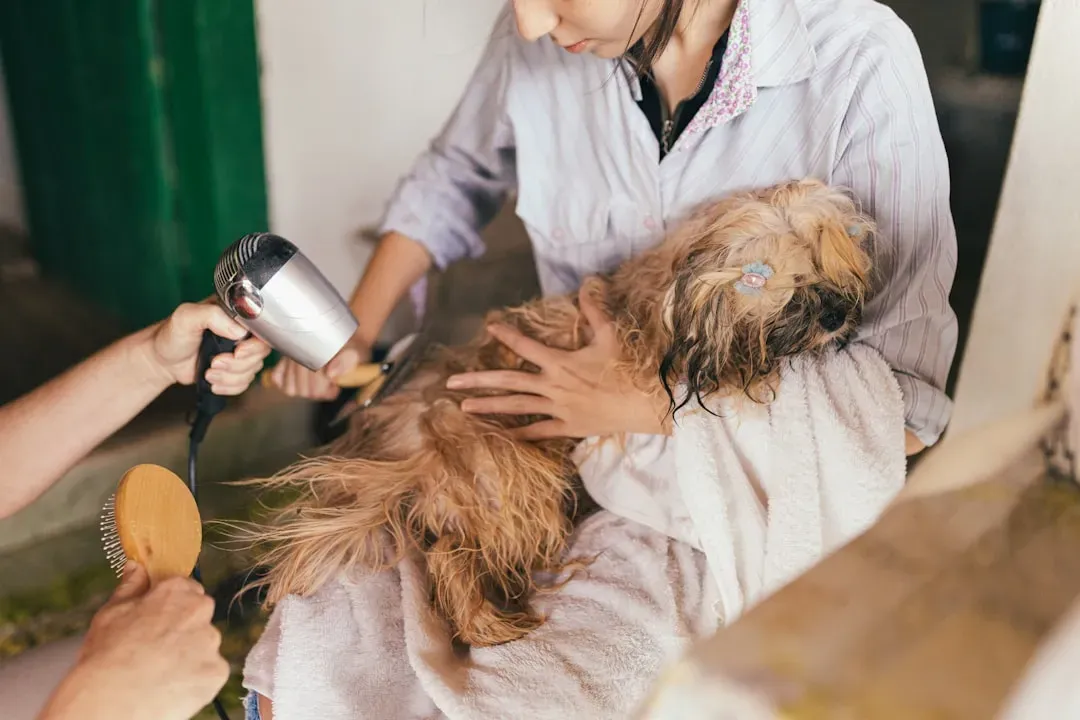
Most owners are convinced they’re brushing “all the time.” Groomers can tell in five seconds whether that’s true, because matting doesn’t just say “not brushed,” it says exactly where, how, and how honestly you’ve been handling your dog’s coat.
Mats show up behind ears, under collars, in armpits, around the tail base, and between toes, exactly where friction, moisture, and neglect collide. Dogs who “hate brushing” usually learned that brushing means yanking on painful mats in these spots. Many dogs labeled aggressive at the groomer are actually just in constant, hidden pain from matting, which is why experienced groomers will shave a severely matted dog instead of torturing it to preserve a haircut. When they tell you your fluffy dog was actually matted to the skin, they’re being kinder than your mirror ever was.
#8 – Skin Secrets Hidden Right Under the Scissors
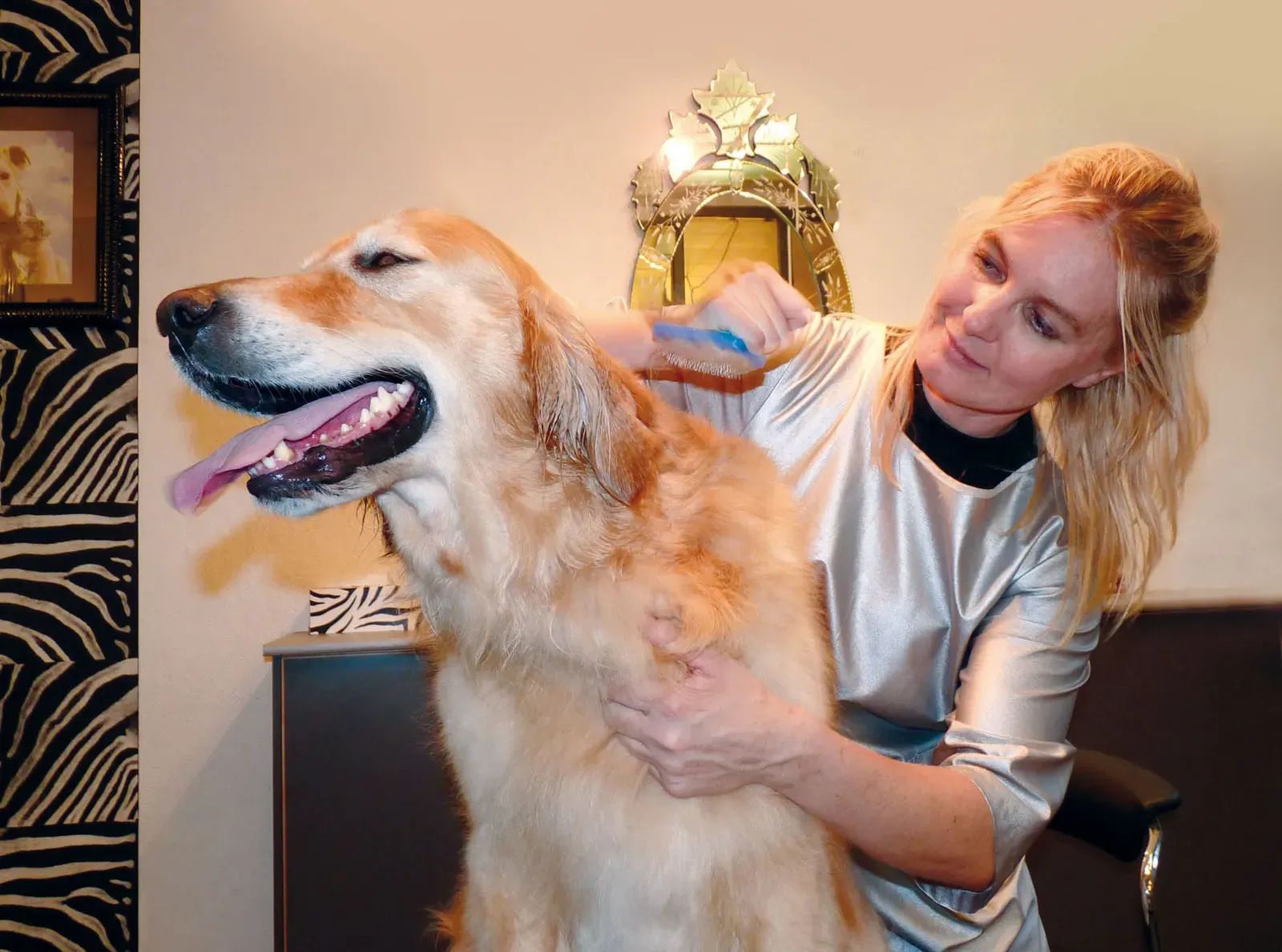
You might not see your dog’s actual skin more than a handful of times a year. Groomers see it in high definition, under bright lights, from every angle, which makes them some of the first humans to notice lumps, rashes, parasites, or injuries.
As the coat parts for clipping, they find firm nodules that weren’t there last time, redness patterns that scream food or flea allergy, flea dirt on dogs who “never had a flea in their life,” and scratches your dog can’t reach alone. Some findings are minor. Others are life-changing, and there are countless stories of groomers spotting a suspicious growth that turned out to be cancer long before the owner noticed anything. When your groomer gently says, “You should have the vet look at this,” ignoring it is one of the biggest mistakes an owner can quietly make.
#9 – The “Owner Show” vs. The Real Dog Once You Leave
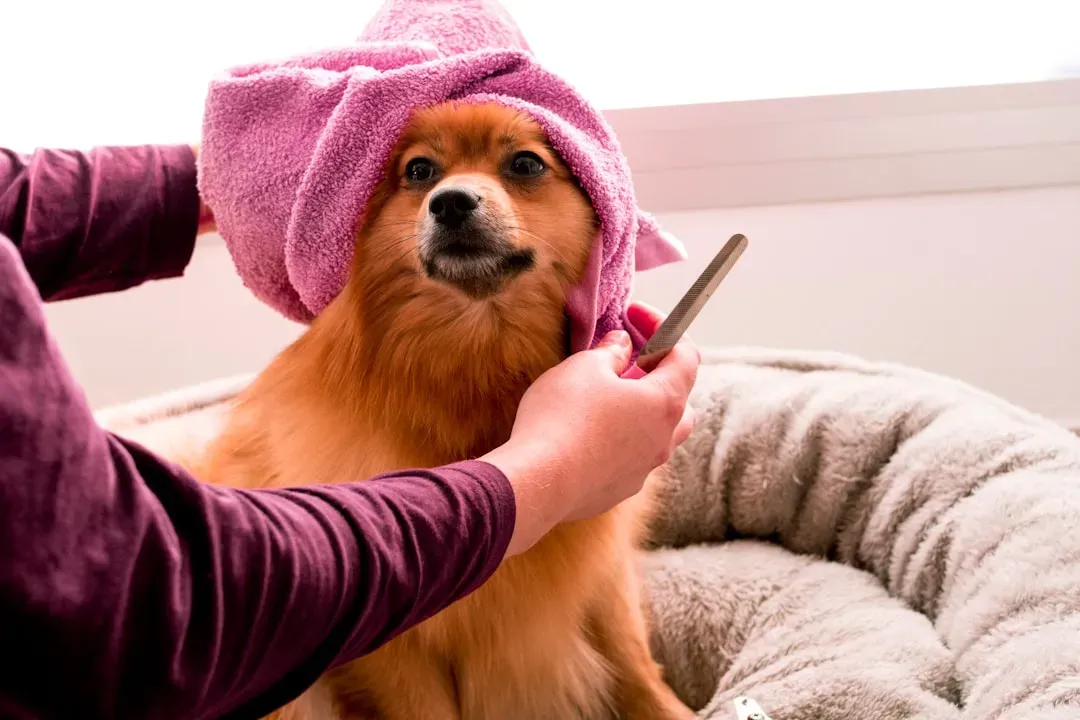
Here’s a brutal truth: your dog often behaves completely differently the moment you walk out the door. Groomers see the gap between “with Mom” and “without Mom” more clearly than anyone else in your dog’s life.
Some dogs scream at the dryer and thrash on the table right up until their person leaves, then stand quietly sniffing treats ten minutes later. The performance was for you, not proof they hate the groomer. Others hold it together while you’re there and melt down the second their emotional anchor disappears. That’s exactly why some groomers now prefer curbside handoffs or ask owners not to stay and watch. If they tell you, “He did better once you left,” they’re not insulting you, they’re reporting raw reality.
Worth Knowing
- Many dogs act “brave” only while their owner is watching
- Separation from a stressed owner can calm a dog within minutes
- Curbside drop-off is increasingly common for this exact reason
- A dog’s true comfort level often shows up only once the audience leaves
#10 – Breath and Saliva That Hint at Deeper Disease
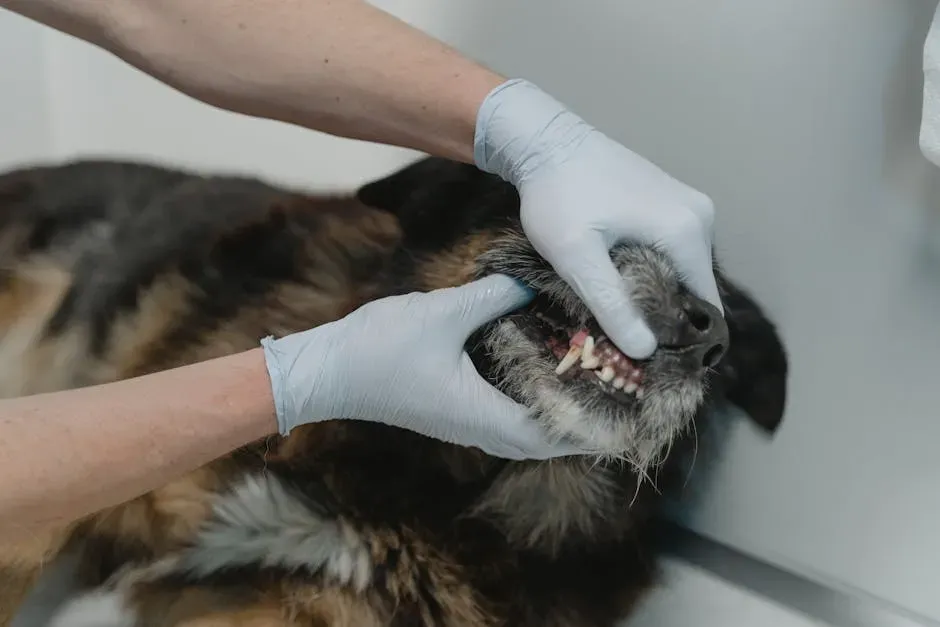
Bad dog breath is so normalized that owners joke about it. Groomers don’t, because mouth odor and drool consistency are quiet but serious health signals they smell up close every single visit.
There’s typical “doggy breath,” and then there’s the eye-watering, metallic, or rotten smell that can point to advanced dental disease, infected gums, or even kidney problems. Excessive drooling or stringy saliva that shows up suddenly is another warning sign. Small breeds in particular can develop horrifying dental disease by age three, and the groomer is often the only person staring that deeply into their mouth every few weeks. When they mention teeth, it’s a quiet plea to not let your dog’s pain go unnoticed.
#11 – Body Weight You Don’t Notice Anymore
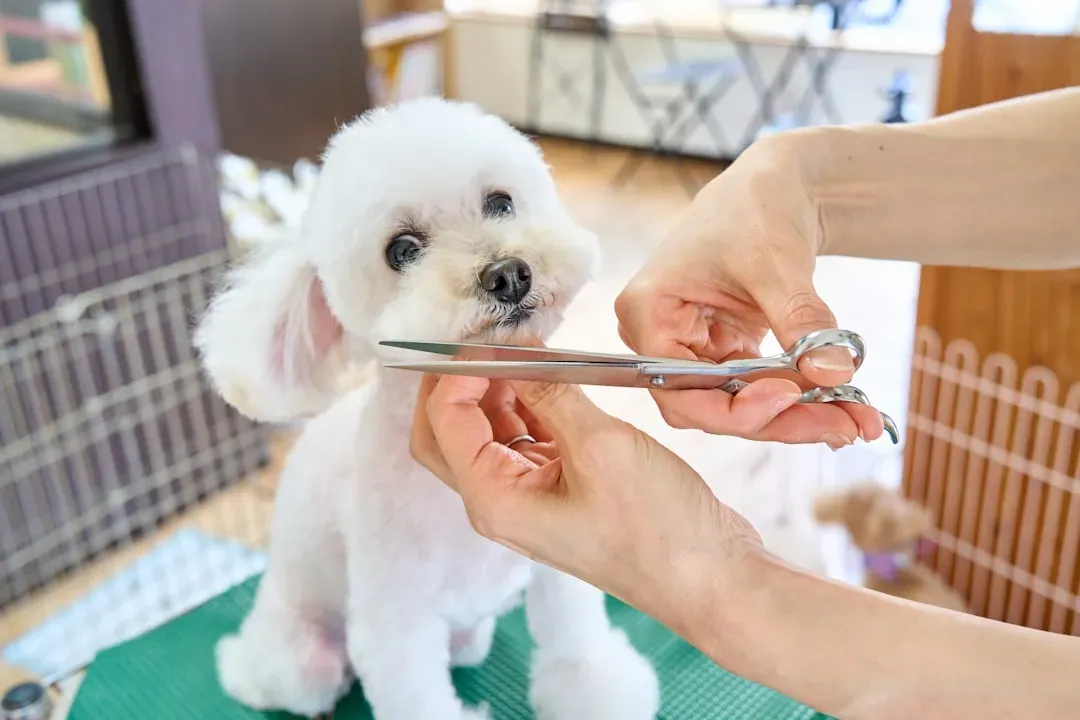
Most people normalize the dog they see every single day. Groomers don’t have that bias, they see your dog in snapshots over time, so weight changes jump out immediately when they feel ribs, spine, and waistline during a bath.
A dog who used to have a defined tuck but now feels barrel-shaped is a real change, and so is a senior who suddenly feels bonier in the hips. Owners often shrug, “He’s always been like this,” but groomers have a mental timeline that says otherwise. Extra weight makes standing on the table harder, and thin dogs may find certain positions painful from lost muscle padding. If your groomer gently mentions weight, that’s not judgment, it’s them flagging something your eyes adjusted to months ago.
#12 – How Your Dog Handles Touch Tells a Trauma Story
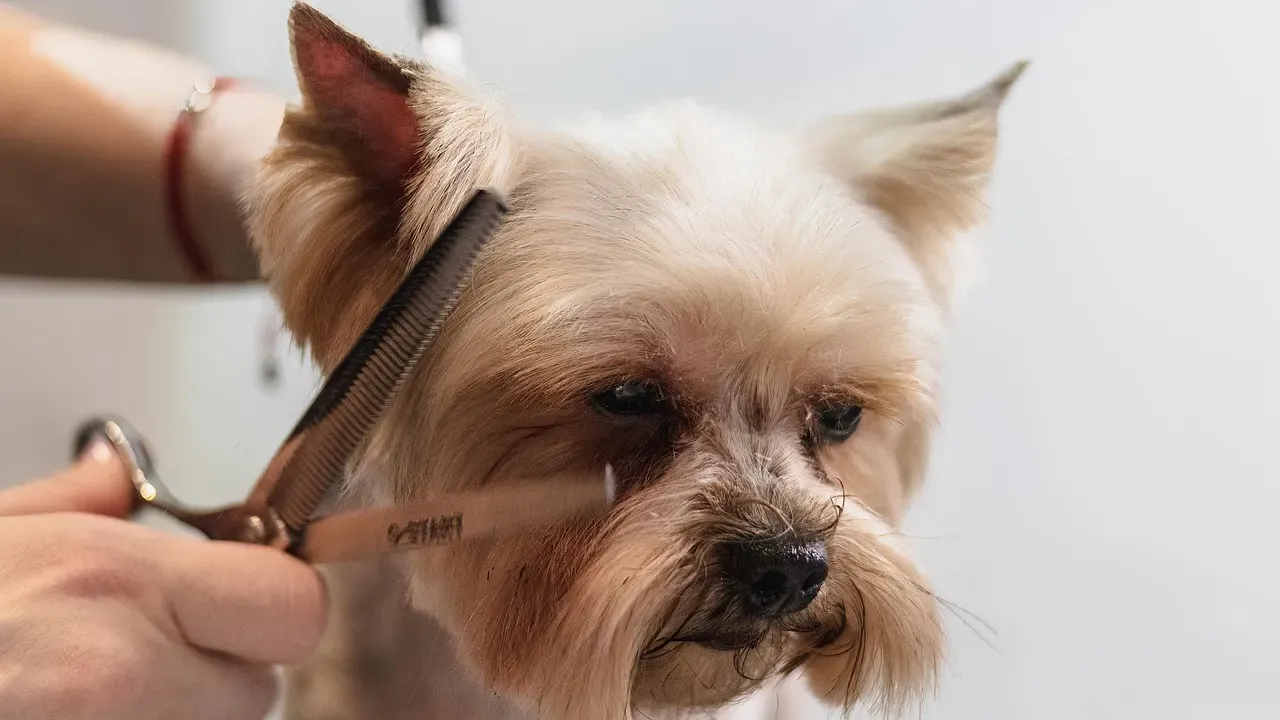
Groomers touch your dog in ways you rarely do: under the tail, between toes, inside the thighs, around the face. The way your dog reacts to each zone tells a story about past experiences, good and bad, that most households never think to test.
A dog who’s fine with a loud dryer but panics when you touch their paws probably had a nail cut too short once. Tensing at the back end can mean anal gland pain, hip issues, or rough handling in the past. Groomers build a mental map of green zones, yellow zones, and red zones, and adjust their technique long before you’ve even noticed the pattern exists.
#13 – Age Isn’t Just a Number; It’s in the Movements
Owners insist, “He’s getting older, but he’s fine.” Groomers see the small betrayals of age you’ve subconsciously learned to ignore, like stiffness getting on the table or delayed reactions when a tool is dropped nearby.
The dog who used to hop onto the bath platform now needs lifting. The one who stood solidly for an hour now needs breaks and sags at the hips. None of it screams emergency on its own, but together it spells out a different season of life. So groomers shorten sessions, add nonslip mats, and suggest gentler senior grooms, not as an upsell, but because they’ve accepted an aging process many owners are still avoiding.
At a Glance
- Stiffness climbing onto the grooming table is an early aging sign
- Needing breaks mid-session often shows up before owners notice at home
- Nonslip mats and shorter sessions help protect aging joints
- Gentle senior grooming plans are about comfort, not upselling
#14 – The “Smell Map” of Your Dog’s Health
You notice if your dog smells like “dog.” Groomers notice where and how they smell, and that distinction matters more than you’d think. A sour, vinegary smell in skin folds often means bacterial or yeast overgrowth, while a heavy, rancid grease smell over the back can point to seborrhea or diet issues.
A strong “corn chip” paw smell can be normal in small amounts, but an overwhelming version usually screams yeast. Groomers also notice sudden change, like a dog who never smelled like much now carrying a strong musk right after a bath, which suggests something internal rather than surface grime. Many households dismiss this as “just dog smell,” but your dog’s scent is one of the most honest health updates you get, and groomers are the ones reading it in full detail.
#15 – Grooming Gaps That Reveal the Truth About Your Routine
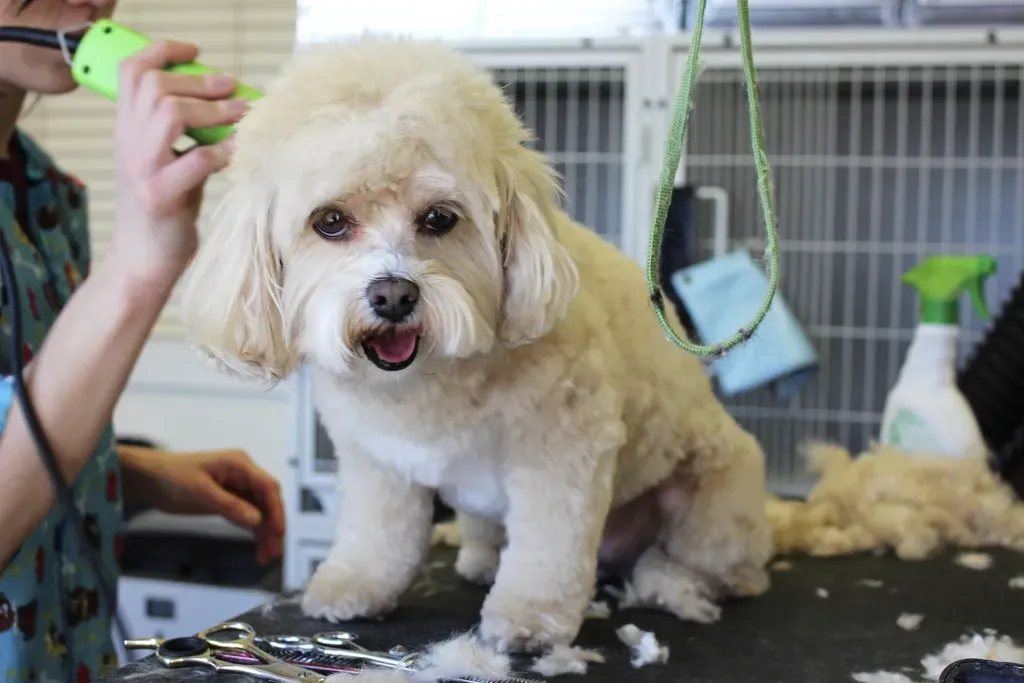
You might say you brush every day. Your dog’s coat tells a different story. The time between grooming appointments, and the state your dog is in when they arrive, gives groomers a brutally accurate read on your real at-home care.
A dog who comes in every four to six weeks lightly tangled shows someone is at least trying. A dog who shows up every four to six months with dense mats and stained fur means grooming is an afterthought, and the dog’s fear or explosiveness during the visit confirms it. When your groomer suggests more frequent appointments, it’s not about money, it’s about kindness, because they know exactly which dogs are coping and which are barely surviving their own spa day.
#16 – The “Social Battery” and How Fast It Drains
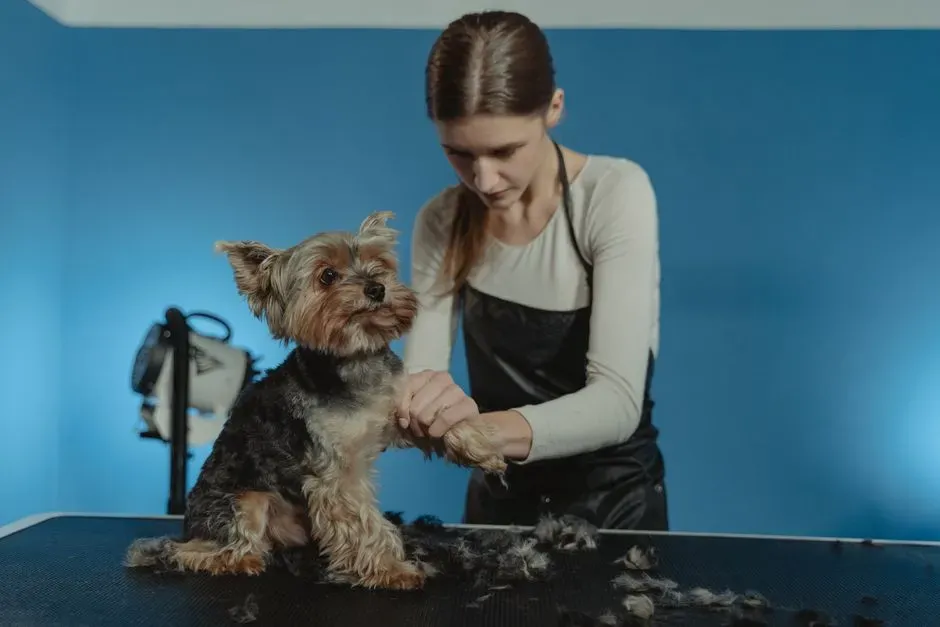
Most owners think grooming is purely physical: clip, wash, dry, done. Groomers know there’s a social and mental battery in every dog, and some drain far faster than others under handling, noise, and unfamiliar movement.
Some dogs mentally tap out at the 45-minute mark even if their bodies could technically handle more. When a groomer sees that, they decide in real time whether to push for the perfect haircut or stop with a “good enough” groom to protect the dog’s sanity. If your groomer says, “We stopped here because he was getting stressed,” that’s not an excuse, it’s them reporting your dog’s actual emotional limit before things go wrong.
Quick Compare
- Confident dog: relaxed body, steady breathing, curious sniffing
- Tired dog: slower reactions, heavier sighs, less eye contact
- Overwhelmed dog: stiff limbs, panting spikes, sudden shutdown
- Groomers adjust pace and stop points based on these exact cues
#17 – Who Your Dog Actually Trusts (It’s Not Always You)
Here’s the detail almost no household wants to hear: groomers can often see who your dog trusts and who they merely tolerate, and sometimes it’s clearer than you’d like. They notice dogs who lean into a groomer for comfort but stiffen the moment an owner grabs them roughly, or who panic when handed back to someone who constantly jokes about them being “dramatic.”
This doesn’t mean you’re a bad owner. It means dogs respond to energy, patterns, and predictability more than sentiment, and groomers spend focused, structured time reading exactly that. A groomer can often tell, within a couple of sessions, whether your home is supporting your dog’s emotional needs or accidentally making grooming a thousand times harder. When they gently offer handling advice, that’s your cue that there’s a gap between how much you love your dog and how well you’re actually reading them, and now you know.
The Bottom Line
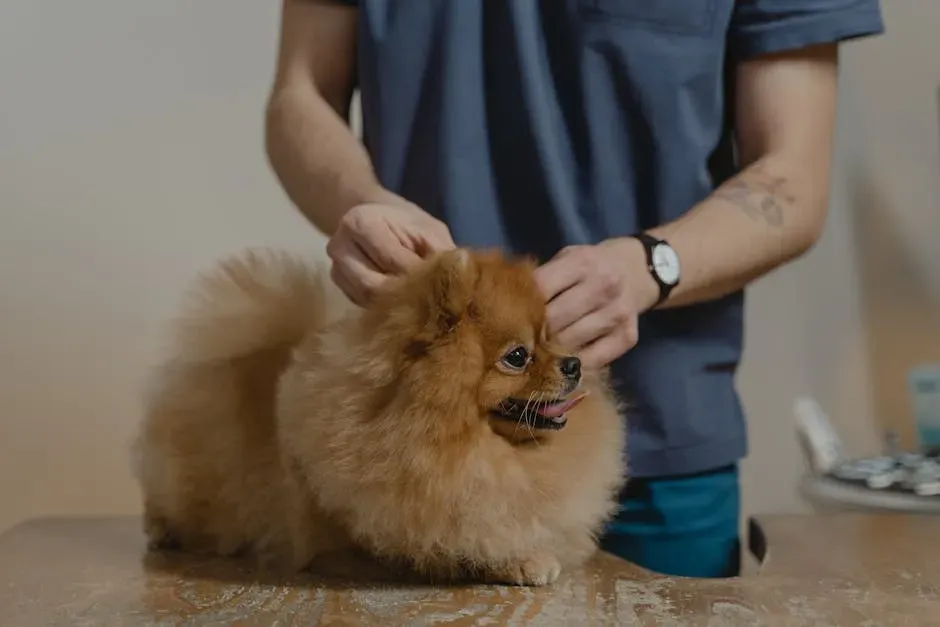
Professional groomers aren’t dog hairdressers. They’re the ones catching subtle health changes, decoding silent fear, and noticing long-term patterns most households never see, not even once, because they’re too close to the dog to see it clearly.
Coat texture, smell, nail angles, body stiffness, and reaction to touch add up to a detailed, honest portrait of your dog’s real life. Sometimes that portrait is flattering. Sometimes it’s a wake-up call you didn’t want.
Here’s my honest opinion: most owners don’t miss these signs because they don’t love their dogs enough, they miss them because love makes you blind to slow change. Your groomer isn’t judging you when they mention a lump, a smell, or a flinch. They’re handing you a warning most vets don’t have time to give and most dogs can’t ask for out loud. Ignore it, and you’re choosing convenience over your dog’s comfort. Listen to it, and you just became the owner your dog actually needed.