

There’s a painful irony at the heart of loving a senior dog: the closer you are to them, the easier it is to miss what they’re trying to tell you. A slower morning stretch, an untouched toy, a long stare at a blank wall – owners see these things every day and file them under “old dog stuff.” But veterinarians who specialize in aging animals will tell you something that stops most families cold: dogs are wired to hide pain and confusion until they simply can’t anymore. By the time the signs look obvious, they’ve often been whispering for months.
What follows isn’t a list of dramatic emergencies. These are the quiet, easy-to-rationalize changes that happen right in front of you – in the middle of an ordinary Tuesday, in the way your dog settles onto the floor or hesitates at the bottom of the stairs. Some of them will feel startlingly familiar. And a few of the later ones may change the way you look at your dog tonight.
#16 – Increased Vocalization at Odd Hours

Nighttime whining is one of the easiest signs to explain away. “She just wants attention.” “He heard a noise outside.” But when a senior dog starts vocalizing in the dark – barking, howling, or whimpering at nothing visible – it often reveals something that only surfaces when the house gets quiet: arthritis pain that flares in cooler evening temperatures, or the early disorientation of cognitive decline scrambling their internal sense of time.
The detail that surprises most owners is the timing. Dogs seem almost strategic about it, crying out during the hours when no one is alert enough to connect the behavior to something medical. Vocal changes like these can precede visible limping by weeks. If your dog has started filling your 3 a.m. with sounds they never made before, that’s not a phase. That’s a message.
Fast Facts
- Nighttime restlessness and pacing are classified under the DISHAA framework – the veterinary standard for assessing cognitive decline in dogs.
- Sleep-wake cycle disruption is one of the earliest and most consistent behavioral signs of canine cognitive dysfunction syndrome (CCDS).
- Arthritis pain in dogs tends to intensify in cooler temperatures, making late-night hours a prime window for flare-ups.
- CCDS onset typically occurs between ages 12 and 15, but early signs can appear in dogs as young as 8.
#15 – A Sudden Preference for Cool, Hard Floors
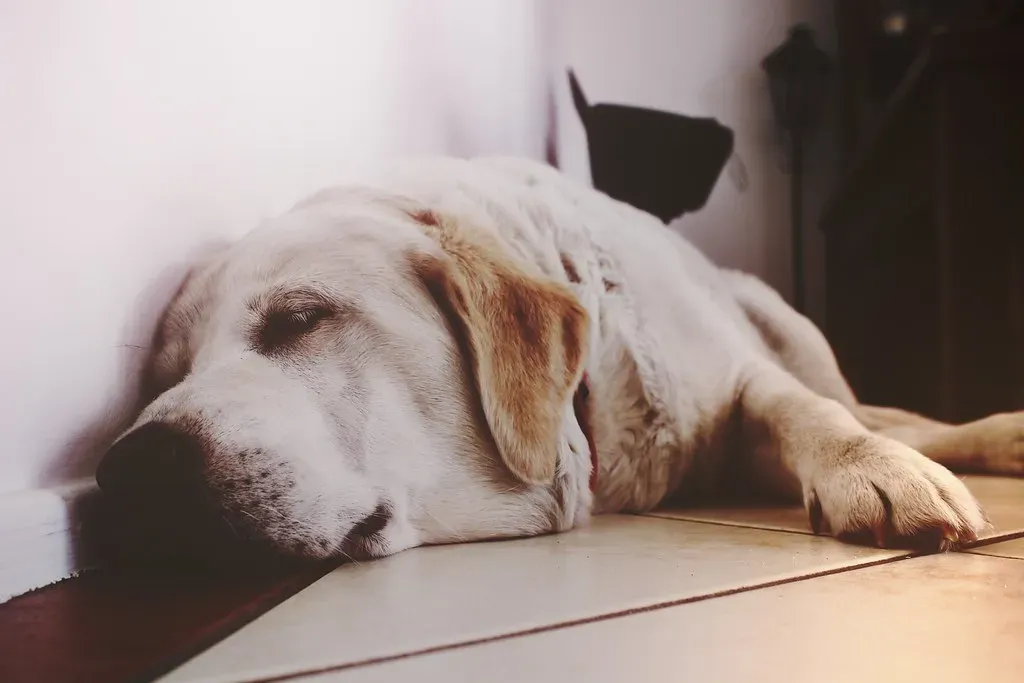
When a dog abandons a perfectly good bed for the cold tile of the bathroom or kitchen, it reads like a quirk. It’s actually one of the more telling early signals a dog can give you. Hard, cool surfaces draw heat away from inflamed joints, and dogs seek them out instinctively – not out of preference, but out of quiet desperation for relief. This can be tied to thyroid slowdown, early heart changes, or the beginning of joint inflammation that hasn’t yet shown up as a limp.
The most overlooked fact is that this shift can appear months before any mobility problem becomes visible on a walk. Owners who catch it early can switch to orthopedic or cooling beds, add anti-slip mats over slick floors, and take the observation to their vet before the stiffness compounds. A dog sleeping on tile isn’t being dramatic. It’s asking for help in the only language it has.
#14 – Refusing a Full Bowl but Eating Half Portions Willingly

It looks like pickiness. The dog walks away from a full dish, then happily accepts smaller amounts later. Owners usually cycle through several theories – different food, a new bowl, a change in schedule – before landing on the real possibility: dental pain, or the reduced stomach capacity that comes from age-related muscle loss in the digestive tract. Senior dogs are remarkably skilled at masking oral pain until eating becomes genuinely difficult.
Many dogs lose significant chewing ability before owners notice a single visible symptom like drooling or pawing at the mouth. Transitioning to smaller, more frequent meals can keep weight stable and reduce the discomfort of each sitting – but more importantly, it can surface the real issue faster. If your dog’s appetite looks “off” rather than gone, don’t wait for it to get worse before mentioning it to your vet.
#13 – Staring at Walls or Zoning Out Mid-Room

A dog standing motionless, staring at a blank wall or a corner with nothing in it, is almost always dismissed as daydreaming or a quirky personality trait. But when it happens repeatedly – especially during transitions between rooms or after waking up – it’s one of the earliest observable signs of canine cognitive dysfunction, a condition that closely mirrors early-stage dementia in humans. The dog isn’t seeing something you’re missing. The dog is momentarily lost in a space it’s lived in for years.
These episodes tend to increase in frequency right before more obvious disorientation appears, which makes them valuable early warnings. Catching this pattern now gives owners time to add mental enrichment – scent games, gentle puzzle feeders, structured routines – that genuinely slows cognitive decline. The dog staring at a wall isn’t having a moment. It’s giving you a window to act.
At a Glance: Canine Cognitive Dysfunction by the Numbers
- 14–22% of dogs over age 8 show signs of cognitive impairment, per the American Animal Hospital Association’s 2023 Senior Care Guidelines.
- 28% of dogs aged 11–12 show at least one recognized sign of cognitive dysfunction.
- 68% of dogs aged 15–16 are affected – making it one of the most common senior dog conditions there is.
- CCD is widely considered underdiagnosed: only about 1.9% of dogs over 10 receive a veterinary diagnosis, versus 14%+ identified by owner-reported assessment scales.
- Early management – enrichment, routine, targeted nutrition – is significantly more effective than late-stage intervention.
#12 – The Favorite Toy Goes Untouched for Weeks

Most people assume a dog that stops playing has simply outgrown its toys. The more likely explanation is that the game now costs something. Joint pain makes the sudden lunges and pivots of play genuinely uncomfortable. Vision changes make a fast-moving object harder to track and less rewarding to chase. Dogs don’t explain why something stopped being fun – they just stop. And because the shift is gradual, it becomes invisible.
One of the clearest confirming signals is what happens when a dog receives pain relief – interest in play often quietly returns. The toy was never the problem. When you see that old squeaky ball collecting dust, don’t mourn it as a sign of aging. Treat it as a referral to your vet.
#11 – Accidents From a Dog Who Was Perfectly Housetrained
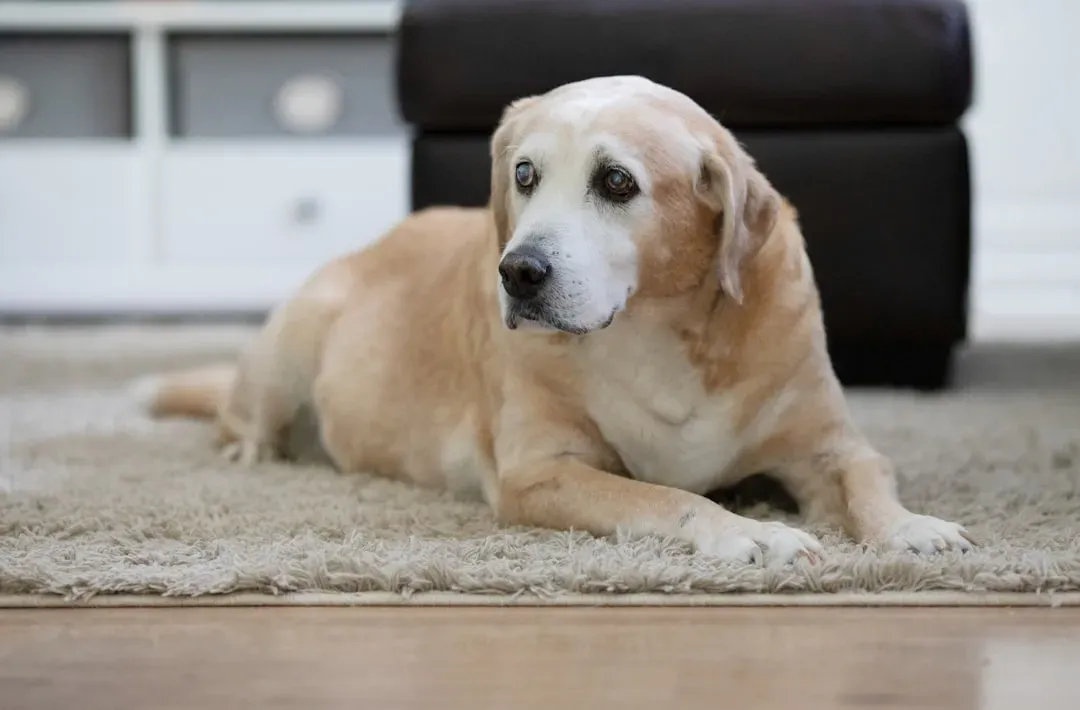
Few things frustrate dog owners more than indoor accidents from a senior pet who “knows better.” The frustration is understandable. The framing is wrong. A previously reliable dog eliminating indoors almost never does so out of spite or laziness. Weakened bladder sphincter muscles, the early stages of spinal compression, or mobility pain that makes reaching the door in time genuinely impossible – these are the real culprits.
A significant portion of senior dogs develop some form of urinary incontinence that responds well to straightforward medication or simple environmental changes like more frequent outdoor trips or a dog door. Addressing it quickly also prevents secondary skin infections from repeated exposure to moisture. When your senior dog has an accident, the healthiest response isn’t frustration – it’s a phone call to the vet.
#10 – Sudden Clinginess or Unexplained Withdrawal
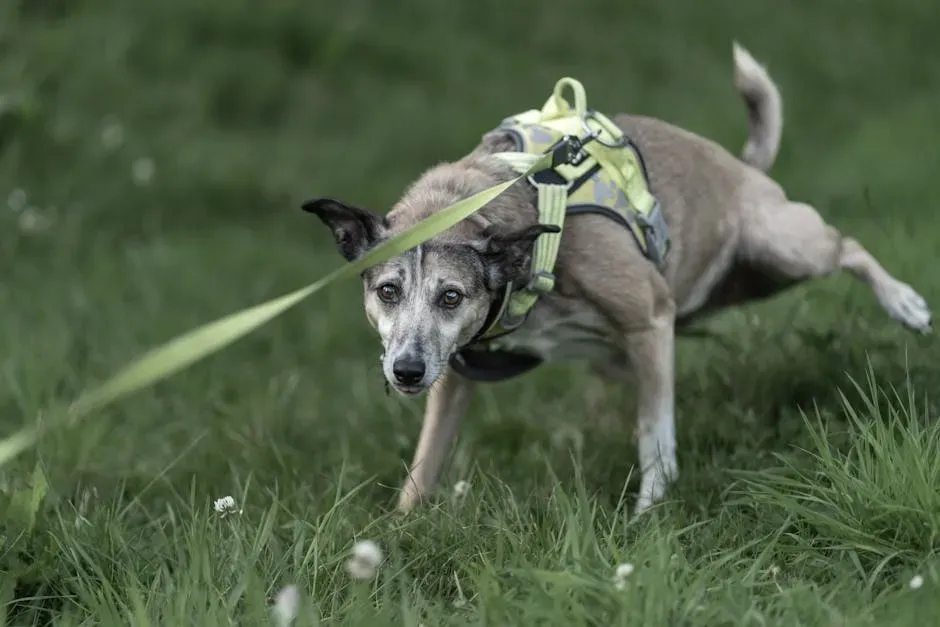
Both extremes carry the same message, just delivered differently. A dog that begins shadowing you from room to room, unable to settle unless you’re in sight, may be experiencing anxiety driven by hearing or vision loss that makes the world feel suddenly unreliable. A dog that retreats and wants to be alone – when it once sought you out – may be managing pain that makes social interaction overwhelming.
Vets see this personality shift most frequently in dogs between ten and twelve years old, and it’s one of the signs most often misread as moodiness or “just getting old.” The dog isn’t changing its feelings about you. It’s telling you, in the clearest behavioral language it has, that something in its body has shifted. Recognizing either extreme as communication – rather than attitude – is what opens the door to real help.
Worth Knowing: What Behavior Shifts Are Really Telling You
- Increased clinginess often traces back to hearing or vision loss – the world becomes unpredictable, and you become the anchor.
- Withdrawal and reduced social interaction are recognized CCDS signs; cognitively impaired dogs score measurably lower on amicability and higher on anxiety in research studies.
- Age-related hearing loss typically begins around ages 8–10 and progresses gradually – owners often describe it as “sudden” because compensation masks early stages for months.
- A dog that startles easily when touched from behind, or barks noticeably louder than before, may be losing hearing – not becoming aggressive or anxious for no reason.
#9 – A Noticeable Lag Before Responding to Their Name

You call your dog’s name. There’s a pause – longer than usual – before the head turns. Most owners label it selective hearing and move on. But a growing delay in response is one of the more reliable early indicators of either gradual hearing loss or cognitive fog that slows the processing of familiar sounds and commands. The lag tends to lengthen steadily over weeks and months before owners register it as a pattern.
By the time many families notice the delay, the dog has already compensated for it in quieter ways for some time. The value of catching it early is practical: switching to hand signals, vibration cues, or visual gestures before hearing is significantly compromised means the dog learns the new language while it still has the cognitive flexibility to absorb it. Don’t wait until your dog stops responding entirely before making that switch.
#8 – Focused, Repetitive Licking of One Spot

A dog licking the same paw, joint, or patch of fur night after night isn’t grooming. It’s self-medicating. Localized arthritis, nerve irritation, or deep joint inflammation can create a persistent sensation that licking temporarily soothes – and dogs return to the same spot with remarkable consistency because the discomfort never fully goes away. The behavior intensifies after exercise or on cold nights, which is the clearest clue that something structural is happening underneath.
The area often becomes raw or bald before owners connect it to something medical rather than behavioral. Joint supplements, anti-inflammatory support, or a targeted vet exam can reduce the underlying discomfort enough to stop the cycle. If your dog has a spot it visits every single night, that spot is trying to tell you something your dog can’t.
#7 – Sleeping in a New Position, Every Night

Dogs are creatures of habit in sleep, just like people. A dog that once sprawled freely on its side and now curls tightly into itself, or consistently avoids lying on one particular side, is usually doing so because that old position now puts pressure on a sore hip, tender abdomen, or arthritic shoulder. The adjustment happens so gradually that owners rarely notice until the new posture is completely established.
What makes this sign valuable is its consistency – it happens every sleep cycle, not just occasionally. Owners who pay attention to sleeping postures can spot the shift weeks before a limp appears on a walk or the dog hesitates at the stairs. It takes almost nothing to notice. It can mean everything to catch early.
#6 – Hesitating at Stairs or Skipping the Usual Walk Route
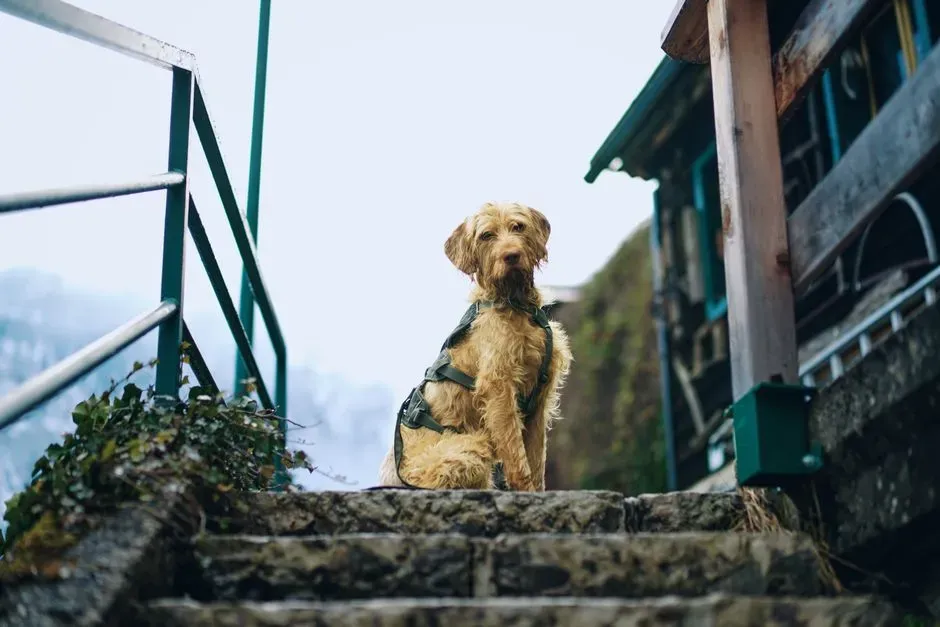
A dog that used to bound up stairs and now pauses at the bottom – studying them, testing the first step, then sometimes turning back – isn’t being lazy. It’s doing a real-time risk calculation. Balance changes and muscle loss can make stairways feel genuinely precarious to a senior dog, even ones they’ve navigated thousands of times. The same calculation happens on walks, when a dog steers away from hills or uneven ground it once ignored.
Early physical therapy, targeted muscle-building exercises, and anti-slip solutions on stairs can restore confidence and mobility for many senior dogs – sometimes within weeks. But the window for that kind of intervention narrows the longer the hesitation goes unaddressed. A dog that pauses at the bottom of the stairs isn’t slowing down gracefully. It’s asking you to notice.
Quick Compare: Arthritis Red Flags vs. Normal Senior Slowdown
- Normal aging: Slightly less enthusiasm for long runs, sleeping a bit more than before.
- Arthritis signal: Hesitating at stairs, skipping favorite routes, stiffness that’s worse after rest and in cold weather.
- Normal aging: Moving a little more deliberately on slippery floors.
- Arthritis signal: Seeking hard, cool tile to lie on; licking one joint repeatedly; flinching when touched along the back or hips.
- The scale matters: Up to 80% of senior dogs over age 8 are estimated to have some degree of osteoarthritis – most without a formal diagnosis.
#5 – Flinching When Touched Along the Back or Hips
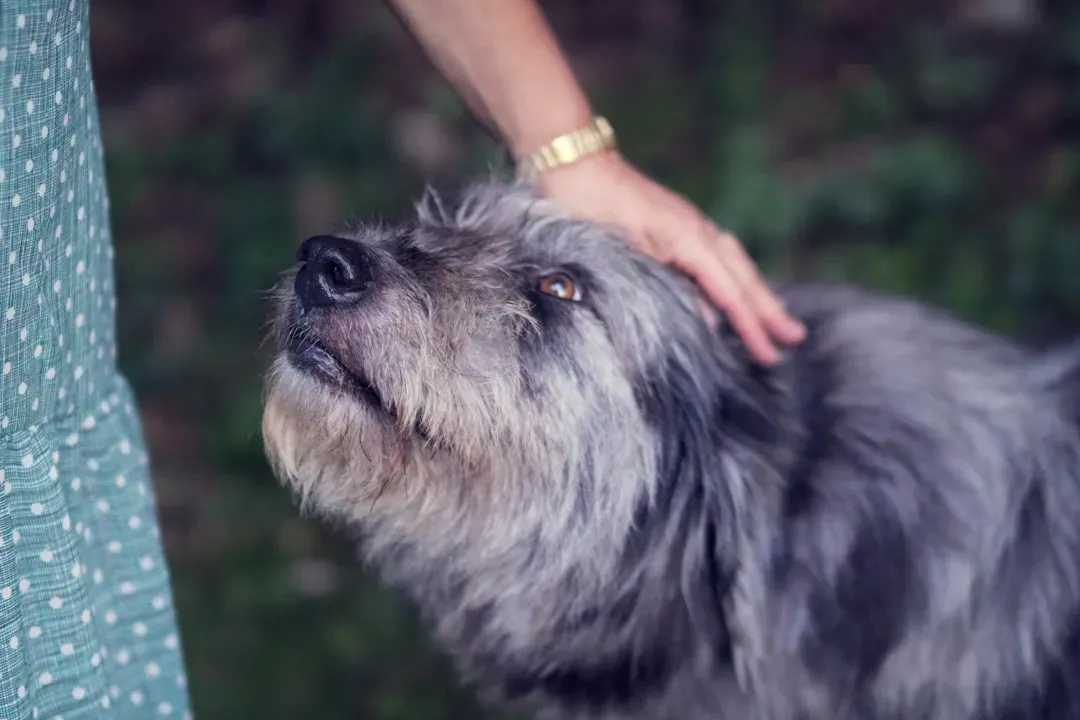
A dog that pulls away or tenses when you run your hand down its back is almost always labeled as grumpy or “getting sensitive in its old age.” The reaction is almost never about mood. Spinal changes, early organ discomfort, or muscle inflammation can make gentle pressure along the back and hips genuinely painful – and the flinch is involuntary, not performative. The dog isn’t rejecting your affection. It’s reacting to pain.
Families who understand this shift – who treat the flinch as a symptom rather than a personality change – tend to get ahead of the problem. A quick vet exam that catches spinal compression or soft-tissue inflammation early can mean the difference between manageable discomfort and chronic pain that no longer responds to simple treatment. When your senior dog pulls away from your hand, lean in – just gently, and toward a diagnosis.
#4 – Labored or Unusual Breathing While at Rest
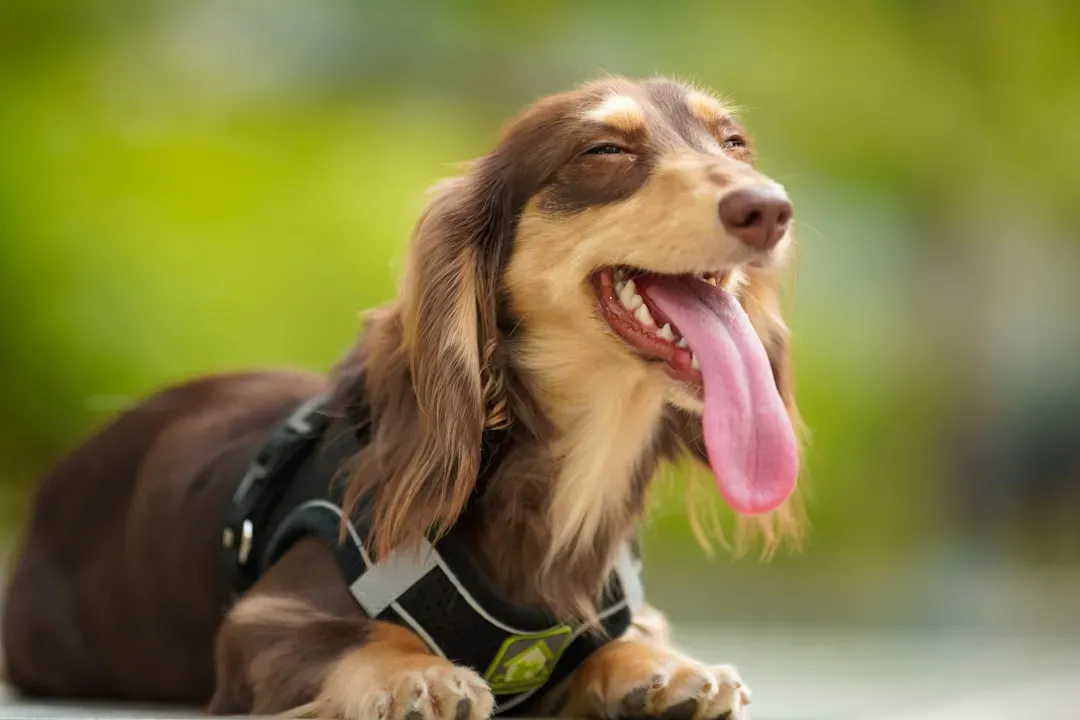
A dog that pants steadily or breathes more shallowly than usual while doing absolutely nothing is showing you something important. During activity, dogs compensate naturally – the effort masks the abnormality. It’s only when they finally relax, when every system can stop compensating, that the underlying irregularity surfaces. Persistent resting pant can reflect early heart changes, early lung compromise, or fluid shifts that haven’t yet produced dramatic symptoms.
Vets consistently emphasize that catching this at rest – before it becomes distress during activity – is where the most meaningful intervention happens. If your dog breathes harder lying on the couch than it should, that’s not heat and it’s not a dream. That’s a conversation worth having with your veterinarian before the next wellness visit comes around.
#3 – Forgetting a Familiar Walk Route or a Long-Known Command

Missing the usual left turn. Standing in the backyard looking uncertain about where the door is. Failing to respond to “sit” or “come” – commands so automatic they once required no thought at all. These lapses are almost always written off as stubbornness or distraction, but when they start happening with regularity in a senior dog, they point squarely at cognitive decline. The dog isn’t ignoring you. It’s losing the map.
The pattern matters more than any single incident. One missed turn is nothing. Three in a week is a signal. Noticing the pattern before it escalates to disorientation or getting genuinely lost on a familiar block keeps the dog safer and gives owners and vets more time to work with. Cognitive decline in dogs is real, it progresses, and it responds to early management far better than late-stage intervention.
#2 – Gradual Weight Loss Despite Eating Normally
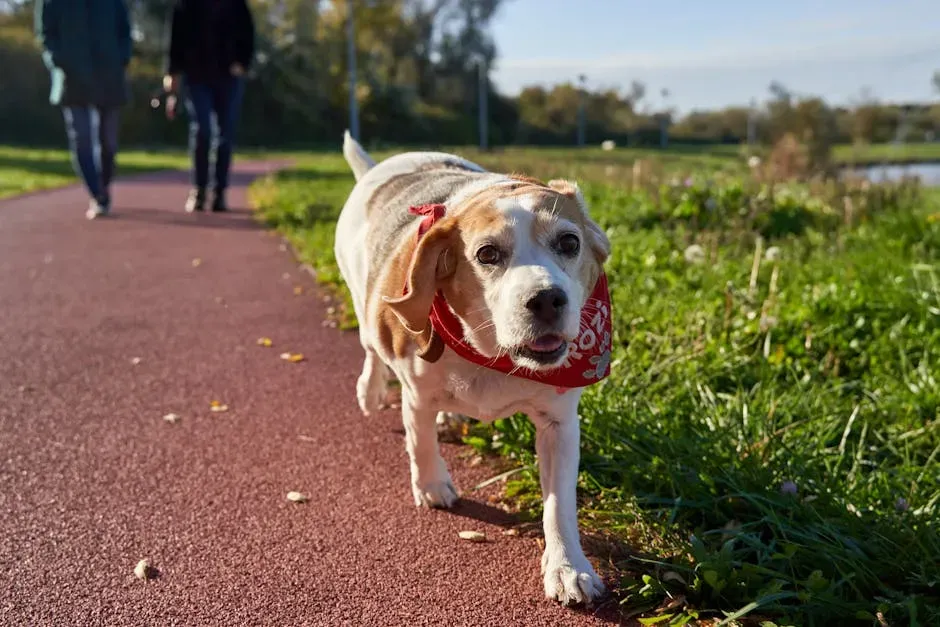
This is the one that sneaks up on owners most ruthlessly, because weight loss in a senior dog gets rationalized so easily. “She’s less active, so she’s leaner.” “He’s just getting older.” But gradual, unexplained weight loss in a senior dog – when food intake appears normal – is one of the more serious signals on this list. It frequently points to malabsorption, chronic dental pain that’s reducing actual intake without obvious refusal, or an underlying systemic issue that’s burning calories the body can no longer replace.
The scale tells the story before anything else does. Vets typically recommend bloodwork within two weeks of noticing unexplained weight loss in a senior dog, because the range of addressable causes is wide – and the earlier the cause is identified, the more reversible the trend tends to be. Weigh your senior dog regularly. Not obsessively, but deliberately. A few pounds in the wrong direction, caught early, is a very different problem than the same loss caught six months later.
Why It Stands Out: Signs That Warrant a Vet Call This Week
- Unexplained weight loss even with normal eating – bloodwork within two weeks is the standard recommendation.
- Labored breathing at rest – not after a walk, not in heat, just lying there breathing too hard.
- New or growing withdrawal from the people they’ve always sought out – masking is done; this is the unfiltered signal.
- Repeated indoor accidents in a previously reliable dog – mobility pain or spinal compression, not stubbornness.
- Any combination of three or more signs from this list appearing within the same month – patterns matter more than single incidents.
#1 – Complete Withdrawal From the People They Love Most
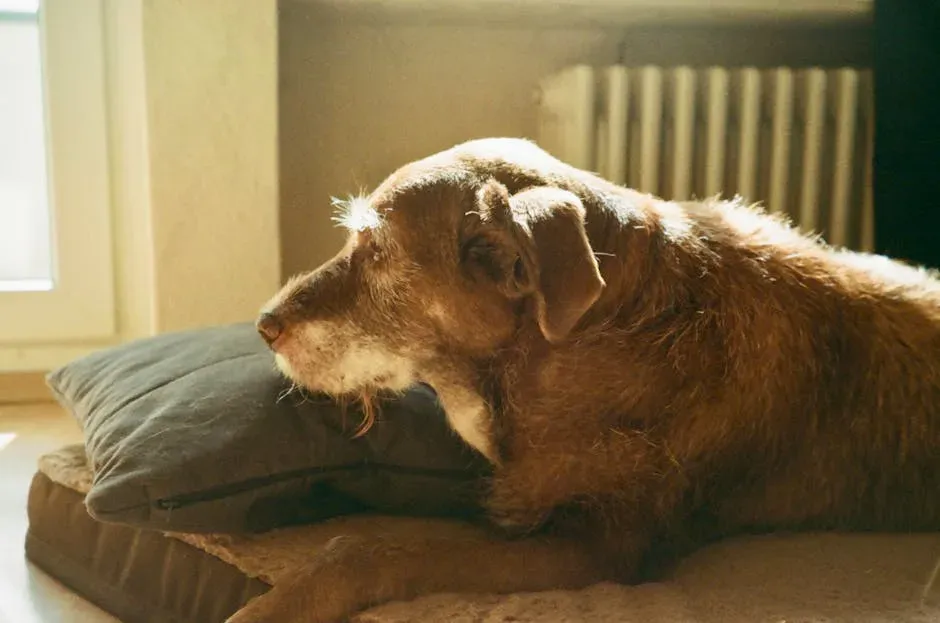
This is the one that breaks people. The dog who once pressed against your legs during dinner, who claimed the couch cushion next to you every evening, who greeted you at the door with a full-body wag – that dog has started staying in another room. Doesn’t come when called for cuddles. Watches from a distance instead of joining in. Owners feel it as rejection. What it actually means is that pain or confusion has reached a level the dog can no longer compensate for. The masking is done. This is the unfiltered signal.
Families who act on this withdrawal – who bring it to a vet immediately rather than grieving it quietly at home – often report the most dramatic turnarounds. Effective pain management, environmental simplification, or cognitive support can bring a withdrawn dog back into the room, sometimes within days. The dog didn’t stop loving you. It stopped being able to show it. And the moment you recognize that distinction is the moment you can actually help.
Dogs do speak, but only to those who know how to listen.
Orhan Pamuk
Here’s what nobody tells you about having a senior dog: the hardest part isn’t the vet visits or the medications or the slower walks. It’s the guilt of realizing, in hindsight, that your dog was telling you something for months before you understood the language. These sixteen signs exist on a spectrum from barely noticeable to impossible to ignore – and most families only encounter them moving in one direction, from subtle to severe, because no one handed them a translation guide early enough.
That’s worth being honest about. We tend to grieve senior dog health the way we grieve most things – reactively, after the moment has passed. But dogs are not asking for perfect owners. They’re asking for attentive ones. A senior dog that curls into a new sleeping position, avoids a flight of stairs, or slowly stops joining you in the living room isn’t surrendering to age without a fight. It’s fighting, quietly, in the only way it knows – and hoping someone who loves it is paying close enough attention to notice. Be that person. It’s not too late until it is.


