

Recognizing the Early Signs of Canine Grief

Dogs that lose a bonded human frequently show shifts in daily habits right away. Appetite drops for some, while others sleep longer stretches or seem less interested in play. These changes mirror patterns seen when dogs lose a canine companion, according to owner surveys and behavioral studies.
Clinginess toward remaining family members appears often as well. A dog might follow people more closely or seek extra physical contact. Vocal patterns can shift too, with increased whining or unusual quietness depending on the individual.
How Attachment Shapes the Response

Strong bonds form through years of shared routines, and those connections influence how deeply a dog reacts to absence. Research on separation responses shows dogs experience measurable stress when a primary caregiver disappears from daily life. The intensity often tracks with how central that person was to the dog’s world.
Breeds and personalities play roles, yet the core attachment dynamic remains consistent across many cases. Dogs do not need to grasp the concept of permanent loss to feel the disruption in their environment. Their reactions stem from missing familiar presence, scent, and interaction patterns.
Duration That Extends Beyond Initial Expectations
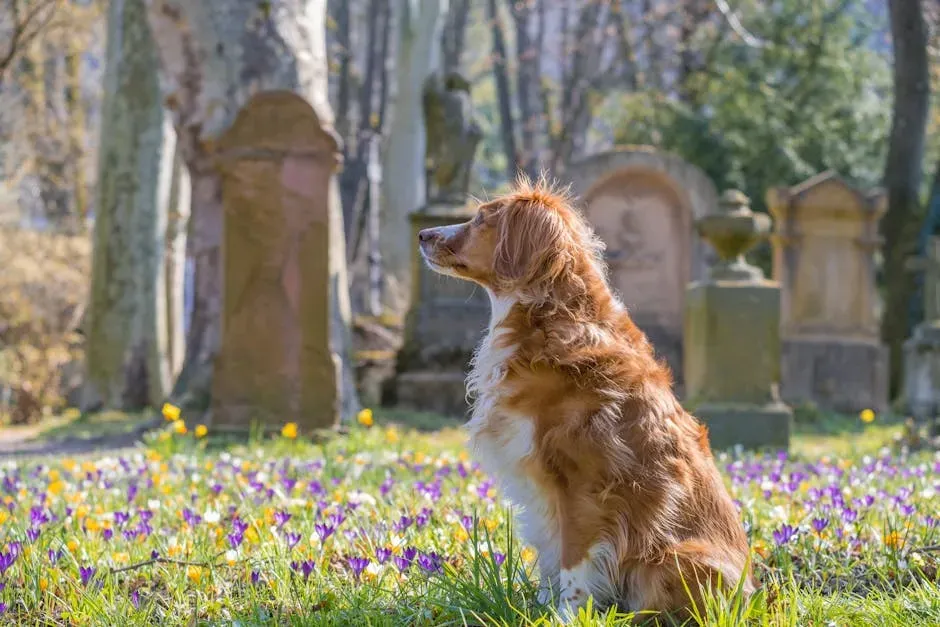
Behavioral adjustments commonly persist for two to six months in documented cases involving companion loss. A notable portion of dogs continue showing changes past the six-month mark, with some owners reporting subtle differences for even longer periods. This timeline challenges the idea that dogs simply move on within weeks.
Individual variation stands out as a key factor. One dog might resume normal eating and activity sooner, while another maintains reduced energy or heightened vigilance. Factors like the dog’s age, prior routine stability, and presence of other supportive humans influence the pace.
Physiological Clues Behind the Behavior
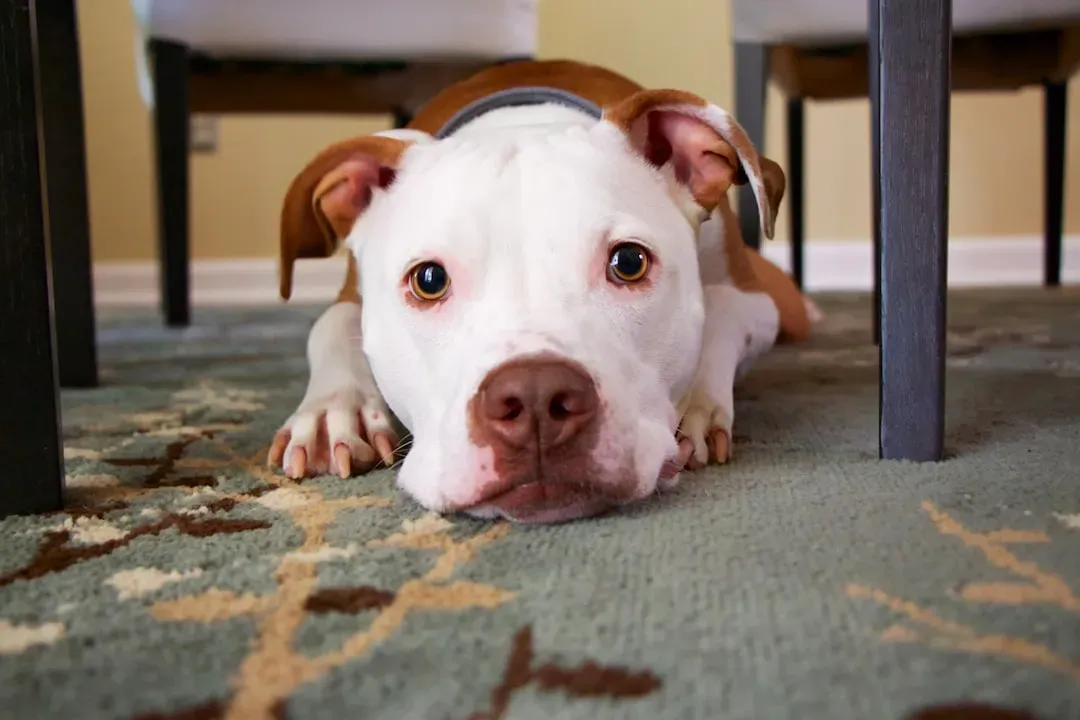
Stress indicators appear in studies of dogs separated from attached humans, including changes in activity levels and comfort-seeking. Cortisol measurements in related research point to elevated responses during absences that feel permanent. These bodily signals align with the outward behavioral shifts owners notice.
Brain imaging work reveals overlapping emotional processing areas in dogs and humans during attachment-related experiences. While direct grief studies on human loss remain limited compared with dog-to-dog cases, the attachment framework supports similar emotional weight. The result is a period of adjustment that unfolds gradually rather than abruptly.
Supporting a Dog Through the Process
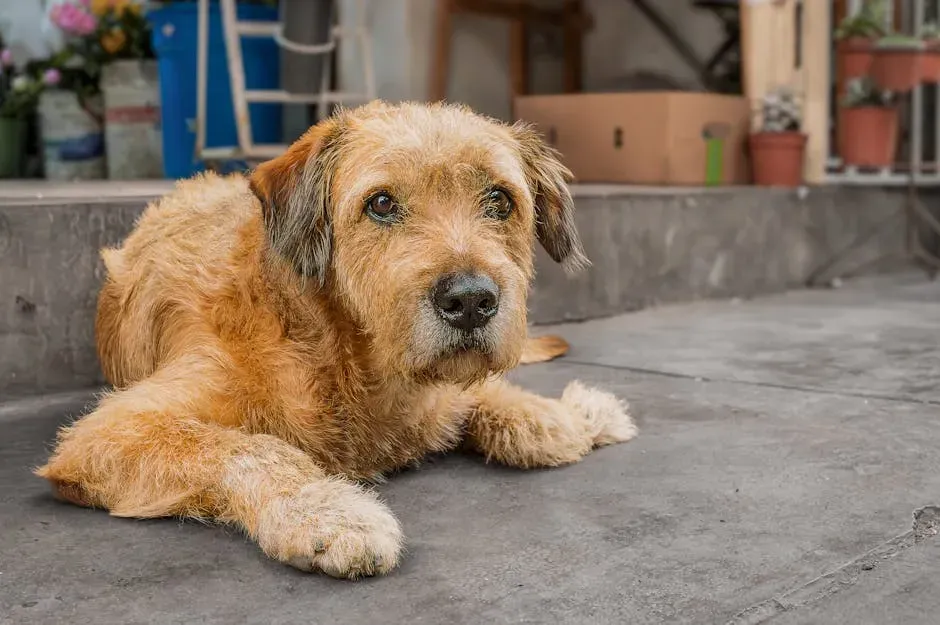
Maintaining familiar routines helps anchor a grieving dog during the transition. Consistent feeding times, walks, and interaction patterns provide continuity when other elements have changed. Extra gentle engagement without forcing cheerfulness often proves more effective than sudden new activities.
Consulting a veterinarian rules out underlying health issues that might mimic grief symptoms. Some dogs benefit from environmental adjustments like additional bedding in favorite spots or calm companionship from other pets. Patience remains central, as rushing recovery rarely shortens the natural timeline.
Distinctions From Human Grief Experiences

Dogs likely do not conceptualize death in the abstract way people do, yet the emotional and behavioral impact registers clearly. Their response centers on the missing daily presence rather than philosophical finality. This difference does not diminish the observable effects but frames them within canine perception.
Owner grief can influence the household atmosphere, sometimes amplifying a dog’s stress signals through shared emotional cues. Studies note correlations between owner distress and surviving dogs’ behavioral changes. The interspecies dynamic creates a feedback loop that extends the adjustment period for everyone involved.
Why These Findings Matter for Everyday Care
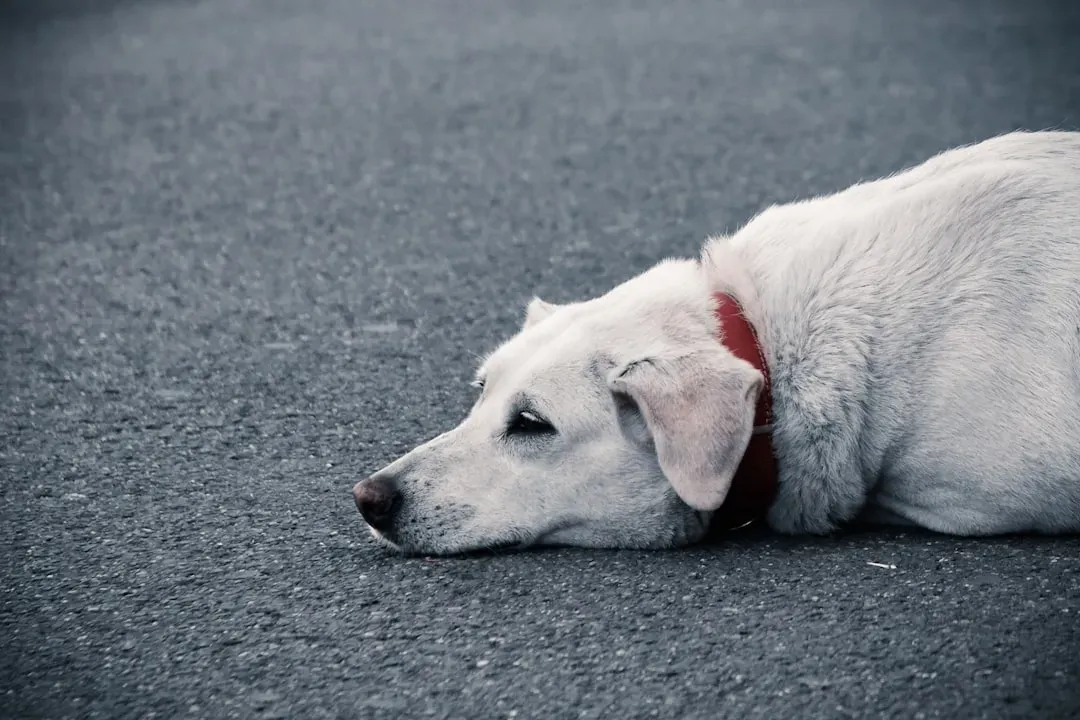
Recognizing prolonged mourning behaviors encourages more thoughtful responses from owners facing loss. It shifts focus from quick fixes toward sustained support that respects the dog’s pace. Evidence from multiple studies underscores that these reactions reflect genuine attachment rather than fleeting confusion.
Ultimately, allowing space for the process honors the depth of the original bond. Dogs carry the effects of significant relationships in ways that reward attentive, steady care over time. This understanding fosters stronger connections while they last and gentler transitions when they end.


