
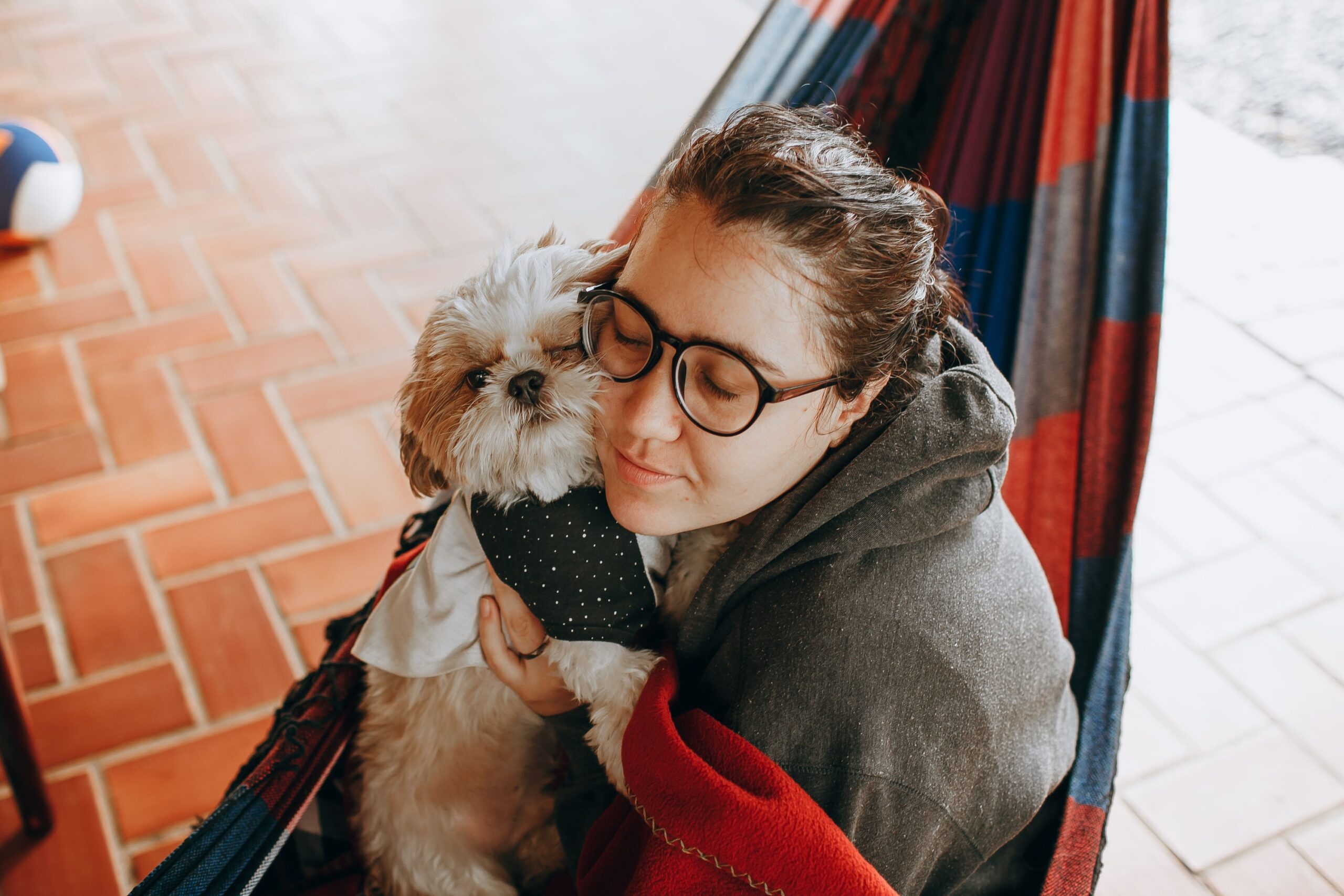
Realizing, too late, that your dog had been saying goodbye all along can hit like a tidal wave. You replay the last few weeks in your mind, suddenly seeing patterns that felt random at the time: the extra cuddle, the odd hiding, the way they stared at you just a little too long. It can feel heartbreaking, confusing, and strangely comforting all at once.
This is one of those topics where science, behavior, and raw emotion collide. While dogs do not understand human concepts like a calendar or a diagnosis, they absolutely experience physical decline, shifts in perception, and changes in emotion. Those changes often show up as behaviors that we, looking backward, read as farewell. Let’s walk through them carefully and compassionately, so you can make sense of what happened without blaming yourself.
1. The Sudden Clinginess: When Your Shadow Got Even Closer
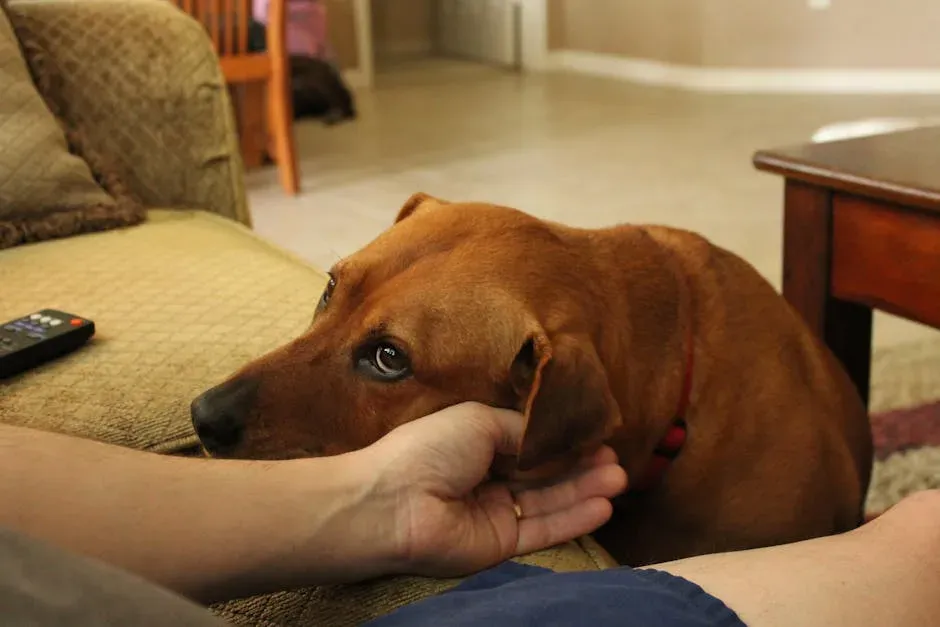
One of the most common stories people tell is that their dog suddenly would not leave their side in the last weeks. A dog that once snoozed across the room now follows you from couch to kitchen to bathroom, curling up as close as physically possible. It can feel like love turned up to maximum volume, and in many ways, it is.
From a scientific angle, this shift is often linked to pain, fatigue, or anxiety as the body starts to struggle. Dogs are social animals; when they feel vulnerable, they often seek the safest, most familiar anchor they know: you. Their increased neediness is not manipulation; it is a survival instinct colliding with affection. To us, in hindsight, it looks like a dog trying to soak up every last moment together.
2. The Quiet Withdrawal: Choosing Another Room, Another Bed, Another Corner

At the exact opposite end of the spectrum, some dogs start doing the reverse: they slip away. A dog that always slept on your bed starts choosing the hallway, the bathroom mat, or under a table. You might have brushed it off as them being quirky, hot, or just “being weird” that week.
There is a strong biological pattern here. Many animals, when unwell or close to death, seek out quiet, low-stimulation spaces. Pain, nausea, or confusion can make social contact overwhelming, even with the person they love most. That quiet retreat often gets reinterpreted later as a kind of private, gentle goodbye: not because they loved you less, but because their body was pulling them inward.
3. Changes in Appetite and Water: The Body’s Final Language

One of the clearest, most physical ways dogs “say goodbye” is through changes in eating and drinking. Maybe your dog, who once inhaled meals, suddenly picked at food, walked away from the bowl, or just licked the gravy. Sometimes there are brief, confusing bursts where they eat better for a day, giving you a false sense of relief before another drop.
Loss of appetite, difficulty swallowing, nausea, or simply not having the energy to eat are all common signals that the body is struggling. Near the end of life, the entire system slows down; digestion becomes less of a priority. It is not a conscious decision to stop eating to “leave you”; it is the body quietly stepping back from normal routines. When we look back, what felt like a stubborn phase often reads as one of the clearest physical goodbyes.
4. The Long, Lingering Looks: Eye Contact That Feels Different
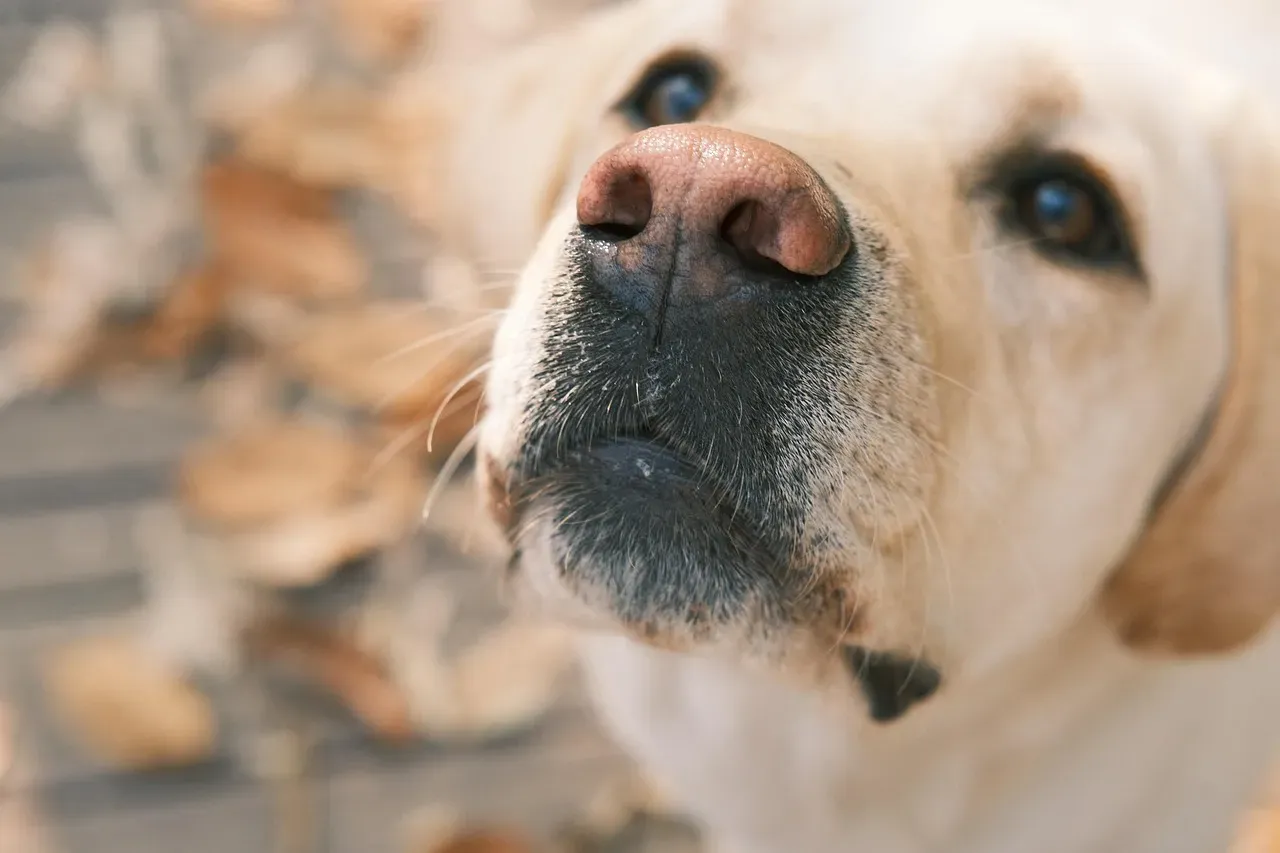
Many people remember one specific moment: the way their dog stared at them from the couch, the bed, or the floor, just holding eye contact a little longer than usual. It can feel unnervingly intense, almost as if they were trying to tell you something very specific. You may not have understood it then, but that memory sticks like glue.
We know that eye contact between humans and dogs triggers bonding chemistry in both species, deepening attachment. In the final weeks, a dog may be less active but more observant, watching you as you move around, taking in your voice and your presence. Whether that gaze is driven by confusion, comfort, or simple love, it often becomes, in your memory, a silent thank you and farewell rolled into one.
5. Odd Little Bursts of Energy: The “Rally” Before the Decline
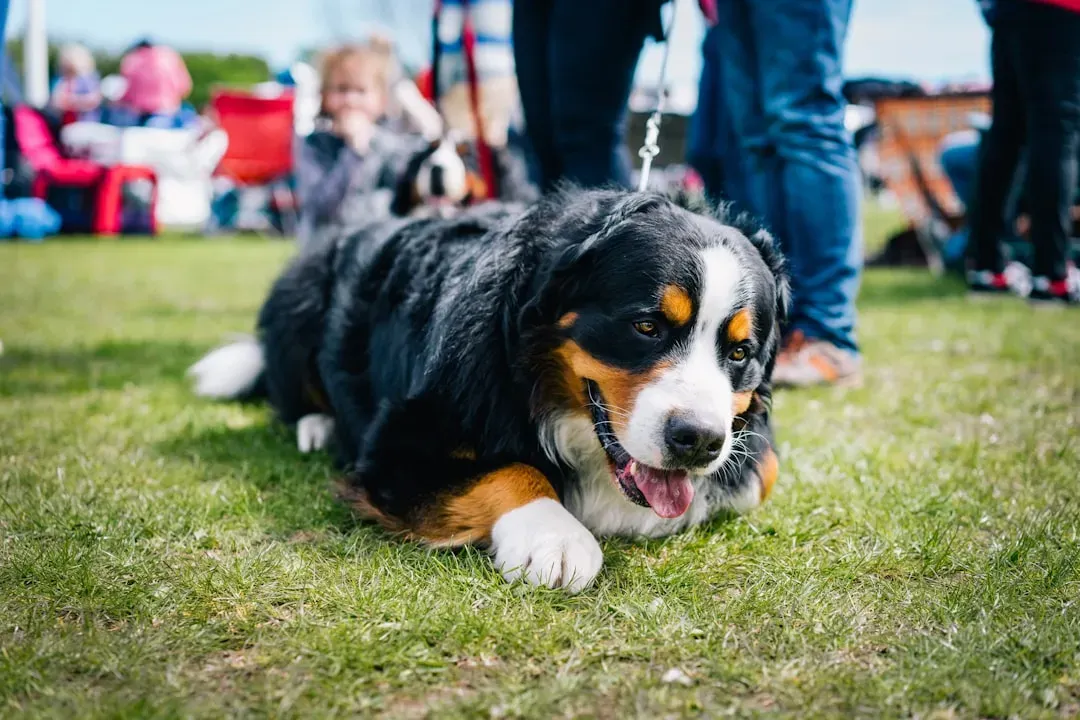
One of the most painful patterns is what many guardians describe as a “good day” just before things get much worse. A dog who has been weak or withdrawn suddenly perks up: they wag more, eat better, maybe even ask for a short walk or play with a toy they had been ignoring. It feels like a miracle, a turnaround, a sign that maybe you were worrying for nothing.
Medically, this is often called a rally. The reasons are not perfectly understood, but it may involve changes in metabolism or pain perception that temporarily make them feel lighter. Emotionally, that short window can be a gift and a curse. You might interpret it now as your dog’s last big effort to be themselves for you one more time, even if, in reality, it was their body’s final flicker before dimming. Either way, it becomes one of the most powerful goodbye memories.
6. Changing Sleep Patterns and Nighttime Restlessness

Sleep is another subtle stage where goodbye starts speaking through behavior. Dogs near the end of life may sleep far more than they used to, drifting into long, deep naps and being hard to rouse. Others experience the opposite: pacing at night, panting, shifting spots, or seeming unable to get comfortable. At the time, you might have blamed the weather, the bed, or something they ate.
Both extremes usually reflect underlying discomfort, organ changes, pain, or cognitive shifts. Increased sleep is the body’s way of conserving precious energy, while restless nights may come from pain or confusion. Sharing the floor with them at 2 a.m., hand on their fur, feeling them finally settle against you, is one of those quiet, unglamorous acts of love. Looking back, those sleepless nights often feel like one long, slow, unspoken goodbye.
7. Subtle Personality Shifts: When Your Familiar Dog Felt Slightly Unfamiliar
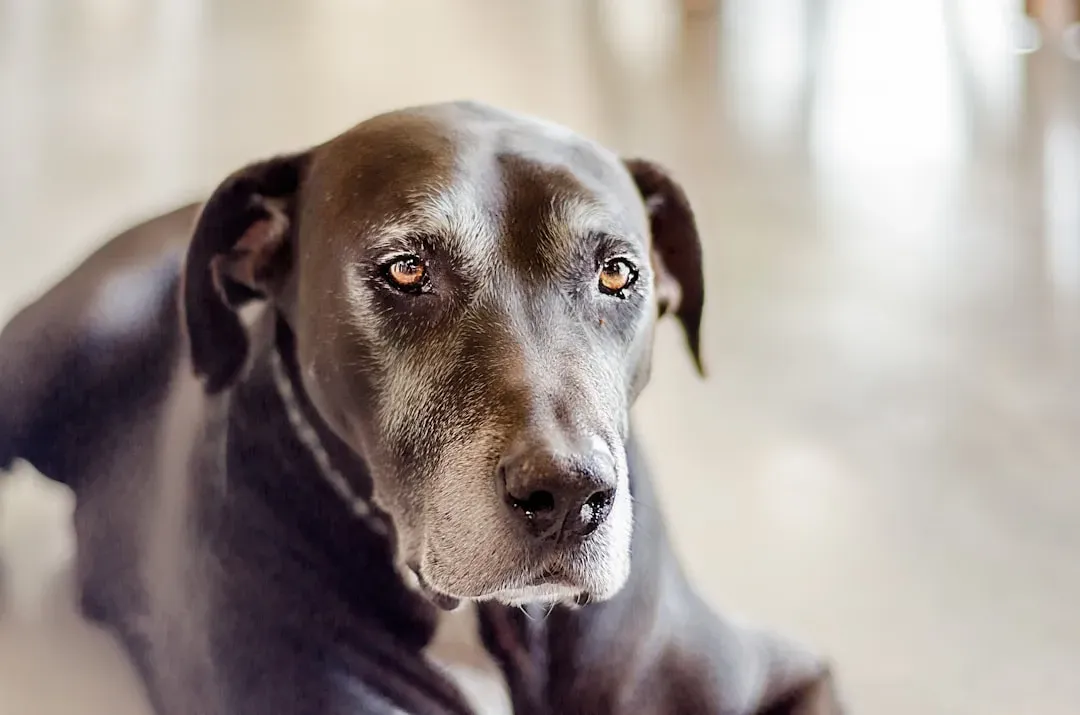
Maybe your confident dog became nervous around stairs, visitors, or sounds that never bothered them before. Or your shy dog suddenly seemed more tolerant, more mellow, even a little distant. These personality tweaks can be so small that you only fully notice them in hindsight, once you know how the story ends.
Health changes, pain, reduced hearing or vision, or changes in the brain can absolutely nudge personality and reactions. A dog who used to greet you with explosive enthusiasm might offer smaller, slower welcomes, yet still track you with their eyes from the sofa. It is not that they stopped loving you; the energy and comfort they once had to express it just got thinner. Those subtle shifts, when stitched together in your memory, form a quiet, complex portrait of a dog already walking the edge between staying and leaving.
Learning to Forgive Yourself: Understanding What You Couldn’t Have Known
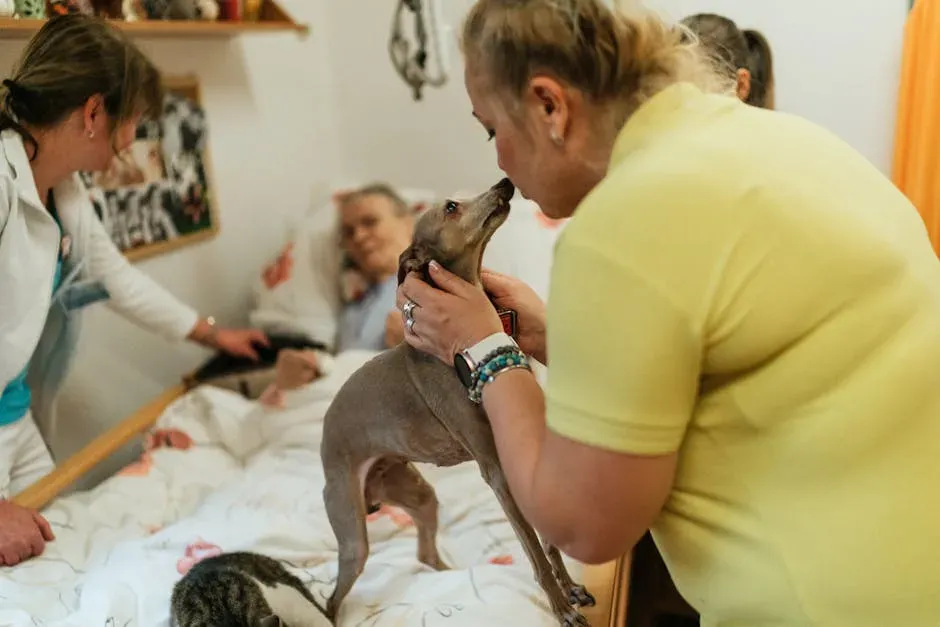
If you are reading this and realizing, with a lump in your throat, that your dog showed several of these signs, the temptation to blame yourself can be brutal. You might be thinking that you should have noticed sooner, acted faster, or understood what those changes meant. But here is the hard, honest truth: most people only recognize these signals clearly when they look back.
Dogs do not come with subtitles; their goodbyes are mixed in with everyday quirks, aging, and random off days. You likely responded with love in real time: extra pets, a vet visit, a softer bed, a shorter walk, a longer cuddle. That is what your dog actually felt. Their final weeks were made of those small, caring decisions, not of your hindsight regrets. If there is any lasting goodbye message from your dog, it is probably this: you were enough, even when you did not know what was coming.
Conclusion: Goodbye Was Never Just One Moment
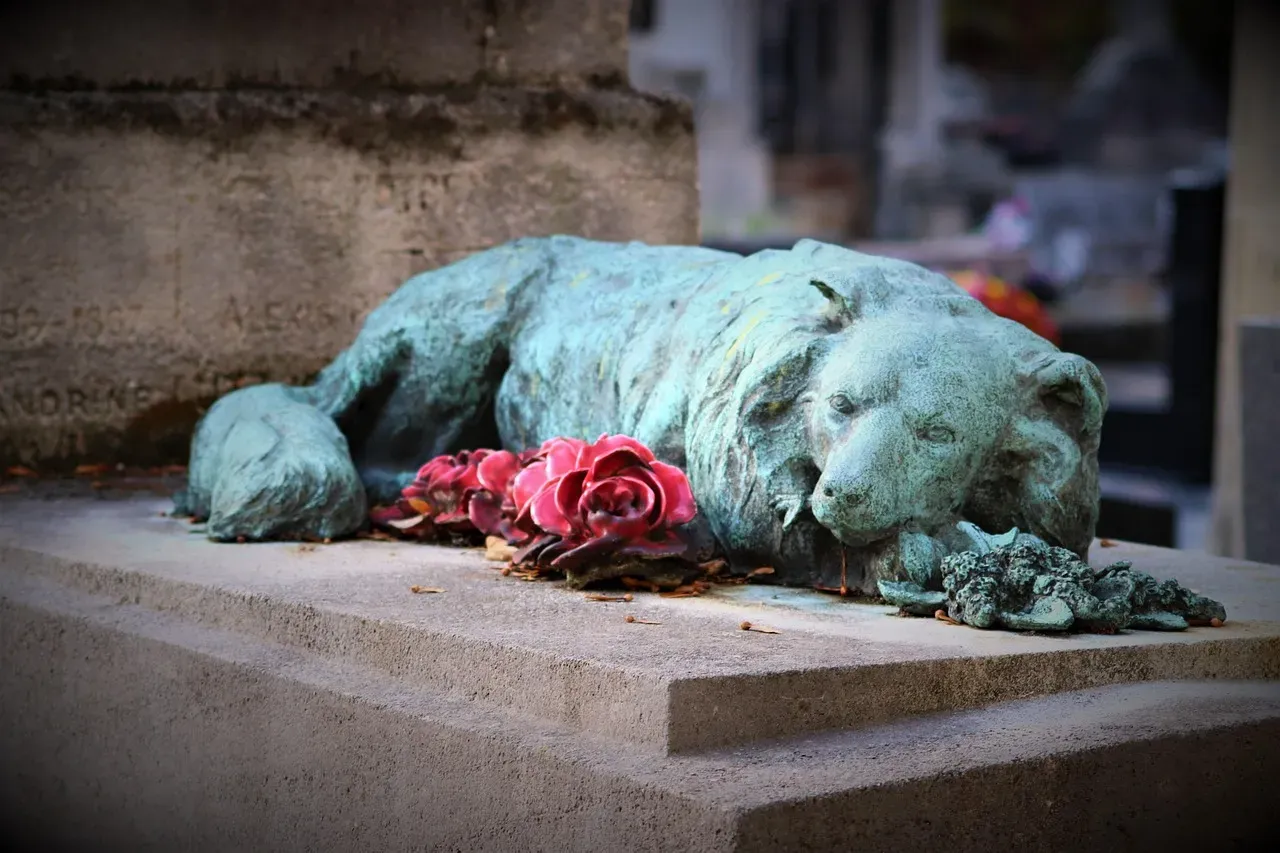
We tend to think of goodbye as a single, sharp point in time: the last breath, the final car ride, the moment at the vet clinic. But with dogs, goodbye usually unfolds in slow motion over weeks or months, woven into clinginess and withdrawal, sleepless nights and quiet stares, skipped meals and brief rallies of joy. Those behaviors are not proof that you missed something unforgivable; they are evidence that your dog was living their last chapter the same way they lived every other one, right alongside you.
My own opinion, after hearing so many stories and living through this myself, is that dogs are not sitting there planning a dramatic farewell. They are simply feeling what they feel, moment by moment, and reaching for us the way they always have. We are the ones who transform those moments into a narrative of goodbye, and that is part of how we heal. So if you are haunted by the thought that you did not see it coming, ask yourself a different question instead: in those confusing final weeks, did your dog still find comfort in you? If the answer is yes, then in all the ways that mattered most, you already showed up for their goodbye.


