

Some dogs melt your heart, others slowly melt your savings account. A lot of first-time owners budget for food and a leash, then get blindsided by grooming bills, insurance premiums, specialist vets, and that one emergency surgery that costs as much as a used car. The truth is, certain breeds are almost guaranteed to be expensive over the long run, even when you do everything right.
If you’ve ever walked out of the vet clutching a receipt and silently questioning your life choices, you’re not alone. In this article, we’ll walk through ten breeds that are famously pricey to maintain, and why. The goal isn’t to scare you away from them, but to show you what “realistic” looks like: grooming schedules that feel like gym memberships, health insurance that rivals a small mortgage, and hidden lifestyle costs people rarely mention. Let’s dig in before your wallet does.
1. French Bulldog: The Adorable Respiratory Money Pit
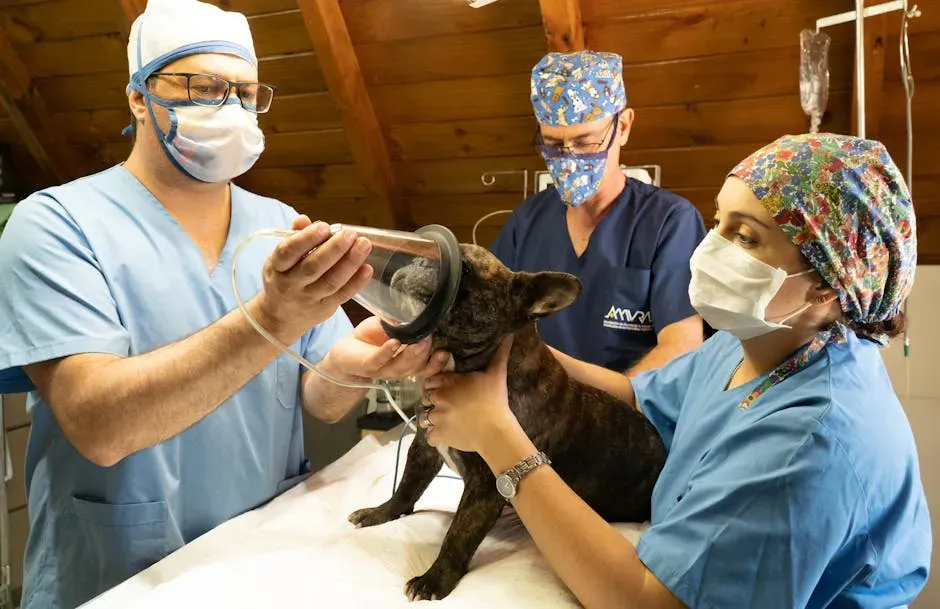
French Bulldogs are everywhere right now, and there’s a reason: they’re small, charming, and ridiculously expressive. But that flat face comes with a long list of vet bills. Many Frenchies struggle with breathing issues linked to their short snouts, which can lead to costly surgeries, sleep problems, and repeated vet visits over their lifetime. Add in allergies and skin fold infections, and your monthly expenses can escalate fast.
On top of medical costs, they are not exactly low-maintenance couch potatoes in the financial sense. Their compact bodies can still pack on weight easily, so you’ll likely be investing in premium food, supplements, and sometimes even behavior or training support to manage their stubborn streak. A lot of owners say they’d never give up their Frenchie, but they admit that if they’d known the true costs upfront, they might have planned a lot more carefully.
2. English Bulldog: Big Love, Bigger Vet Bills

If there were a poster child for expensive breeds, the English Bulldog would be near the top of the list. Their trademark wrinkles and chunky build come with high risks of joint problems, hip and elbow issues, chronic skin infections, and breathing difficulties. Surgeries for airway correction, eye problems, or orthopedic issues aren’t rare with this breed – they’re almost expected over a lifetime.
English Bulldogs also don’t tolerate heat well, so you may need air conditioning, cooling mats, and careful planning just to keep them safe in warmer climates. They’re not big on long walks, but they make up for it in the number of specialized products and vet visits they tend to require. If you fall in love with this breed, going in with a substantial savings buffer – and good pet insurance – is practically non-negotiable.
3. German Shepherd: High Performance, High Overhead

German Shepherds are working dogs built like athletes, and athletes are expensive to maintain. Their large size alone pushes costs up: more food, bigger crates, stronger leashes, and larger doses of flea, tick, and heartworm preventatives. But where the costs really hit is in training and health care. They are intelligent, driven, and energetic, which means serious investment in structured training and mental stimulation if you want a well-balanced dog.
From a health standpoint, German Shepherds are known to be at risk for hip and elbow dysplasia, degenerative myelopathy, and certain digestive and allergy issues. Imaging, specialist consults, and long-term medication can add up shockingly fast. I’ve met more than one owner who said they were prepared for a “big dog budget,” but not for the reality of long-term orthopedic care that sometimes runs for years.
4. Golden Retriever: The Sweet Family Dog With Hidden Costs

Golden Retrievers have this wholesome, sunshine-filled reputation, but their cost profile is more stormy than most people realize. They shed heavily, which might not sound expensive until you factor in regular grooming, brushes, vacuums, and sometimes professional deshedding sessions just to keep your home livable. Their love of water and mud also means more baths, more cleaning products, and more wear and tear on your home.
The bigger financial concern is health. Goldens have a relatively high rate of cancer and can be prone to allergies, ear infections, and joint issues. Owners often end up paying for repeated vet checks, imaging, surgeries, and medications. Many people go in thinking “family dog, easy choice” and then discover they’re effectively funding a small medical program over the dog’s lifetime.
5. Poodle (Standard, Miniature, and Toy): Grooming Royalty With a Regal Price Tag
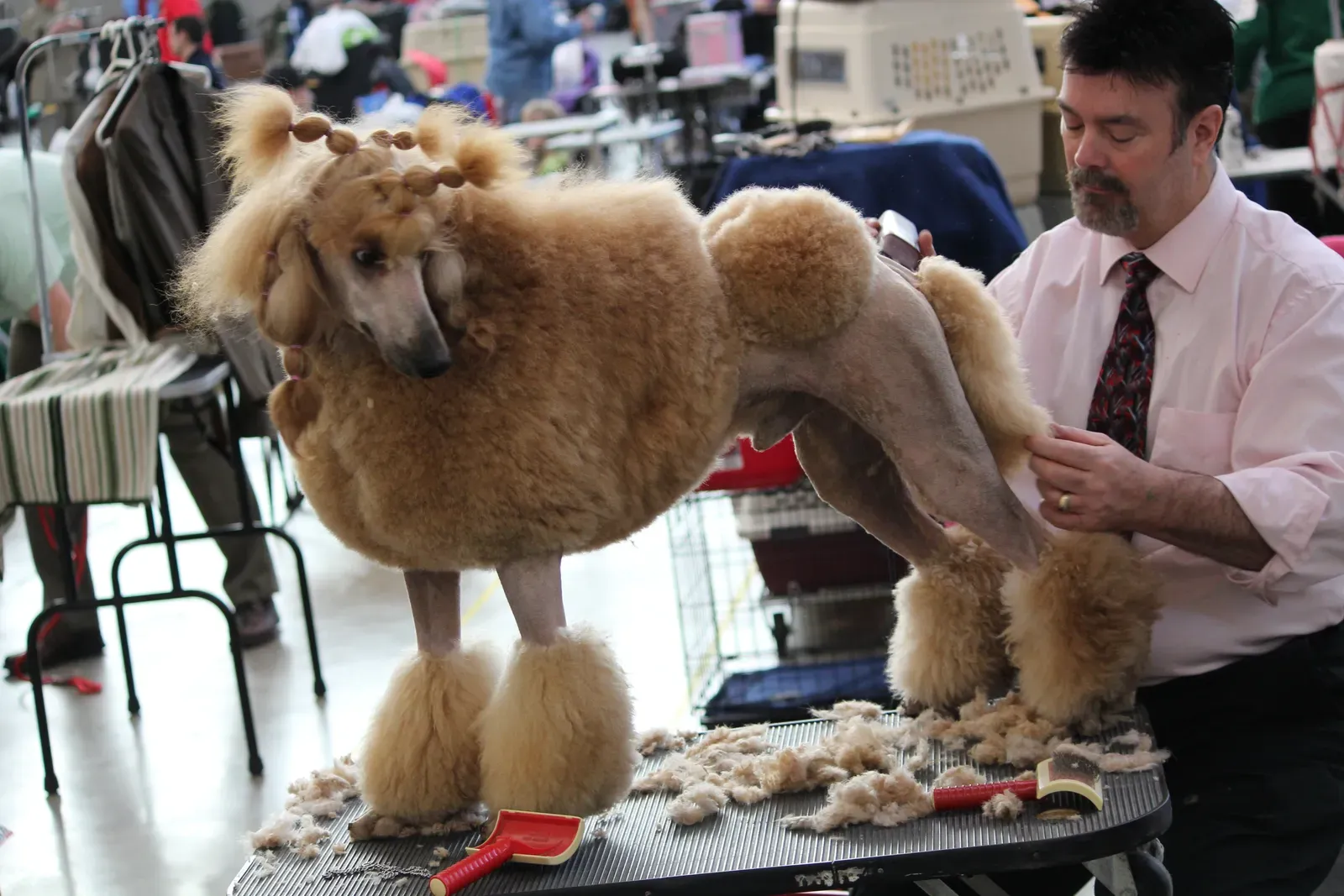
Poodles are incredibly smart, often healthy, and low-shedding, which sounds perfect – until you calculate grooming. Their curly, continuously growing coat is not a quick DIY project unless you become half-groomer yourself. Many owners book professional grooming every four to eight weeks, and each session can cost enough that you absolutely feel it when you have to reschedule or add on extras like dematting or special trims.
Beyond grooming, Poodles can be prone to certain genetic conditions: hip dysplasia in Standards, eye issues, and sometimes endocrine problems like Addison’s disease. Regular screening, bloodwork, and preventative care are crucial to catch things early. The irony is that many people choose a Poodle for their elegance and cleanliness, only to discover that keeping them looking and feeling that way requires the same financial dedication you’d give to a luxury car.
6. Bernese Mountain Dog: Gentle Giant, Short Life, Long Receipts

Bernese Mountain Dogs are breathtakingly beautiful and famously sweet, but they come with a sobering combination: large size, relatively short life expectancy, and significant health risks. They eat a lot, require spacious living conditions, and often need specialized orthopedic beds or supports for their joints. Even routine procedures like dental cleanings or imaging cost more simply because of their size and the higher doses of medication they require.
Unfortunately, Berners are known for a higher risk of cancers and orthopedic problems, which can lead to multiple big-ticket vet events over a fairly short lifespan. Emotionally, that is tough; financially, it can feel relentless. People who own them will tell you the love is worth it, but many also say they underestimated just how much they’d be investing in end-of-life care and repeated treatments.
7. Siberian Husky: Escape Artist With a Cold Climate Budget

At first glance, the Siberian Husky looks like a low-cost dream: generally healthy, athletic, and not a heavy eater for their size. The hidden costs show up in lifestyle and environment. These dogs are bred for cold-weather work, which means if you live in a warmer region, you might pay more in cooling, indoor enrichment, and even special gear to protect their thick coat and sensitive paws from heat. You also have to Husky-proof your home and yard like you’re securing a prison break artist.
Huskies need intense exercise and mental stimulation, or they can become destructive or develop behavioral issues. That often means paying for dog daycare, professional training, secure fencing, long leashes, sledding or canicross equipment, and enrichment toys that are designed to survive their energy level. I know Husky owners who joke that the dog itself was cheap; it was everything they had to buy to keep that dog sane and safe that really hurt.
8. Great Dane: Massive Heart, Massive Everything

Great Danes are often described as gentle giants, and that’s accurate – but giants are not budget-friendly. Almost every recurring cost is supersized: food, beds, crates, collars, medications, and even vehicles if you want to transport them comfortably. If a small dog needs a standard dose of something, a Dane might need two, three, or more times that amount, and the price tag scales up accordingly.
They are also prone to serious health issues like bloat (gastric torsion), heart disease, and joint problems, many of which require emergency interventions or advanced diagnostics. A single emergency surgery for bloat can wipe out a savings account. When people say Great Danes are “expensive but worth it,” what they really mean is that you need both a big heart and a realistic, big-number budget to do right by them.
9. Yorkshire Terrier: Tiny Dog, Surprisingly Large Expenses

Yorkies may be small, but their cost curve is steeper than many people expect. Their fine, silky coats require regular grooming if you keep them long – and even in a short “puppy cut,” you’re looking at frequent trims, maintenance brushes, and professional clean-ups around the face and paws. Small-dog grooming is still specialist work, and prices often don’t scale down as much as you might think.
Health-wise, Yorkies can be prone to dental disease, tracheal collapse, luxating patellas, and hypoglycemia, especially when young. Dental care alone can get expensive quickly because small dogs tend to need more frequent cleanings and sometimes extractions. When you add in the cost of high-quality food, tiny but tailored gear, and possibly even carrying bags or travel accessories, you realize this little dog quietly commands a very non-little budget.
10. Rottweiler: Powerhouse Breed With Heavy-Duty Costs

Rottweilers are strong, confident, and deeply loyal, but they don’t fit into a bargain lifestyle. As large, powerful dogs, they require high-quality nutrition, robust equipment, and serious training to ensure they’re well-managed and safe in all situations. Skimping on training with this breed is risky, so most responsible owners invest in obedience classes, ongoing behavior work, and often liability-friendly setups like secure fencing or reinforced gates.
They’re also predisposed to joint issues, certain cancers, and heart problems, which can lead to specialized diagnostics, surgeries, and chronic medications. Insurance for Rottweilers is often more expensive because of their size and perceived risk profile. Owning one responsibly means committing to a level of financial planning that goes beyond “dog owner” and more into “long-term project manager for a living, breathing tank.”
Conclusion: Love Deeply, Budget Honestly

The common thread with all these breeds isn’t that they’re “bad” or that you shouldn’t bring them into your life. It’s that their looks, trends, or reputations often hide just how demanding they are on your finances. I’ve met people who felt blindsided by the gap between the dog they dreamed about and the reality of ongoing bills, and I’ve also met people who went in with eyes wide open and had far less stress because they planned ahead.
If you’re drawn to one of these breeds, there’s nothing wrong with that – in fact, it can be one of the most rewarding decisions you make. But the responsible move is to do the unromantic math: estimate grooming, food, training, insurance, and a realistic emergency fund, then ask yourself if you can sustain that for a decade or more. In the end, the most loving thing you can do for a dog is not just to adore them, but to be financially ready for the version of them that needs surgery at 2 a.m., not just the one in cute photos. So now that you know the truth, which will weigh more for you when choosing a breed – your heart, or your wallet?


