
The Real Reason Your Dog Follows You From Room to Room Is Explained by Attachment Science
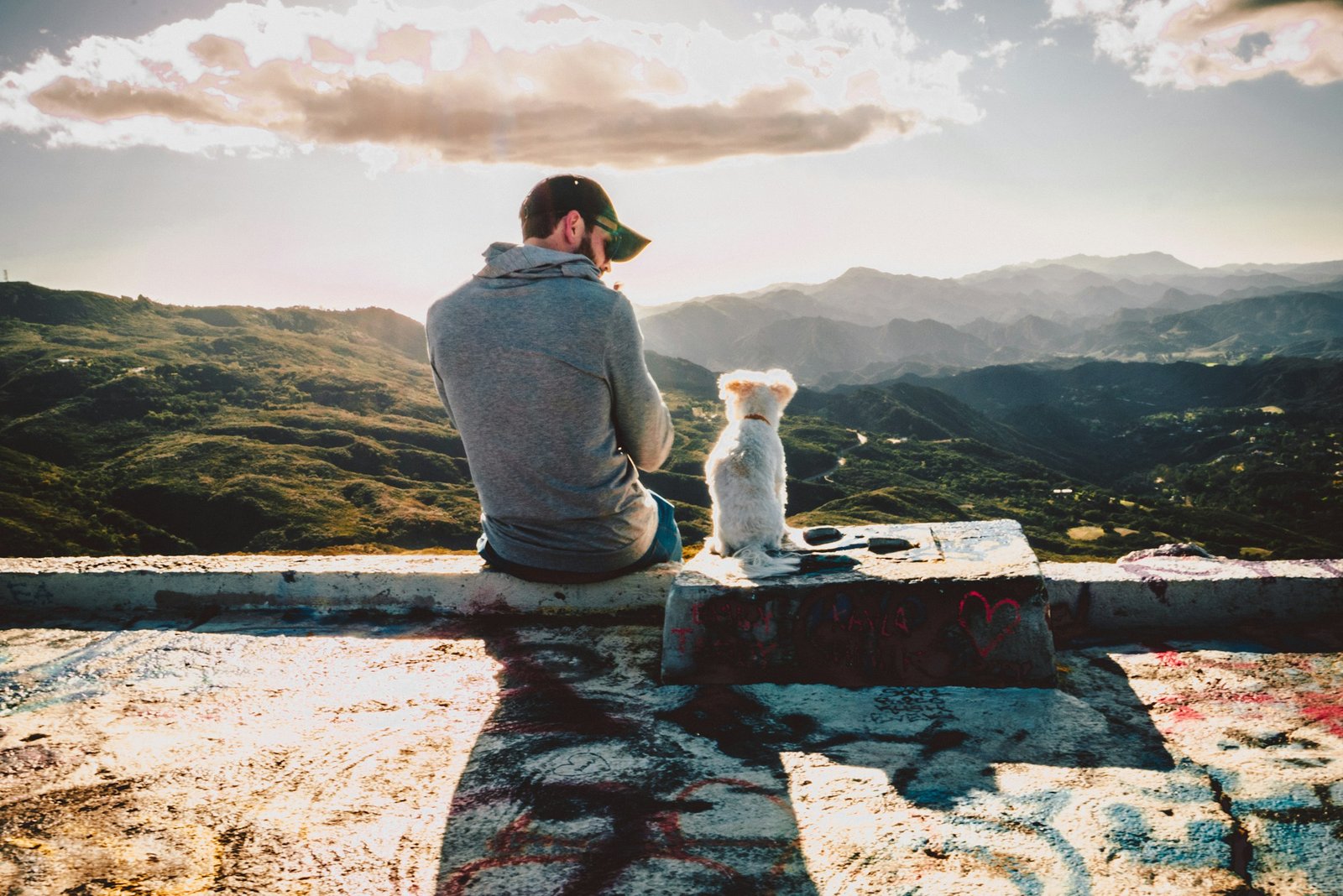
Attachment theory wasn’t built for dogs, but it fits them anyway
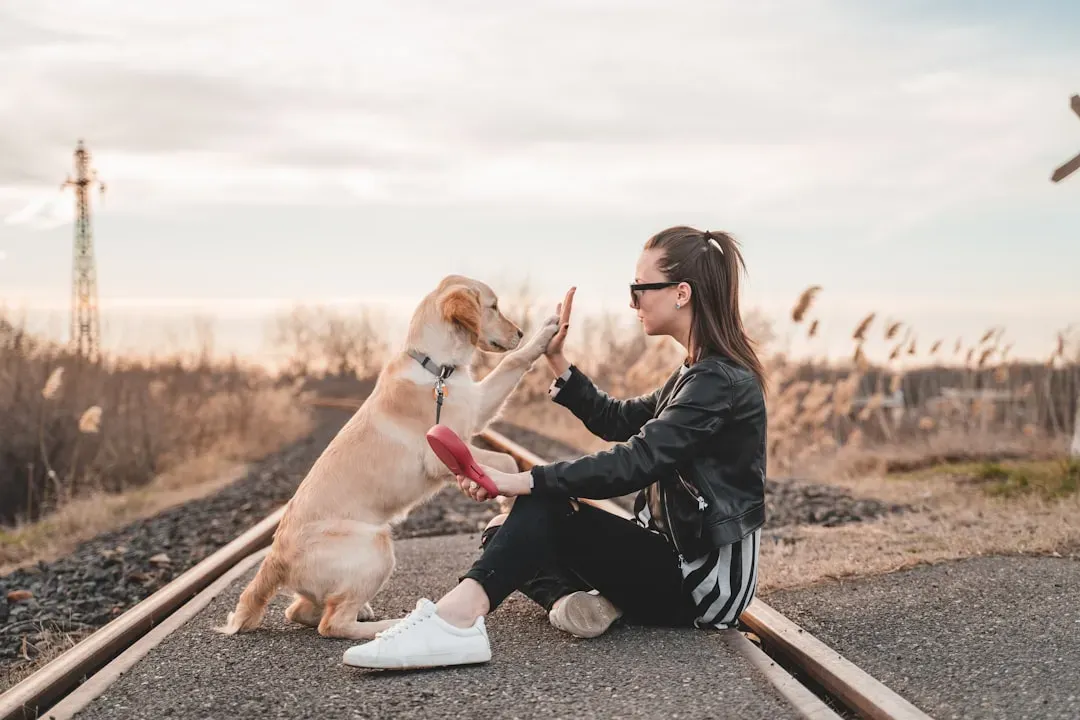
Attachment theory started as a way to explain how human babies bond with their caregivers, developed decades ago by psychologist John Bowlby and later tested experimentally by Mary Ainsworth. The core idea is simple: infants use a trusted adult as a home base, venturing out to explore the world and returning when they feel unsure or scared. For a long time, nobody thought to seriously test whether this same framework could describe a relationship between two different species.
That changed when researchers adapted Ainsworth’s famous “Strange Situation” test, originally designed for toddlers and their mothers, for use with dogs and their owners. A study using a modified version of the Ainsworth Strange Situation Test analysed 40 dog–owner pairs in order to assess whether owners can represent a secure base for their dogs. The results were striking enough that researchers concluded dogs are linked to their owners by an attachment bond, according to Bowlby’s definition.
The secure base effect explains why dogs explore more when you’re around
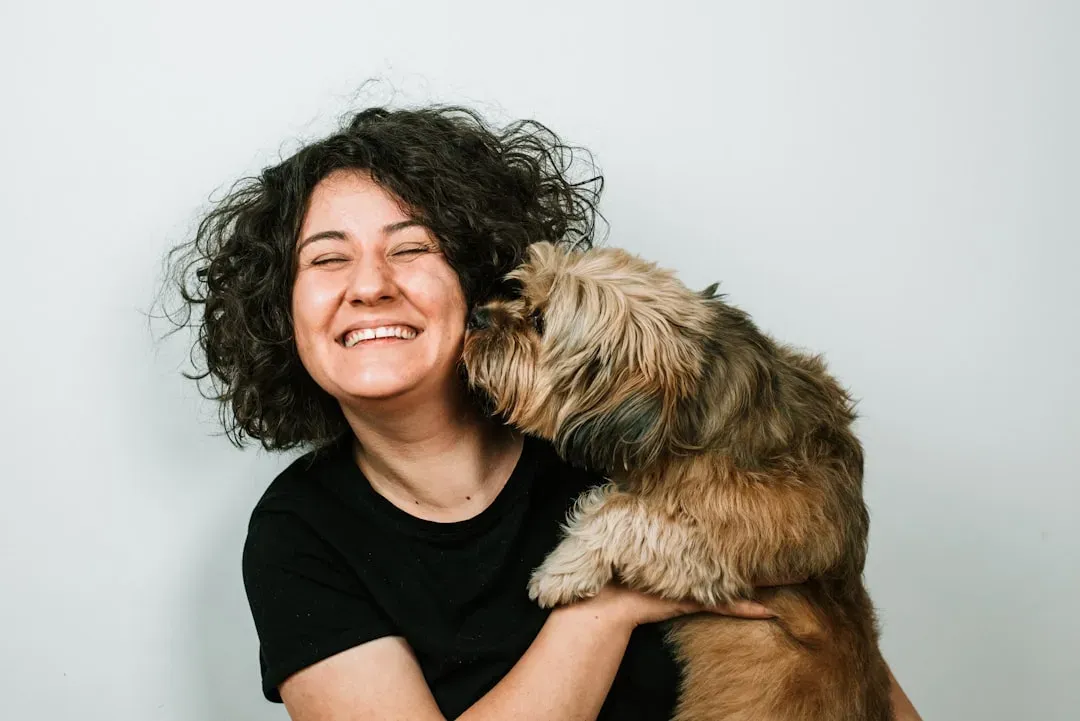
One of the clearest findings from this research involves something scientists call the secure base effect. In practical terms, it means dogs behave differently depending on whether their person is in the room or not, even when nothing else about the environment changes. Researchers found that dogs play and explore more when owners were present, suggesting that owners can represent a secure base for their dogs.
This isn’t a minor or one-off result either. A separate PLOS ONE study confirmed the pattern held up under scientific scrutiny, describing it as the first to provide evidence for an owner-specific secure base effect in dogs that extends from attachment tests to other areas of dogs’ lives and also manifests itself in cognitive testing, thereby confirming the remarkable similarity between the secure base effect in dogs and in human children. In other words, your presence isn’t just comforting to your dog in a vague, feel-good sense. It measurably changes how confidently they engage with the world around them.
Dogs treat their favorite person very differently from a stranger
It would be easy to assume dogs are just generally sociable and treat most people the same, seeking comfort from anyone nearby. The data says otherwise. In the same secure base research, scientists observed that the Wilcoxon test revealed significant differences between owner and stranger for protest at separation, contact maintenance, and secure base effect, meaning dogs whine more, seek more contact, and explore more confidently specifically around their own person compared to an unfamiliar one.Follow-up research pushed this further by testing whether strangers could ever substitute for an owner’s calming presence. The study’s own framing captured the key question directly: researchers wanted to know whether dogs would explore and manipulate the object for longer when the owner was with them than when a stranger was accompanying them, especially when the owner was encouraging them, be close to the owner for longer than to the stranger. This individualized preference is exactly what attachment theory would predict, and it’s a big part of why generic reassurance from any nearby human doesn’t work the same way yours does.
Reunions reveal just how specific the bond really is
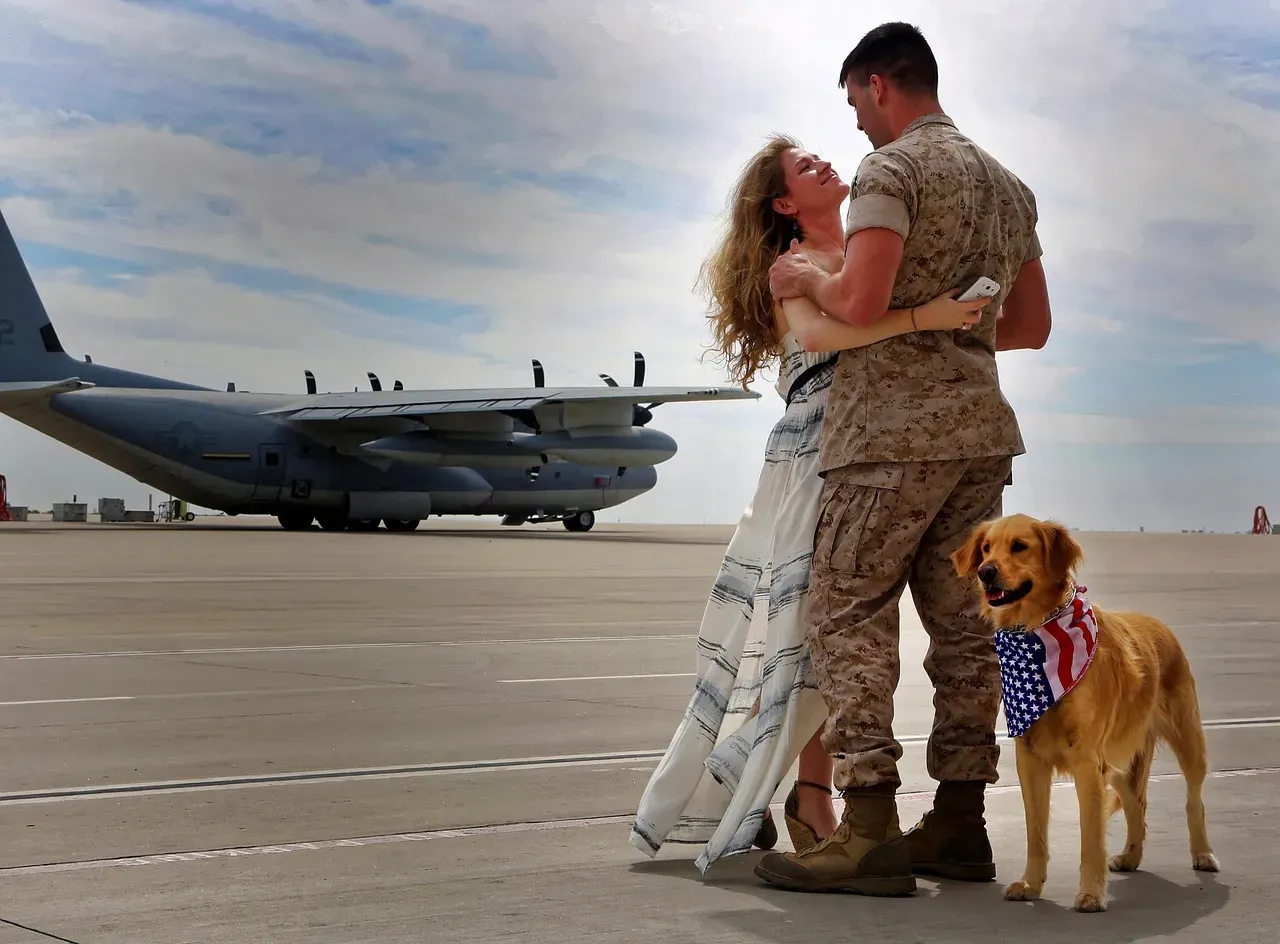
Watch what happens when you come back into a room after stepping away, even briefly. There’s often a burst of tail wagging, some sniffing, maybe a lean against your leg. Scientists have documented this too, describing it plainly: reunion with the owner, dogs show an increase in social behaviours towards him or her.This reunion behavior mirrors what developmental psychologists observe in young children reuniting with a parent after separation, and it’s considered one of the hallmark signs of a secure attachment pattern. A 2018 review of the research summarized what a securely attached dog typically looks like across an entire testing sequence, noting it’s characterized by use of the caregiver as a secure base in a novel environment, search during separation, immediate interest in regaining proximity and contact following separation, and resumption of exploration thereafter. That whole sequence, explore, notice you’re gone, search, reunite, calm back down, is the attachment pattern playing out in real time, and following you room to room is a low-stakes daily version of exactly this cycle.
Not every dog forms the same kind of attachment
Just as with children, researchers have found that dogs don’t all show the same attachment style. Some are consistently secure, using their owner as a stable anchor point without excessive distress. Others show patterns closer to what attachment researchers would call insecure, with more anxiety or less consistent behavior around separation and reunion.This distinction matters because it isn’t just behavioral, it appears to have physiological roots as well. One study specifically compared physiological stress markers between groups, aiming to measure chronic and acute physiological parameters of stress in ten securely and ten insecurely attached dogs, using saliva samples collected before and after testing to track stress hormone changes. The implication is that a dog’s attachment style to their person isn’t just a personality quirk, it can show up in measurable biological stress responses, which is a pretty compelling reason to take the bond seriously rather than dismissing it as sentimental projection.
Following behavior and separation anxiety are not the same thing
Here’s where it’s worth being careful, because these two things get lumped together constantly in casual conversation, and they shouldn’t be. A dog trailing you calmly from the living room to the kitchen and settling nearby is not automatically a problem. As one veterinary resource puts it plainly, following alone doesn’t necessarily indicate anything is wrong, since not necessarily. If your dog is relaxed, happy, and able to settle when you are not available, following you is usually a normal sign of attachment and curiosity.True separation anxiety looks different and involves genuine panic rather than simple proximity seeking. Veterinary behavior resources describe the diagnostic picture clearly: dogs with the condition usually are overly attached or dependent on family members and become extremely anxious, showing distress behaviors such as vocalization, destruction, or house soiling when separated from the owners. The distinguishing factor isn’t whether your dog follows you, most dogs do to some degree, it’s whether they can eventually relax on their own, or whether being apart from you triggers something closer to genuine distress.
Proximity works as a built-in regulator of canine stress
Step back from the individual studies and a bigger picture emerges. Dogs appear to use closeness to their person as an active tool for managing their own internal state, not just as a passive preference. When they’re near you, their exploratory behavior increases and their vigilance toward potential threats seems to decrease, which is functionally what a stress regulation system looks like.This tracks with broader research into the human analogue safe haven effect, where scientists set out specifically to test the secure base and safe haven effects of the attachment figure, central features of human attachment theory, noting that conclusive evidence for human analogue attachment behaviours in dogs has been provided. What this means practically is that your dog isn’t just enjoying your company when they follow you around the house. They’re using you, quite literally, as a regulatory anchor that helps keep their nervous system calibrated throughout an ordinary day, which is a far more sophisticated process than the simple word “clingy” usually gives credit for.
Final thoughts: it’s not neediness, it’s biology working as intended
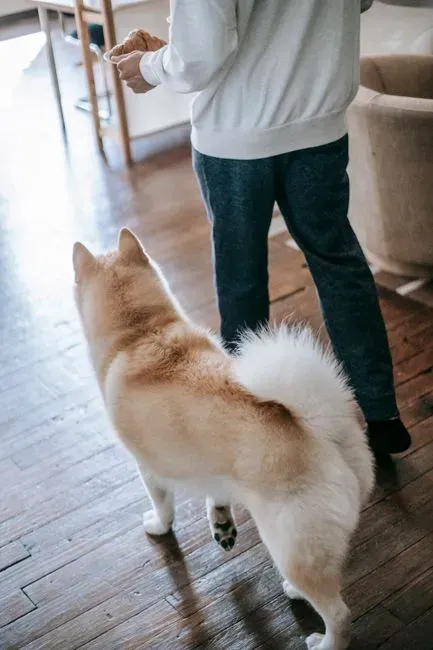
After going through the research, I’ll admit my view on this has shifted a bit. It’s tempting to roll your eyes at a dog underfoot in the kitchen for the tenth time in a day, but the science makes a pretty convincing case that this isn’t neediness or a lack of independence. It’s an attachment system doing exactly what evolution built it to do, using a trusted person as an anchor point for confidence and calm.That doesn’t mean every instance of following is automatically healthy, and it’s genuinely worth learning to distinguish secure attachment from something like anxiety that needs addressing. But for the vast majority of dogs padding along behind their favorite human, the science suggests something worth appreciating rather than managing away. That shadow at your heels isn’t a flaw to train out. It’s a relationship doing its job.