
10 Things Your Dog Needs From You Before the First Real Cold Snap Arrives
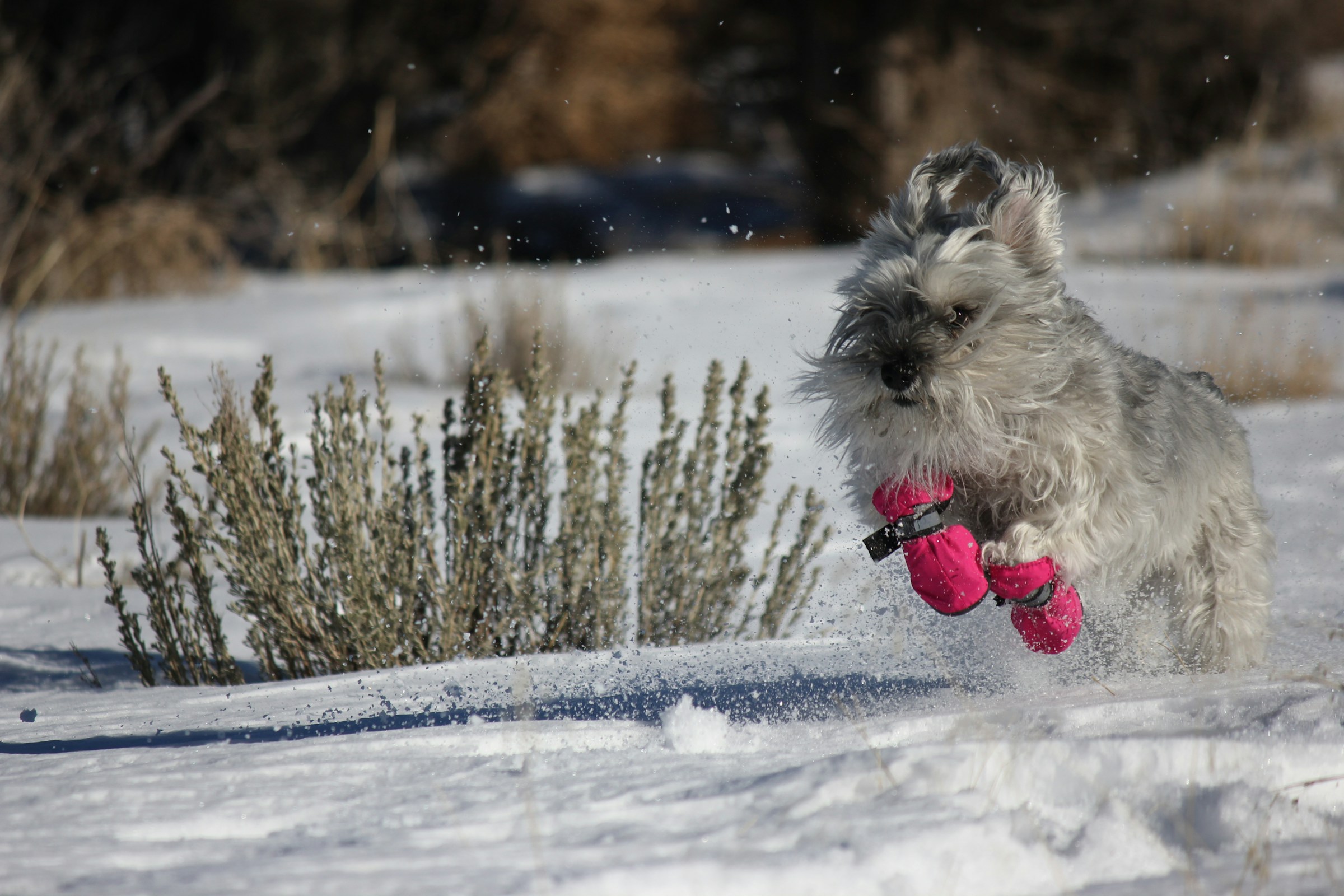
You know that first real cold snap of the season? The one that makes you suddenly realize summer isn’t just over, it’s long gone? Your dog feels that shift too, even if they can’t complain about it the way we do. Their joints, their skin, their paws, even their mood can all be knocked sideways by a fast drop in temperature. The tricky part is that many dogs will just carry on, shivering quietly or slowing down a bit, while we tell ourselves they’re fine because “they’ve got fur.”
I learned this the hard way the year my own dog suddenly refused his usual evening walk once the temperature crashed. It wasn’t stubbornness; it was discomfort I should’ve seen coming. That’s the moment it hit me: winter readiness for dogs isn’t a cute sweater and a holiday photo, it’s a real health and safety project. Before that first cold snap lands for real, here are ten things your dog genuinely needs from you to stay warm, safe, and happy all season long.
1. A Vet Check To Catch Cold-Weather Problems Early
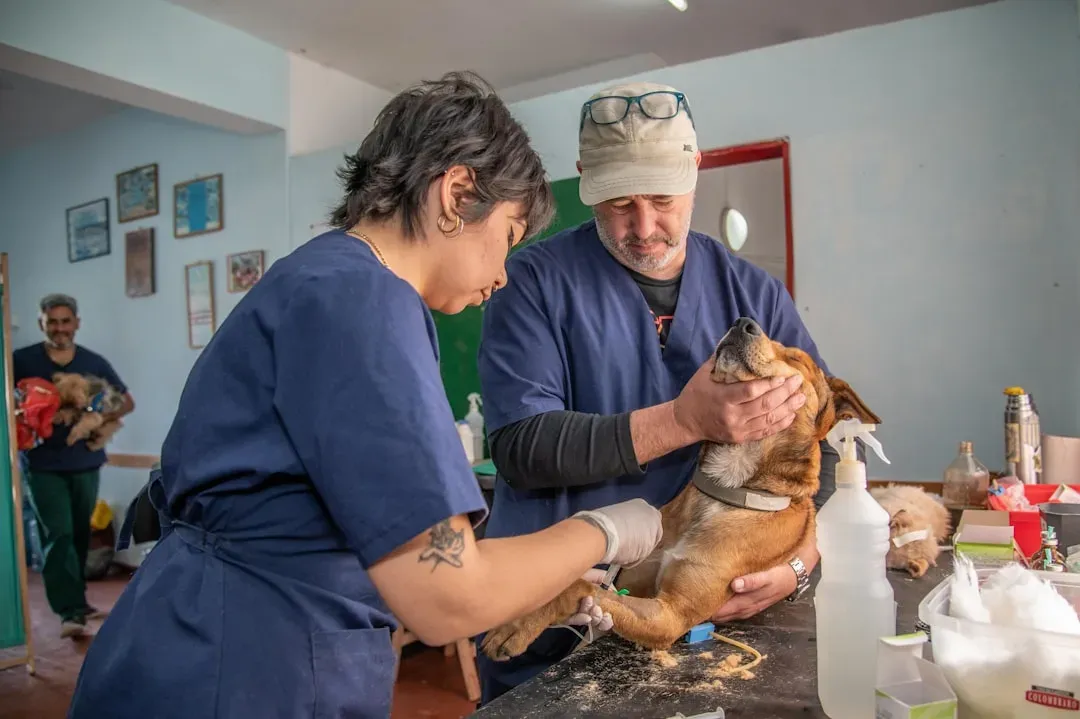
Before the cold settles in for good, your dog needs more than a new coat; they need a quick health reality check. Cold weather can make joint pain, heart issues, and breathing problems worse, and a lot of owners only notice once their dog is already struggling. A pre-winter vet visit is like checking the furnace before it fails in the middle of a blizzard: boring when everything is fine, priceless if something’s off.
If your dog is older, has arthritis, or has a heart or lung condition, this is not optional. Talk to your vet about whether your dog might need pain relief adjustments, joint supplements, or changes to exercise as temperatures drop. Ask specifically about weight, too – extra fat does not equal a healthy “winter coat”; it just adds strain to joints and the heart. Catching issues now means your dog doesn’t have to suffer every time the temperature suddenly plunges.
2. A Warm, Draft-Free Sleeping Spot (Not Just “Somewhere Inside”)

We tend to assume that if the dog sleeps indoors, they’re automatically protected from the cold. But floors get icy, drafts creep in under doors and windows, and small or short-haired dogs can lose body heat fast. If your dog spends their nights on a thin mat near a door, that first real cold snap can turn their sleep into a shivery, restless mess without you realizing it.
Before the weather flips, set up a proper winter sleep zone: a raised or thick bed away from drafts, with cozy blankets or a supportive orthopedic mattress for seniors. Tile or hardwood? Consider placing the bed on a rug or mat to create a barrier from the cold floor. Your goal isn’t to build a luxury spa; it’s to make sure your dog doesn’t wake up stiff, cold, or aching every morning just because their bed is in the wrong spot.
3. A Realistic Plan For Outdoor Time, Not “We’ll Just See”
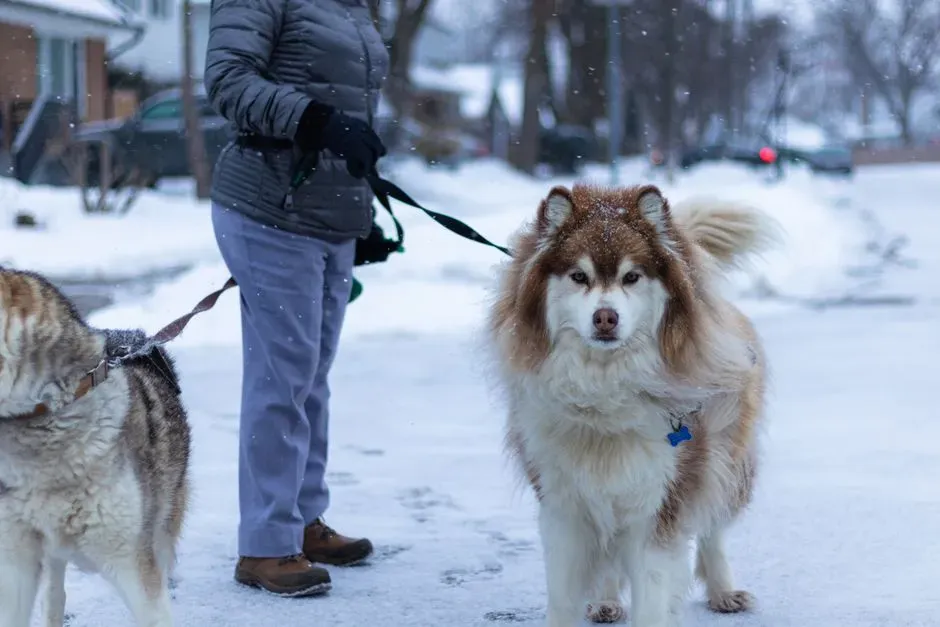
That first blast of cold tends to expose all the little lazinesses in our dog routines. Suddenly it’s dark at 5 p.m., the wind is brutal, and you’re tempted to cut your dog’s walks in half or skip them entirely. But your dog’s body and brain still need movement, and they don’t understand that you’d rather be under a blanket with a hot drink. Waiting to “see how it goes” usually means they get less exercise and more boredom than they can handle.
Before temperatures crash, decide what your winter walk rules will be. Shorter but more frequent outings? Earlier walks before it’s pitch black? A backup plan like hallway fetch or puzzle toys on the coldest days? Dogs with flat faces, tiny frames, or very little fur often need much shorter outdoor time, while many working or northern breeds still need solid exercise. Planning now means you’re not negotiating with freezing wind and a restless dog at the same time.
4. Proper Winter Gear (And Not Just For Instagram)
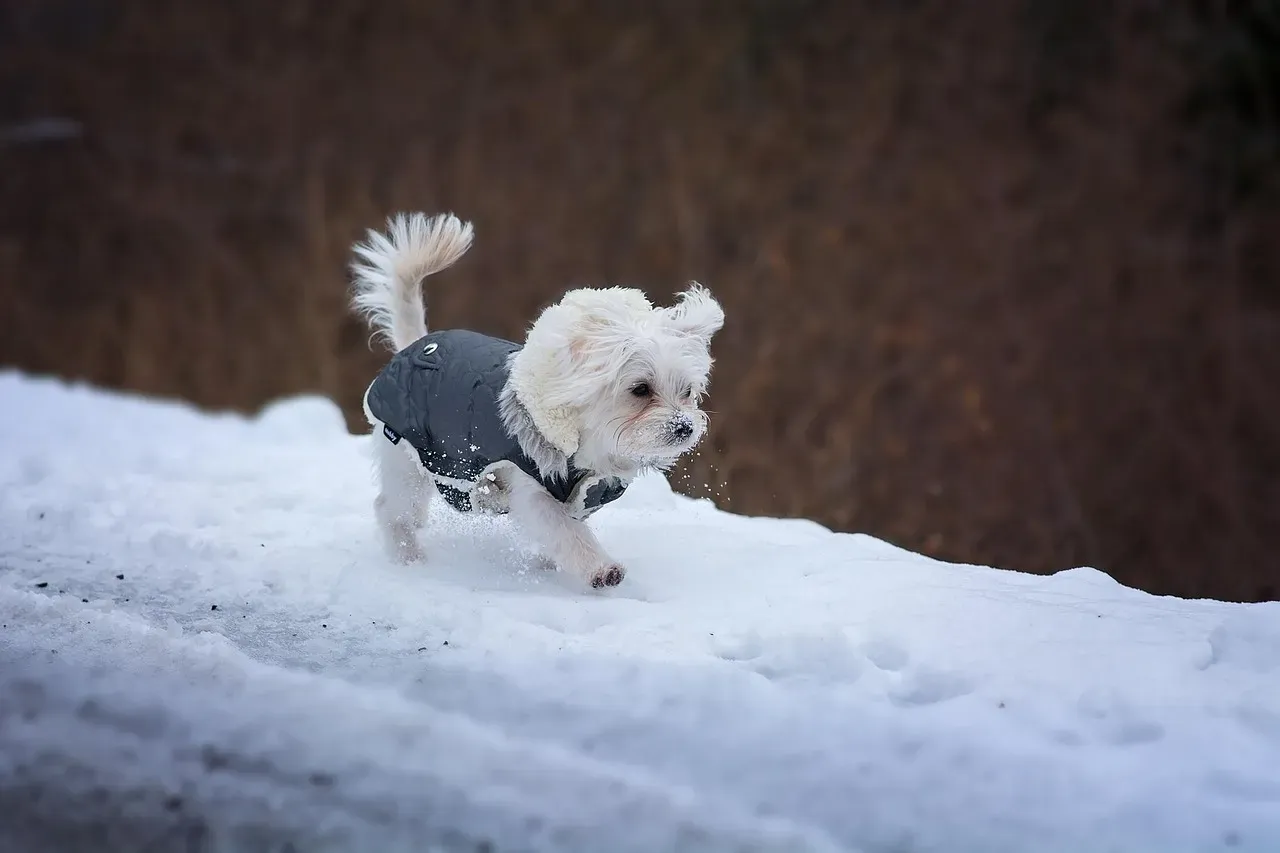
Dog clothing can look ridiculous, but shivering through a walk is worse. Short-haired, small, elderly, or underweight dogs often can’t hold their body heat well in sudden cold, and that first snap hits them hardest. A well-fitted coat or sweater is not a fashion statement in that moment; it’s functional gear, like your own winter jacket. If your dog tenses up, shakes, or tries to rush home as soon as it turns cold, that’s your sign they’re not as “tough” as you thought.
Choose gear that actually works: snug but not tight, covering the chest and back, with easy movement for shoulders and legs. Skip the flimsy, decorative outfits and look for something that provides insulation and repels moisture. If your dog hates new clothing, start introducing it before the cold snap hits so you’re not trying to fight them into a coat in freezing wind on day one. It’s much easier to build a positive association when no one’s fingers are numb.
5. Paw Protection From Frozen Ground, Salt, And Ice Melt
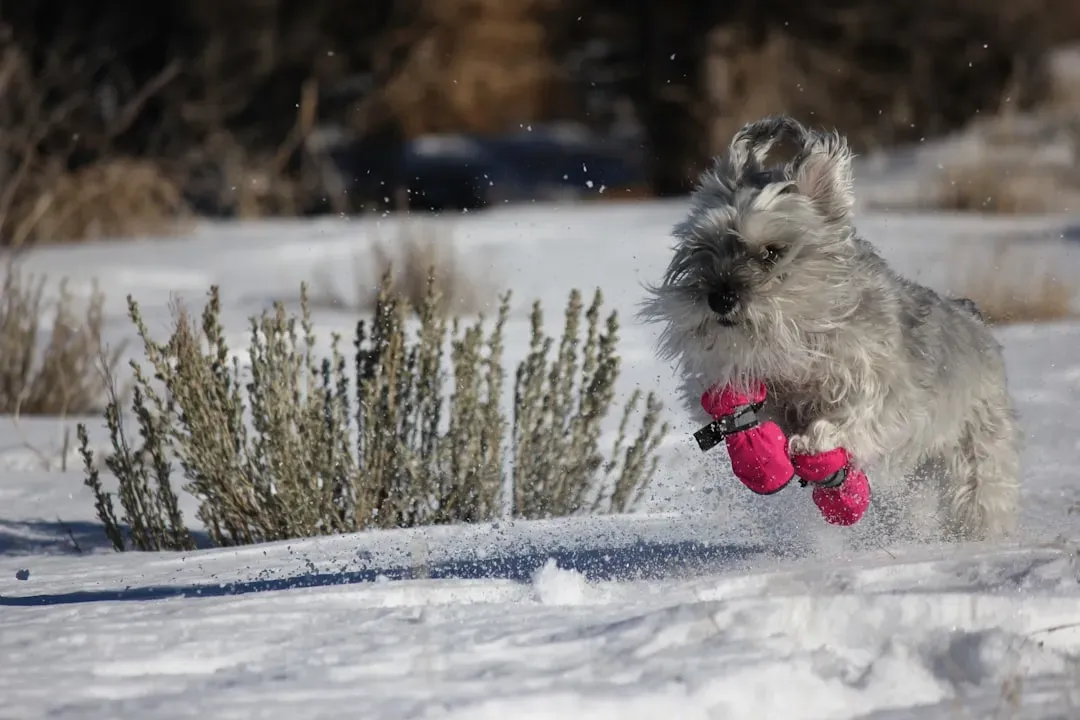
The first real cold snap doesn’t just make the air painful; it transforms the ground into a hazard course. Sidewalks get coated in salt and chemical ice melt that can sting and crack your dog’s paw pads. Frozen ground and sharp ice can cause tiny cuts, which sting even more when exposed to de-icers. Your dog can also lick that stuff off their paws later, which is the last kind of “extra seasoning” they need.
Before that first icy morning, get into the habit of checking and wiping their paws after walks. You can use a damp cloth or pet-safe wipes to remove salt and residue, then dry thoroughly. For dogs who tolerate them, boots can be game-changing, especially in cities where salt use is heavy. If boots are a no-go, a paw balm or wax made for dogs can help create a protective barrier. Ignoring paw care in winter is like walking barefoot over gravel and chemicals and calling it “no big deal.”
6. A Nutrition And Hydration Tweak For Cold-Weather Needs
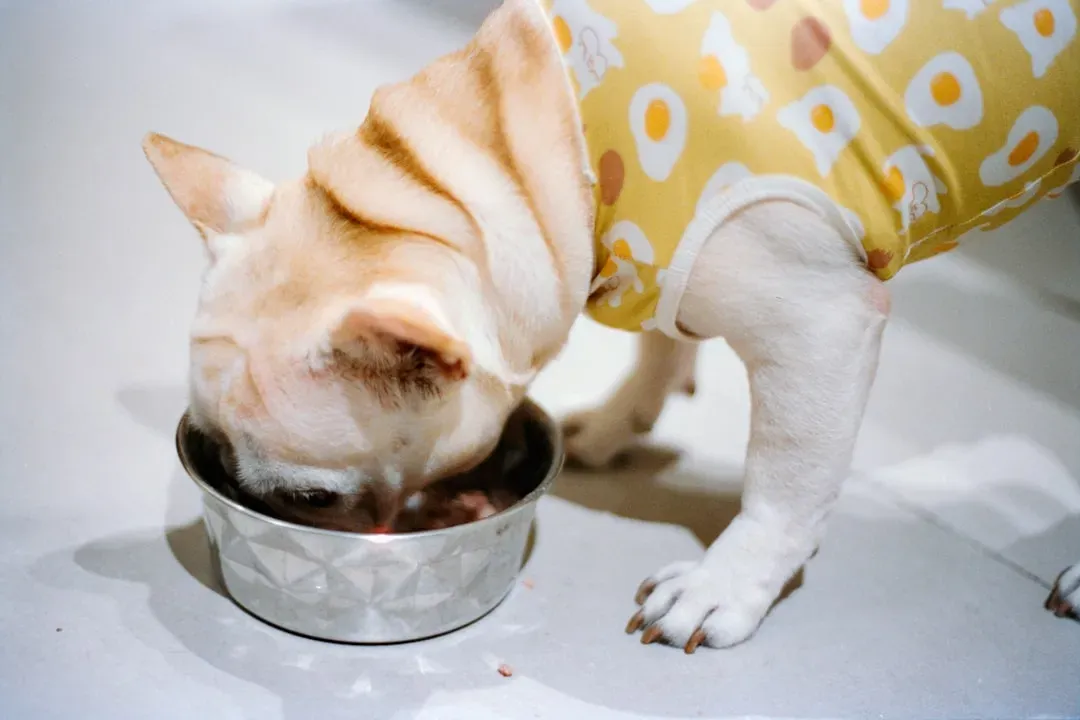
Cold snaps can quietly change how your dog uses energy. Some dogs burn more calories trying to stay warm, especially if they’re very active outside or spend time in cooler spaces like porches or garages. Others move less as the weather worsens, which means they might gain unnecessary weight if their food stays the same. Pretending their winter body needs are identical to summer is a good way to miss subtle weight creep or low energy.
Before the temperature dives, take an honest look at your dog’s typical day in winter versus summer. Are they still getting long hikes, or is it more quick potty breaks and indoor lounging? You may need to slightly adjust portion sizes, swap to a food with different calorie density, or tweak treat habits. And don’t forget water: heated homes are dry, and many dogs drink less in cold weather. Make fresh water easy to access, and if you notice a sudden change in appetite or thirst, that’s always a reason to check in with your vet.
7. Extra Support For Aching Joints And Stiff Bodies
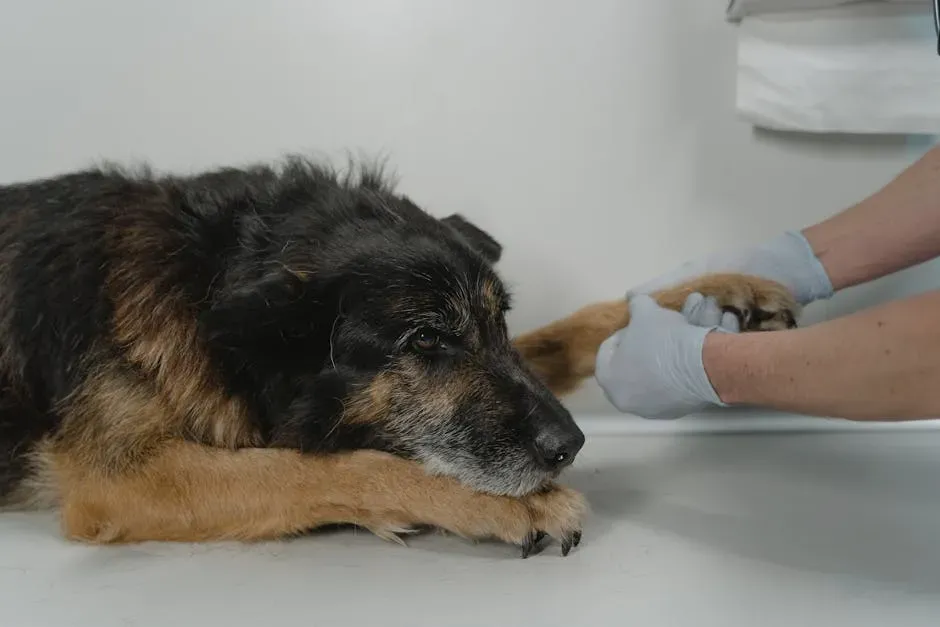
If your dog is older, arthritic, or just a large breed with some mileage, cold weather can hit their joints brutally hard. That first cold snap often reveals stiffness that was easy to miss when days were warm and walks were looser. Suddenly they’re hesitating to jump into the car, struggling with stairs, or needing a long time to loosen up after lying down. It’s heartbreaking to watch, especially when you know a bit of preparation could’ve made it easier.
Talk with your vet before winter about joint support options: pain medication when needed, joint supplements, weight control, and gentle exercise plans. At home, think about making life physically easier: non-slip rugs on slick floors, a ramp instead of a jump, a warm orthopedic bed instead of a thin cushion. Cold doesn’t need to mean months of suffering; with the right mix of medical support and practical tweaks, many dogs move more comfortably than you’d expect, even on the chilliest days.
8. A Boredom And Anxiety Plan For Dark, Indoor Days
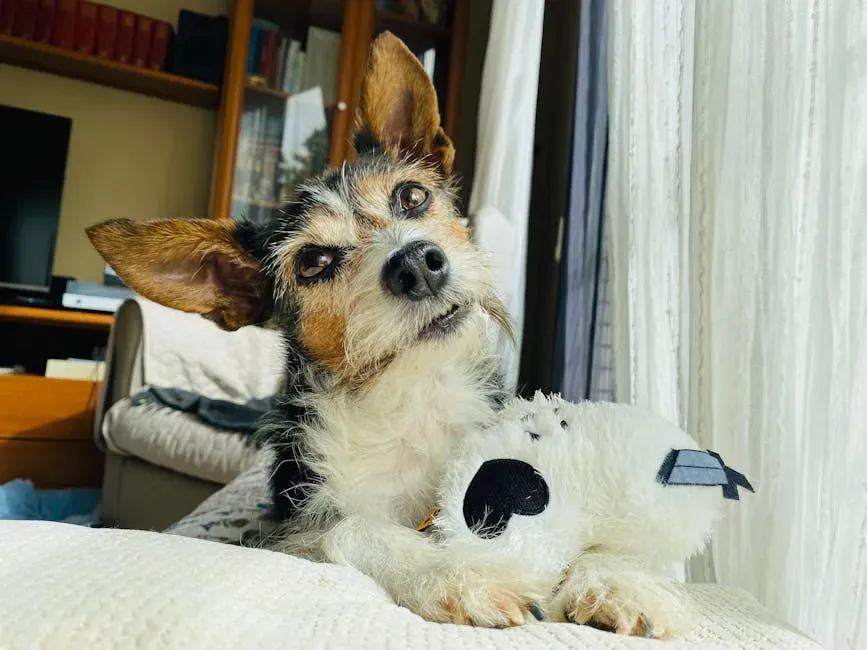
The emotional side of cold weather hits dogs more than we like to admit. Shorter walks, less daylight, and more time cooped up indoors can leave even calm dogs restless or clingy. Some become anxious when storms roll through or when the radiators and wind start making new, unsettling sounds. If your only plan is “we’ll just hang out more inside,” you may end up with shredded toys, chewed furniture, or a dog who seems a little sadder and needier than usual.
Before the first cold snap locks you indoors, stock up on indoor entertainment: puzzle feeders, chew toys, scent games, and short training sessions can tire a dog out far more than people expect. Think of mental work as your dog’s version of a good book on a snow day. If your dog is already sound-sensitive or nervous, now is also a good time to look into calming routines, safe quiet spaces, and maybe even professional help if their anxiety tends to spike when the weather turns wild.
9. Clear Safety Rules For Cars, Garages, And Outdoor Spaces
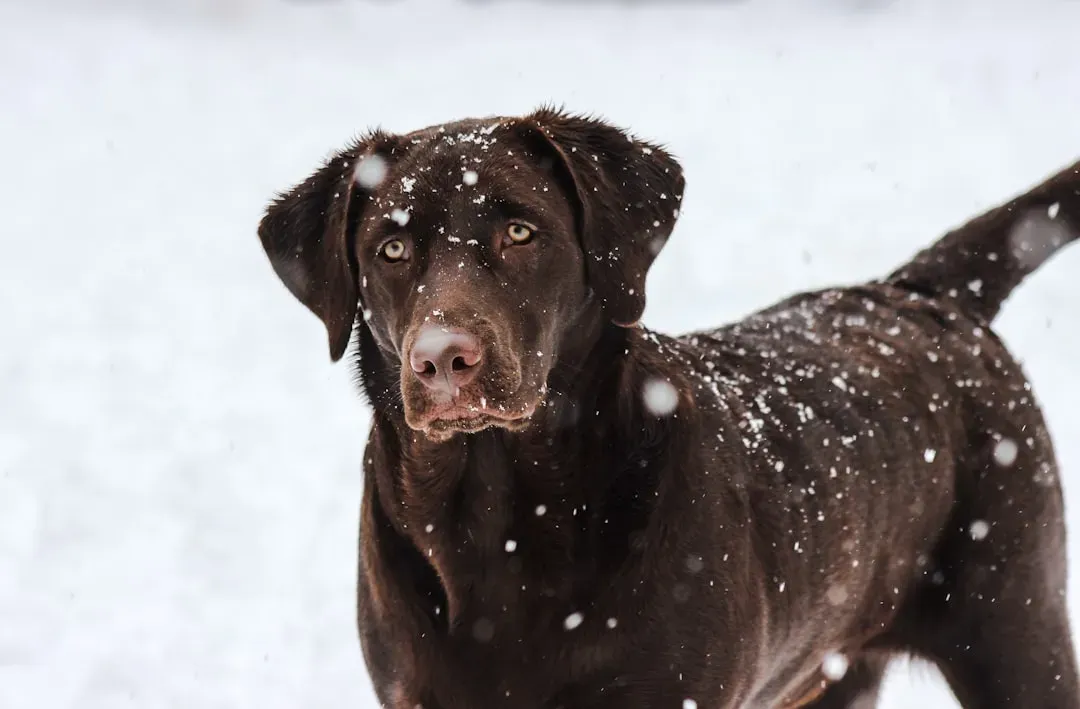
Cold-weather dangers for dogs are often less obvious than summer heat, but they’re just as real. People worry (rightly) about dogs left in hot cars, but a parked car in a sharp cold snap can turn into a refrigerator frighteningly fast. Garages and sheds become tempting hiding spots or napping zones, but they’re full of winter chemicals like antifreeze, which is deadly even in tiny amounts. Assuming your dog “knows better” is gambling with their safety.
Before the first real cold front hits, decide on your non-negotiables: no unsupervised time in the car, no loose roaming in garages with chemicals, locked or secure access to sheds and storage areas. If your dog spends time in a yard, check fencing and gates, and make sure they have no way to escape in stormy or icy conditions. Cold snaps can cause power outages, frozen water bowls, and blocked doors or gates; thinking through those possibilities ahead of time is one of the least glamorous but most loving things you can do.
10. Your Presence, Attention, And Willingness To Adjust
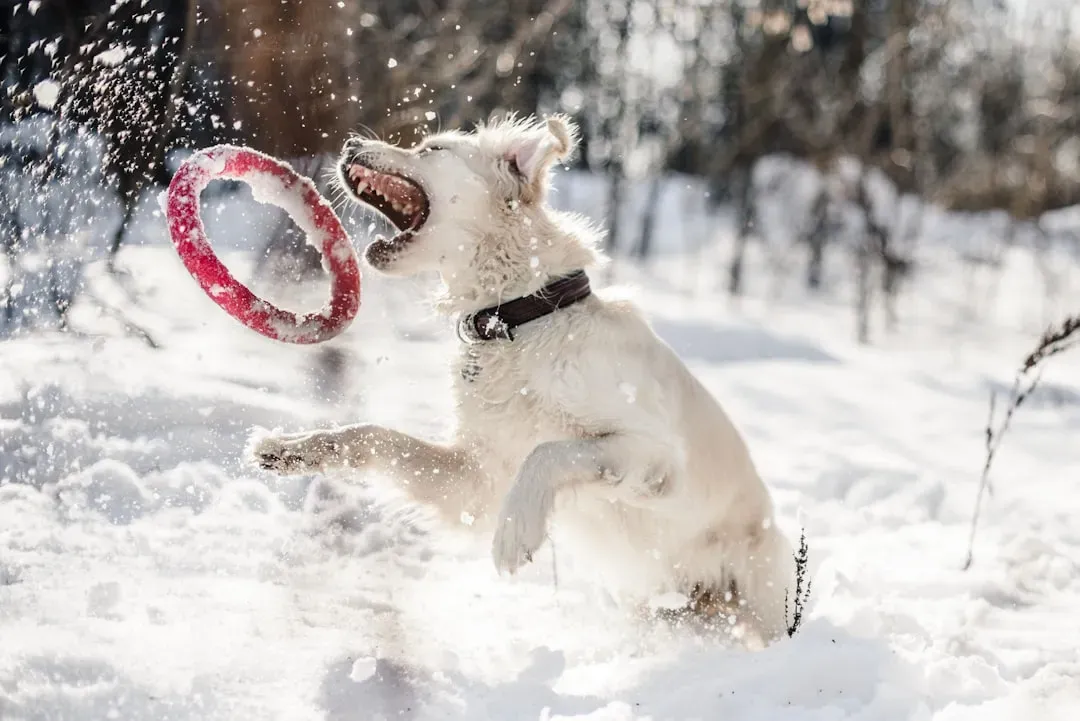
Underneath all the gear, routines, and checklists, your dog needs one thing more than anything else when the cold hits: you paying attention. They can’t tell you their paws sting from salt, their hips ache in the morning, or they’re suddenly nervous during nighttime walks. What they do is hesitate, lick, shiver, slow down, or cling a little closer – and it’s incredibly easy to write all of that off as “they’re just being weird today.”
Before that first real cold snap lands, make a quiet promise to actually watch your dog. Notice if they start refusing the couch spot near a drafty window, if they suddenly want to go home sooner, or if they seem more restless at night. Winter should not be a season your dog simply endures while you complain about the heating bill. In my opinion, a good dog owner in cold weather isn’t the one with the cutest coat or fanciest bed; it’s the one who’s willing to change the plan when their dog’s body and behavior are clearly asking for something different.
Conclusion: Winter Comfort Is Not A Luxury, It’s Part Of The Deal
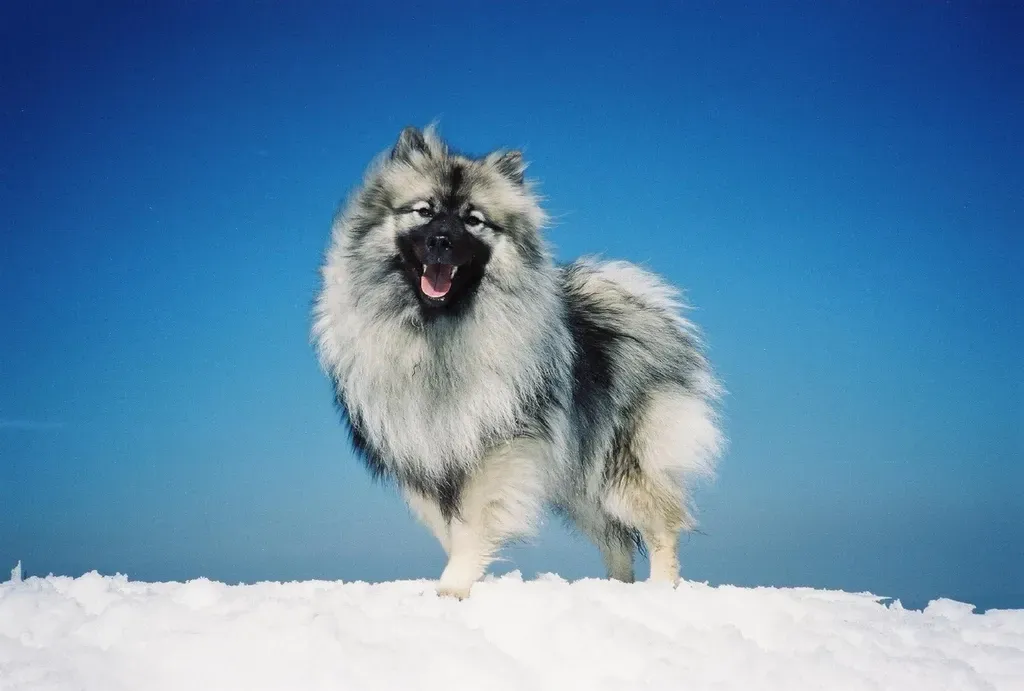
Here’s the uncomfortable truth: many dogs suffer quietly through winter because their humans underestimate what cold really does to an animal who can’t opt out. We tell ourselves they’re “built for it” or “don’t seem to mind,” while ignoring the subtle signs that their joints hurt, their skin is dry, their paws are raw, or their brain is going stir-crazy from long, dark days. Preparing before that first serious cold snap isn’t spoiling your dog; it’s taking responsibility for a creature who depends on you completely.
You don’t have to become a winter-gear obsessive or reinvent your whole life, but you do need to care enough to plan ahead: a health check, a warm bed, safer walks, protected paws, better indoor enrichment, and sharper eyes on how your dog is actually coping. When the temperature suddenly drops and your dog still moves, plays, and relaxes comfortably, you’ll know you got it right. As the cold season rolls in this year, are you going to assume your dog will just “handle it,” or will you be the person who makes winter genuinely kinder for them?